BBQ and grilling are often confused as synonymous cooking methods, but they differ in technique, heat source, and cooking time. Grilling involves cooking food quickly over direct, high heat, usually above 400°F, while BBQ typically cooks food slowly at lower temperatures, around 225–275°F, using indirect heat and smoke to add flavor.
This distinction matters because the cooking method impacts texture, taste, and the types of foods best suited for each style. Grilling is ideal for thinner cuts like burgers, steaks, and vegetables, delivering a charred exterior and juicy inside rapidly. BBQ, on the other hand, excels with larger or tougher cuts like ribs and brisket, allowing collagen to break down into tender, smoky meat over hours.
In this article, we'll explore the main differences between BBQ and grilling across several aspects: heat source, cooking duration, flavor profiles, equipment, fuel types, and popular foods suited for each technique. Understanding these differences will help you choose the perfect method for your next cookout.
Heat Source and Temperature Control in BBQ and Grilling
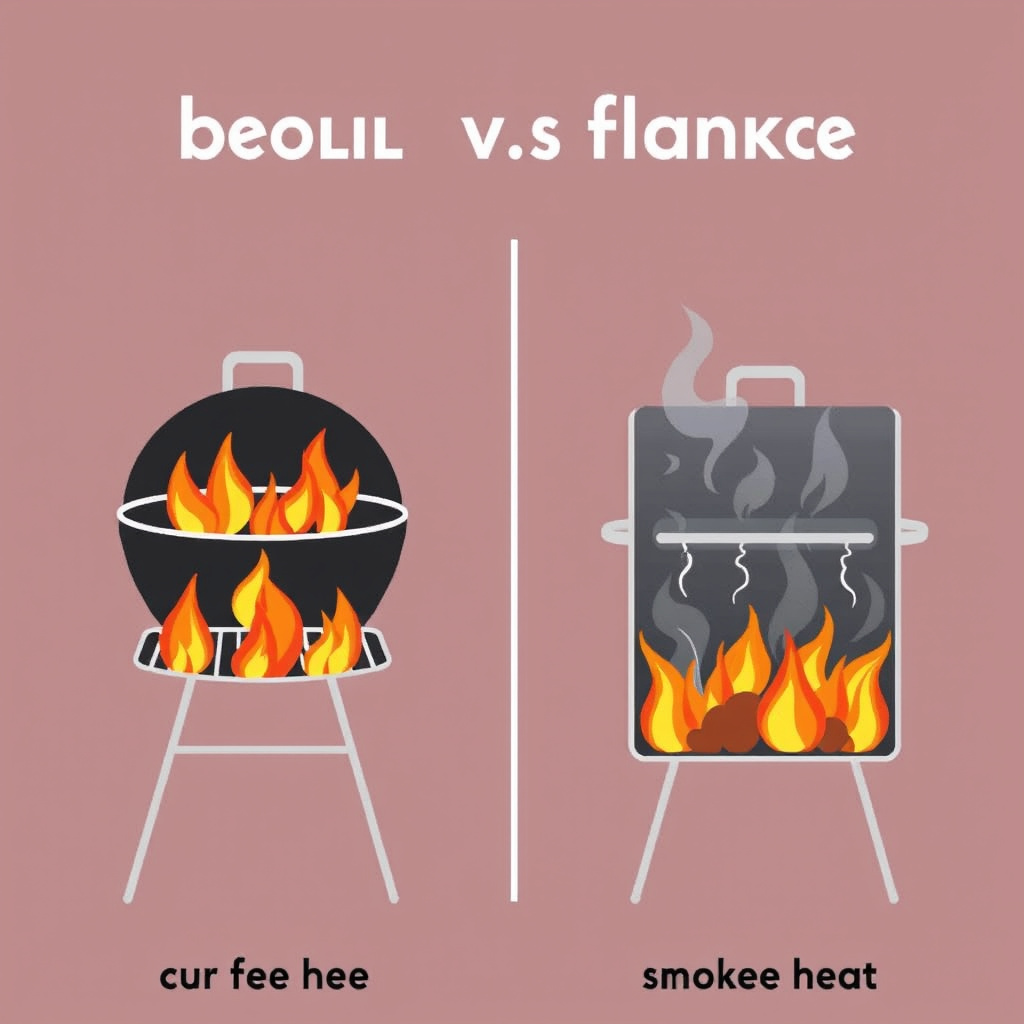
Direct vs Indirect Heat
Grilling uses direct heat from flames or hot coals directly beneath the food, which cooks it quickly at high temperatures. The direct heat sears the surface, creating the characteristic grill marks and caramelization.
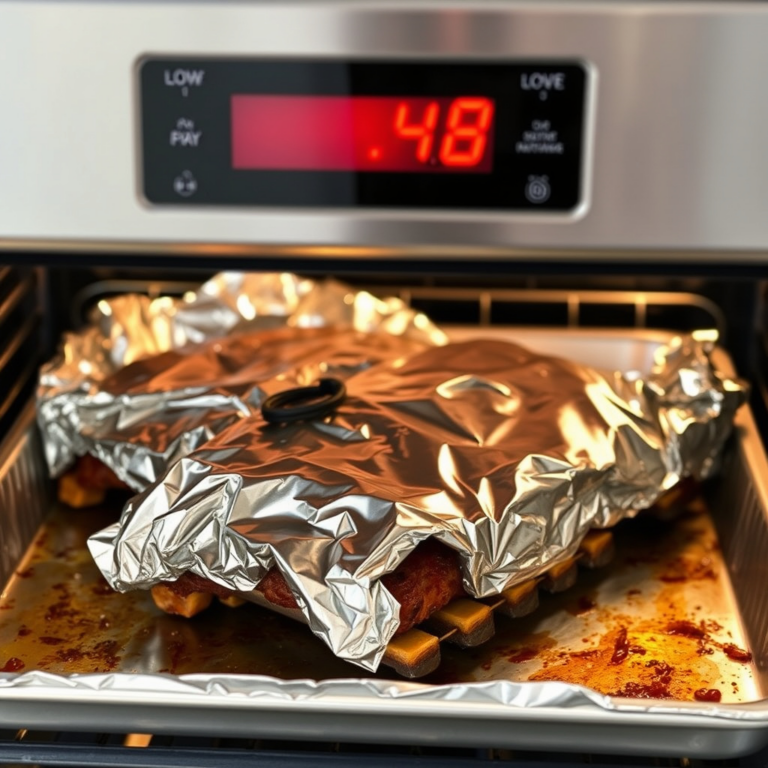
BBQ relies on indirect heat where the food is positioned away from the flame, and heat circulates around it. This slower cooking process helps tenderize tough meats without burning the surface.
- Grilling: Direct heat, 400°F+
- BBQ: Indirect heat, 225–275°F
Temperature Monitoring Techniques
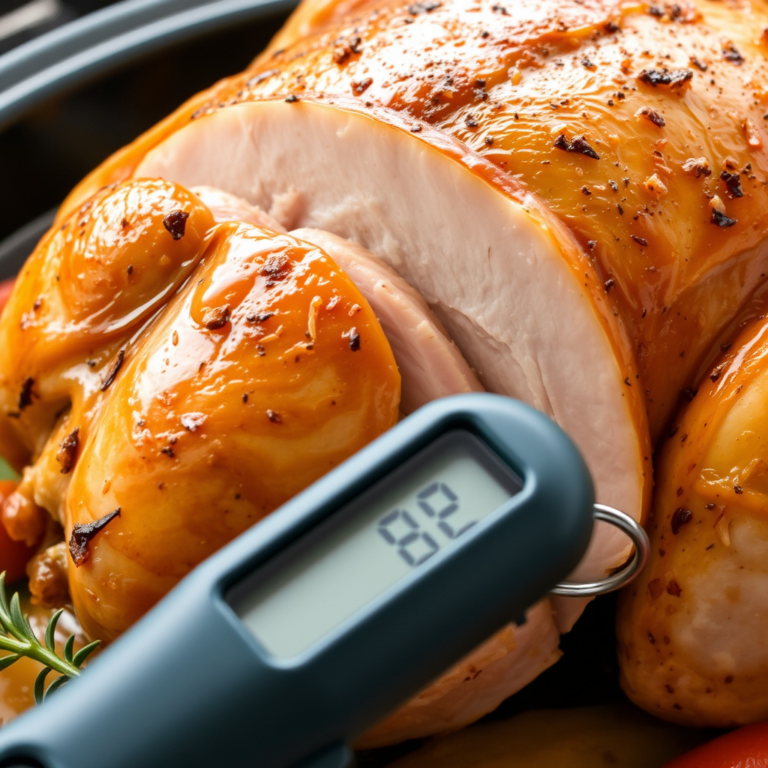
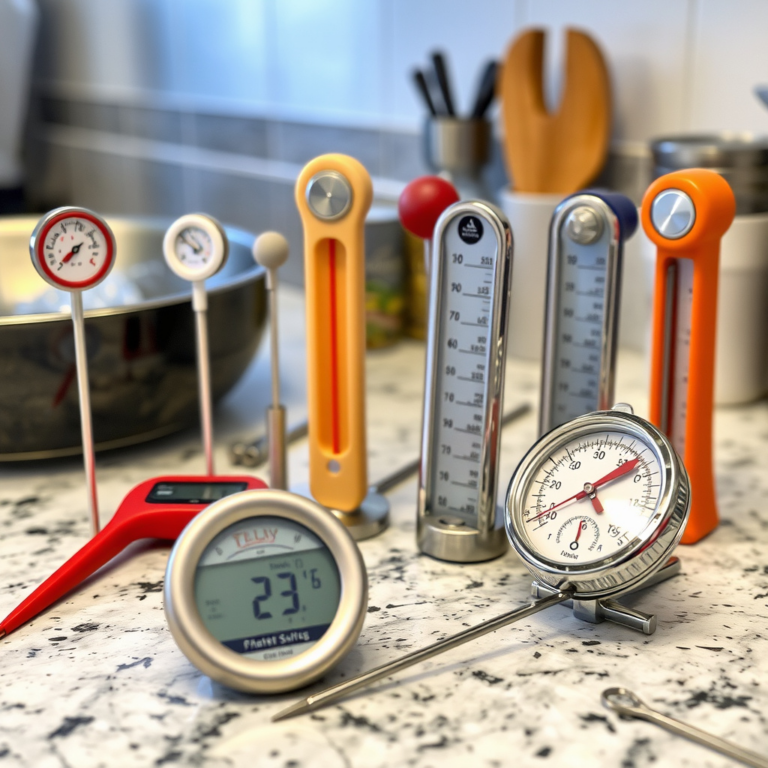
Grilling typically requires less complex temperature control. High heat is maintained for short durations, and cooks often eyeball doneness or use quick-read meat thermometers.
BBQ demands careful temperature regulation over several hours, often using digital probes and dampers to control airflow in smokers, making precise adjustments necessary for tenderness and smoke infusion.
Flavor Development: Smoke vs Char
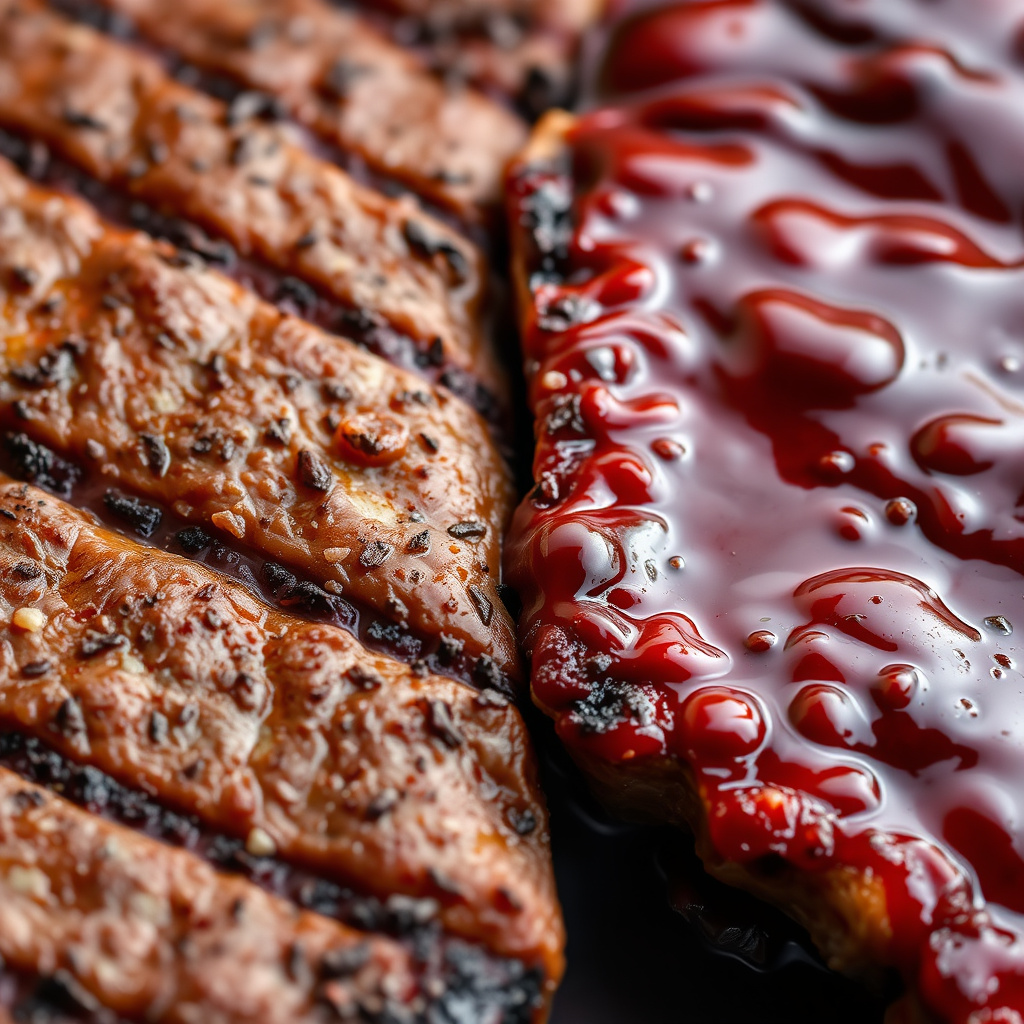
Smoky Flavors in BBQ
BBQ flavor profiles heavily depend on the type of wood or charcoal used to generate smoke. The slow cooking process lets the meat absorb these aromatic compounds, producing rich, deep flavors that are hard to replicate with grilling.
Common wood types include hickory, mesquite, applewood, and cherry, each imparting different intensities and flavor notes that complement various meats.
- Hickory: strong and bacon-like
- Applewood: mild and sweet
- Mesquite: intense, earthy
The Char and Maillard Reaction in Grilling
Grilling creates flavor through high-heat caramelization and the Maillard reaction, which browns amino acids and sugars on the meat’s surface. This provides a smoky, crusty exterior without the sustained smoke infusion.
While grilled food lacks deep smoke flavor, it excels in delivering a tasty, slightly crisp char that highlights the meat's natural juices.
Equipment Types for BBQ and Grilling
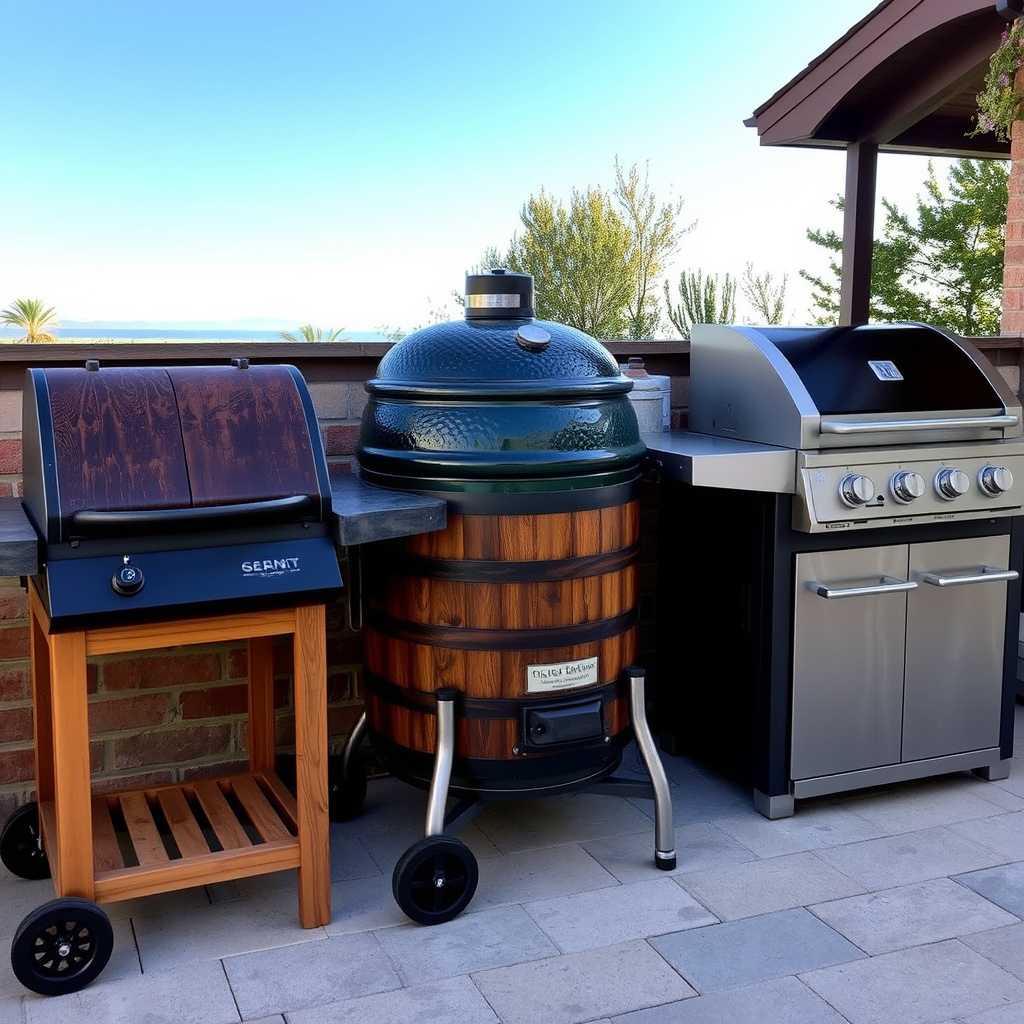
Grills: Gas, Charcoal, and Electric Options
Grills come in many forms including gas, charcoal, and electric models. Gas grills offer convenience and temperature control with burners, making them ideal for quick cooking.
Charcoal grills provide intense heat and better flavor from smoke generated by coals, favored by grilling enthusiasts. Electric grills are typically used indoors for convenience but lack the authentic smoky taste.
- Gas grills: fast, controllable heat
- Charcoal grills: rich flavor, more effort
- Electric grills: indoor use, less flavor
For more on this, see our related guide: Understanding the Difference Between Baby Back and Spare Ribs.
Smokers and BBQ Pits for Low and Slow Cooking
BBQ uses dedicated smokers or pits designed to maintain low temperatures and constant smoke flow over long cooking sessions. These devices include offset smokers, vertical water smokers, and pellet smokers.
Controlling airflow via dampers supports steady combustion and consistent cooking, essential for breaking down connective tissues in tough cuts.
Cook Times and Food Types for BBQ and Grilling
Typical Grilling Foods and Times
Grilling generally cooks food in minutes or under an hour, suited to items like burgers, hot dogs, thin steaks, seafood, and vegetables. High heat quickly cooks these foods, yielding tender results with a charred exterior.
Because of the fast cooking, grilling is perfect for casual meals or when time is limited.
- Steaks: 5 to 10 minutes
- Chicken breasts: 10 to 15 minutes
- Vegetables: 5 to 10 minutes
BBQ Foods and Their Slow Cook Times
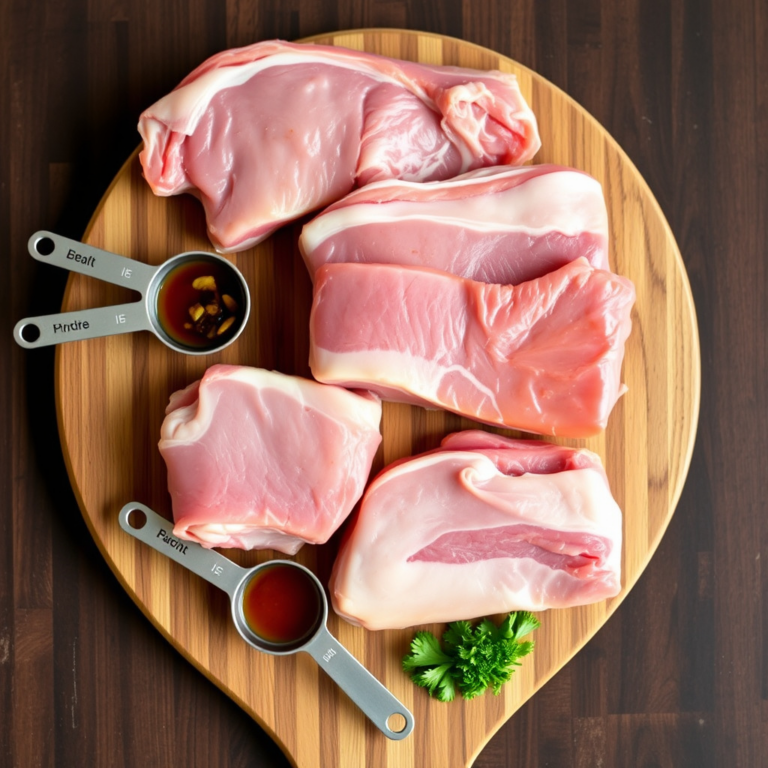
BBQ often involves cooking large, tougher cuts for several hours, with brisket taking 10-14 hours, ribs 5-6 hours, and pulled pork shoulder 8-12 hours. This slow approach melts connective tissues making meat tender and flavorful.
The cooking length demands patience but rewards with a texture and taste grilling can't produce.
- Brisket: 10-14 hours
- Ribs: 5-6 hours
- Pulled pork: 8-12 hours
Fuel Choices and Their Impact on BBQ and Grilling
Charcoal and Wood Fuels
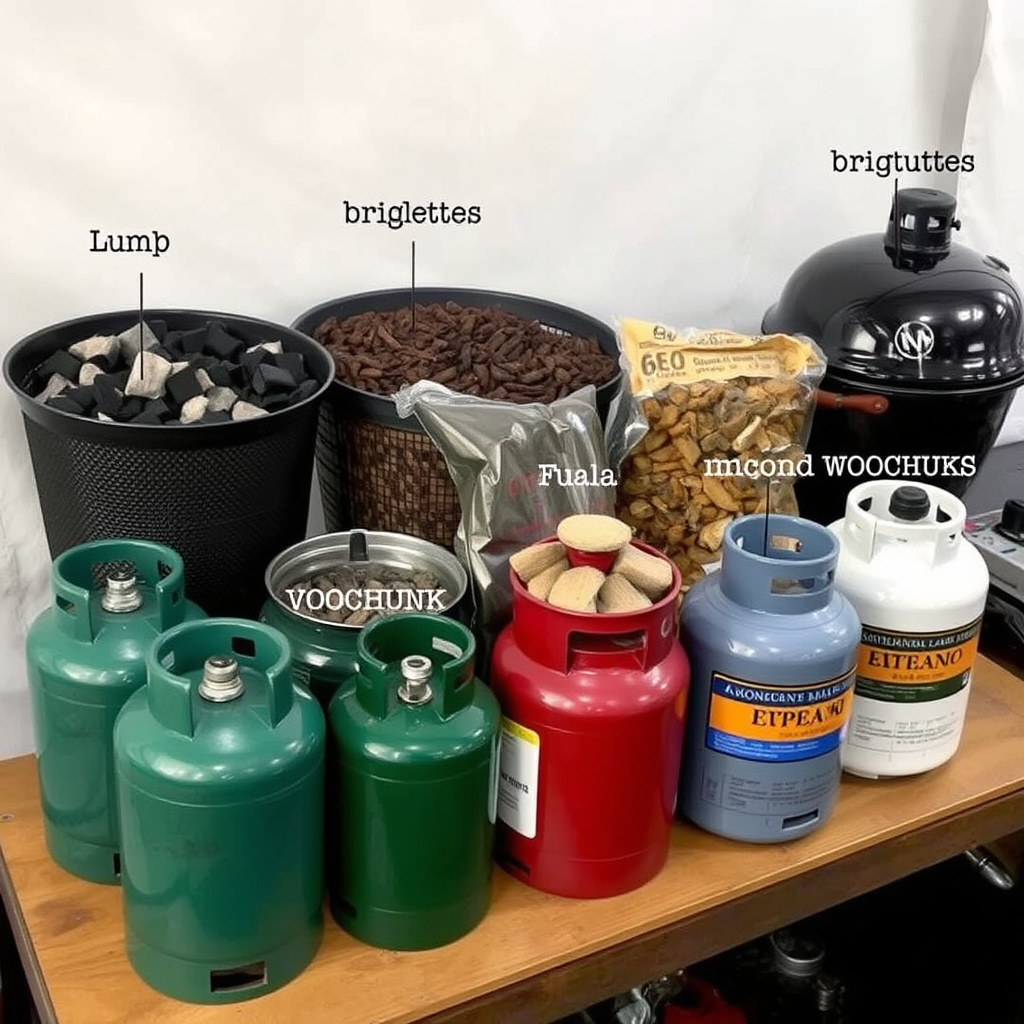
Charcoal and wood are classic fuels that influence flavor significantly. Lump charcoal burns hotter and cleaner with less ash, favored for grilling high-heat cooks.
Wood chunks or chips added to charcoal or used in smokers supply aromatic smoke essential for authentic BBQ taste.
For more on this, see our related guide: Rub vs Marinade: Understanding the Key Differences in Flavoring Techniques.
Gas and Electric Fuel Options
Gas grills run on propane or natural gas, providing easy temperature control and cleanliness but lacking the full smoky flavor wood or charcoal imparts.
Electric grills offer a convenient indoor alternative but do not generate smoke or intense searing heat, limiting flavor complexity.
Health Considerations Between BBQ and Grilling
Potential Risks of High-Temperature Grilling
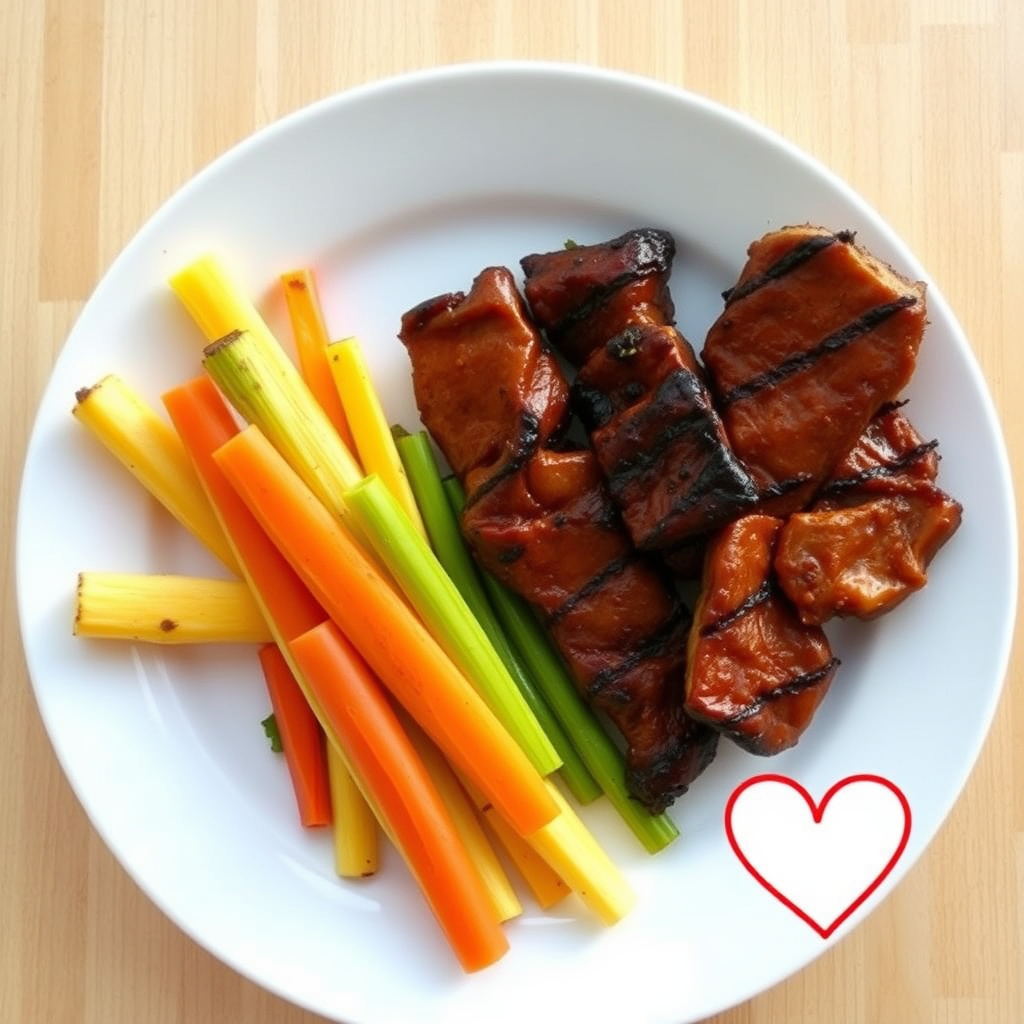
Grilling over high direct heat can produce carcinogenic compounds called heterocyclic amines (HCAs) and polycyclic aromatic hydrocarbons (PAHs), especially when fat drips onto flames causing flare-ups.
Limiting char and avoiding overcooking can reduce these risks.
For a detailed history and broader cultural context of barbecue, see the Barbecue Wikipedia article. Barbecue Wikipedia article.
BBQ Smoking and Health Implications
BBQ’s long smoking process may expose meats to prolonged smoke, which contains PAHs. However, slow cooking at lower temperatures generally reduces formation of HCAs compared to grilling.
Balanced consumption with plenty of vegetables and lean cuts aids in managing health concerns.
BBQ vs Grilling: Technique and Outcome Comparison
Here’s a side-by-side comparison of BBQ and grilling based on key factors that influence cooking results and flavor.
| Aspect | BBQ | Grilling |
|---|---|---|
| Heat Source | Indirect low heat with smoke | Direct high heat, open flame or charcoal |
| Cooking Time | Long: 5-14 hours | Short: Minutes to under 1 hour |
| Flavor Profile | Smoky, tender, deeply infused | Charred, seared, fresh |
| Ideal Meats | Tough cuts like brisket, ribs | Quick-cooking items like steaks, burgers |
| Fuel Types | Wood chunks, charcoal, pellets | Charcoal, gas, electric |
| Equipment | Smokers, BBQ pits | Grills — gas, charcoal, electric |
Frequently Asked Questions
Is BBQ just slow grilling?
No, BBQ differs from grilling by using lower heat and indirect smoke over long periods, whereas grilling is quick cooking over direct high heat.
Can you grill and BBQ on the same equipment?
Many grills can be adapted for both by using indirect heat zones for BBQ and direct heat for grilling, but dedicated smokers are optimal for true BBQ.
Does grilling produce smoke flavor like BBQ?
Grilling produces some smoke from charcoal but lacks the deep smoke infusion developed by hours of slow cooking in BBQ.
Which method makes meat more tender, BBQ or grilling?
BBQ typically produces more tender meat as the low and slow cook breaks down connective tissue, while grilling is quicker and best for naturally tender cuts.
Is gas grilling less flavorful than charcoal or wood BBQ?
Gas grilling offers convenience but generally lacks the smoky flavors that charcoal and wood smokers impart to BBQ meats.
Key Takeaways
- BBQ cooks food low and slow with indirect heat and smoke for deep flavor and tenderness.
- Grilling uses high direct heat to cook food quickly with a charred crust.
- Different fuels and equipment influence the cooking and taste of BBQ and grilling.
- Choosing between BBQ and grilling depends on the cut of meat, time available, and desired flavor.
Conclusion
When deciding between BBQ and grilling, consider the cooking technique that best suits the meat and your available time. BBQ’s slow, smoke-infused approach is ideal for tougher cuts that benefit from extended cooking to become tender and flavorful. Grilling, by contrast, excels at quickly searing tender cuts or vegetables with direct, high heat for a delicious char and juicy interior. Both methods employ distinct temperature ranges, fuel types, and equipment to create significantly different results that cater to varied taste preferences and occasions.
For a weekend cookout with limited time, grilling steaks, burgers, or vegetables using a gas or charcoal grill is efficient and satisfying. However, if preparing for a gathering where deep smoky flavor and tender texture are prized, investing time in a smoker or offset BBQ pit with wood chunks elevates ribs, brisket, or pork shoulder to another level. Hybrid grills enable experimenting with both methods, allowing flexibility depending on the meal, but dedicated smokers best achieve authentic BBQ flavor profiles.
Ultimately, understanding the differences between BBQ and grilling empowers you to pick the right method for your menu, equipment, and schedule. Starting simple with basic grilling techniques can build skills and confidence, while exploring BBQ over time leads to mastering slow-cooked savory dishes. No matter your choice, attentive temperature control, fuel selection, and patience form the foundation for delicious results worth savoring whenever you cook outdoors.