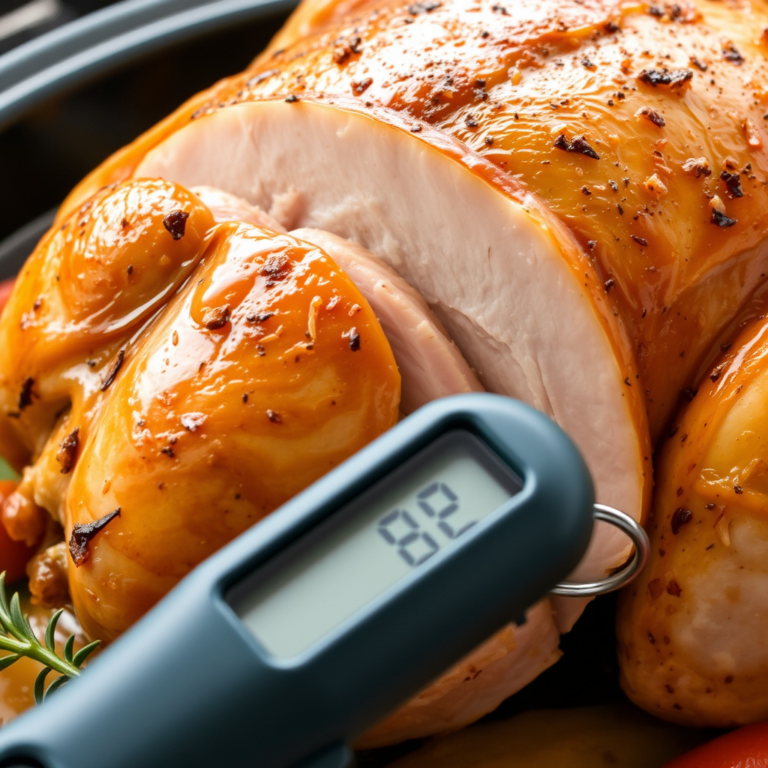
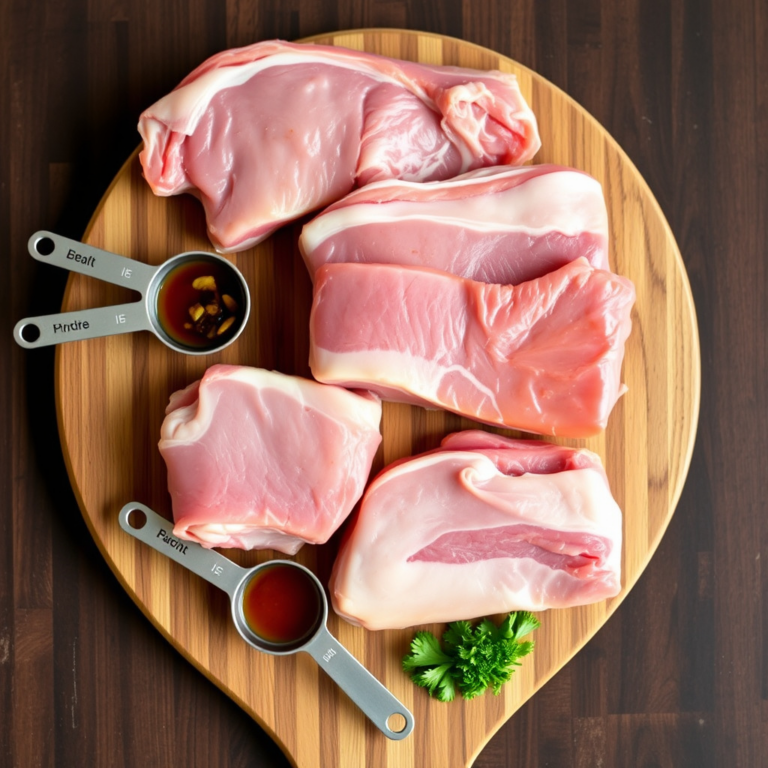
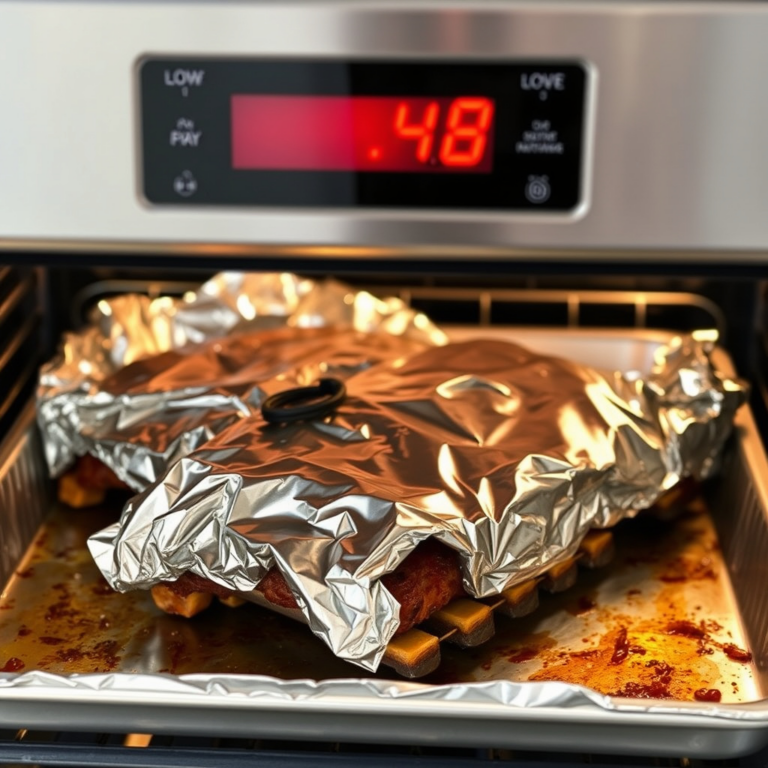
A rub and a marinade are two distinct methods used to add flavor to food, especially meats, before cooking. A rub consists of dry spices and herbs that are massaged directly onto the surface of the meat, creating a flavorful crust. In contrast, a marinade is a liquid mixture—often containing acids like vinegar or citrus juice, oils, and seasonings—that the meat soaks in for a set period to infuse flavor and tenderize.
Understanding the difference between a rub and a marinade can elevate your cooking by helping you select the right technique for your recipe and desired texture. While rubs provide a concentrated and sometimes more intense surface flavor, marinades penetrate deeper, often softening tougher cuts.
This article explores the differences between rubs and marinades, including their components, preparation methods, effects on food, and tips on choosing the right one depending on the dish and cooking method.
What Is a Rub and How Does It Work?
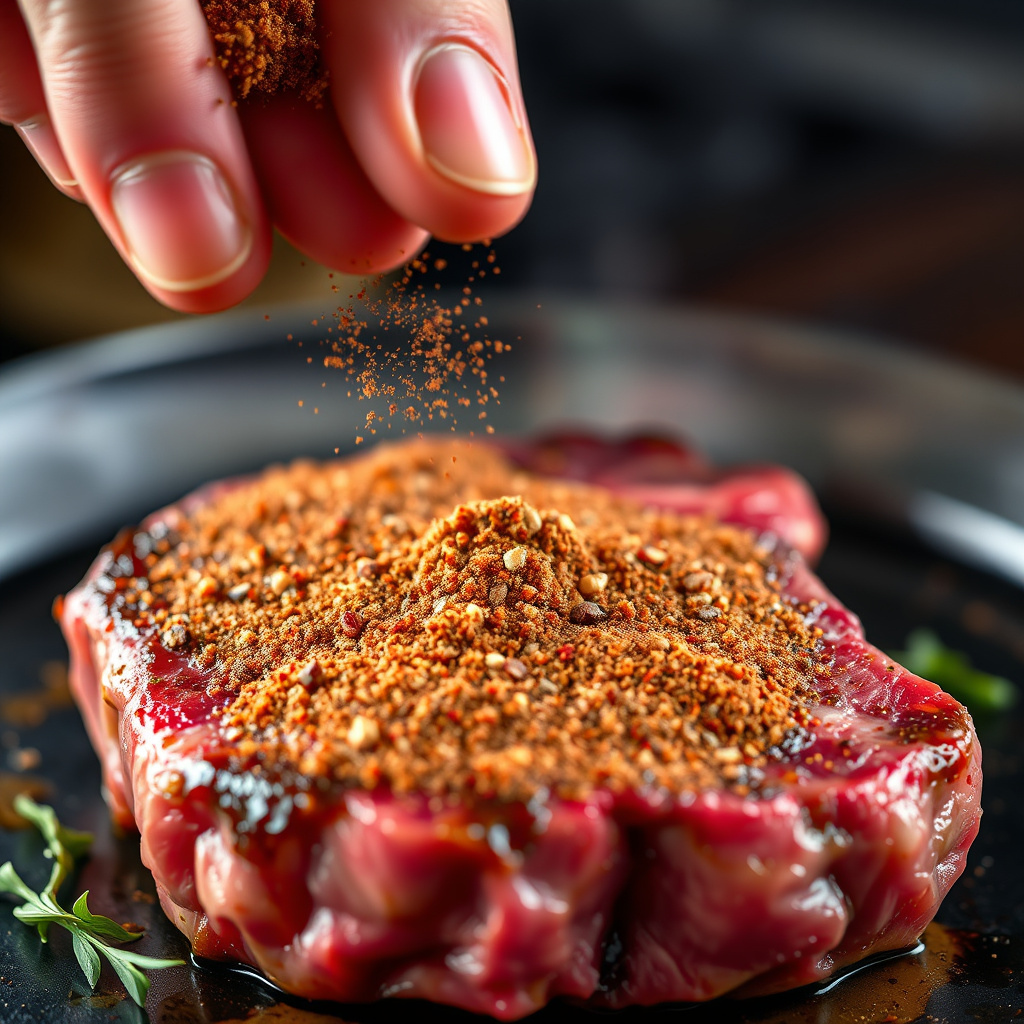
Components of a Rub
A rub typically consists of a blend of dry ingredients such as salt, sugar, spices, and herbs. Common spices include paprika, cumin, black pepper, garlic powder, and chili powder. These dry ingredients coat the surface of the meat and create a flavorful crust during cooking.
Unlike marinades, rubs do not contain liquids, which means they don't penetrate deeply but instead concentrate the flavor on the exterior. Some rubs may include a small amount of oil to help the spices adhere to the food.
- Salt for seasoning
- Sugar for caramelization
- Spices for flavor complexity
- Optional oil to help adhesion
Application and Cooking Effects
When applying a rub, it's typically massaged onto the meat thoroughly to ensure even coverage. The meat can be cooked immediately after application or allowed to rest for a short time to help the flavors meld to the surface.
During cooking, especially grilling or roasting, the rub forms a delicious crust known as the 'bark' which adds texture and flavor. However, since it only affects the surface, the interior flavor remains mostly unchanged.
- Massaged evenly onto surface
- Forms flavorful crust during cooking
- Enhances texture with caramelization
Understanding Marinades: Ingredients and Benefits
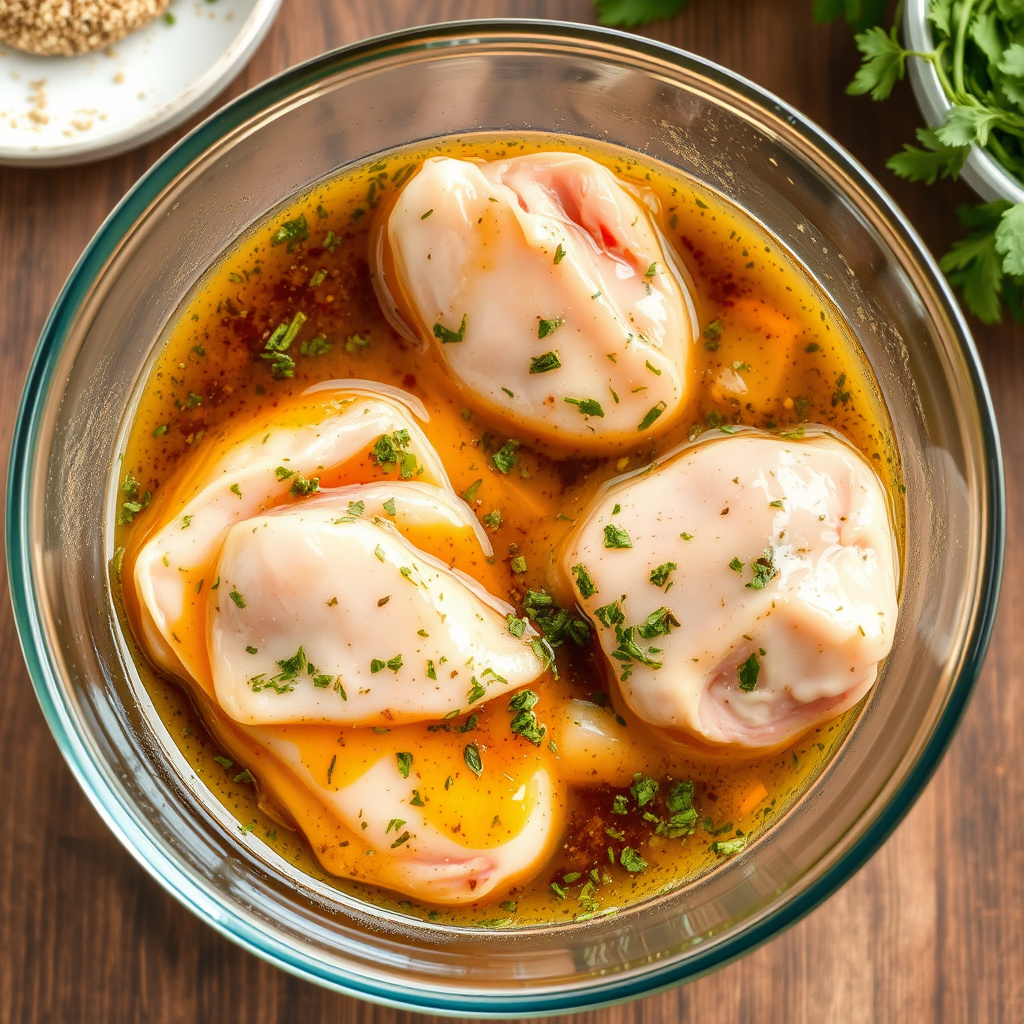
Key Components of Marinades
Marinades consist mainly of acidic ingredients such as vinegar, lemon juice, or wine combined with oil, herbs, spices, and sometimes sweeteners. The acid helps break down protein fibers in tougher cuts of meat, tenderizing them while infusing flavor.
Oils in marinades help distribute fat-soluble flavors and keep the meat moist during cooking. Herbs and spices add aroma and complexity, making marinades a versatile option for many cuisines.
- Acidic base (vinegar, lemon juice)
- Oil to lock moisture
- Herbs and spices for flavor
- Optional sweeteners for balance
Marinating Process and Its Impact
Meat is submerged in the marinade for anywhere from 30 minutes to several hours or overnight depending on the recipe and cut. This soaking allows the flavors to penetrate beyond the surface, improving taste throughout the meat.
However, leaving meat too long in an acidic marinade can cause mushy textures, especially for delicate proteins like fish. Proper marinating time preserves tenderness while maximizing flavor enhancement.
- Soaks for extended time
- Flavors penetrate deeper
- Tenderizes tougher cuts
- Avoid over-marinating delicate proteins
When to Use a Rub Versus a Marinade
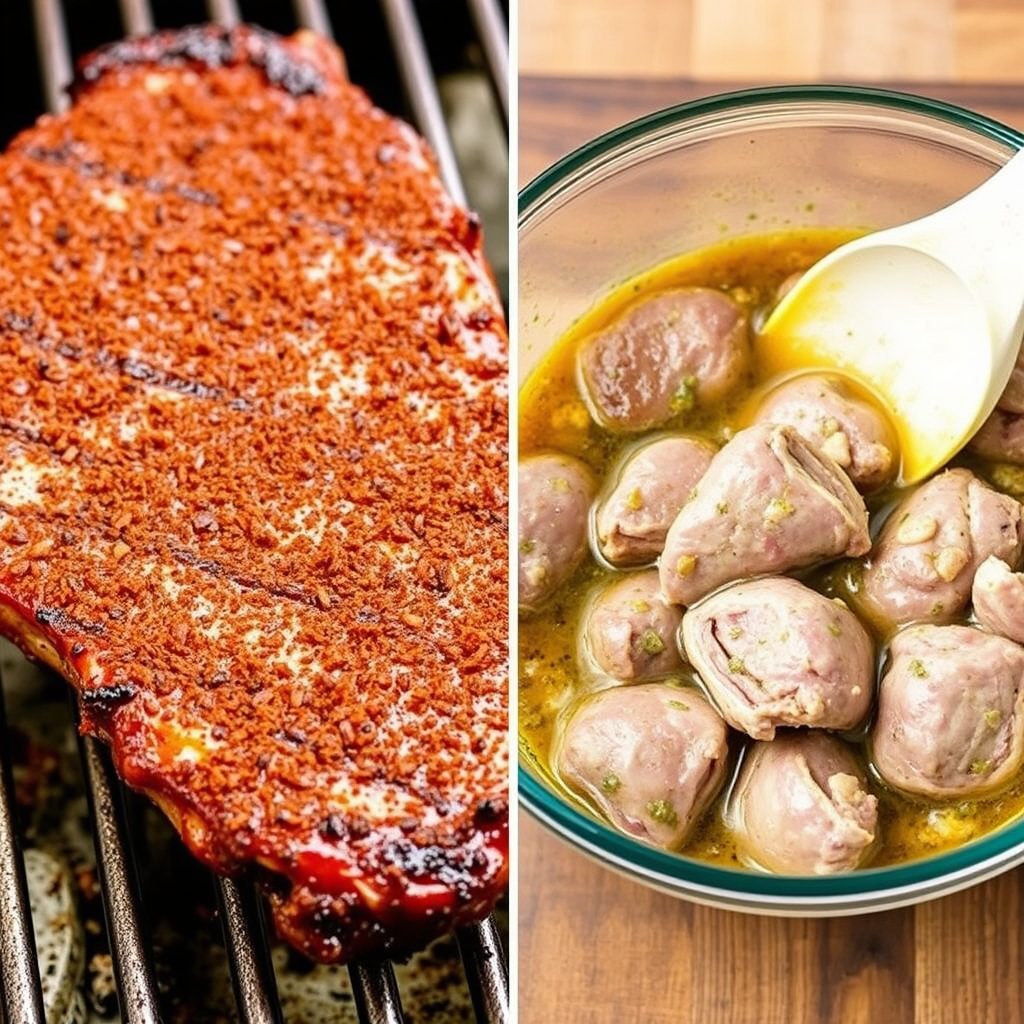
Best Scenarios for Using Rubs
Rubs are ideal for quick cooking methods like grilling or smoking where a thick crust and intense surface flavor are desired. They work well on tender cuts such as steaks, pork chops, or chicken breasts that don’t need tenderization.
Using a rub is also a preferred choice when you want to avoid altering the texture or moisture content significantly and keep seasoning focused on the exterior.
- Quick cooking like grilling
- Tender cuts of meat
- Flavorful crust without softening
For more on this, see our related guide: What Is the Best Salt for Steak: Expert Tips for Perfect Flavor.
When Marinades Are a Better Choice
Marinades are preferred for tougher cuts like flank steak, brisket, or chicken thighs that benefit from tenderization. The soaking process helps break down fibers, resulting in juicier, more flavorful meat throughout.
They also suit dishes where moistness and overall infused flavor are important, such as stir-frys, kebabs, or roasted poultry.
- Tougher, lean cuts
- Tenderizes and moistens
- Used for extended flavor infusion
Impact on Cooking Techniques and Outcomes
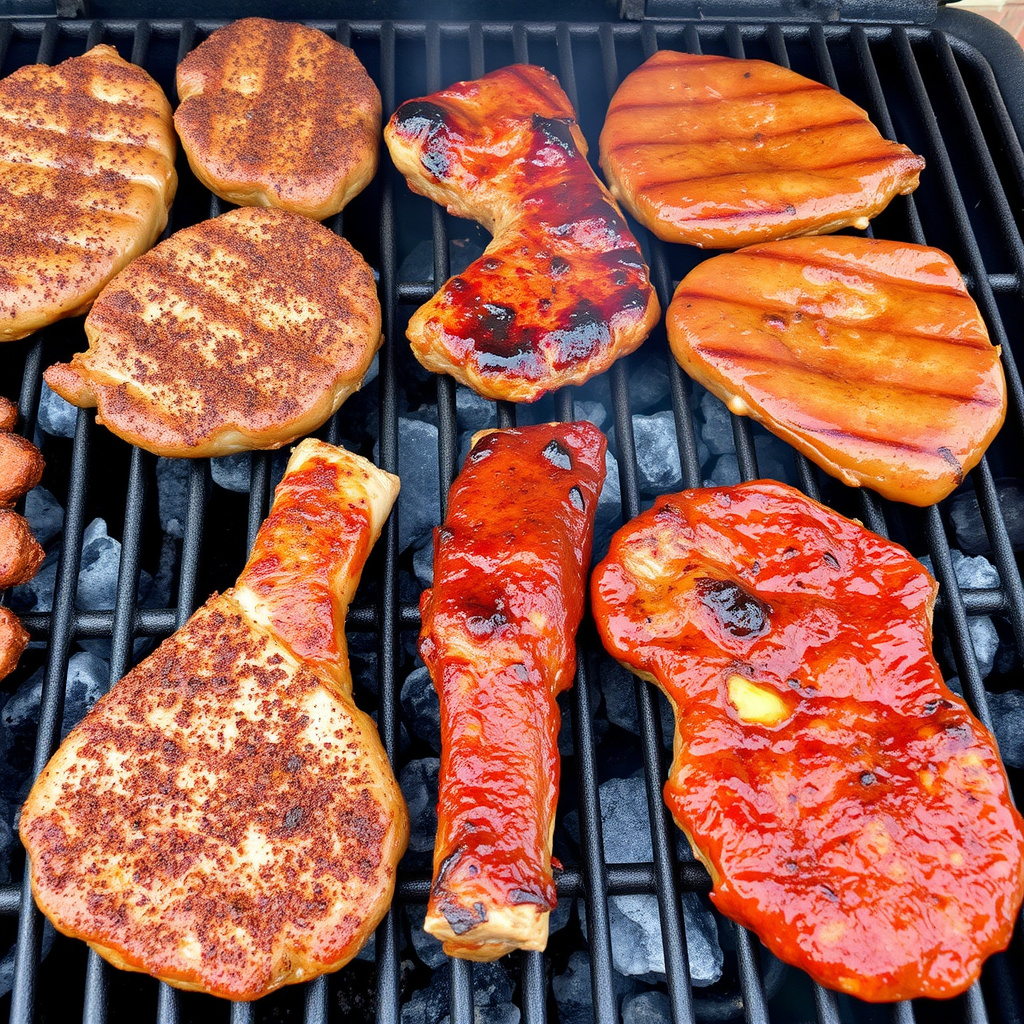
How Rubs Affect Cooking
Rubs tend to enhance the searing and caramelization during cooking due to the sugar and spices. This creates a flavorful bark that is especially prized in barbecue or grilling communities.
Since rubs don’t add moisture, the meat's texture remains largely unchanged by the seasoning, which preserves the original juiciness of cuts with good fat content.
- Encourages caramelized crust
- No impact on moisture content
- Highlights natural meat textures
Cooking with Marinades
Marinated meats often grill faster because of their moisture content and can be more prone to flare-ups due to the oil in the marinade. Proper draining before cooking is necessary to avoid excessive flames.
Marinades can also contribute to a slightly softer texture, which works well in slow cooking methods like braising or roasting, where tenderness is desired.
- Adds moisture leading to faster cooking
- May cause flare-ups on grill
- Softens meat fibers during cooking
Flavor Profiles and Customization Options
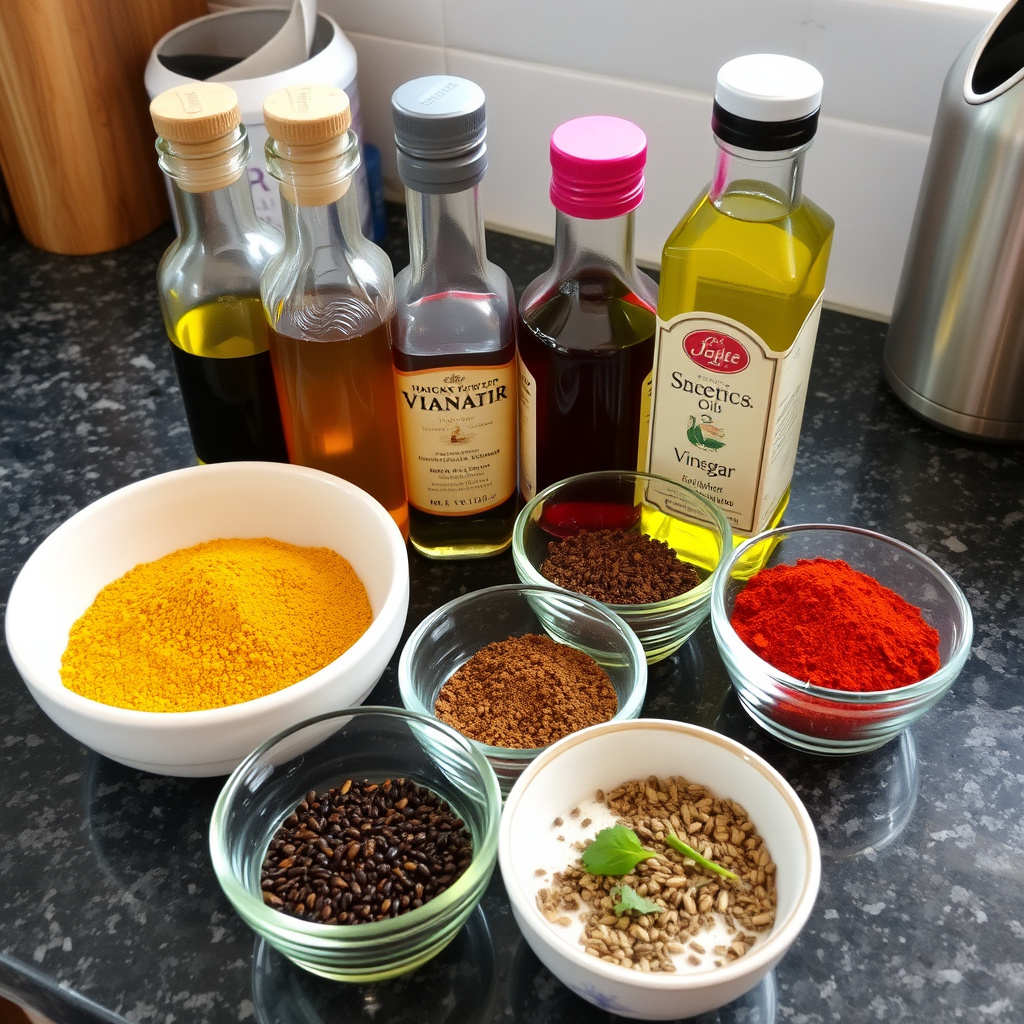
Tailoring Rub Flavors
Rub blends can range from sweet and smoky to spicy and savory depending on the combination of spices and herbs chosen. Adjusting sugar levels affects caramelization intensity while salt controls seasoning balance.
You can create dry rubs to reflect specific cuisines, such as Cajun, BBQ, or Mexican, simply by altering the spice mix, making them highly customizable.
- Sweet (brown sugar, cinnamon)
- Smoky (paprika, chipotle)
- Spicy (cayenne, black pepper)
For more on this, see our related guide: What Is the Best Cut of Pork for Pulled Pork? A Definitive Guide.
Marinade Flavor Variations
Marinade flavors are versatile since they combine liquids and solids. Acidic bases like citrus impart bright flavors while soy sauce or wine add umami notes. Herbs like rosemary or thyme add aromatic layers.
Sweeteners such as honey or brown sugar balance acidity and create subtle glaze effects during cooking.
- Bright citrus or vinegar acids
- Umami-rich soy or wine
- Herbs for aroma
- Sweeteners for balance
Health Considerations and Storage Tips
Safe Use and Storage of Rubs
Dry rubs have a long shelf life when stored in airtight containers away from heat and moisture. Since they do not introduce moisture to the meat, there is less chance for bacterial growth during short-term marinating.
Apply rubs just before cooking or let the meat rest briefly to avoid drying out. Using excessive salt in rubs can draw moisture out if applied too early.
- Store in airtight containers
- Use just before cooking or shortly before
- Avoid over-salting to prevent drying
For more detailed background on marinades and rubs, you can consult the marinade and rub information on Wikipedia. marinade and rub information on Wikipedia.
Marinade Safety and Storage Guidelines
Marinades must be refrigerated during the marinating process to prevent bacterial growth. Discard leftover marinade that has been in contact with raw meat or boil it thoroughly before reuse.
Use non-reactive containers such as glass or plastic to avoid chemical reactions especially with acidic marinades.
- Always marinate in the fridge
- Discard or boil reused marinade
- Use glass or plastic containers
Rub vs Marinade: Key Differences at a Glance
The following table summarizes main characteristics of rubs and marinades to help you decide which suits your cooking needs.
| Feature | Rub | Marinade |
|---|---|---|
| Primary form | Dry mixture of spices and herbs | Liquid mixture with acids, oil, and spices |
| Flavor penetration | Surface only | Penetrates deeper into meat |
| Tenderizing effect | None | Yes, due to acids |
| Preparation time | Minutes before cooking | From 30 minutes to overnight |
| Best for | Tender cuts, quick cooking | Tougher cuts, tenderizing, moist flavor |
| Impact on texture | Creates crusty bark | Softens fibers, adds moisture |
Frequently Asked Questions
Can I use both a rub and a marinade together?
Yes, you can marinate meat first for tenderness and flavor penetration, then apply a rub before cooking to add a crusty seasoning layer.
How long should I leave meat in a marinade?
Marinating time varies by meat type; tougher cuts can marinate for several hours or overnight, while delicate meats need only 30 minutes to an hour.
Will a rub make meat less juicy?
Rubs primarily season the surface and don’t affect internal moisture significantly, so juicy cuts remain juicy. However, leaving a salty rub on too long can draw moisture out.
Are marinades always acidic?
While many marinades contain acids for tenderizing, some use enzymatic ingredients like pineapple or papaya, and others rely on flavoring without acid.
Which is better for barbecuing, rub or marinade?
Rub is often preferred for barbecuing to develop a flavorful crust, but some pitmasters use marinades for added moisture and to tenderize tougher cuts.
Key Takeaways
- Rubs are dry spice blends applied directly to the meat surface for flavor and crust.
- Marinades are liquid mixtures that tenderize and infuse flavor deeper into meat.
- Rubs suit quick-cooking, tender cuts; marinades benefit tougher, longer cooking meats.
- Proper application and timing affect flavor, texture, and cooking outcomes.
Conclusion
Deciding between a rub and a marinade hinges on understanding how each method interacts with meat. Rubs primarily impact surface flavor and texture, creating a crust that many grill enthusiasts prize. Marinades penetrate deeper, tenderizing and carrying flavor inward, making them ideal for tougher cuts or when a more infused taste is desired. Balancing your choice involves considering meat cut, cooking time, and the specific flavor profile you want to achieve.
For dishes like steaks, pork chops, or chicken breasts grilled quickly, dry rubs with herbs and spices offer intense, localized flavor without softening the meat’s texture. Meanwhile, for cuts such as brisket, flank steak, or chicken thighs, marinades provide moisture retention and tenderizing benefits, particularly when slow-cooked or roasted. Additionally, combining both can maximize flavor and texture by marinating first then applying a rub before cooking.
As a practical next step, experiment with simple rubs or marinades using familiar ingredients aligned to your desired flavors. Observe how each changes the taste and texture of your chosen meat. Over time, you can refine your blends to suit your palate and cooking style. For further detailed guidance and safety tips, resources like credible culinary websites will offer a wealth of recipes and advice to enhance your flavoring technique.