Baby back ribs and spare ribs differ primarily in their location on the pig, size, meatiness, and cooking characteristics. Baby back ribs come from the upper part of the ribcage near the spine, are shorter and more tender with less fat, while spare ribs come from the belly side, are larger, with more fat and connective tissue, offering a richer flavor when cooked slowly.
These distinctions matter because they influence your choice depending on preferred taste, cooking style, and desired texture. Baby back ribs tend to cook faster and are leaner, making them ideal for quick grilling or roasting, whereas spare ribs benefit from low-and-slow smoking or braising due to their higher fat content and tougher meat.
This article will break down the anatomy of both rib types, compare their flavor profiles, cooking techniques, and provide tips to help you pick the ideal ribs for your next meal, whether you're a casual griller or a seasoned pitmaster.
Anatomy and Origin of Baby Back and Spare Ribs
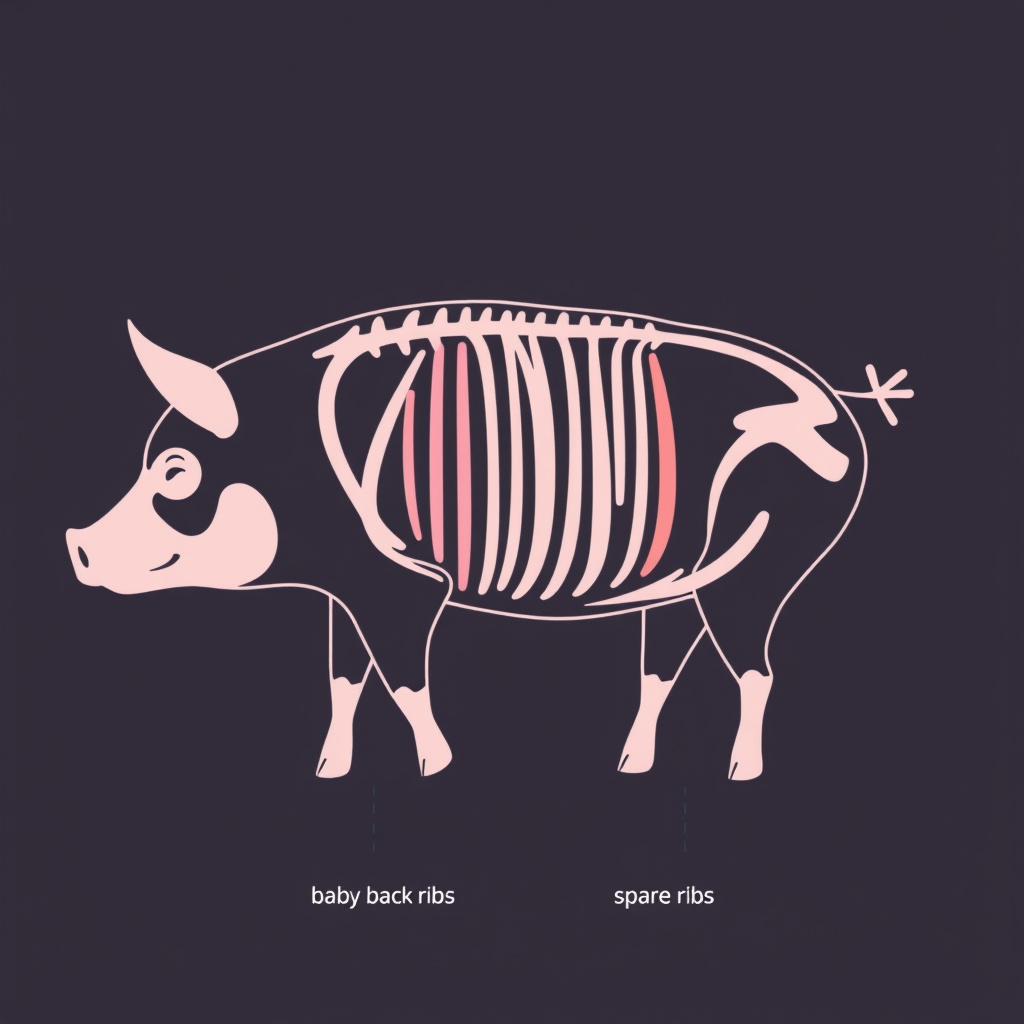
Where Baby Back Ribs Come From
Baby back ribs are cut from the top of the ribcage, near the spine, just below the loin muscle. They curve around the backbone and are shorter and more curved than spare ribs. Typically, a rack contains about 10 to 13 ribs.
Because of their location near the back, baby back ribs have less fat and connective tissue, resulting in a tender, lean cut. Their meat is relatively uniform in thickness, which helps in even cooking.
What Makes Spare Ribs Different
Spare ribs are cut from the belly side of the ribcage, below the baby backs and above the breastbone. They tend to be longer, flatter, and contain more bone and cartilage.
They usually have more fat marbling and connective tissue, making the meat richer and flavorful but requiring longer cooking times to tenderize fully.
Flavor and Texture Comparison
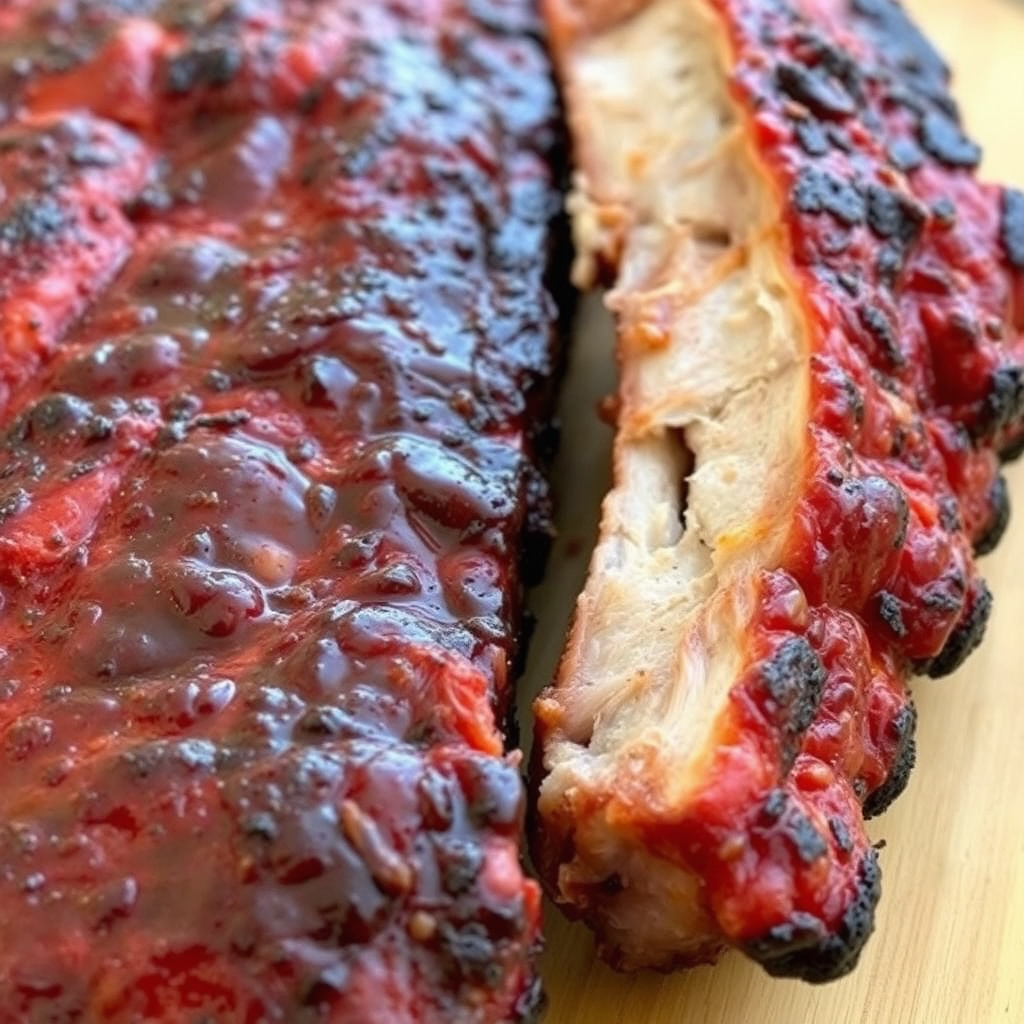
Baby Back Ribs Flavor Profile
Baby back ribs have a mild pork flavor and a tender texture that many find appealing. The meat is leaner and less fatty, which means it tends to cook quickly and remains juicy when not overcooked.
Their delicate flavor makes them a great base for a wide range of rubs and sauces, particularly sweet or smoky BBQ styles.
For more on this, see our related guide: How to Use the 3 2 1 Method for Ribs to Achieve Perfect Tenderness.
Spare Ribs Flavor Profile
Spare ribs offer a more pronounced pork flavor due to higher fat content and connective tissues. When cooked slowly, the fat melts into the meat, enhancing juiciness and imparting a rich, satisfying taste.
This robust flavor pairs well with spicy or tangy sauces and is favored by traditional barbecue enthusiasts seeking a hearty bite.
Cooking Methods for Baby Back and Spare Ribs
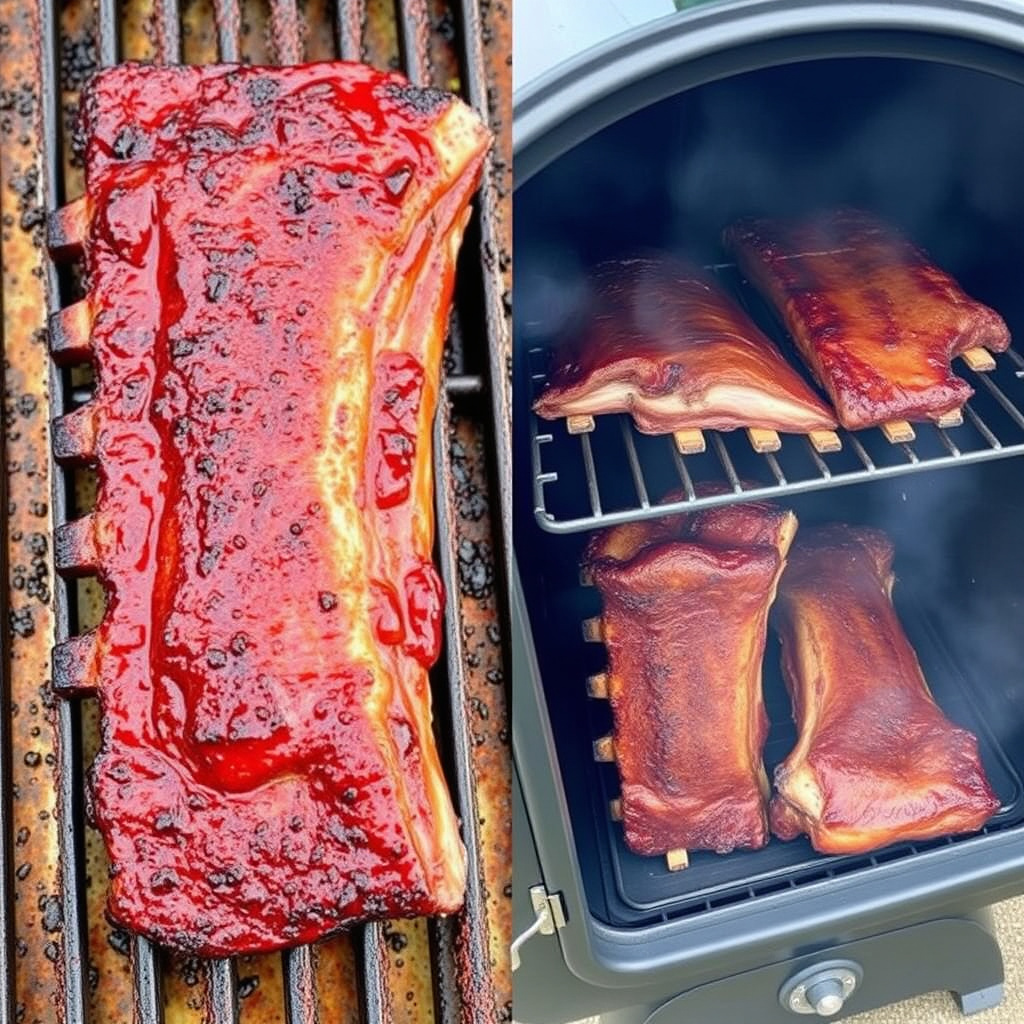
Best Cooking Techniques for Baby Back Ribs
Due to their lean nature, baby back ribs are suited to grilling, roasting, or baking at moderate temperatures. Cook times are shorter, generally around 1.5 to 2 hours at 275°F when smoked or indirect grilled.
Avoid overcooking to prevent drying out; using a marinade or sauce during the last part of cooking helps maintain moisture and adds flavor.
- Indirect grilling
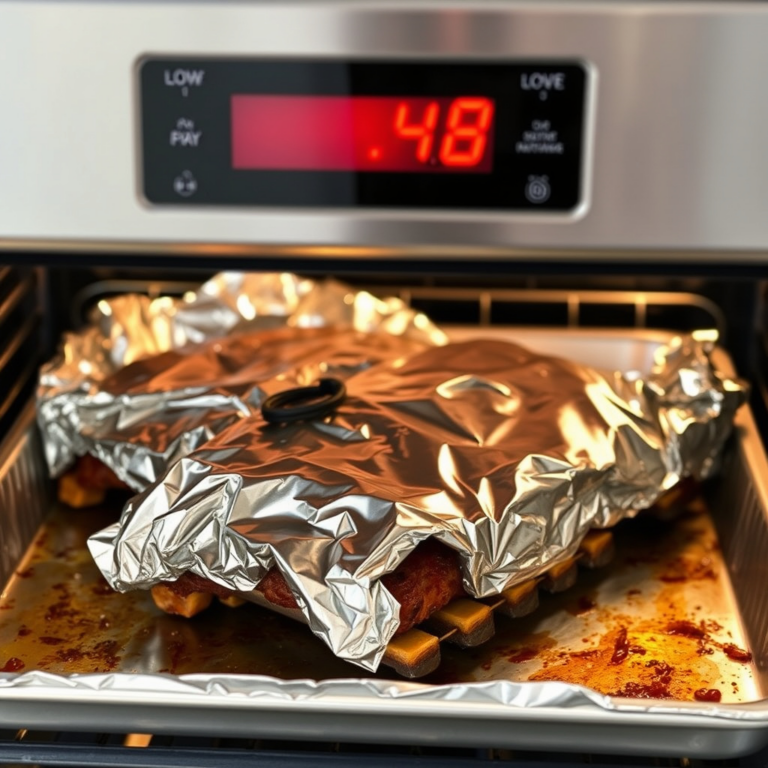
- Oven baking with foil
- Quick smoking at moderate heat
Ideal Cooking for Spare Ribs
The higher fat and connective tissue in spare ribs make them ideal candidates for slow cooking techniques like smoking, braising, or slow roasting. These methods break down collagen, tenderizing the meat over 3 to 6 hours.
Cooking at low temperatures (225°F to 250°F) for extended periods ensures moist, tender ribs that easily pull away from the bone.
- Low-and-slow smoking
- Braising in liquid
- Slow roasting wrapped in foil
Nutritional Differences Between Baby Back and Spare Ribs
Calorie and Fat Content in Baby Back Ribs
Baby back ribs typically contain less fat and fewer calories per serving compared to spare ribs, making them a somewhat leaner choice. A 3-ounce serving often has around 180-220 calories and about 7-10 grams of fat.
For those watching fat intake but wanting flavorful ribs, baby backs provide a balance of indulgence and moderation.
For more on this, see our related guide: What Is the Internal Temperature for Ribs? A Practical Guide.
Nutritional Profile of Spare Ribs
Spare ribs tend to be higher in calories and fat, with a 3-ounce serving containing approximately 250-300 calories and 15-20 grams of fat, mainly due to their richer marbling.
Though more calorie-dense, the fat contributes to the depth of flavor and juiciness, especially when cooked long and slow.
Choosing the Right Ribs for Different Occasions
Baby Back Ribs for Casual Grilling
Baby back ribs are excellent for quicker cookouts where timing matters. Their tenderness and mild flavor appeal to many, including kids and guests new to ribs.
They are best when grilled or oven-baked for family dinners and smaller gatherings without long preparation times.
For more detailed information about these ribs and their culinary uses, you can consult the pork ribs Wikipedia article. pork ribs Wikipedia article.
Spare Ribs for Serious Barbecue Sessions
Spare ribs are suited for extended smoking sessions and serious barbecue enthusiasts. Their rich flavor rewards patience and process, making for a centerpiece at cookoffs or weekend BBQs.
They pair well with bold sauces and benefit from slow cooking to unlock maximal tenderness and depth.
Baby Back vs Spare Ribs: Quick Comparison
Here’s a summary table comparing key attributes of baby back ribs and spare ribs to assist your decision-making.
| Feature | Baby Back Ribs | Spare Ribs |
|---|---|---|
| Location on Pig | Upper part of ribs near spine | Lower ribs from belly side |
| Size | Shorter, curved ribs | Longer, flatter ribs |
| Fat Content | Lower fat, leaner | Higher fat, more marbling |
| Flavor | Mild and tender | Richer and meatier |
| Cooking Time | Shorter (1.5-2 hrs) | Longer (3-6 hrs) |
| Best Cooking Methods | Grilling, roasting, baking | Smoking, braising, slow roasting |
| Typical Price | Usually more expensive | Generally more affordable |
Frequently Asked Questions
Are baby back ribs more expensive than spare ribs?
Yes, baby back ribs generally cost more because they are leaner, shorter, and considered more tender compared to spare ribs.
Can I cook baby back ribs like spare ribs?
While you can cook them similarly, baby back ribs require less time and lower temperatures to avoid drying out, unlike spare ribs that benefit from long, slow cooking.
Which ribs are better for smoking?
Spare ribs are often preferred for smoking due to their higher fat content and connective tissue, which break down and become tender during slow cooking.
Do baby back ribs have less meat than spare ribs?
Baby back ribs have less total meat quantity but the meat tends to be leaner and more tender, whereas spare ribs have more meat but with more fat and cartilage.
Is one type of rib healthier than the other?
Baby back ribs are leaner and have fewer calories and fat, making them a slightly healthier option compared to the richer, fattier spare ribs.
Key Takeaways
- Baby back ribs are leaner, shorter, and more tender, best for quick cooking.
- Spare ribs have more fat and connective tissue, ideal for slow smoking and rich flavor.
- Flavor profiles differ: mild and delicate versus robust and meaty.
- Cooking methods and time vary greatly depending on rib type.
Conclusion
When deciding between baby back ribs and spare ribs, understanding their anatomical differences and how this impacts flavor, texture, and cooking time is key. Baby back ribs offer a tender and mild experience that cooks relatively quick, while spare ribs deliver a richer pork flavor that rewards slow, patient cooking methods. Your choice depends on how much time you have and the flavor intensity you prefer.
For casual backyard meals or quicker grilling sessions, baby back ribs are the preferable option due to their lean meat and shorter cook time. If you aim for a more traditional barbecue experience with deep smoky flavors and succulent meat, spare ribs are well worth the extra time investment to slow cook or smoke properly. Additionally, spare ribs are typically more budget-friendly for feeding larger groups.
Ultimately, trying both ribs using the recommended cooking methods will help you identify your personal favorite for different occasions. Starting with baby back ribs for quick meals and experimenting with spare ribs during longer cookouts can provide delicious versatility for your barbecue repertoire.