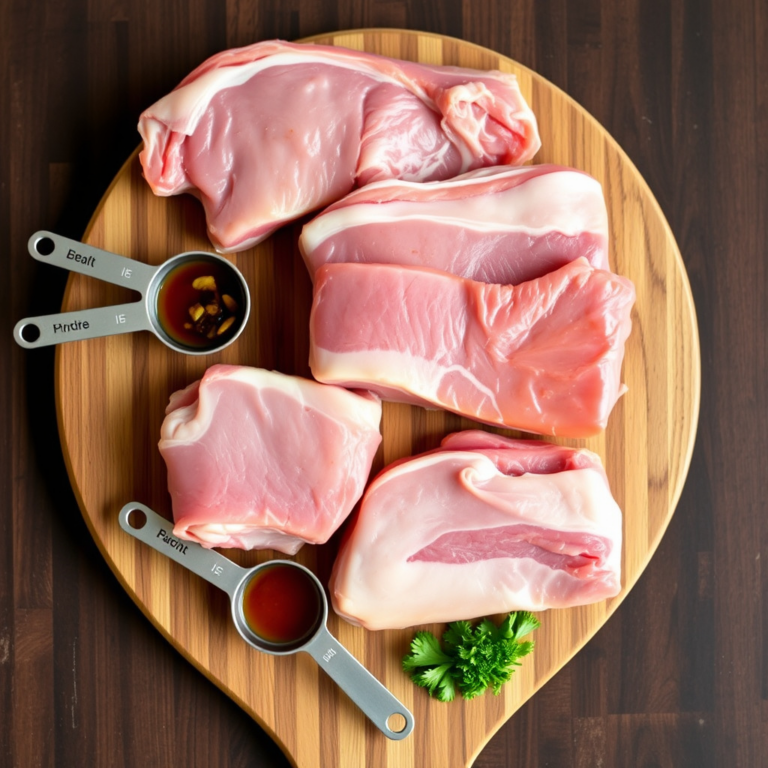
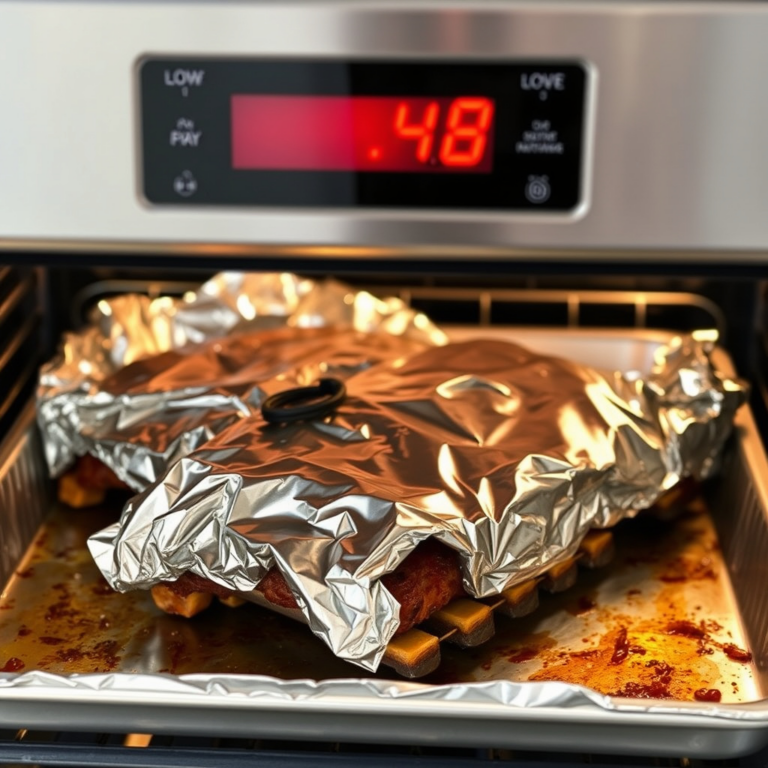
Pork butt and pork shoulder come from the same general area of the pig but are distinctly different cuts, each suited for specific cooking methods. Pork butt, also known as Boston butt, is taken from the upper part of the pig's shoulder, while pork shoulder (or picnic shoulder) is from the lower part closer to the leg. This distinction influences texture, fat content, and ideal preparation techniques.
Understanding the difference between pork butt and shoulder matters because each cut behaves differently during cooking. Pork butt tends to be thicker and more marbled with fat, making it ideal for slow-cooked dishes like pulled pork. In contrast, pork shoulder contains more connective tissue and comes with a tougher texture, often used in braises and roasts where long cooking times tenderize the meat.
This article will explore the specific characteristics of pork butt and shoulder, including their anatomy, best cooking methods, flavor profiles, and common culinary uses. By the end, you’ll know which cut to pick depending on your recipe and how to get the best results from each.
Anatomy and Origin of Pork Butt and Shoulder
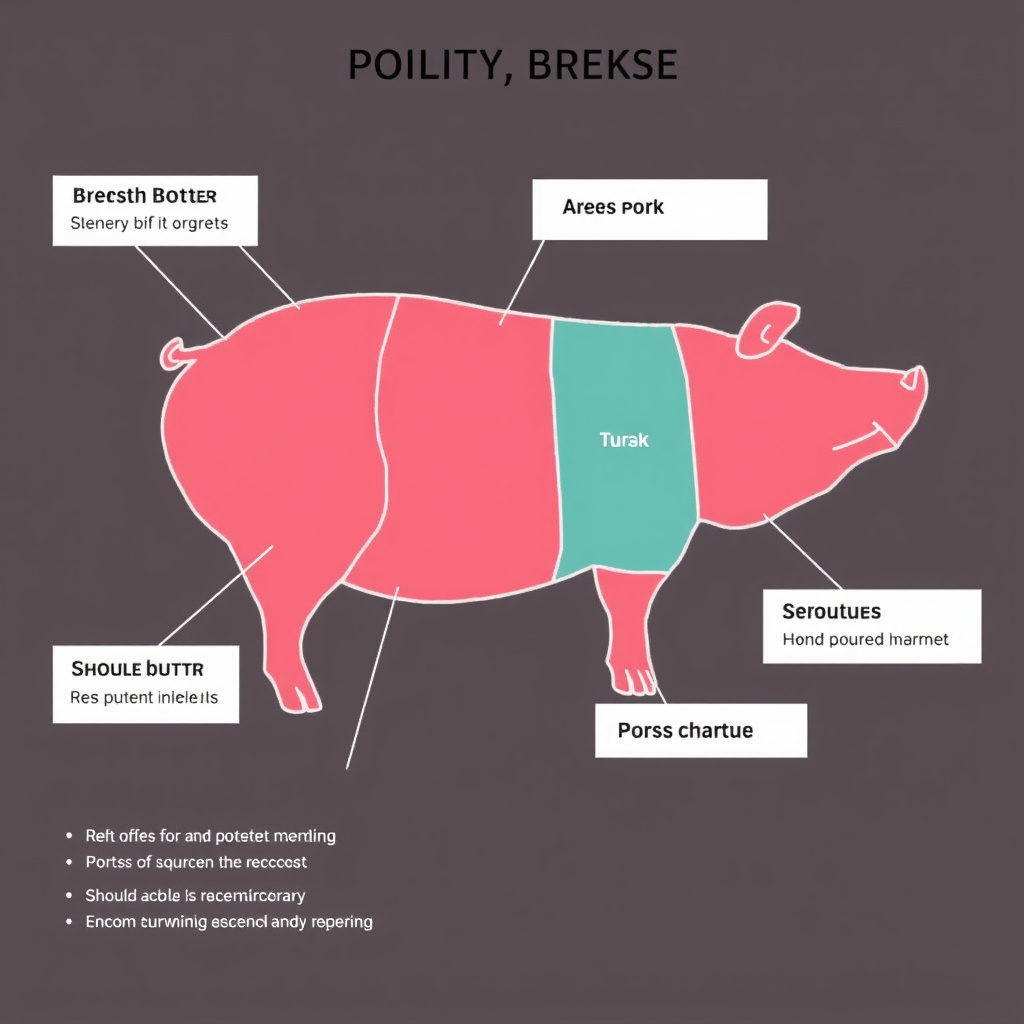
Pork Butt: Location and Features
Pork butt, often confusingly named, is actually the upper part of the pig's shoulder. It’s a square, thick cut located above the actual shoulder blade and contains a good amount of marbling and fat. This marbling helps keep the meat moist and flavorful through long cooking times.
The cut is generally uniform in shape, making it easier to handle for smoking, roasting, or slow cooking. You'll often find pork butt sold with the skin removed, and it's well-suited for shredding due to its fat content and tender texture when cooked properly.
Pork Shoulder: Anatomy and Characteristics
Pork shoulder, also known as picnic shoulder or picnic roast, comes from the lower portion of the pig’s front leg, below the pork butt. It usually includes part of the foreleg and has more connective tissue compared to pork butt.
This cut is less uniform, somewhat tougher, and often includes skin and bone, which can influence cooking method and timing. The shoulder typically requires slow braising or roasting to break down the collagen and become tender.
Texture and Fat Content Differences in Pork Butt and Shoulder
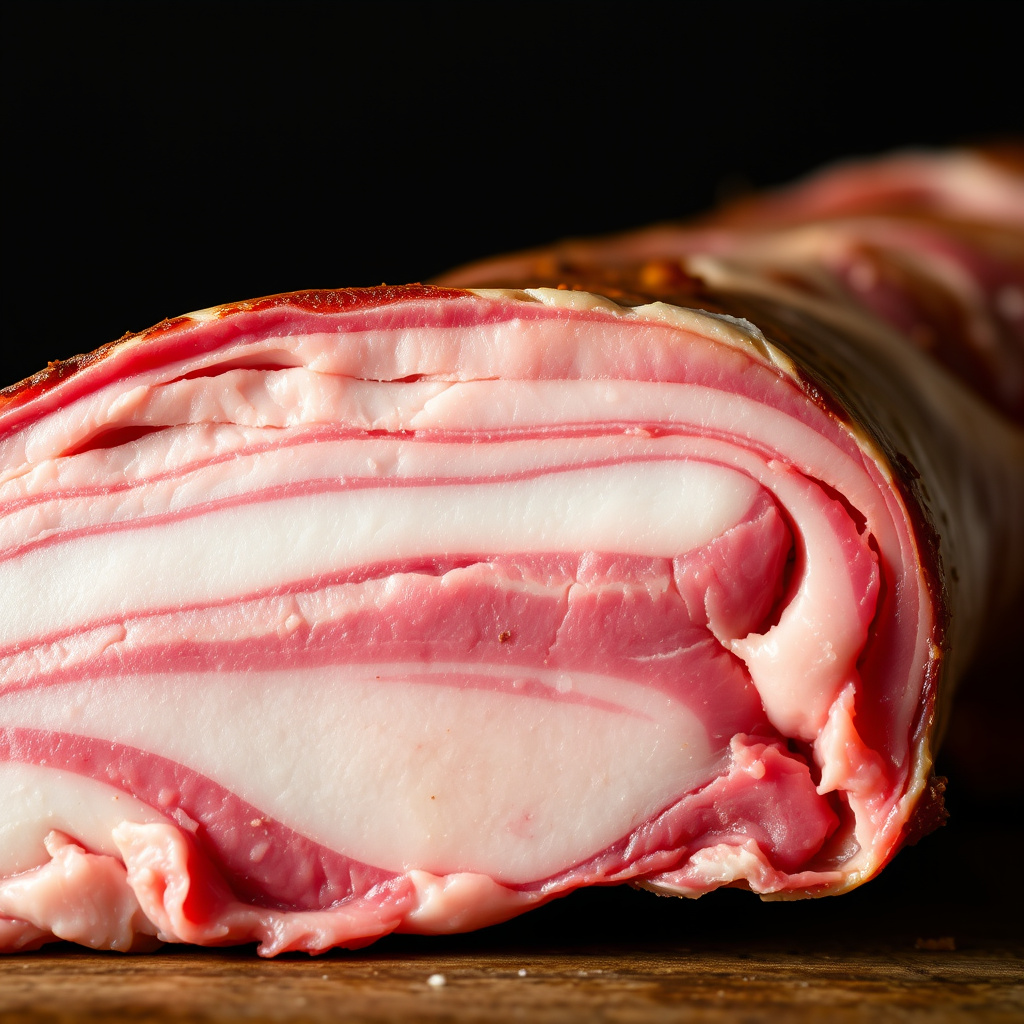
Fat Distribution and Marbling in Pork Butt
Pork butt contains significant intramuscular fat, known as marbling, which contributes to juicy and tender meat after cooking. This fat evenly penetrates the muscle fibers and melts away slowly, which is why pork butt excels in slow pit-smoking and barbecuing.
The high-fat content means pork butt can stay moist through long cooking processes without drying out, enhancing its flavor and making it a favorite for dishes like pulled pork sandwiches.
- Rich marbling throughout
- Fat layer on top (optional)
- Juicy, tender after slow cooking
Connective Tissue and Texture in Pork Shoulder
Pork shoulder has more connective tissue and collagen, which makes it tougher initially but very flavorful when cooked properly. The connective tissue breaks down during slow cooking, turning into gelatin that enriches the dish with a rich mouthfeel.
Because of its tougher nature, pork shoulder benefits from braising or slow roasting to tenderize the meat and render the collagen, though it tends to be less fatty than pork butt.
- More connective tissue and collagen
- Tougher texture raw
- Requires slow cooking to tenderize
Best Cooking Methods for Pork Butt and Shoulder
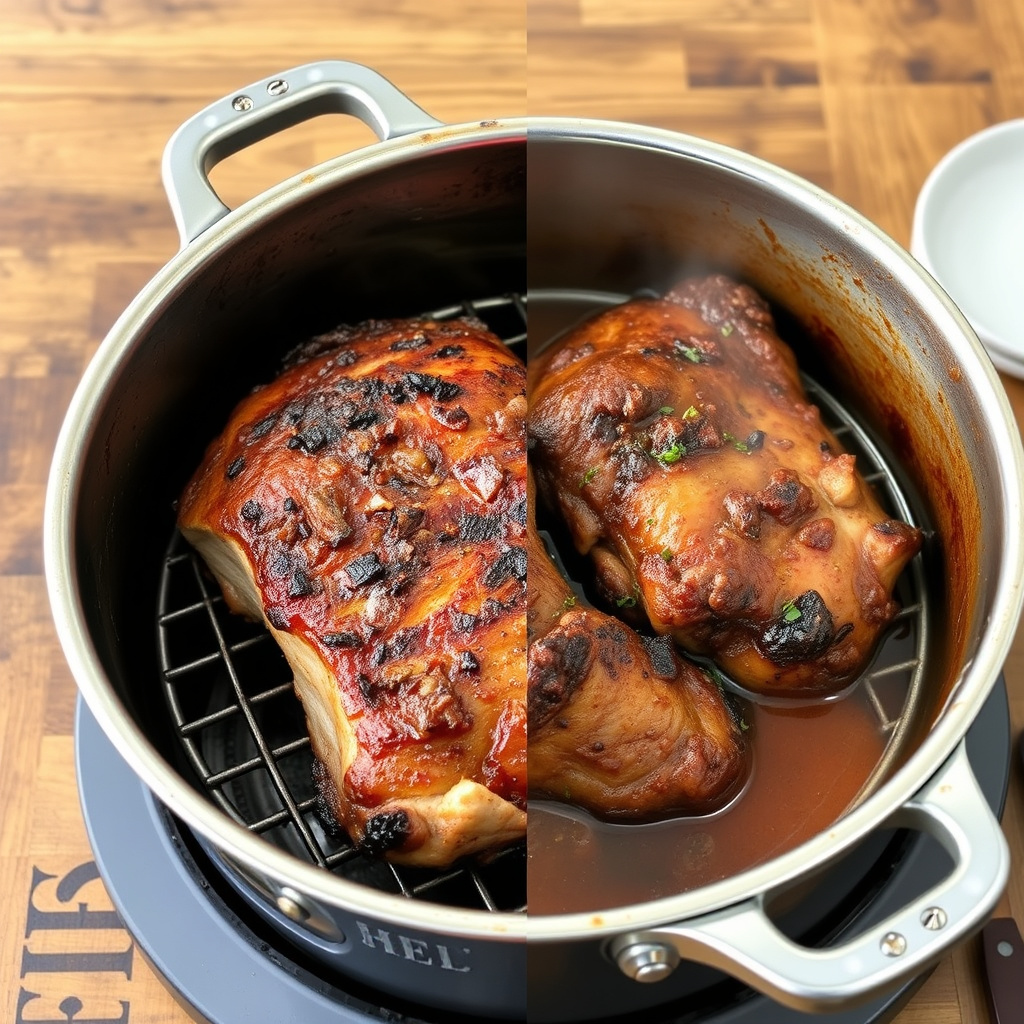
Ideal Cooking Techniques for Pork Butt
Due to its fat content and texture, pork butt is ideal for slow smoking and barbecuing over low heat. These methods allow the fat to render slowly and the connective tissue to break down, resulting in tender, shreddable meat.
Oven roasting with a low-and-slow approach or cooking in a slow cooker also bring out the best in pork butt, preserving moisture and enhancing flavor. It’s perfect for pulled pork recipes where the meat must be tender enough to pull apart easily.
- Low and slow smoking
- Slow roasting
- Slow cooker or pressure cooker
For more on this, see our related guide: What Is the Best Cut of Pork for Pulled Pork? A Definitive Guide.
Recommended Preparations for Pork Shoulder
Pork shoulder lends itself well to braising and roasting methods that slowly soften the connective tissue. Cooking it in liquid, such as in a stew or pot roast, helps break down collagen and keeps the meat juicy.
You can also smoke pork shoulder, though it often requires longer cooking times and may not be as consistently tender as pork butt. Many chefs use pork shoulder for dishes requiring roast slices rather than shredding.
- Braising in liquids
- Slow roasting with moisture
- Extended smoking times
Flavor Profiles and Culinary Uses
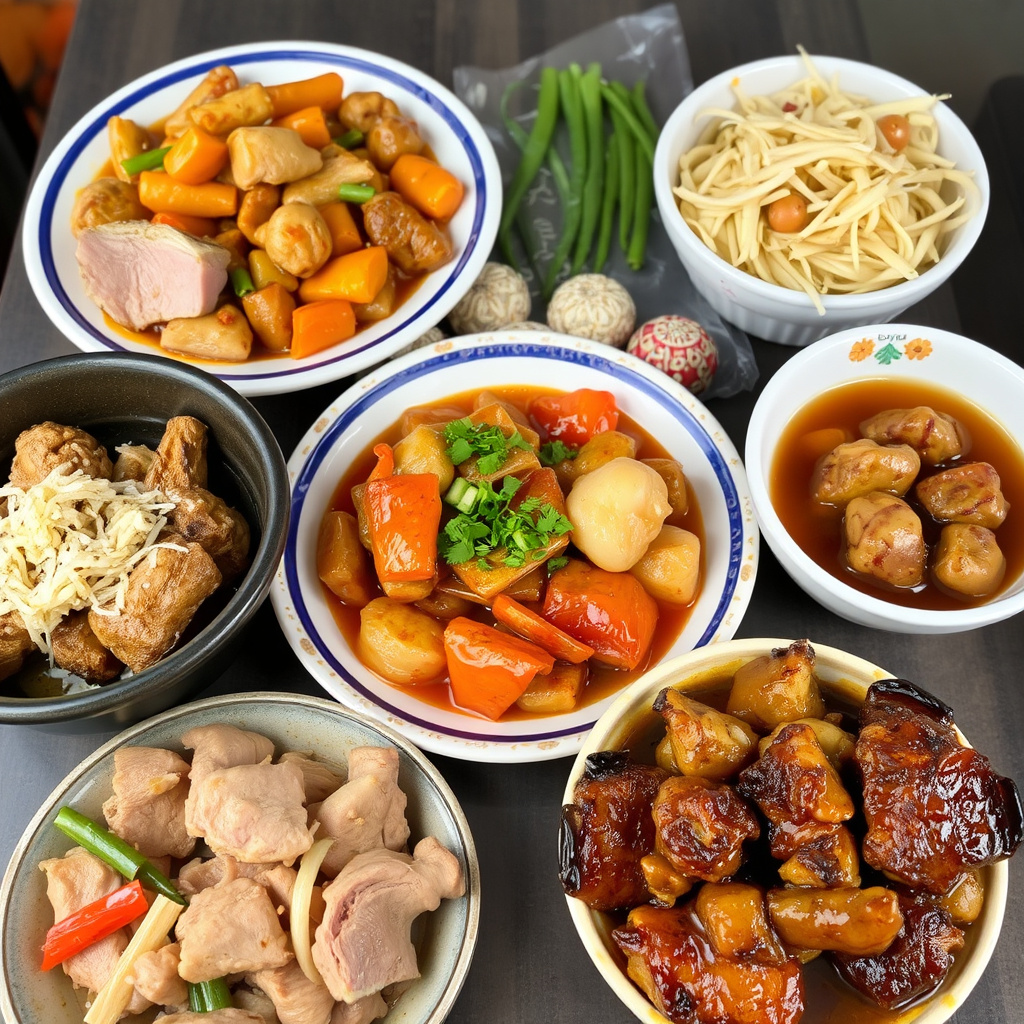
Flavor Characteristics of Pork Butt
Pork butt’s marbling gives it a rich, deep pork flavor that enhances with slow cooking. Its fat content also adds succulence and keeps the meat moist, providing a melt-in-your-mouth experience commonly sought after in barbecue.
This cut is the go-to for classic barbecue pulled pork and slow-roasted dishes where tender, shreddable meat is desired. Its flavor improves with spice rubs and smoke infusion.
Typical Uses for Pork Shoulder in Cooking
Pork shoulder delivers a slightly tougher but very savory flavor profile, enriched by the collagen that breaks down during slow cooking. It suits hearty, rustic dishes such as stews, pot roasts, and carnitas where sliced or chunked meat is preferred.
Because it often contains skin and bone, it’s also used for recipes that benefit from gelatinous textures, adding body to soups and broths when cooked slowly.
Price and Availability Considerations
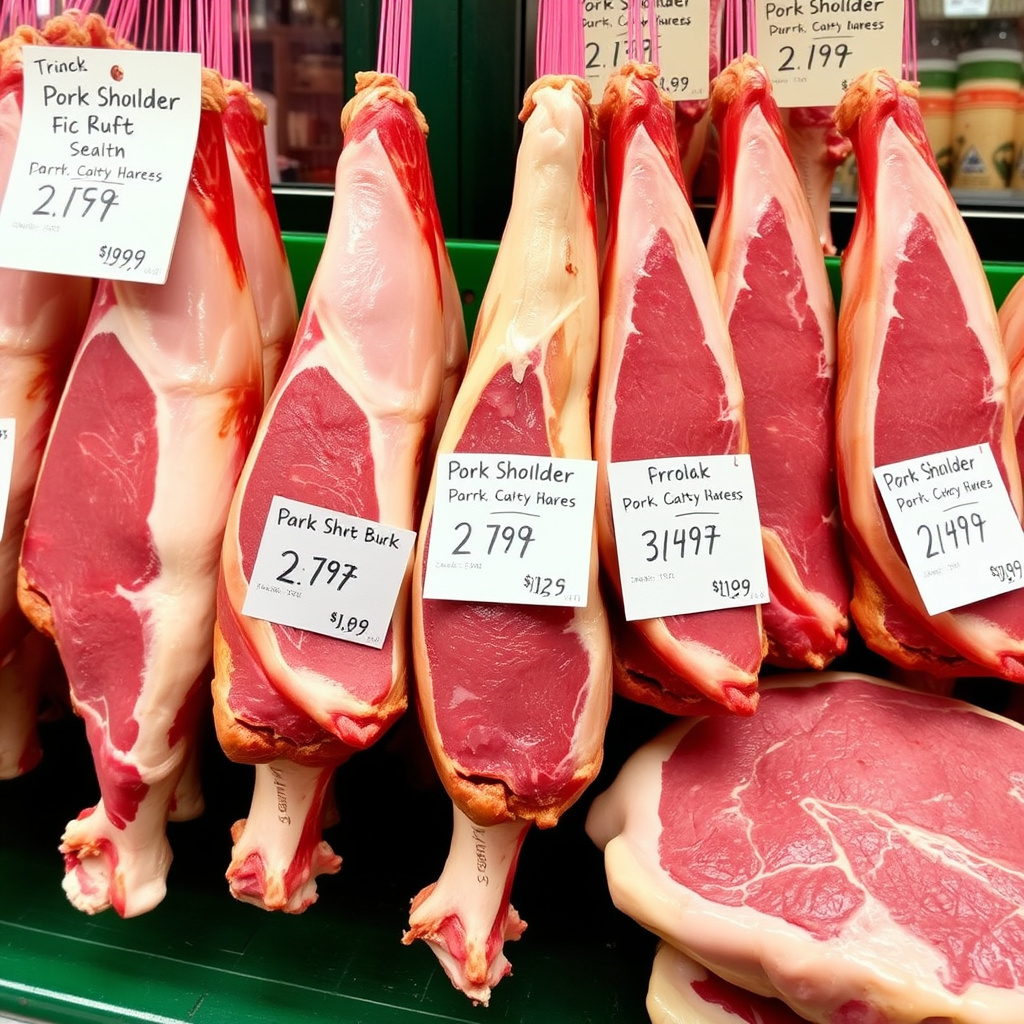
Cost Differences Between Pork Butt and Shoulder
Both pork butt and shoulder are generally affordable cuts, but pork butt tends to be slightly more expensive due to its popularity for barbecue and pull-apart dishes. Prices can vary by region and butcher availability.
Because pork shoulder has more bone and connective tissue, it’s commonly sold at a lower price point, making it a budget-friendly choice for families and cooks planning long, slow meals.
For more on this, see our related guide: How to Make Carolina BBQ Sauce: A Tangy, Must-Have Southern Classic.
How to Choose Based on Availability
Pork butt is widely available in supermarkets and butchers, but sometimes it can be out of stock during barbecue season due to demand. Pork shoulder is often more consistently available since it is a larger cut and used in various cuisines.
Understanding your recipe’s requirements and flexibility will help you choose the best cut available without compromising your meal’s taste and texture.
Using Pork Butt vs. Shoulder in Recipes
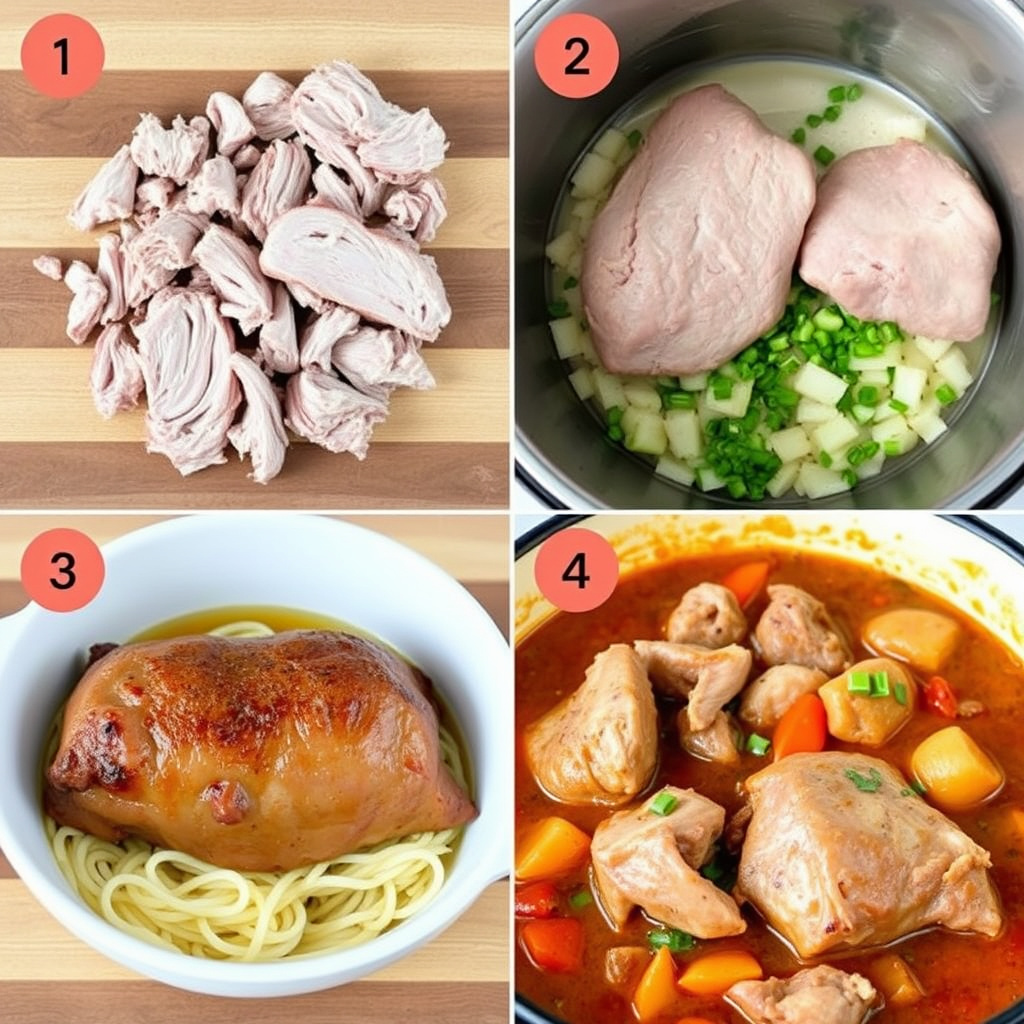
When to Use Pork Butt
For recipes that call for tender, shreddable pork like pulled pork sandwiches, pork butt is the preferred cut. Its fat content and marbling make it especially suited for cooking methods that require long, slow heat to break meat fibers down.
Pork butt is also a great choice for smoked barbecue dishes and slow-cooked roasts where moist, flavorful meat is essential to the recipe's success.
For additional details on pork cuts including pork butt and shoulder, check this comprehensive pork cuts explained resource. pork cuts explained.
When to Choose Pork Shoulder
Pork shoulder fits best in recipes that need chunked, sliceable pork or dishes cooked with liquid for several hours. Its connective tissue enhances textures suited to stews, pot roasts, and confit-style dishes.
If your recipe involves braising or cooking with skin on, pork shoulder may provide additional flavor complexity and gelatin, enriching the meal.
Pork Butt vs. Pork Shoulder Category Comparison
Here’s a quick comparison of pork butt and shoulder to help you spot their main differences at a glance.
| Aspect | Pork Butt (Boston Butt) | Pork Shoulder (Picnic Shoulder) |
|---|---|---|
| Location on Pig | Upper shoulder area | Lower shoulder/upper foreleg |
| Fat Content | Higher marbling and fat | Less intramuscular fat, more connective tissue |
| Texture | Tender when slow cooked | Tougher raw, gelatinous after cooking |
| Best Cooking Methods | Smoking, slow roasting, slow cooker | Braising, slow roasting, long smoking |
| Common Uses | Pulled pork, barbecue sandwiches | Stews, pot roasts, sliced pork dishes |
| Price | Moderate, slightly higher | Generally lower, budget-friendly |
Frequently Asked Questions
Is pork butt and pork shoulder the same cut?
No, they are different parts of the pig’s shoulder area. Pork butt comes from the upper part and is more marbled, while pork shoulder comes from below and contains more connective tissue.
Which cut is better for pulled pork?
Pork butt is usually preferred for pulled pork due to its fat content and tender texture after slow cooking, making it easier to shred.
Can I substitute pork shoulder for pork butt in recipes?
You can, but expect a different texture. Shoulder is tougher and requires longer cooking to become tender, making it better for braised or roasted dishes rather than pulled pork.
Does pork shoulder have bones?
Often, yes. Pork shoulder is commonly sold with bone and skin attached, which can add flavor during cooking but affects cooking times.
How does fat content affect cooking pork butt and shoulder?
Higher fat in pork butt helps keep it moist during long cooking, while pork shoulder’s lower fat but more connective tissue requires slow, moist cooking to stay juicy.
Key Takeaways
- Pork butt is the upper shoulder with more marbling, ideal for pulled pork.
- Pork shoulder is lower on the leg, tougher, with more connective tissue for braising.
- Pork butt cooks well with low and slow smoking or roasting methods.
- Pork shoulder is suited for braises, stews, and recipes needing sliced meat.
Conclusion
Deciding between pork butt and pork shoulder involves understanding their distinct anatomy, fat content, and cooking properties. Pork butt's rich marbling and tender texture after slow cooking make it a standout for meats that need shredding, while pork shoulder’s structure and connective tissue lend themselves well to braised or roasted dishes where chunked or sliced meat is preferred. Your choice largely depends on the final dish’s texture and flavor requirements, as well as cooking method preferences.
If you want classic, tender pulled pork with a juicy mouthfeel, pork butt is the prime candidate thanks to its higher fat content and uniform shape which promotes even cooking. However, for hearty dishes like stews, pot roasts, or meals that leverage collagen from connective tissues to create rich sauces, pork shoulder is the better fit. Bone-in pork shoulder can add additional flavor and gelatin to the dish, enriching broths or gravies.
Ultimately, a clear understanding of the differences between pork butt and shoulder helps you select the right cut for your culinary goal. Start by reviewing your recipe and cooking equipment, then pick the cut that matches those needs. Trying both in different recipes can also reveal your personal preferences, making pork cooking more successful and satisfying overall.