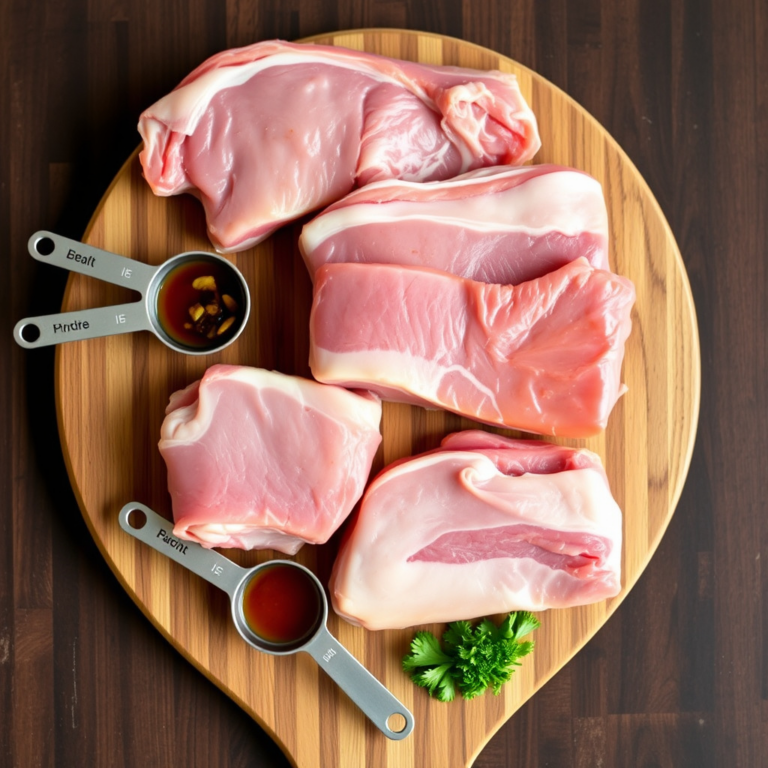
A brine and a marinade are both used to enhance the flavor and texture of meats and other foods, but they work in different ways. A brine is a saltwater solution that primarily adds moisture and tenderness by osmosis and protein breakdown. In contrast, a marinade combines acidic ingredients like vinegar or citrus with herbs and spices to infuse flavor and tenderize the surface of food.
Understanding these distinctions matters because the choice between brining and marinating influences your dish’s final texture, juiciness, and flavor intensity. Brines penetrate deeply through moisture retention, while marinades mostly affect the outer layers with their aromatic compounds and acids.
This article explains how a brine and a marinade differ in composition, purpose, and usage. It also explores when to use one over the other and offers practical tips on how to prepare and apply each method for optimal cooking results.
Composition and Function of a Brine
Basic Ingredients and How Brines Work
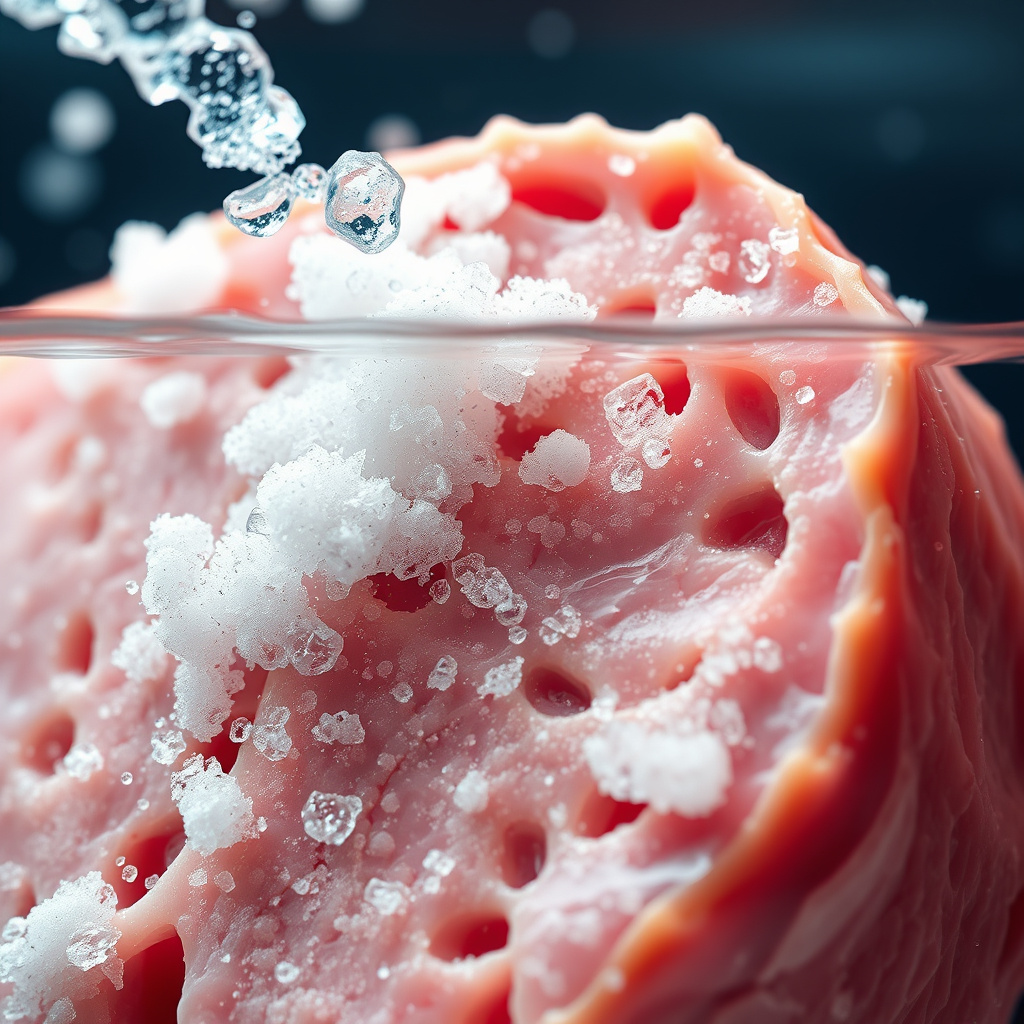
A traditional brine consists mainly of water, salt, and sometimes sugar. The salt concentration typically ranges between 5% and 10%. When meat is soaked in this solution, salt ions penetrate the muscle fibers, causing proteins to denature and absorb more water, which results in juicier and more tender meat after cooking.
Sugar is often added to balance flavor and can help with browning during cooking. Brines are most effective when used on lean meats or poultry that tend to dry out in cooking, such as chicken breasts or pork chops.
- Water as solvent
- Salt for osmotic action
- Optional sugar for flavor and browning
- Penetrates deeply into meat fibers
Benefits of Using a Brine
Brining helps meat retain moisture, preventing dryness especially during high-heat cooking methods like roasting or grilling. The salt also seasons the meat throughout, unlike surface seasoning.
Additionally, breaking down proteins through salt exposure makes textures softer and sometimes more uniformly cooked. This technique can improve the eating quality of tougher cuts when done correctly.
Characteristics and Uses of a Marinade
Common Ingredients and Marinade Dynamics
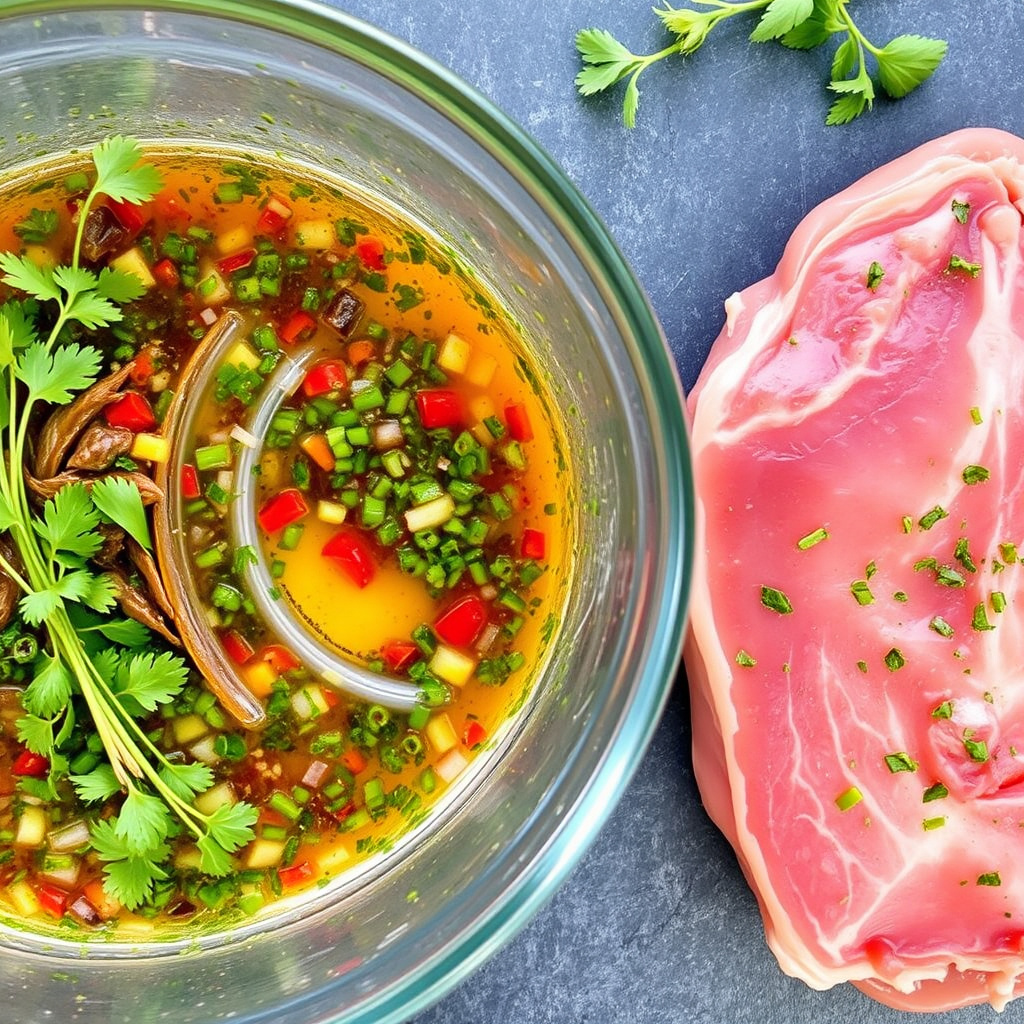
Marinades combine acidic components such as vinegar, lemon juice, or wine with oils, herbs, spices, and sometimes sweeteners. The acid helps break down proteins on the meat’s surface, imparting flavor and tenderizing slightly.
The oils aid in flavor diffusion and can help lock in moisture during cooking. Unlike brines, marinades typically do not penetrate deeply but instead enhance the outer flavor profile.
- Acidic agents (vinegar, citrus)
- Oils for flavor and moisture barrier
- Herbs and spices for aroma
- Surface tenderizing effect
Advantages of Using a Marinade
Marinades add complex flavors and can be customized to suit a variety of cuisines. They are ideal for quick flavor boosts and work well with cuts that do not require deep moisture enhancement.
Some marinades also have antibacterial effects due to acidic or spicy ingredients, which can help in food preparation safety.
Differences in Application and Cooking Impact
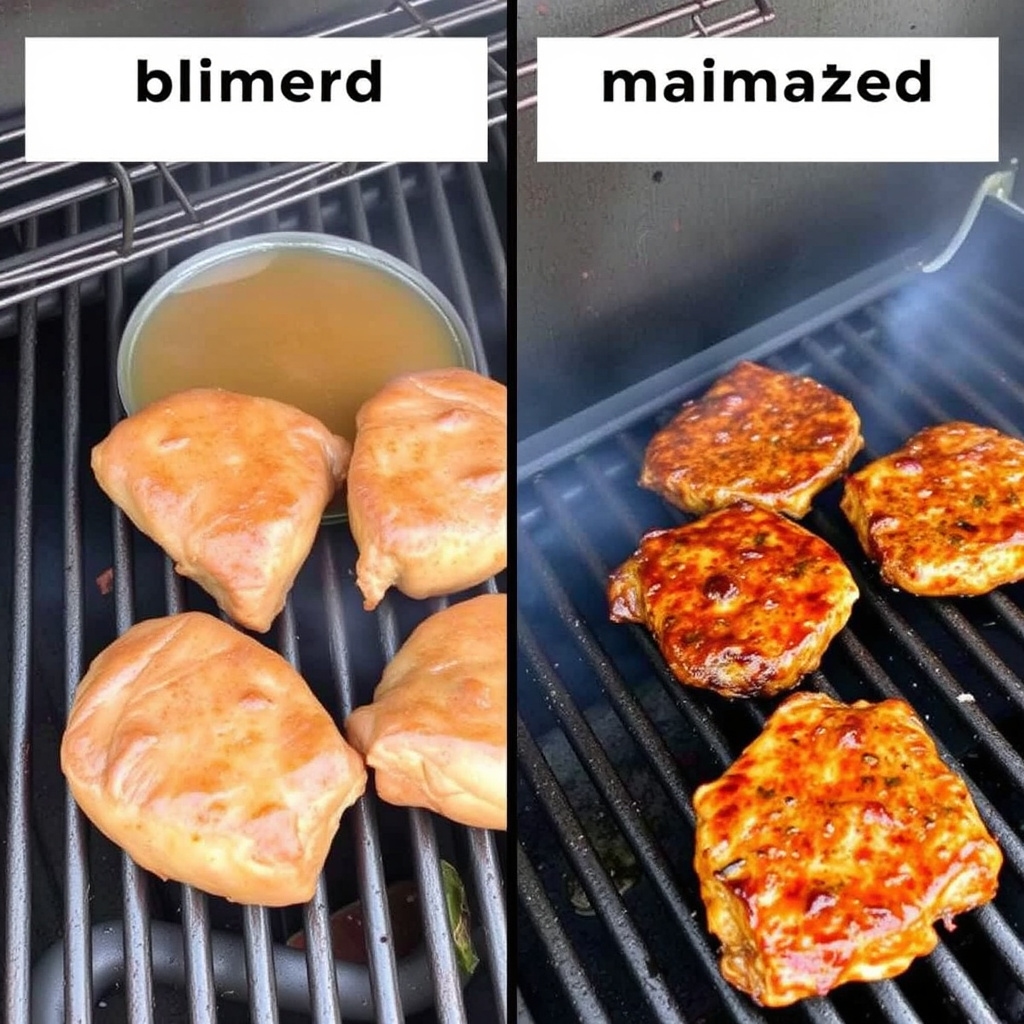
Soaking Times and Temperature Considerations
Brining usually requires longer soaking times ranging from several hours to a full day to allow salt to penetrate thoroughly. It’s important to keep the brine refrigerated to prevent bacterial growth.
Marinades often need less time—sometimes as short as 30 minutes—but too long in acidic marinades can toughen meat excessively. Both processes benefit from cold storage during soaking.
- Brines: 6-24 hours refrigeration
- Marinades: 30 minutes to 4 hours
- Avoid over-marinating delicate proteins
For more on this, see our related guide: How Long to Marinate Chicken for Perfect Flavor and Texture.
Effects on Texture and Flavor Profiles
Due to salt-induced water retention, brined meat is noticeably juicier and has a subtly salted taste throughout. The texture inside is more tender yet resilient.
Marinated foods display brighter, aromatic flavors on the surface, sometimes with a slight tang or spice. Textural effects are more superficial compared to brining but can complement the cooking style effectively.
Selecting the Right Method for Your Dish
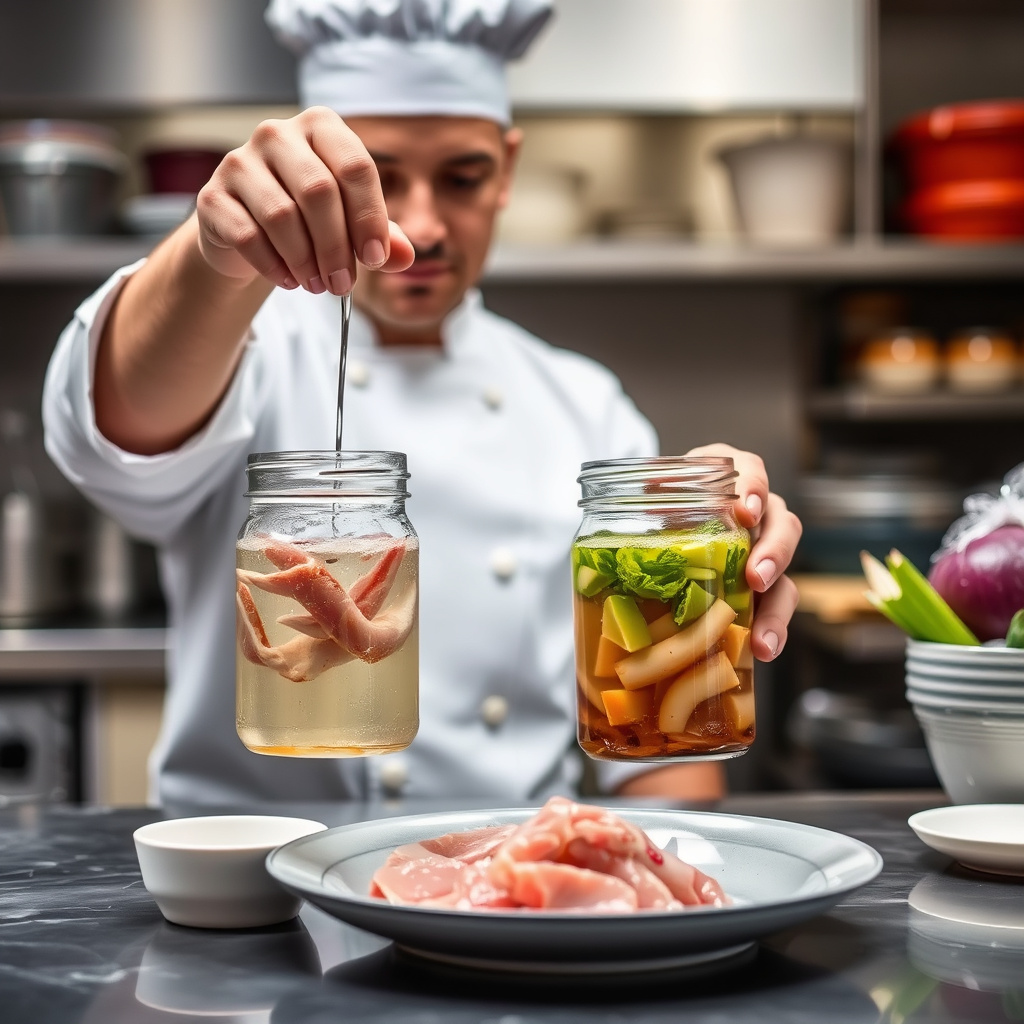
When to Choose Brining
Brining is best for poultry, pork, and lean cuts prone to drying out. It’s especially useful for whole chickens and turkey, where moisture retention greatly improves the cooking outcome.
Thicker cuts or meats cooked by dry heat benefit from brines to keep interiors juicy while roasting or grilling.
When to Opt for Marinades
Marinades shine with thinner cuts, beef steaks, fish, or vegetables where surface flavor matters more than deep moisture.
They are often preferred for imparting cultural or ethnic flavor profiles like Mediterranean or Asian cuisines due to herb and spice combinations.
Preparing and Executing Each Technique
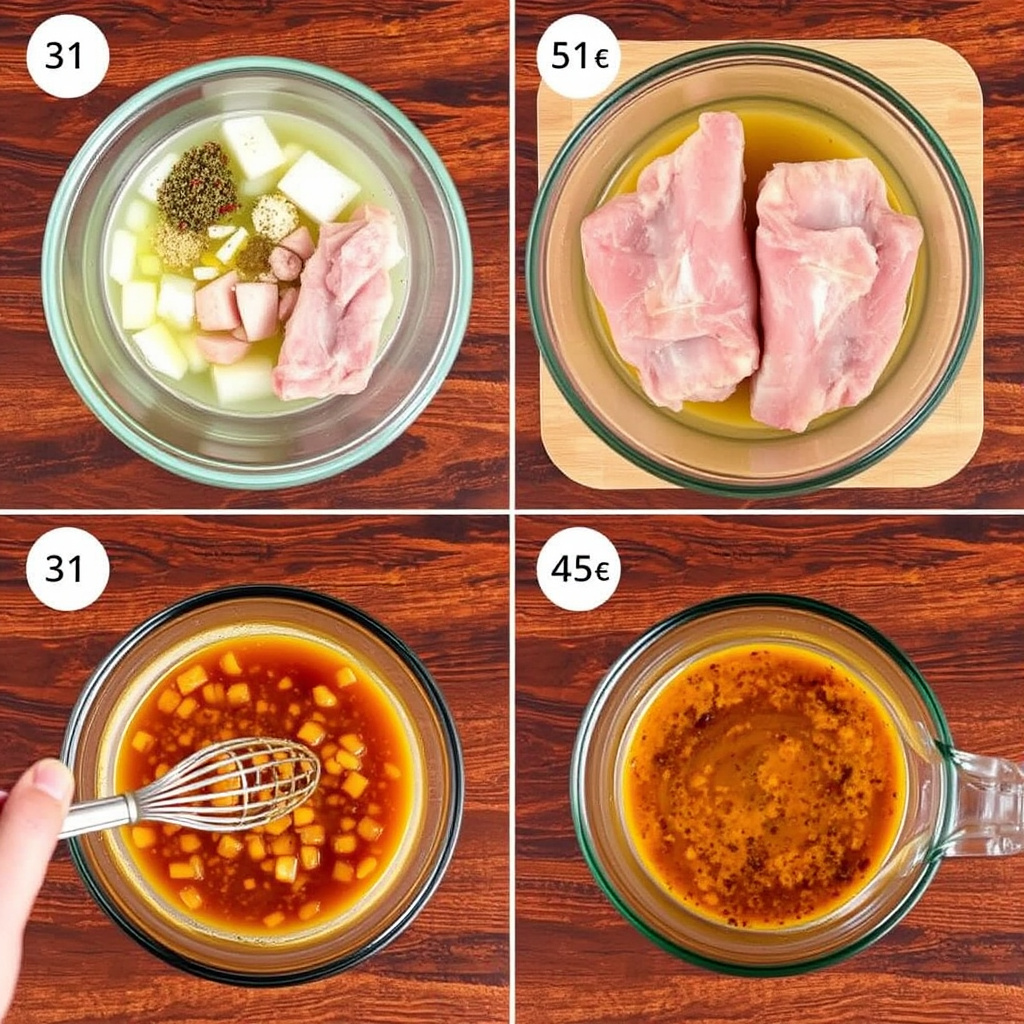
How to Make and Use a Brine
Start by dissolving kosher salt (and sugar if using) in water warm enough to fully dissolve solids but then cooled completely before adding meat. Submerge the meat fully in the brine and refrigerate for the recommended time.
After brining, rinse the meat briefly to remove excess salt and pat dry before cooking to achieve proper browned crust.
- Use kosher salt for best results
- Cool brine before adding meat
- Never brine at room temperature
- Rinse and dry meat after brining
For more on this, see our related guide: What Is Indirect Heat Grilling and How to Master It.
How to Make and Use a Marinade
Mix acidic ingredients with oils and desired herbs and spices. Coat the meat or vegetables with the marinade and refrigerate, usually covered, for 30 minutes to a few hours depending on the recipe.
Remove food from the marinade, letting excess drip off, then cook as desired. Some prefer to reserve a portion of marinade for basting or as a sauce after proper boiling.
- Balance acid and oil ratio
- Marinate in covered containers
- Do not reuse raw marinade unless boiled
- Adjust time based on protein type
Common Mistakes and Tips for Best Results
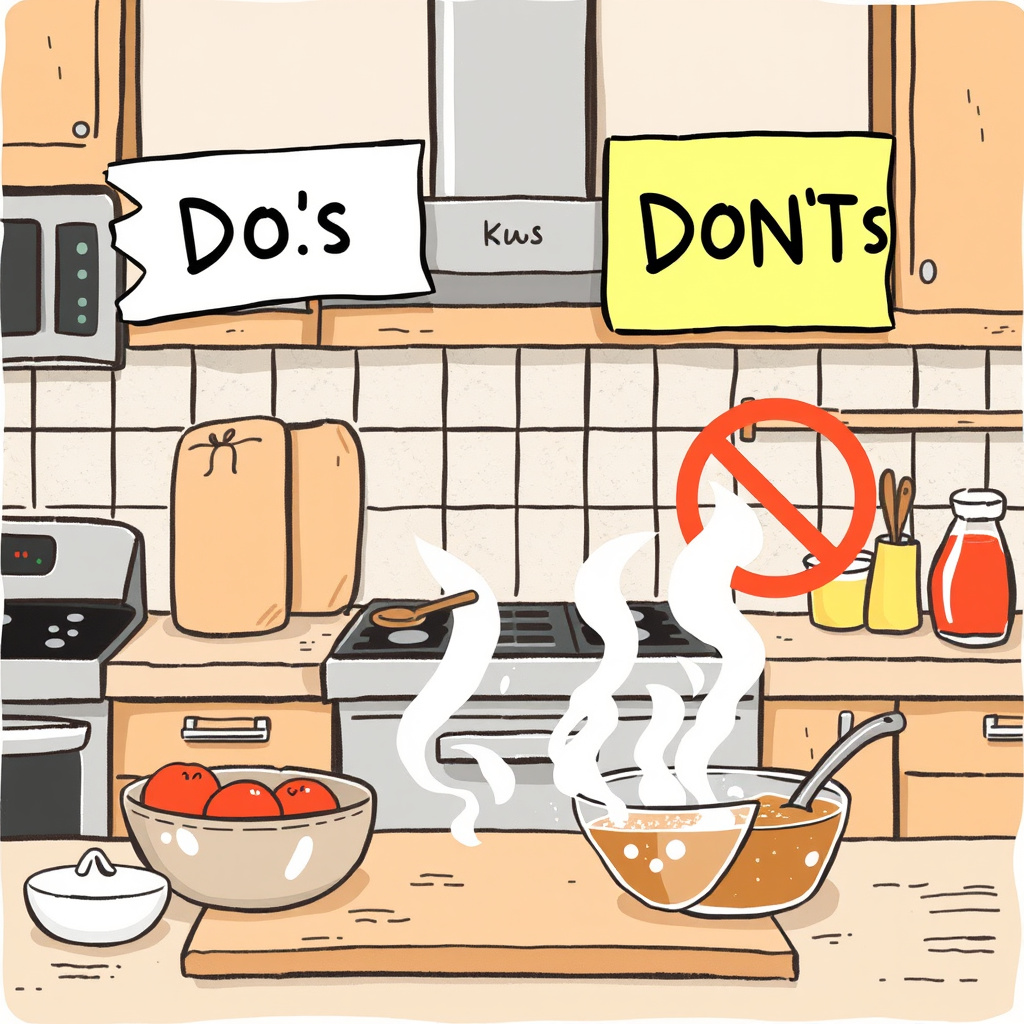
Avoiding Over-Brining and Over-Marinating
Keeping meat in brine too long can cause it to become overly salty and mushy. Similarly, leaving acid-heavy marinades too long may toughen proteins and overwhelm flavor.
Stick to recommended soaking times and monitor your meat texture for ideal outcomes.
For additional information, you can review details on brining and marinating on Wikipedia. brining and marinating on Wikipedia.
Enhancing Flavors Without Overpowering
Use balanced salt, acid, and seasoning levels so the meat’s natural taste is highlighted, not masked. Fresh herbs add brightness, while measured sugar or honey can cut sharp edges.
Taste test your marinade components separately to tweak flavor balance before combining.
Brine vs Marinade: Key Differences at a Glance
This table summarizes the critical contrasts between brines and marinades to help decide which suits your cooking needs.
| Feature | Brine | Marinade |
|---|---|---|
| Primary Components | Water, salt, sometimes sugar | Acid (vinegar, citrus), oils, herbs, spices |
| Main Purpose | Retain moisture, tenderize internally | Add surface flavor, mild tenderization |
| Typical Soak Time | 6 to 24+ hours | 30 minutes to 4 hours |
| Penetration | Deep into meat fibers | Mostly surface |
| Best For | Lean poultry, pork, tough cuts | Steaks, fish, vegetables, flavor boosts |
| Effect on Flavor | Subtle saltiness throughout | Bold aromatic profile on surface |
Frequently Asked Questions
Can I use a marinade as a brine?
Marinades are not suitable substitutes for brines because their lower salt content and acidic nature do not promote the same moisture retention and internal tenderizing effects.
How long should I brine chicken?
Chicken typically benefits from brining between 6 and 12 hours, enough time to absorb moisture without becoming overly salty or mushy.
Does marinating make meat tender?
Marinating tenderizes mainly on the surface by breaking down proteins with acids, but it doesn’t improve internal moisture or texture as a brine does.
Is it safe to reuse leftover marinade?
Leftover marinade that has contacted raw meat should be boiled thoroughly before using it as a sauce to eliminate harmful bacteria.
Can vegetables be brined or marinated?
Vegetables are commonly marinated to add flavor, but brining is less frequent since their high water content doesn't require moisture retention enhancements.
Key Takeaways
- Brines use saltwater to deeply tenderize and retain moisture inside meat.
- Marinades add flavor and tenderize mostly on the meat’s surface with acids and herbs.
- Use brines for juicier poultry and pork; use marinades for flavoring steaks and vegetables.
- Timing and ingredient balance are crucial to avoid negative texture or overpowering flavors.
Conclusion
Distinguishing between a brine and a marinade is essential for choosing how to prepare your ingredients for cooking. The main difference lies in their composition and effect: brines primarily focus on moisture retention and protein alteration through saltwater immersion, enhancing tenderness and juiciness throughout. Marinades, contrastingly, utilize acids and flavorful ingredients to season and tenderize the outer layer with aromatic complexity but don’t deeply penetrate. Recognizing these functional distinctions allows cooks to apply the right method based on the cut of meat or type of food and desired outcome.
For example, if you’re roasting a whole chicken or preparing lean pork chops that easily dry out, a brine will prevent moisture loss and produce tender meat. Meanwhile, if you want to impart vibrant and bold flavors onto steaks, fish, or vegetables, a marinade can deliver surface seasoning perfectly suited to grilling or quick cooking. Each method enriches your dish but addresses different culinary challenges. Understanding their strengths helps in crafting dishes with the texture and flavor profiles you seek.
To start, decide if moisture retention or flavor infusion is your primary goal. For deeper juiciness, prepare a simple saltwater brine and soak your meat for several hours under refrigeration. For bright, fresh seasoning, assemble a marinade with your preferred acidic components and herbs, then marinate shorter times accordingly. By applying the characteristics of brines and marinades thoughtfully, you’ll enhance your cooking results and enjoy more flavorful, tender meals.