The ideal time to marinate chicken varies depending on the cut and type of marinade but generally ranges from 30 minutes to 24 hours. Light marinades with acidic ingredients like lemon juice or vinegar work well in shorter times, around 30 minutes to 2 hours, while thicker cuts and less acidic blends can benefit from 6 to 12 hours.
Understanding how long to marinate chicken matters because over-marinating, especially in acidic mixtures, can break down proteins excessively, leaving the meat mushy. Too little marinating time, however, may result in less flavorful and less tender chicken. Getting this balance right delivers juicy, well-seasoned results every time.
This article will cover the recommended marinating times for different chicken cuts, the role of marinade ingredients, tips for safe marinating, and how to optimize flavor and texture. You'll also find comparisons between quick and extended marination, plus advice on how to handle frozen versus fresh chicken.
Understanding Chicken Cuts and Their Marinating Times
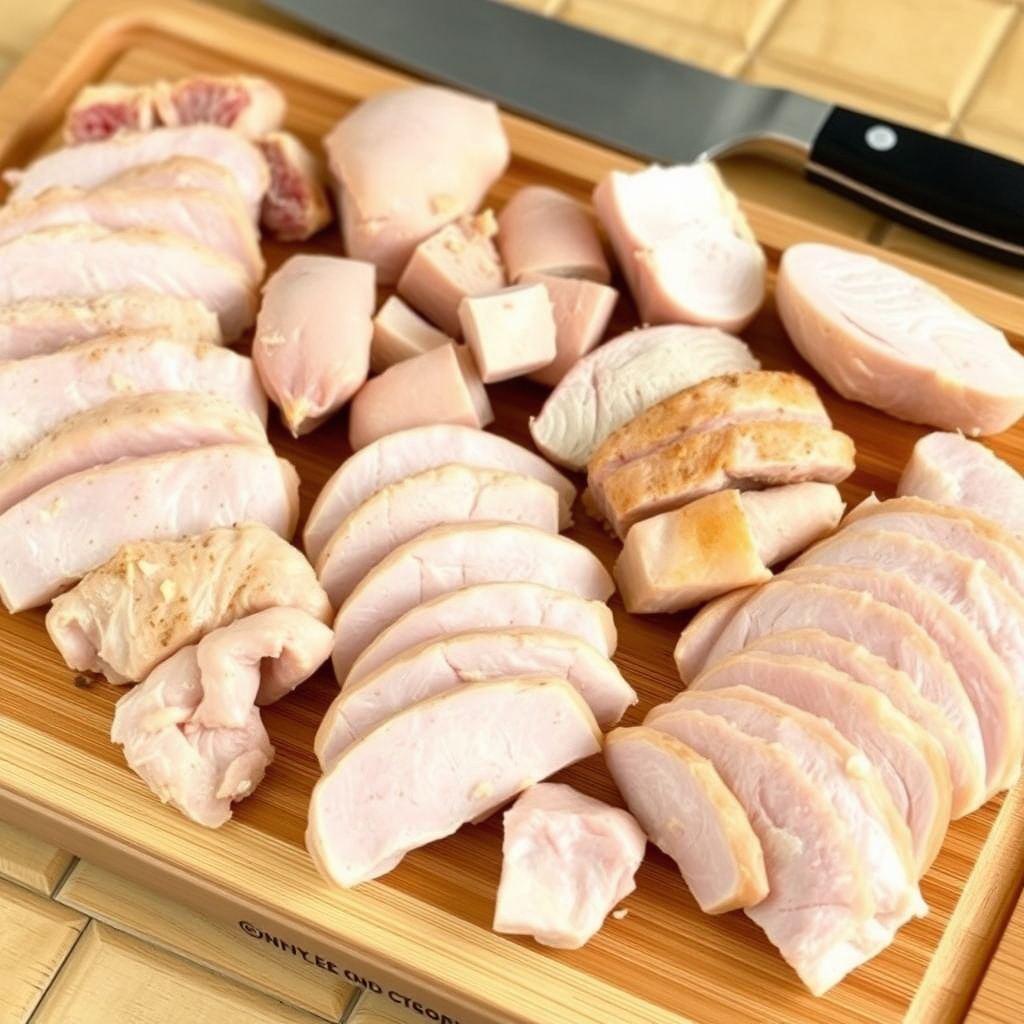
Marinating Times for Chicken Breasts
Chicken breasts are lean and cook quickly, so they require shorter marinating times. A marinade of 30 minutes to 2 hours is usually enough to impart flavor without compromising the meat's texture.
Because breasts can dry out during cooking, overly long marination, especially in acidic liquids, can break down proteins too much. Aim for a maximum of 4 hours if using a strong acidic marinade.
- Recommended: 30 minutes to 2 hours
- Avoid: More than 4 hours in acidic marinade
Ideal Marinating Duration for Chicken Thighs and Drumsticks
Chicken thighs and drumsticks have more fat and connective tissue, making them more forgiving with longer marinades. They absorb flavors well and can benefit from marinating between 4 and 12 hours.
Their robust structure tolerates acidic marinades longer, enhancing tenderness and flavor without turning mushy if marinated properly.
- Recommended: 4 to 12 hours
- Maximum: Up to 24 hours if marinade is mild
The Science Behind Marinating Chicken
Role of Acids and Enzymes in Marinades
Acids like lemon juice, vinegar, or yogurt help tenderize chicken by breaking down protein fibers on the surface. Enzymes from ingredients such as pineapple or papaya also work similarly but more aggressively.
While these components enhance flavor and tenderness, their concentration and exposure time must be balanced. Too much acid or enzyme exposure can cause the chicken to become mushy or develop off textures.
- Common acids: lemon, vinegar, yogurt
- Common enzymes: pineapple, papaya
For more on this, see our related guide: How to Marinate Chicken: Techniques for Juicy, Flavorful Results.
Effect of Salt and Oil in Marinades
Salt in marinades penetrates the meat, helping it retain moisture and seasoning more evenly. Salt usually doesn’t affect marinating time but improves texture subtly.
Oils carry fat-soluble flavors and create a moisture barrier, which keeps chicken juicy during cooking. They also bind herbs and spices to the chicken surface for better flavor retention.
- Salt improves moisture retention
- Oil enhances flavor absorption
Safe Practices for Marinating Chicken
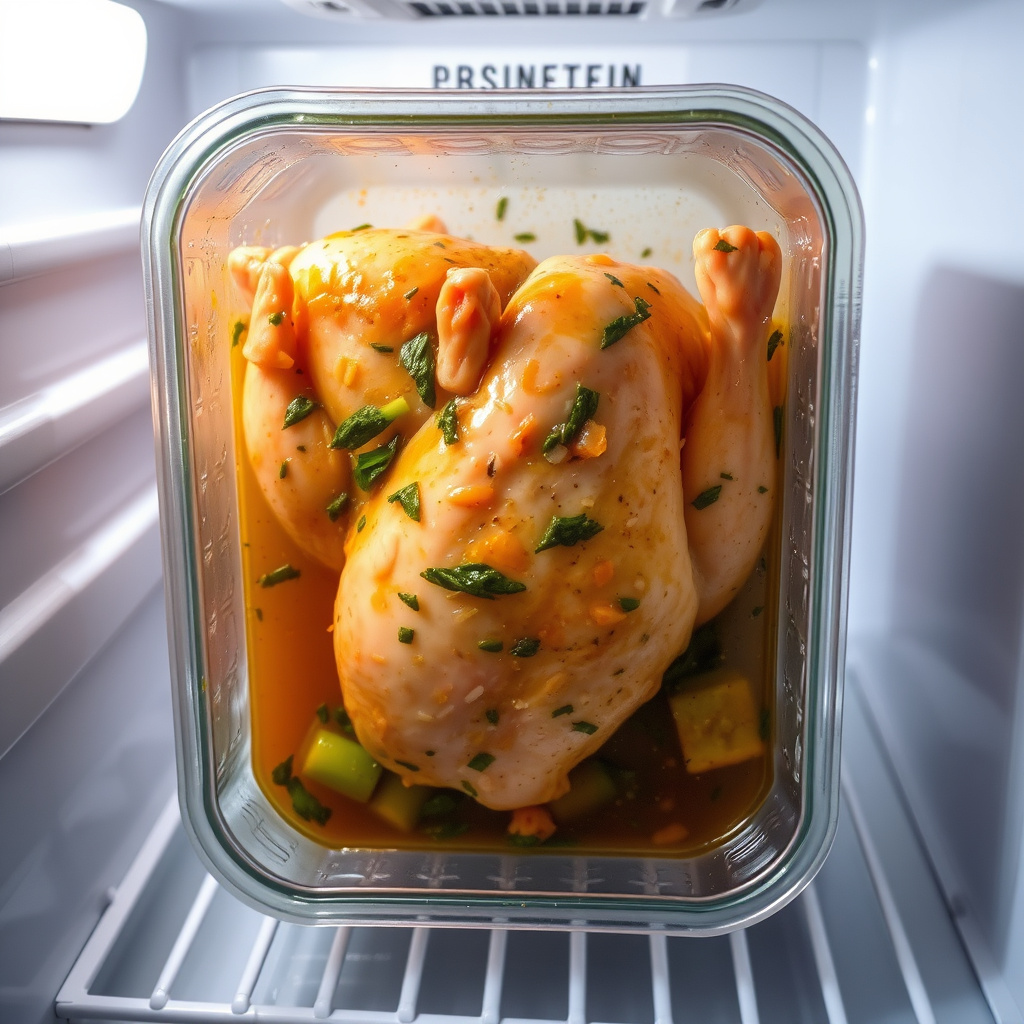
Temperature and Storage Guidelines
Always marinate chicken in the refrigerator at or below 40°F (4°C) to prevent harmful bacteria growth. Avoid marinating at room temperature, which poses significant food safety risks.
Use non-reactive containers such as glass or plastic to prevent metallic tastes or marinade breakdown. Make sure marinades fully cover the chicken and seal tightly to conserve freshness.
- Marinate in refrigerator only
- Use glass or food-safe plastic containers
Handling and Cross-Contamination Prevention
Never reuse marinades that have been in contact with raw chicken unless boiled first to kill bacteria. Always discard leftover marinade or set it aside before adding cooked chicken.
Use separate utensils for raw and cooked meat, and clean surfaces thoroughly to avoid cross-contamination during and after marinating.
- Discard or boil used marinade
- Separate utensils for raw and cooked chicken
Optimizing Flavor and Texture with Marination Timing
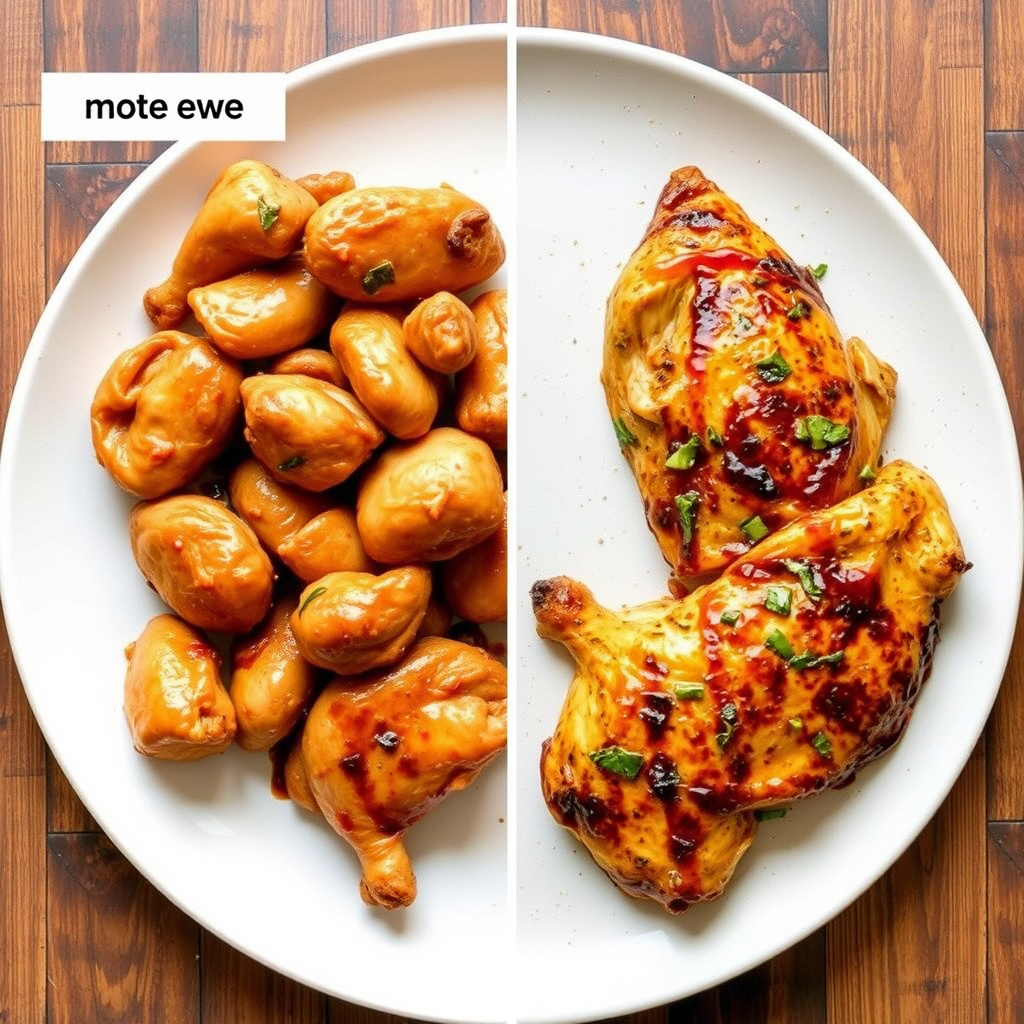
Short Marinating: Boosting Flavor Quickly
Marinating chicken for less than 2 hours is effective for quick weekday meals. This duration lets flavors permeate the surface while keeping textures firm.
For quick marinades, use highly aromatic ingredients like garlic, herbs, and mild acids to infuse enticing taste without risking texture changes.
- Use aromatic herbs and spices
- Ideal for boneless cuts
For more on this, see our related guide: How to Make a Chicken Marinade That Boosts Flavor and Tenderness.
Long Marinating: Deep Flavor and Tenderness
Long marinating times of 6–24 hours suit tougher, fattier cuts like thighs or bone-in pieces. This timing allows the marinade to penetrate deeper, breaking down connective tissues gently.
Extended marination requires milder acidic balances or enzyme amounts to prevent over-tenderizing and slimy textures.
- Best for tougher cuts
- Use milder acid concentrations
Special Considerations for Frozen and Brined Chicken
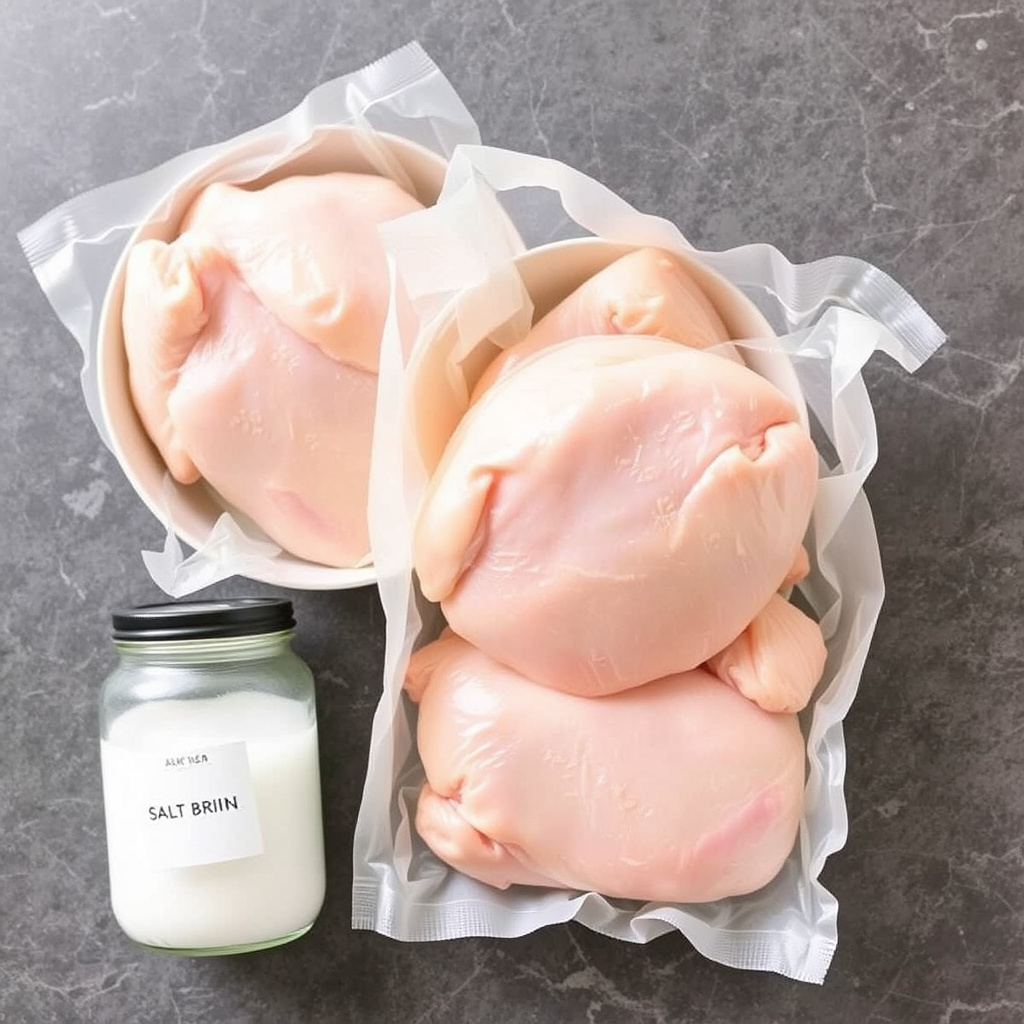
Marinating Frozen Chicken: Timing and Safety
Marinating frozen chicken is feasible but requires extra time for the marinade to permeate properly once thawed. It’s best to thaw chicken fully before marinating for controlled flavor absorption.
If marinating directly from frozen, extend time by several hours and be sure chicken stays refrigerated throughout the process for food safety.
- Prefer thawed chicken for marinating
- Extend marinating time if chicken is partially frozen
For additional safety guidance and cooking temperature recommendations, consult these official marinating chicken techniques. marinating chicken techniques.
Using a Brine for Enhanced Moisture
Brining involves soaking chicken in a saltwater solution that increases moisture retention and juiciness. Brining times differ from marinade times, typically lasting 1 to 6 hours.
Brines are less about flavor infusion and more about texture improvement, often used before applying a marinade or direct cooking.
- Brine for 1 to 6 hours
- Follow up with marinade or seasoning
Chicken Marinating Time Comparison
This table compares typical marinating durations based on chicken cut and marinade acidity to guide your timing choices.
| Chicken Cut | Marinating Time (Low Acid) | Marinating Time (High Acid) | Texture Impact |
|---|---|---|---|
| Chicken breast | 30 min – 2 hours | 30 min – 1.5 hours | Can become mushy if over-marinated |
| Chicken thighs | 4 – 12 hours | 2 – 6 hours | Tender and flavorful when balanced |
| Drumsticks | 4 – 12 hours | 2 – 6 hours | Juicy with good marinade penetration |
| Whole chicken | 6 – 24 hours | 4 – 8 hours | Requires careful timing to avoid texture loss |
| Frozen chicken | Extra 2-4 hours after thaw | Extra 2-3 hours after thaw | Slower marinade absorption |
Frequently Asked Questions
Can I marinate chicken overnight?
Yes, marinating chicken overnight, especially thighs or whole chicken, is common. But avoid doing so with chicken breasts in highly acidic marinades to prevent mushy texture.
Is it safe to marinate chicken at room temperature?
No, marinate chicken only in the refrigerator to reduce bacterial growth risk. Room temperature marinating can cause foodborne illness.
How does marinating affect cooking time?
Marinating doesn’t significantly change cooking times but can help chicken retain moisture, which might produce a juicier result even with normal cooking durations.
Can I reuse chicken marinade as a sauce?
Only if you boil it thoroughly first to kill any bacteria from raw chicken. Otherwise, discard used marinade to avoid contamination.
Does marinating chicken tenderize tough cuts?
Yes, acidic and enzymatic marinades break down proteins in tougher cuts, making them more tender when cooked.
Key Takeaways
- Chicken breasts need shorter marinade times to avoid mushiness.
- Thighs and drumsticks tolerate longer marination for deeper flavor.
- Refrigerate chicken while marinating to ensure safety.
- Adjust marinade acidity and duration for best texture.
Conclusion
Choosing the right marinating duration depends heavily on the chicken cut and the marinade’s acidity. Balancing time with marinade strength allows you to enhance flavor without sacrificing texture. Lean cuts like breasts need only brief marinating to stay firm, while fattier cuts handle longer durations for richer seasoning and tenderness. Understanding these differences helps you reliably elevate your chicken dishes.
For everyday meals or quick prep, marinating chicken breasts for 30 minutes to 2 hours with light acidic blends is effective. For juicier, more deeply flavored options, thighs and drumsticks benefit from 6 to 12 hours in milder marinades. If you plan to cook whole chickens or use frozen poultry, lean towards longer marinating or brining approaches with careful temperature control.
Start by selecting a marinade that suits your chosen chicken cut and flavor preference, then follow recommended timing and safety advice. Keep marinating in the fridge and avoid over-acidic exposure for best texture results. This approach guarantees flavorful and tender chicken every time you cook.