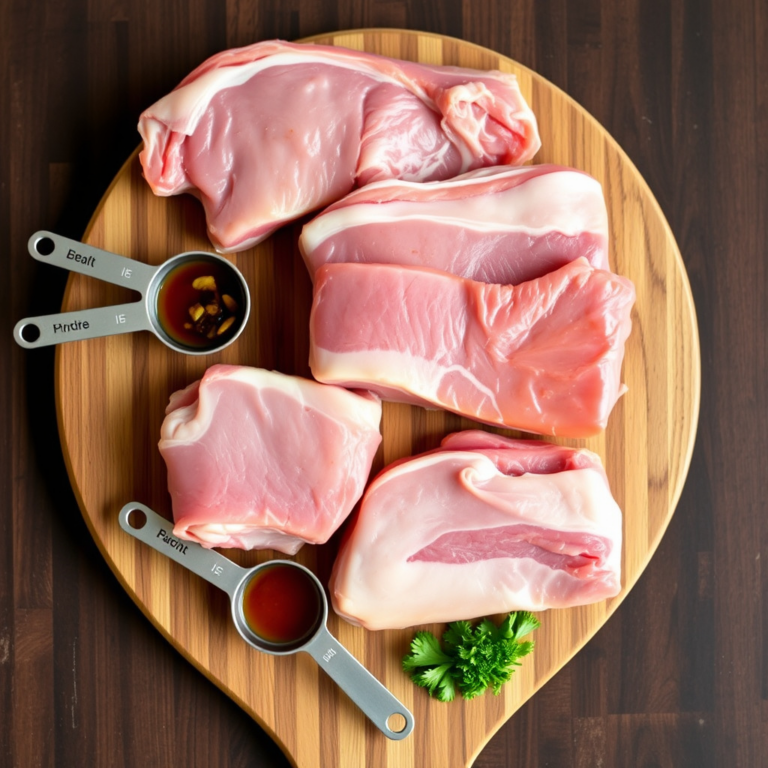
The best marinade for steak combines acidity, oil, and seasonings to both tenderize and amplify the meat's natural flavors. A classic blend often includes ingredients like soy sauce, garlic, olive oil, and a touch of acid such as vinegar or citrus juice. This mixture not only softens the muscle fibers but also infuses depth and richness that elevate any steak cut.
Marinating steak is an efficient way to enhance flavor without overpowering the beef's natural taste. Since different cuts can range in tenderness and richness, a balanced marinade can make a significant difference whether you're using a filet mignon or a tougher chuck steak. Careful ingredient selection and marinating times also influence texture and juiciness.
This article examines the elements that make up the best marinade for steak, including common ingredients and their roles, variations for flavor profiles, tips on marinating times, and grilling techniques. You'll also find a comparison of popular marinade styles and answers to common questions about steak marination.
Essential Components of the Best Marinade for Steak
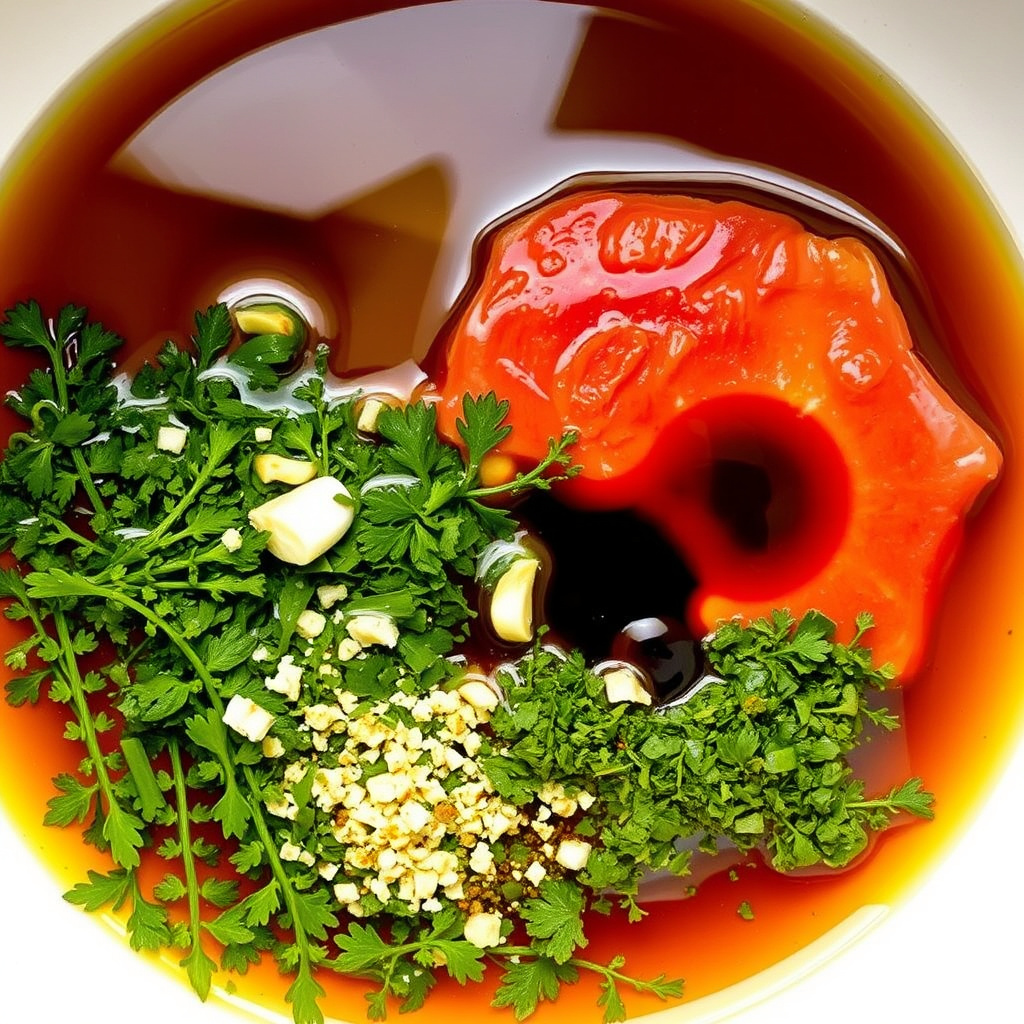
Acidic Ingredients for Tenderizing
Acids play a pivotal role in breaking down tough muscle fibers in steak, leading to a more tender chew. Common acidic components include vinegar, citrus juices like lemon or lime, and even yogurt or wine, each adding unique flavor notes while softening the meat.
Choosing the right acid depends on the flavor direction you want. For instance, balsamic vinegar adds sweetness while lime juice offers brightness. Over-marinating with acids can make meat mushy, so timing is important.
- Vinegar varieties: balsamic, red wine, apple cider
- Citrus juices: lemon, lime, orange
- Fermented dairy: yogurt, buttermilk
- Wine and beer for depth
Oils and Flavor Enhancers
Oils help distribute the marinade evenly and preserve juiciness during cooking. Olive oil is a popular choice due to its mild flavor and healthy fats, but other neutral oils like canola work too. Oils also help carry fat-soluble flavor compounds from herbs and spices into the meat.
Additional enhancers like soy sauce, Worcestershire sauce, garlic, and fresh herbs contribute umami, saltiness, and aroma, balancing the marinade while boosting savory characteristics.
- Olive oil as the primary base
- Soy sauce and Worcestershire for umami
- Fresh garlic, rosemary, thyme, and black pepper
- Honey or brown sugar for subtle sweetness
Adjusting Marinade Based on Steak Cut
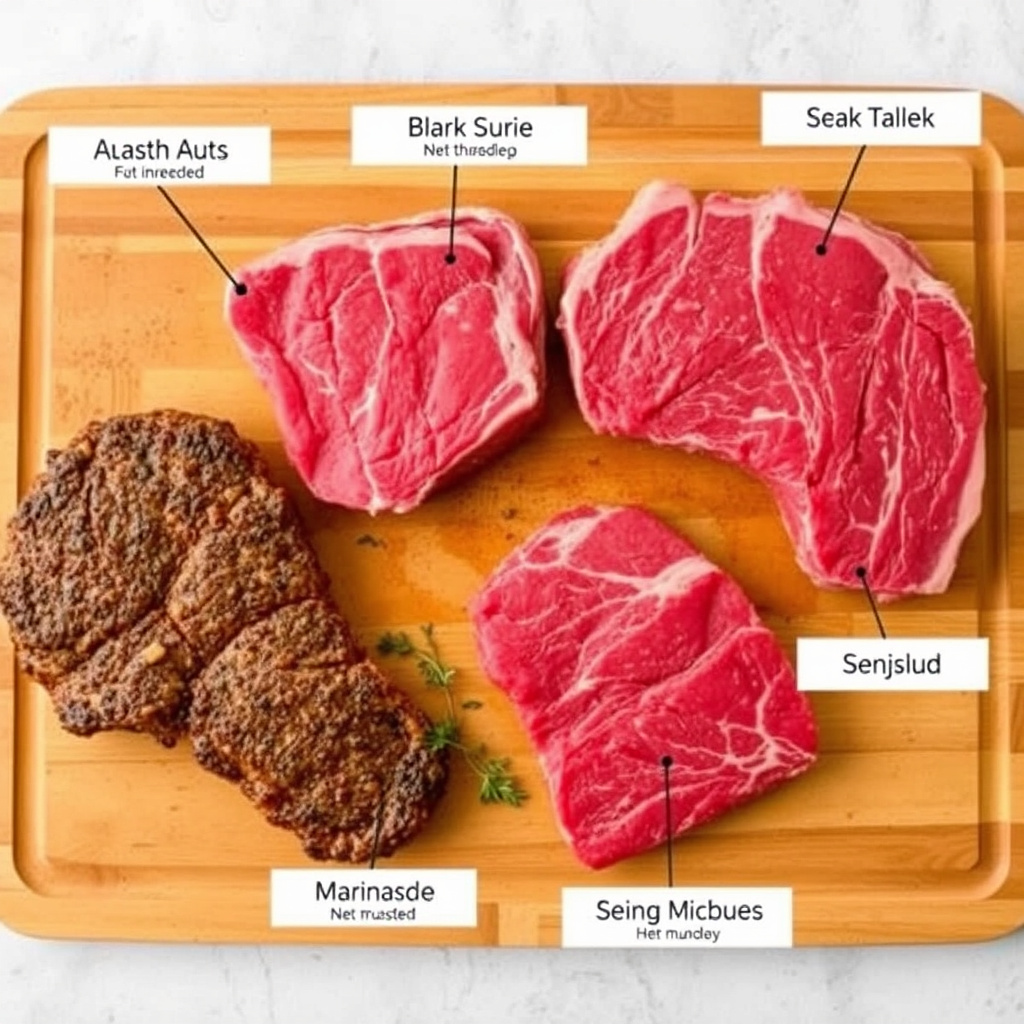
Tender Cuts and Marinade Needs
Cuts like ribeye and filet mignon are naturally tender and flavorful, so they require shorter marinating times or lighter marinades. Over-marinating these cuts can mask their natural qualities.
A simple marinade focusing on light acidity and aromatic herbs for 30 minutes to an hour generally suffices to enhance flavor without compromising texture.
- Ribeye: mild marinade, short time
- Filet mignon: minimal marinade
- Strip steak: medium intensity marinade
Tougher Cuts Benefit from Longer Marination
Less tender steaks such as flank, skirt, and chuck benefit from longer marinating times and stronger acidic components to break down connective tissue. These cuts often absorb bold flavors well and need patience for tenderizing.
Marinades with robust acidity combined with oil and spices should be applied for several hours or even overnight, balancing tenderness and flavor development.
- Flank steak: 6-12 hours
- Skirt steak: 4-8 hours
- Chuck steak: overnight marination
Popular Steak Marinade Recipes to Try
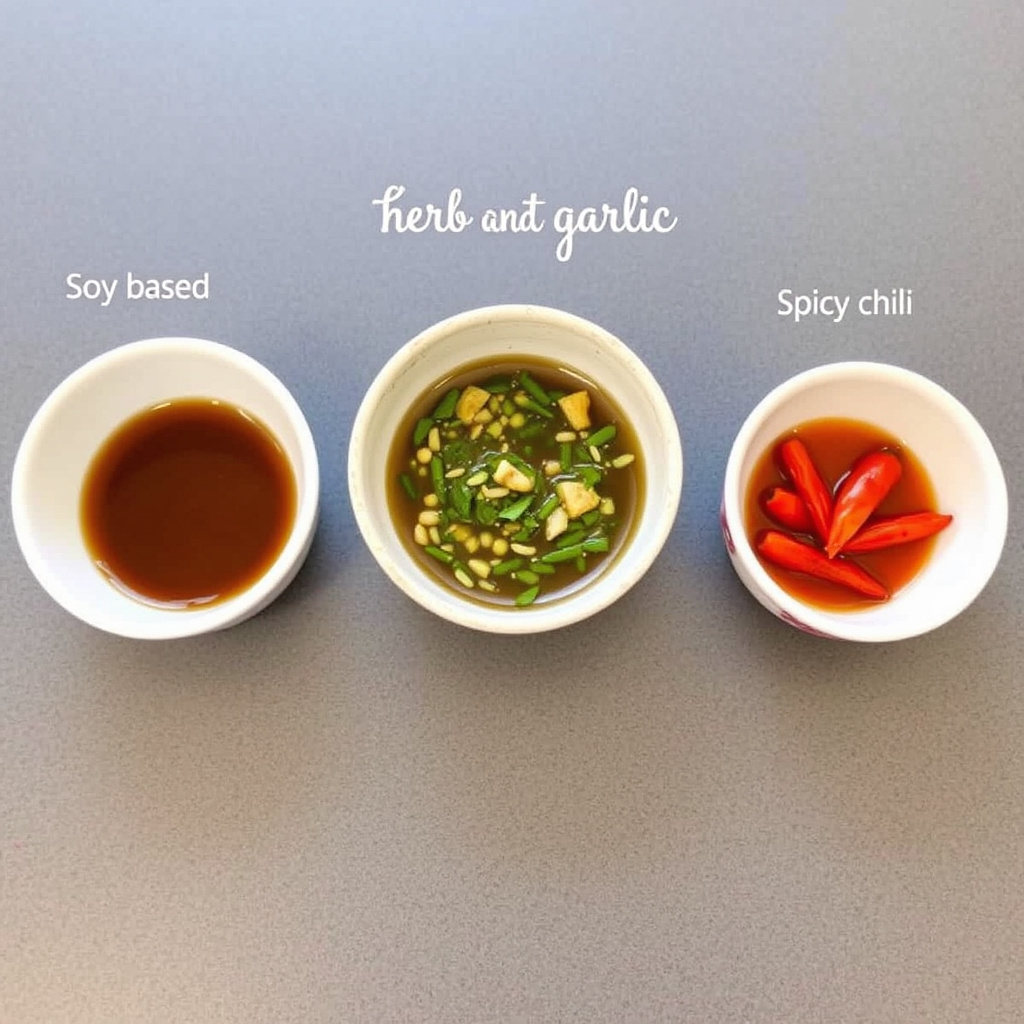
Classic Soy-Garlic Marinade
This marinade uses soy sauce as the base for salty umami, combined with minced garlic, olive oil, black pepper, and lemon juice. It enhances the meat's richness and adds a savory depth that's universally liked.
It's ideal for quick marinating of cuts like ribeye and sirloin and pairs well with charcoal grilling to develop caramelized edges.
- 1/2 cup soy sauce
- 3 cloves garlic, minced
- 1/4 cup olive oil
- 2 tablespoons lemon juice
- Freshly ground black pepper
For more on this, see our related guide: What is the Best Cut of Beef for Smoking? A Practical Guide.
Herb and Citrus Marinade
Combining fresh herbs like rosemary and thyme with citrus juice creates a bright and fragrant profile that complements steak beautifully. Olive oil smooths the texture and maintains juiciness during cooking.
This blend suits medium tender steaks and balances zestiness with herbal undertones, perfect for summer grilling.
- 1/4 cup lemon juice
- 1/4 cup olive oil
- 2 tablespoons chopped rosemary
- 2 tablespoons chopped thyme
- 1 teaspoon salt
Timing and Techniques for Marinading Steak
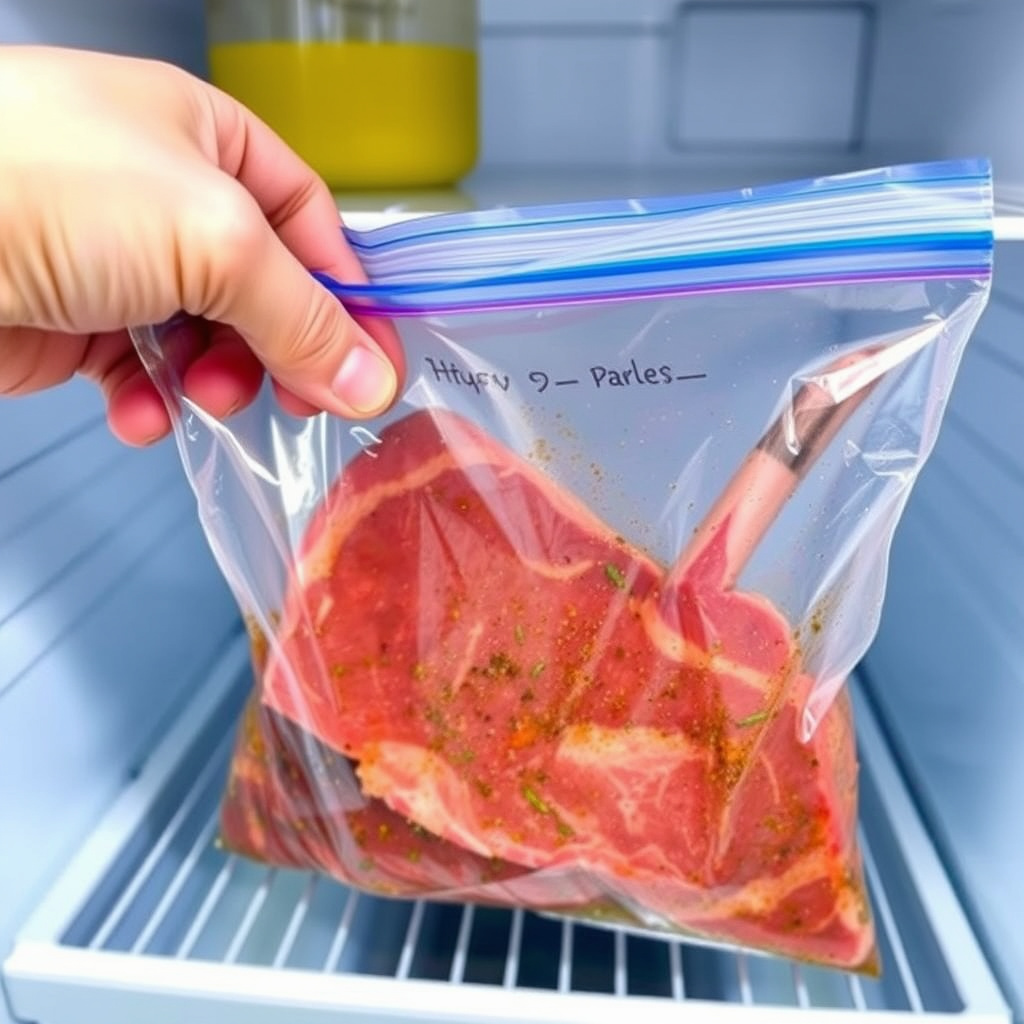
Recommended Marinating Durations
Marinating time varies based on cut and marinade strength. Tender cuts need only 30 minutes to 2 hours, while tougher cuts can handle 6 to 24 hours. Exceeding recommended times, especially in highly acidic marinades, can negatively affect texture.
Always keep marinating steaks refrigerated to prevent bacterial growth, and avoid metal containers that may react with acidic ingredients.
- Tender cuts: 30 min to 2 hours
- Tough cuts: 6 to 24 hours
- Store in glass or food-grade plastic
- Refrigerate during marinating
Applying Marinades Efficiently
Using resealable plastic bags allows even coating and easy cleanup. Massage the marinade into the meat to enhance absorption. For thick steaks, poking small holes with a fork can help penetration but avoid excessive piercing to prevent drying.
Remove steaks from marinade and pat dry before grilling to encourage proper searing and avoid flare-ups.
- Use resealable plastic bags
- Massage marinade into meat
- Lightly pierce thick cuts if desired
- Pat dry before cooking
Grilling and Cooking After Marinading
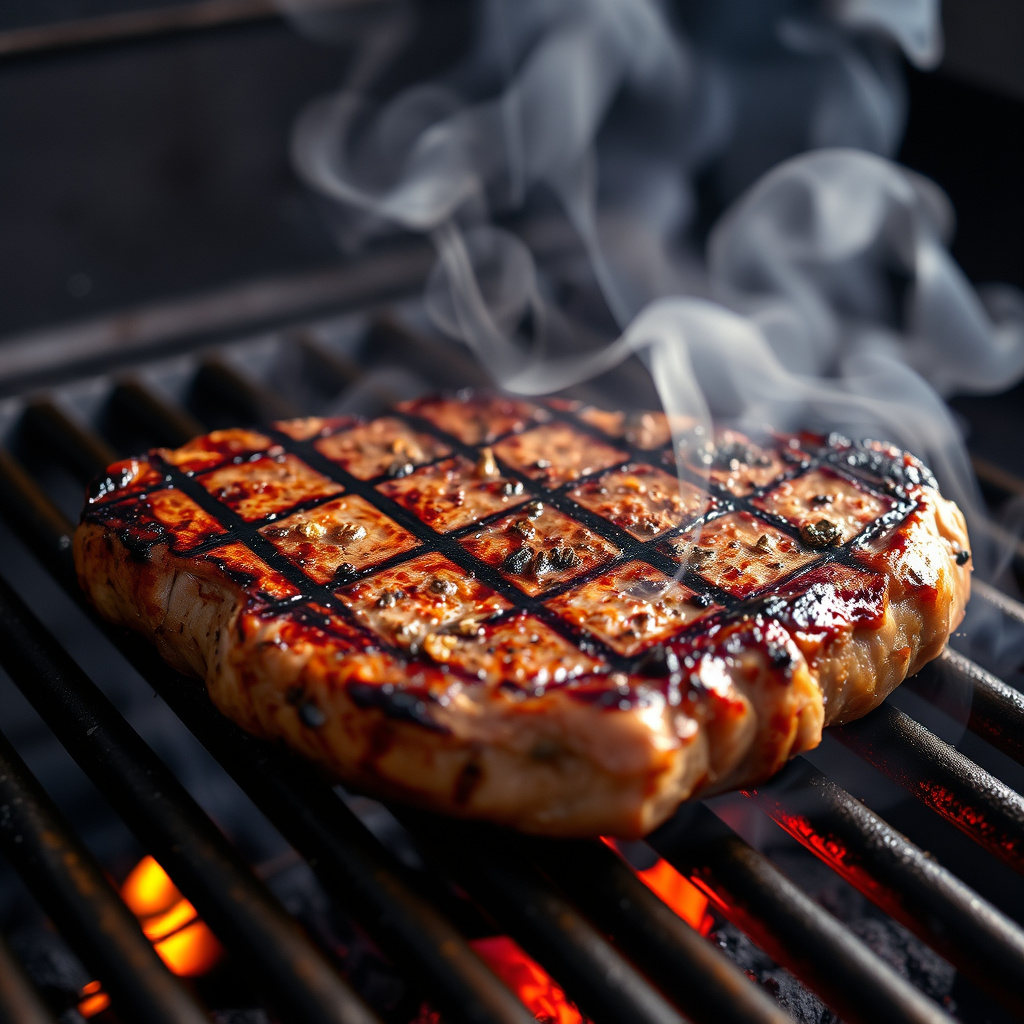
Preparing the Grill and Steak
Preheat the grill to high heat before cooking to achieve an ideal sear that locks in juices. Let marinated steaks come to room temperature briefly to cook evenly and prevent muscle tightening from cold meat hitting heat.
Avoid over-oiling the grill since excess oil from marinade can cause flare-ups. Removing excess marinade helps with controlled cooking and better crust formation.
- Preheat grill to high
- Bring steak to room temperature
- Remove excess marinade
- Oil grill grates lightly
For more on this, see our related guide: What Is the Best Cut of Steak for Grilling? A Guide to Perfect BBQ Steaks.
Cooking Times and Resting
Cooking steaks to the preferred doneness depends on thickness but generally ranges from 3-5 minutes per side for medium-rare on a 1-inch thick cut. Use a meat thermometer for precision, aiming for 130-135°F internal temperature.
Rest steaks for 5-10 minutes after cooking to allow juices to redistribute, resulting in a more flavorful and moist eating experience.
- Cook 3-5 minutes per side for medium-rare
- Target 130-135°F internal temperature
- Use a reliable meat thermometer
- Rest steak for 5-10 minutes before serving
Common Mistakes to Avoid With Steak Marinades
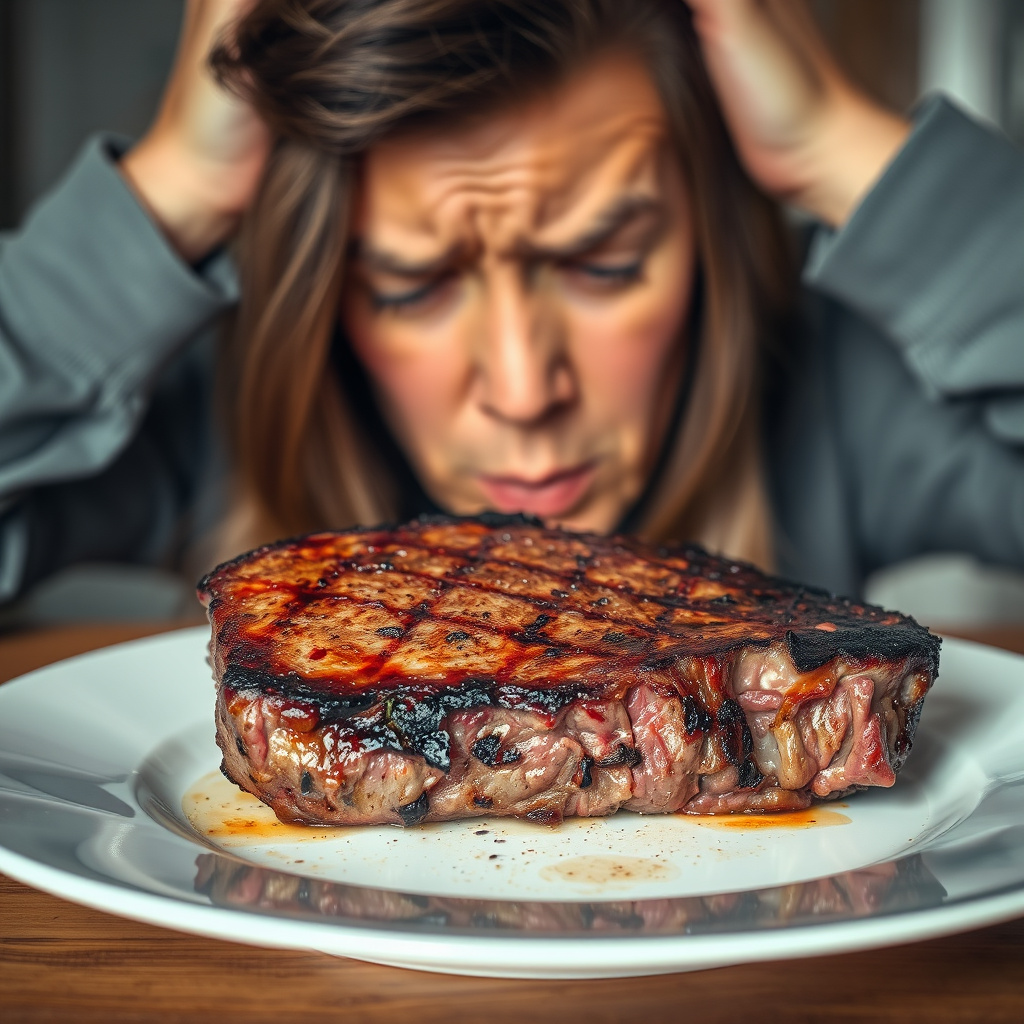
Over-marinating and Meat Texture Issues
Leaving steak in an acidic marinade for too long can cause the meat to become mushy or overly soft, spoiling the texture. Overexposure to acids breaks down protein excessively and leads to unappealing chewiness.
Following cut-specific timing guidelines and choosing balanced marinades helps maintain the desirable steak mouthfeel.
- Avoid marinating more than 24 hours
- Adjust times based on acidity level
- Use less acid for delicate cuts
- Follow recommended marinating durations
For more information on the science behind marination, see this detailed explanation on steak marinade information at Wikipedia. steak marinade information at Wikipedia.
Neglecting Marinade Removal and Drying
Cooking steak with excess marinade can create smoke flare-ups and prevent a proper crust due to steaming, resulting in a less flavorful exterior. Patting the steak dry before grilling reduces these issues and improves searing.
Always remove any pooling liquid or excess marinade from the steak surface before placing it on high heat.
- Drain and pat dry steaks before grilling
- Reduce grill flare-ups
- Promote Maillard reaction for crust
- Avoid steaming meat during cooking
Steak Marinade Category Comparison
Different marinade categories affect tenderness, flavor, and cooking times distinctively. This comparison highlights their characteristics.
| Marinade Type | Primary Ingredients | Best For Steak Cuts | Marinating Time | Flavor Profile |
|---|---|---|---|---|
| Soy-Based | Soy sauce, garlic, olive oil, citrus | Ribeye, Sirloin | 30 min – 2 hrs | Savory, Umami |
| Citrus-Herb | Lemon juice, rosemary, thyme, olive oil | Strip, Flank | 1 – 4 hrs | Bright, Fresh |
| Balsamic Vinegar | Balsamic, honey, garlic, olive oil | Filet Mignon, Chuck | 1 – 6 hrs | Sweet, Tangy |
| Spicy Chili | Chili flakes, lime juice, garlic, oil | Skirt, Flank | 2 – 8 hrs | Spicy, Zesty |
| Yogurt-Based | Yogurt, garlic, cumin, lemon | Tough Cuts like Chuck | 6 – 24 hrs | Creamy, Tangy |
Frequently Asked Questions
How long should I marinate steak for the best results?
Tender cuts like ribeye work well with 30 minutes to 2 hours of marination. Tougher cuts such as flank or chuck benefit from 6 to 24 hours to break down connective tissue effectively.
Can I use the marinade as a sauce after cooking the steak?
It's best to boil the leftover marinade thoroughly before using it as a sauce to eliminate any harmful bacteria from raw meat exposure.
Does marinating steak make it more tender?
Yes, acids in marinades partially break down muscle fibers and connective tissue, softening the meat and improving tenderness when done properly.
Should I always marinate steak before grilling?
Marinating is optional for naturally tender cuts but recommended for tougher steaks to enhance flavor and texture.
What containers are best for marinating steak?
Use non-reactive containers like glass or food-safe plastic bags to avoid chemical reactions that alter flavors or damage the marinade.
Key Takeaways
- Acid and oil are fundamental to a steak marinade’s tenderizing and flavoring ability.
- Marinating times vary by steak cut, balancing tenderness and taste.
- Removing excess marinade before grilling promotes a good sear and prevents flare-ups.
- Classic soy-based and herb-citrus marinades suit most common steaks.
Conclusion
Selecting the best marinade for steak involves understanding how acids, oils, and flavor enhancers interact with different cuts of meat. Balancing these components ensures that the steak becomes tender while absorbing flavors harmoniously without overpowering its natural richness. Careful attention to marinating duration and proper cooking techniques help in achieving a satisfying texture and depth of taste.
For steak lovers seeking quick enhancement, soy-based marinades with garlic and lemon juice are a reliable choice for tender cuts like ribeye and sirloin. Tougher cuts such as flank and chuck benefit from longer marinating in citrus-herb or yogurt-based blends, which break down fibers effectively while infusing vibrant flavors. Adjusting recipes and timing to the specific steak can transform an ordinary meal into a memorable dining experience.
Once you’ve selected the marinade that suits your steak and taste preferences, prepare the meat by marinating in glass or food-safe plastic containers, refrigerate it properly, and always pat the surface dry before grilling. Monitoring cooking times closely will further guarantee an optimal crust and juicy interior. With this knowledge, experimenting with steak marinade recipes becomes an enjoyable part of cooking, leading to consistently delicious results.