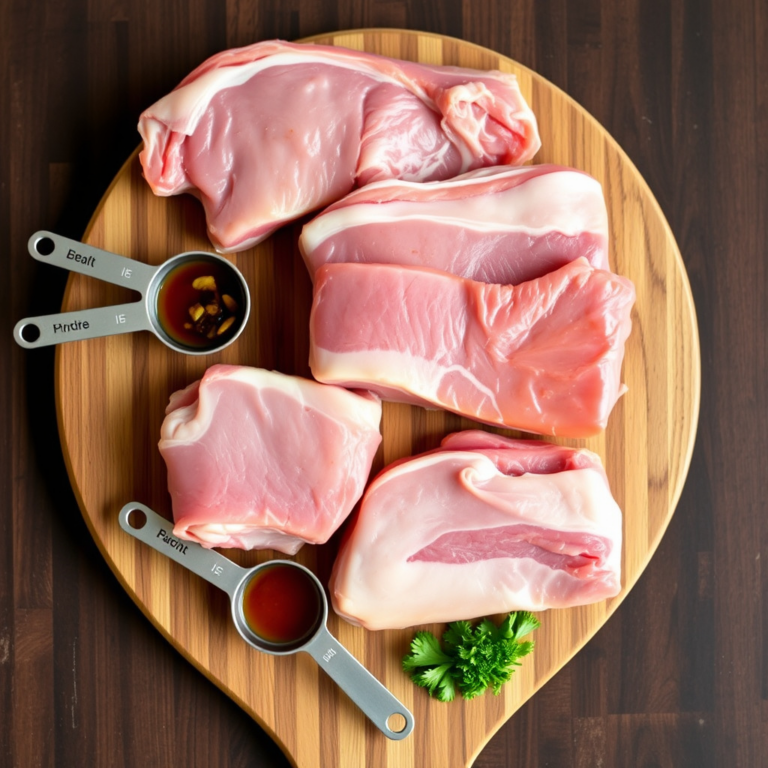
The best cut of steak for grilling depends largely on your taste preferences and desired tenderness, but ribeye stands out as a favorite because of its rich marbling and juicy texture. This cut balances fat and meat in a way that produces excellent flavor and remains tender under high heat grilling.
Grilling steak expertly transforms simple meat into an enticing meal, making the choice of cut important for texture, flavor, and ease of cooking. Cuts like ribeye, strip steak, and filet mignon each respond differently to grilling, so knowing the attributes of each helps you pick your ideal steak for an outstanding BBQ.
This article will cover key steaks suited for grilling, explaining their qualities, tips specific to grilling each cut, how to choose based on budget or preference, and some simple seasoning and preparation advice. Whether you want a hearty, fatty cut or something lean and tender, there’s a grilling steak for everyone.
Understanding the Best Cut of Steak for Grilling
Why Ribeye Is Ideal for Grilling
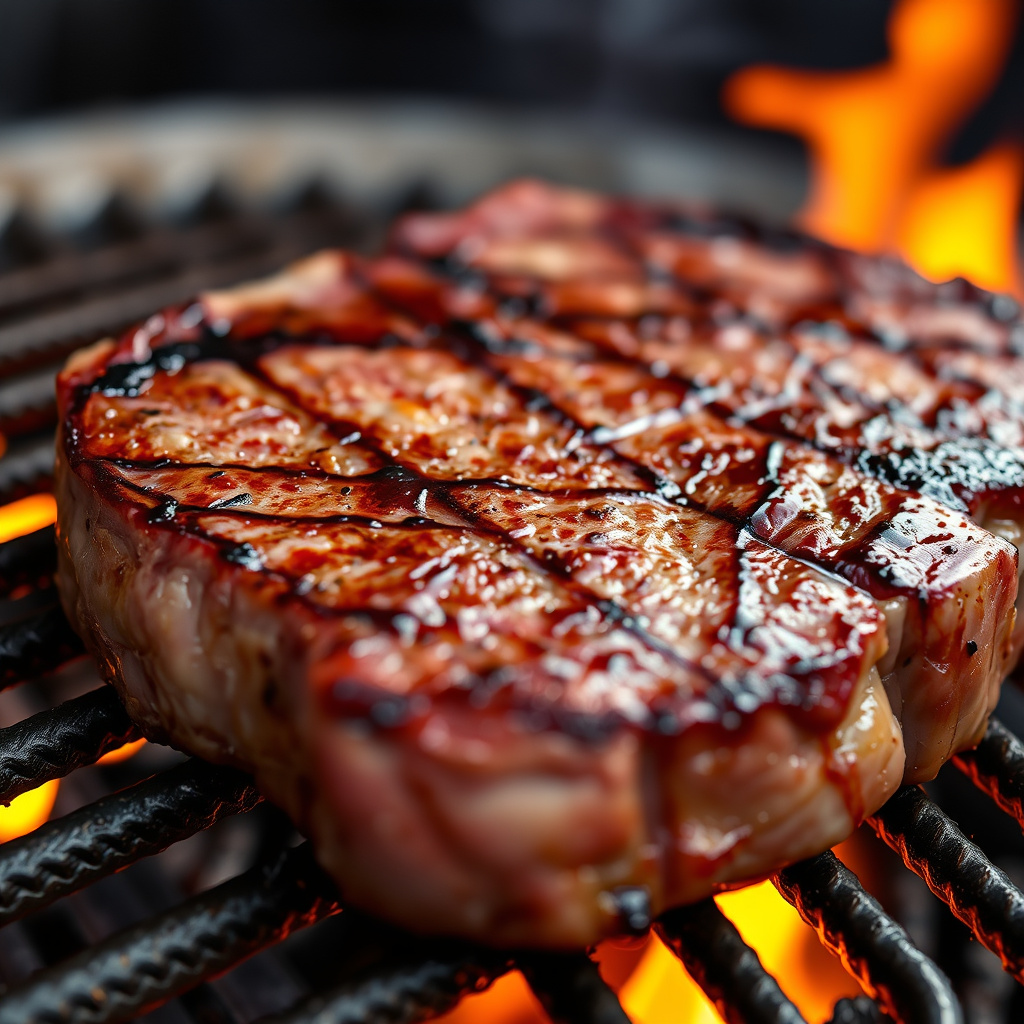
Ribeye steak is prized for its rich marbling—intramuscular fat that melts during grilling, enhancing juiciness and flavor. This makes it forgiving on the grill since the fat protects the meat from drying out, resulting in a tender, flavorful steak with a succulent mouthfeel.
Its balance of fat and muscle fibers also means ribeye can handle higher temperatures and longer cooking without becoming tough. This cut often comes with a natural ‘eye’ of fat in the center that bastes the meat internally as it cooks.
- Excellent marbling for flavor
- Remains tender when grilled
- Handles high heat well
Other Popular Cuts for Grilling
New York strip offers a firmer texture with somewhat less fat than ribeye but still plenty of beefy flavor, making it a favorite for those who want a balance of tenderness and chew.
Filet mignon is a leaner, more tender cut that grills quickly and suits those preferring mild flavor with buttery softness, though it lacks the fat content that adds flavor on the grill.
- New York strip: firm and flavorful
- Filet mignon: tender and lean
- T-bone and porterhouse: combine two textures
Selecting Steak Cuts Based on Flavor and Texture
Flavor Profiles in Grilling Steaks
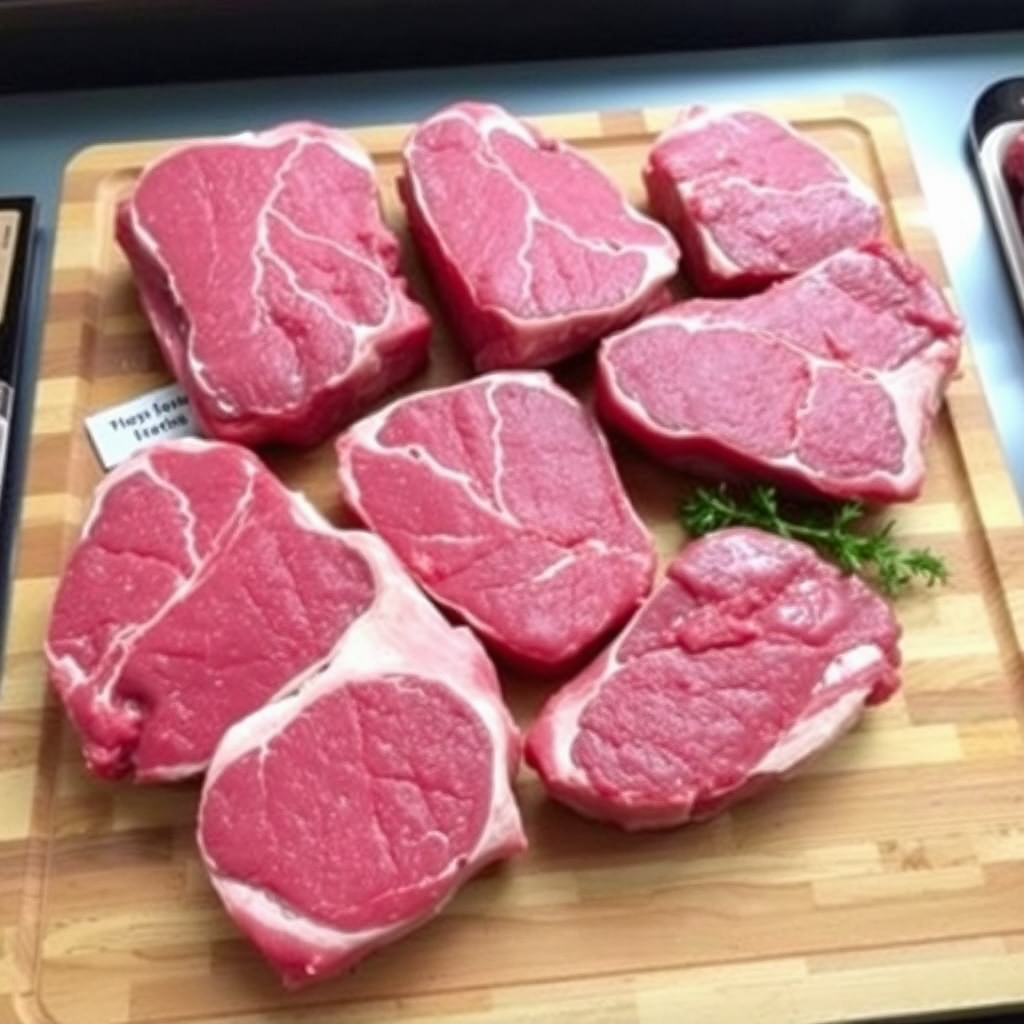
Fat content strongly influences flavor in grilling steaks. Cuts like ribeye and T-bone have more marbling, delivering richer taste and juices. Leaner cuts rely more on seasoning and cooking technique to develop flavor.
Grass-fed versus grain-fed beef also affects flavor intensity; grain-fed steaks tend to have higher fat and a milder flavor, while grass-fed steaks offer a more pronounced, earthy taste that some grillers prefer.
- High marbling equals richer flavor
- Lean cuts can be enhanced by marinade
- Feed type impacts taste nuances
For more on this, see our related guide: Internal Temperature for Steak: How to Cook Steak Perfectly Every Time.
Texture and Doneness Preferences
Different cuts have varying amounts of connective tissue, influencing chewiness. Ribeye is tender due to fat, while sirloin may be firmer. Your doneness preference also affects the eating experience; medium-rare suits most cuts to keep them juicy and tender.
Choosing the right cut depends on desired chewiness and how well it tolerates grill heat without drying out or becoming tough.
- Ribeye is forgiving with doneness
- Filet mignon cooks quickly and stays tender
- Sirloin requires careful grilling control
Practical Grilling Tips for Each Steak Cut
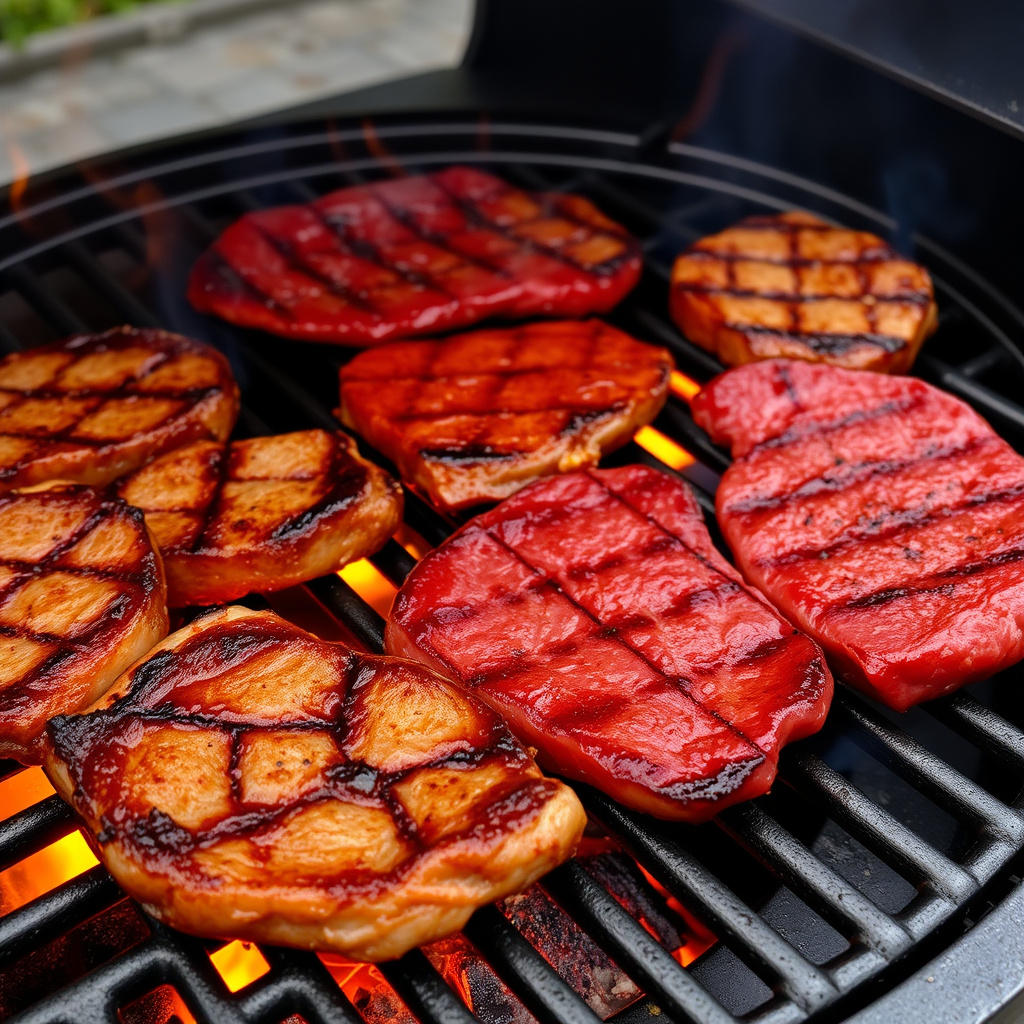
Grilling Ribeye and Strip Steaks
Preheat the grill to high heat to create a seared crust. For ribeye and strip steaks, sear each side for 3-4 minutes, then move to indirect heat if thicker. Rest steaks for 5 minutes post-grilling to let juices redistribute.
Season simply with salt and pepper to let the meat’s natural flavor shine. Avoid overturning to build flavor-rich grill marks.
- Preheat grill to 450°F+
- Sear 3-4 minutes per side
- Rest before slicing
Handling Tender Cuts like Filet Mignon
Filet mignon is lean and cooks faster, so grill over medium-high heat. Use a shorter sear time of 2-3 minutes per side, then finish at indirect heat or pull off early for medium-rare.
Wrapping in bacon or brushing with butter during grilling enhances flavor and prevents drying.
- Medium-high heat, 2-3 min sear
- Use bacon wrap for added fat
- Avoid overcooking for tenderness
Budget and Availability Considerations for Grilling Steaks
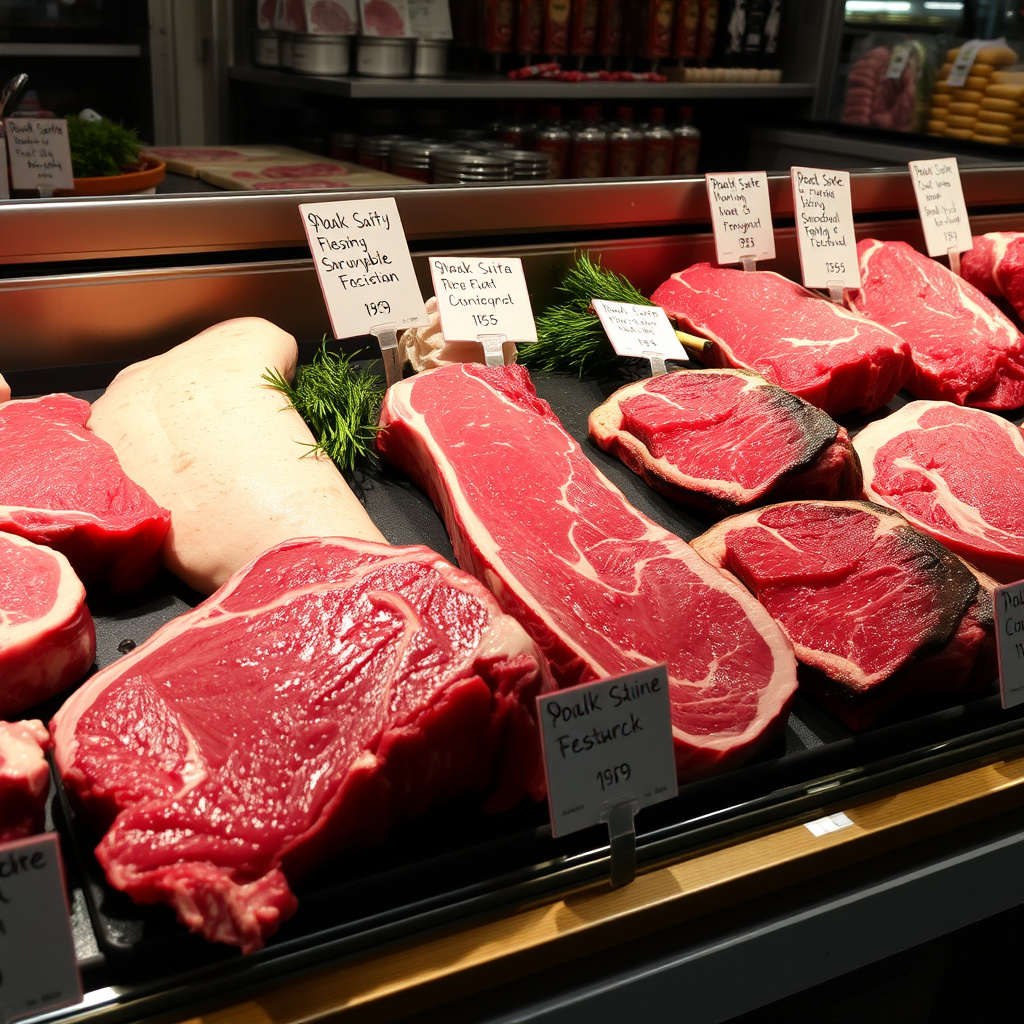
Affordable Cuts with Good Grilling Potential
Sirloin and flank steaks tend to be less expensive but can deliver excellent flavor and texture if marinated properly. These cuts benefit from grilling approaches that tenderize surface fibers.
Choosing lesser-known cuts like flat iron or hanger steak offers flavorful grilling options without the premium price of ribeye or filet mignon.
- Sirloin: good value and flavor
- Flank steak: best with marinade
- Flat iron offers tenderness at lower cost
For more on this, see our related guide: How to Cook Steak to Medium Rare Perfectly Every Time.
Seasonal and Regional Availability
Availability of certain premium cuts can fluctuate by season and region; local butcher shops are a great source for advice on the freshest, best-priced cuts for grilling where you live.
Sometimes choosing a lesser-known steak available locally not only reduces cost but introduces you to different textures and flavors worth trying on the grill.
- Buy local for freshest steaks
- Ask butchers for recommendations
- Try regional favorites for variety
Enhancing Grilling Results with Proper Preparation
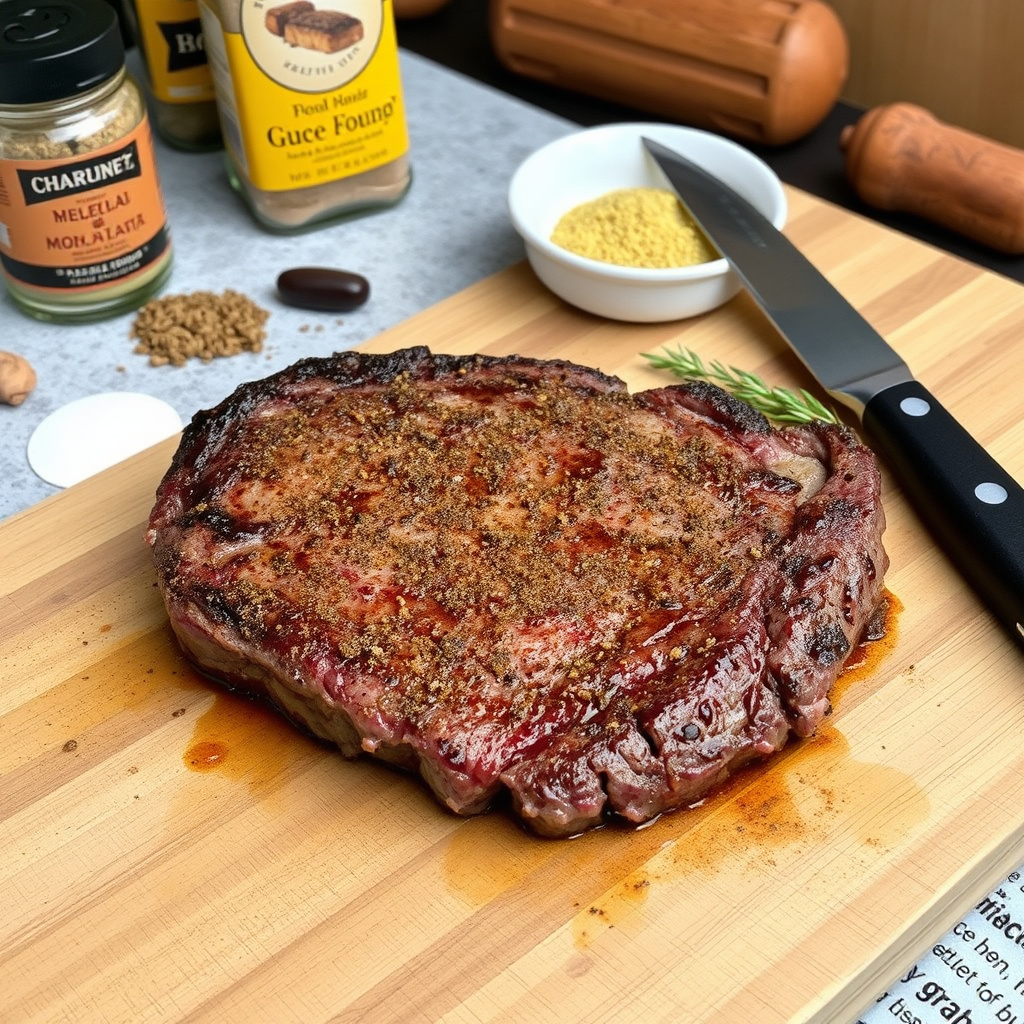
Seasoning and Marinating for Flavor Boost
A simple seasoning with kosher salt and coarse black pepper is often enough, especially for well-marbled steaks. For leaner cuts, a short marinade with acid like lemon juice or vinegar can add tenderizing effects and flavor nuances.
Avoid heavy sauces before grilling so the steak’s natural grilled taste remains prominent; add sauces after resting or serve on the side.
- Salt 40 minutes before grilling
- Use acidic marinade for lean steaks
- Serve sauces separately
For a detailed overview of grilling methods and steak types, you can visit the grilling steak techniques on Wikipedia. Grilling steak techniques on Wikipedia.
Resting and Slicing for Best Texture
Resting the steak after grilling allows juices to redistribute, preventing them from running out on the cutting board and drying the meat. Rest steaks loosely tented for 5-10 minutes depending on thickness.
Slice against the grain especially for cuts like flank or skirt steak to maximize tenderness during eating.
- Rest 5-10 minutes post-grill
- Slice against grain for lean cuts
- Keep steaks warm while resting
Comparison of Popular Grilling Steak Cuts
Here’s a quick comparison of common steak cuts ideal for grilling, highlighting key traits to match your grilling style and taste preference.
| Cut | Fat Content | Flavor Intensity | Texture | Price Range |
|---|---|---|---|---|
| Ribeye | High | Rich and buttery | Tender and juicy | $$$ |
| New York Strip | Medium | Beefy and balanced | Firm but tender | $$ |
| Filet Mignon | Low | Mild and delicate | Very tender | $$$$ |
| Sirloin | Low-Medium | Moderately beefy | Firm | $ |
| Flank Steak | Low | Lean and beefy | Chewy, best sliced thin | $ |
| T-bone | High | Combines flavors of loin and tenderloin | Varied: tender and firm | $$$ |
Frequently Asked Questions
Is ribeye really the best steak for grilling?
Ribeye’s high marbling makes it an excellent choice for grilling due to its rich flavor and juicy tenderness, but the best cut depends on your taste for fat and texture.
Can leaner cuts like sirloin be grilled successfully?
Yes, lean cuts like sirloin grill well when properly seasoned or marinated and cooked carefully to avoid drying out.
How do I know when a steak is done on the grill?
Using a meat thermometer is most accurate: 130-135°F for medium-rare, 140-145°F for medium. Touch tests can also help experienced grillers.
Should I marinate all steaks before grilling?
Marinades benefit leaner cuts by adding flavor and tenderness, but highly marbled steaks like ribeye often need only salt and pepper.
How long should steaks rest after grilling?
Rest steaks 5 to 10 minutes after grilling to let juices redistribute, improving final tenderness and moisture.
Key Takeaways
- Ribeye is often the best cut of steak for grilling due to marbling and flavor.
- Different cuts suit different tastes and grilling techniques.
- Proper seasoning, grilling temperature, and resting improve results.
- Affordable cuts like sirloin can deliver great grilled steaks when prepared well.
Conclusion
Selecting the right cut of steak for grilling blends your flavor preferences, budget, and desired texture. Ribeye consistently ranks as the top choice for grilling because its marbling provides juiciness and rich flavor that stands up to high heat. However, other cuts like New York strip and filet mignon offer varied textures for those seeking leaner or more tender experiences. Recognizing what each steak cut delivers allows you to pick a grilling steak that will please your palate and fit your grilling skills.
For those wanting the best all-around grilling experience, ribeye is highly recommended for its forgiving nature and pronounced flavor. Medium-budget grillers may prefer New York strip for a leaner option. Those with a tighter budget or adventurous tastes might explore sirloin or flank steaks marinated before grilling. Filet mignon is perfect for special occasions when tenderness is the priority over flavor intensity. Adjusting grilling time and temperature to the cut ensures the best outcome, with rest periods enhancing juiciness.
Grilling enthusiasts should start by experimenting with ribeye and New York strip while learning how heat and rest influence steak quality. From there, trying leaner or more economical options broadens your skill set and steak enjoyment. Remember, seasoning simply yet thoughtfully, monitoring grill heat, and resting your steak make all the difference. Your next step is to choose your favorite cut, prep it properly, and grill with patience to savor the rich rewards of perfectly cooked, delicious grilled steak.