The best rub for ribs depends on the balance between flavor, texture, and how it complements the meat. Generally, a combination of salt, sugar, paprika, garlic, and pepper works well, giving ribs a perfect sweet and savory crust that locks in moisture and flavor during cooking. Many pitmasters swear by a simple yet effective mix of brown sugar, smoked paprika, salt, black pepper, garlic powder, and onion powder as the ideal base.
Choosing the right rub matters because ribs have a rich, fatty texture that benefits from both a hint of sweetness to caramelize and spice to add depth and heat. A rub also forms a crust, or bark, essential for the classic BBQ rib experience. Whether you're smoking, grilling, or baking ribs, the rub must complement your cooking method to enhance the final taste.
This article explores the key elements that make the best rub for ribs, different types of rubs suited to various rib styles, seasoning techniques, and tips for applying rubs effectively. We'll also compare commercial rub options and handmade mixes so you can pick the best fit for your taste and cooking style.
Key Ingredients in the Best Rub for Ribs
Essential Spice Components
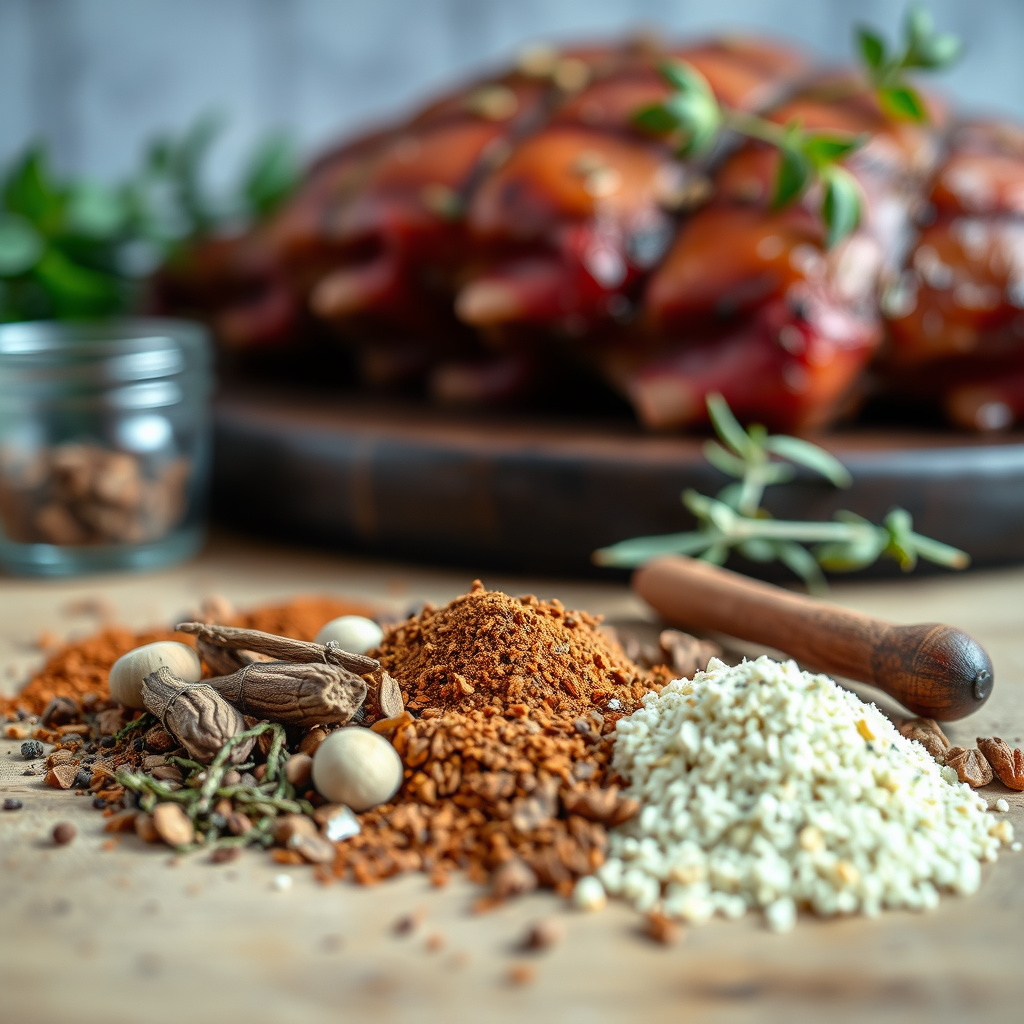
A quality rib rub combines essential spices such as paprika, black pepper, salt, garlic powder, and onion powder. Paprika adds smokiness and vibrant color, while salt enhances flavor and helps meat retain moisture. Black pepper contributes subtle heat and complexity, balancing the sweetness often introduced by sugar.
Garlic and onion powders add savory depth without overpowering the natural pork flavor. Sometimes chili powder or cayenne pepper is added for extra spice depending on your heat preference. These ingredients form the foundation of most successful rib rubs.
- Paprika – for color and mild smokiness
- Salt – essential for seasoning and moisture retention
- Black pepper – adds mild heat
- Garlic powder – enhances savory notes
- Onion powder – adds depth
- Brown sugar or white sugar – for sweetness and caramelization
- Optional: chili powder or cayenne pepper for heat
Role of Sugars and Sweeteners
In rib rubs, sugar—typically brown sugar—plays a pivotal role by caramelizing during cooking to create a beautifully textured bark. This not only adds a sweet contrast that complements the meat’s natural richness but also helps form a sticky outer crust.
Some rubs use alternative sweeteners like honey powder or even maple sugar for unique flavors. The sugar amount should be balanced; too much can burn over long cooking times, so it often pairs carefully with spices that tolerate heat well.
- Brown sugar – most common sweetener, provides moisture and caramelization
- Honey powder – adds floral notes without liquefying
- Maple sugar – for a distinct maple flavor
- Balanced sugar content prevents burning during slow cooking
How Different Rub Types Affect Rib Flavor
Sweet and Savory Rubs
Sweet and savory rubs emphasize brown sugar combined with balanced herbs and spices to create a luscious bark that enhances the rib’s natural flavors. This style suits those who enjoy a milder heat and a touch of sweetness that complements pork without overwhelming.
These rubs often include cinnamon or nutmeg for warmth and complexity. Sweet rubs work especially well for baking or slow roasting, where the sugars fully develop into a glossy crust.
- Great for baking or slow roasting
- Balanced sweetness and spice
- Examples include brown sugar, paprika, garlic, cinnamon blends
Spicy and Smoky Rubs
Spicy and smoky rubs use a higher concentration of chili powder, cayenne, smoked paprika, and black pepper. These rubs deliver bold heat and intense flavor, perfect for barbecue enthusiasts who want a punch.
Smoking ribs with this rub enhances the smoky aroma and provides a complex flavor profile that stands up to high-heat grilling or pit-smoking. These rubs avoid heavy sugars to prevent burning under extreme temperatures.
- Ideal for grilling and smoking
- Higher heat with spices like cayenne and chipotle
- Focus on smoked paprika and chili powders
Applying the Best Rub for Ribs
Preparation and Timing
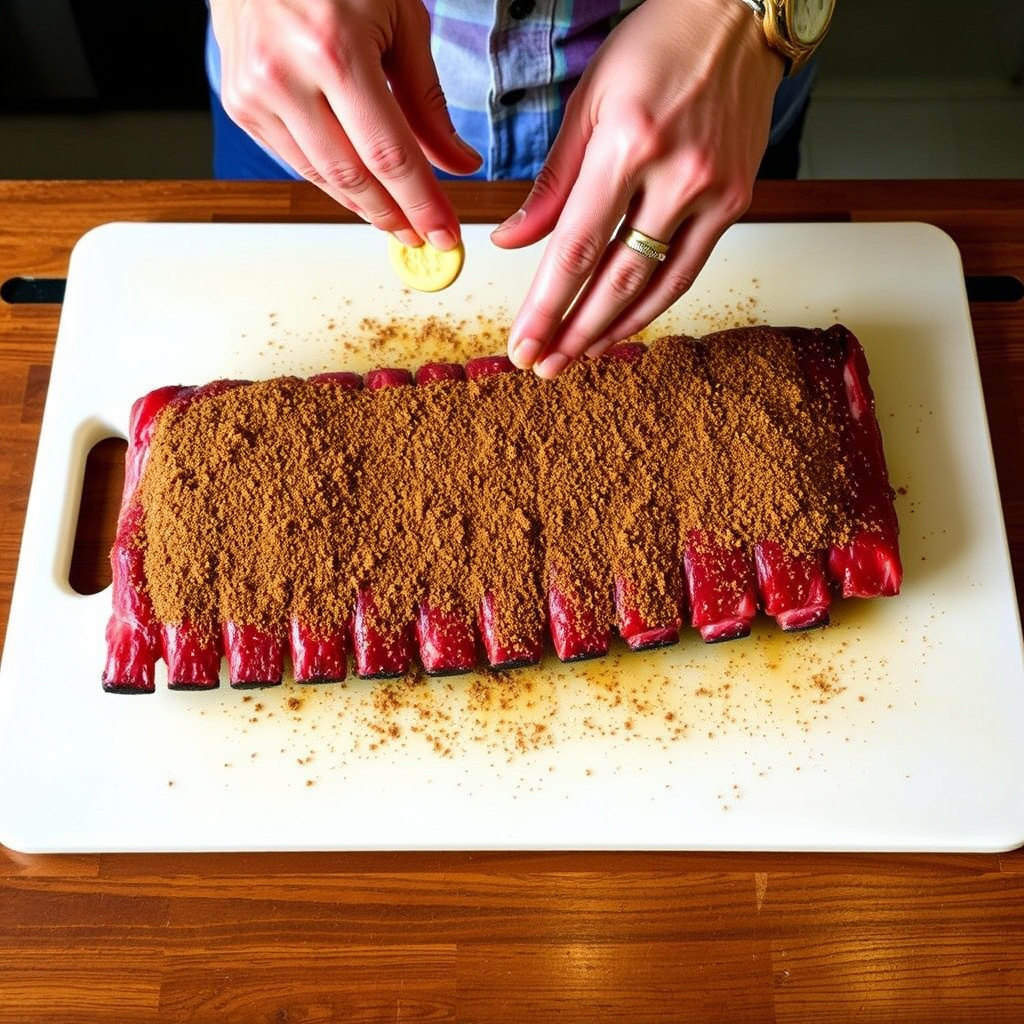
The best results come from applying the rub generously to fully thawed ribs. Removing the membrane on the back improves rub absorption. Before seasoning, lightly pat ribs dry to help the rub stick better.
Applying the rub at least an hour before cooking allows flavors to meld, but some pitmasters prefer to marinate ribs overnight in the fridge for deeper seasoning. Avoid too much moisture after rubbing, which can dilute the flavors.
- Remove membrane for better seasoning penetration
- Pat ribs dry before applying rub
- Apply rub at least 1 hour before cooking
- Optional overnight marination for stronger flavor
For more on this, see our related guide: How to Use the 3 2 1 Method for Ribs to Achieve Perfect Tenderness.
Techniques for Even Coverage
Use your hands to massage the rub into every surface of the ribs for consistent flavor. Don’t be afraid to use a thick coat; the cooking process will develop a flavorful crust without overpowering the meat.
Some prefer to mist ribs lightly with apple juice or vinegar to help the rub adhere and add moisture, especially during smoking. This technique also helps create a bark with pleasant texture and flavor.
- Massage rub evenly across rib surfaces
- Apply thick, even layers for better bark
- Optional light misting with apple juice or vinegar
Comparing Commercial Rubs Versus Homemade
Advantages of Homemade Rib Rubs
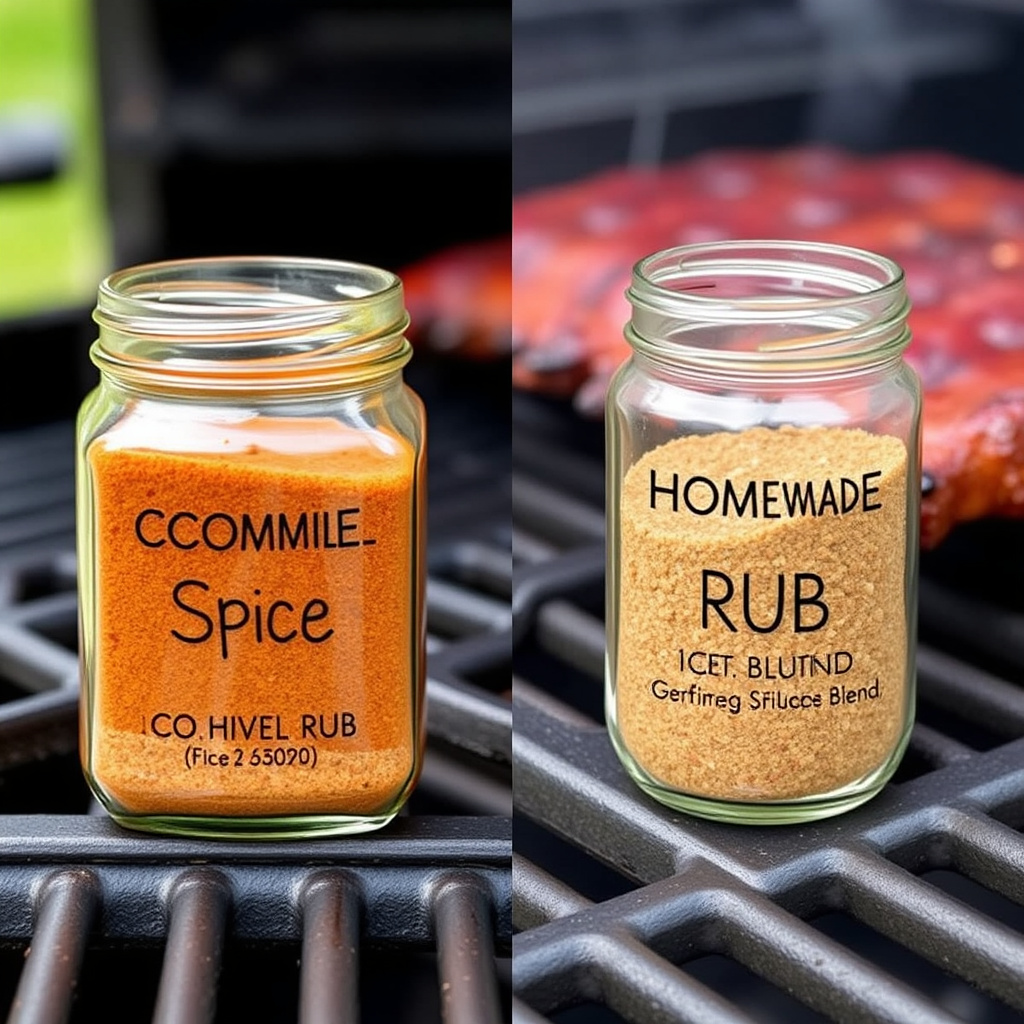
Making your own rib rub allows full control over ingredients, enabling customization of heat level, sweetness, and saltiness to match your taste. Fresh blends often have more vibrant flavors since spices retain freshness better than pre-packaged options.
Additionally, homemade rubs avoid preservatives and additives commonly found in commercial products, appealing to those seeking natural, clean flavor profiles tailored to specific recipes.
- Complete ingredient customization
- Fresher flavor profiles
- Avoids additives and preservatives
Benefits of Commercial Rib Rubs
Commercial rubs offer convenience and reliable flavor, especially for beginners or busy cooks. Popular brands have balanced blends designed for universal appeal and consistent results, often including unique proprietary spices to elevate ribs with minimal effort.
They are also shelf-stable and handy for quick application, making them great for last-minute cooking or large gatherings where ease is critical.
- Convenient and ready to use
- Consistent flavor blends
- Usually shelf-stable with long shelf life
Pairing the Best Rub for Ribs with Cooking Methods
Rub Matching for Smoking
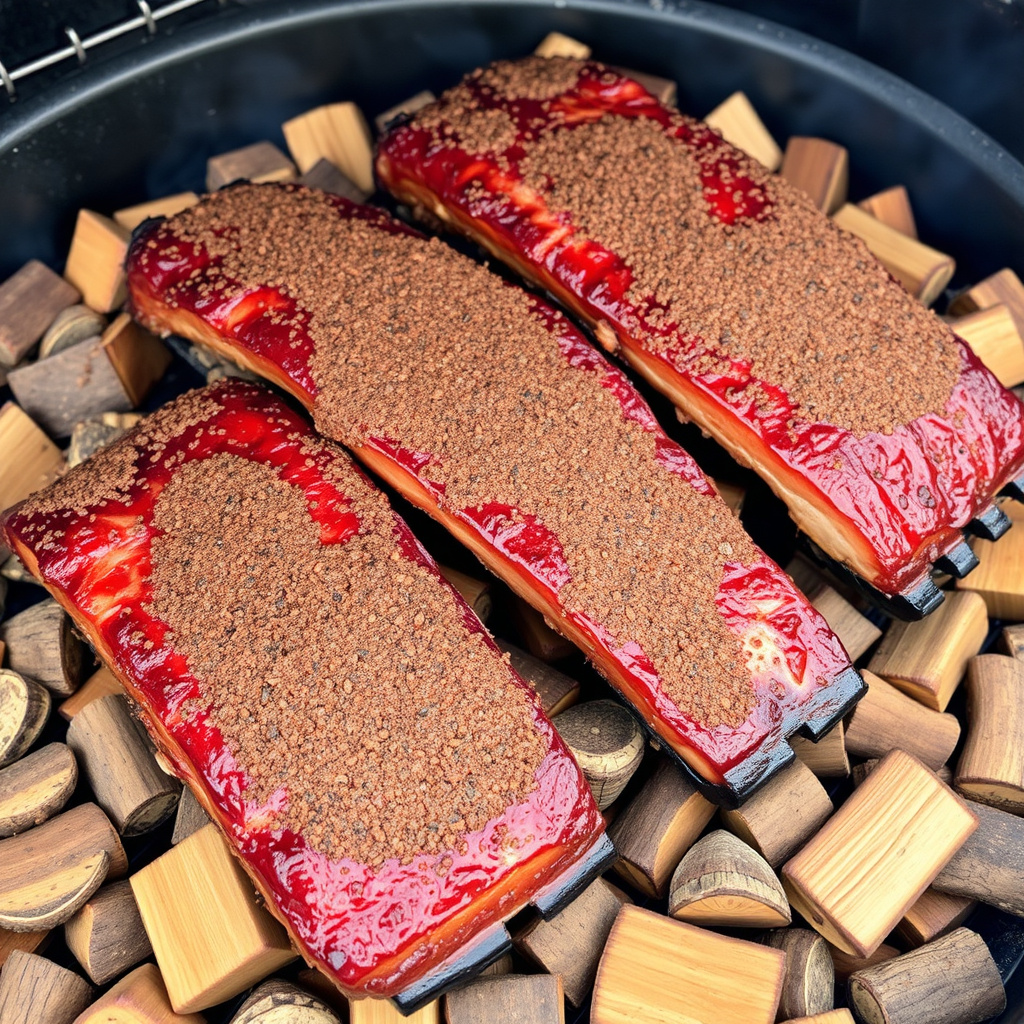
When smoking ribs low and slow, a rub with moderate sugar and higher spice content works well because it withstands long cooking times without burning. Smoked paprika enhances the smoky aroma, complementing the wood smoke flavors.
Remember that too much sugar can cause a bitter crust over extended smoking sessions, so balancing sweetness with spices that tolerate heat is key for the best rub for ribs prepared by smoking.
- Moderate sugar content to avoid burning
- Smoked paprika to enhance smoke flavor
- Spices that hold up during low and slow heat
For more on this, see our related guide: How to Cook Ribs Fall Off the Bone: A Complete Guide for Tender Perfection.
Rub Selection for Grilling and Baking
Grilling benefits from rubs with higher sugar to encourage caramelization during faster, higher-heat cooking. Baking ribs often pairs best with sweeter rubs that develop a crust in the oven's moist heat.
Adjust the rub’s sweetness and spice profile to suit shorter or longer cooking times. For example, sweeter rubs with cinnamon or allspice add warmth for baked ribs, while spicier rubs suit quick grilling.
- High sugar rubs for fast caramelization on grill
- Sweet rubs with warm spices for baking
- Tailor rub heat to cooking duration
Tips for Storing and Using Rib Rubs
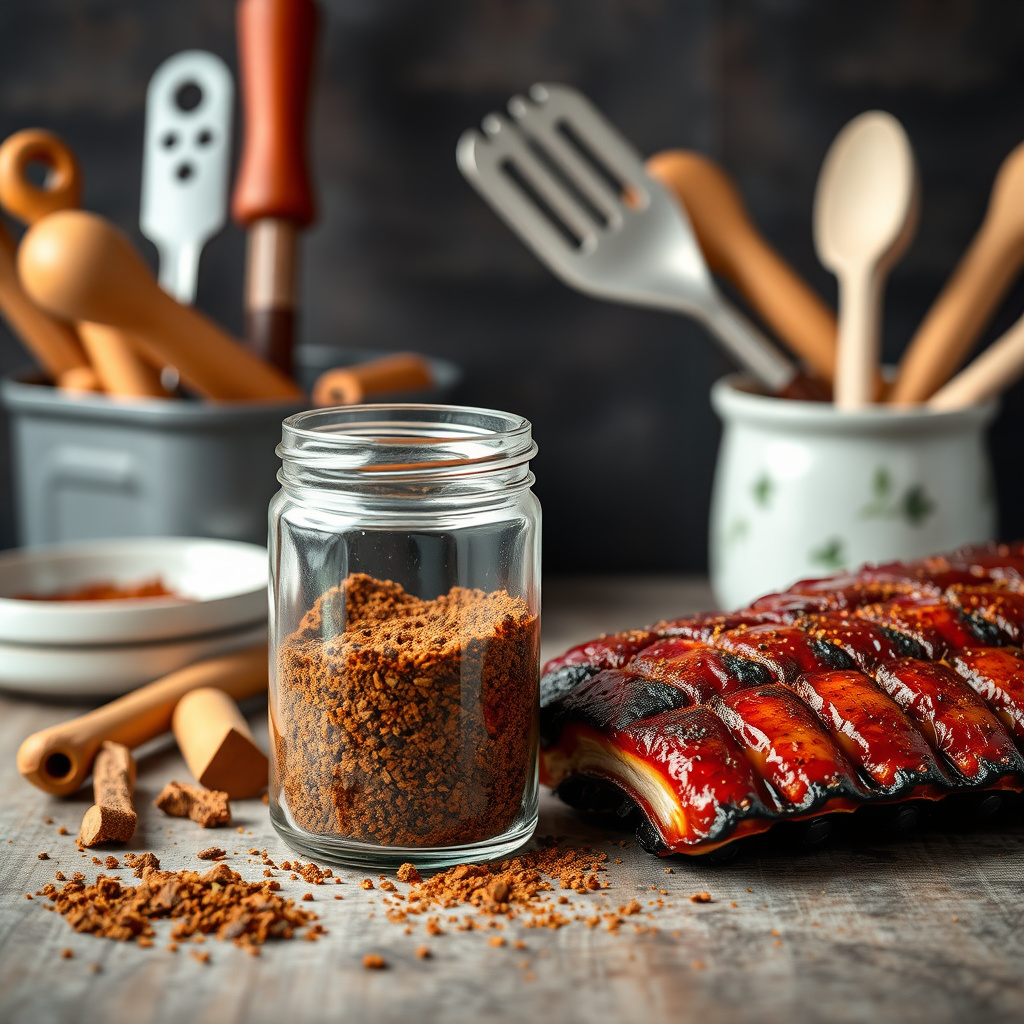
Storing Homemade and Commercial Rubs
Store both homemade and commercial rubs in airtight containers in a cool, dark place to retain freshness and flavor. Avoid exposure to heat or sunlight, which can degrade spices rapidly.
Homemade rubs are best used within 3-6 months for optimal potency, while commercial rubs often last longer due to preservatives but also benefit from proper storage.
- Use airtight containers
- Keep away from heat and light
- Homemade rubs: best used within 6 months
- Commercial rubs: longer shelf life but still store properly
For a broader understanding of rib cooking techniques and regional styles, you can explore barbecue traditions in the United States. rib cooking techniques.
Maximizing Flavor During Use
Apply rubs shortly before cooking to prevent moisture from breaking down the spices prematurely. For leftover rub, sprinkle additional seasoning midway through cooking if needed to boost flavor.
Use clean hands or tools during application to avoid contamination, and experiment with combining your rib rub with one of the many popular bbq rib rub recipes to find new favorite blends.
- Apply rub just before cooking
- Re-season during cooking if needed
- Combine with other bbq rib rub recipes for variety
Comparison of Popular Rib Rub Categories
Here’s how various rib rub categories differ in flavor profile, cooking compatibility, sweetness level, and ideal usage scenarios.
| Rub Category | Flavor Profile | Cooking Method Compatibility | Sweetness Level | Ideal Use |
|---|---|---|---|---|
| Sweet and Savory | Balanced sweet and savory with mild spices | Baking, slow roasting | Moderate to high | Tender ribs with caramelized crust |
| Spicy and Smoky | Bold heat and deep smoky notes | Grilling, smoking | Low | Ribs with spicy bark and strong aroma |
| Herb-Forward | Fresh herbs with mild spice | Oven baking, grilling | Low to none | Lightly seasoned ribs with herbal complexity |
| Minimalist Salt and Pepper | Simple seasoning focused on salt and pepper | All methods | None | Pure pork flavor with subtle seasoning |
| Sweet Heat Fusion | Sweetness balanced with moderate heat | Smoking, grilling | Moderate | Rich flavor with satisfying warmth |
Frequently Asked Questions
Can I use the same rub for beef ribs as pork ribs?
You can use the same rub for beef and pork ribs, but beef tends to handle stronger, bolder flavors. Adjust spice levels accordingly to suit the richer beef taste.
How long should I let the rub sit on ribs before cooking?
Ideally, apply the rub at least an hour before cooking; for deeper flavor, marinate ribs in the rub overnight in the fridge.
Is brown sugar necessary in all rib rubs?
Brown sugar is common for creating a sweet, caramelized crust but isn’t required. Some prefer sugar-free rubs for lower sweetness or dietary reasons.
Will the rub burn during long smoking sessions?
High sugar content can burn during prolonged smoking; consider rubs with moderate sugar or balance with more heat-tolerant spices.
Can I make large batches of homemade rib rub?
Yes, but store in airtight containers away from heat and light; use within six months for best freshness.
Key Takeaways
- Balance sweet and savory spices for the best rub for ribs.
- Adjust rub composition based on cooking method to prevent burning.
- Apply rub at least an hour before cooking for deeper flavor.
- Homemade rubs offer customization, while commercial rubs add convenience.
Conclusion
Choosing the best rub for ribs involves considering both flavor balance and cooking method compatibility. A well-crafted rub enhances the natural juiciness and texture of ribs by forming a flavorful crust during cooking. Whether you prefer a sweet and savory profile or a spicy, smoky rub, understanding key ingredients like paprika, sugars, and spices helps you tailor your seasoning to personal taste and desired rib style. Application techniques like removing the membrane and timing also influence how well the rub penetrates, resulting in tender, flavorful ribs every time.
For smokers, rubs with moderate sugar and smoky spices such as smoked paprika and chili powder work best to withstand long cooking times without burning. Grilling and baking benefit from sweeter rubs that caramelize quickly, bringing out warm spices like cinnamon or allspice. Homemade rib rubs shine when you want fresh, customizable blends with no additives, while commercial rubs provide reliable, ready-to-use options perfect for busy cooks or those new to rib seasoning. Combining these approaches with popular bbq rib rub recipes can help refine your flavor preferences.
Ultimately, the best rub for ribs depends on your flavor profile and cooking style. Start with a balanced base of salt, pepper, paprika, garlic, and brown sugar, then adjust heat and sweetness according to the method and your palate. Experiment with homemade versus commercial blends, and remember to store your rubs properly to maximize freshness. With these guidelines, you are equipped to create ribs that impress at every barbecue or dinner table.