The best oil for grilling is one that has a high smoke point, a neutral or complementary flavor, and good heat stability, such as avocado oil, refined peanut oil, or grapeseed oil. These oils withstand grill temperatures without burning or producing unpleasant smoke, which keeps your food tasting fresh and prevents harmful compounds.
Choosing the right grilling oil impacts both the flavor and the safety of your grilled food. Oils with low smoke points like extra virgin olive oil can burn quickly, imparting a bitter taste and reducing nutritional value. On the other hand, oils with a neutral taste and high smoke points allow you to cook at high temperatures without worrying about smoky flare-ups or off flavors.
This article will explore the top grilling oils based on smoke point and flavor profiles, discuss considerations such as price and health benefits, and provide guidance on how to best use each oil type for various grilling applications.
Understanding Smoke Points for Grilling Oils
What Is a Smoke Point?
The smoke point of an oil is the temperature at which it begins to produce visible smoke and break down chemically. When oils exceed their smoke points, they can develop off-flavors and release harmful free radicals that degrade food quality and safety.
For grilling, oils need a smoke point above the typical grill temperatures, which often range from 400°F to 600°F. Selecting oils that tolerate these temperatures allows for searing and high-heat cooking without flavor deterioration.
Why Smoke Point Matters for Grilling
Grilling involves direct heat and sometimes flare-ups, so using an oil with a low smoke point increases the risk of burning the oil and imparting burnt flavors to food. High smoke point oils stay stable during lengthy exposure to heat, preventing this.
Besides flavor, smoke point is linked to oil stability; oils that burn less produce fewer harmful compounds and maintain better nutritional integrity after cooking.
Top High Smoke Point Oils for Grilling
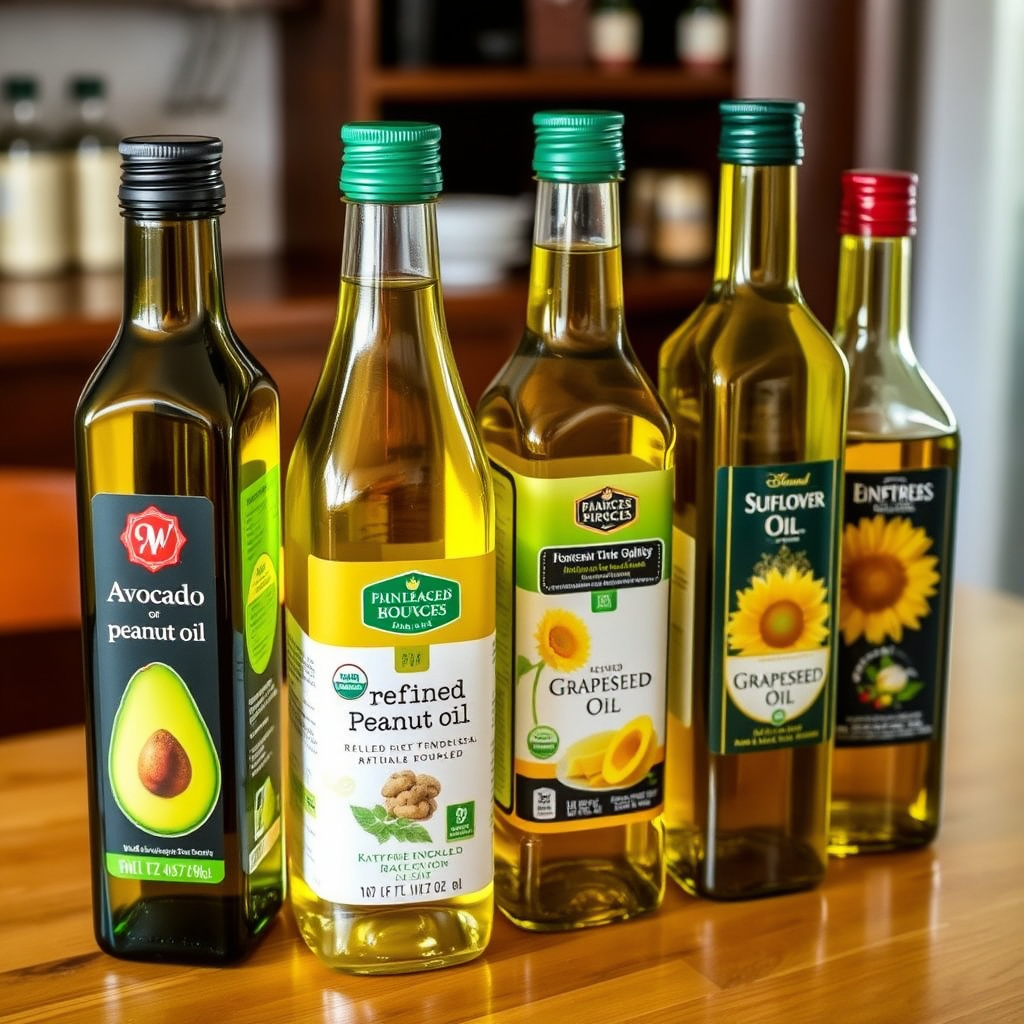
Avocado Oil
Avocado oil boasts one of the highest smoke points of common culinary oils—about 520°F (271°C)—making it an excellent choice for grilling. Its mild buttery flavor won’t overpower the natural taste of grilled food.
It is rich in monounsaturated fats and vitamin E, contributing to heart health and antioxidant protection. Avocado oil is also versatile for marinades and basting, ensuring juiciness without reaching smoke point too quickly.
Refined Peanut Oil
Refined peanut oil has a smoke point around 450°F (232°C), suitable for most grilling tasks. Its subtle nutty aroma can complement grilled meats and vegetables without dominating flavors.
This oil is stable at high heat and widely used in Asian cuisines for stir-frying and deep-frying, showing its versatility and reliability when exposed to grill heat.
Other Grilling Oils to Consider
Grapeseed Oil
Grapeseed oil has a smoke point of approximately 420°F (216°C). It is light and neutral in flavor, making it a practical choice for maintaining the authentic flavor of grilled items.
Its high polyunsaturated fat content offers heart-healthy benefits, although it is less stable than monounsaturated oils at extreme heat. It’s best for moderate-high temperature grilling.
For more on this, see our related guide: How to Make Foil Packet Dinners on the Grill: Easy Steps for Flavorful Meals.
Refined Sunflower Oil
Refined sunflower oil typically has a smoke point between 440°F and 450°F (227-232°C), making it suitable for high-heat grilling scenarios.
It has a mild taste and is affordable, but some types are high in omega-6 fats, so balancing with oils richer in omega-3 is a good nutritional practice.
Avoiding Oils Unsuitable for Grilling
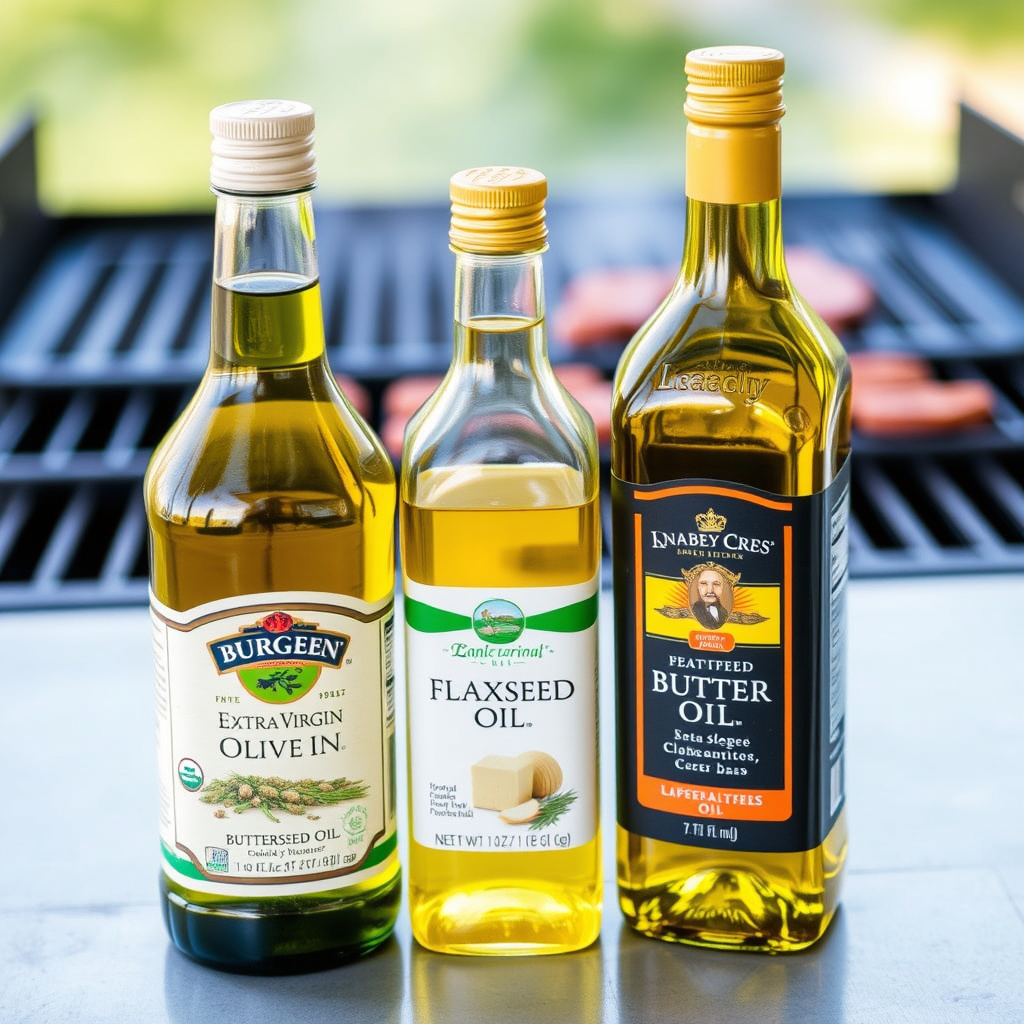
Extra Virgin Olive Oil and Low Smoke Point Oils
Extra virgin olive oil has a relatively low smoke point (about 375°F or 190°C), so it tends to burn and degrade on direct grill heat, leading to bitter flavors and smoke.
Although prized for salads and finishing dishes, on the grill it’s best used sparingly or with indirect low-heat cooking methods to preserve its delicate flavor.
Butter and Flaxseed Oil
Butter has a low smoke point around 300°F (150°C) and contains milk solids that burn easily, making it unsuitable for grilling at high temperatures.
Flaxseed oil is highly sensitive to heat with a smoke point under 225°F (107°C), so using it for grilling risks rapid oxidation and loss of nutritional benefits.
Flavor Profiles and How Oil Affects Grilled Food
Neutral vs. Flavorful Oils
Neutral oils like grapeseed and refined sunflower allow the inherent flavors of food to shine without alteration, which is ideal for delicate fish or vegetables.
Oils with mild character like peanut or avocado add a subtle buttery or nutty undertone that can enhance the appeal of grilled meats or hearty vegetables.
For more on this, see our related guide: How Do Infrared Grills Work: A Complete Guide to Infrared Grilling Technology.
Using Oil for Marinades and Basting
When incorporating oil into marinades, a neutral oil is typically preferred to avoid conflicting flavors. For basting, flavorful oils can add complexity and a glossy finish.
Adjust quantities to manage smoke risk; heavy oil layers can drip and cause flare-ups, so moderation is key.
Health Considerations When Choosing Grilling Oils
Fats and Nutritional Profiles
Oils used for grilling vary widely in fat composition, with monounsaturated fats like those in avocado oil linked to better heart health and stability under heat.
Polyunsaturated fats, present in grapeseed oil, offer essential fatty acids but can be prone to oxidation at very high temperatures, impacting both health and taste.
More detailed information about the smoke point of cooking oils can be found on Wikipedia. Smoke point of cooking oils.
Balancing Smoke Point and Nutrition
While smoke point is crucial for grilling safety, health-conscious cooks also weigh antioxidant content and fat types. Choosing oils that combine a high smoke point with beneficial fats supports both flavor and wellness goals.
Using oils sparingly, alongside marinating and other flavor-building methods, can reduce oil consumption without sacrificing grilling quality.
Grilling Oils Category Comparison
This table compares popular grilling oils across smoke point, flavor profile, health benefits, and price to help you decide.
| Oil Type | Smoke Point (°F) | Flavor Profile | Health Benefits | Approximate Price per Liter |
|---|---|---|---|---|
| Avocado Oil | 520 | Mild, buttery | High monounsaturated fats, rich in vitamin E | $15-25 |
| Refined Peanut Oil | 450 | Light, nutty | Stable fats, moderate omega-6 | $5-10 |
| Grapeseed Oil | 420 | Neutral | Polyunsaturated fats, antioxidant content | $7-12 |
| Refined Sunflower Oil | 440-450 | Neutral | High omega-6, affordable | $4-8 |
| Extra Virgin Olive Oil | 375 | Fruity, robust | High antioxidants, heart-healthy monounsaturated fats | $8-15 |
Frequently Asked Questions
Can I use olive oil for grilling?
Extra virgin olive oil has a low smoke point, so it's not recommended for high-heat grilling. It can be used for low heat or as a finishing oil but will burn and produce smoke at typical grill temps.
Is vegetable oil good for grilling?
Most vegetable oils have moderate to high smoke points and neutral flavor, making them acceptable for grilling. However, check the specific type, as some blends burn faster than refined oils like peanut or avocado.
How does oil affect grill flare-ups?
Oils with lower smoke points or high amounts of dripping fat can cause flare-ups by igniting on hot grill surfaces. Using oils with high smoke points and applying them sparingly reduces this issue.
Does the type of oil impact the taste of grilled food?
Yes, oils with distinct flavors like peanut oil add subtle nuttiness, while neutral oils allow the food’s natural taste to come through. Choose based on the flavor profile you want.
What oil is healthiest for grilling?
Avocado oil is one of the healthiest grilling oils due to its high monounsaturated fat content and vitamin E. It maintains stability under heat and supports heart health.
Key Takeaways
- Use oils with a smoke point above 400°F for grilling to avoid burning and off-flavors.
- Avocado and refined peanut oils offer excellent heat tolerance and mild flavor.
- Avoid low smoke point oils like extra virgin olive oil and butter for high-heat grilling.
- Consider flavor and health benefits alongside smoke point when choosing grilling oils.
Conclusion
Selecting the best oil for grilling involves balancing the smoke point, flavor, and health attributes suitable for your cooking style. Oils with high smoke points like avocado oil allow you to grill at high temperatures without producing burnt flavors or harmful smoke, preserving the integrity of your food. Considering both the oil's thermal stability and flavor impact can make your grilling results tastier and healthier.
For those seeking versatility and nutrition, avocado oil stands out with its impressive 520°F smoke point and mild buttery flavor. Refined peanut and grapeseed oils are also reliable options offering a balance of heat tolerance and subtle taste, suitable for many grilled dishes. Avoid oils like extra virgin olive oil or butter on direct high heat to prevent smoke and burning, but they can enhance flavor in lower heat or finishing applications.
Start by picking an oil that matches your grill's temperature range and your flavor preferences. Use oils sparingly to manage flare-ups and experiment with different types for marinades or basting to find what suits your palate best. Choosing the right oil helps you enjoy safe, delicious grilling every season.