The best cut of beef for smoking is typically the brisket, prized for its rich marbling and connective tissue that breaks down slowly during long, low-temperature cooking. Brisket delivers a tender, juicy result with deep smoky flavor when smoked properly.
Smoking transforms tougher cuts like brisket into mouthwatering dishes by slowly melting fat and collagen, which enhances tenderness and flavor. This process unlocks textures and aromas that grilling or roasting alone can’t achieve, making brisket a favorite among pitmasters.
This article will cover several popular beef cuts for smoking, their unique characteristics, factors to consider when choosing a cut, and practical tips for smoking perfection. You’ll gain the confidence to select and prepare the ideal beef for your smoker.
Why Brisket Remains the Best Cut of Beef for Smoking
Anatomy and Composition of Brisket
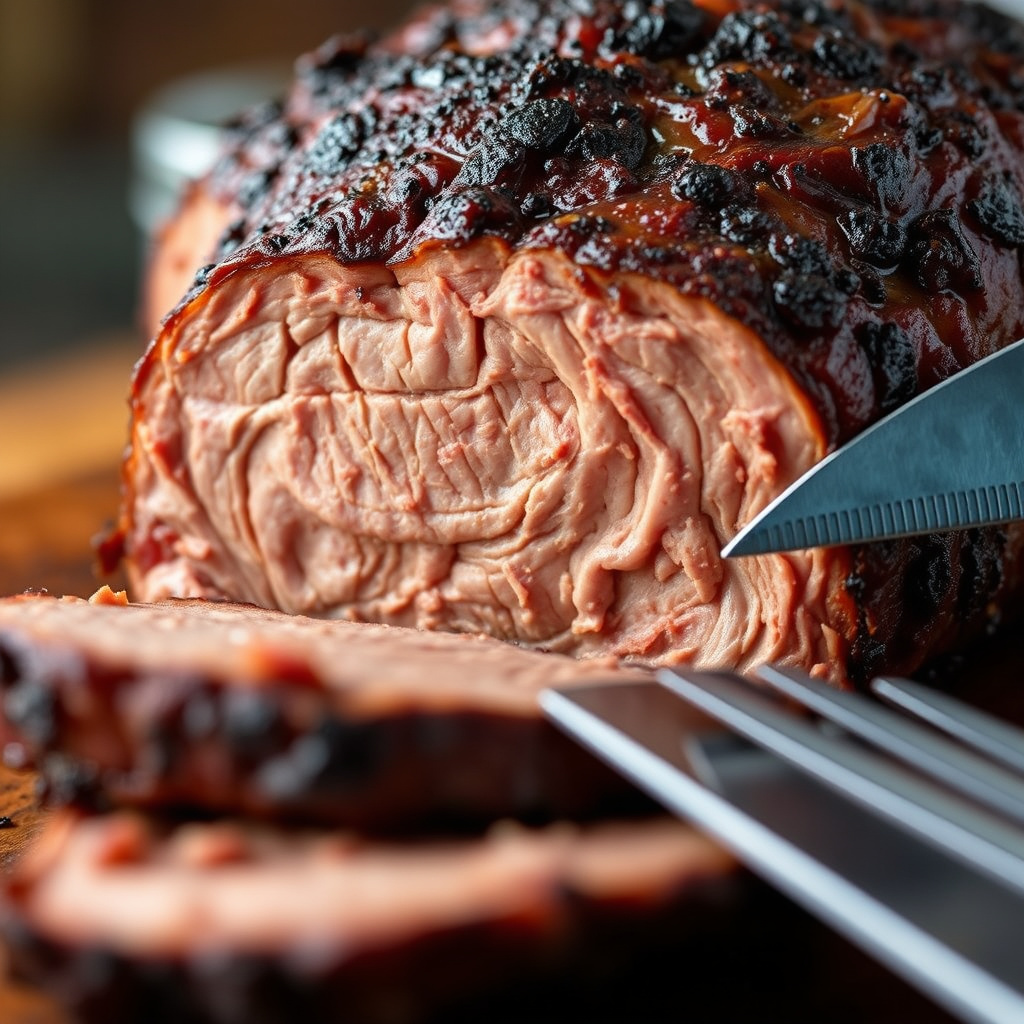
Brisket comes from the lower chest of the cow and has two main muscles: the flat and the point. These muscles contain significant connective tissue and fat, which render down slowly during smoking to create a tender texture.
The marbling within brisket is key for flavor and moisture retention through hours of smoke. Unlike leaner cuts, brisket’s structure lends itself to the low-and-slow cooking method ideal for smoking.
- Two muscles: flat (lean) and point (fattier)
- High collagen content
- Good marbling throughout
- Ideal for long smoking sessions
How Smoking Enhances Brisket's Flavor and Texture
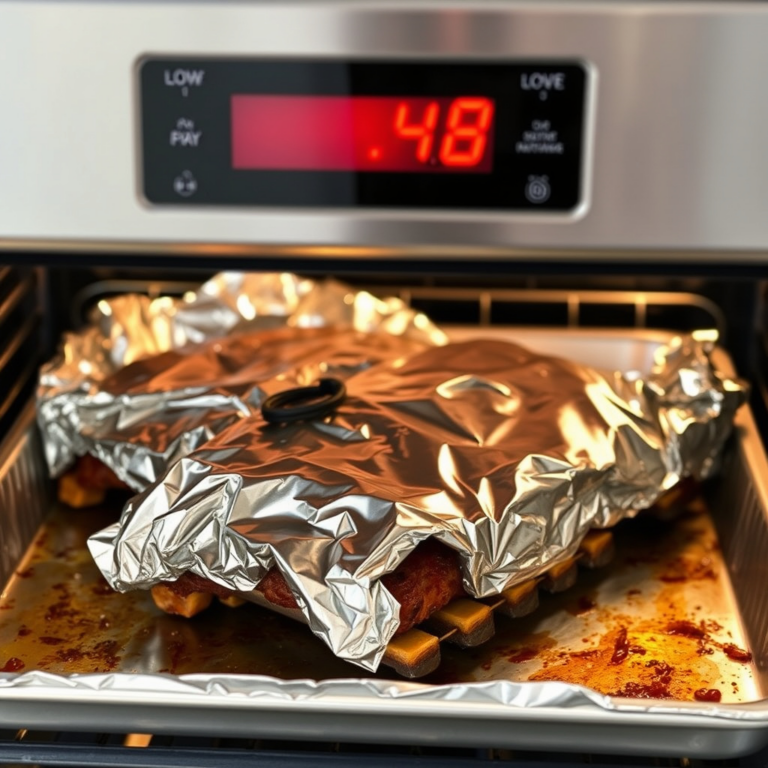
Smoking brisket at temperatures between 225–275°F allows connective tissue to gradually dissolve, turning tough meat tender while infusing smoky aromas.
The bark, a flavorful crust formed on the surface, adds texture and complements the juicy interior. Patience during the smoke is necessary to maximize these effects.
- Collagen converts to gelatin over time
- Develops rich smoky flavor
- Bark formation adds texture
- Requires extended hours (10–14+)
Other Popular Cuts for Smoking Beef
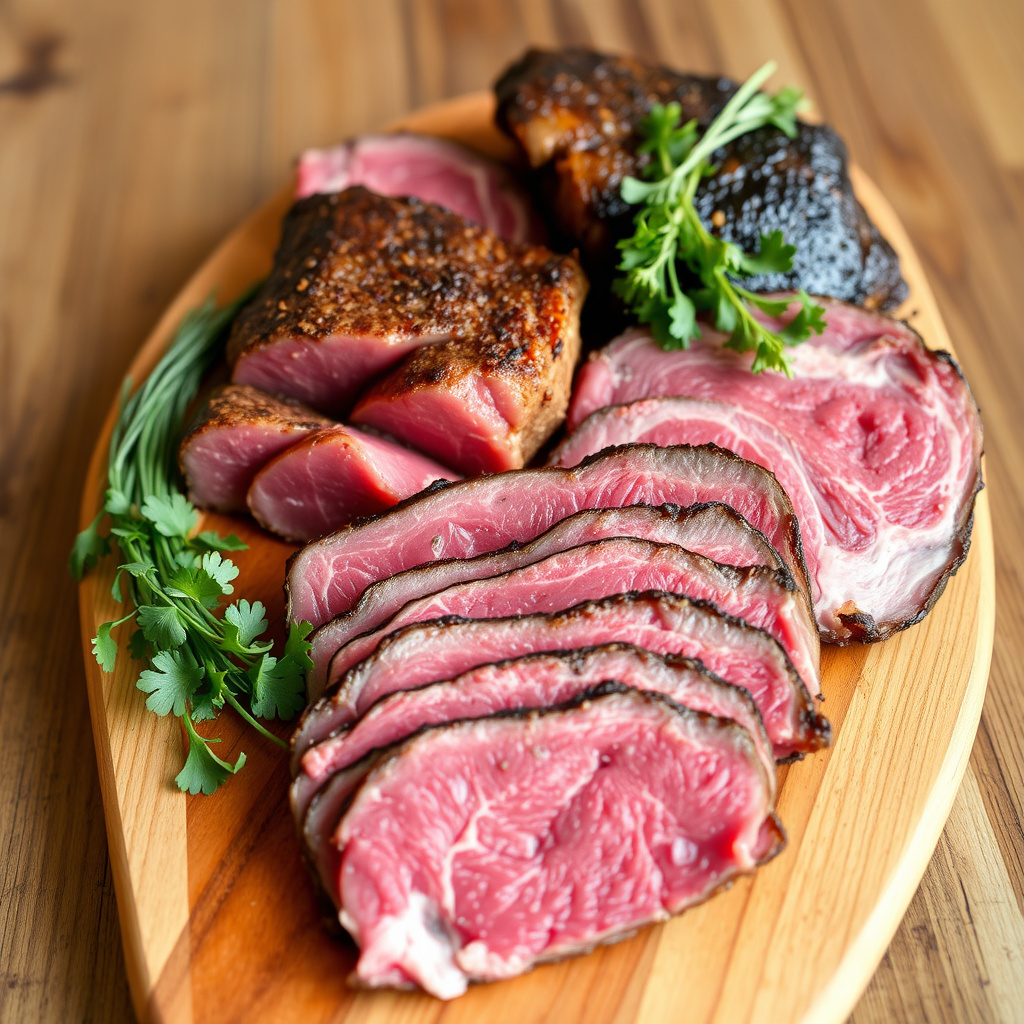
Chuck Roast: Budget-Friendly and Flavorful Choice
Chuck roast comes from the shoulder and features good marbling and connective tissue that responds well to smoking. It’s affordable and develops robust flavor with a tender finish when smoked correctly.
While it won’t match brisket’s size or bark quality, chuck roast is versatile for sandwiches, stews, and sliced smoked beef dishes.
- Good marbling, tough muscle fibers
- Affordable alternative to brisket
- Smokes well around 225–275°F
- Suitable for shredded or sliced dishes
Prime Rib and Ribeye: Smoked Luxury Cuts
Prime rib and ribeye cuts offer exceptional tenderness due to extensive marbling and are best smoked at moderate temperatures for shorter durations than brisket.
These cuts deliver a juicy, flavorful experience but come at a higher price and are less traditional for long smoking, requiring careful temperature control.
- Highly marbled and tender
- Shorter smoking times (1–3 hours)
- Pricier compared to brisket or chuck
- Best for rare to medium doneness
Factors to Consider When Choosing the Best Cut of Beef for Smoking
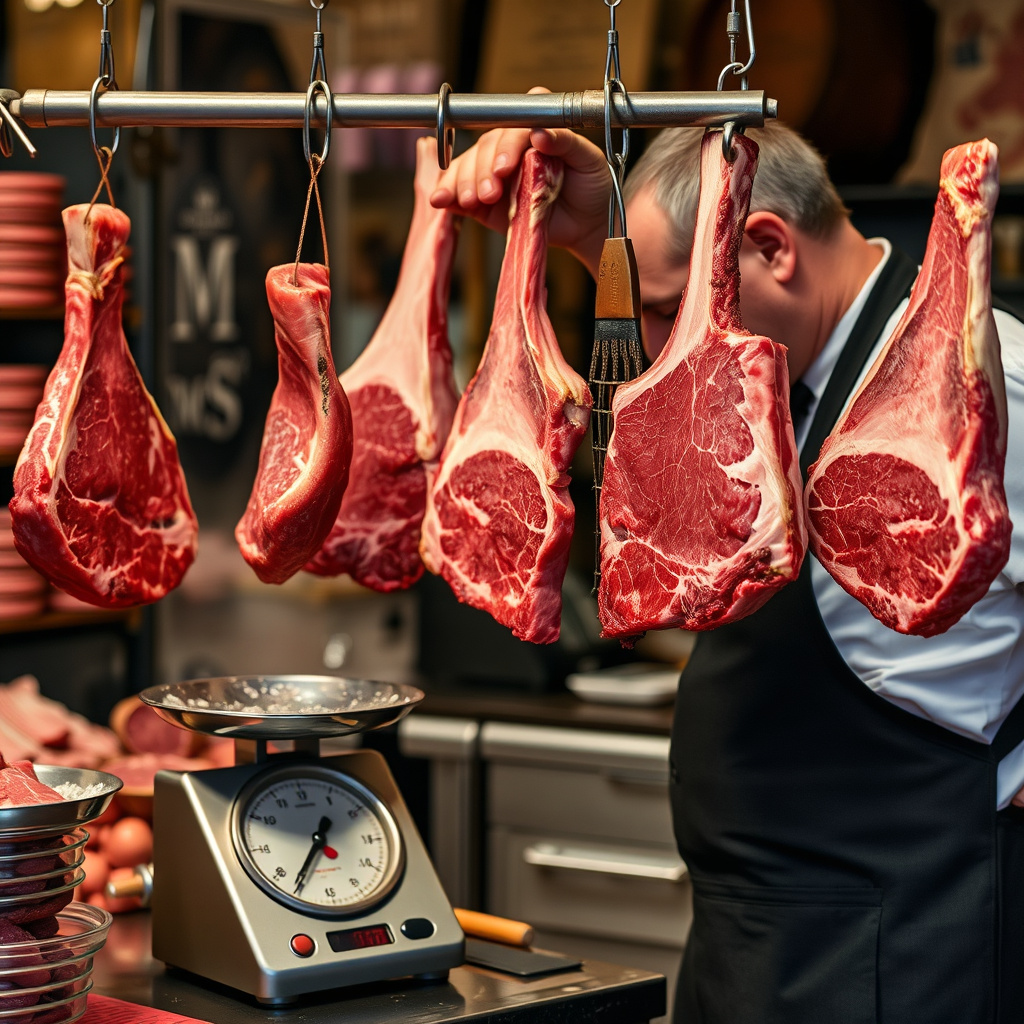
Marbling and Fat Content
Marbling significantly influences flavor and juiciness when smoking beef. Cuts with higher intramuscular fat melt during cooking, keeping the meat tender and moist.
Avoid very lean cuts as they risk drying out. Cuts like brisket and chuck have the ideal balance of fat for smoking.
- Look for visible fat streaks
- Intramuscular fat aids moisture retention
- Too lean cuts dry quickly
- Fat content varies between cuts
For more on this, see our related guide: How to Make Beef Jerky: A Step-by-Step Guide for Homemade Jerky.
Size and Shape of the Cut
Larger, thicker cuts like brisket require longer smoking times but provide more yield and flavor development. Smaller cuts cook faster but may limit the smoky flavor infusion.
Shape affects how evenly heat penetrates; flat cuts like the brisket's flat portion allow consistent cooking, while irregular shapes may need more attention.
- Large cuts need many hours
- Smaller cuts cook quicker
- Uniform shapes cook more evenly
- Consider smoker capacity and timing
Smoking Techniques That Maximize Beef Flavor and Tenderness
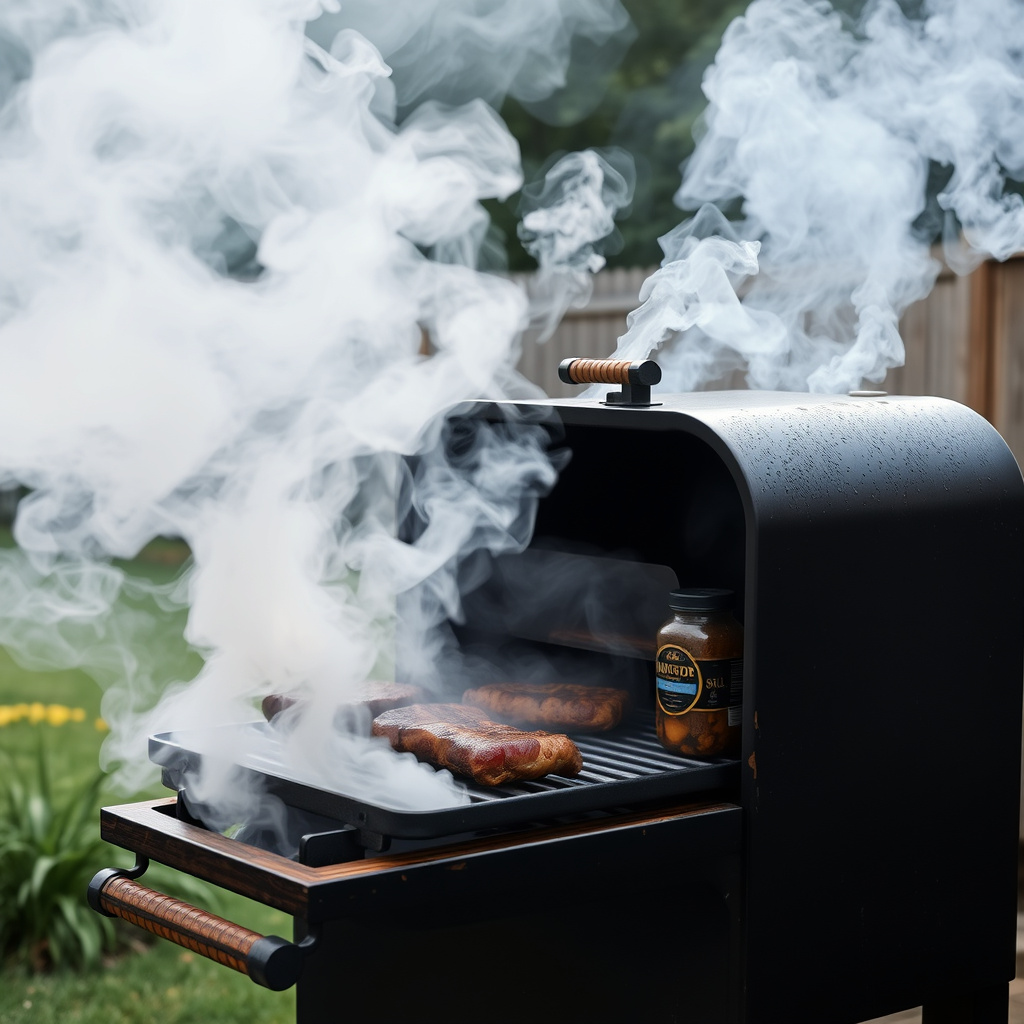
Temperature Control and Smoke Types
Maintaining steady temperatures around 225–275°F is critical for breaking down tough fibers and developing flavor. Fluctuations can hinder tenderness or dry the meat.
Wood choice impacts flavor; oak, hickory, and mesquite provide bold smoke, while fruit woods like apple add a milder, sweeter note.
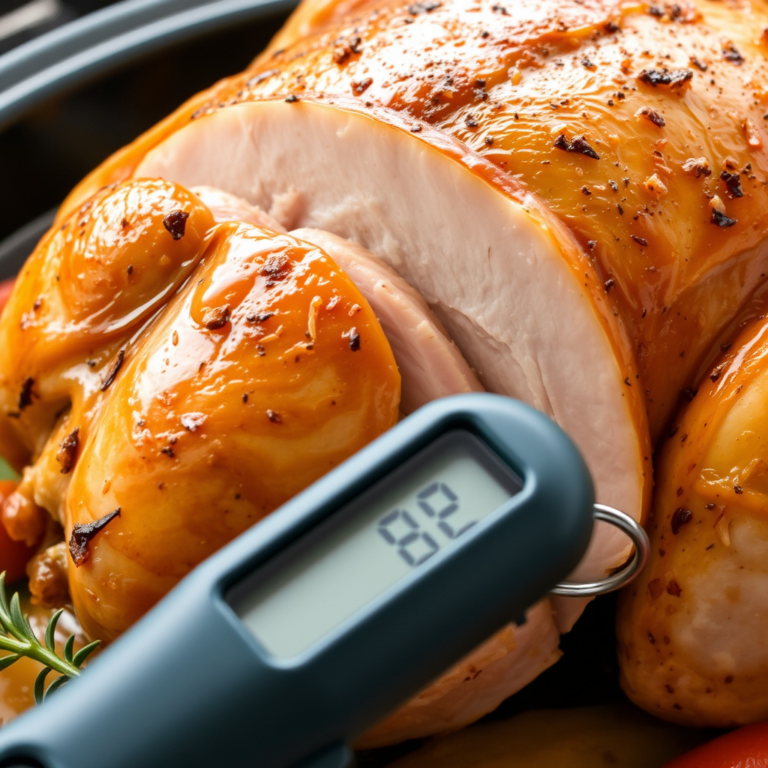
- Use a quality digital thermometer
- Maintain consistent low heat
- Select wood based on flavor intensity
- Avoid heavy smoke early in cooking
Resting and Slicing for Best Results
Rest the smoked beef for at least 30 minutes after cooking to allow juices to redistribute, resulting in moist, tender bites.
Slicing against the grain shortens muscle fibers, improving chewiness and enhancing the eating experience.
- Rest meat before slicing
- Slice against the grain
- Use sharp knives for clean cuts
- Serve promptly after slicing
The Role of Seasonal and Regional Preferences in Cut Selection
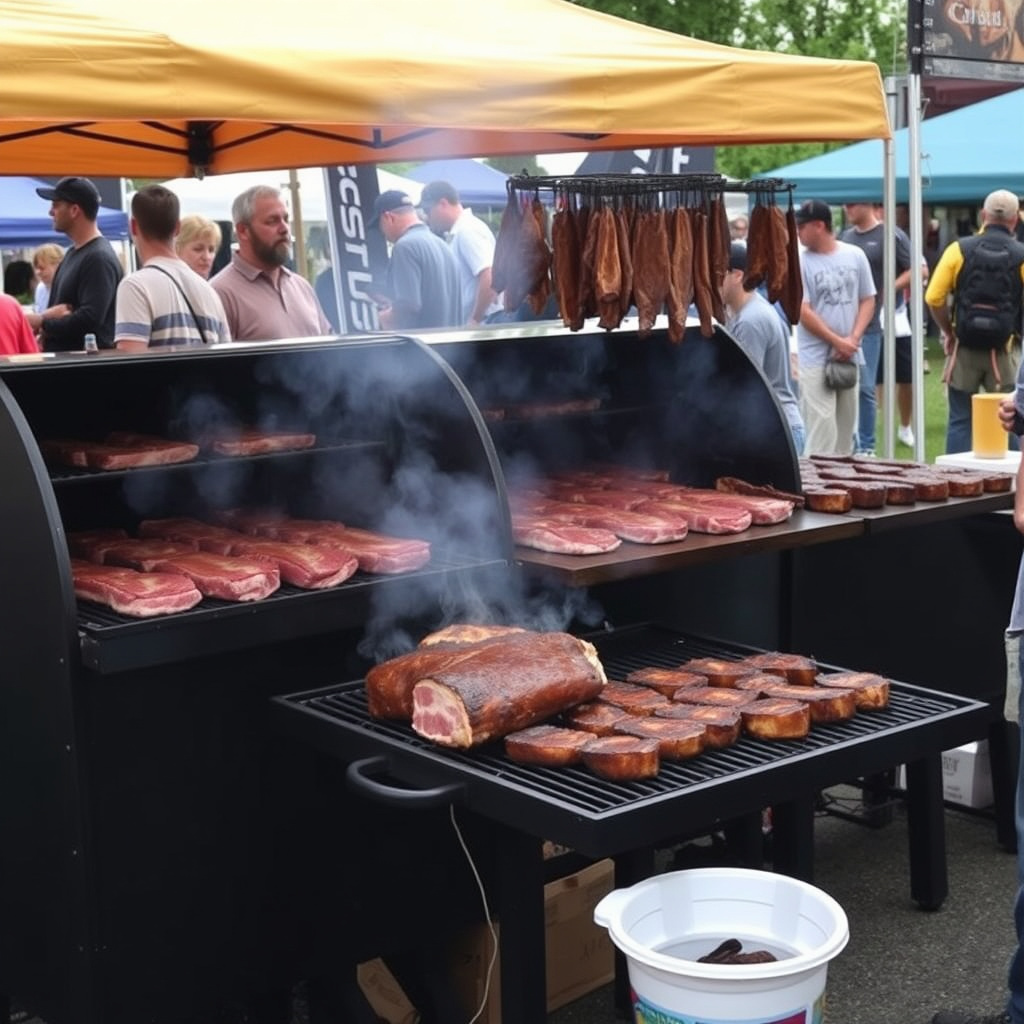
Regional Variations in Popular Cuts
Texas-style BBQ often centers on brisket as its hallmark smoked beef cut, emphasizing minimal seasoning and deep smoke flavor.
In the Midwest and Northeast, cuts like chuck roast and less common brisket preparations offer local twists reflecting availability and taste preferences.
- Texas: Brisket dominates
- Midwest: variety includes chuck
- Different smoking woods regionally preferred
- Cooking techniques reflect tradition
For more on this, see our related guide: How to Cook Brisket in the Oven for Tender, Flavorful Results.
Seasonal Considerations for Beef Smoking
Cold weather can extend smoking times due to heat loss, requiring adjustments in fuel or temperature management.
Availability of fresh, local cuts varies seasonally, so flexibility in beef cut choice may be necessary.
- Longer smoke times in cold weather
- Adjust heat input accordingly
- Season-dependent beef availability
- Plan ahead for supply and timing
Prepping Your Beef Cut for Smoking Success
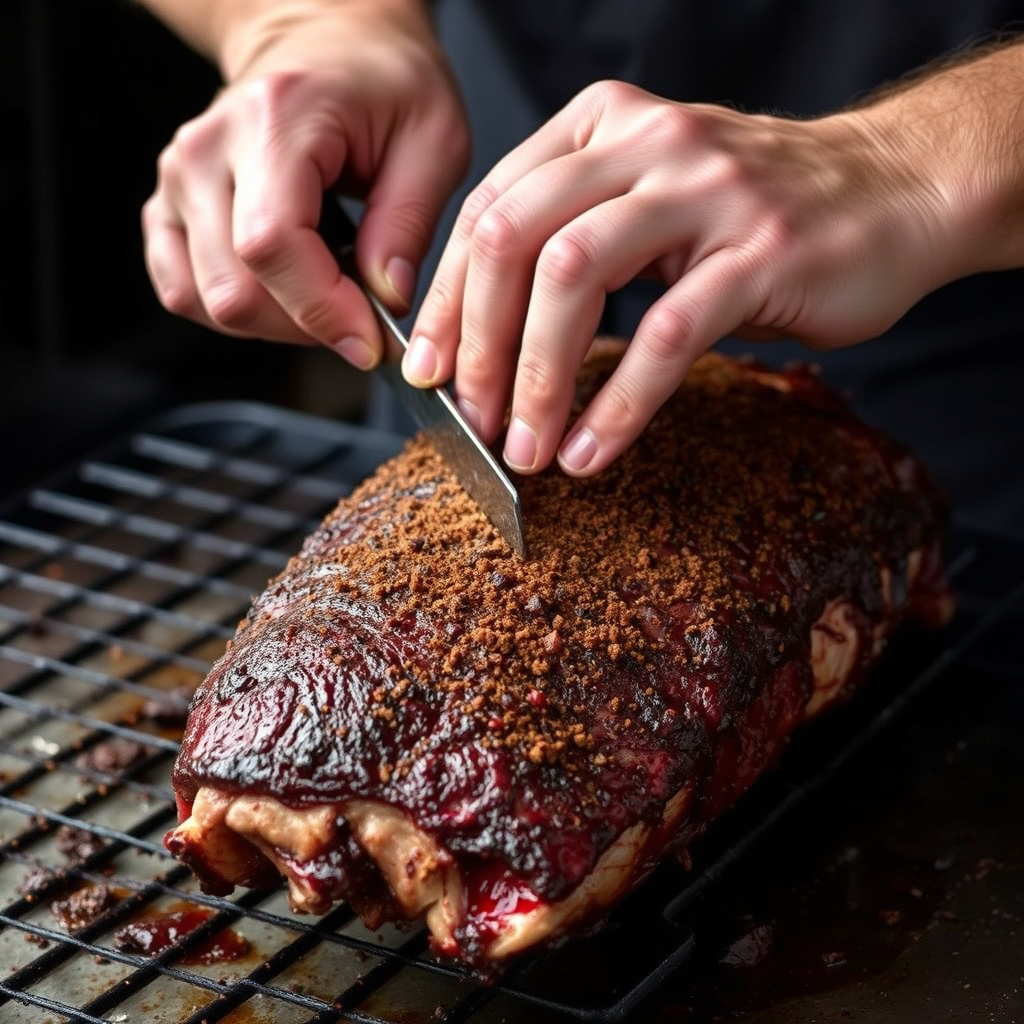
Trimming and Seasoning for Maximum Smoke Penetration
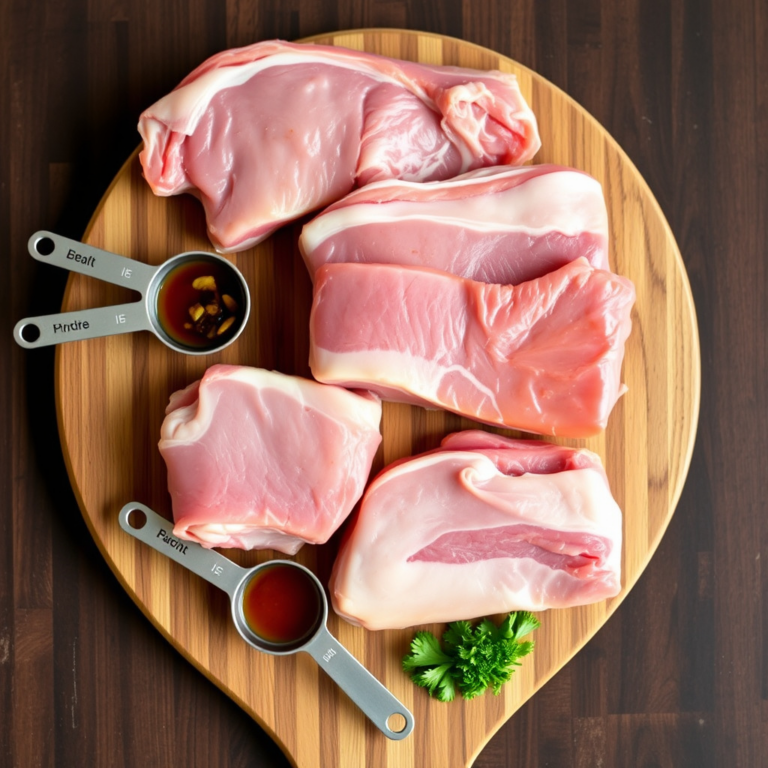
Removing excess fat protects against greasy flare-ups while allowing smoke to access the meat surface. Aim for a moderate fat cap to keep moisture in.
Applying a dry rub with salt, pepper, and spices penetrates the beef and forms the characteristic bark after smoking.
- Trim fat cap to about 1/4 inch
- Use kosher salt and coarse black pepper
- Add spices like paprika, garlic powder
- Apply rub at least an hour before smoking
For more detailed background on brisket, you can review the beef brisket details on Wikipedia. beef brisket details on Wikipedia.
Injecting and Mopping to Enhance Juiciness
Injecting beef with broth or marinade introduces moisture internally, useful especially for leaner cuts to keep them juicy during smoking.
Mopping the meat with vinegar or apple juice mixtures helps maintain surface moisture and adds a layer of flavor during extended smoking sessions.
- Inject beef with beef broth or marinade
- Mop the surface every 1–2 hours
- Use vinegar or fruit juice based mops
- Avoid over-mopping to keep bark crisp
Comparison of Popular Beef Cuts for Smoking
The table below outlines key differences among popular beef cuts suited for smoking, highlighting attributes that affect cooking choice and flavor.
| Beef Cut | Typical Weight | Fat Content | Smoking Time | Best Use Case |
|---|---|---|---|---|
| Brisket | 10-15 lbs | High | 10-14 hours | Traditional BBQ centerpiece, sandwiches |
| Chuck Roast | 3-5 lbs | Moderate | 6-8 hours | Pull-apart beef, versatile budget option |
| Prime Rib | 8-12 lbs | Very High | 2-4 hours | High-end dinner roast with smoke flavor |
| Ribeye | 2-3 lbs | High | 1-3 hours | Tender steaks with smoky crust |
| Bottom Round | 4-6 lbs | Low | 6-8 hours | Lean roast, requires careful smoking |
Frequently Asked Questions
Is brisket always the best choice for smoking beef?
Brisket is widely regarded as the best for smoking due to its fat content and texture, but other cuts like chuck roast or ribeye can also yield excellent results depending on preference.
How long does it take to smoke a brisket properly?
Smoked brisket typically requires between 10 to 14 hours at around 225–275°F to become tender and flavorful, depending on size and smoker consistency.
Can leaner cuts like bottom round be smoked successfully?
Yes, but leaner cuts require careful temperature control and moisture management such as injecting or mopping to avoid drying out during smoking.
What type of wood is best for smoking beef brisket?
Oak, hickory, and mesquite woods are popular for their robust flavors that complement beef brisket well, while fruit woods offer a milder smoke profile.
Should I rest smoked beef before cutting?
Resting smoked beef for at least 30 minutes allows juices to redistribute through the meat, which enhances tenderness and reduces moisture loss when slicing.
Key Takeaways
- Brisket is the top cut for smoking due to marbling and connective tissue.
- Other cuts like chuck roast and ribeye offer diverse flavor and price options.
- Controlling temperature and using appropriate woods is essential for good smoke flavor.
- Prep methods such as trimming, seasoning, and resting improve final results.
Conclusion
Choosing the right cut of beef for smoking depends on understanding how fat content, muscle structure, and size influence flavor and tenderness. Brisket stands out as the best cut due to its balance of marbling and collagen, which turns tender and juicy through low-and-slow smoking. However, factors like budget, cooking time, and desired final texture also play important roles in selecting other cuts like chuck roast or ribeye. By focusing on these qualities, BBQ enthusiasts can tailor their meat choice to fit their smoking style and taste preferences.
For those aiming for classic smoked beef flavor with plenty of bark and tender slices, brisket remains the ideal choice. Chuck roast provides a flavorful and more affordable alternative suited to pulled or shredded preparations. Premium cuts like prime rib and ribeye offer luxurious, tender options for shorter smoking sessions and are perfect for smaller gatherings or special meals. Leaner cuts like bottom round require attentive moisture management but can be satisfactory for those looking for a lean protein option.
Once you've selected your beef cut, the next step is proper preparation: trimming excess fat, applying a seasoning rub, and managing smoking temperature carefully for several hours. Remember to rest the meat before slicing for the best texture. By combining the right cut of beef for smoking with diligent technique and patience, you’ll achieve deeply satisfying, flavorful smoked beef that impresses every time.