To cook brisket in the oven, start by selecting a well-marbled cut and seasoning it generously. Sear the brisket on all sides in a hot pan, then place it in a roasting pan with a bit of liquid. Cover tightly and cook at a low temperature, around 275°F (135°C), for several hours until the meat is tender and easily pulls apart with a fork.
Cooking brisket in the oven matters because it allows for slow, even heat penetration, which breaks down tough connective tissue and fat. This slow roasting ensures the brisket remains juicy rather than drying out. Unlike grilling or smoking, the oven is accessible year-round and doesn’t require special equipment.
This article will cover choosing the right brisket cut, preparing and seasoning it properly, best oven cooking temperatures and times, how to check for doneness, and tips for resting and slicing your brisket perfectly every time.
Selecting and Preparing Brisket for Oven Cooking
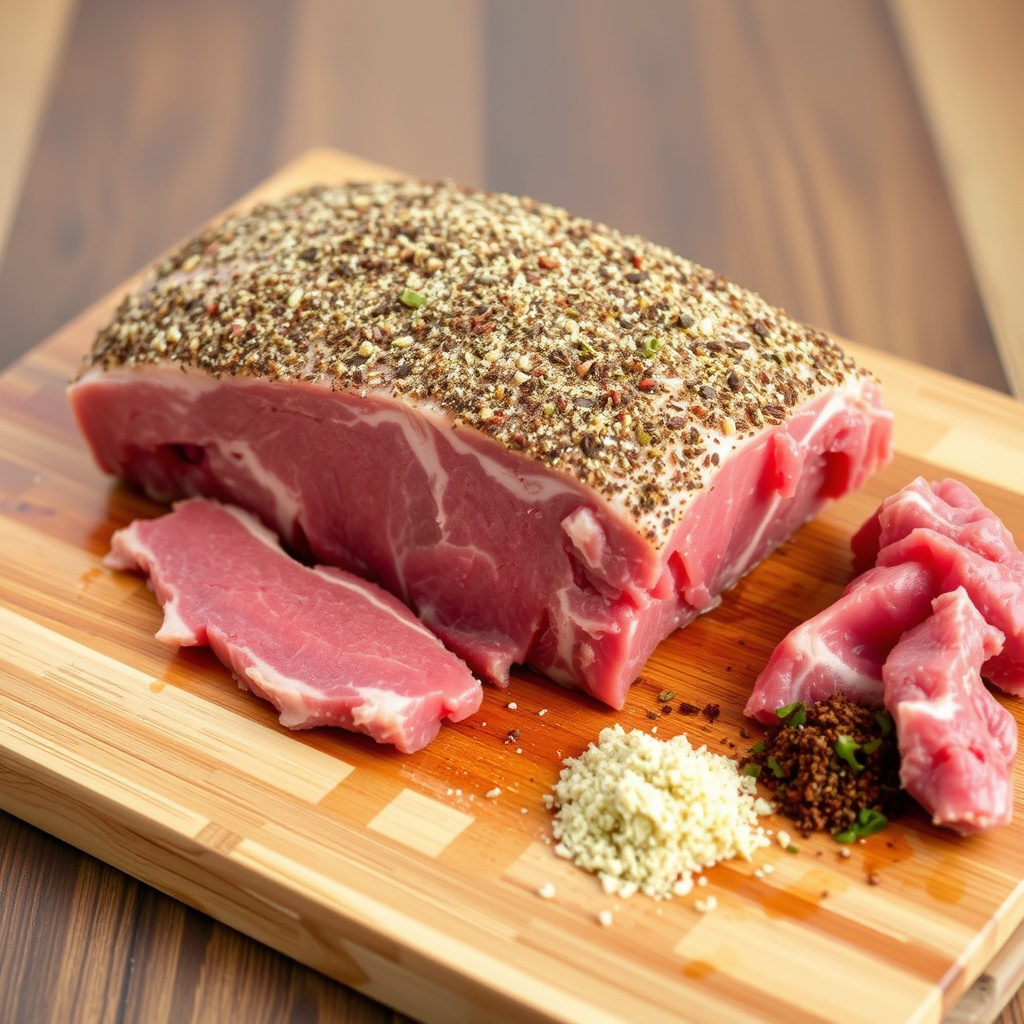
Choosing the Right Brisket Cut
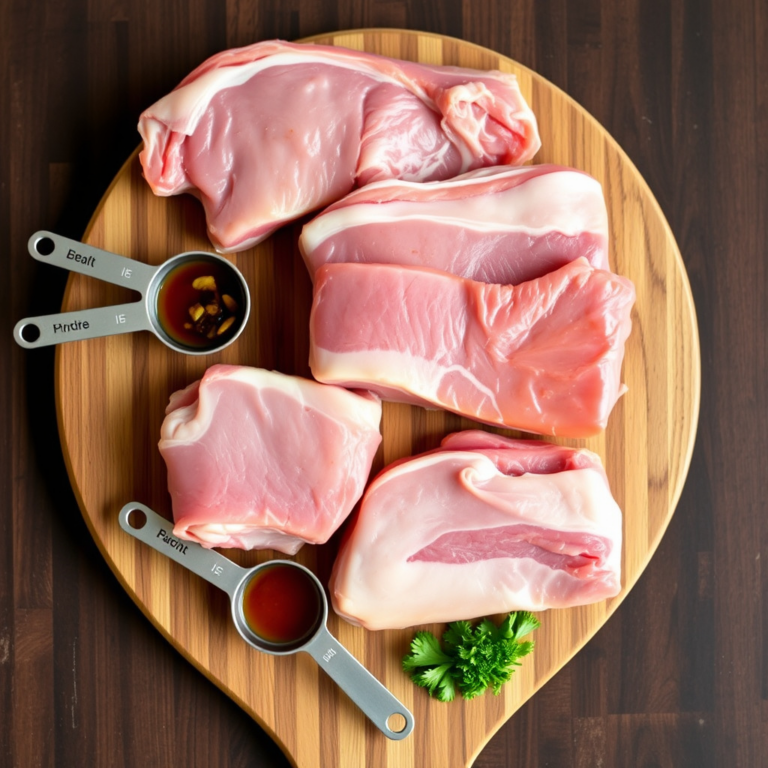
The two primary brisket cuts are the flat cut and the point cut. The flat cut is leaner and slices more neatly, while the point cut has more marbling and fat, providing extra flavor but a somewhat uneven shape.
For oven cooking, a whole packer brisket including both point and flat is ideal for richer taste, but beginners may prefer just the flat for easier handling and slicing.
- Flat cut: leaner, cooks more evenly
- Point cut: more fat, richer flavor
- Packer brisket: combination of both for best balance
Seasoning and Prepping Your Brisket
Dry rubs made from salt, pepper, paprika, garlic powder, and onion powder work well to enhance brisket flavor. Apply liberally and let the meat rest uncovered in the fridge for a few hours or overnight to allow the rub to penetrate.
Before roasting, searing the brisket in a hot skillet seals in juices and adds caramelized crust. Pat the meat dry, then sear each side for 3-5 minutes until browned.
- Use a generous dry rub
- Let brisket rest before cooking
- Sear on all sides for better flavor
Oven Cooking Techniques for Brisket
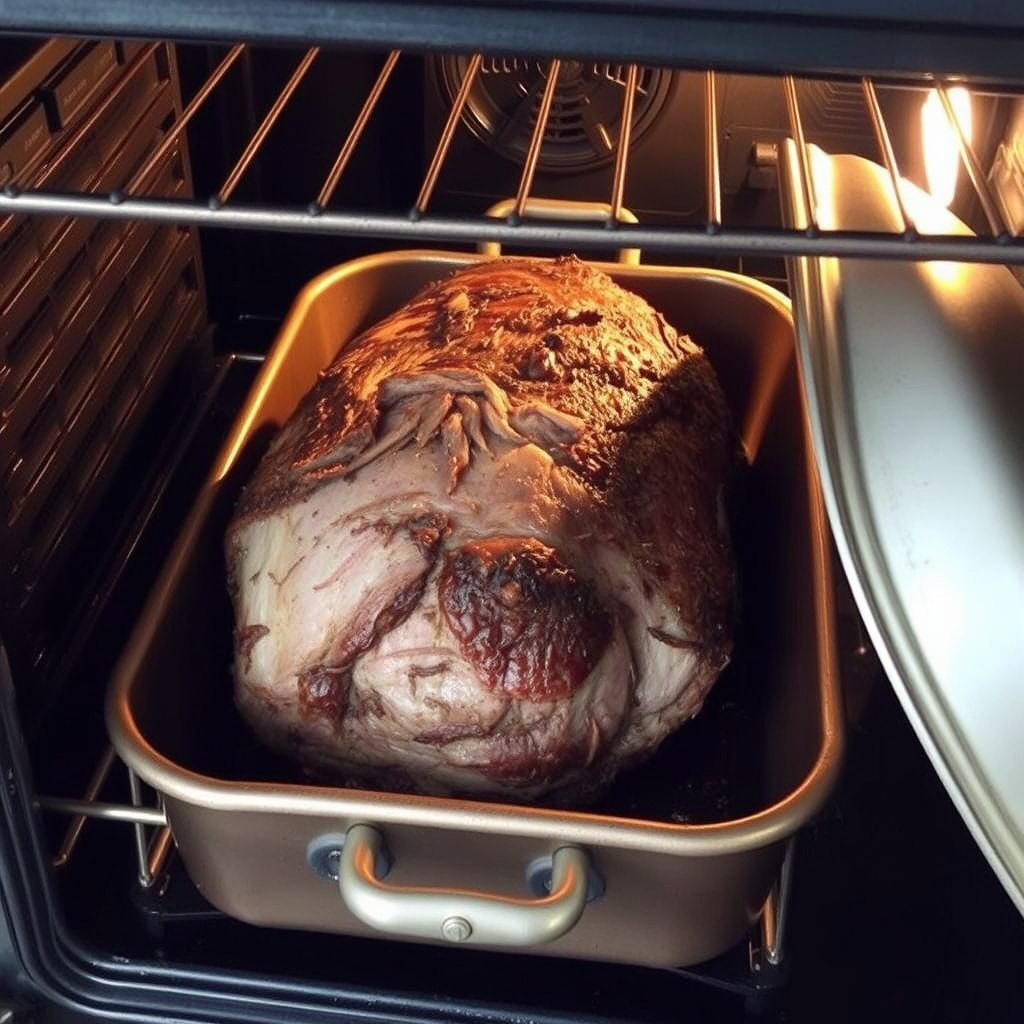
Best Oven Temperature and Timing
Low and slow is key: roast your brisket in the oven at 275°F (135°C). Depending on size, it usually takes 1 to 1.5 hours per pound to become tender.
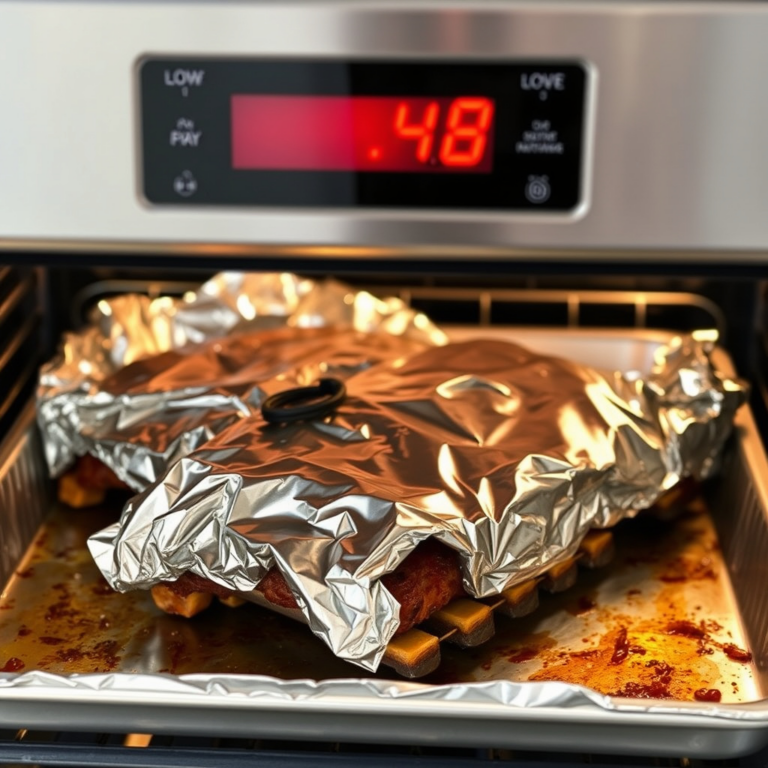
Cover the brisket tightly with foil or a lid to trap moisture and prevent drying out. This slow roasting breaks down tough connective tissue, making the brisket tender.
- Maintain steady 275°F oven temperature
- Cook 1 to 1.5 hours per pound
- Cover brisket tightly to retain moisture
For more on this, see our related guide: How to Cook the Perfect Burger: A Complete Guide for Juicy Results.
Using a Water Pan or Liquid for Moisture
Adding a small amount of beef broth, water, or even beer to the bottom of the roasting pan helps keep the environment humid and prevents drying.
This liquid steams the brisket gently during cooking and can be used later to make flavorful pan sauces or gravies.
- Add 1-2 cups of liquid to roasting pan
- Use beef broth, water, or beer
- Reserve liquid for sauces post-cooking
Checking Doneness and Resting Your Oven-Baked Brisket
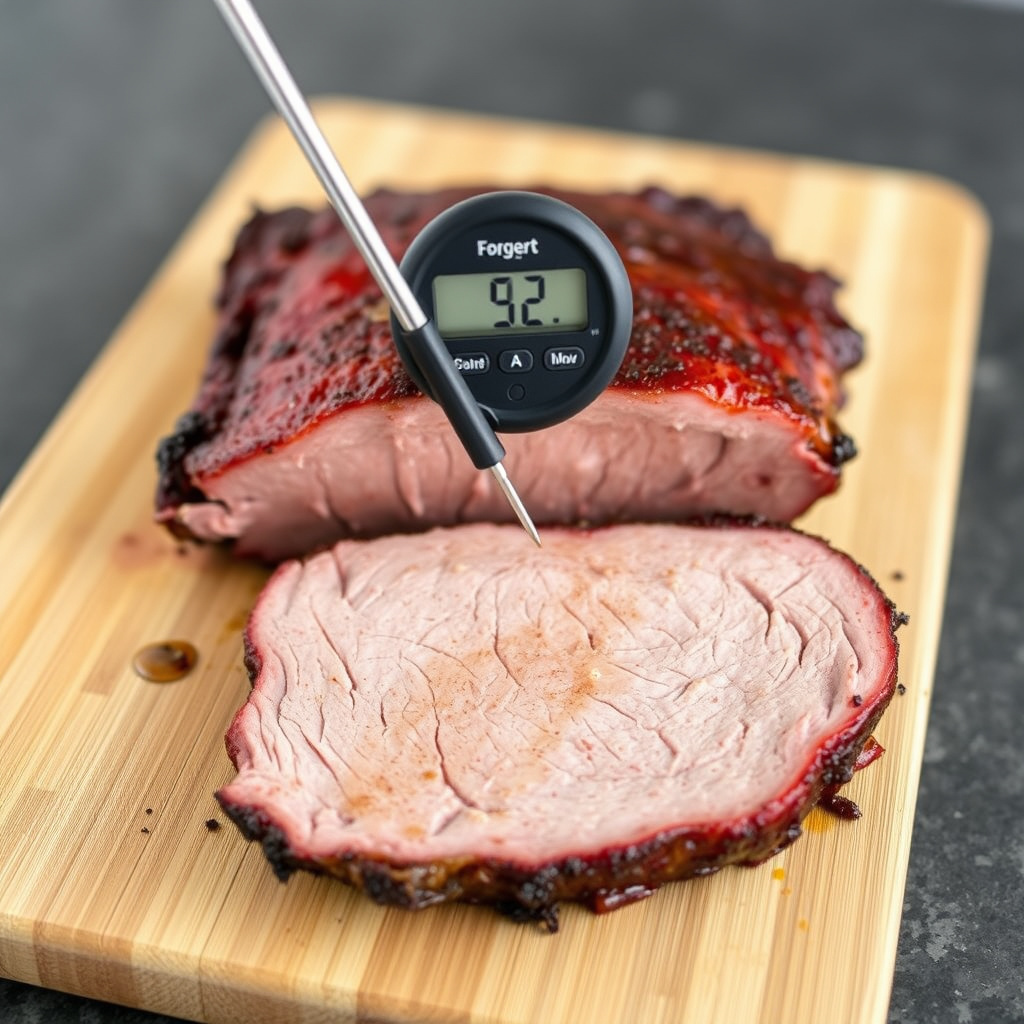
How to Test for Perfect Doneness
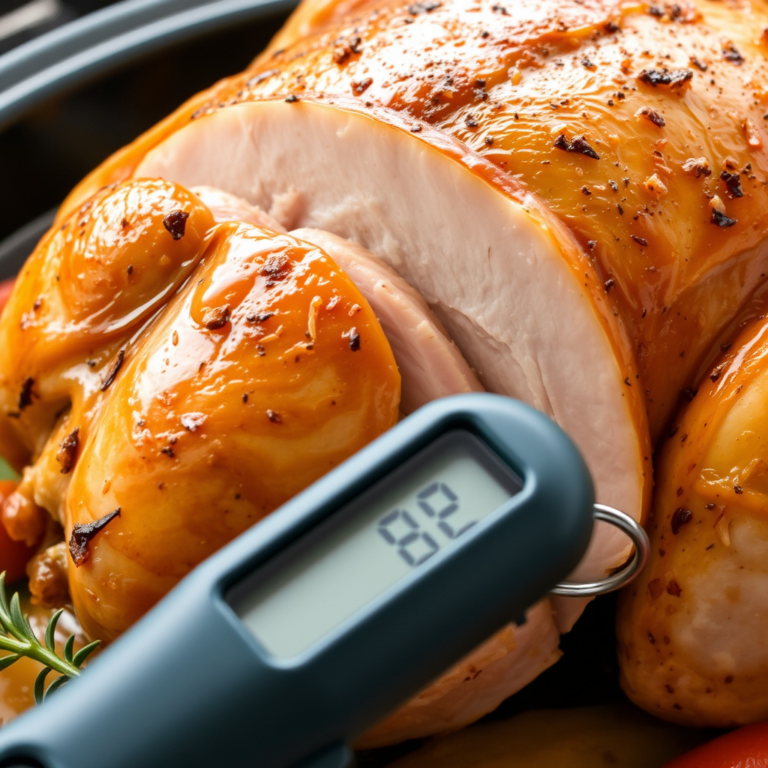
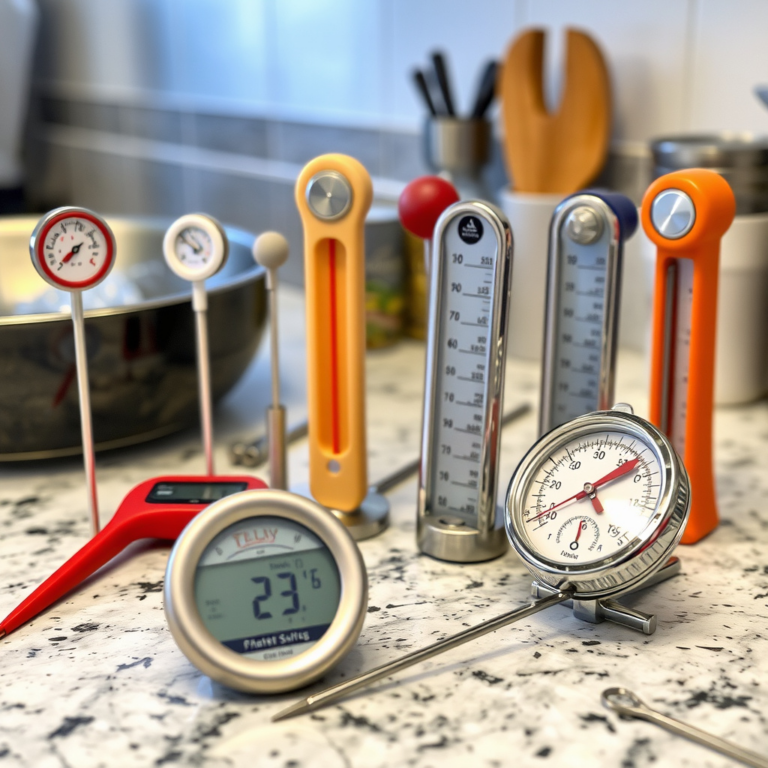
Use an instant-read meat thermometer to check internal temperature; brisket is done at about 195-205°F (90-96°C) for tender pulling texture.
Alternatively, gently probe the meat with a fork or skewer; it should slide in and out with little resistance, indicating the collagen has broken down fully.
- Ideal internal temp: 195-205°F
- Use fork or probe to check tenderness
Resting and Slicing Tips
After removing from the oven, let brisket rest covered loosely with foil for at least 30 minutes. This allows juices to redistribute, making each slice juicy and tender.
Slice against the grain in thin slices to maximize tenderness. For whole packer briskets, identify grain direction as it changes between flat and point cuts.
- Rest covered for 30+ minutes
- Slice thinly against the grain
Enhancing Flavor and Serving Oven-Baked Brisket
Using Marinades and Rub Variations
Marinating brisket before cooking can add extra layers of flavor. Acidic ingredients like vinegar or citrus juice help tenderize while herbs and spices boost aroma.
Experiment with spice blends from smoky paprika to chili powder and brown sugar for a well-balanced rub.
- Try marinade with vinegar or citrus
- Use smoky or sweet rubs
- Combine herbs like thyme or rosemary
For more on this, see our related guide: How Long to Rest Brisket for Perfectly Tender and Juicy Results.
Serving Suggestions and Side Dishes
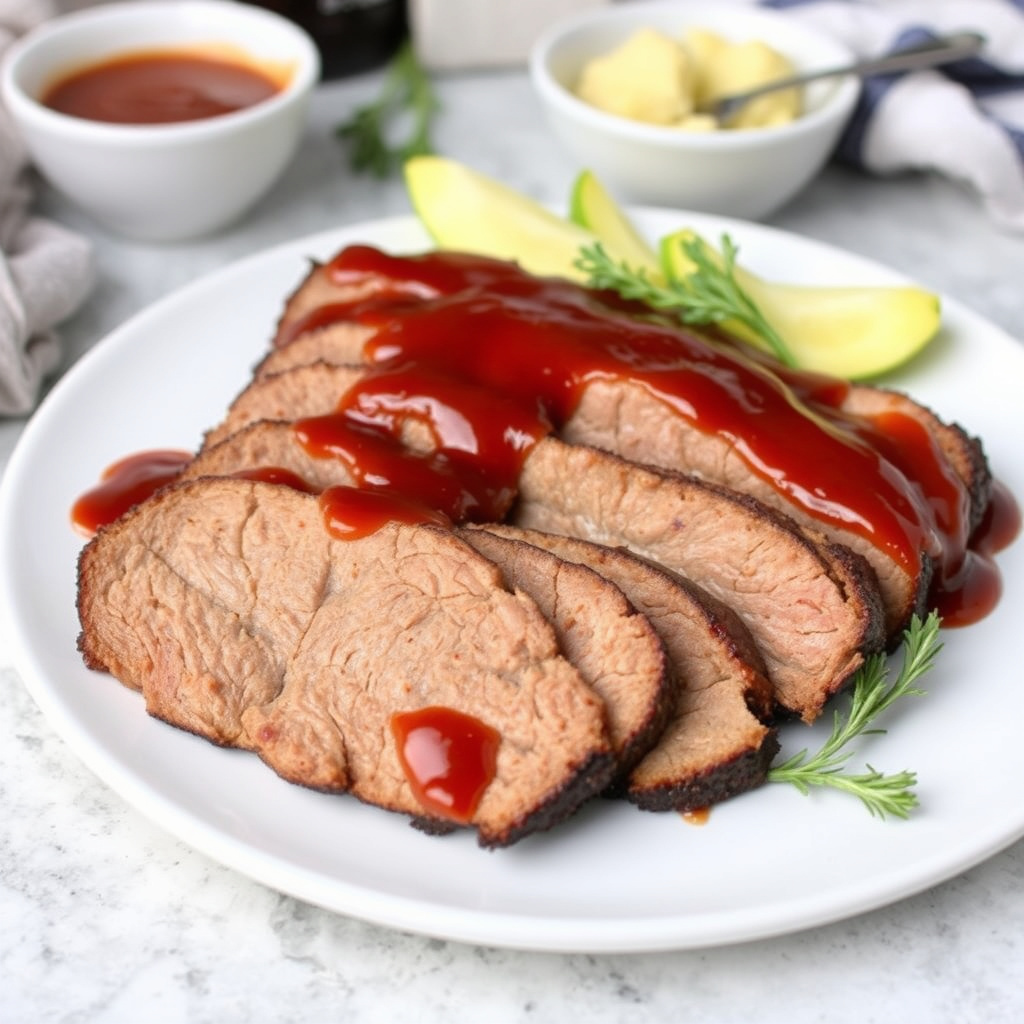
Oven-baked brisket pairs well with classic barbecue sides like coleslaw, baked beans, and cornbread. Consider slathering with your favorite barbecue sauce or a pan gravy made from cooking juices.
Leftover brisket can also be used in sandwiches or tacos for versatile meals.
- Serve with coleslaw and baked beans
- Use pan juices for gravy
- Re-purpose leftovers in sandwiches or tacos
Oven-Baked Brisket Troubleshooting and Tips
Common Issues and How to Avoid Them
Dry brisket often results from cooking at too high a temperature or skipping the resting phase. Keep oven low and cover meat securely to retain moisture.
A tough, stringy texture means the brisket hasn’t cooked long enough or rested adequately to break down collagen.
- Avoid high temps above 300°F
- Don’t skip resting time
- Cook until probe slides in easily
For more detailed background on brisket cuts and cooking, see the brisket cooking techniques on Wikipedia. Brisket cooking techniques on Wikipedia.
Using a Slow Cooker or Instant Pot vs. Oven
While slow cookers and Instant Pots can tenderize brisket faster, the oven offers better control over crust development and flavor depth through dry heat roasting.
The oven-baked brisket recipe is ideal for those who prefer the traditional texture and rich bark that electric appliances struggle to replicate.
- Slow cooker cooks faster but less crust
- Instant Pot is convenient for quick meals
- Oven offers best flavor and bark development
Brisket Cooking Methods Comparison
This table compares popular brisket cooking methods by time, texture, flavor, and equipment needed.
| Method | Cooking Time | Texture | Flavor Profile | Equipment Needed |
|---|---|---|---|---|
| Oven-Baked | 6-12 hours | Tender with crusty bark | Rich, caramelized flavor | Oven, roasting pan |
| Smoking | 10-16 hours | Very tender with smoky bark | Deep smoky flavor | Smoker, charcoal or wood |
| Slow Cooker | 6-8 hours | Very tender, no crust | Milder, braised flavor | Slow cooker |
| Instant Pot | 1-2 hours | Very tender, no crust | Moderate, steamed flavor | Instant Pot pressure cooker |
| Grilling (Low and Slow) | 4-8 hours | Tender with smoky crust | Grilled and smoky flavor | Charcoal or gas grill |
Frequently Asked Questions
How long does it take to cook brisket in the oven?
Cooking brisket in the oven typically takes 1 to 1.5 hours per pound at 275°F. Total time depends on the brisket size and desired tenderness.
Should I cover the brisket while cooking in the oven?
Yes, covering the brisket tightly with foil or a lid retains moisture and prevents the meat from drying out during the long cooking process.
What temperature should brisket be cooked to for optimal tenderness?
Brisket is best when cooked to an internal temperature between 195°F and 205°F, which allows collagen to break down and the meat to become tender.
Can I cook brisket without searing it first?
While searing adds flavor and helps lock in juices, you can cook brisket without searing. However, you may miss out on the rich caramelized crust.
How do I slice brisket for serving?
Always slice brisket against the grain in thin slices. This cuts through muscle fibers, making each bite more tender and easier to chew.
Key Takeaways
- Low and slow oven cooking tenderizes brisket effectively
- Choosing the right cut and seasoning enhances flavor
- Covering brisket traps moisture and prevents drying
- Resting before slicing improves juiciness and tenderness
Conclusion
Mastering how to cook brisket in the oven centers on patience and technique, relying on slow roasting at steady low temperatures to convert tough, fibrous meat into tender, juicy slices. Selecting a brisket with good marbling and preparing it with a flavorful rub or marinade sets the stage. Throughout cooking, maintaining moisture with covering and liquid creates an ideal environment for thorough collagen breakdown, yielding the perfect tenderness.
Practically, an oven-baked brisket recipe is accessible and rewarding, delivering results rivaling traditional smoking for those without outdoor equipment. Flat cut briskets simplify slicing, ideal for roasted meat presentations, while whole packer briskets suit those who desire a richer point cut. For anyone seeking an all-around method for brisket with reliable texture and crust, cooking in the oven strikes a solid balance between convenience and taste.
For your next meal, confidently prepare your brisket using the steps outlined here — season thoroughly, sear carefully, slow roast covered at 275°F until tender, then rest generously before slicing. These practices will not only produce a succulent oven-baked brisket but also set a foundation for experimenting with various rubs, sides, and serving styles. Enjoy the process and the delicious leftovers that follow.