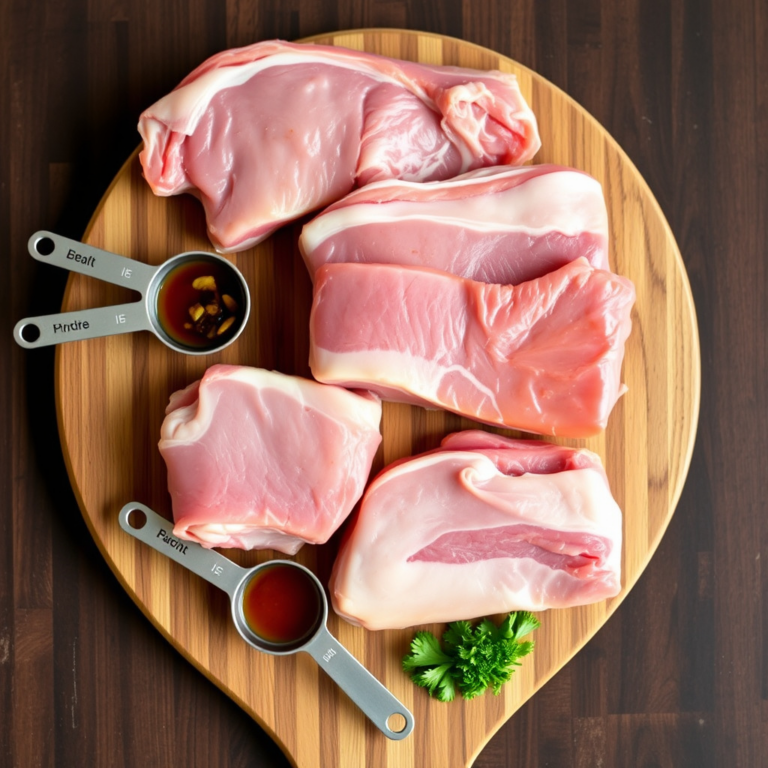
The best cut of pork for pulled pork is the pork shoulder, often called Boston butt or pork butt. This cut has the perfect balance of fat, connective tissue, and meat, which breaks down during slow cooking to deliver tender, juicy pulled pork with deep flavor.
Choosing the right cut impacts the success of your pulled pork because it needs to withstand long cooking times while staying moist. Pork shoulder's marbling ensures it won’t dry out, unlike leaner cuts that can turn tough and stringy. This makes it the favored choice for both smoking and slow cooker recipes.
In this article, we'll cover different pork cuts suitable for pulled pork, what qualities make a cut the best, cooking methods that highlight the pork shoulder’s strengths, and how to select your cut for great texture and taste. You’ll also find comparisons to other cuts and answers to common questions.
Why Pork Shoulder Is the Best Cut for Pulled Pork
Fat Content and Marbling
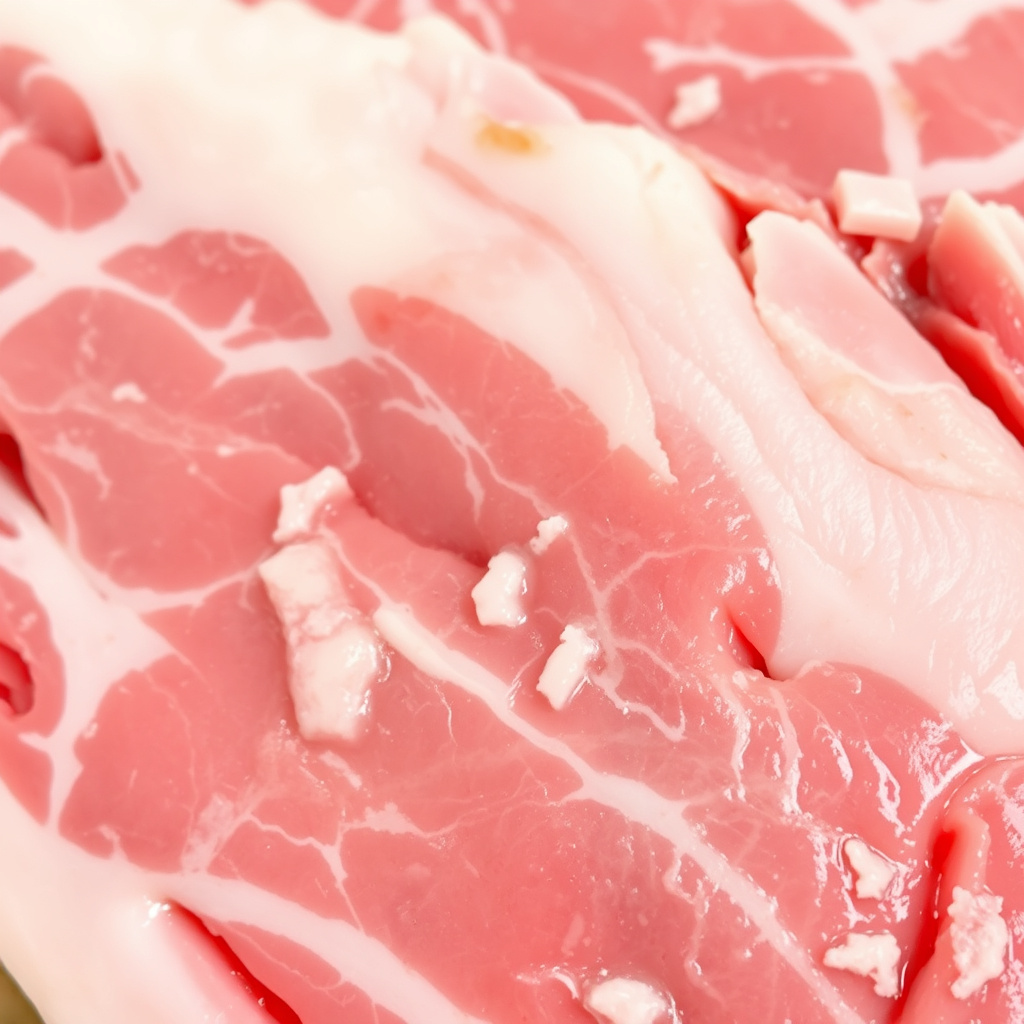
Pork shoulder contains a substantial amount of intramuscular fat, or marbling, which melts during slow cooking to keep the meat moist and tender. This fat also carries flavor, enriching each bite of pulled pork.
The fat within the pork shoulder breaks down slowly, basting the meat internally. This process avoids dryness common with leaner cuts and contributes to a rich, succulent texture perfectly suited for shredding.
- High fat marbling for moisture
- Fat melts during cooking for tenderness
- Adds rich pork flavor
Connective Tissue and Collagen Breakdown
The pork shoulder contains connective tissues that convert into gelatin when cooked at low temperatures over an extended period. This gelatin infuses the meat with juiciness and silkiness, critical to achieving the signature pull-apart texture.
Without sufficient collagen, pulled pork ends up dry or crumbly. The shoulder’s dense network of connective tissue sets it apart from leaner cuts like loin or tenderloin, which lack this essential characteristic.
- High collagen content
- Transforms into gelatin during cooking
- Gives pulled pork its tender, moist texture
Other Pork Cuts Commonly Used for Pulled Pork
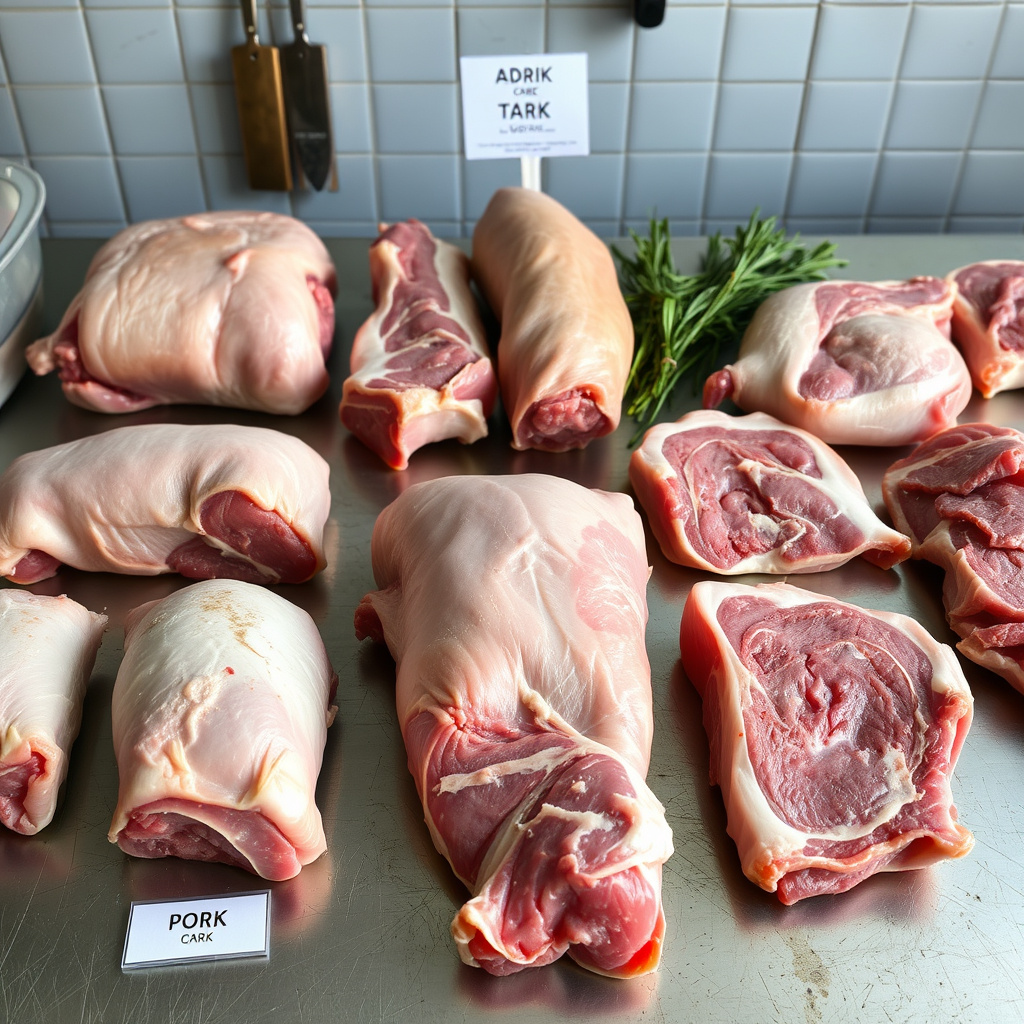
Pork Picnic Shoulder
The picnic shoulder is located just below the pork shoulder and contains more connective tissue and slightly more bone. It also offers flavorful meat but tends to have tougher muscle bands, requiring longer cooking times.
While it can produce good pulled pork, picnic shoulder is a bit leaner and less marbled, which influences the final taste and texture. It’s usually less expensive but may need more seasoning or moisture during cooking.
Pork Loin and Tenderloin
Pork loin and tenderloin are leaner cuts located along the back of the pig, prized for roasting or grilling but generally not ideal for pulled pork. Their lack of fat and connective tissue causes them to dry out during extended cooking.
These cuts cook faster and stay tender when served sliced but rarely develop the rich, shreddable texture that defines pulled pork. They can be juicier with proper brining, but they won't yield classic pulled pork results.
How to Select the Best Pork Cut for Different Cooking Methods
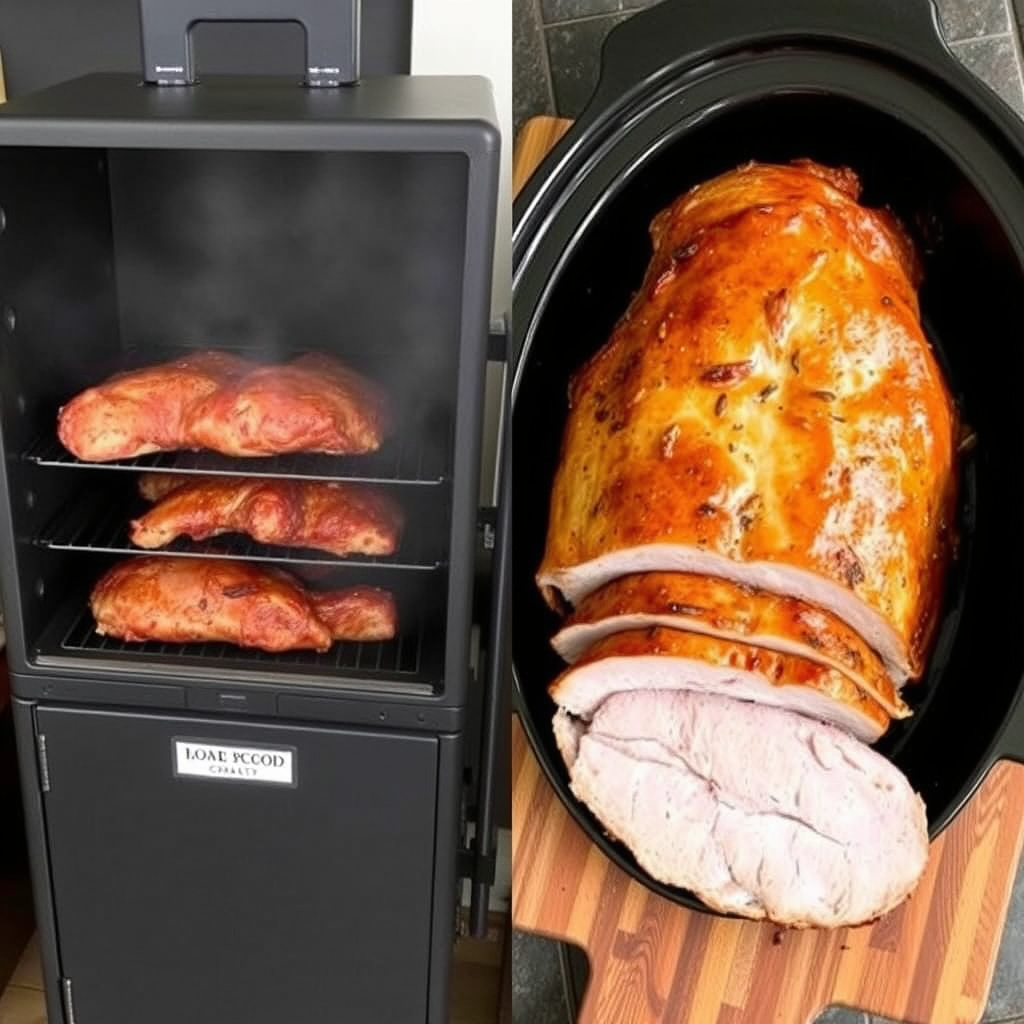
Smoking Pulled Pork
For smoking, pork shoulder (Boston butt) is the preferred choice because it withstands long smoke times and absorbs smoky flavors deeply. Its fat and collagen slowly render, lifting the taste and texture to barbecue perfection.
Look for cuts with a good fat cap to shield the meat during the smoke and help retain moisture. The smoking process also firms up the exterior, creating the flavorful bark prized in barbecue pulled pork.
- Use Boston butt for best smoke absorption
- Fat cap protects and flavors meat
- Long, low smoking enhances tenderness
For more on this, see our related guide: What Is the Internal Temperature for Pulled Pork? A Complete Guide.
Slow Cooker or Oven Pulled Pork
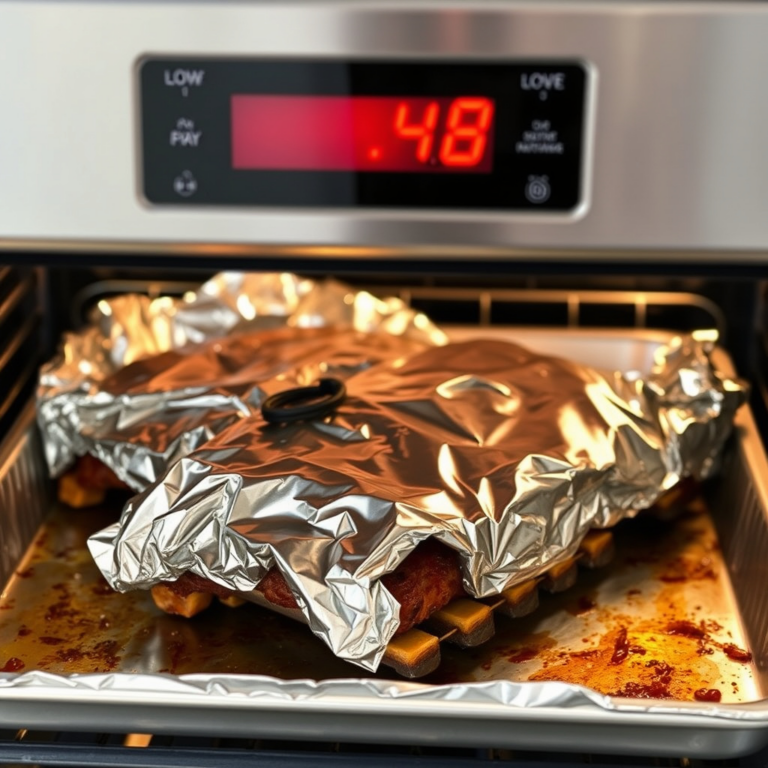
When cooking in a slow cooker or oven, pork shoulder still reigns supreme. The consistent low heat softens connective tissues gently without drying out the meat, perfect for weeknight cooking.
The picnic shoulder can also be used if budget is a concern, but expect slightly longer cook times and consider adding broth or liquid for moisture retention. Pork loin is not recommended for these methods.
- Boston butt works well for slow cooking
- Picnic shoulder can be a budget-friendly alternative
- Avoid lean cuts like pork loin for slow cooking pulled pork
Key Characteristics to Look for When Buying Pork for Pulled Pork
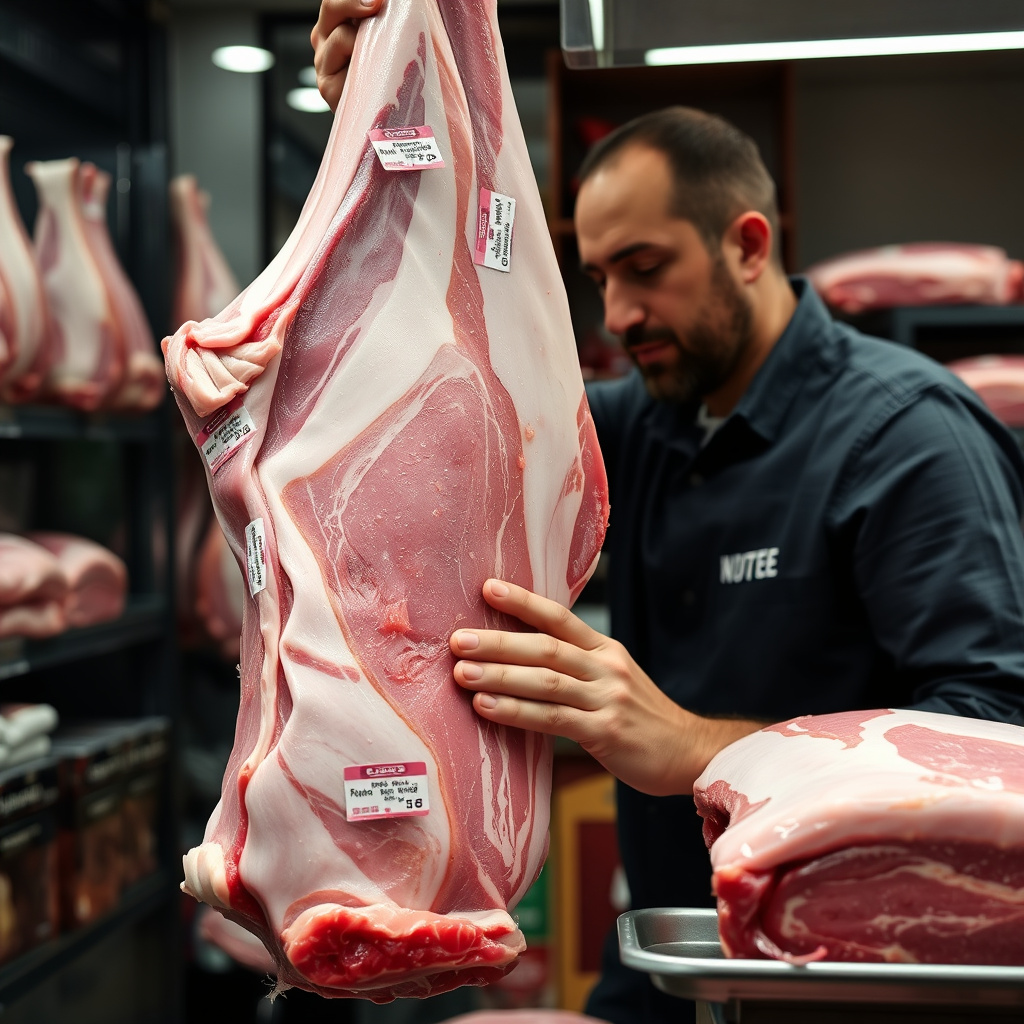
Look for Good Marbling and Fat Cap
Select a pork shoulder with visible fat marbling throughout the muscle. This fat breaks down during cooking to keep the meat tender and juicy.
A thick fat cap covering the outside of the shoulder is beneficial for long cooking sessions and helps develop a flavorful crust or bark if grilling or smoking.
- Even marbling inside meat
- Decent fat cap on outside
- Avoid overly lean pieces for pulled pork
Choose Size According to Serving Needs
Pork shoulders typically range from 4 to 8 pounds. For small gatherings, a 4-5 pound cut may suffice, while larger groups might require bigger cuts or multiple shoulders.
Keep in mind that pulled pork shrinks significantly during cooking due to moisture loss, so plan accordingly to have ample portions.
- Smaller cuts for intimate meals
- Larger cuts for big groups or leftovers
- Account for 40-50% shrinkage during cooking
Flavor Profiles and How Cut Affects Taste of Pulled Pork
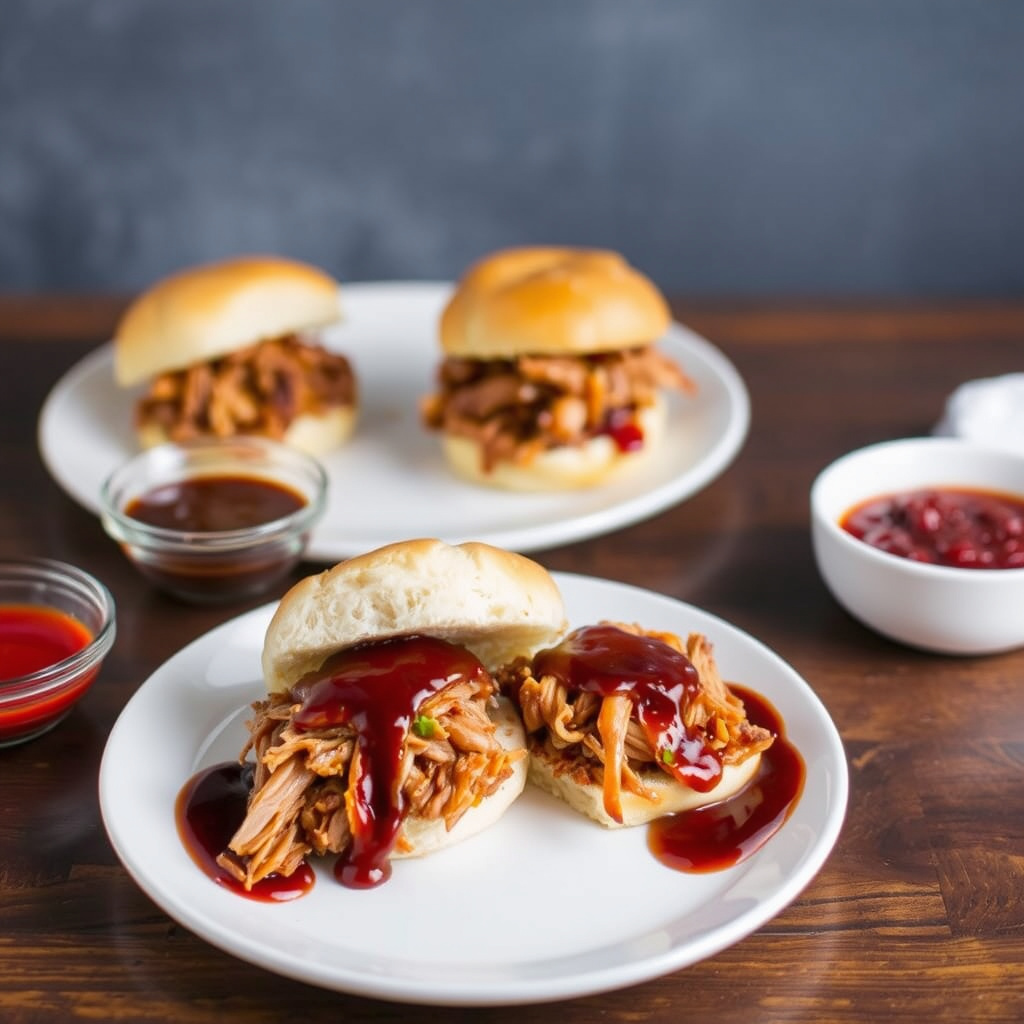
Effect of Fat on Flavor
The amount and distribution of fat in the pork cut directly influence the richness of pulled pork. More marbling means a more succulent, flavorful bite that complements spices and sauces used in recipes.
Cuts like pork shoulder develop a robust pork flavor when cooked low and slow, while leaner cuts may taste milder and benefit from marinades or enhanced seasoning to boost their character.
For more on this, see our related guide: What Is the Internal Temp for Pork? Safe Cooking Temperatures Explained.
Textural Differences from Various Cuts
Well-marbled cuts like pork shoulder pull apart into moist, tender shreds, the hallmark of classic pulled pork. Conversely, leaner cuts such as loin might shred but often turn dry, fibrous, or crumbly due to insufficient collagen and fat.
Picnic shoulder yields a slightly coarser texture with a bit more chew but can still produce good pulled pork with the right cooking approach.
Tips for Preparing the Best Pulled Pork Regardless of Cut
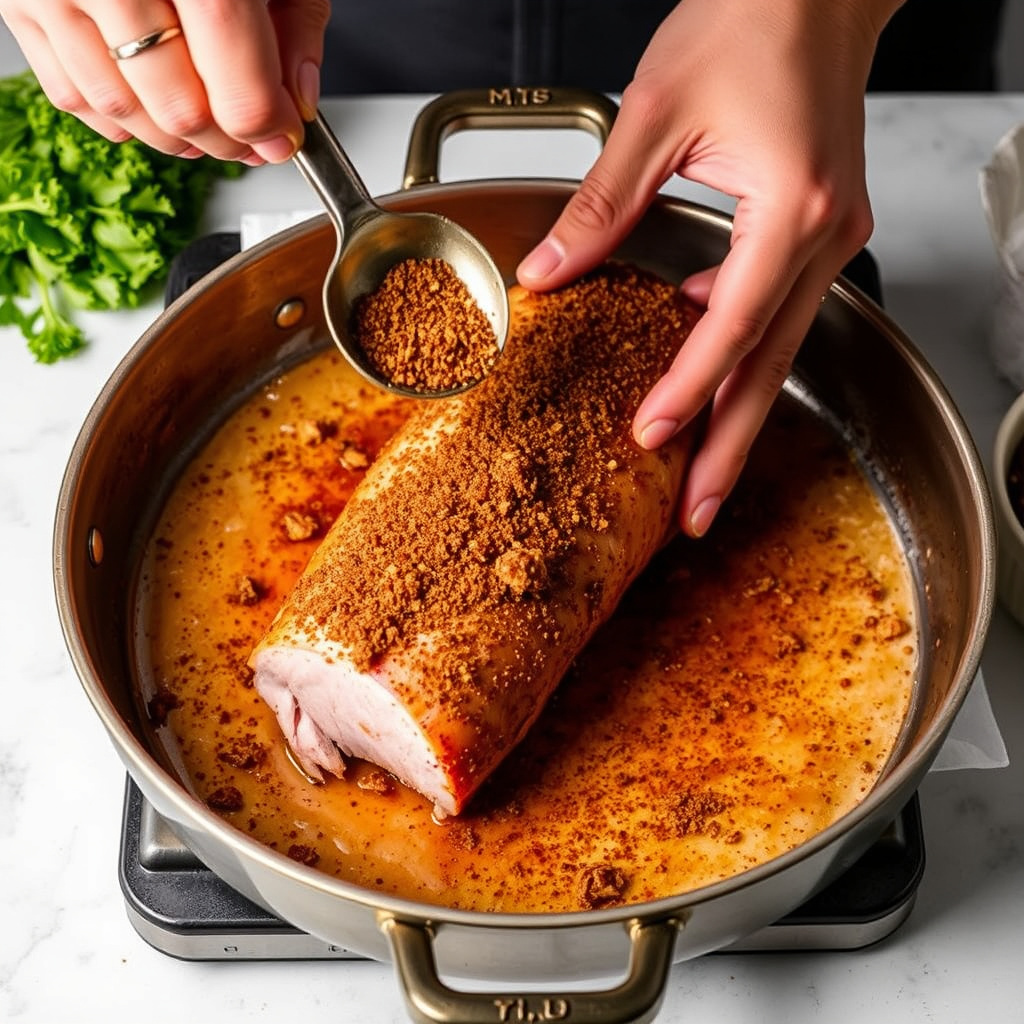
Using Dry Rubs and Marinades
Applying dry rubs composed of salt, sugar, spices, and herbs enhances the pork’s natural flavor and can create a flavorful crust during cooking.
Marinades or brines are especially helpful for leaner cuts to add moisture and tenderness. A basic brine with salt, sugar, and water for several hours improves texture.
- Dry rubs add depth and bark
- Brining boosts moisture in lean cuts
- Allow meat to rest after seasoning
For more detailed background on pulled pork and its culinary history, see Pulled Pork on Wikipedia. Pulled Pork on Wikipedia.
Proper Cooking Temperatures and Timing
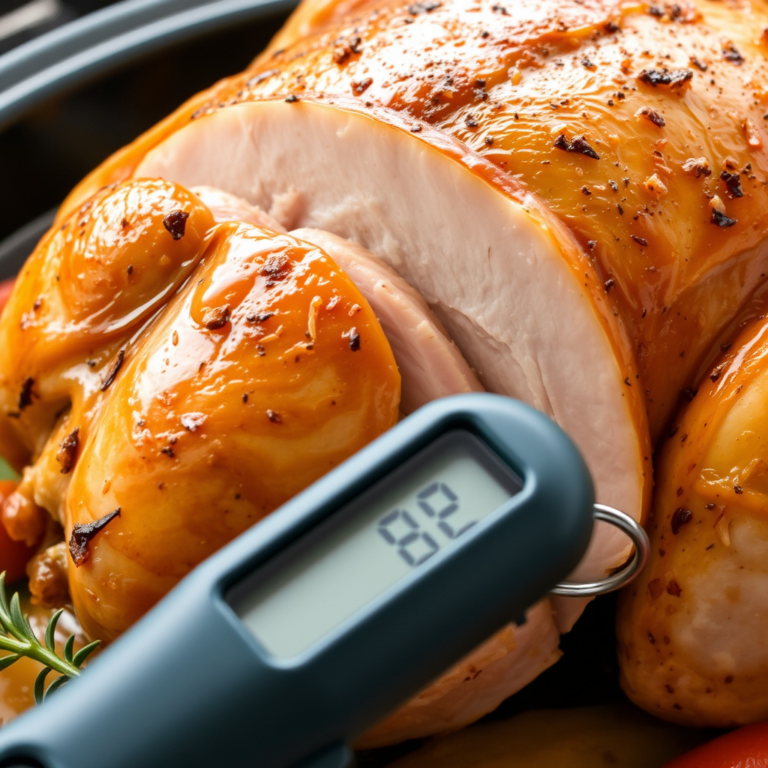
Pulled pork requires cooking until the internal temperature reaches about 195°F to 205°F to achieve tender, easily shredded meat, especially for pork shoulder cuts.
Using a meat thermometer is vital to avoid undercooking or drying out the pork. Low and slow heat around 225°F to 275°F is ideal for even collagen breakdown.
- Aim for 195-205°F internal temperature
- Cook low and slow at 225-275°F
- Monitor temperature with a reliable meat thermometer
Pulled Pork Cut Category Comparison
This table compares popular pork cuts for pulled pork based on key features, cooking ease, flavor, and price per pound.
| Cut | Fat Content | Cooking Time | Flavor Richness | Typical Price per Pound |
|---|---|---|---|---|
| Boston Butt (Pork Shoulder) | High marbling and thick fat cap | 6-10 hours smoking or slow cooking | Rich, classic pulled pork flavor | $3.00 – $4.50 |
| Picnic Shoulder | Moderate fat, more connective tissue | 8-12 hours slow cooking | Good flavor, slightly coarser texture | $2.50 – $3.50 |
| Pork Loin | Low fat, lean | 2-3 hours roasting | Mild flavor, not ideal for pulling | $4.00 – $5.50 |
| Pork Tenderloin | Very lean | 1-1.5 hours roasting/grilling | Delicate flavor, unsuitable for pulling | $6.00 – $8.00 |
Frequently Asked Questions
Can I use pork loin for pulled pork?
Pork loin is too lean and lacks the fat and connective tissues necessary for tender, shreddable pulled pork. It tends to dry out when cooked long enough for pulling.
Is pork picnic shoulder good for pulled pork?
Yes, picnic shoulder can be used for pulled pork. It has more connective tissue but less marbling than Boston butt, requiring longer cooking and possibly added moisture.
How long does it take to cook pork shoulder for pulled pork?
Depending on the cooking method, pork shoulder typically takes 6 to 10 hours at low temperatures (225°F–275°F) to become tender enough to pull apart.
Does the fat cap on pork shoulder need to be removed before cooking?
It's best to keep the fat cap on during cooking as it protects the meat, preserves moisture, and adds flavor. Some prefer to trim excessive fat, leaving about a quarter-inch.
What internal temperature should pulled pork reach?
Pulled pork is done when the internal temperature reaches between 195°F and 205°F, which ensures connective tissues have broken down for easy shredding.
Key Takeaways
- Pork shoulder (Boston butt) is the best cut for pulled pork due to its fat and collagen content.
- Picnic shoulder is a budget-friendly alternative but needs longer cooking and moisture attention.
- Lean cuts like loin and tenderloin are not suitable for pulled pork because they dry out.
- Proper low and slow cooking to 195-205°F internal temperature is essential for tender pulled pork.
Conclusion
Choosing the right cut of pork is fundamental in creating authentic pulled pork with rich flavor and tender texture. The pork shoulder, specifically Boston butt, offers an excellent balance of fat and connective tissue, giving it the unique ability to become moist and shred easily after slow cooking. Considering these characteristics helps you avoid dryer or tougher outcomes associated with leaner cuts.
For those planning to smoke or slow cook pulled pork, the pork shoulder holds a clear advantage. Its marbling supports flavor absorption during smoking, while the collagen converts into gelatin for that melt-in-your-mouth feel. For budget-conscious cooks, the picnic shoulder can substitute but expect different texture nuances and longer cooking times. Lean alternatives like pork loin should be saved for other preparations, as they lack required fat and connective tissue to produce traditional pulled pork.
To make the best pulled pork, source a shoulder with a thick fat cap and good marbling, then cook it low and slow until it reaches 195°F to 205°F. After resting, the meat will pull apart easily, ready for sauces or sandwiches. Next time you shop for pork, pick the cut that best suits your cooking method and desired flavor, and you’ll enjoy delicious, tender pulled pork every time.