Carryover cooking is the process where food continues to cook after it has been removed from the heat source. This happens because the heat stored inside the food’s interior redistributes and raises the internal temperature by several degrees. Understanding carryover cooking is key to achieving perfectly cooked meals, especially for large cuts of meat and thick dishes.
This phenomenon matters because if you remove food from the heat at the target doneness temperature without accounting for carryover cooking, the food will end up overcooked once the internal heat continues to rise. This can change the texture and flavor, which is why many chefs recommend taking food off the heat slightly earlier than the final desired temperature.
This article will explain the science behind carryover cooking, which foods it most affects, practical strategies to handle it, and how it ties into common cooking techniques to help you cook meat, poultry, and more precisely.
The Science Behind Carryover Cooking
How Heat Redistributes in Food
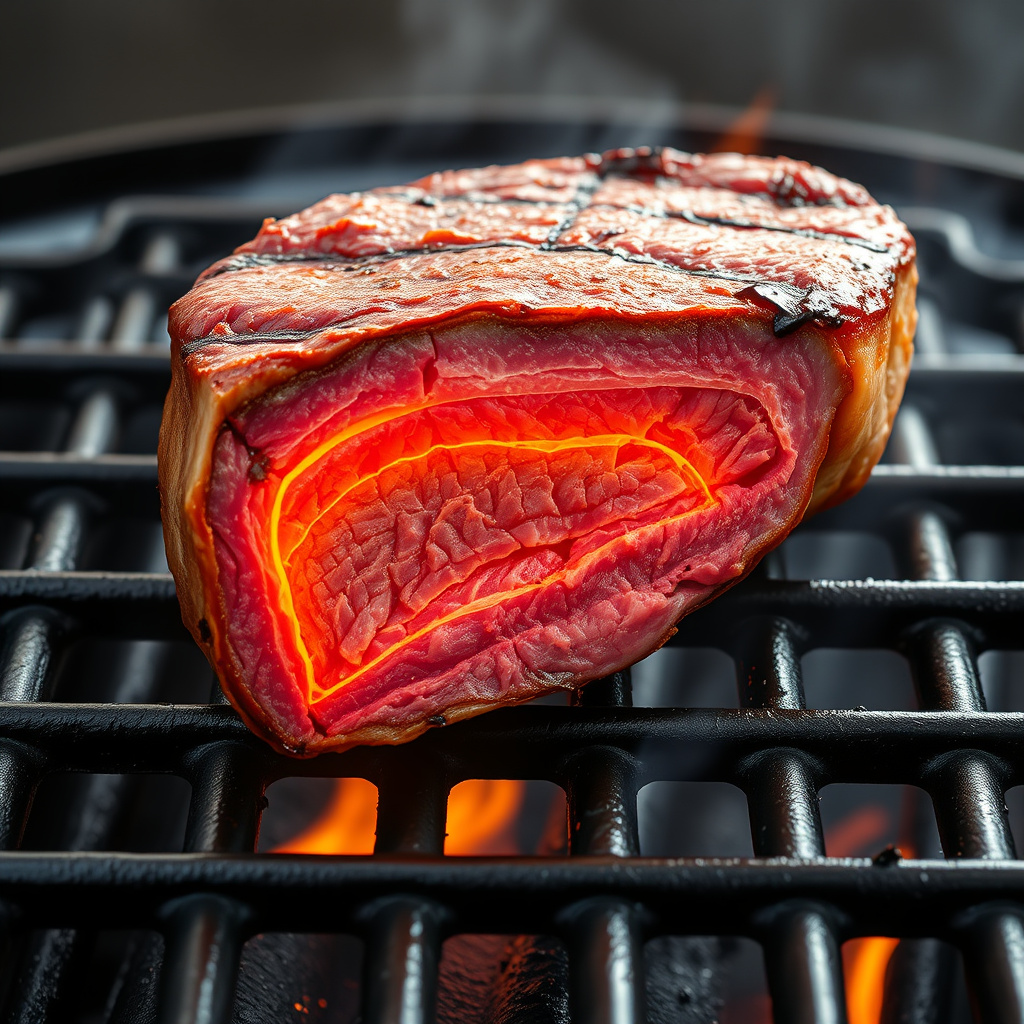
When cooking, the outside of food absorbs heat first, creating a temperature gradient where the center remains cooler. After removal from heat, this gradient forces heat to move inward, continuing the cooking process until temperatures equalize.
This effect is stronger in larger or denser foods because they have more heat stored in their outer layers or crust, which then migrates inward, raising internal temperature by 5°F to 15°F depending on size and density.
Factors Affecting Carryover Intensity
The amount of carryover cooking depends mainly on the food's size, shape, composition, and initial cooking temperature. Thick roasts retain more heat creating more carryover effect compared to thin cuts.
Food with higher water content tends to hold heat better, increasing carryover cooking, while leaner or smaller portions experience a less noticeable effect.
- Food mass and thickness
- Initial cooking temperature
- Water and fat content
- Shape and surface area
Carryover Cooking in Different Types of Meat
Beef and Pork: Managing Carryover for Tenderness
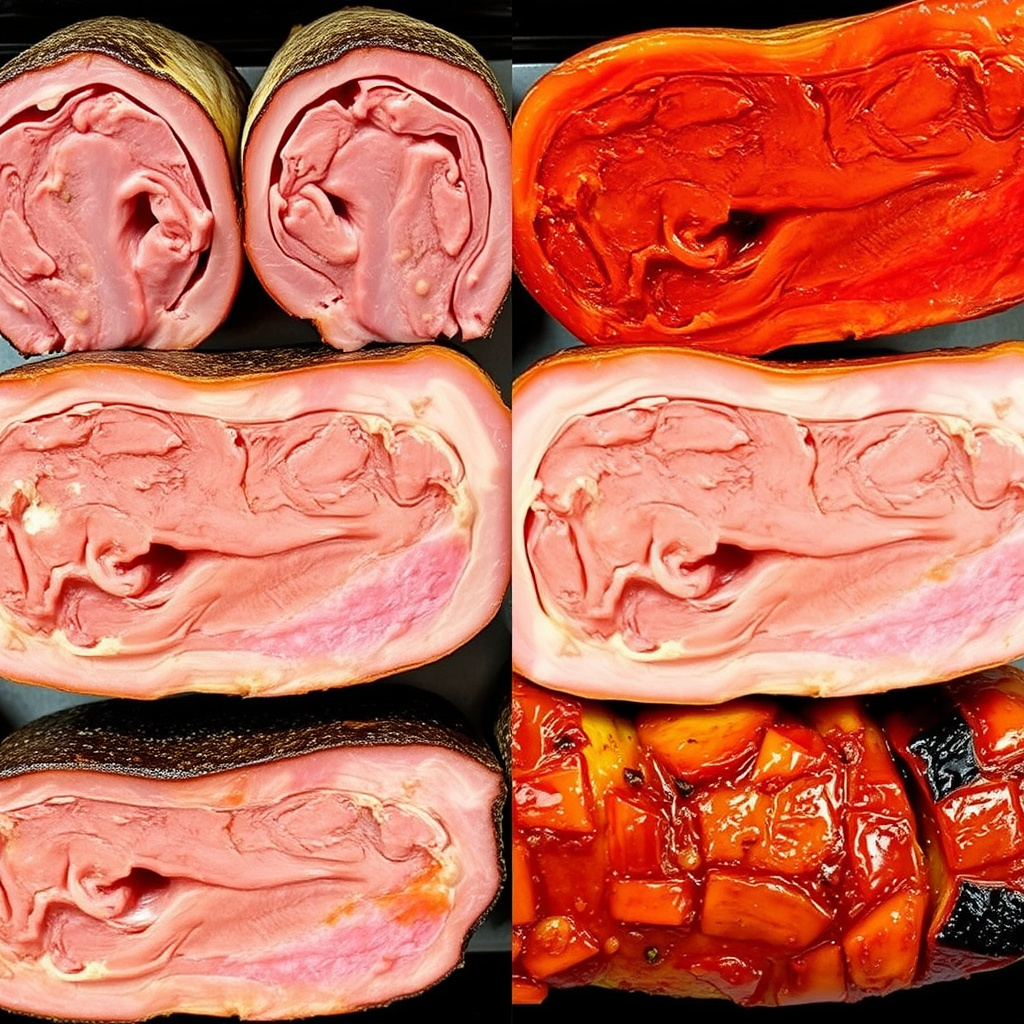
Large cuts like roasts exhibit significant carryover cooking, so chefs often remove them from the oven before reaching the final internal temperature listed for doneness to prevent overcooking.
For example, a prime rib roast might be taken out at 5-10°F below target temperature, then rested to allow carryover cooking to finish the process, ensuring tenderness and juiciness.
Poultry and Fish: Less Carryover Due to Size
Smaller or thinner meats such as chicken breasts or fish fillets have a quicker heat dissipation and less carryover effect, typically only 2-4°F increase after cooking.
This means timing removal and resting intervals are important but less critical compared to large roasts, though it still helps to avoid drying out lean proteins.
Techniques to Control Carryover Cooking
Using a Thermometer for Accuracy
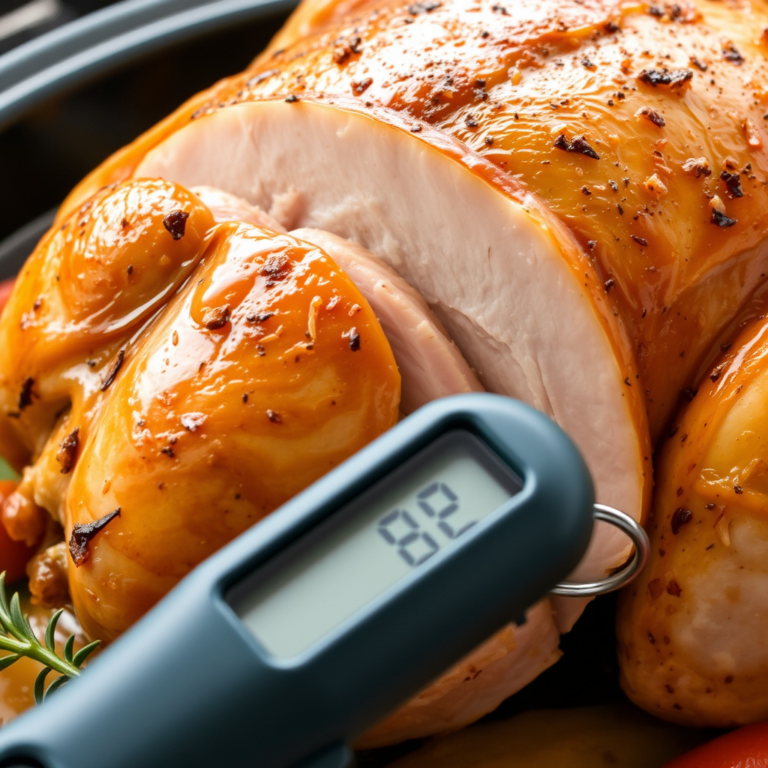
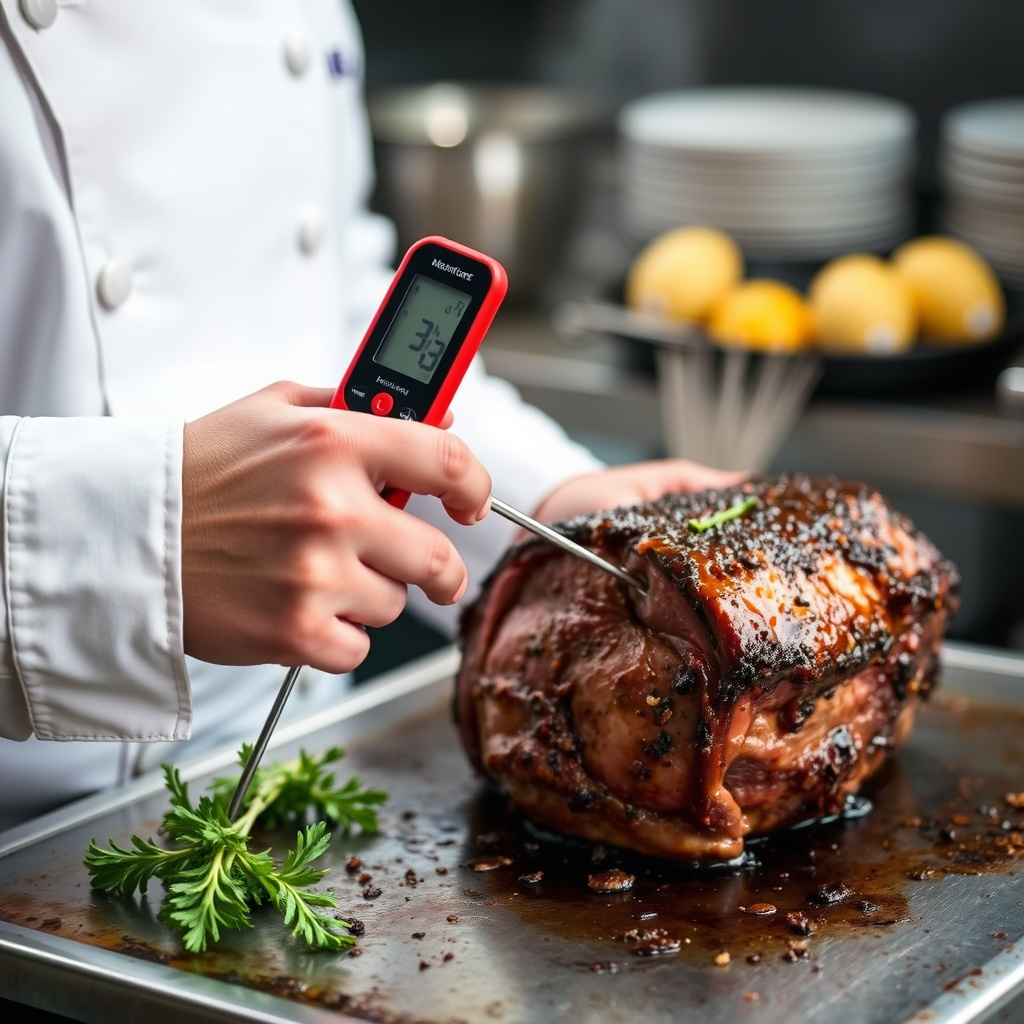
A reliable meat thermometer is essential to track the internal temperature and account for carryover cooking by pulling the food off the heat slightly early.
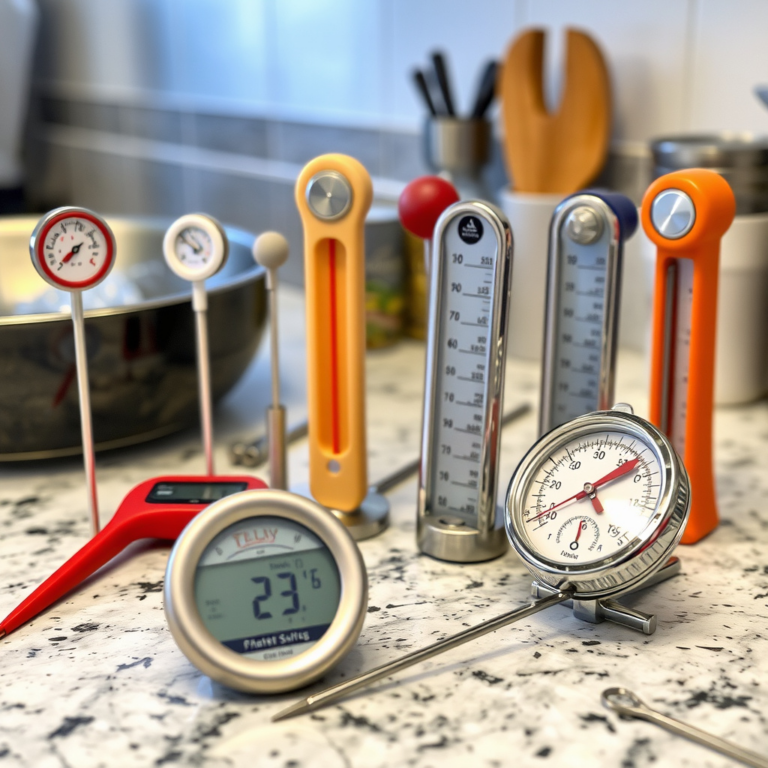
Instant-read thermometers provide quick checks, while probe thermometers can monitor temperature continuously during resting, reducing guesswork.
- Instant-read thermometer
- Probe thermometer with alert feature
- Calibrating thermometer regularly
For more on this, see our related guide: What Is the Internal Temp for Pork? Safe Cooking Temperatures Explained.
Resting Time Strategies
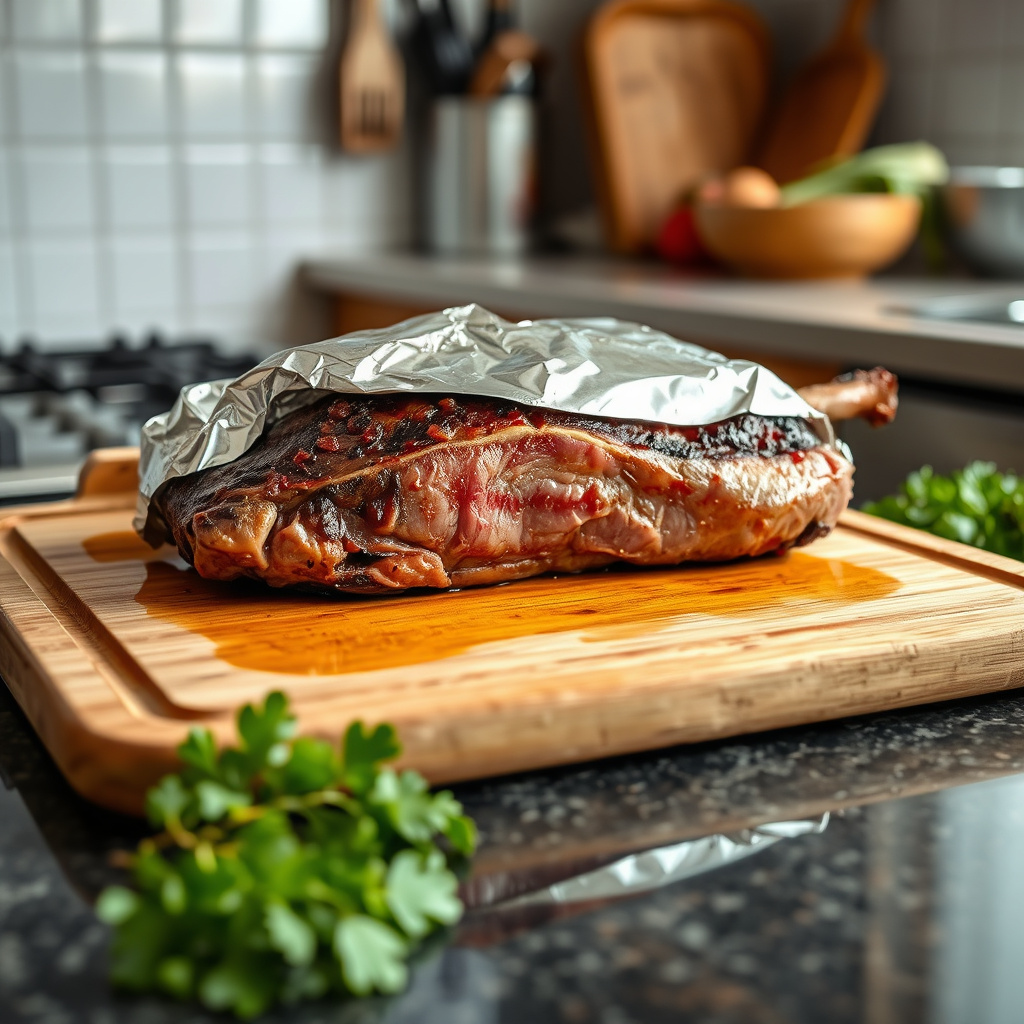
Resting meat allows juices to redistribute and the internal temperature to stabilize after removal from heat, maximizing juiciness and controlling carryover cooking.
Resting times vary with size but typically range from 5 minutes for small cuts to 20-30 minutes for large roasts.
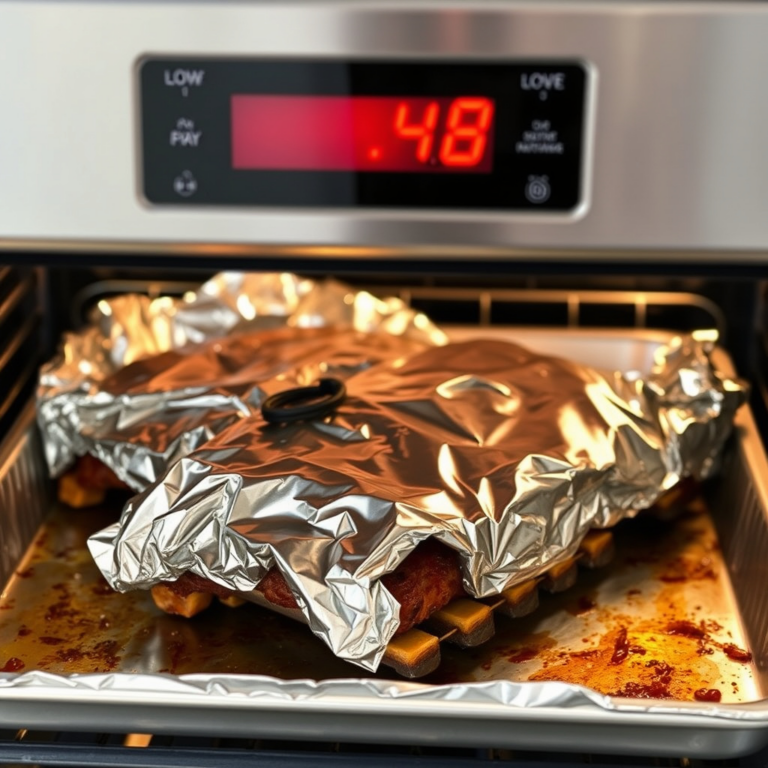
- Use foil tent to retain heat
- Avoid cutting immediately
- Adjust resting based on meat size
Common Misconceptions About Carryover Cooking
Carryover Cooking Does Not Always Cause Overcooking
While carryover cooking can push food beyond target doneness, it can also bring undercooked food up to the perfect temperature, especially benefits thick cuts.
Ignoring carryover might result in pulling food too early, leaving it underdone or unevenly cooked.
Resting Is Not Just About Temperature
Resting isn’t solely to temper carryover cooking but also to let muscle fibers relax, redistributing moisture for juicy results.
Skipping the resting step often leads to drier meat and wasted juices on the cutting board.
Practical Tips for Home Cooks to Master Carryover Cooking
Planning Cooking Times Around Carryover Effects
Start by knowing your target internal temperature and subtract a few degrees depending on cut size to remove food from heat earlier.
Account for the typical carryover increase for specific proteins: larger roasts +10°F, smaller cuts +5°F, delicate proteins like fish +2°F.
- Check temperature regularly
- Note resting times per cut size
- Adjust oven or pan heat accordingly
For more on this, see our related guide: How to Know When Steak Is Done: Practical Tips for Perfect Cooking.
Using Carryover Cooking to Your Advantage
Use carryover to finish cooking slower cuts or those needing gentle internal temperature rise, improving texture by avoiding direct high heat overexposure.
Combining carryover with resting creates juicier, more tender results with less stress on timing precision during cooking.
How Carryover Cooking Impacts Other Cooking Methods
Carryover Cooking and Grilling
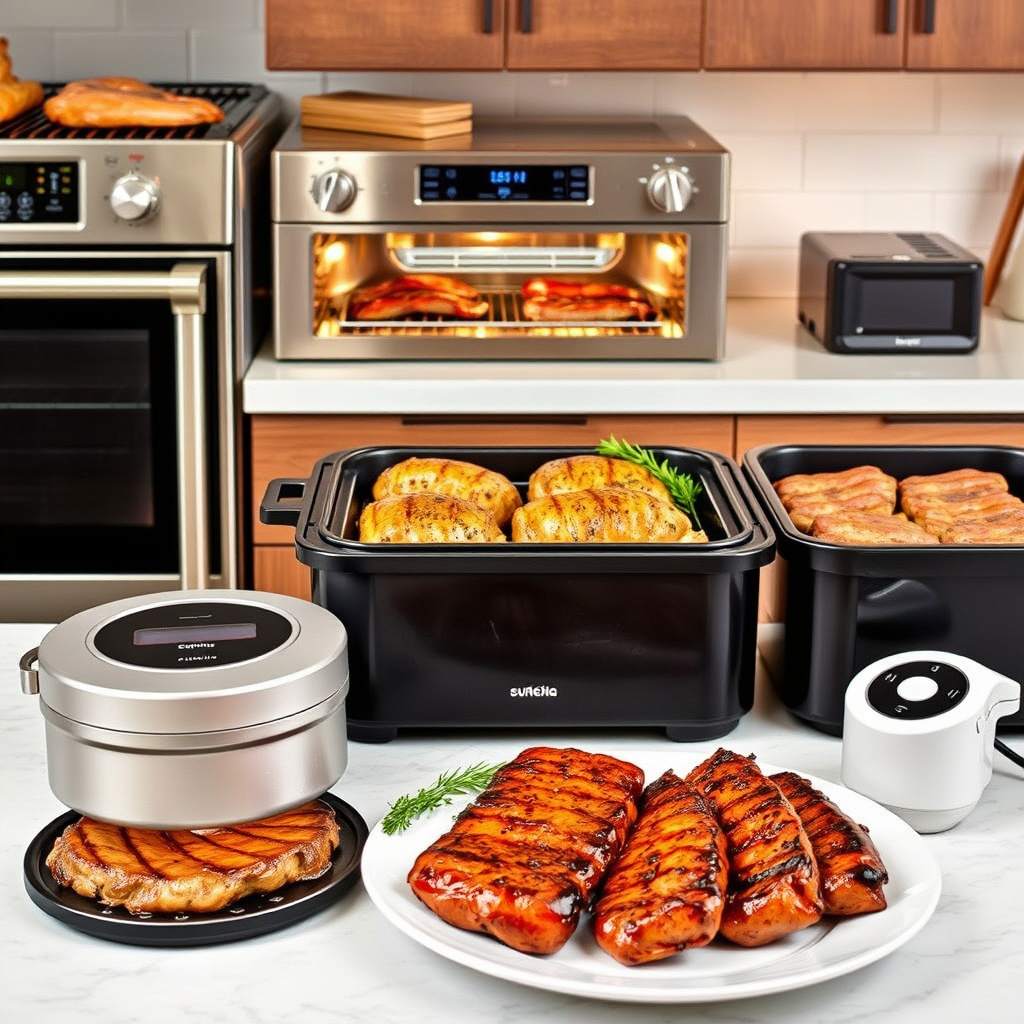
Grilled foods, especially thick cuts, experience carryover because the outside sears hot and the inside remains cooler, causing internal temperature rise after removal from the grill.
This calls for removing meat slightly early and allowing rest periods to avoid dryness from overcooking over direct heat.
For those interested in a technical overview, the carryover cooking explanation on Wikipedia provides detailed information. carryover cooking explanation on Wikipedia.
Carryover Cooking and Sous Vide
Sous vide cooking involves precise temperature control eliminating much of the carryover effect during the cook because food is held at target temperatures for long durations.
However, searing after sous vide can introduce short carryover cooking, requiring attention to timing and temperature control.
Comparing Carryover Cooking Effects by Food Type
This table highlights how carryover cooking varies between different meats and how it typically affects internal temperature rises.
| Food Type | Typical Carryover Temp Increase (°F) | Average Resting Time | Notes |
|---|---|---|---|
| Beef roast | 10-15 | 15-30 minutes | Large size, thick cuts retain heat longer |
| Pork roast | 8-12 | 10-20 minutes | Higher fat content affects heat retention |
| Chicken breast | 2-5 | 5-10 minutes | Smaller, leaner, cools faster |
| Fish fillet | 2-4 | 5 minutes | Delicate protein with little carryover |
| Steak (thick cut) | 5-10 | 10-15 minutes | Searing creates heat gradient for carryover |
Frequently Asked Questions
Why does carryover cooking happen?
Carryover cooking happens because residual heat inside food continues moving from hotter outer parts inward, raising internal temperature after removing from heat.
How can I tell when my meat is done considering carryover cooking?
Use a meat thermometer and remove the meat a few degrees before your target doneness, factoring in carryover cooking to reach final temperature while resting.
Does carryover cooking occur in all types of food?
All foods exhibit some carryover cooking, but it’s most noticeable in large, thick, or dense meats where heat retention is greater.
Can carryover cooking cause food to become unsafe?
No, carryover cooking happens within safe periods right after cooking; however, always ensure food reaches safe minimum temperatures before removing it.
What is the best way to rest meat to manage carryover cooking?
Rest the meat loosely covered with foil at room temperature, which helps temperature stabilization and juice redistribution, enhancing flavor and texture.
Key Takeaways
- Carryover cooking causes internal temperatures to rise after heat removal, affecting doneness.
- Larger, thicker cuts experience greater carryover than thin or delicate proteins.
- Monitoring temperature with a thermometer and resting meat are essential control methods.
- Adjusting cooking time by removing food early prevents overcooking due to carryover.
Conclusion
Understanding what carryover cooking is allows cooks to better judge when to remove food from heat for ideal doneness. By appreciating how heat continues to move inward after cooking, you can avoid overcooked or dry results and maintain a juicy, tender texture. This knowledge complements the cooking process by adding a critical timing step that many overlook yet makes a significant difference.
Different foods and cooking methods require tailored approaches to take advantage of carryover cooking. Large roasts such as beef or pork benefit from earlier removal and longer resting times, while smaller cuts like poultry or fish demand shorter rests and smaller temperature adjustments. Using an accurate meat thermometer and adjusting your usual cooking routine can yield more consistent and satisfying meals.
Next time you cook meat or similar dishes, plan your timing with carryover cooking in mind. Incorporate resting after the heat source is off and measure temperature carefully. This mindful approach turns a good meal into a perfectly cooked one. For more detail on the science and safety standards related to meat cooking, you can visit trusted sources like the USDA.