Cooking a steak to medium rare means achieving a warm, red center with an internal temperature around 130-135°F (54-57°C). The key is careful temperature control and timing so the steak stays juicy and tender without overcooking. Whether grilling, pan-searing, or broiling, the process focuses on high heat to form a crust while keeping the middle perfectly pink.
This matters because medium rare is the preferred doneness for many steak enthusiasts due to its tender texture and balance of flavor. Overcooking can dry out the meat, while undercooking may be less desirable for texture and food safety. Mastering medium rare opens the door to preparing restaurant-quality steaks at home.
This article covers the best methods for cooking steak to medium rare, including how to prepare, cook, and rest your steak to get consistent, delicious results. We’ll break down techniques for different cooking styles plus tips for choosing the right cut and checking doneness accurately.
Preparing Your Steak for Medium Rare Cooking
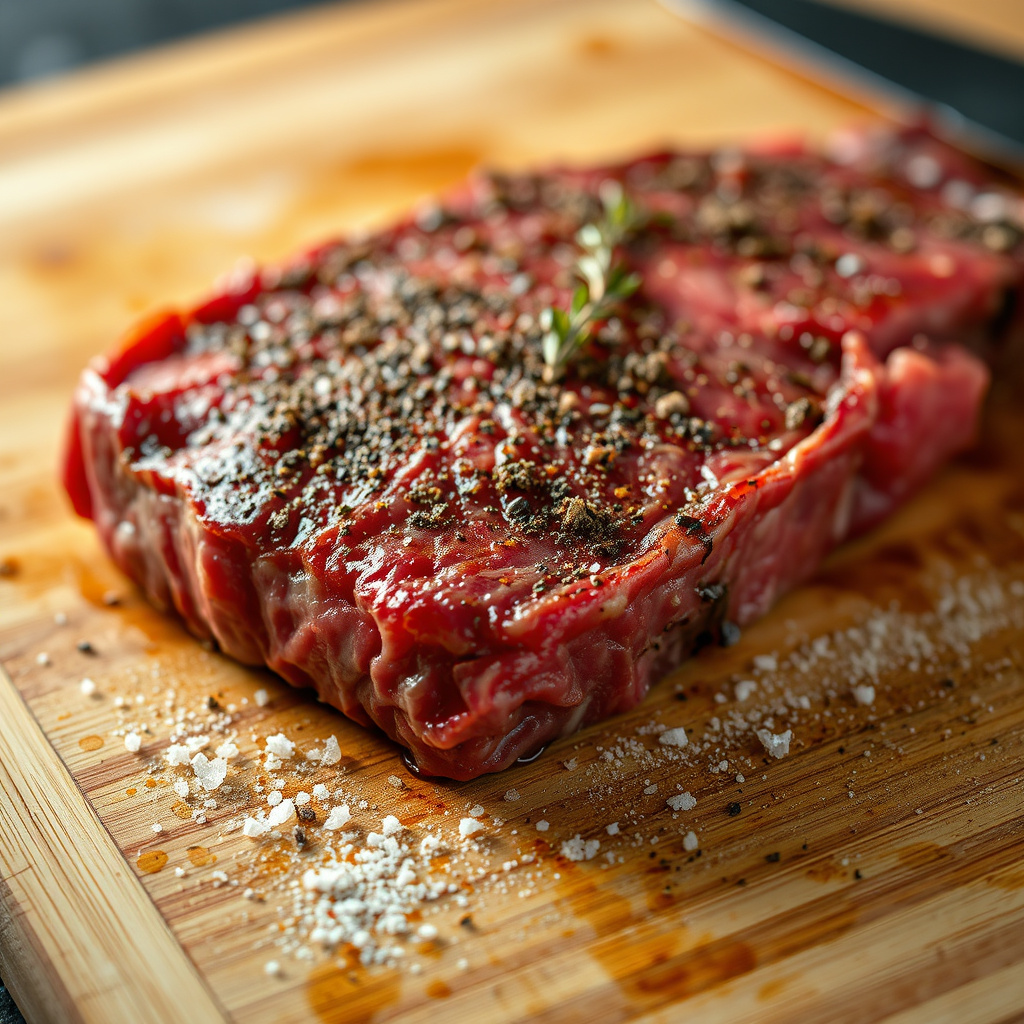
Selecting the Right Cut for Medium Rare
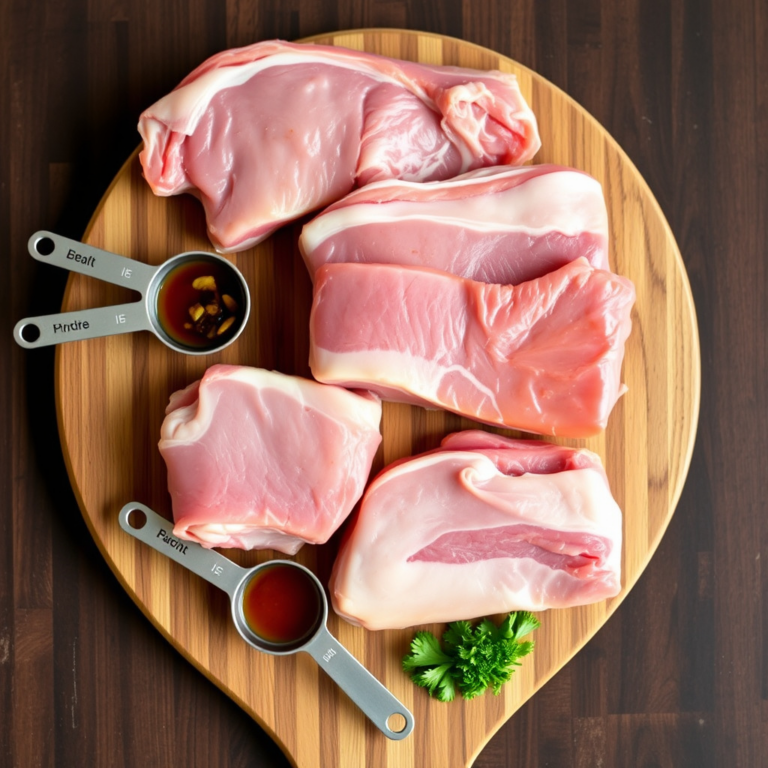
Certain cuts respond better to medium rare cooking due to their marbling and texture. Ribeye, strip steak, filet mignon, and sirloin are excellent choices because they remain juicy and tender when cooked to medium rare. Avoid very lean cuts like flank or round steak unless marinated, as they can become tough.
Look for steaks at least 1 to 1.5 inches thick to allow for an even cooking gradient from crust to center. Thinner steaks cook too quickly and make it harder to reach that ideal medium rare without overshooting the temperature on the edges.
- Ribeye: well-marbled, flavorful
- Strip steak: tender with good fat
- Filet mignon: extremely tender
- Sirloin: lean but flavorful
Seasoning and Tempering Before Cooking
Salt your steak generously at least 40 minutes before cooking or right before placing it on heat. Salt enhances flavor and helps develop a savory crust. Freshly ground black pepper adds spice but can burn if added too early.
Bring your steak to room temperature for 30-60 minutes before cooking. This step promotes more even cooking, preventing the outside from overcooking before the center warms up properly.
- Salt 40 minutes before or immediately before cooking
- Add pepper shortly before or after cooking
- Allow at least 30 minutes to reach room temperature
Cooking Techniques to Achieve Medium Rare Steak
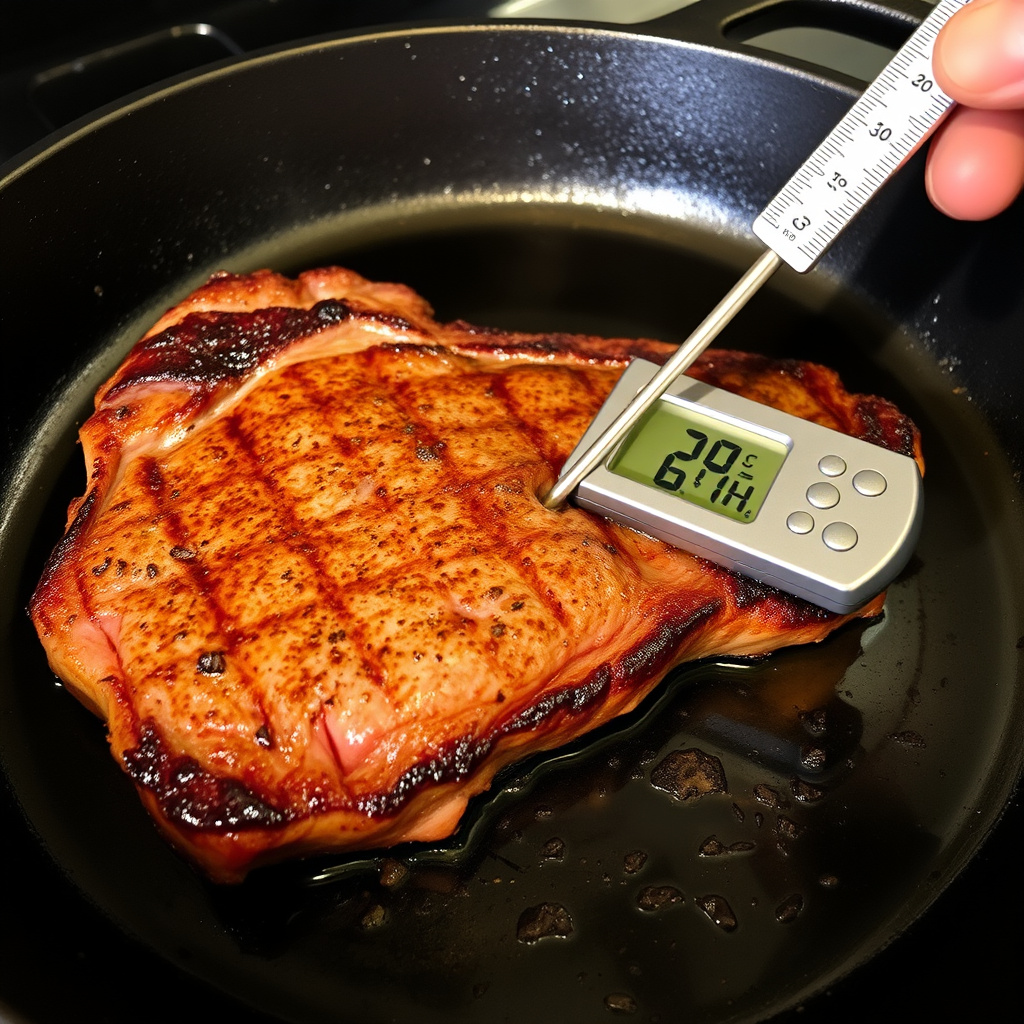
Pan-Searing Method for Medium Rare
Heat a heavy skillet, ideally cast iron, over high heat until very hot. Add a small amount of oil with a high smoke point like canola or grapeseed. Place the steak in the pan without moving it to develop a deep brown crust, typically 3-4 minutes per side for a 1-inch steak.
Use a meat thermometer to check internal temperature. Remove the steak from the pan at 130°F, then rest it for 5-10 minutes, during which the temperature will rise a few degrees due to carryover cooking.
- Preheat pan until smoking hot
- Cook 3-4 minutes per side for 1-inch steak
- Remove at 130°F internal temperature
- Rest steak for 5-10 minutes before cutting
For more on this, see our related guide: How to Know When Steak Is Done: Practical Tips for Perfect Cooking.
Grilling Your Steak to Medium Rare
Preheat your grill to high heat (450–500°F). Place the steak directly over the hottest section of the grill to sear for 3-4 minutes per side. If the steak is thicker than 1.5 inches, use indirect heat after searing to finish cooking gently to the medium rare internal temperature.
Allow the steak to rest after grilling to let juices redistribute. Tent it loosely with foil for about 5-10 minutes before slicing. Resting also lets the temperature rise to the final target of 135°F.
- Grill over direct high heat for searing
- Use indirect heat for thicker cuts
- Rest steak under foil for 5-10 minutes after cooking
Using Temperature Tools for Consistent Results
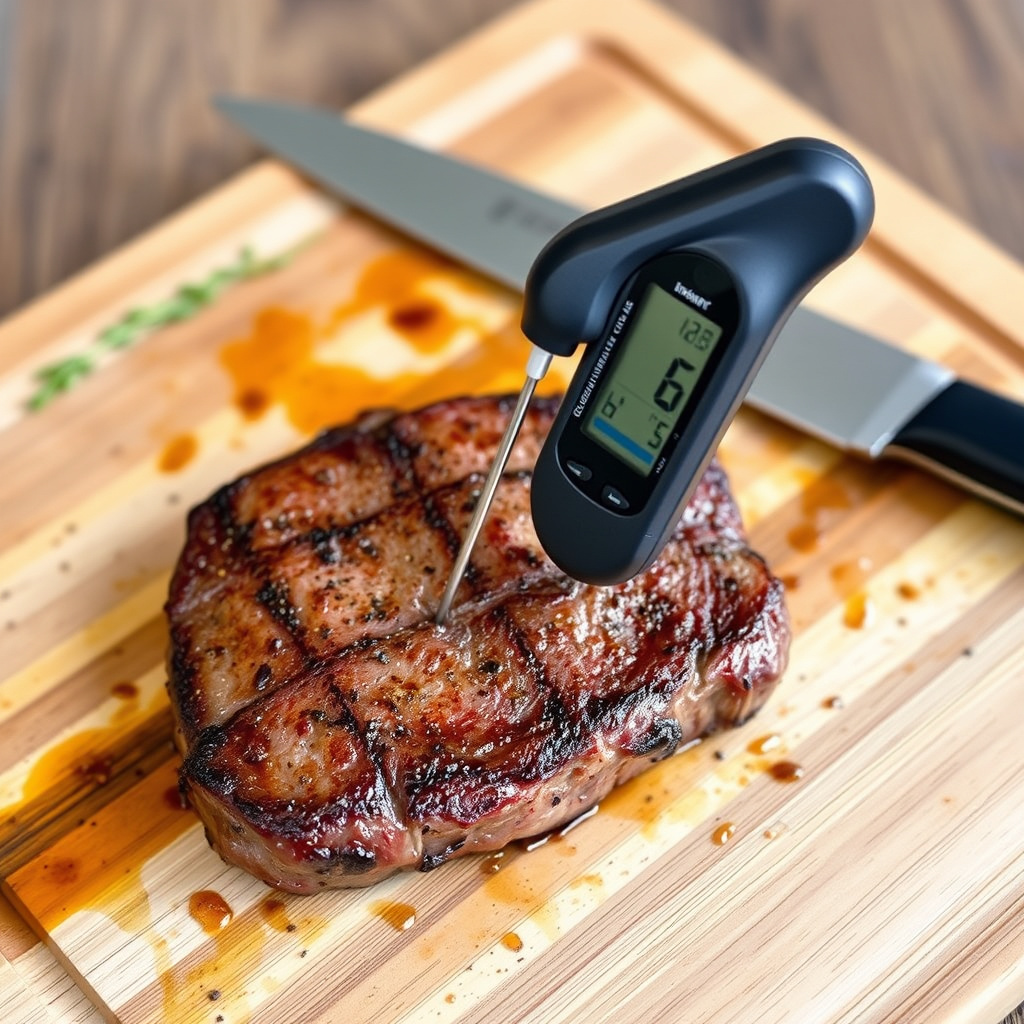
Instant-Read Thermometers Explained
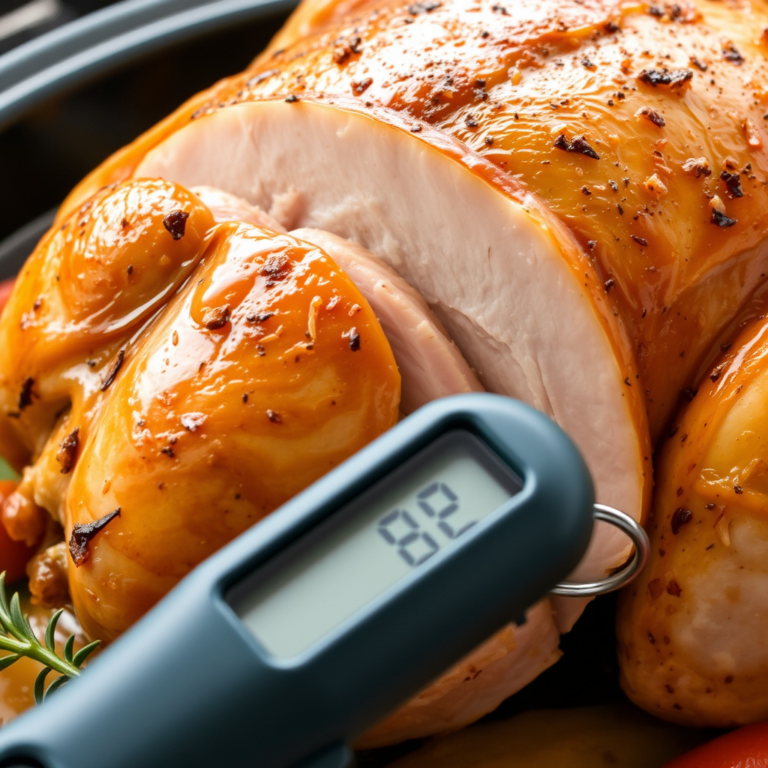
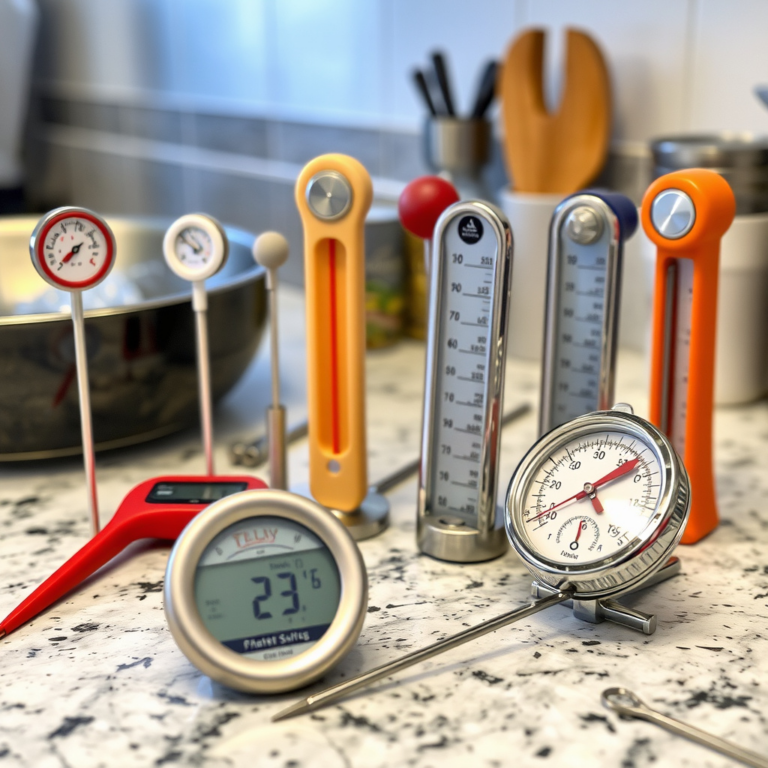
An instant-read digital thermometer provides the most accurate way to gauge steak doneness. Insert the probe into the thickest part of the steak, avoiding bone and fat, to get a quick internal temperature reading within seconds.
For medium rare, look for 130-135°F on the thermometer. Because steaks continue to cook after removal from heat, pulling it out slightly earlier around 125-130°F helps hit the target temperature perfectly after resting.
- Quick, accurate readings in under 10 seconds
- Insert probe into center or thickest part
- Pull steak earlier for carryover cooking
Alternative Techniques Without Thermometers
If you don’t have a thermometer, test doneness by touch or timing. The firmness of medium rare is often compared to the feel of pressing the flesh of your thumb where it joins the palm when making an "OK" sign.
Another method is timing based on thickness and heat level, but this requires practice and can vary with steak cut and individual stove or grill performance, making temperature tools preferable for accuracy.
- Touch test: compare firmness to thumb pad when making 'OK' sign
- Estimate timing: 3-5 minutes per side depending on thickness
Resting and Serving Medium Rare Steak
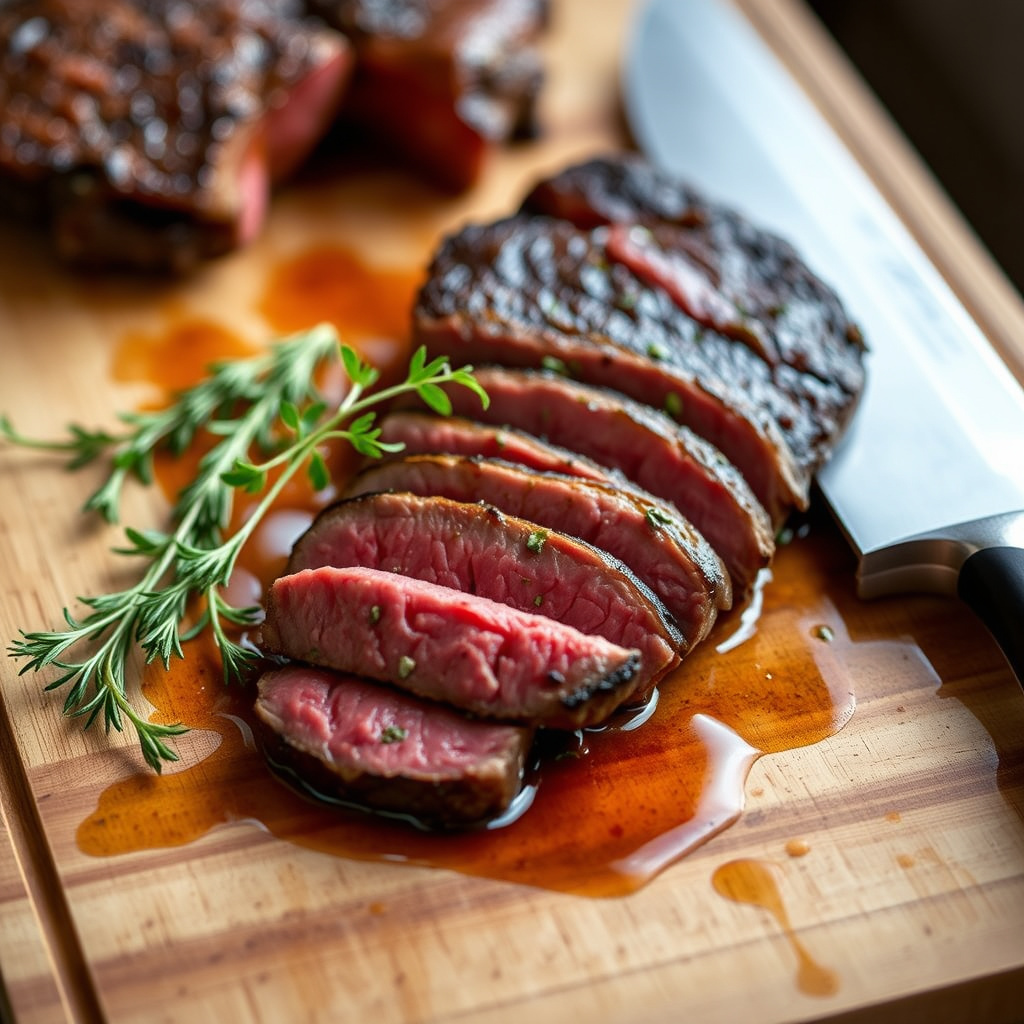
Why Resting Is Essential
Resting allows the muscle fibers to relax and reabsorb juices pushed toward the surface by cooking heat. Cutting into steak right away releases those flavorful juices onto the plate, resulting in a drier bite.
Plan to rest your steak for 5-10 minutes after cooking. Tent it loosely with foil to keep it warm without trapping steam, which could soften the crust rather than preserving the sear.
- Rest steak 5-10 minutes before slicing
- Tent loosely with foil to retain heat without steaming
For more on this, see our related guide: How to Get a Good Sear on Steak: Expert Tips for Perfect Crusts.
Carving and Serving Tips
Always slice steak against the grain to maximize tenderness. Identify the direction of muscle fibers first, then cut perpendicular to them. Serving with simple sides or compound butters enhances the steak’s natural flavor.
Warm plates prevent quick cooling, so preheat serving dishes. Garnish with herbs or a light seasoning sprinkle for added visual appeal and subtle layers of flavor.
- Cut against the grain for tenderness
- Serve on warm plates with simple garnishes
Common Mistakes When Cooking Medium Rare Steak
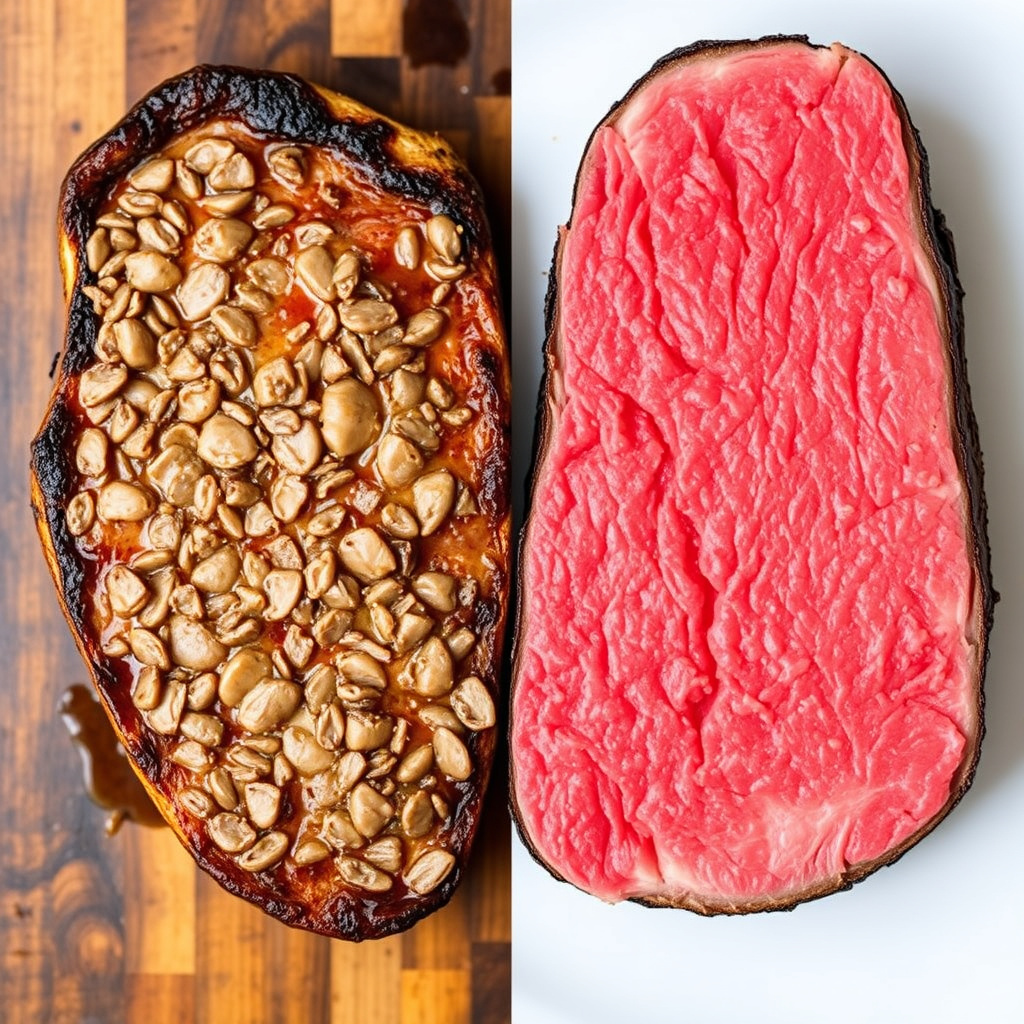
Overcooking and How to Avoid It
Overcooking dries out the steak and diminishes tenderness. This often happens if the heat is too low, causing long cooking times, or if the steak remains on the heat too long without monitoring temperature.
Use of a thermometer prevents guesswork, and pulling the steak off the heat slightly before the target temperature accounts for carryover cooking. Avoid repeatedly flipping the steak to maintain a good sear.
- Avoid low heats causing long cook times
- Monitor temperature carefully
- Limit flips to develop crust
For more detailed definitions of steak doneness levels, the Wikipedia page offers a clear guide on medium rare cooking. medium rare steak information.
Skipping the Rest Period
Cutting into steak immediately after cooking releases juices and leads to a dry texture. Resting redistributes juices evenly, improving flavor and moisture.
Even a short rest period alters steak quality noticeably, so don’t rush this step. Rest time depends on steak size but generally 5-10 minutes works well.
- Rest to preserve juices
- Adjust rest time based on steak thickness
Steak Cooking Methods Comparison
Here is a comparison of common steak cooking techniques based on ease, flavor development, and temperature control.
| Method | Ease of Use | Flavor & Crust | Temperature Control | Recommended Thickness |
|---|---|---|---|---|
| Pan-Searing | Moderate | Excellent crust | High precision | 1-1.5 inches |
| Grilling | Moderate | Distinct smoky flavor | Good with practice | 1-1.5+ inches |
| Broiling | Easy | Good crust but uneven | Less precise | 1 inch or thinner |
| Sous Vide + Sear | More complex | Very even doneness | Very precise | 1-2 inches |
| Cast Iron + Oven Finish | Moderate | Excellent even cook | Very good | 1.5+ inches |
Frequently Asked Questions
What internal temperature is medium rare for steak?
Medium rare steak has an internal temperature between 130 and 135°F (54-57°C) measured with an instant-read thermometer at the thickest part.
How long should I rest a steak after cooking?
Rest a steak for 5 to 10 minutes loosely covered with foil to allow juices to redistribute, which improves flavor and juiciness.
Can I cook a steak medium rare without a thermometer?
Yes, you can use the touch test by feeling the firmness of the steak or follow timing guidelines, but using a thermometer is the most reliable method.
Why does my steak turn grey instead of pink inside?
A grey interior usually means the steak is overcooked or cooked too slowly at low heat, causing the denaturation of myoglobin responsible for the pink color.
Is it safe to eat steak medium rare?
Eating steak medium rare is generally safe if the steak is fresh, properly handled, and cooked to at least 130°F internal temperature to kill surface bacteria.
Key Takeaways
- Medium rare steak has an internal temperature of 130-135°F.
- Select thicker, well-marbled cuts like ribeye or strip steak.
- Use a meat thermometer for accurate doneness control.
- Rest steak 5-10 minutes before slicing to retain juices.
Conclusion
Achieving a perfectly cooked medium rare steak requires understanding the right temperature and timing to create a juicy, tender interior with a savory crust. The best method depends on your equipment and preferences, but key factors include selecting the proper cut, seasoning well, cooking over high heat, and using a reliable way to check internal temperature. Attention to resting time is also essential to lock in the flavorful juices and maximize tenderness.
For straightforward home cooking, pan-searing thick-cut ribeye or strip steaks with an instant-read thermometer is a dependable way to get medium rare results. Grilling adds a smoky complexity and works well for thicker steaks if you manage searing and indirect heat zones carefully. For more precision, sous vide cooking followed by a quick sear ensures consistent medium rare doneness from edge to center, especially in thicker cuts. Each technique offers unique benefits catering to different skill levels and kitchen setups.
If you’re new to steak cooking or looking to perfect your medium rare skills, start with a 1 to 1.5-inch ribeye or strip steak, bring it to room temperature, season simply with salt, and pan-sear while monitoring temperature with a good thermometer. Rest it well before slicing. This process gives the reliable, delicious results that home cooks appreciate. Experiment gradually and refine your approach step-by-step to master the art of medium rare steak.