The internal temperature for steak varies depending on how you like it cooked, ranging from about 125°F for rare to 160°F for well-done. Using a reliable meat thermometer ensures you hit the exact temperature needed to achieve your preferred steak doneness.
Getting the internal temperature right matters for both flavor and food safety. Undercooked steak can be tough or risky to eat, while overcooked steak loses juiciness and tenderness. Checking the internal temperature helps balance taste with safety.
This article will cover the safe internal temperature for cooking steak, different doneness levels and their corresponding temps, how to measure accurately, and tips for resting and serving to maximize flavor.
Understanding Steak Doneness Levels and Their Internal Temperatures
What Is Considered Rare to Well-Done?
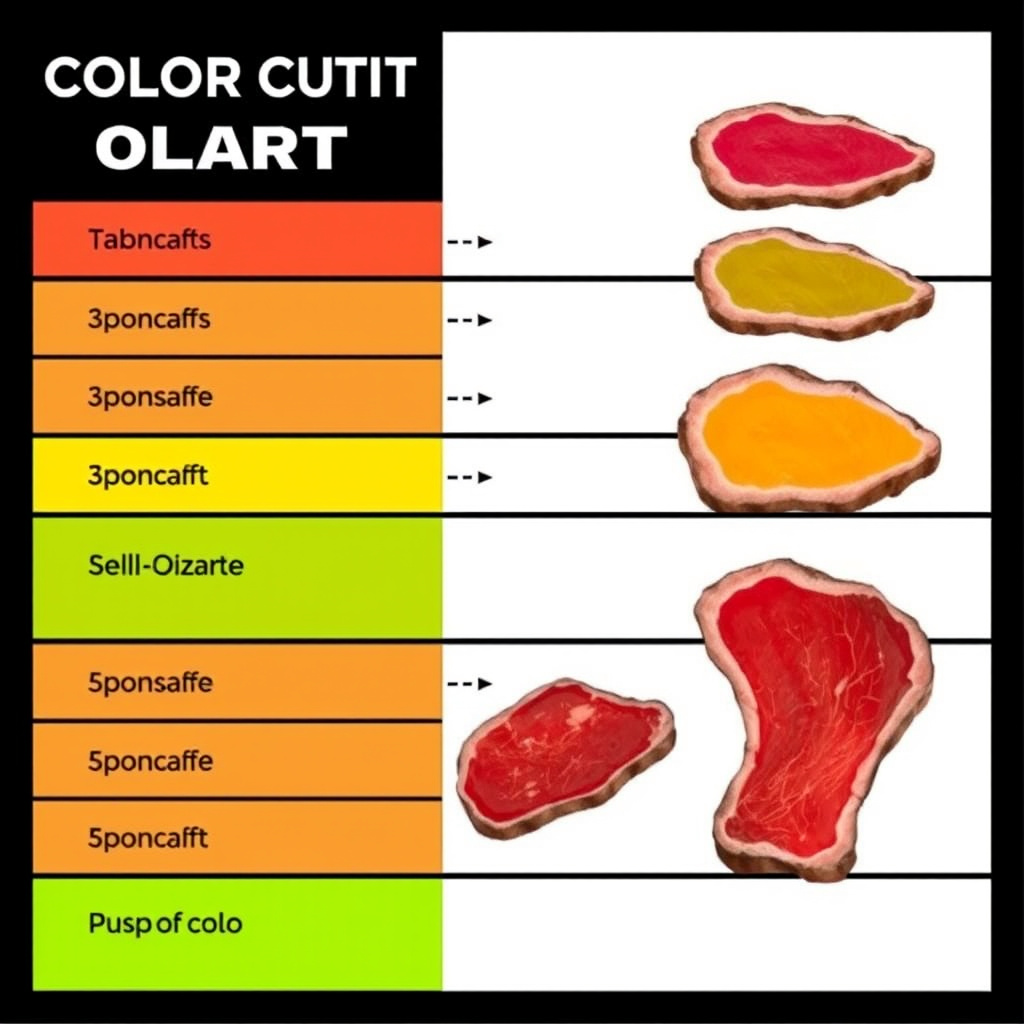
Steak doneness is judged by its internal temperature and how cooked it feels inside. Rare steak is warm but still red inside with an internal temperature around 125°F. Medium rare, the most popular doneness, is about 135°F and features a warm, pink center.
Medium steak reaches about 145°F with a mostly pink center and firmer texture. Medium well is about 150-155°F, showing very little pink. Well-done steak is cooked thoroughly at 160°F and above, with no pink and a much firmer bite.
Why Internal Temperature Matters More Than Time
Cooking steak by internal temperature is more reliable because steak thickness and heat vary widely. Relying on cooking time alone can lead to uncertainty over doneness, especially when grilling or pan-searing.
Monitoring internal temperature with a probe lets you avoid overcooking or undercooking. It also helps maintain consistent results with any cut, from tender filet mignon to more robust ribeye.
How to Use a Meat Thermometer to Check Steak Internal Temperature
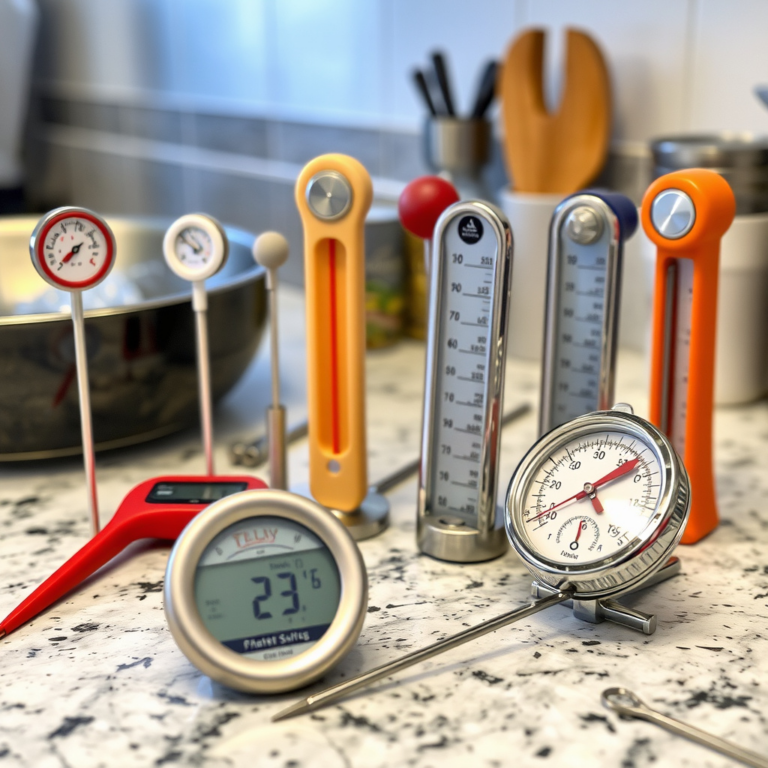
Choosing the Right Thermometer Type
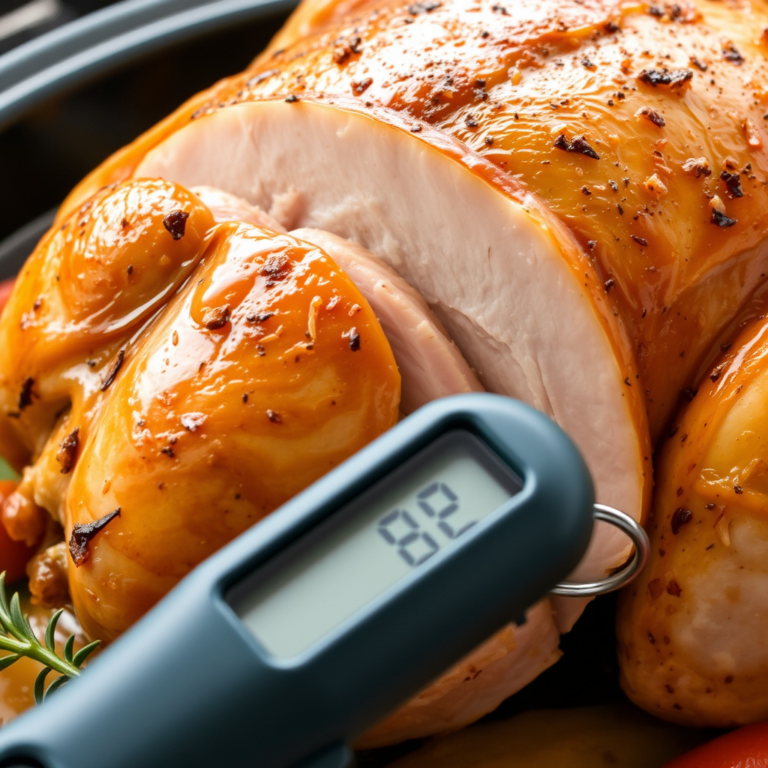
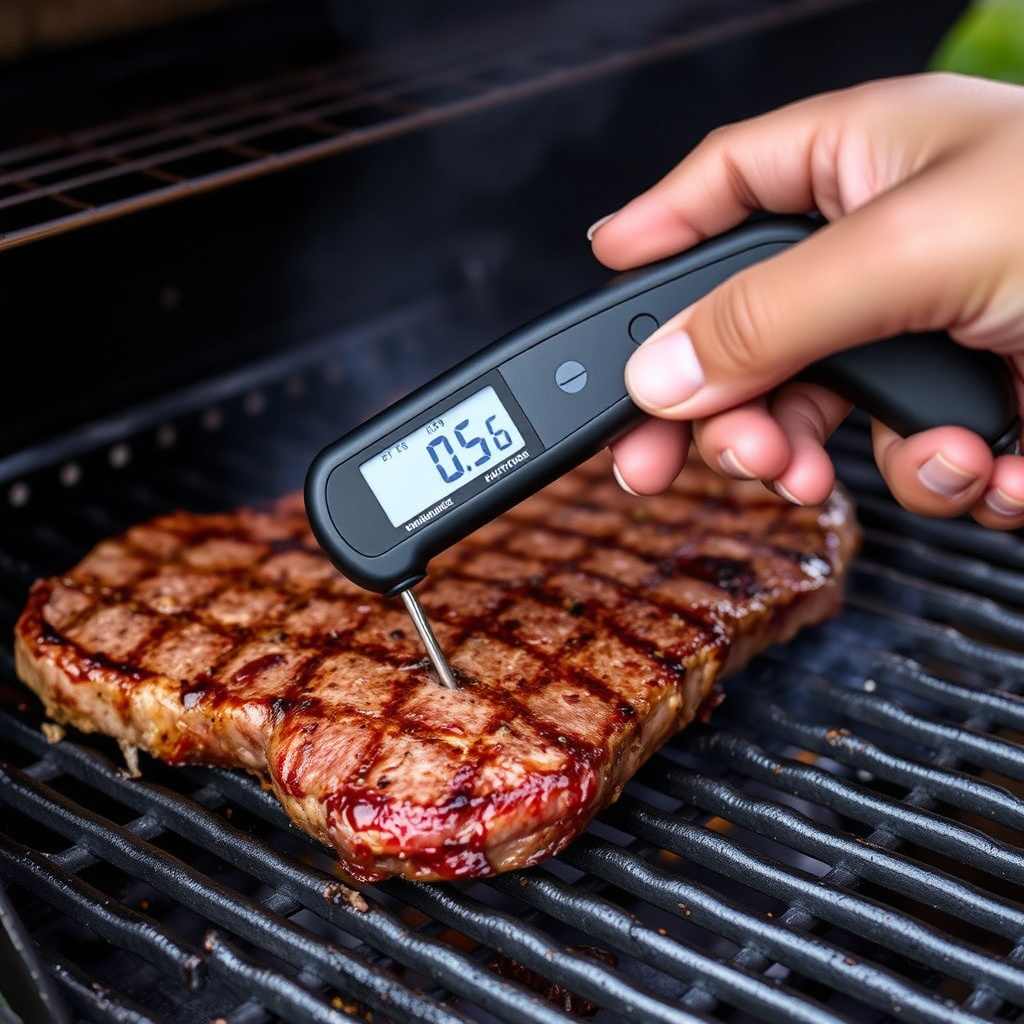
Instant-read digital thermometers are recommended for steak as they provide quick, accurate readings within seconds. They are easy to use and portable for grilling outdoors or cooking indoors.
Probe thermometers with alarm functionality allow continuous monitoring of steak temperature. Wireless Bluetooth probes offer convenience for multitasking but come at a higher cost.
- Instant-read digital thermometers
- Probe thermometers with alarms
- Wireless Bluetooth meat probes
How to Properly Insert the Thermometer
Insert the thermometer into the thickest part of the steak, avoiding bones or fat pockets as they affect temperature readings. For thinner cuts, insert from the side to get the center temperature without pushing all the way through.
Wait until the thermometer stabilizes before reading. Avoid touching the pan or grill surface to prevent falsely high readings. Pull the steak off heat a few degrees before your target temp for resting carryover.
Resting Steak: Final Internal Temperature and Carryover Cooking
Why Resting Is Important for Temperature Accuracy
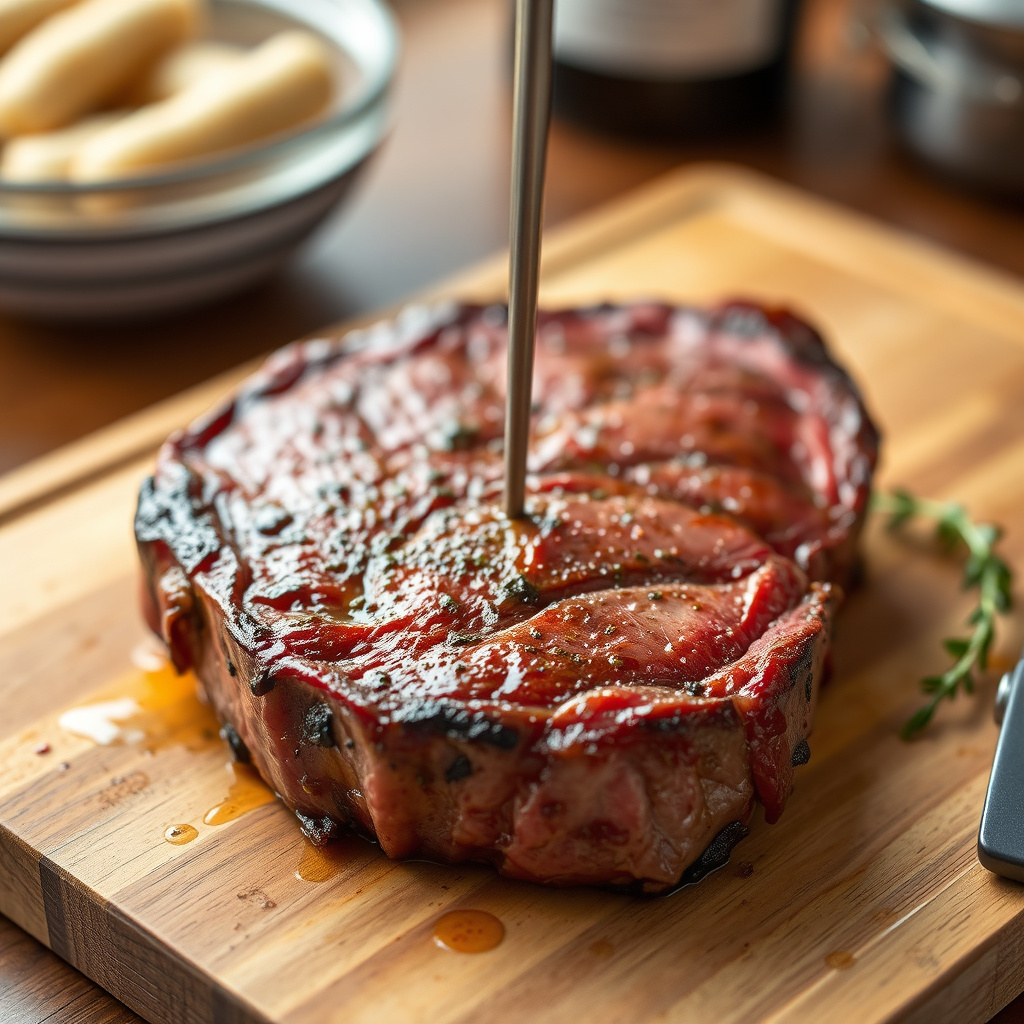
Resting steak allows heat to redistribute evenly throughout the meat, increasing internal temperature by about 5°F after removal from heat. This carryover cooking finishes the steak without overcooking the exterior.
Skipping resting results in more juices running out upon cutting, causing a drier steak with uneven temperature. Rest for 5-10 minutes loosely tented with foil for the best results.
- Prevents juice loss
- Equalizes internal temperature
- Completes cooking gently
For more on this, see our related guide: How to Cook Steak to Medium Rare Perfectly Every Time.
Adjusting Target Temperature for Resting
Because steak continues cooking as it rests, remove it from heat about 5°F before your desired final internal temperature. For example, pull a medium rare steak at 130°F to rest and reach 135°F.
This technique ensures precise doneness rather than guessing when to stop cooking. It works universally whether you use a grill, oven, or stovetop.
Safe Internal Temperature Guidelines for Steak and Food Safety
USDA Recommendations for Steak Temperature
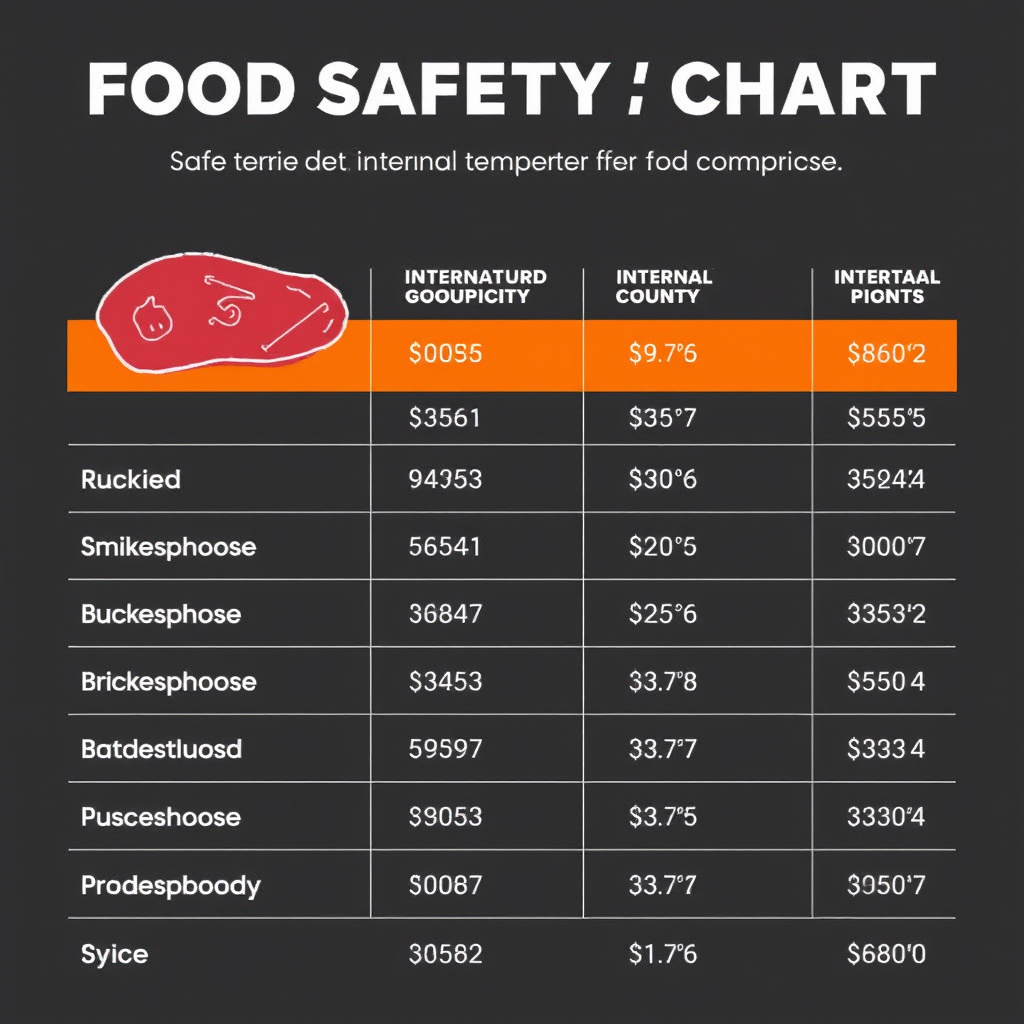
The USDA recommends cooking whole cuts of beef, like steak, to a minimum internal temperature of 145°F followed by a three-minute rest to eliminate harmful bacteria. This temperature corresponds to medium doneness.
Steak cooked to lower temperatures such as rare or medium rare carries a slightly higher risk but is popular among many consumers. Using quality, fresh meat and proper handling reduces this risk.
Safe Practices When Cooking and Handling Steak
Always wash hands and surfaces after handling raw steak to prevent cross-contamination. Use separate utensils for raw and cooked meat to avoid bacterial transfer.
Use a clean thermometer probe each time you test steak temperature. Avoid partial cooking or holding meat too long at unsafe temperatures to minimize bacteria growth.
- Wash hands and surfaces
- Use separate utensils for raw and cooked meat
- Clean thermometer probe regularly
- Avoid prolonged holding at unsafe temps
Selecting the Right Cut for Perfect Temperature Control
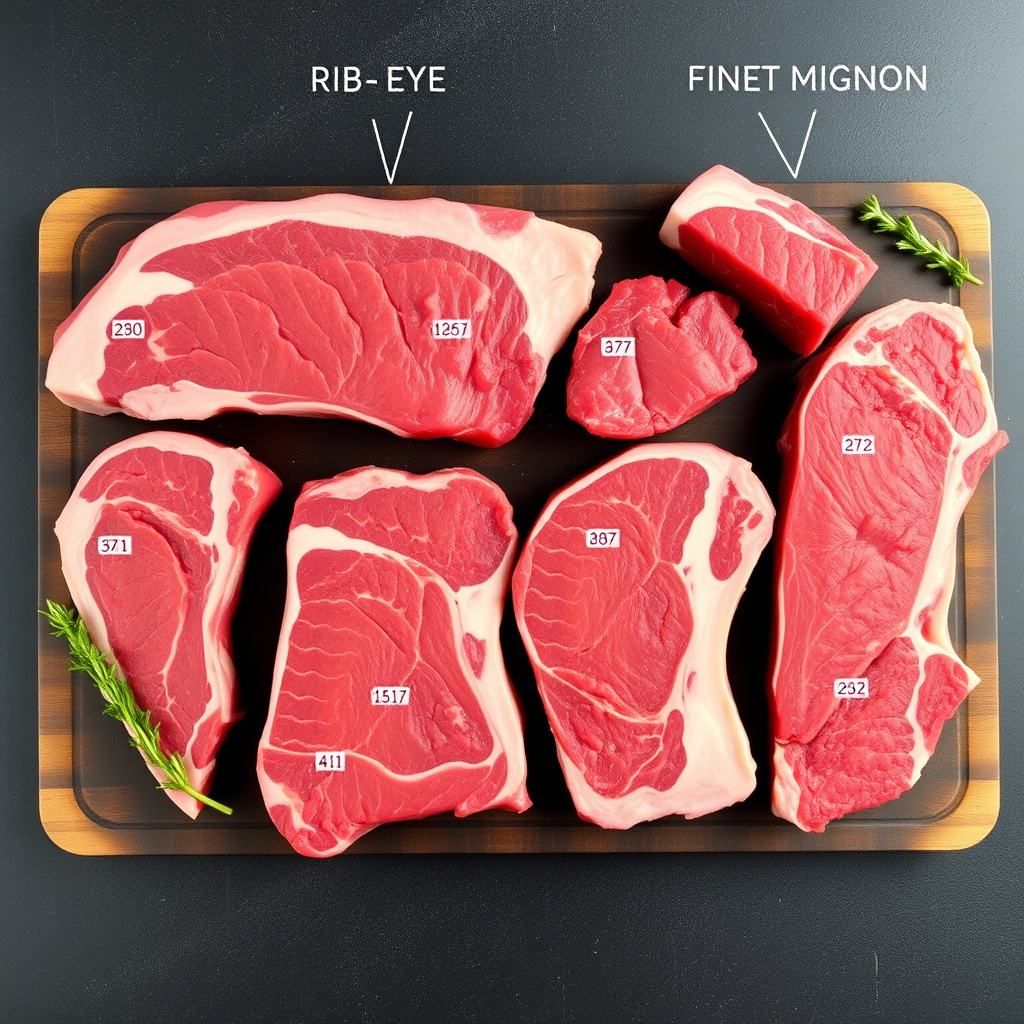
Differences in Cooking Temperature by Cut
Tender cuts like filet mignon cook evenly and are forgiving of a narrow temperature range, while tougher cuts like flank steak require precise temperature control and sometimes marinating or slow cooking.
Ribeye and strip steaks contain more marbling fat which affects cooking speed and internal heat retention, often allowing a more even doneness throughout the steak.
For more on this, see our related guide: How to Know When Steak Is Done: Practical Tips for Perfect Cooking.
How Steak Thickness Impacts Internal Temperature Timing
Thicker steaks require longer cooking times to reach target internal temperatures without burning the exterior. Thin steaks can easily overcook, so quick cooking and temperature checks are key.
Accurately measuring internal temperature becomes more critical with thick cuts to avoid raw centers or overly browned outsides.
Using the Steak Doneness Temperature Guide for Consistent Results
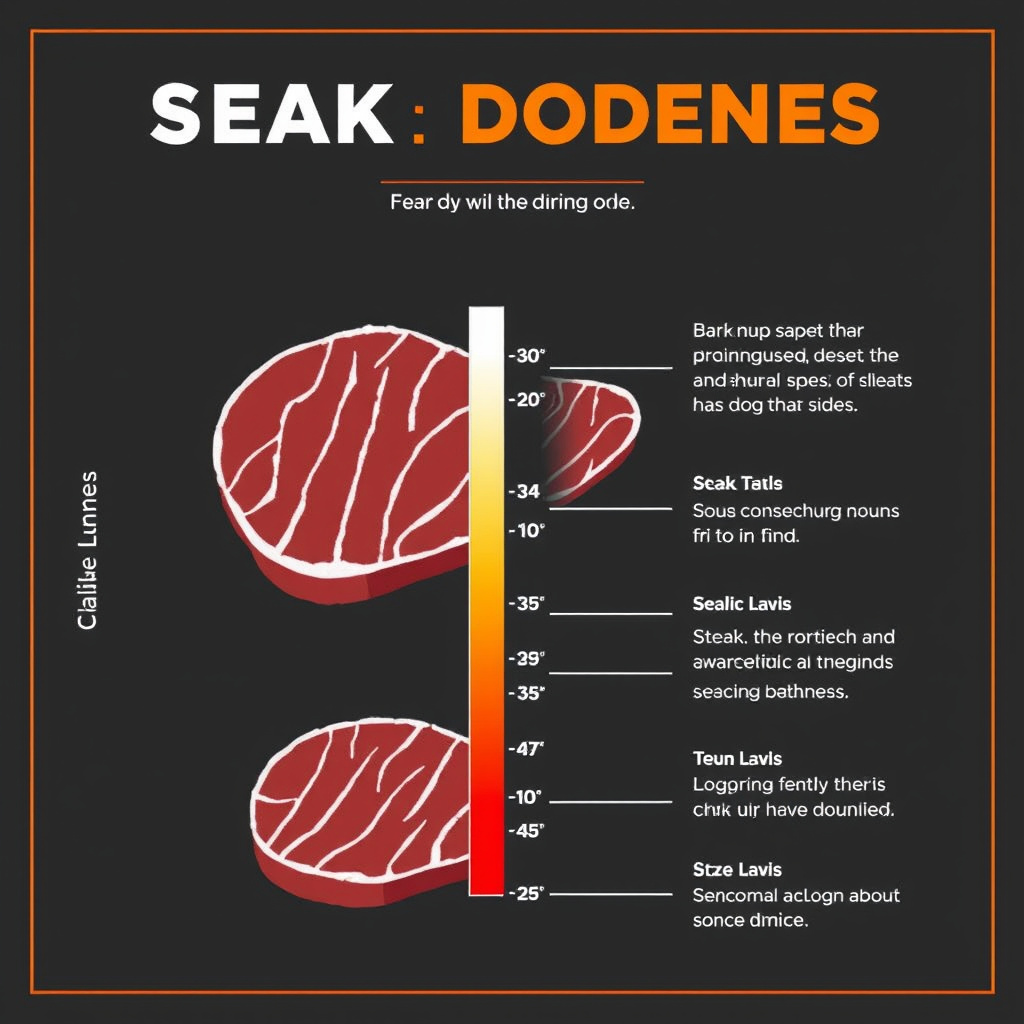
How to Use the Guide for Various Cooking Methods
This steak doneness temperature guide helps you adjust heat and timing for grilling, pan-searing, sous vide, or broiling. For sous vide, precise internal temperature control guarantees consistent doneness throughout the steak.
Grilling or pan-searing relies more on reading the temperature during or after cooking to judge when to pull the steak. Combining methods, like searing after sous vide, also depends on internal temp checks.
For detailed safe cooking temperatures and guidelines, see the USDA’s official steak cooking temperatures chart. Steak cooking temperatures – USDA.
Common Mistakes to Avoid When Cooking Steak by Temperature
Avoid opening the grill or oven repeatedly, which cools the surface and extends cooking time. Don’t rely on touch or time alone, as these can be inaccurate without a thermometer.
Using an inaccurate thermometer or checking temperature only near the surface may mislead you. Insert the probe correctly and verify calibration regularly for best results.
Steak Doneness Levels Comparison
This table compares popular steak doneness levels with their internal temperatures, color, and texture characteristics.
| Doneness Level | Internal Temperature (°F) | Color Inside | Texture |
|---|---|---|---|
| Rare | 120-130 | Bright red, cool center | Very soft, tender |
| Medium Rare | 130-135 | Warm red center | Soft and juicy |
| Medium | 135-145 | Pink center | Firm yet tender |
| Medium Well | 145-155 | Slight pink center | Firm and less juicy |
| Well Done | 155-160+ | Brown throughout | Very firm, dry |
Frequently Asked Questions
What is the best internal temperature for medium rare steak?
Medium rare steak is best cooked to an internal temperature around 130-135°F, which provides a warm red center with juicy and tender texture.
Can I cook steak rare and still be safe to eat?
Cooking steak rare at 120-130°F is generally safe for whole cuts if high-quality meat is used and handled properly. The exterior is seared, killing surface bacteria, but ground beef should not be eaten rare.
How do I measure internal temperature without cutting the steak?
Use an instant-read meat thermometer inserted into the thickest part of the steak to get an accurate internal temperature without cutting or piercing multiple times.
Does steak continue cooking after I remove it from heat?
Yes, carryover cooking raises the internal temperature by about 5°F during resting, so you should remove steak a few degrees below your target temperature.
What happens if I cook steak above 160°F?
Cooking steak above 160°F results in a well-done finish, which tends to be firm, dry, and less flavorful due to loss of moisture and breakdown of collagen.
Key Takeaways
- Internal temperature for steak depends on desired doneness, from 125°F (rare) to 160°F (well-done).
- Use a digital meat thermometer to check the thickest part accurately and avoid guesswork.
- Rest steak after cooking to allow carryover cooking and retain juices.
- Follow USDA guidelines for safety, cooking to at least 145°F with a rest.
Conclusion
The internal temperature for steak is the most reliable indicator of doneness and quality. By focusing on exact temperature rather than cooking time or touch alone, you achieve consistent results that suit your taste. Understanding the temperature ranges for rare through well-done allows control over texture, juiciness, and safety all in one.
Depending on the cut and thickness of your steak, cooking methods will vary, but holding target internal temperatures within recommended ranges is key. For tender cuts like filet mignon, reaching medium rare at 135°F maximizes flavor and texture, while thicker ribeyes may tolerate medium well without drying. Always rest the steak after removing it from heat to allow the temperature to stabilize and juices to redistribute.
Start by gathering a quality instant-read thermometer and practice measuring steaks precisely throughout the cooking process. Try the recommended doneness temperatures and adjust based on your preference. With just a bit of attention to the internal temperature for steak, you’ll consistently enjoy perfectly cooked, delicious steak every time.