The internal temperature for brisket is typically between 195°F and 205°F to reach that tender, juicy finish that barbecue enthusiasts crave. Cooking within this range allows the collagen in the meat to break down fully, making the brisket soft without drying it out.
Knowing the correct internal temperature matters because brisket is a tough cut of meat that requires slow cooking to transform into a flavorful, melt-in-your-mouth delicacy. Undercooking can leave it chewy, while overcooking risks dryness. Having a temperature guideline helps home cooks and pitmasters alike get consistent results.
This article will cover how to measure brisket temperature accurately, what temperature ranges mean for texture, factors that affect cooking times, and tips for resting and serving. Whether you’re smoking, roasting, or braising brisket, understanding internal temperature is key to success.
Understanding the Ideal Internal Temp for Brisket
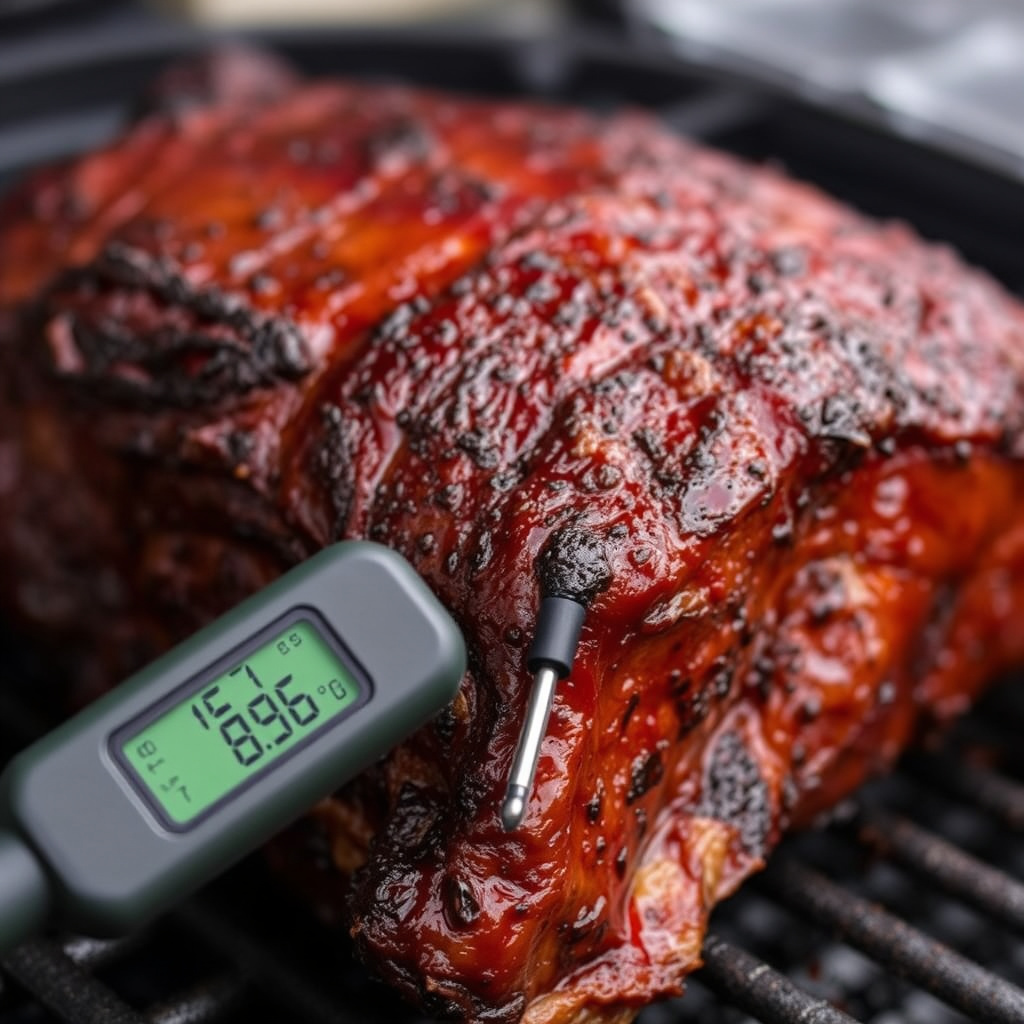
Why 195-205°F is the Sweet Spot
Brisket contains a lot of connective tissue that melts into gelatin only after prolonged cooking at certain temperatures. Between 195°F and 205°F, that breakdown reaches its peak, resulting in tender meat that pulls apart easily.
Temperatures below 195°F usually leave the brisket somewhat tough, while exceeding 205°F may dry out the meat unless you maintain moisture carefully.
Effects of Internal Temperature on Texture
At around 190°F, brisket begins to become tender but can still be stringy. When the internal temp reaches 200°F or slightly higher, it hits peak tenderness and juiciness.
Overcooking past 210°F can cause the meat fibers to contract excessively, squeezing out moisture, which results in drier brisket. To balance tenderness and juiciness, sticking within the ideal temperature range is best.
Measuring Brisket Internal Temperature Accurately
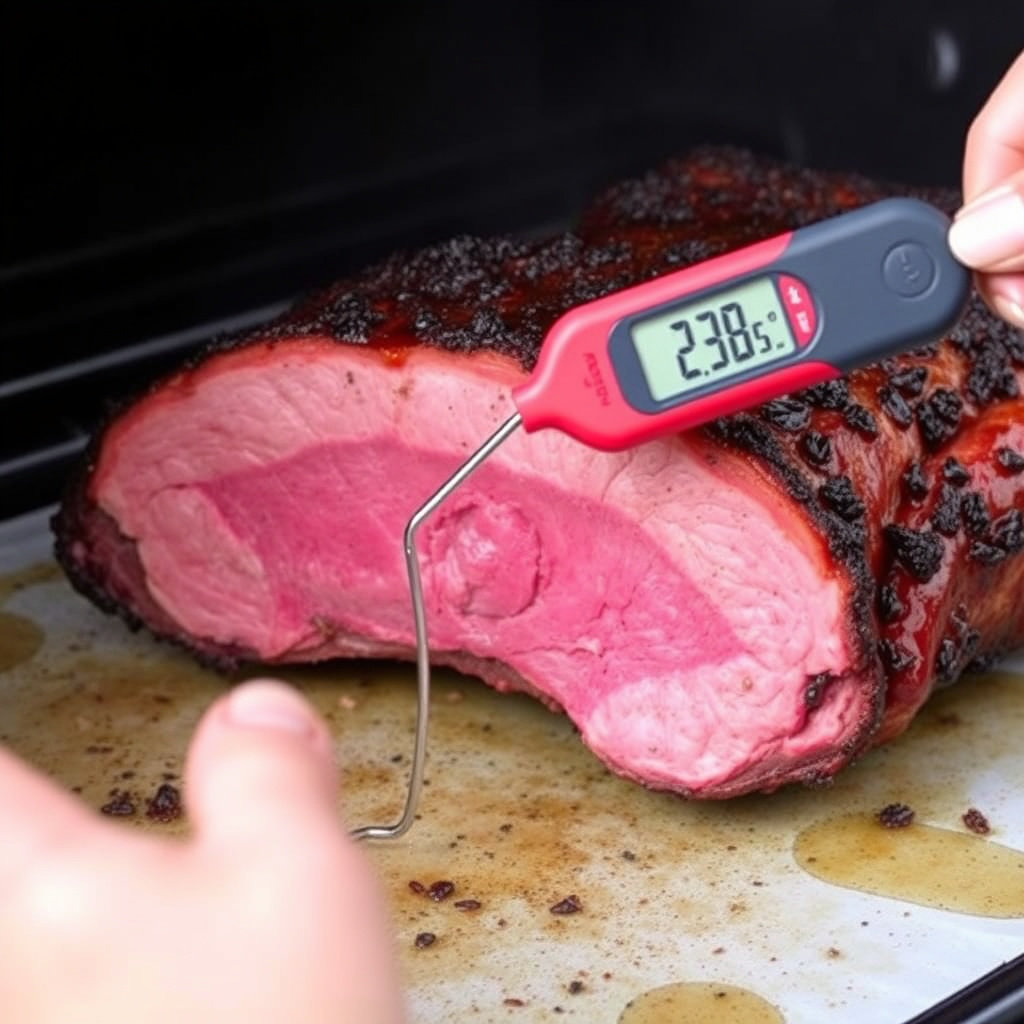
Choosing the Right Thermometer
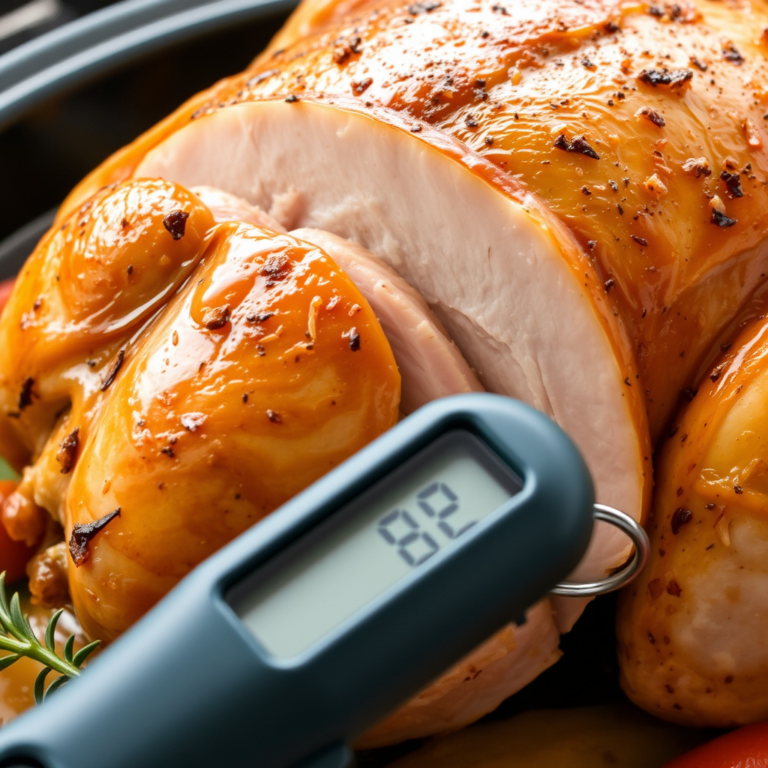
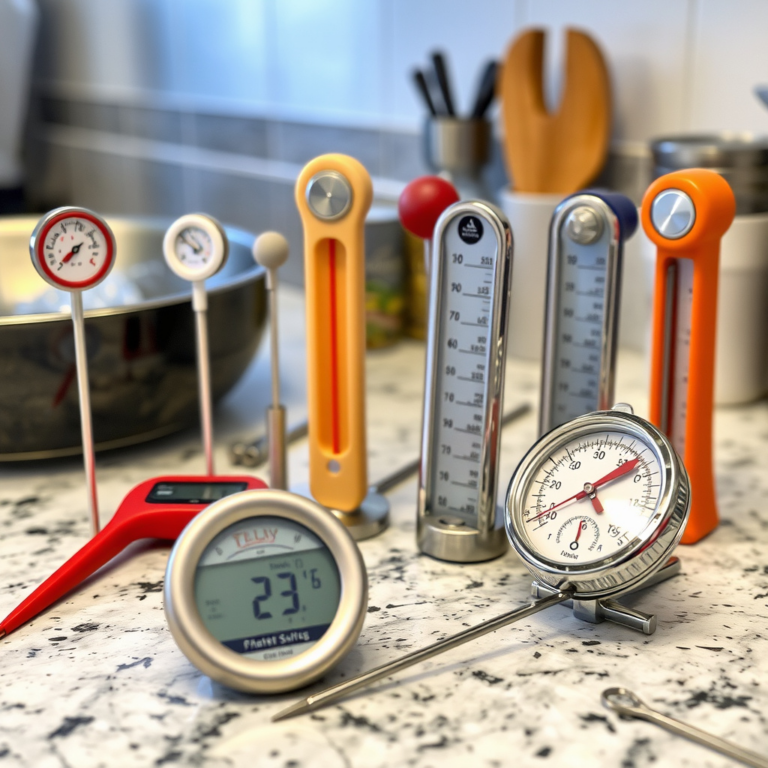
A probe thermometer designed for meat is the best choice to check brisket temperature. Wireless or instant-read thermometers provide quick, reliable readings to prevent frequent opening of the smoker.
Avoid analog thermometers or using oven probes, as they may give delayed or less precise readings, potentially ruining an expensive brisket.
- Wireless Bluetooth meat thermometers
- Instant-read digital thermometers
- Leave-in probe thermometers for longer cooks
Where to Take Temperature in Brisket
Insert the thermometer probe into the thickest part of the brisket’s flat muscle to get an accurate internal temperature. Avoid touching fat or bone, which can distort results.
Check temperature in multiple spots if possible, as brisket thickness varies. Record the highest temperature reading to decide when to remove it from heat.
Factors Affecting Brisket Cooking Time and Temperature
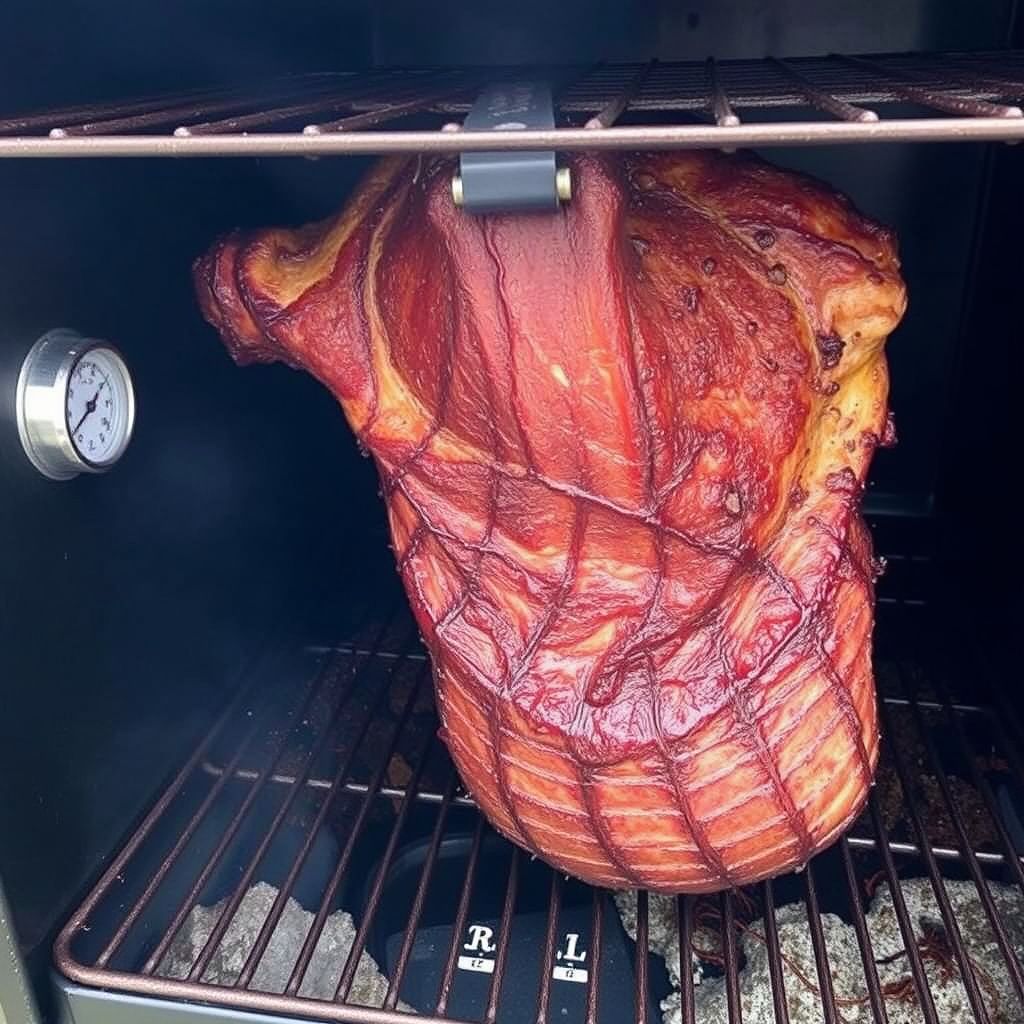
Size and Thickness of the Brisket
Larger or thicker briskets take longer to reach the right internal temp. A 10-pound brisket could take 10-14 hours at 225°F, while a smaller one cooks faster. Size impacts heat penetration and timing.
Trimming excess fat changes cooking time too; more fat can insulate brisket, slowing how quickly it heats internally.
For more on this, see our related guide: How to Cook Brisket in the Oven for Tender, Flavorful Results.
Cooking Temperature and Environment
Lower smoker temperatures extend cook time but allow more smoke flavor development. Higher temps speed cooking but risk drying out brisket if not monitored carefully.
Ambient weather, wind, and humidity also affect smoker stability, which can impact how brisket heats internally and overall cooking duration.
Using the Internal Temp for Brisket to Judge Doneness
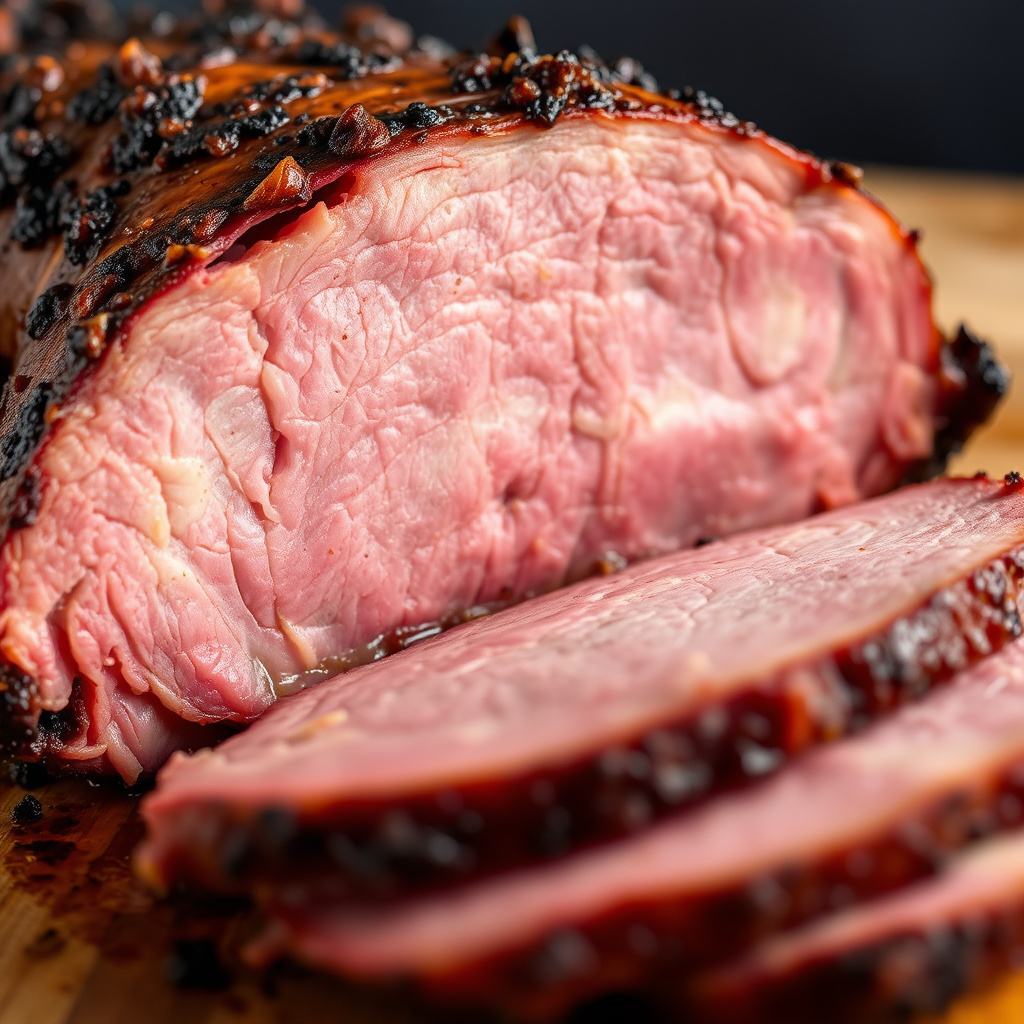
Doneness Beyond Temperature: The Probe Test
Besides temperature, gently probing brisket with a toothpick or skewer helps judge tenderness. A fully done brisket feels like butter, sliding in with little resistance at 195-205°F.
If the internal temp is reached but the probe still meets tough resistance, continue cooking and test again after 15-30 minutes.
The Resting Phase’s Impact on Final Temperature
After removing brisket from heat at the target temp, resting for 30-60 minutes lets internal heat redistribute, often raising the internal temperature by a few degrees.
This rest also helps juices redistribute, creating moist, flavorful brisket that slices easily and doesn’t dry out.
Tips for Maintaining the Best Brisket Texture and Flavor
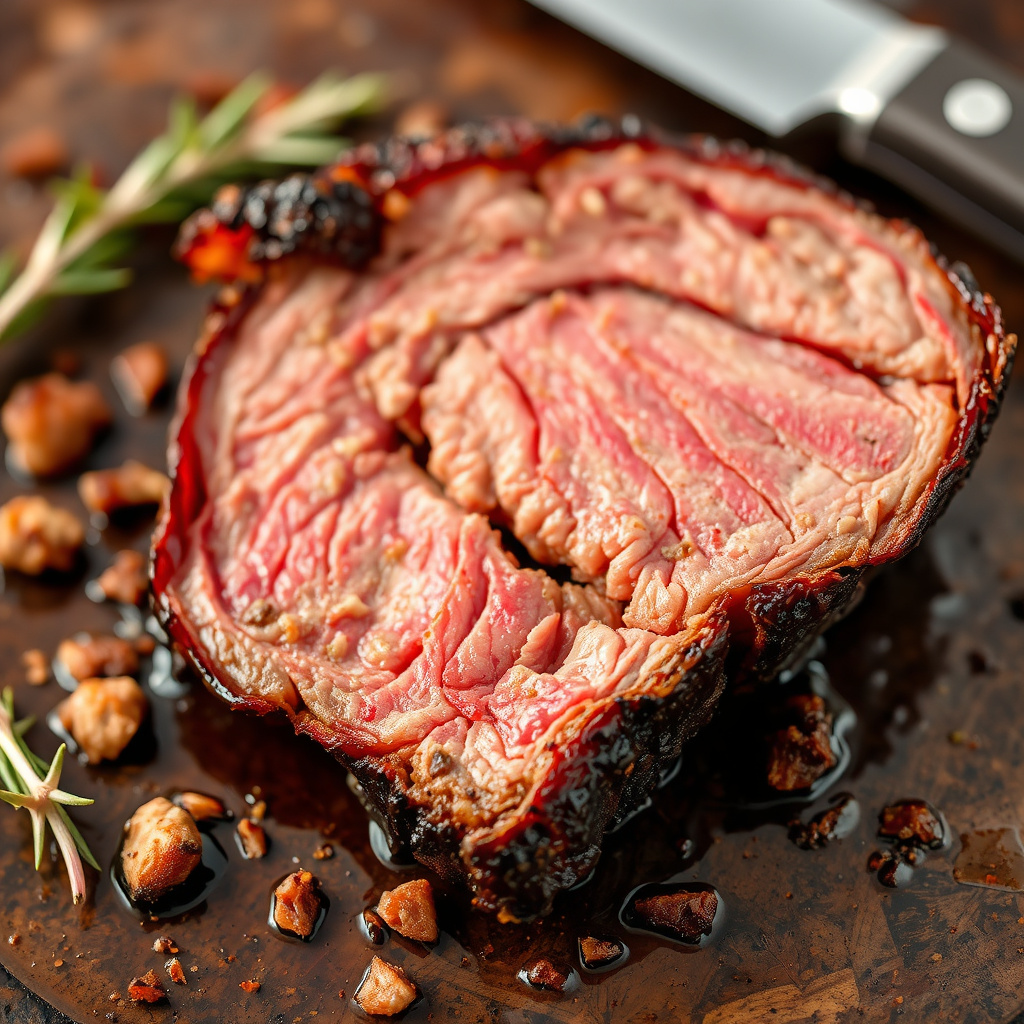
Wrapping and Moisture Control
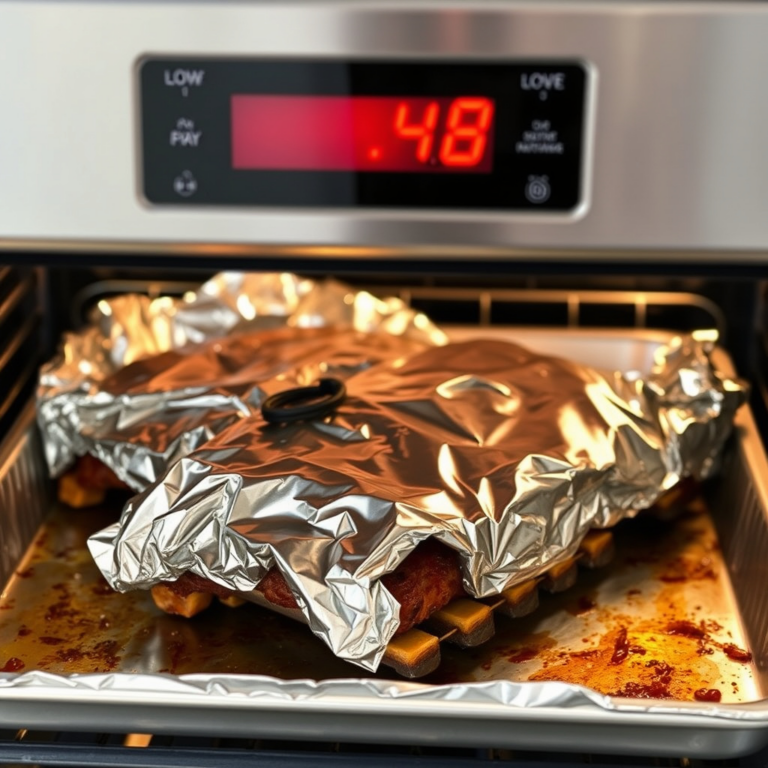
Many pitmasters wrap brisket in foil or butcher paper once it hits 160-170°F to retain moisture and speed cooking through the stall phase when internal temp plateaus.
This method helps keep brisket tender and prevents excessive bark softening or drying.
- Foil wrapping (Texas crutch)
- Butcher paper wrapping for more bark
- Spritzing with water or broth during cook
For more on this, see our related guide: How Long to Rest Brisket for Perfectly Tender and Juicy Results.
Resting and Slicing Recommendations
Let brisket rest uncovered or lightly tented to allow surface bark to re-crisp. Slice brisket against the grain to maximize tenderness.
Cut flat and point muscles separately due to their differing textures and fibers for the best eating experience.
Common Mistakes When Handling Brisket Temperature
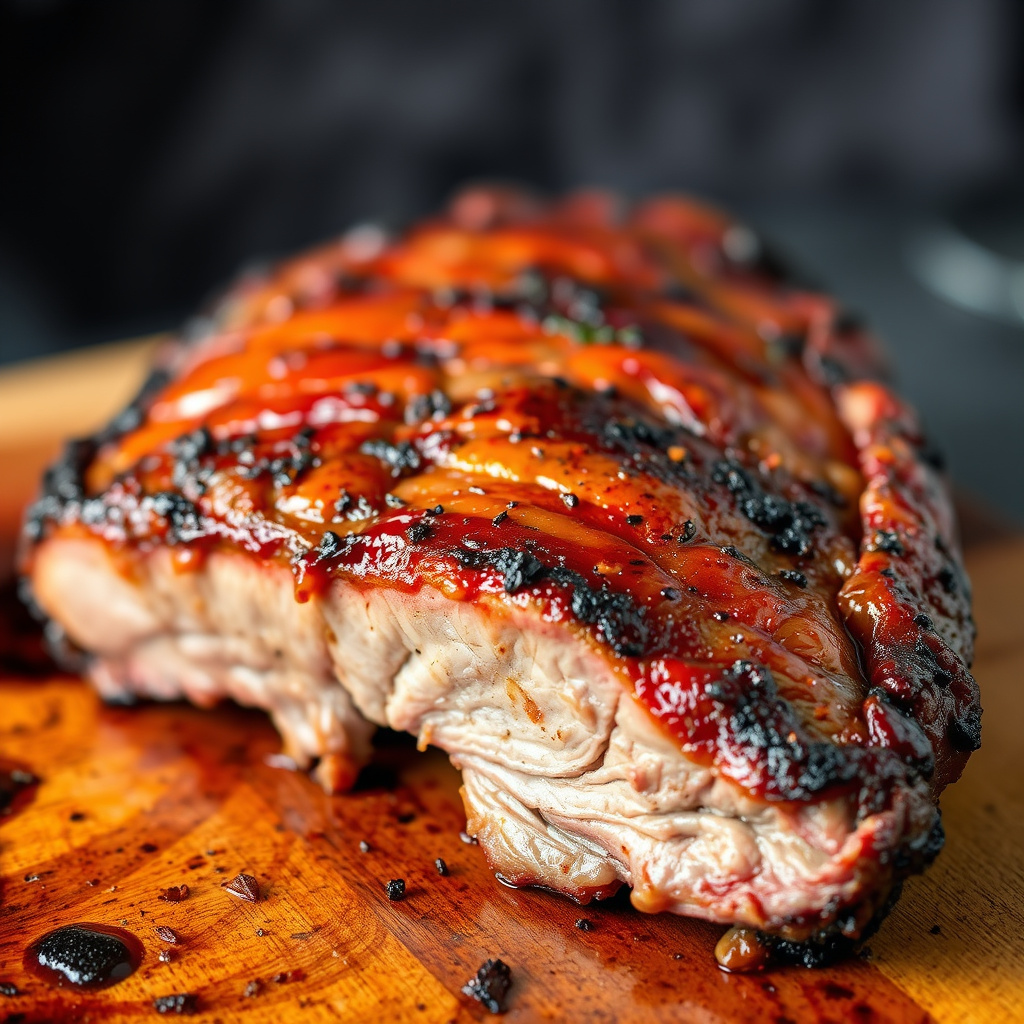
Removing Brisket Too Early or Too Late
Pulling brisket off heat below 195°F usually means it will be tough and chewy. Waiting past 210°F risks drying it out unless carefully rested with moisture retention methods.
Sticking rigidly to a single thermometer reading without checking tenderness can lead to underdone or overcooked results.
For a deeper understanding of brisket and its culinary uses, explore the comprehensive brisket information on Wikipedia. Brisket information on Wikipedia.
Incorrect Probe Placement and Thermometer Errors
Placing probes in fat pockets or near bones gives inaccurate temperature readings, misleading cooking decisions.
Not calibrating thermometers or relying on cheap models can also produce false info, so invest in quality and check accuracy regularly.
Brisket Internal Temperature Methods Comparison
Here’s a comparison of common methods and temperature targets for cooking brisket along with their benefits and drawbacks.
| Method | Target Internal Temp | Pros | Cons |
|---|---|---|---|
| Traditional Low and Slow Smoke | 195-205°F | Maximum tenderness and smoke flavor | Longest cooking time |
| Texas Crutch Wrapping | 195-205°F | Retains moisture, reduces stall time | Softer bark, less smoke ring |
| Higher Temp Fast Smoke | 190-200°F | Quicker cook, good bark formation | Higher risk of dryness |
| Oven Roasting | 195-205°F | Controlled heat environment | Less smoky flavor |
Frequently Asked Questions
Why is the brisket internal temperature range so wide?
The range of 195°F to 205°F covers the gradual breakdown of collagen to gelatin, balancing tenderness and juiciness. Different thicknesses and resting methods cause slight variations.
Can I eat brisket at 190°F?
At 190°F, brisket starts becoming tender but may still be stringy. It’s better to wait until nearer 195°F or above for fully tender results.
How do I know if my thermometer is accurate?
Test your thermometer by placing it in boiling water (should read ~212°F) or ice water (32°F). Calibrate if available or replace if readings are off.
Should I wrap brisket during cooking?
Wrapping at the stall temperature helps retain moisture and speeds cooking. Foil creates a softer bark, while butcher paper preserves more texture.
How long should I rest brisket after cooking?
Rest brisket for 30 to 60 minutes to allow juices to redistribute. Resting also raises internal temperature a few degrees for perfect doneness.
Key Takeaways
- Ideal brisket internal temp is 195-205°F for tender, juicy meat
- Use a quality meat thermometer, inserting probe into the thickest muscle
- Wrapping brisket can retain moisture and speed cooking
- Resting brisket post-cook improves texture and flavor
Conclusion
Understanding and monitoring the internal temperature for brisket is essential for getting the melt-in-your-mouth results that BBQ lovers treasure. The core cooking principle revolves around reaching 195-205°F, where connective tissues break down perfectly, resulting in tender meat without dryness. However, temperature alone does not guarantee success; factors such as probe placement, resting, and cooking environment play key roles in achieving the ultimate brisket texture. Using a reliable thermometer and testing texture alongside temperature readings helps prevent under or overcooking, delivering consistently great outcomes.
For most home cooks and pitmasters, the traditional low and slow method paired with careful temperature monitoring will produce excellent brisket. Wrapping with foil or butcher paper around 160-170°F can expedite the process while maintaining moisture, suitable for those pressed for time. Higher temperature fast smoking is a viable option but requires attention to avoid drying the meat. Oven roasting is an alternative method when smokers are unavailable, though it sacrifices some smoky complexity. Adapting these approaches to your brisket size, equipment, and taste preferences will bring you closer to barbecue perfection.
Next time you prepare brisket, invest in a good quality digital thermometer and monitor the internal temperature at the thickest part of the brisket’s flat muscle. Remember to rest the meat thoroughly to allow juices to settle. By balancing temperature, time, and technique, you can turn brisket into a centerpiece worthy of any meal, impressing guests and family with tender, flavorful results every time.