The optimal time to rest brisket after cooking is roughly 45 minutes to 1 hour, allowing the juices to redistribute evenly throughout the meat. This resting period is essential to preserve tenderness and enhance flavor by preventing juice loss when slicing.
Resting brisket matters because it transforms the texture and moisture level of the meat. Right after cooking, the brisket’s juices are concentrated in the center. Giving it time to rest allows these juices to spread back into the fibers, resulting in a moister, more flavorful experience.
This article will detail why resting brisket is necessary, explain the factors influencing resting time, and guide you through the best methods to rest brisket efficiently. We’ll also compare various resting techniques and answer common questions to help you master your brisket preparation.
Understanding the Importance of Resting Brisket
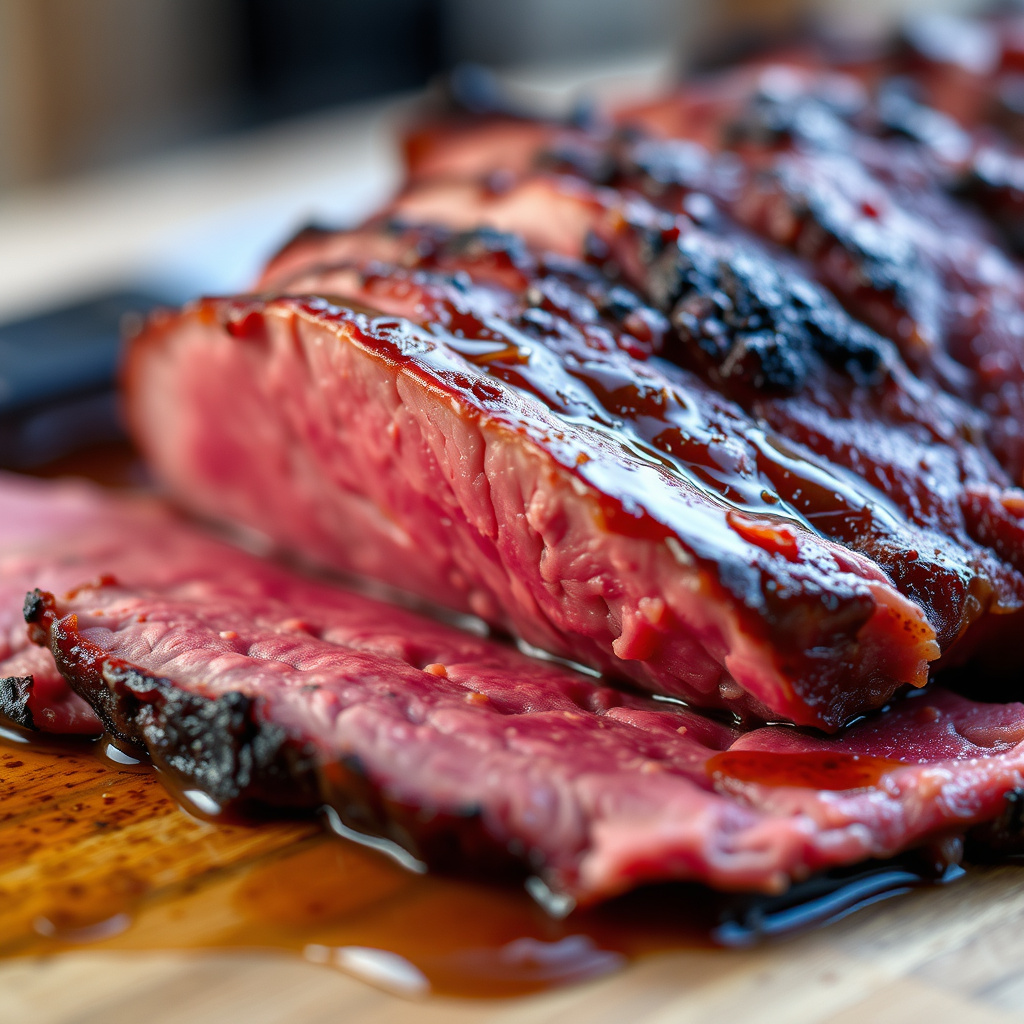
How Resting Affects Meat Juices
Immediately after cooking, brisket’s muscle fibers are contracting, pushing juices toward the center. Without rest, cutting too soon causes these juices to spill out, drying the meat. Resting helps the fibers relax and reabsorb moisture.
This process makes the brisket more tender and moist, improving each slice. The extent of juice redistribution depends on resting time and temperature, influencing flavor preservation and mouthfeel.
The Science Behind Meat Temperature and Resting
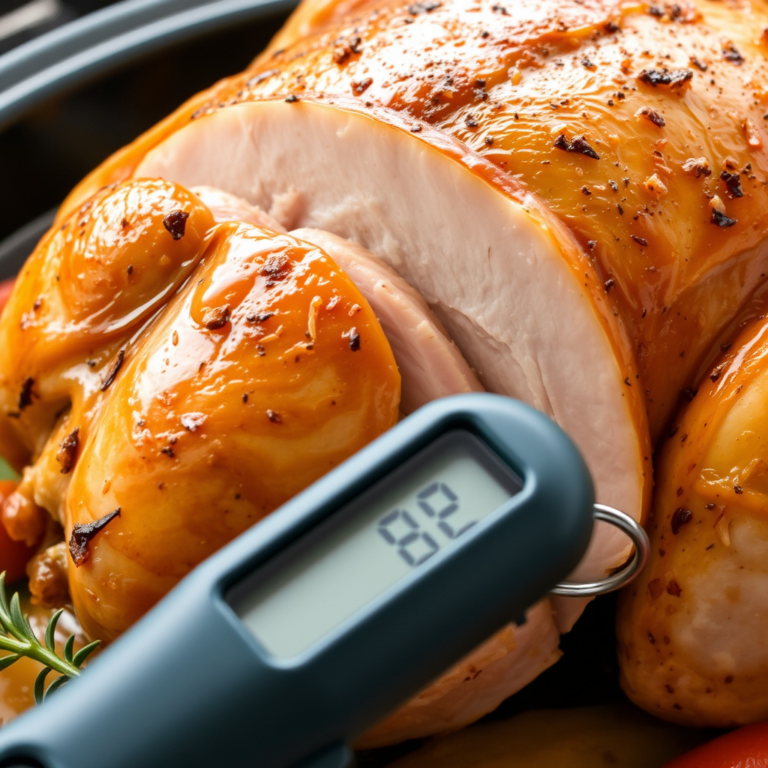
Resting allows residual heat in the brisket to equilibrate and finish cooking internal proteins gently. During resting, the brisket’s internal temperature can rise a few degrees due to carryover cooking, affecting texture.
Keeping the brisket wrapped or covered during rest helps retain temperature and moisture, preventing surface drying while juices redistribute internally.
How Long to Rest Brisket: Timing Guidelines
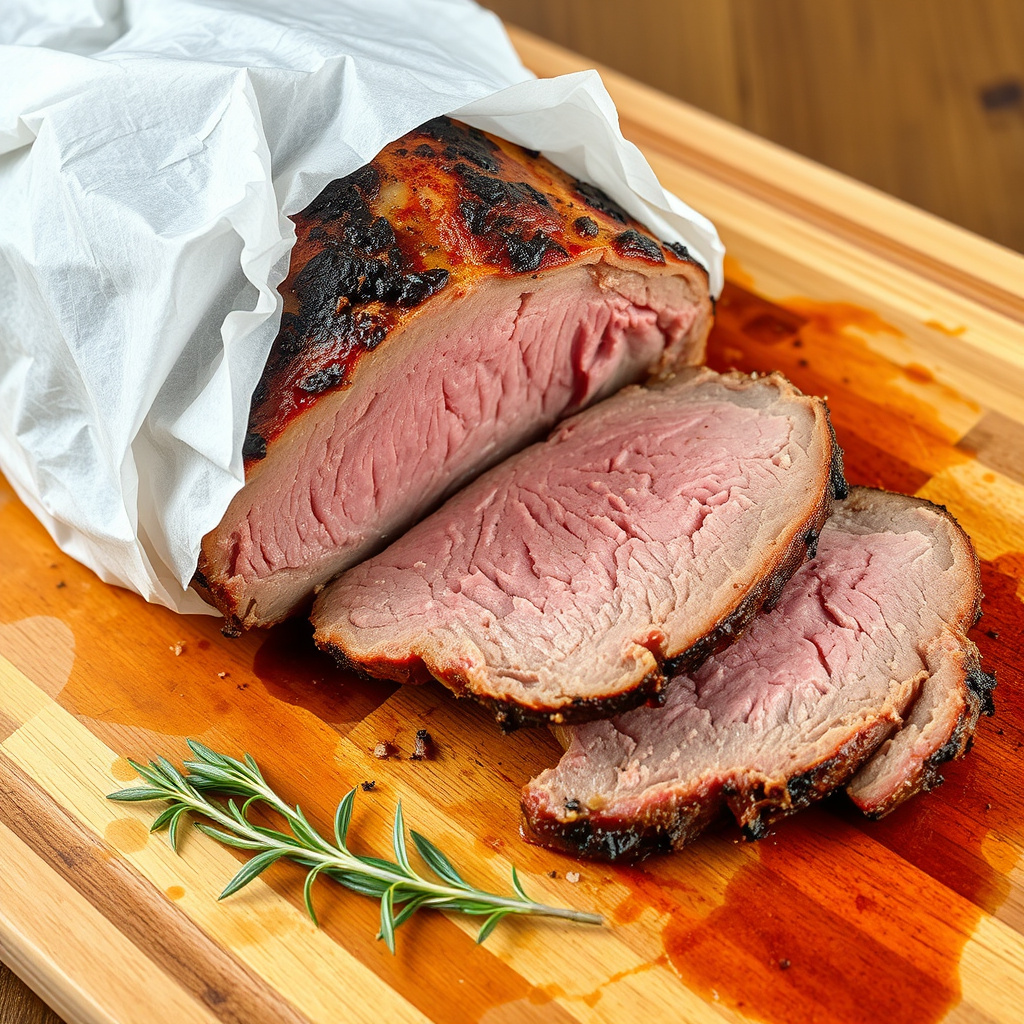
General Recommendations for Resting Time
Most pitmasters suggest resting brisket for 45 minutes to 1 hour after removing it from the heat source. This duration strikes a balance between allowing juices to redistribute and serving the meat while still warm.
Resting shorter than 30 minutes risks dry slices, while resting beyond 2 hours can cool the meat excessively unless reheated carefully.
- Minimum: 30 minutes
- Ideal: 45-60 minutes
- Maximum without reheating: 2 hours
For more on this, see our related guide: How to Make Brisket Bark: A Step-by-Step Guide to Perfect BBQ Flavor.
Adjusting Rest Time by Brisket Size and Cooking Method
Thicker, larger briskets with denser muscle may require longer resting periods to fully reabsorb juices. Conversely, smaller cuts rest well in under 45 minutes.
Smoking brisket low and slow demands precise resting to avoid moisture loss, while fast-cooked or oven-roasted briskets might use shorter rests. Always consider the brisket’s carryover temperature when deciding rest duration.
Best Techniques to Rest Brisket for Juiciness
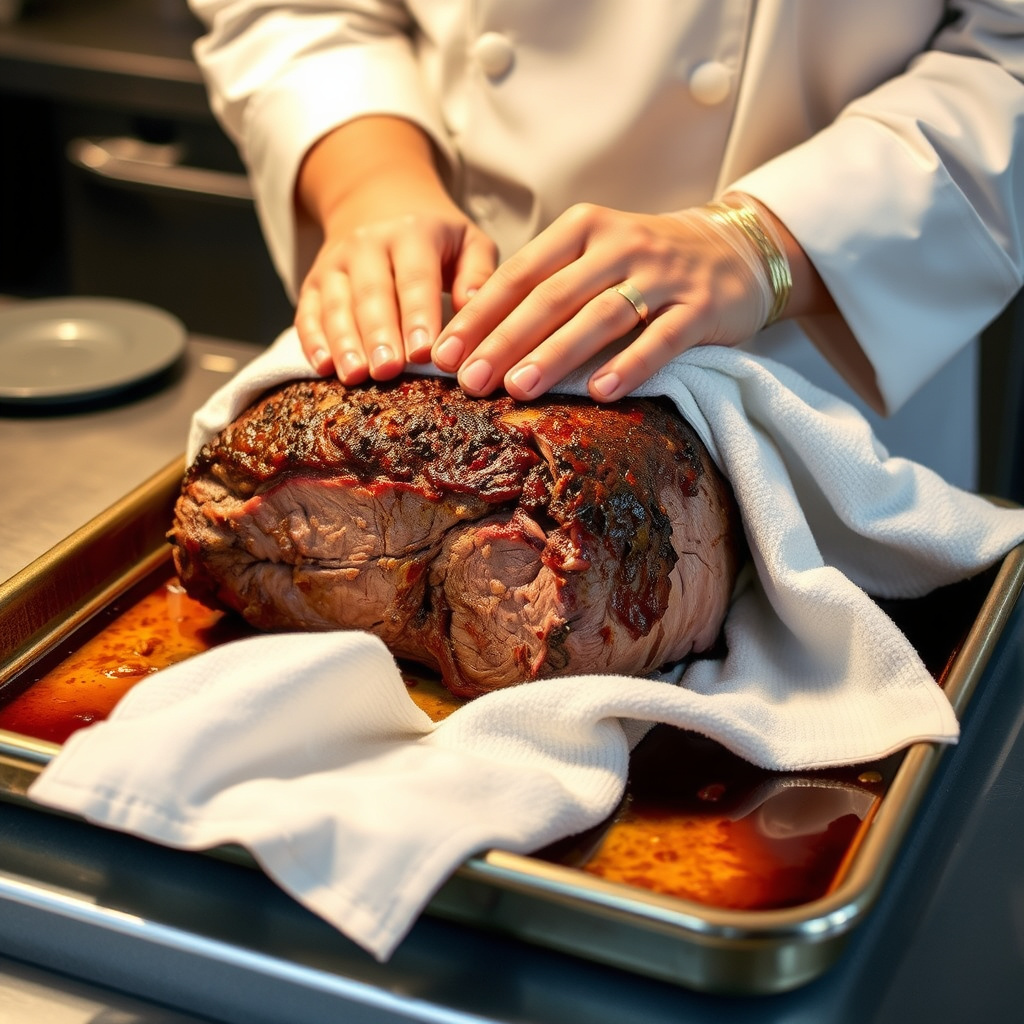
Wrapping Methods: Foil vs. Butcher Paper
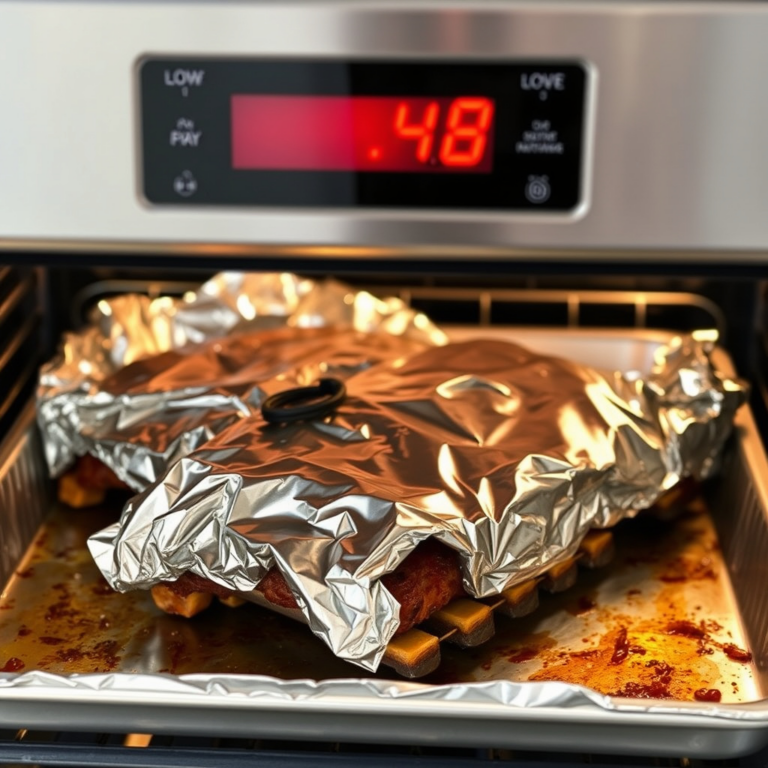
Wrapping brisket tightly in aluminum foil traps steam and moisture, promoting a juicier rest but can soften the bark. Butcher paper allows some airflow, preserving bark texture but with slightly less moisture retention.
Choosing between these depends on whether you prefer a crisp bark or juicier bite. Both effectively maintain heat during the critical resting phase.
- Foil: retains moisture, softer bark
- Butcher Paper: maintains bark, moderate moisture retention
Temperature Control During the Resting Period
Resting brisket in a warm environment (around 150-170°F) helps keep meat at optimal serving temperature while juices redistribute. Using a cooler, insulated container or a warming drawer can achieve this.
Avoid refrigerating immediately after cooking as rapid cooling prevents proper juice absorption and can toughen meat. Gradual cooling preserves tenderness.
Common Mistakes to Avoid When Resting Brisket
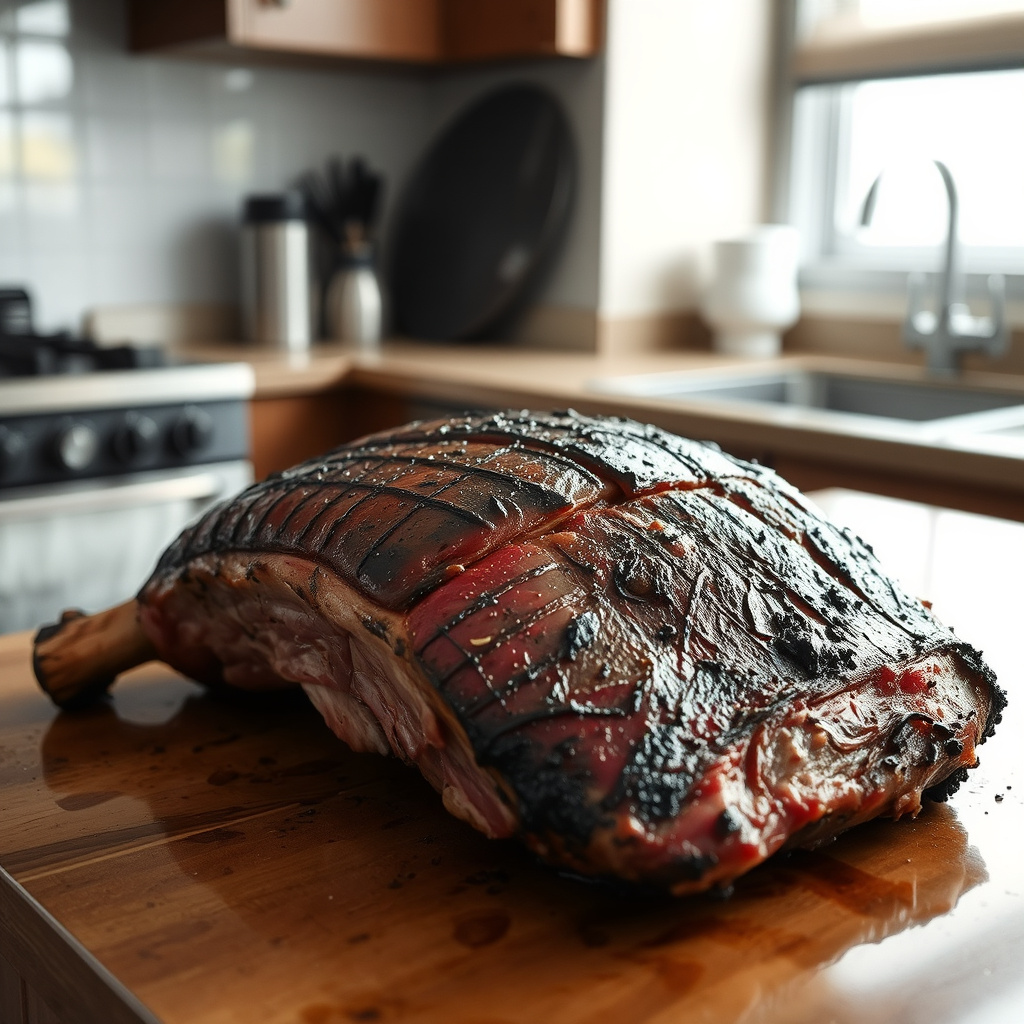
Cutting Brisket Too Soon
Slicing brisket immediately after cooking leads to huge loss of juices pooling on the cutting board, resulting in dryer meat. Waiting the recommended rest time allows fibers to trap moisture evenly.
Patience is key for the perfect slice; resist the urge to rush to serve.
For more on this, see our related guide: How to Make Burnt Ends: A Step-by-Step Guide to Perfect BBQ Flavors.
Resting Without Covering Properly
Leaving brisket uncovered during rest allows the surface to dry out and cool too quickly, affecting texture and flavor. Always wrap or tent with foil or a clean towel.
Proper covering also ensures residual heat aids in consistent juice redistribution across the brisket.
Serving Rested Brisket at Its Best
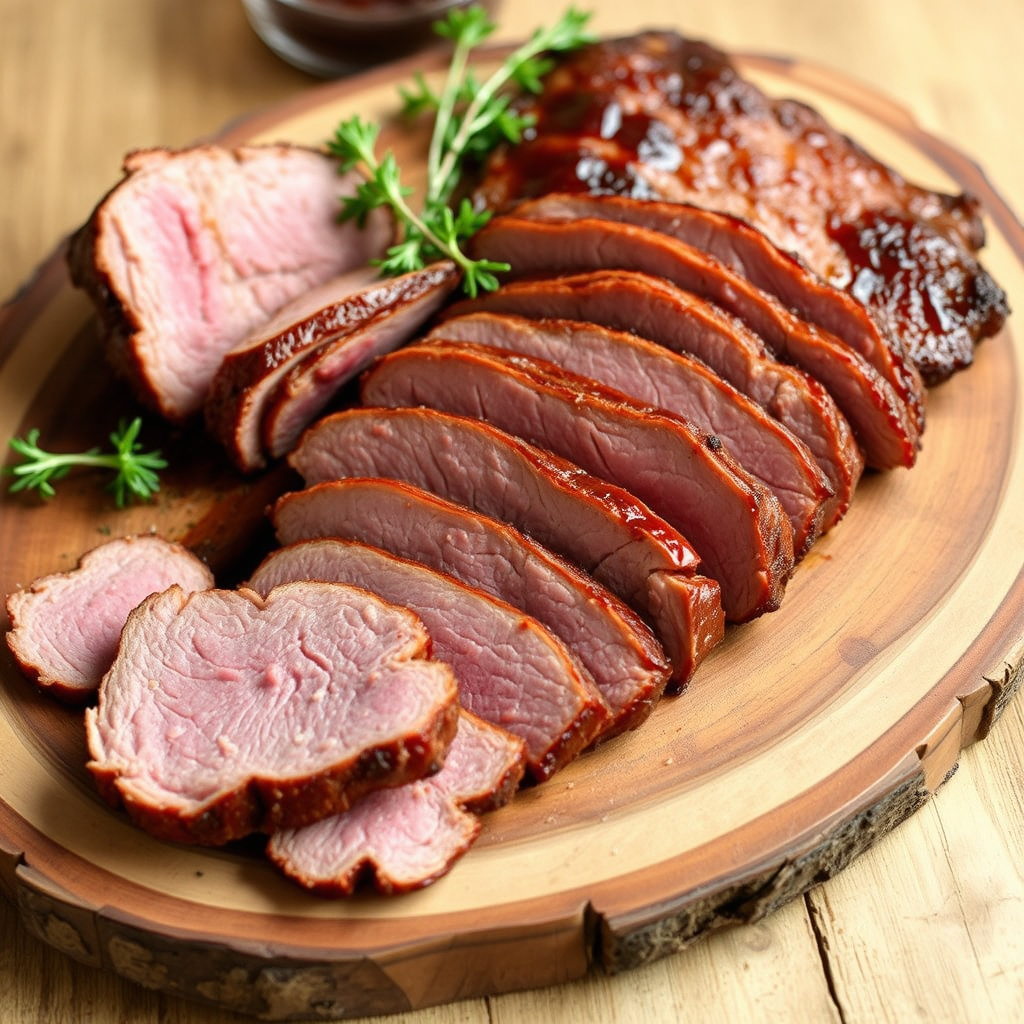
Slicing Techniques for Maximum Juiciness
Cut brisket against the grain in thin, consistent slices to break down muscle fibers and retain moisture with every bite. Thick or grain-parallel slices can feel chewy and dry.
Using a sharp slicing knife ensures clean cuts that minimize juice loss and present an appealing texture.
- Slice against the grain
- Use thin, even slices
- Employ a sharp knife
For more detailed information about brisket cuts and cooking methods, see the Wikipedia article on brisket. Wikipedia article on brisket.
Serving Temperature Considerations
Serve brisket promptly after resting to enjoy it at a warm, tender stage. If serving must be delayed, keeping slices loosely tented with foil and stored in a warming drawer can maintain quality.
Avoid reheating brisket aggressively as it risks drying out this carefully rested meat.
Brisket Resting Methods Comparison
Here’s a comparison of common brisket resting techniques and their impact on moisture retention, bark preservation, and ease of use.
| Resting Method | Moisture Retention | Bark Texture | Ease of Use |
|---|---|---|---|
| Unwrapped on Counter | Low | Dry, brittle | Easy but risky |
| Wrapped in Aluminum Foil | High | Softens bark | Moderate |
| Wrapped in Butcher Paper | Moderate-High | Preserves bark | Moderate |
| Wrapped in Towel + Cooler | High | Moderate bark | More effort |
Frequently Asked Questions
Why should I rest brisket after cooking?
Resting allows juices to redistribute throughout the meat, preventing dry slices and enhancing tenderness and flavor.
Can I rest brisket too long?
Resting brisket beyond 2 hours without reheating can cause it to cool excessively and impact texture negatively.
Does wrapping brisket in foil during rest affect the bark?
Yes, foil traps moisture which softens the brisket’s bark compared to butcher paper or leaving it unwrapped.
Is it okay to refrigerate brisket immediately after cooking?
No, immediate refrigeration cools the meat too fast, preventing juices from redistributing properly and making it tougher.
Can resting time vary depending on the size of the brisket?
Yes, larger briskets generally require longer resting times to allow juices to evenly settle and the meat to cool appropriately.
Key Takeaways
- Rest brisket for 45 minutes to 1 hour to maximize juiciness.
- Wrapping method affects both moisture retention and bark texture.
- Cut brisket against the grain with a sharp knife for best texture.
- Avoid cutting or refrigerating brisket too soon to prevent dryness.
Conclusion
Balancing resting time is essential to achieving the ideal brisket texture and flavor. The meat’s juices need time to redistribute from the center to the edges, preventing excessive moisture loss when sliced. Whether smoked, oven-roasted, or slow-cooked, a thoughtfully timed rest helps you get tender, juicy brisket every time. Arriving at the right resting period depends on size, cooking method, and temperature management during that phase.
For larger cuts, resting brisket for the full hour wrapped in foil or butcher paper produces the best results, especially when serving warm slices immediately. Smaller or quick-cooked briskets may need a shorter rest of 30-45 minutes. Wrapping in foil retains moisture but softens bark, while butcher paper preserves crust at some moisture expense. If serving will be delayed, resting in an insulated container or towel-wrapped cooler helps hold warmth without drying out.
Next time you cook brisket, plan for patience: carve out adequate resting time and choose your wrapping method based on texture preference. Use a sharp knife and always slice against the grain to showcase the juicy tenderness that proper resting unlocks. This simple step elevates your brisket from good to memorable.