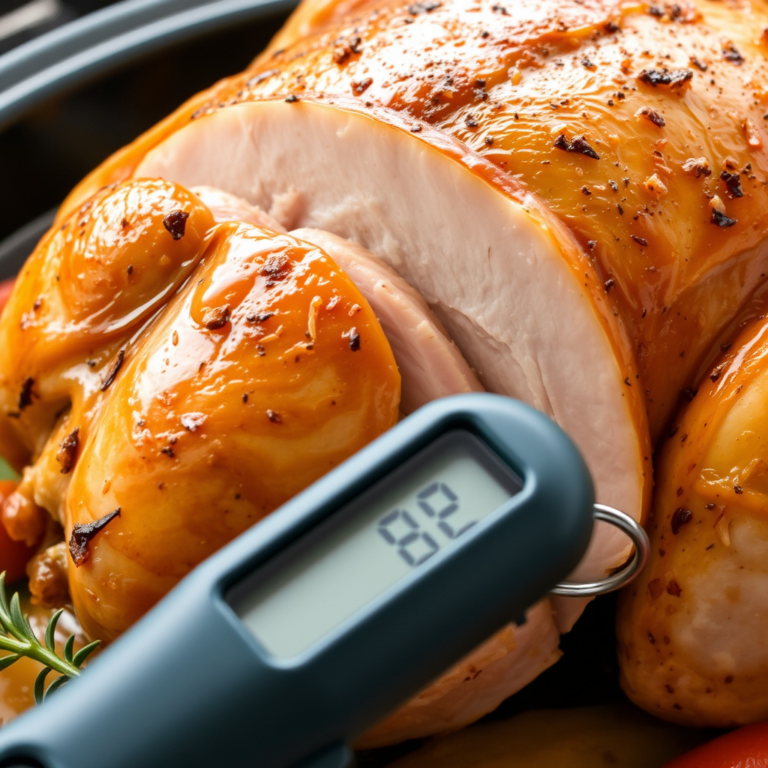
The internal temperature for burgers should reach 160°F (71°C) to ensure they are safe to eat. This temperature effectively kills harmful bacteria like E. coli commonly found in ground beef. Using a reliable food thermometer is the best way to check if your burger has reached this critical threshold.
Cooking burgers to the right internal temperature prevents foodborne illnesses without sacrificing flavor or juiciness. Undercooked ground beef can harbor dangerous bacteria that cause severe health issues, making temperature control a key safety measure. Many chefs also rely on visual cues but these can be misleading, so measuring temperature is the most trusted method.
In this article, you’ll learn about why 160°F is the recommended temperature, tips for checking burger doneness accurately, how different cooking methods impact temperature, and advice on handling and resting burgers for the best texture and safety.
Understanding Safe Internal Temperature for Burgers
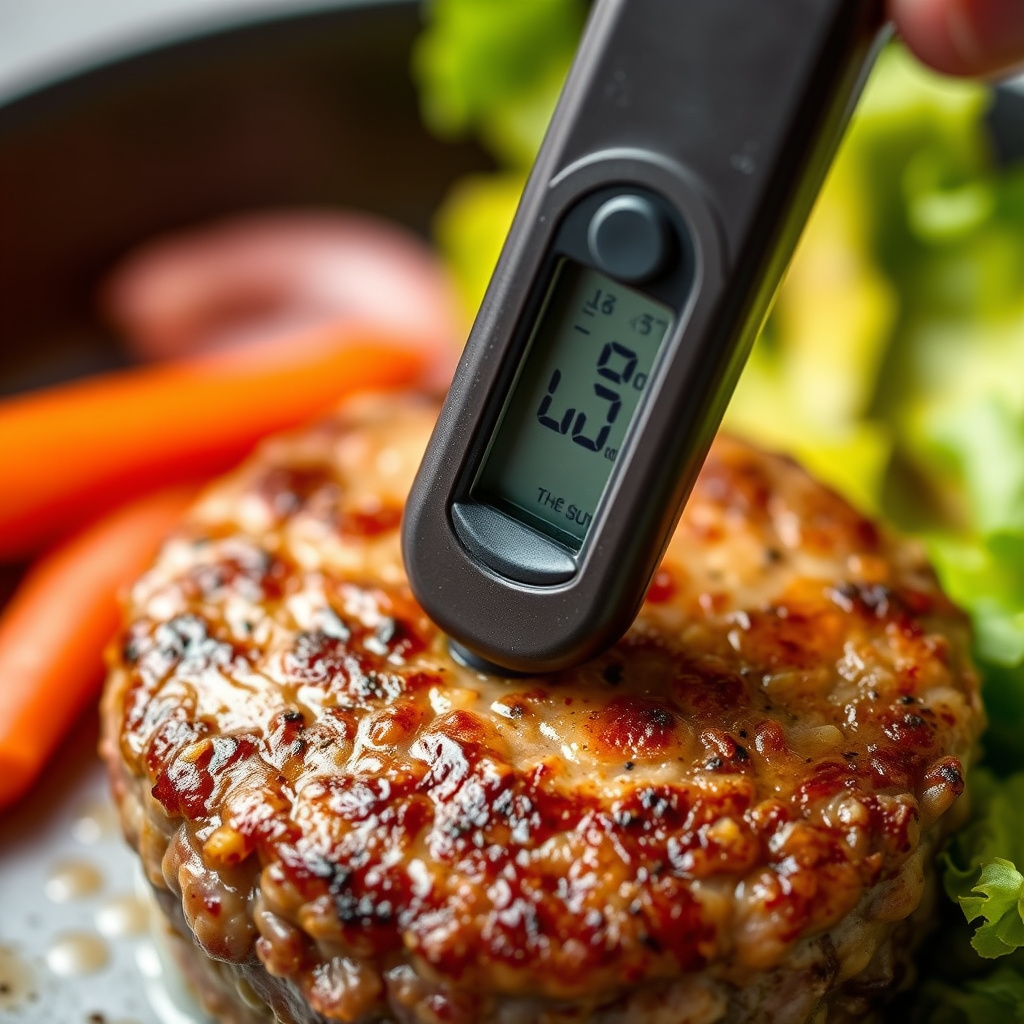
Why 160°F Is the Standard Temperature
The USDA recommends cooking ground beef to an internal temperature of 160°F (71°C) because it ensures that bacteria present in the meat are killed. Ground beef poses a higher risk than whole cuts, as grinding spreads bacteria throughout the mixture.
Reaching this temperature throughout the patty is essential since pathogens like E. coli and Salmonella can otherwise survive, which could cause foodborne illness. This standard balances food safety with maintaining texture and flavor.
Common Misconceptions About Burger Doneness
Many people judge burger doneness by color, such as pinkness, or juices running clear, but these methods lack reliability. Burgers can be safe at 160°F yet still show some pink color due to heat-resistant myoglobin proteins.
Visual cues are often misleading and can result in undercooking, putting diners at risk. Using a food thermometer guarantees the actual temperature inside the patty.
Tools and Techniques for Checking Burger Temperature
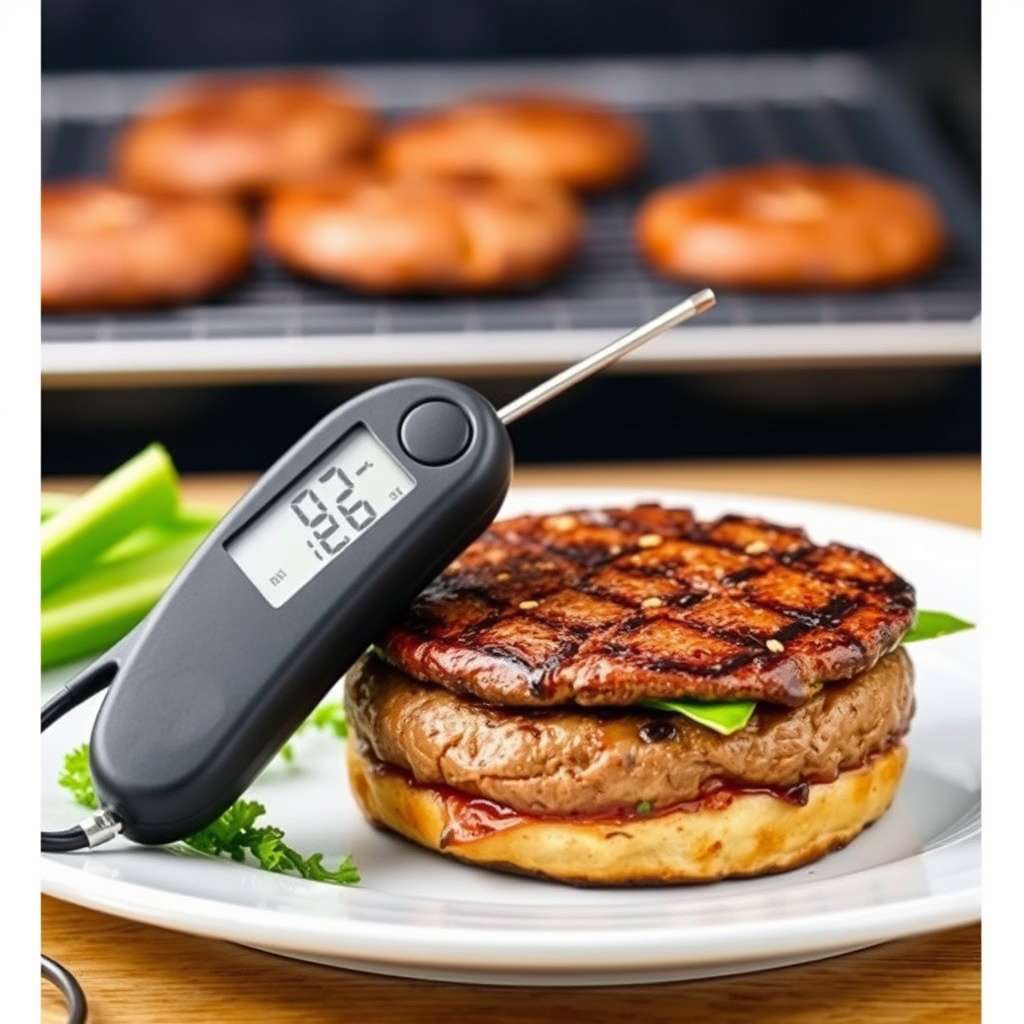
Choosing the Right Food Thermometer
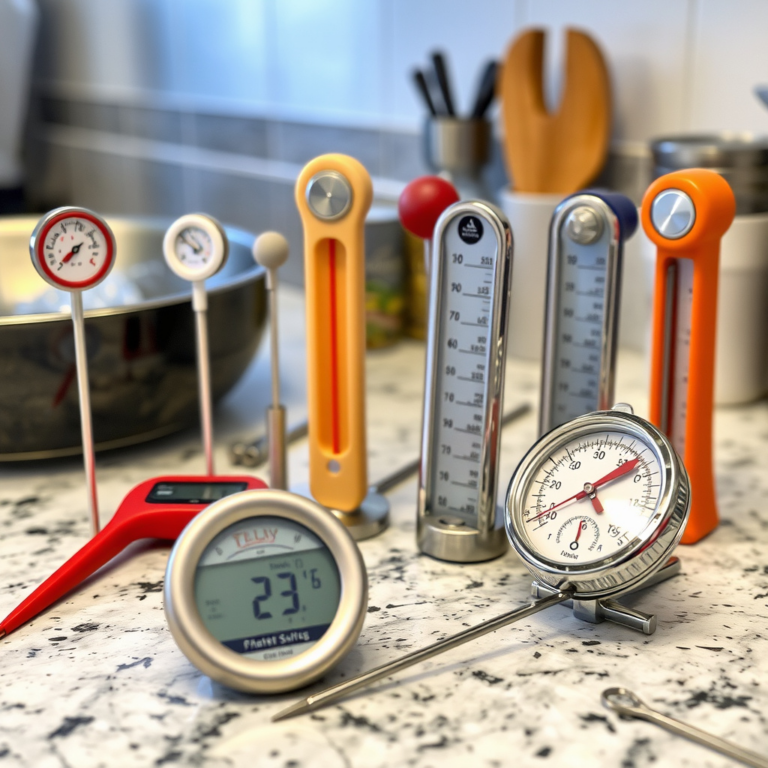
Instant-read digital thermometers are the most accurate and convenient tools for checking burger temperature. They provide quick readings and penetrate the patty without significant heat loss.
Avoid old dial thermometers which can be slower or less precise. Look for fast response times, an easy-to-read display, and the appropriate probe length.
- Instant-read digital thermometer
- Leave-in probe thermometer
- Avoid dial-style thermometers
How to Measure the Temperature Properly
Insert the thermometer probe into the thickest part of the burger, avoiding touching the cooking surface or bone if present. Take the reading once the temperature stabilizes, usually a few seconds after insertion.
Check multiple parts of the burger if unsure, especially if patties vary in thickness, to make sure the entire burger has reached 160°F.
- Probe into thickest center
- Avoid contact with pan or skillet
- Check multiple spots for consistency
How Cooking Methods Affect Burger Internal Temperature
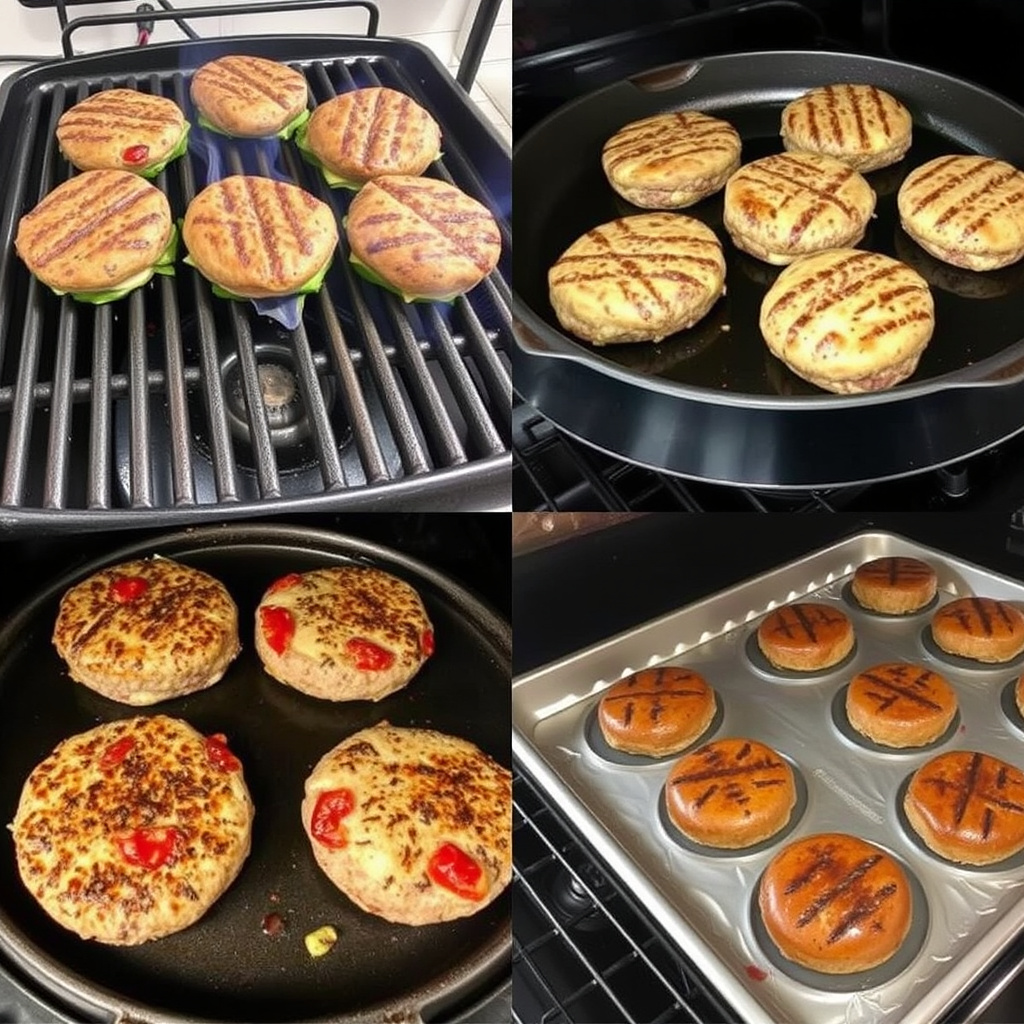
Grilling Burgers and Temperature Control
Grilling exposes burgers to high direct heat, which browns the exterior quickly. However, thicker patties may require indirect heat or finishing in a covered zone to reach 160°F internally without burning.
Adjust grill temperature and flipping frequency to avoid overcooked outsides and undercooked centers.
- Use medium heat for even cooking
- Flip once or twice during grilling
- Use indirect heat for thicker patties
For more on this, see our related guide: What is the Internal Temperature for Chicken and Why It Matters.
Cooking Burgers on Stovetop and Oven
Pan-frying burgers helps control searing and temperature by adjusting stovetop heat. Using a cast-iron skillet retains heat consistently, promoting even cooking to target internal temperature.
Oven baking mixes dry heat and airflow, providing uniform temperature, making it useful for cooking several burgers simultaneously to the recommended 160°F.
- Preheat pan or oven for steady temperature
- Cook burgers on medium heat stovetop
- Use oven broil or bake settings appropriately
Resting and Handling Burgers After Cooking
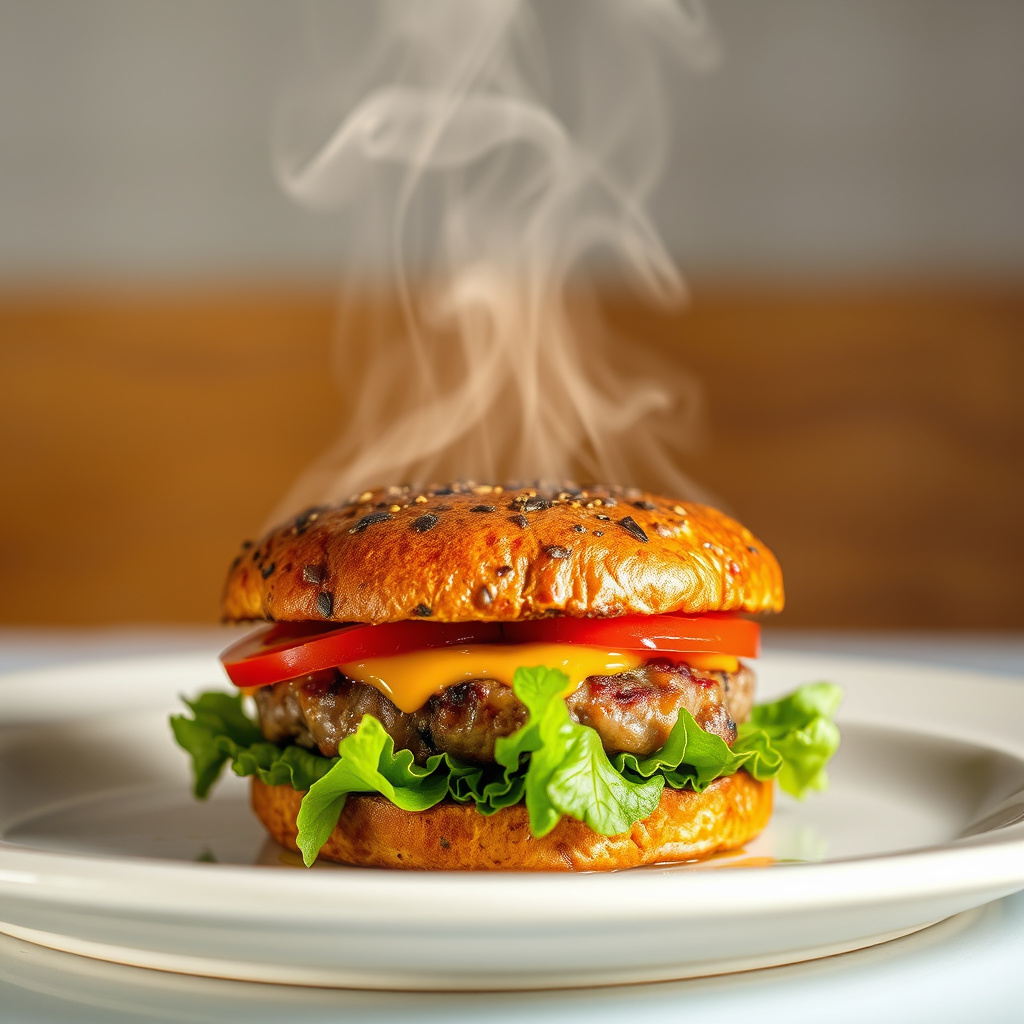
Why Resting Burgers Matters
Allowing burgers to rest for 3 to 5 minutes after cooking redistributes juices and completes internal temperature rise. This also enhances flavor and texture while locking in moisture.
During resting, carryover heat can raise the internal temperature slightly above 160°F, improving safety without overcooking.
- Rest burgers 3-5 minutes before serving
- Use a loosely covered plate to keep warm
Safe Handling to Maintain Safety
Avoid cross-contamination by using clean utensils and plates for cooked burgers rather than raw meat. Store leftovers promptly at proper refrigeration temperatures below 40°F to prevent bacterial growth.
Proper hygiene and storage complement cooking to deliver safe, delicious burgers every time.
- Separate raw and cooked meat surfaces
- Refrigerate leftovers within 2 hours
- Use clean utensils and plates
Understanding USDA Recommendations for Burger Safety
USDA Guidelines on Ground Beef Cooking
The USDA’s Food Safety and Inspection Service (FSIS) establishes 160°F internal temperature for ground beef to prevent foodborne illnesses. Their testing and research confirm this as the safest standard.
Following the USDA guidelines minimizes risks and aligns with government food safety regulations widely adopted by restaurants and consumers.
For more on this, see our related guide: How to Keep Burgers from Shrinking: Practical Tips to Retain Juiciness.
Variations for Different Types of Burgers
Burgers made with different meats or blends may require adjusted cooking temperatures. For example, ground turkey or chicken also requires a minimum of 165°F, while lamb burgers generally follow similar guidelines to beef.
Vegetarian or plant-based burgers don’t need the same temperature but should follow packaging instructions for best results.
Tips for Juicy and Safe Burgers Every Time
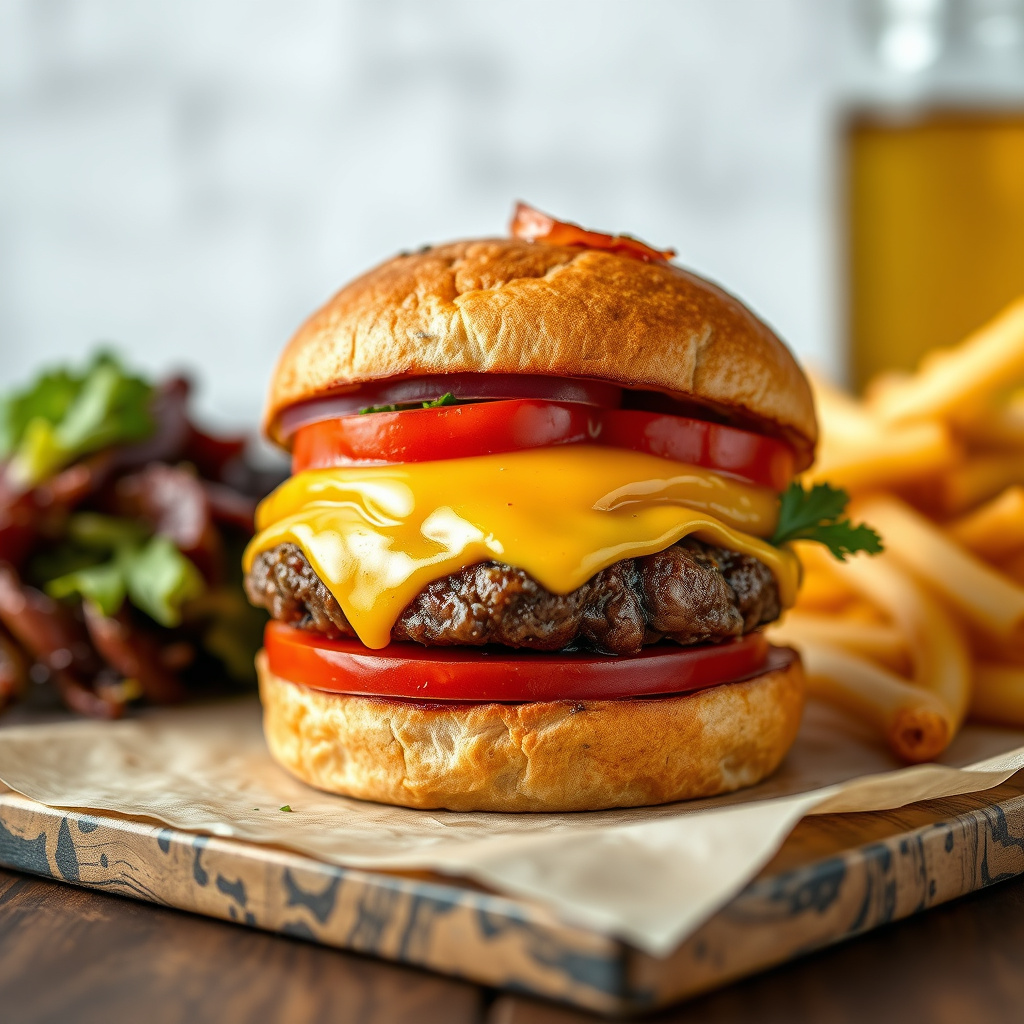
Balancing Safety and Juiciness
Cooking to 160°F may sound like it risks dryness, but proper resting and seasoning keep burgers moist. Using fattier ground beef (around 20% fat) helps retain juices during cooking.
Avoid pressing down on burgers with a spatula, which squeezes out moisture.
- Choose 80/20 ground beef for juiciness
- Rest burgers after cooking
- Avoid flattening patties during cooking
For detailed food safety recommendations and official temperature guidelines, you can refer to the USDA Food Safety Guidelines for Ground Beef. USDA Food Safety Guidelines for Ground Beef.
Seasoning and Cooking Tips
Season your patties with salt and pepper just before cooking to enhance flavor without drawing out moisture prematurely. Cook burgers on a hot surface for a good sear, then reduce heat to finish gently to 160°F.
Using a timer can help track cooking times with consistent thickness to hit the right temperature.
- Season just before cooking
- Start with high heat, then lower it
- Use a timer for consistency
Burger Internal Temperature Category Comparison
Here’s a quick comparison of different burger types and the recommended safe internal temperatures to guide your cooking.
| Burger Type | Safe Internal Temperature | Recommended Cooking Method |
|---|---|---|
| Ground Beef Burger | 160°F (71°C) | Grilling, Pan-frying, Oven baking |
| Ground Turkey or Chicken Burger | 165°F (74°C) | Pan-frying, Baking, Grilling |
| Lamb Burger | 160°F (71°C) | Grilling, Pan-frying |
| Plant-based Burger | Check Packaging | Pan-frying, Grilling |
| Veggie Burger | Varies, no minimum | Pan-frying, Baking |
Frequently Asked Questions
Can I eat a burger that is pink inside if it reached 160°F?
Yes, a burger can remain slightly pink inside even after reaching 160°F due to heat-resistant pigments. The temperature, not the color, is the reliable indicator of safety.
What is the best way to measure burger temperature?
Use an instant-read digital thermometer inserted into the thickest part of the patty for the most accurate reading of the internal temperature.
How long should a burger rest after cooking?
Rest burgers for about 3 to 5 minutes after cooking to allow juices to redistribute and the internal temperature to stabilize.
Is 160°F safe for all types of burgers?
While 160°F is safe for ground beef and lamb, poultry burgers require 165°F. Always follow specific guidelines for the meat type.
Can I rely on cooking times instead of temperature?
Cooking times vary by patty thickness and heat source, so relying solely on time is less safe than measuring temperature directly.
Key Takeaways
- Burgers must reach 160°F internally for safe consumption.
- Use a digital food thermometer to confirm doneness accurately.
- Resting burgers after cooking improves juiciness and safety.
- Different meats may require different safe temperatures.
Conclusion
Cooking burgers to the correct internal temperature is the single best way to protect against foodborne illness. The 160°F guideline reflects comprehensive testing that balances safety with maintaining good taste and juiciness. Using a thermometer eliminates guesswork and prevents undercooking, which is the most common risk with homemade or restaurant burgers.
Depending on your cooking method—whether grilling, stovetop, or oven—the key is to monitor temperature closely. Ground beef and lamb patties should reach 160°F, while poultry burgers require 165°F. Plant-based options follow packaging instructions. Rest your burgers for a few minutes after cooking and use fattier ground beef or the right seasoning to keep them flavorful and moist.
If you want a reliable next step, invest in a good digital instant-read thermometer and practice checking burger temperatures in your favorite recipes. This habit guarantees not only safety but a consistently satisfying burger experience, every time you cook at home or outdoors.