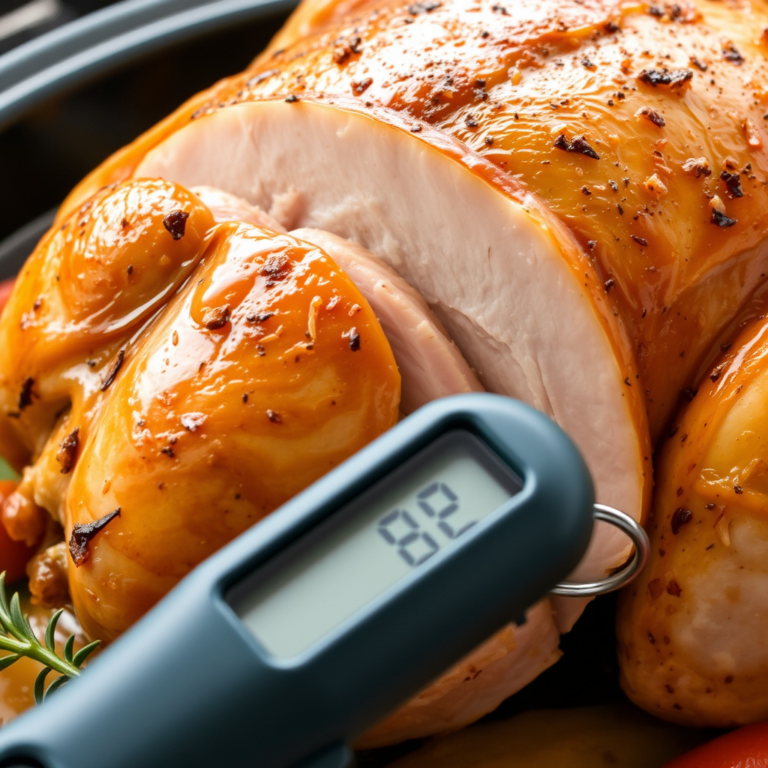
The internal temperature for pulled pork should reach between 195°F and 205°F to become tender enough to pull apart easily. This range ensures the collagen and connective tissues break down, giving you that sought-after juicy, succulent texture. Cooking pork beyond this temperature may risk drying it out, while undercooking leaves it tough and chewy.
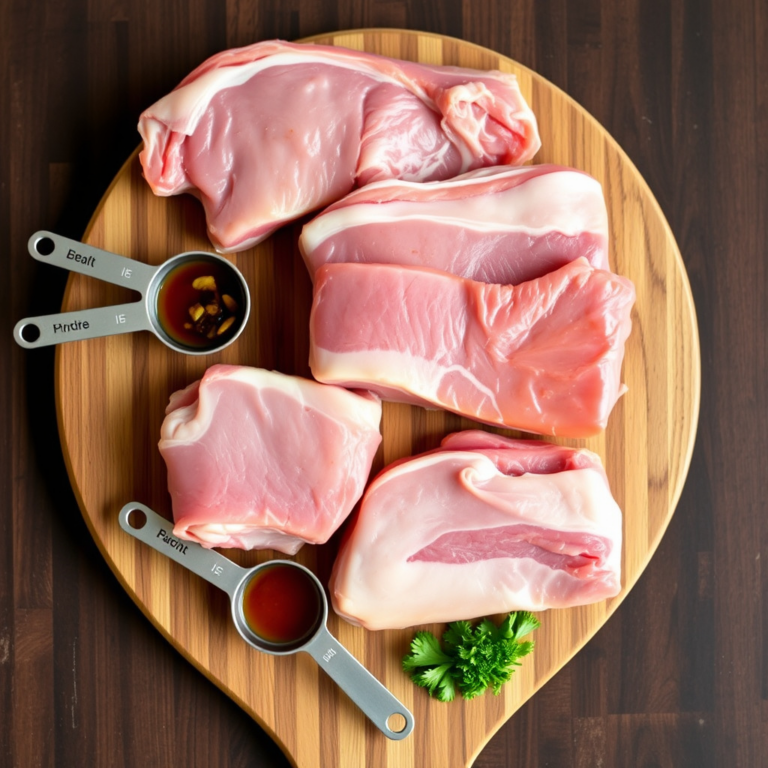
Pulled pork is a classic barbecue favorite that relies heavily on temperature precision to develop its unique softness. Achieving the correct internal temperature isn’t just about food safety; it’s about transforming a tough cut of pork shoulder into mouthwatering, fork-tender morsels. Understanding the science behind this temperature range helps you replicate restaurant-quality results at home.
This article will explore why the internal temperature matters for pulled pork, how to measure it correctly, the cooking methods that help reach this ideal range, and tips for resting and serving. We’ll also compare different temperature targets based on desired texture and talk about safety considerations.
Understanding the Ideal Internal Temperature for Pulled Pork
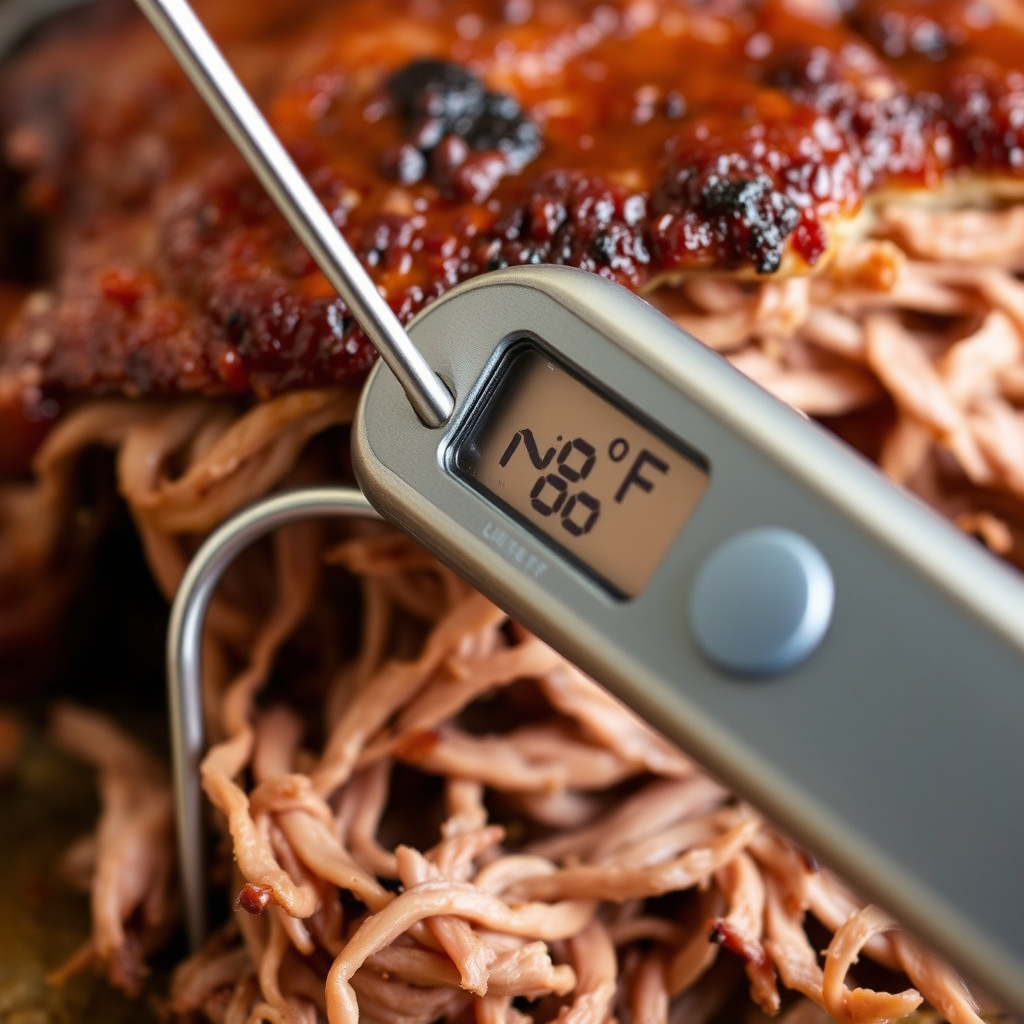
Why 195°F to 205°F Is the Sweet Spot
Pulled pork requires a high internal temperature, typically between 195°F and 205°F, because the tough collagen fibers in pork shoulder start to melt at this range. This process transforms tough meat into tender, shreddable textures that define pulled pork.
Temperatures below 195°F usually result in pork that is safe to eat but still firm and difficult to pull apart. On the other hand, exceeding 205°F risks drying out the meat, although some cooks prefer going slightly higher for maximum tenderness.
- Collagen breakdown begins around 190°F
- Ideal pull-apart texture forms between 195°F-205°F
- Food safety achieved at minimum 145°F but not tender enough
The Role of Connective Tissues and Collagen
Pulled pork’s texture depends heavily on the breakdown of connective tissues. When heated to the right internal temperature, collagen turns into gelatin, moistening the meat and softening the muscle fibers.
This process doesn’t happen at typical meat-safe temperatures but requires slow cooking to reach 195°F or higher. That’s why low-and-slow barbecue methods are preferred for pulled pork.
- Connective tissue transforms only above 190°F
- Heating must be gradual for gelatin formation
- Gelatin keeps meat juicy throughout cooking and rest
Measuring Temperature Accurately for Pulled Pork
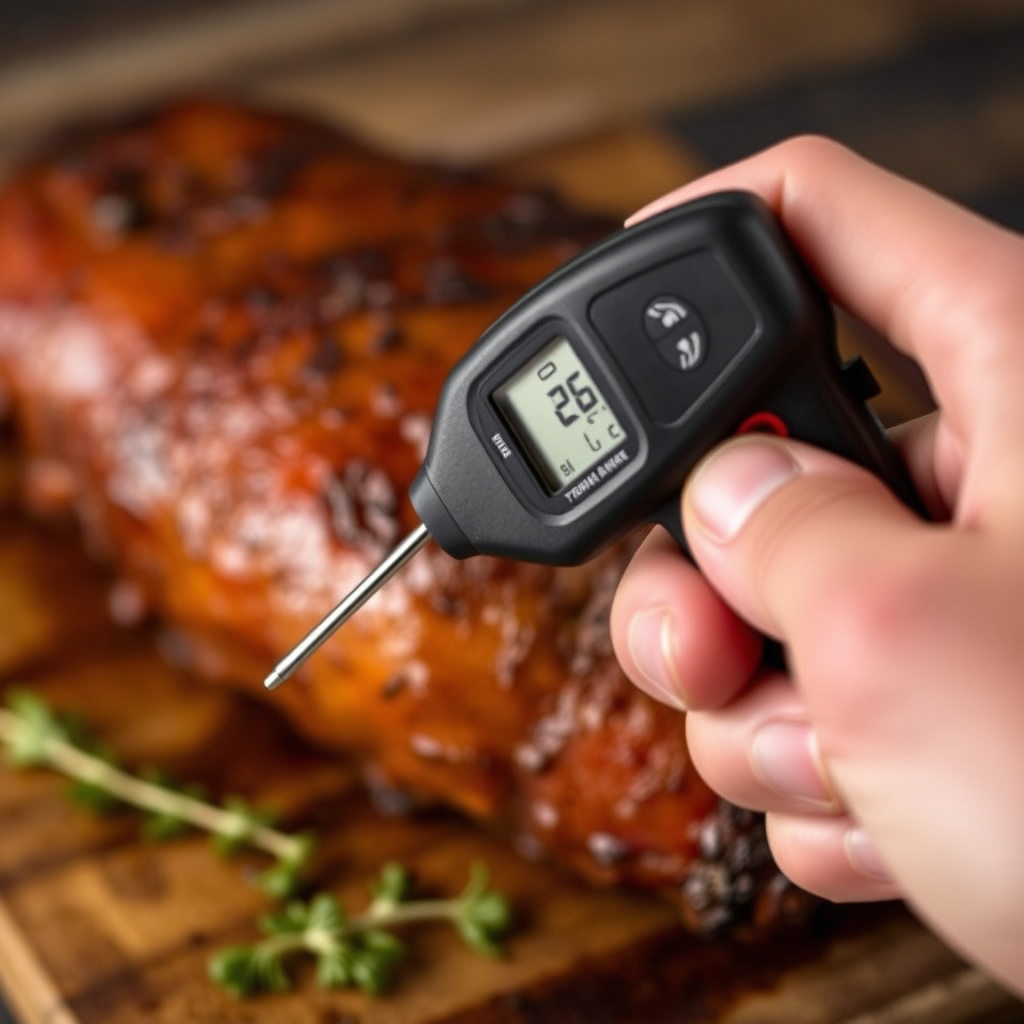
Types of Meat Thermometers to Use
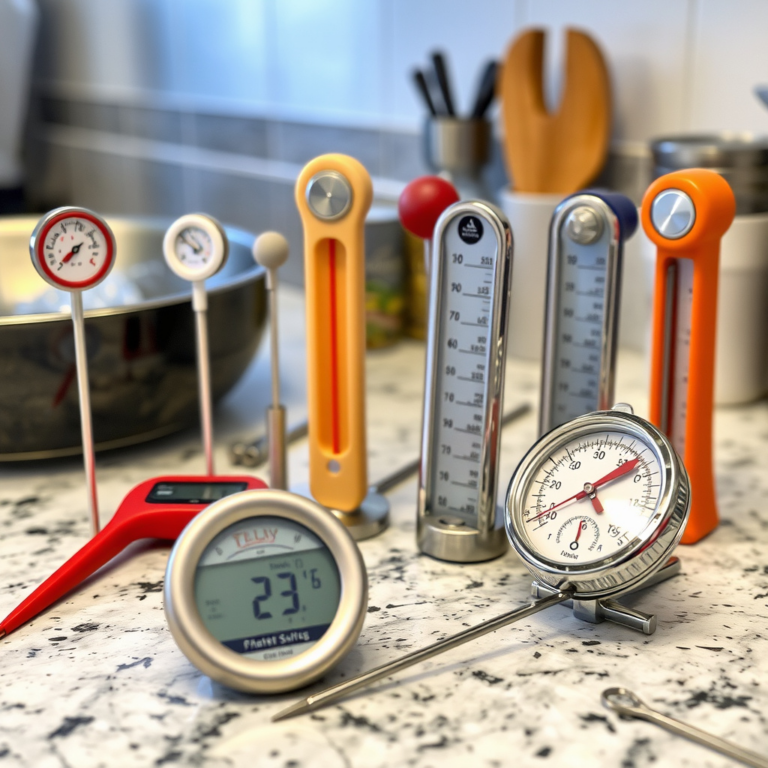
Digital instant-read thermometers are highly recommended for pulled pork due to their fast and accurate temperature readings. Leave-in probe thermometers can also help by continuously showing internal temperature during cooking.
Avoid dial thermometers for pulled pork unless they are calibrated well, as precision is important when targeting the narrow 195°F to 205°F range.
- Digital instant-read thermometer
- Leave-in probe thermometer
- Avoid slow or uncalibrated dial thermometers
How to Insert the Thermometer Correctly
Insert the thermometer probe into the thickest part of the pork shoulder, avoiding bone and fat pockets, which can give inaccurate readings. Make sure the probe reaches the center for an accurate internal temperature.
Check temperature multiple times at different spots to ensure consistency before deciding the pork is done. Always measure near the end of cooking and re-check after resting.
- Insert into thickest, meatiest portion
- Avoid bone and large fat pockets
- Take multiple readings around the meat
Cooking Methods to Achieve Perfect Pulled Pork Temperature
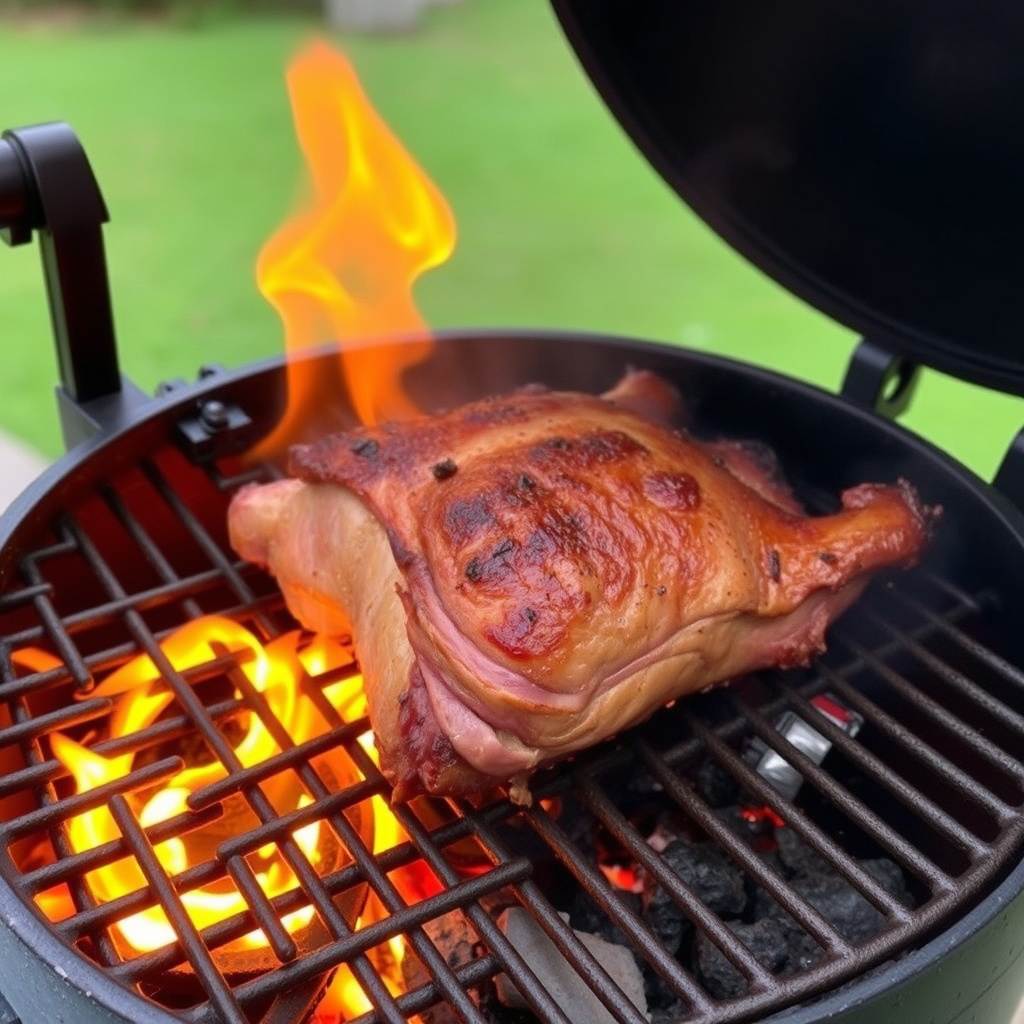
Low and Slow Smoking
Smoking pork shoulder at low temperatures around 225°F to 250°F allows collagen to slowly break down. Over several hours, the internal temperature will gradually climb to the ideal 195°F to 205°F range, producing tender pulled pork.
Maintaining consistent smoker temperature and monitoring internal meat temperature is vital here. Patience is key as rushing the process leads to tougher texture.
- Set smoker between 225°F and 250°F
- Cook for 8 to 12 hours depending on size
- Monitor temperature periodically
For more on this, see our related guide: What Is the Internal Temp for Pork? Safe Cooking Temperatures Explained.
Oven Roasting and Slow Cooking
Pulled pork can also be made inside using a conventional oven or slow cooker, holding temperatures between 200°F and 275°F. The tight temperature control makes it easier to target the ideal internal temperature.
Slow cookers operate at lower temperatures but require longer cooking times to reach 195°F to 205°F internally, while ovens offer more flexibility with temperature adjustments.
- Oven at 225°F to 275°F for several hours
- Slow cooker settings vary between low and high
- Use thermometer to check for 195°F to 205°F
Resting and Serving Pulled Pork
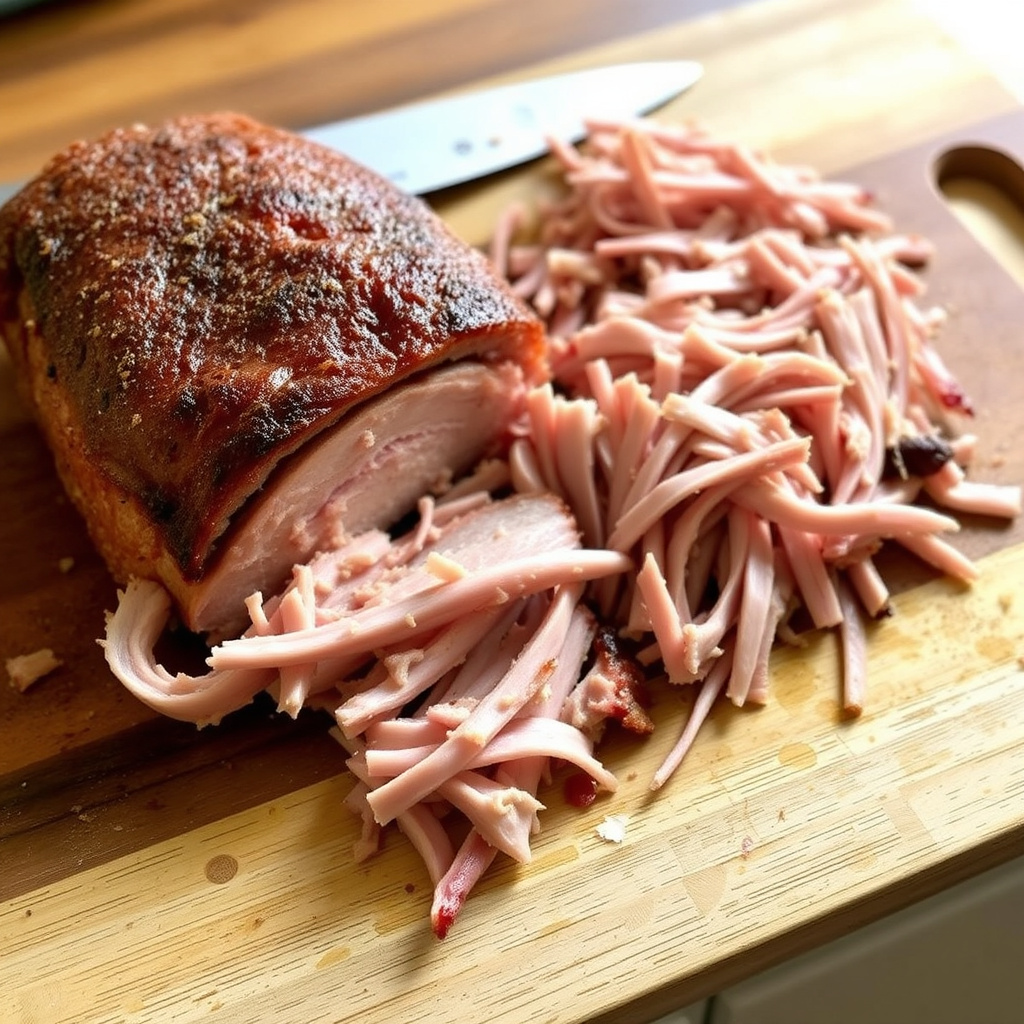
Why Resting Matters After Cooking
After reaching the target internal temperature, resting pulled pork for at least 30 minutes lets juices redistribute and the temperature stabilize. This phase finishes tenderizing the meat and avoids juice loss when shredding.
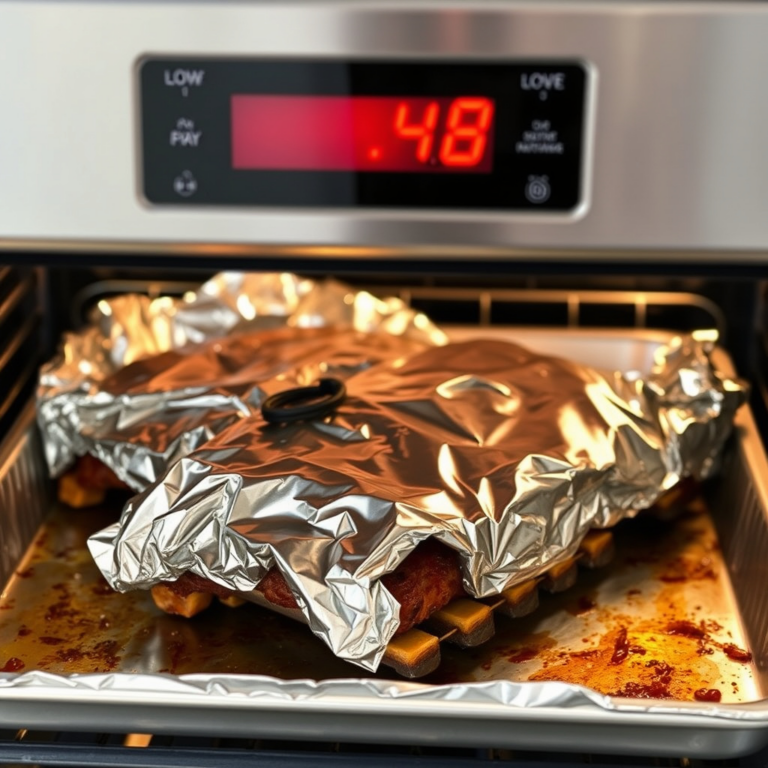
Covered loosely with foil, resting also helps the internal temperature even out slightly, improving texture and flavor.
- Rest 30 minutes minimum
- Cover loosely with foil
- Prevents juice loss when pulling
Best Techniques for Shredding Pulled Pork
Use forks or meat claws to pull the pork apart gently into shreds. The ideal internal temperature ensures the meat breaks apart easily without needing excessive effort.
Remove any large fat chunks but keep some for flavor and moisture when serving or mixing with sauce.
- Use two forks or shredder claws
- Discard large pieces of fat
- Leave some fat for flavor and moisture
Safety Considerations for Pulled Pork Cooking
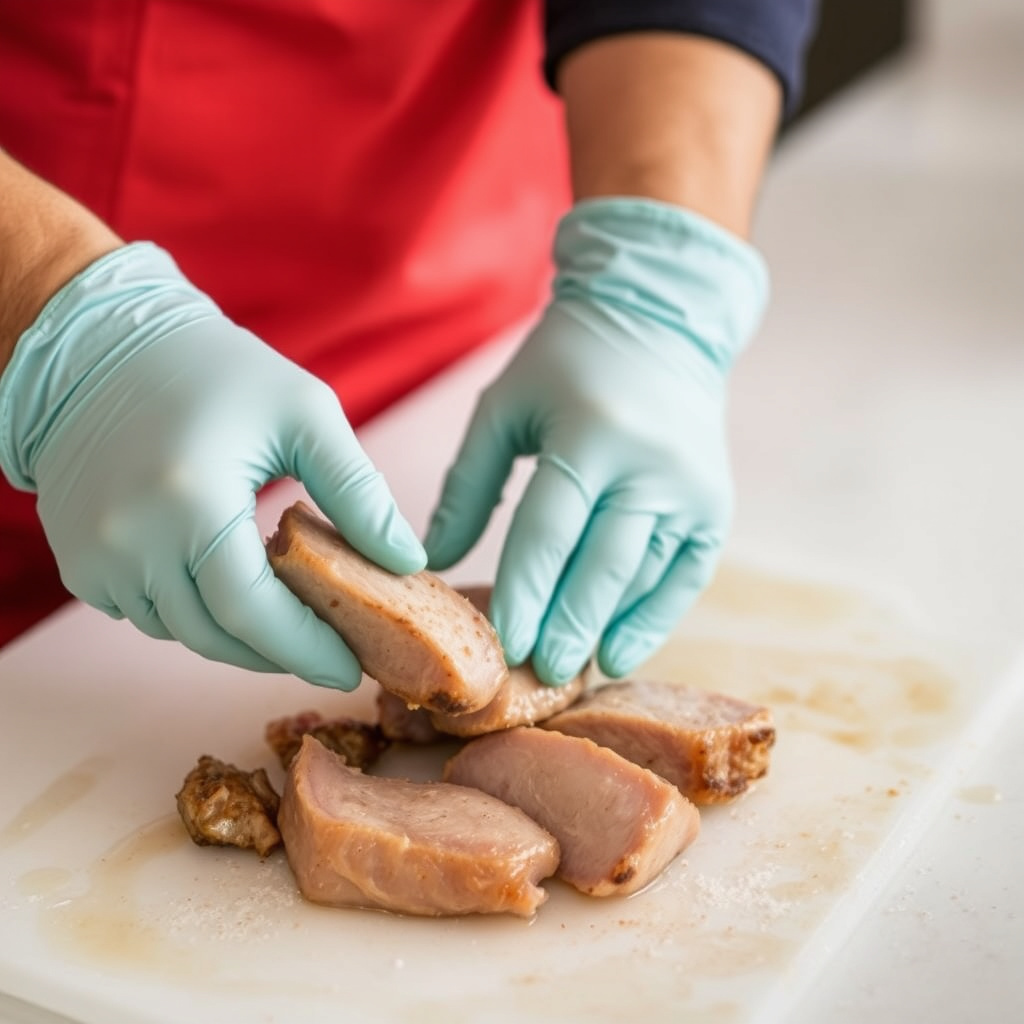
Food Safety Temperatures for Pork
The USDA recommends cooking pork to at least 145°F with a resting period of 3 minutes for safety. Pulled pork recipes exceed this for tenderness, but the safety threshold remains at the lower limit.
Ensuring your thermometer is accurate and measuring the thickest part of the meat is essential to guarantee safety while aiming for the higher temperature for texture.
- USDA minimum 145°F plus 3-minute rest
- Pulled pork targets 195°F-205°F for softness
- Verify thermometer accuracy
For more on this, see our related guide: How to Cook Pulled Pork in a Slow Cooker for Tender, Flavorful Results.
Avoiding Dryness and Overcooking
Cooking past 205°F risks drying out pulled pork if not managed carefully. Controlling cooking temperature and timing is key to balance safety, tenderness, and moisture retention.
Using a water pan in smokers or wrapping the meat in foil once it reaches bark formation can help retain moisture.
- Avoid temperatures over 205°F unless wrapping
- Use moisture retention methods
- Monitor internal temperature closely
Comparing Temperature Targets for Pulled Pork
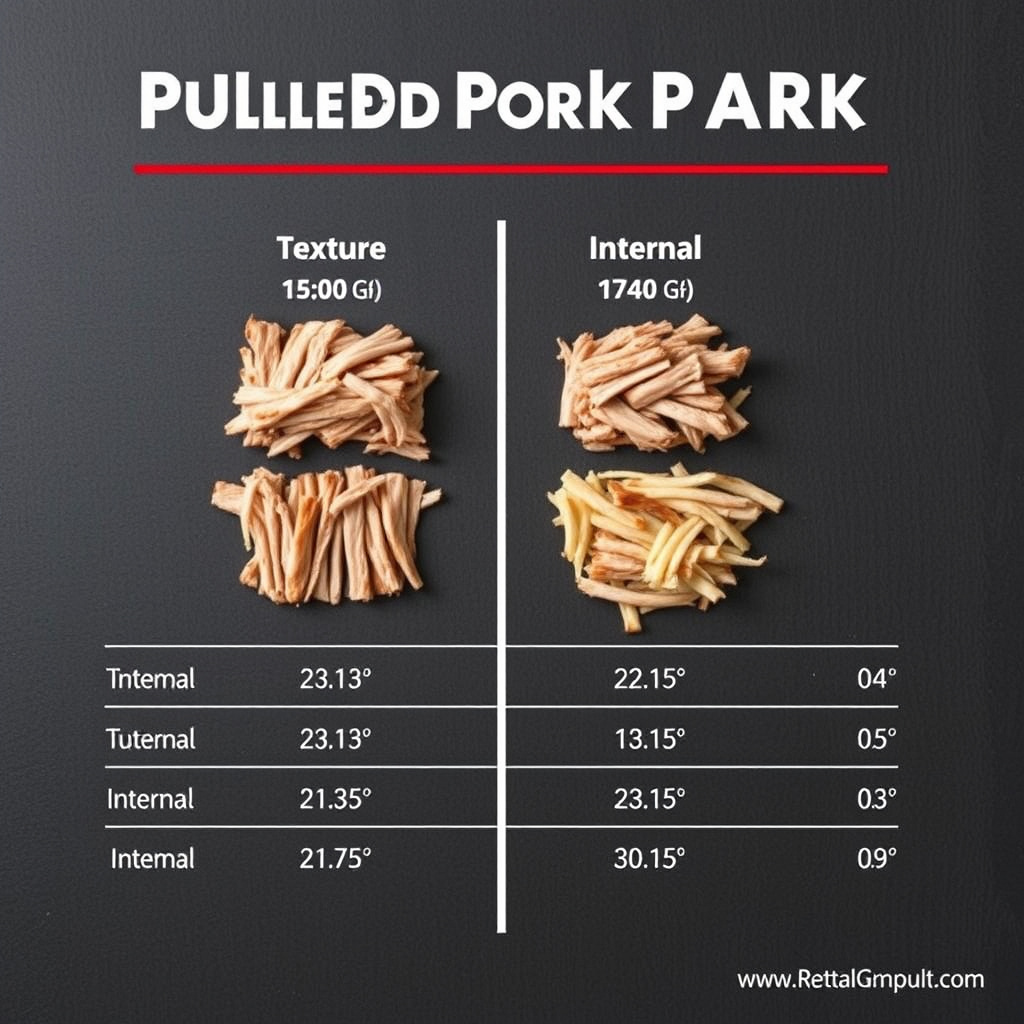
Textural Differences by Temperature
Lower internal temperatures around 190°F yield firmer meat, suitable for slices but not true pulled pork. The 195°F to 205°F temperature range delivers the classic pulled, shreddable texture.
Above 205°F, meat becomes extremely tender but risks dryness unless wrapped or basted carefully.
- 190°F – firm, sliceable
- 195°F-205°F – pulled pork texture
- Above 205°F – very tender but can dry out
For more technical details on pulled pork and its cooking process, you can refer to pulled pork cooking temperature guidelines available on established culinary resources. Pulled pork cooking temperature guidelines.
Recommended Temperature for Different Recipes
Traditional southern-style pulled pork demands reaching at least 195°F for that perfect pull-apart feel. For pork tacos or sandwiches, 200°F often balances tenderness and moisture.
Fast-cooker or oven recipes might aim slightly lower for convenience but lose some classic texture.
- 195°F+ for traditional pulled pork
- 200°F for balanced tenderness and moisture
- Lower temps for quicker preparation – less shreddable
Pulled Pork Internal Temperature Category Comparison
Below is a comparison of temperature ranges and outcomes to help choose the right target for your pulled pork style.
| Temperature Range | Texture | Cooking Time Estimate | Moisture Retention | Best Use |
|---|---|---|---|---|
| 190°F – 194°F | Firm, sliceable | 4-6 hours | High | Sliced pork dishes |
| 195°F – 200°F | Classic pulled texture | 8-12 hours | Balanced | Traditional pulled pork |
| 201°F – 205°F | Very tender, easy to pull | 9-14 hours | Moderate | Juicy pulled pork sandwiches |
| 206°F and above | Extremely tender but drier | 10-15 hours | Lower without wrapping | Wrapped/basted BBQ styles |
Frequently Asked Questions
Can pulled pork be safe to eat below 195°F?
Pork is safe to eat at 145°F after a 3-minute rest, but pulled pork needs to be cooked to 195°F or higher to become tender enough to shred easily.
Why is the internal temperature for pulled pork higher than other pork cuts?
Pulled pork comes from tougher cuts like shoulder, which require higher temperatures to break down collagen into gelatin for a tender texture.
How long should I rest pulled pork after cooking?
Rest pulled pork for at least 30 minutes loosely covered to allow juices to redistribute and complete tenderizing.
Can I cook pulled pork faster by increasing the temperature?
Raising the temperature speeds cooking but can dry out the meat and reduce tenderness; low and slow at 225°F to 250°F is preferred.
What type of thermometer is best for monitoring pulled pork temperature?
A digital instant-read or leave-in probe thermometer offers accurate, reliable readings suited to tracking pulled pork’s internal temperature.
Key Takeaways
- Pulled pork needs an internal temperature of 195°F to 205°F for optimal tenderness.
- Slow cooking at low temperatures helps collagen break down properly.
- Accurate thermometer use is vital for monitoring internal temperature.
- Resting after cooking improves juiciness and shreddability of the meat.
Conclusion
Cooking pulled pork requires balancing internal temperature, cooking time, and technique. The key is allowing the pork shoulder to reach between 195°F and 205°F so collagen fully transforms into gelatin, resulting in tender, shreddable meat. This temperature range is crucial since it goes beyond simple food safety and focuses on texture and mouthfeel, which define good pulled pork.
Traditional barbecue methods like smoking low and slow produce pulled pork with complex smoky flavors alongside ideal tenderness. Meanwhile, oven and slow cooker methods offer more controlled environments to hit the ideal internal temperature precisely. Whether aiming for the classic southern-style pulled pork at 195°F or a slightly higher target near 200°F for juicier results, consistently monitoring temperature with a reliable digital thermometer ensures success.
If you’re preparing pulled pork for the first time or refining your results, prioritize investing in an accurate thermometer and commit to patience during the cooking and resting phases. Achieving the right internal temperature for pulled pork transforms a humble cut into a flavorful, tender dish that impresses every time.