The safe internal temperature for chicken is 165°F (74°C). This specific temperature ensures that harmful bacteria like Salmonella and Campylobacter are destroyed, making the meat safe to eat without drying it out excessively.
Knowing the correct internal temperature is essential because undercooked chicken can lead to foodborne illnesses while overcooking can ruin texture and taste. Many cooking methods and recipes depend on hitting this exact temperature to balance safety and flavor.
This article will cover why 165°F is the recommended standard, how to measure chicken temperature accurately, variations for different chicken cuts, tips on using thermometers, and common mistakes to avoid when cooking chicken.
Understanding Chicken’s Internal Temperature
Why 165°F Is the Safe Benchmark
165°F is recommended by the USDA because it is the temperature at which harmful pathogens such as Salmonella and Campylobacter are effectively killed within seconds. This eliminates the risk of foodborne illness while preserving the meat’s quality.
This temperature applies universally to all types of chicken including whole birds, breasts, thighs, wings, and ground chicken, ensuring safety across all cooking methods.
How Internal Temperature Kills Bacteria
Bacteria found in raw chicken cannot survive prolonged exposure to temperatures above 140°F, but 165°F is chosen to guarantee complete safety quickly. The heat breaks down proteins in bacteria, leading to their destruction.
Reaching this temperature means the meat has been held long enough internally to eliminate pathogens even in the thickest parts, such as bones or dense muscle.
Methods to Measure the Internal Temperature of Chicken
Using a Digital Instant-Read Thermometer
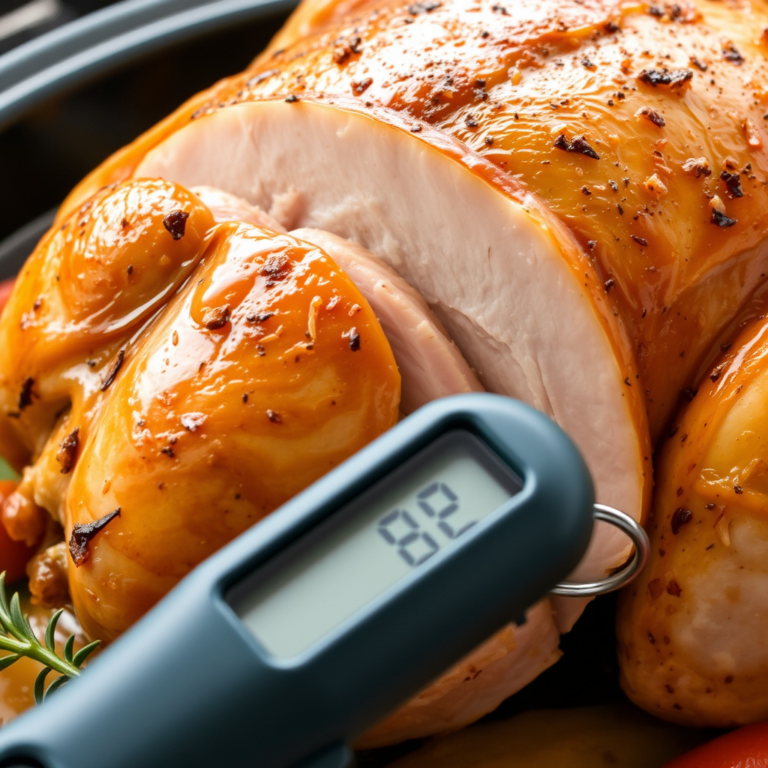
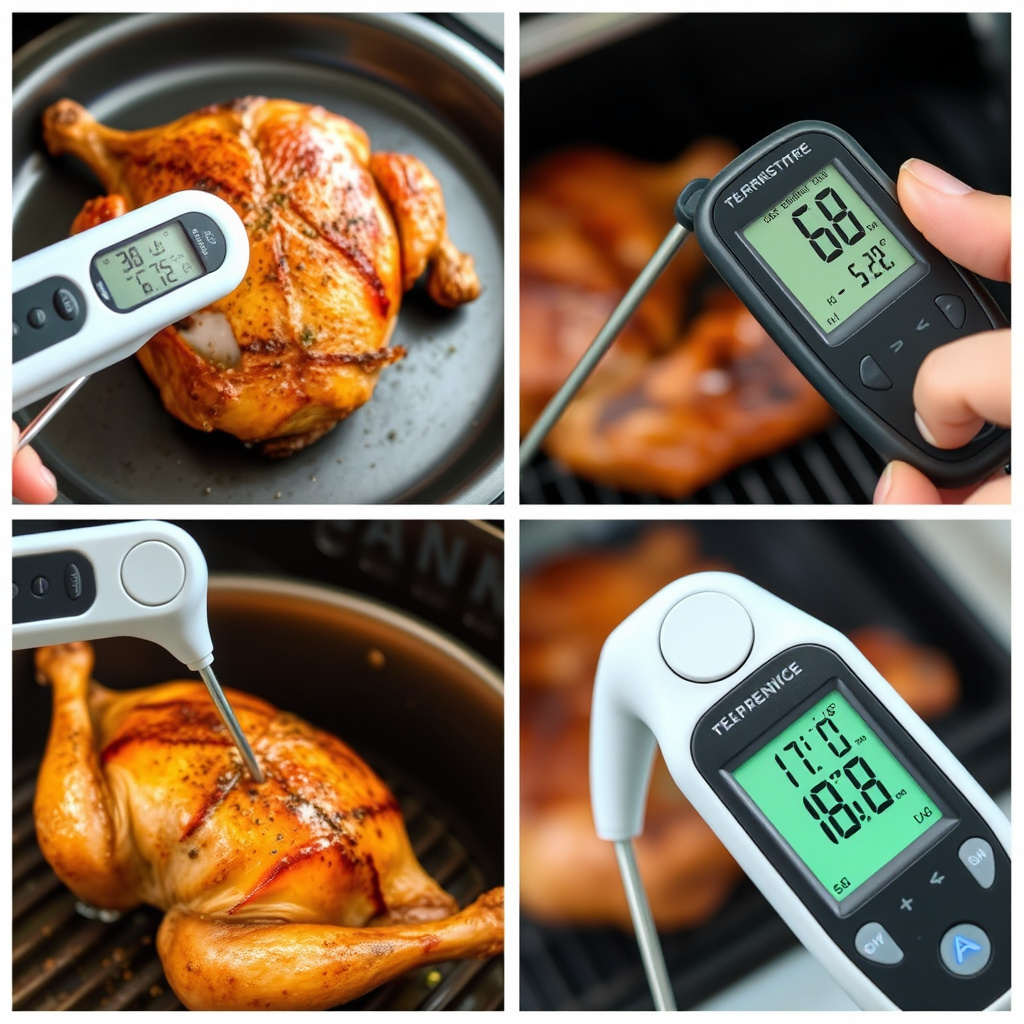
Digital instant-read thermometers provide fast and accurate temperature readings. Insert the probe into the thickest part of the chicken without touching bone, wait a few seconds, and read the temperature.
These devices are user-friendly and ideal for busy kitchens where time matters, ensuring you can check multiple pieces rapidly.
- Insert probe sideways into thickest part
- Avoid touching bone for correct reading
- Wait 2-3 seconds for digital display
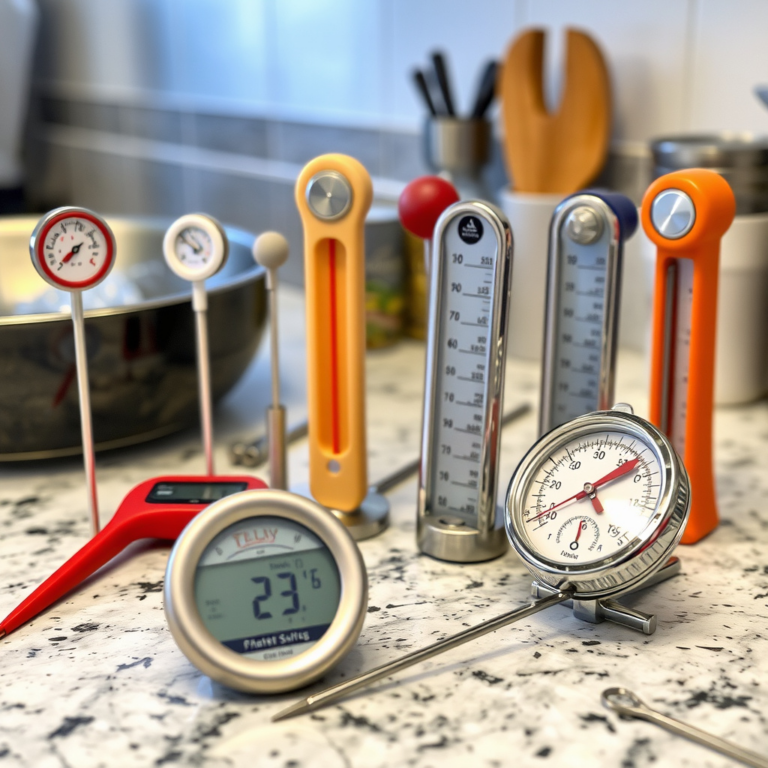
Leveraging Thermometer Types: Dial and Probe
Dial thermometers are often slower and require calibration, but they are affordable and reliable if handled correctly. They provide continuous temperature readings and are great for monitoring during roasting.
Probe thermometers can stay in the chicken as it cooks in the oven, allowing continuous temperature tracking without opening the oven door repeatedly.
- Calibrate dial thermometers regularly
- Use oven-safe probes for continuous monitoring
Temperature Differences for Chicken Cuts and Preparations
Whole Chicken vs. Cut Pieces
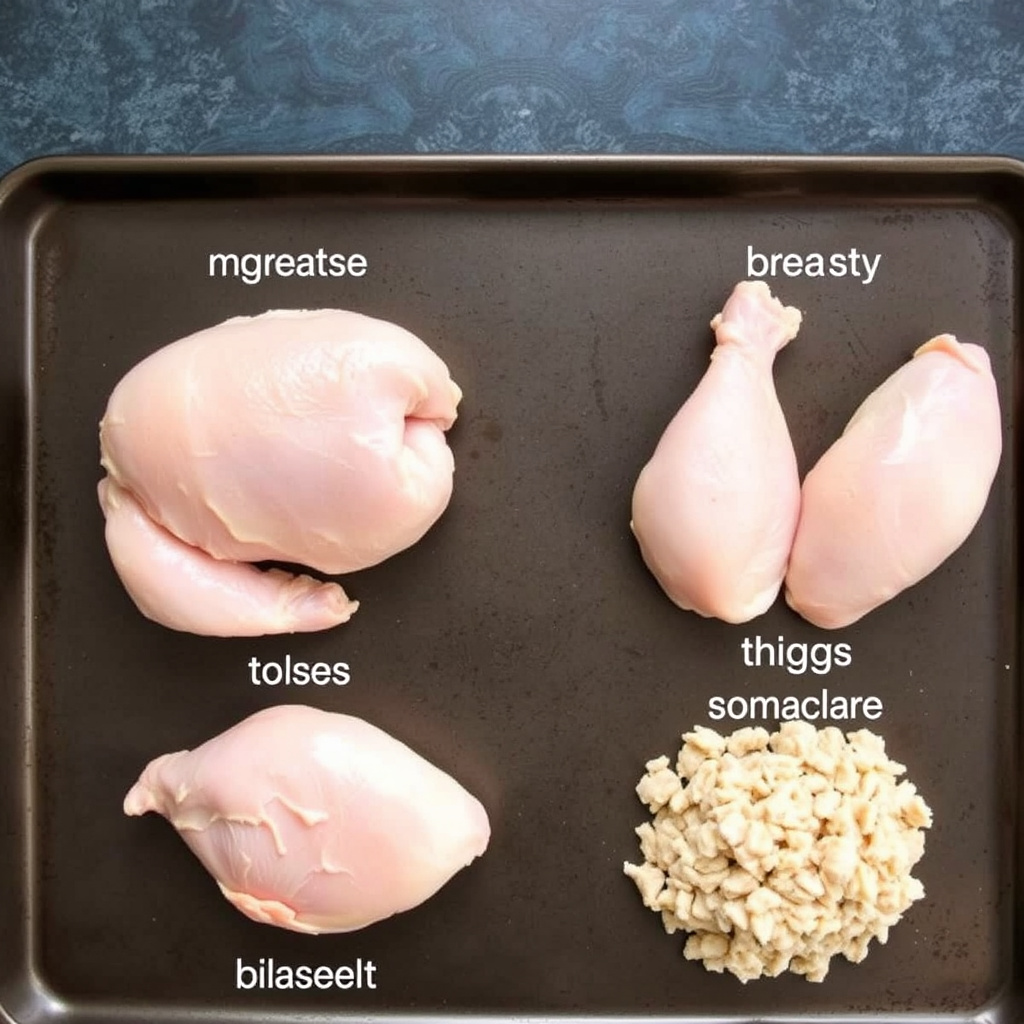
The internal temperature goal remains 165°F for all cuts, but whole chickens require checking several spots, including the thickest part of the thigh and breast, to confirm full doneness.
Cut pieces, like breasts or thighs, are easier to test individually, allowing more precise cooking to prevent dryness in smaller portions.
For more on this, see our related guide: How to Know When Chicken Is Done: A Complete Guide to Perfectly Cooked Poultry.
Unique Guidelines for Ground Chicken
Ground chicken needs to reach 165°F as well since grinding can spread bacteria throughout the meat. It’s crucial to avoid undercooking ground poultry, which poses a higher risk.
Products like chicken burgers or meatballs should always be tested in the center to verify they have reached the safe cooking temperature.
Common Mistakes When Checking Chicken Temperature
Testing Temperature Near Bone
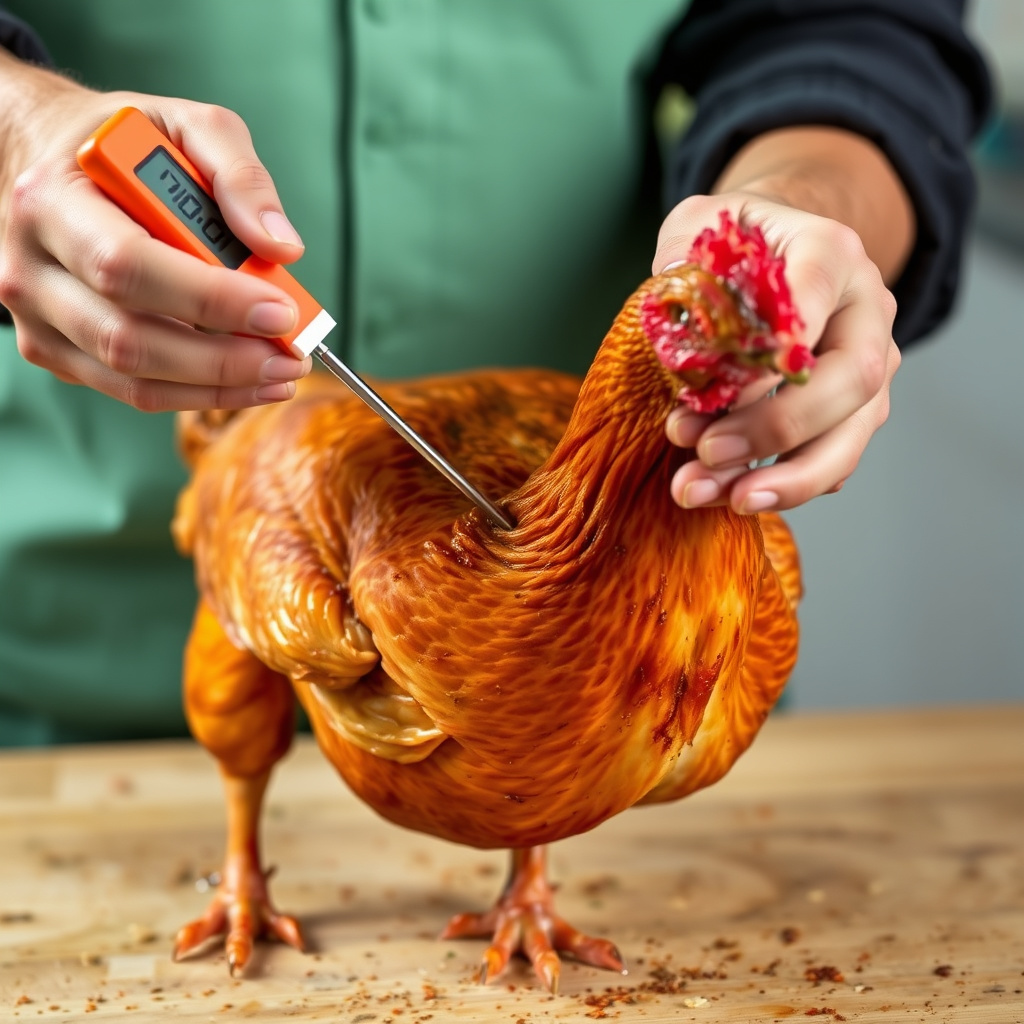
Many beginners place the thermometer directly against or in contact with the bone, which gives inaccurate high readings because bones heat faster than meat.
For true internal temperature, insert the probe into the meatiest, thickest part without touching bone or gristle.
Not Waiting Long Enough for Reading
Removing the thermometer too quickly can lead to inconsistent results. A sudden reading before temperature stabilizes can falsely indicate doneness or undercooking.
Wait for the thermometer display to settle, usually 2-5 seconds depending on the device, before making cooking decisions.
Tips to Achieve Perfectly Cooked Chicken
Resting Chicken After Cooking
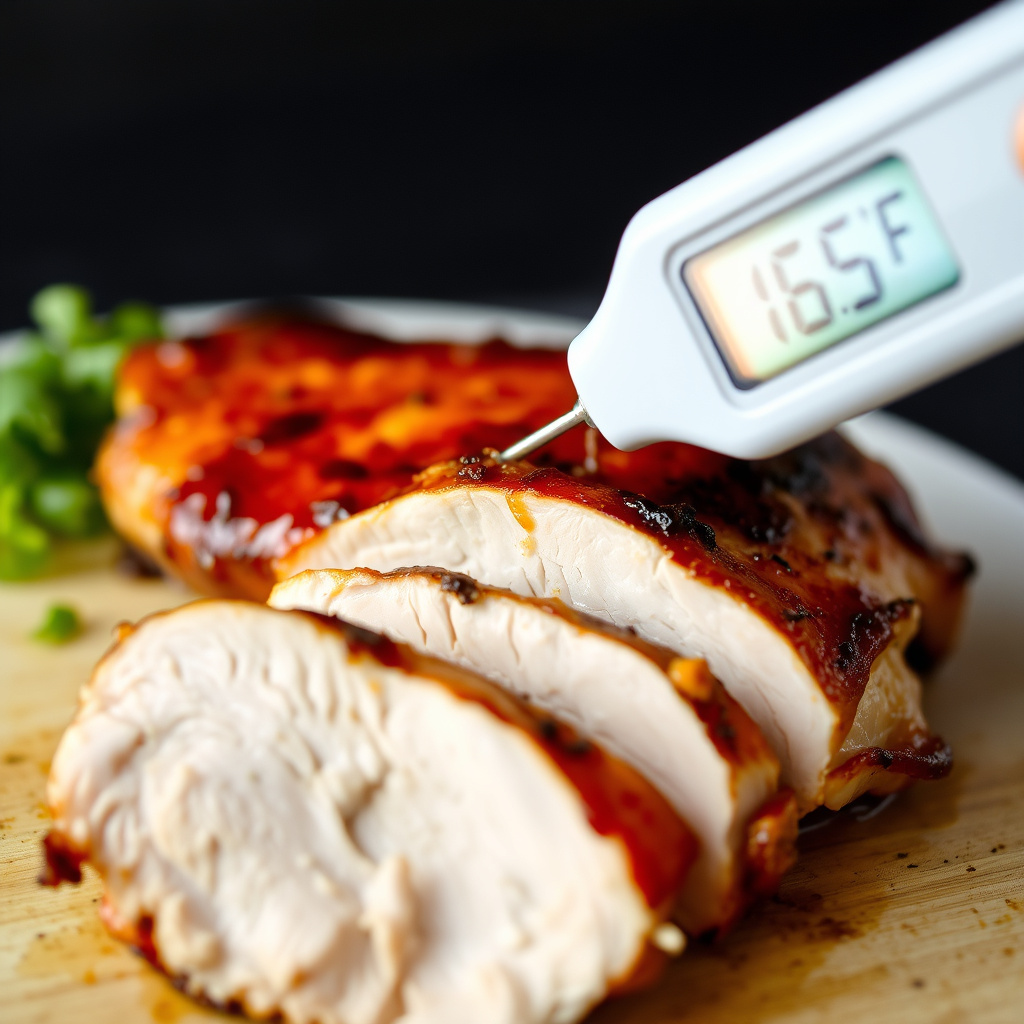
Resting chicken for 5-10 minutes after removing from heat allows juices to redistribute and temperature to even out. This brief resting can increase internal temperature slightly due to carryover heat.
This makes the meat juicier and more flavorful while ensuring that the safe internal temperature has been maintained.
For more on this, see our related guide: How to Keep Chicken Moist on the Grill: Simple Tips for Juicy Results.
Using Thermometers for Consistency
Regular use of a meat thermometer will help develop a reliable cooking routine, reducing guesswork and preventing both undercooked or overcooked chicken.
Calibrate your thermometer regularly and clean it after each use to maintain accuracy and hygiene.
- Calibrate thermometer monthly
- Clean probe with hot soapy water after use
Food Safety Considerations Beyond Temperature
Avoiding Cross-Contamination
Even with correct temperature, cross-contamination from raw chicken to other foods or surfaces can cause illness. Always use separate utensils and cutting boards for raw poultry.
Wash your hands thoroughly after handling raw chicken to prevent bacteria spread.
- Use separate chopping boards
- Wash hands and surfaces often
For official standards, refer to the USDA guidelines for poultry safety temperatures. USDA guidelines for poultry.
Proper Storage and Handling
Store raw chicken in sealed containers below 40°F to slow bacterial growth. Cook or freeze within 1-2 days of purchase.
Leftover cooked chicken should be refrigerated within 2 hours and consumed within 3-4 days.
- Store at or below 40°F
- Refrigerate leftovers promptly
Chicken Cooking Temperature Category Comparison
Different types of chicken products require the same internal temperature for safety but vary in cooking practices and checks.
| Chicken Category | Recommended Internal Temp | Key Cooking Consideration |
|---|---|---|
| Whole Chicken | 165°F | Check thigh and breast temperature separately |
| Chicken Breasts | 165°F | Insert probe in thickest center part |
| Chicken Thighs/Legs | 165°F | More forgiving due to higher fat content |
| Ground Chicken | 165°F | Ensure center of patty or meatballs reach temp |
| Chicken Wings | 165°F | Smaller size means quicker cooking, check multiple pieces |
Frequently Asked Questions
Can chicken be safe to eat if cooked below 165°F?
Cooking chicken below 165°F increases the risk of harmful bacteria surviving, which can cause foodborne illness. The 165°F benchmark is set to guarantee safety.
Why does the thermometer sometimes show a higher temperature near the bone?
Bones conduct heat faster than meat, so thermometers touching bones may give a falsely high reading that does not represent the internal meat temperature.
How long should I wait after removing chicken from heat before checking internal temperature?
It's best to check the temperature immediately after cooking. However, resting chicken for 5-10 minutes allows carryover cooking to finish and juices to settle.
Are there any differences in temperature guidelines for dark and white meat chicken?
No, both dark and white meat chicken must reach the same safe internal temperature of 165°F to ensure killing bacteria.
Is it necessary to calibrate meat thermometers?
Yes, regular calibration ensures the thermometer is accurate, preventing under or overcooking due to incorrect temperature readings.
Key Takeaways
- Chicken must reach 165°F to be safe from harmful bacteria
- Use an instant-read thermometer in the thickest part of meat without touching bone
- Ground chicken always needs careful temperature checks due to risk of bacteria spread
- Allow chicken to rest after cooking for juicier, evenly cooked meat
Conclusion
Successfully determining when chicken is safely cooked hinges on understanding and measuring its internal temperature correctly. The widely accepted safe temperature of 165°F ensures that harmful pathogens are eliminated, protecting you and your family from foodborne illness. Balancing safety with quality means precise temperature checks become an essential part of any chicken cooking routine. Familiarity with different thermometer types, testing methods, and resting times can significantly improve cooking results and reduce guesswork.
Different chicken preparations such as whole birds, breasts, thighs, or ground chicken all require reaching 165°F internally, though monitoring techniques might vary slightly depending on cut size and thickness. Whole chickens demand multiple temperature checks, while individual pieces allow more straightforward probing. Ground chicken, which presents a higher contamination risk due to the grinding process, needs especially careful temperature verification. By consistently using suitable meat thermometers and avoiding common errors like touching bones or rushing readings, you ensure perfectly cooked, safe chicken every time.
For anyone cooking chicken regularly, investing in a reliable digital instant-read thermometer and practicing proper temperature testing habits offers great peace of mind and culinary success. Checking the internal temp for chicken may seem technical, but it soon becomes second nature and can transform your results. Next time you prepare chicken, focus on hitting that 165°F mark accurately and resting your meat afterward. This approach guarantees both safety and deliciousness on your plate.