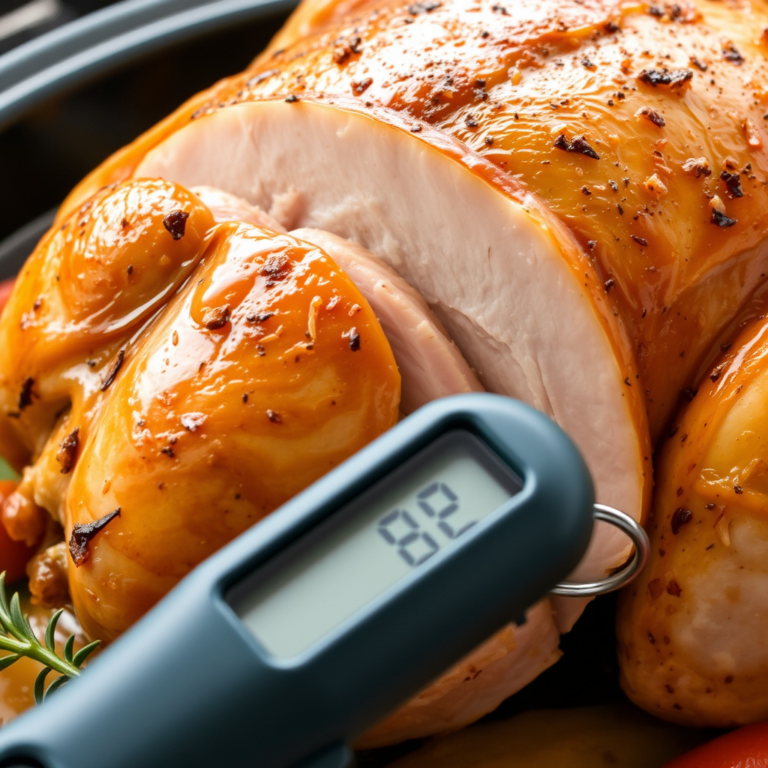
Knowing how to tell when chicken is done is essential for both safety and taste. The key indicator is reaching the correct internal temperature of 165°F (75°C), which kills harmful bacteria while keeping the meat juicy and tender. Using a reliable meat thermometer is the most accurate way to confirm doneness.
This matters because undercooked chicken poses serious health risks, while overcooking dries it out and ruins texture. Visual cues such as clear juices and firm meat can be helpful, but they are less reliable than temperature measurements. Understanding the various methods for checking doneness can elevate your cooking results.
This article covers the primary ways to know when chicken is done, including thermometer use, visual and tactile indicators, differences by cooking method, and tips to avoid common mistakes. Whether roasting, grilling, or frying, you’ll gain the confidence to serve delicious, safely cooked chicken every time.
Understanding the Safe Internal Temperature for Chicken
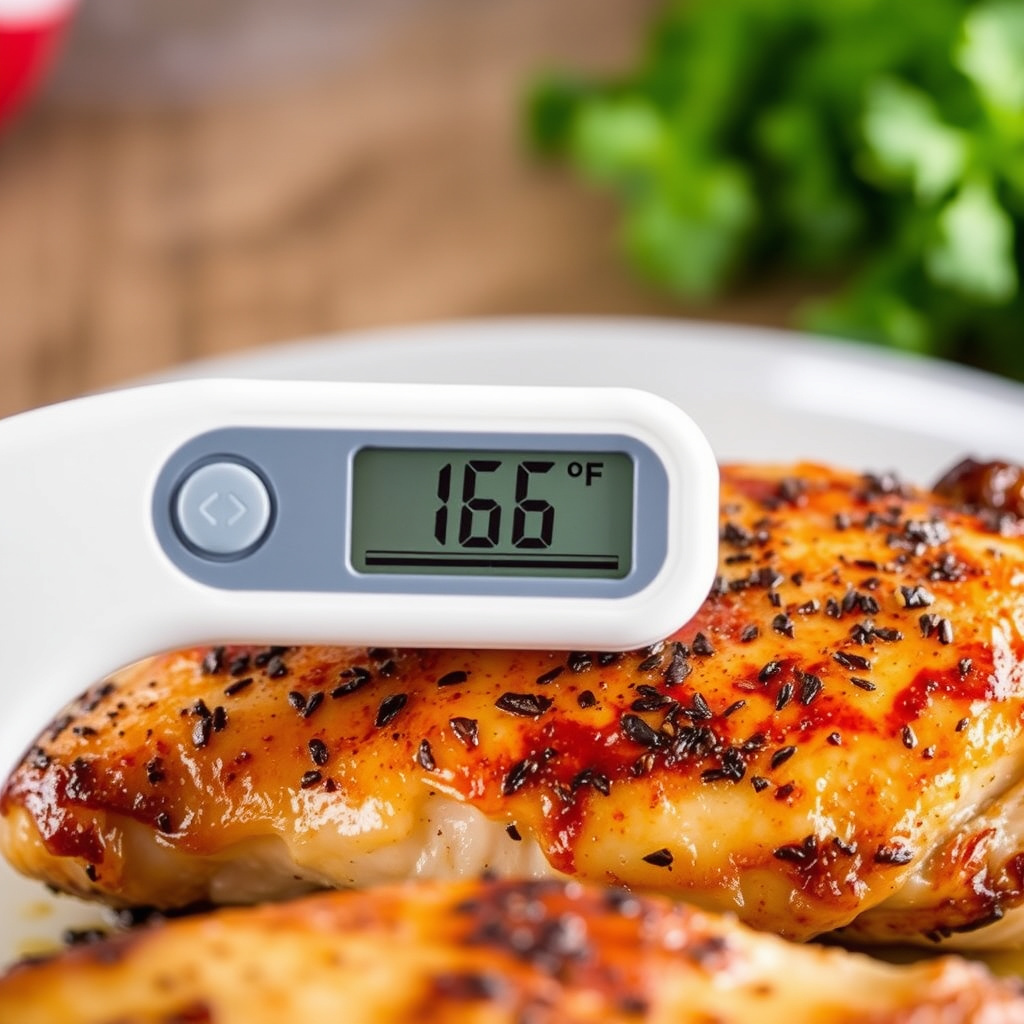
Why 165°F Is the Standard for Doneness
Chicken must reach an internal temperature of 165°F (75°C) to eliminate pathogens like salmonella. This temperature ensures the meat is safe to eat without compromising moisture if timed correctly.
The USDA recommends this temperature for all poultry cuts. Using a meat thermometer provides an objective check compared to instinct-based methods that can vary widely.
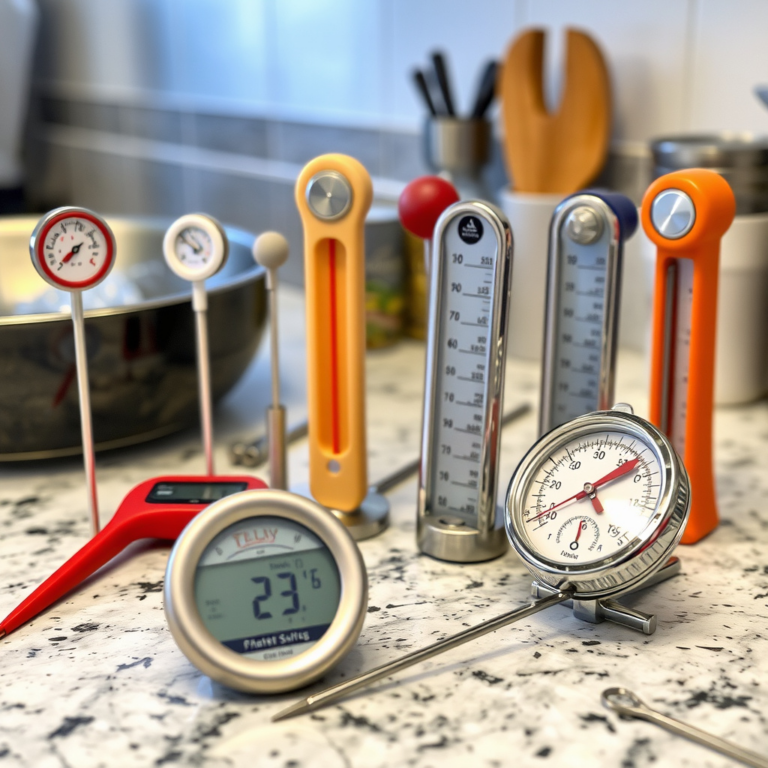
Types of Meat Thermometers to Use
Instant-read digital thermometers offer fast and accurate readings, making them ideal for home cooks. Leave-in probe thermometers allow continuous monitoring during roasting or smoking.
Dial thermometers are less common but effective if calibrated properly. Regardless of type, clean the probe between uses to maintain food safety.
- Instant-read digital thermometer
- Leave-in probe thermometer
- Dial thermometer
Visual and Textural Cues to Judge Chicken Doneness
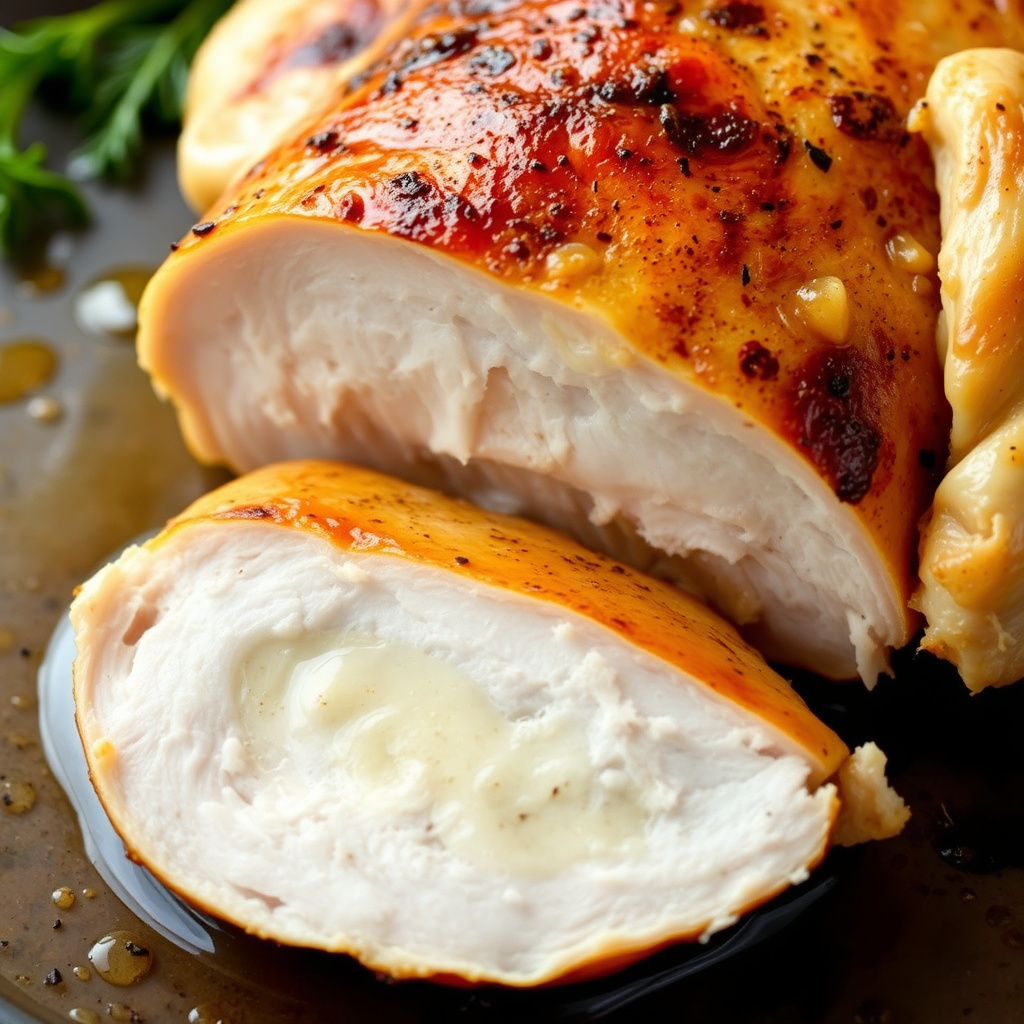
Checking Juices and Color
Clear juices running from the chicken are a good sign the meat is cooked, but this is less precise than using a thermometer. Pink or red juices indicate it may still be underdone.
Similarly, the meat should be opaque white throughout, with no pink or translucent areas, especially near the bone.
Texture and Firmness as Indicators
When pressed, cooked chicken feels firm but not hard or rubbery. Overcooked chicken tends to be dry and overly stiff, while raw or undercooked meat will feel soft and slightly spongy.
Using finger pressure or cutting into the thickest part can help gauge doneness, but these cues are subjective and benefit from thermometer confirmation.
How Cooking Methods Affect Chicken Doneness Timing
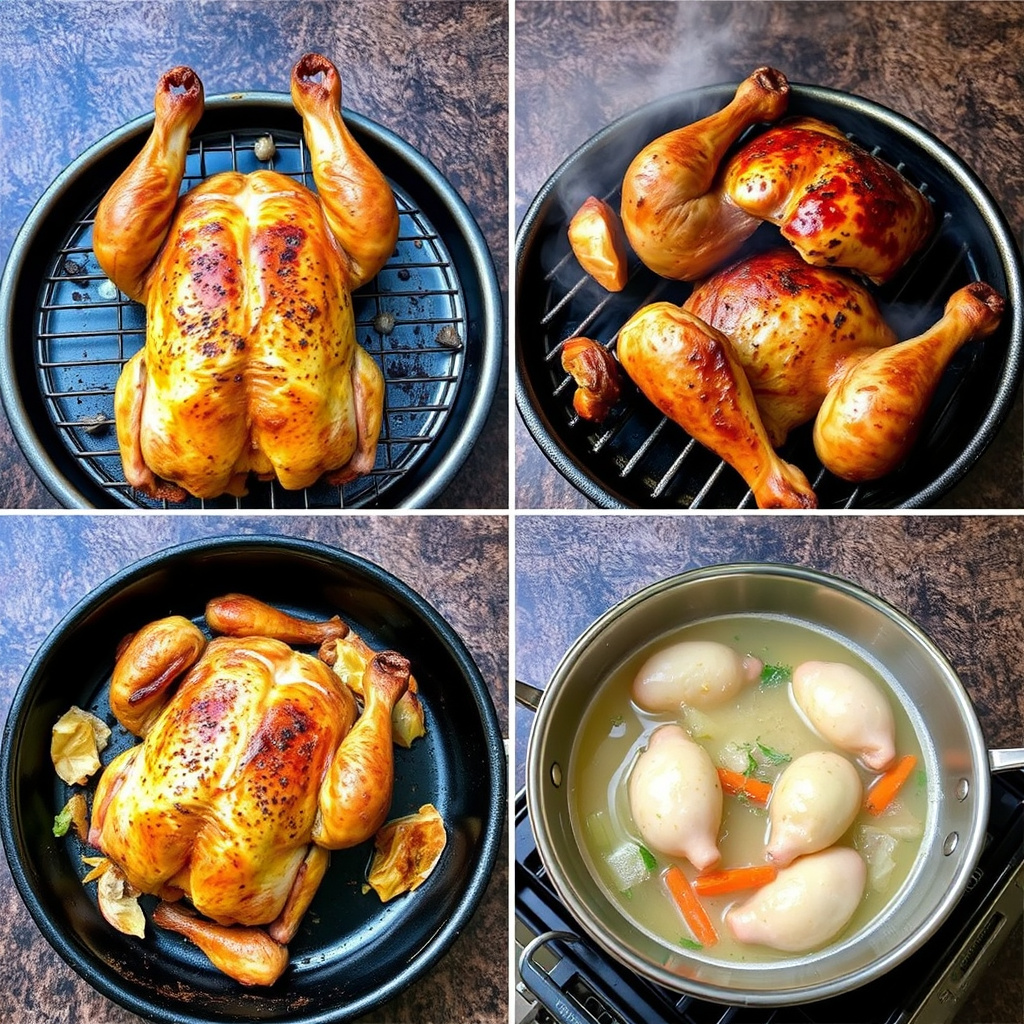
Oven Roasting and Baking
Roasting at medium-high heat typically takes 20-30 minutes for boneless breasts, longer for bone-in pieces. Thermometer placement is key; check the thickest part without touching bone.
Resting the chicken for a few minutes after cooking allows carryover heat to raise the temperature slightly and locks in juices.
For more on this, see our related guide: How to Know When Your Grill Is Hot Enough for Perfect Cooking.
Grilling and Searing Techniques
Grilling involves direct heat, cooking chicken quickly but unevenly. Turn pieces regularly and check multiple spots with a thermometer.
Searing chicken on a hot pan locks in flavor but requires finishing in the oven or lower heat to cook through without burning the surface.
Common Mistakes That Lead to Under or Overcooked Chicken
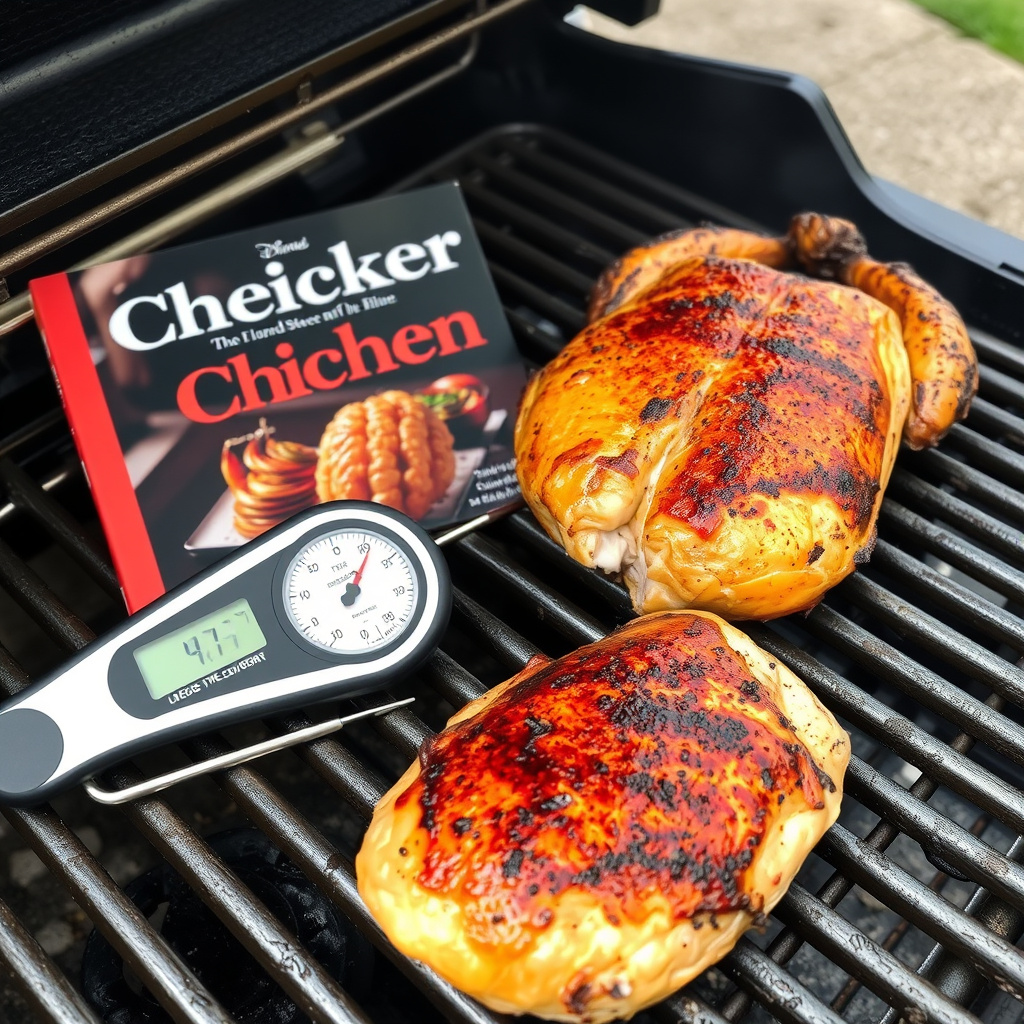
Relying Solely on Time or Appearance
Assuming cooking time guarantees doneness can lead to risky batches, especially with variable thickness or cooking setups. Similarly, clear juices or white meat aren’t foolproof.
Always verify with a thermometer for best safety and quality.
Not Allowing Resting Time
Cutting immediately after cooking causes juices to escape, making the meat dry. A 5-10 minute rest lets juices redistribute evenly.
Resting also completes the internal cooking due to residual heat, rounding out the doneness process.
Advanced Tips for Mastering Chicken Doneness
Using Carryover Cooking to Your Advantage
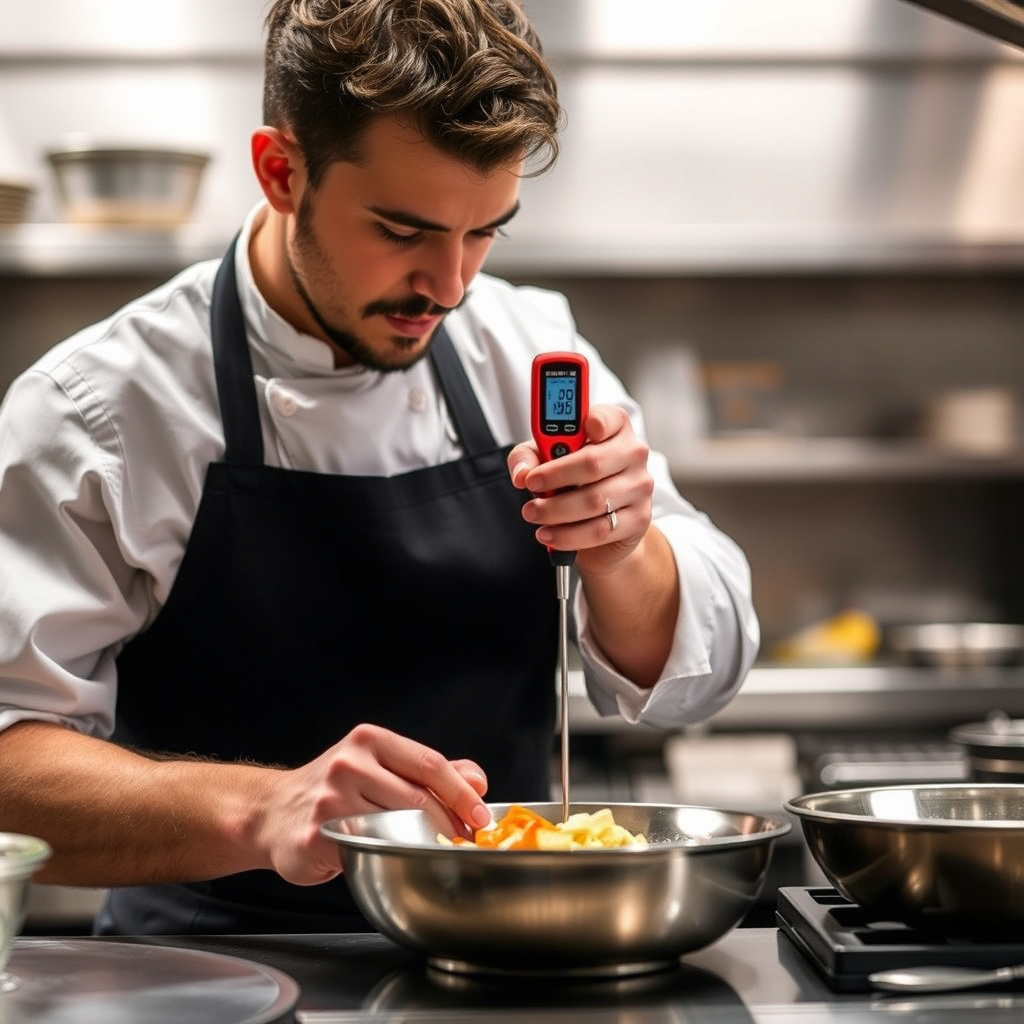
Pull chicken from heat a few degrees before 165°F; residual heat will finish cooking during resting without overcooking the exterior.
This technique requires practice but yields moist, perfectly cooked results when done correctly.
For more on this, see our related guide: What Temperature to Grill Chicken for Juicy, Safe Results.
Calibrating Your Thermometer Regularly
Thermometer accuracy is crucial for safety. Calibrate by dipping the probe in ice water (should read 32°F) or boiling water (212°F at sea level) and adjusting if necessary.
Regular calibration keeps readings reliable and your chicken safe.
How to Know When Chicken Is Done During Different Preparations
Soups and Stews
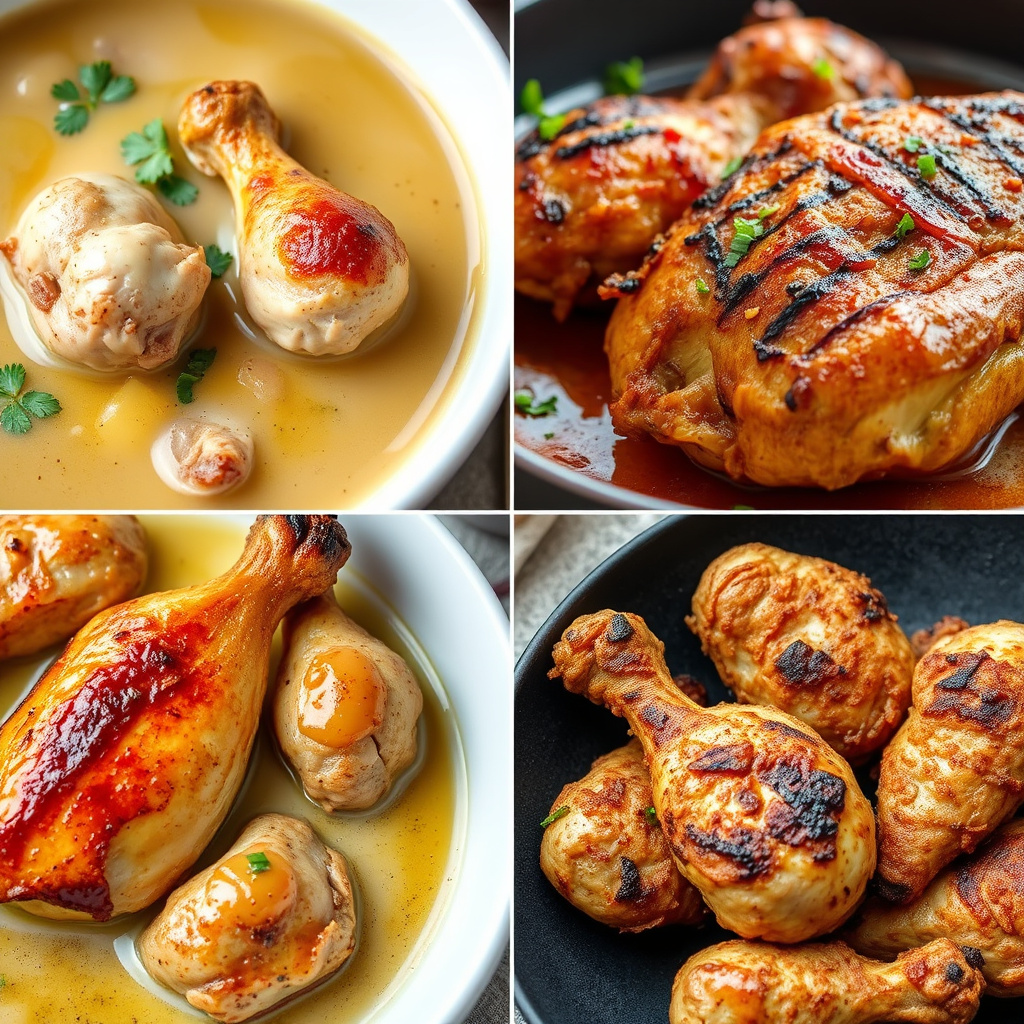
In soups, small pieces cook quickly and should reach 165°F before serving. The meat should pull easily with a fork and no pink remains.
Since cooking times vary, use a thermometer or taste to confirm tenderness and safety.
For official safety standards on cooking poultry, consult the USDA guidelines for poultry safety. USDA guidelines for poultry safety.
Frying and Pan-Cooking
In frying, chicken exterior can brown rapidly while interior remains raw. Use a thermometer inserted sideways into the thickest part.
Maintain oil temperature to avoid uneven cooking—too hot will burn outside, not hot enough causes greasy, undercooked meat.
Chicken Doneness Methods Comparison
Here's a comparison of popular methods to determine when chicken is done, highlighting accuracy and ease of use.
| Method | Accuracy | Speed | Ease of Use |
|---|---|---|---|
| Meat Thermometer | High | Fast | Easy |
| Visual Cues (Juices/Color) | Medium | Instant | Easy |
| Touch/Texture Test | Low-Medium | Instant | Medium |
| Cooking Time Estimate | Low | Varies | Easy |
Frequently Asked Questions
Can I eat chicken if it’s slightly pink inside?
Slight pinkness can be normal in some cooked chicken, but it must reach 165°F internally. Use a thermometer to confirm, as pink meat does not guarantee safety.
Is it safe to cook chicken at lower temperatures for longer times?
Slow cooking at lower temperatures can be safe if the chicken reaches 165°F at some point. Using a thermometer and following tested recipes is essential for safety.
Why does chicken sometimes look white but still be undercooked?
Surface heat cooks the outside faster, causing white color before the center reaches safe temperature, so checking temperature inside is critical.
How long should I let chicken rest after cooking?
Rest chicken for 5-10 minutes to allow juices to redistribute and carryover cooking to finish, improving flavor and texture.
Can I rely on a meat thermometer if it’s digital or dial?
Both types are accurate if properly calibrated. Instant-read digital thermometers are generally faster; dial thermometers require calibration checks.
Key Takeaways
- Use a meat thermometer to verify chicken has reached 165°F internally.
- Visual and texture cues help but cannot replace temperature checks.
- Different cooking methods affect timing and doneness detection.
- Allow resting time for juicier, evenly cooked chicken.
Conclusion
Determining when chicken is done relies primarily on measuring the internal temperature of 165°F, ensuring safe consumption while avoiding dryness. Combining thermometer readings with visual and tactile signs enhances accuracy. Each cooking technique demands awareness of timing and heat distribution to apply these checks effectively. Mastering these approaches leads to consistent, delicious chicken dishes that protect your health.
For oven-roasted or grilled chicken, a leave-in or instant-read thermometer is remarkably beneficial. Soups and stews benefit from careful temperature checks on smaller pieces, while frying requires monitoring oil temperature and immediate thermometer verification. Avoid relying solely on appearance or estimated timing, particularly with thicker cuts or bone-in parts, to prevent undercooked results.
Starting with a calibrated meat thermometer and allowing chicken to rest after cooking are practical steps every cook can take. Experiment with temperature thresholds and resting times to tailor juiciness and tenderness to personal preferences. By implementing these techniques, you’ll gain the confidence to prepare chicken that is both safe and flavorful every time.