Cooking pulled pork in a slow cooker transforms tough, inexpensive pork shoulder into tender, flavorful meat that's easy to shred. Simply season the pork, add some liquid, and cook on low heat for several hours until it falls apart effortlessly. This method requires minimal attention and yields consistently delicious results.
Slow cooking allows the pork to absorb spices deeply while breaking down connective tissue, making the meat juicy and tender. It’s a great choice for busy days or when preparing food for a crowd, as the slow cooker does most of the work and keeps your kitchen cool.
This guide will walk you through selecting the right cut, preparing your pork shoulder, seasoning options, cooking times, shredding techniques, and serving ideas. Whether you want a classic barbecue pulled pork or something with a twist, you’ll find practical tips to help you get it right.
Choosing the Right Cut for Pulled Pork in a Slow Cooker
Why Pork Shoulder is Ideal for Slow Cooking
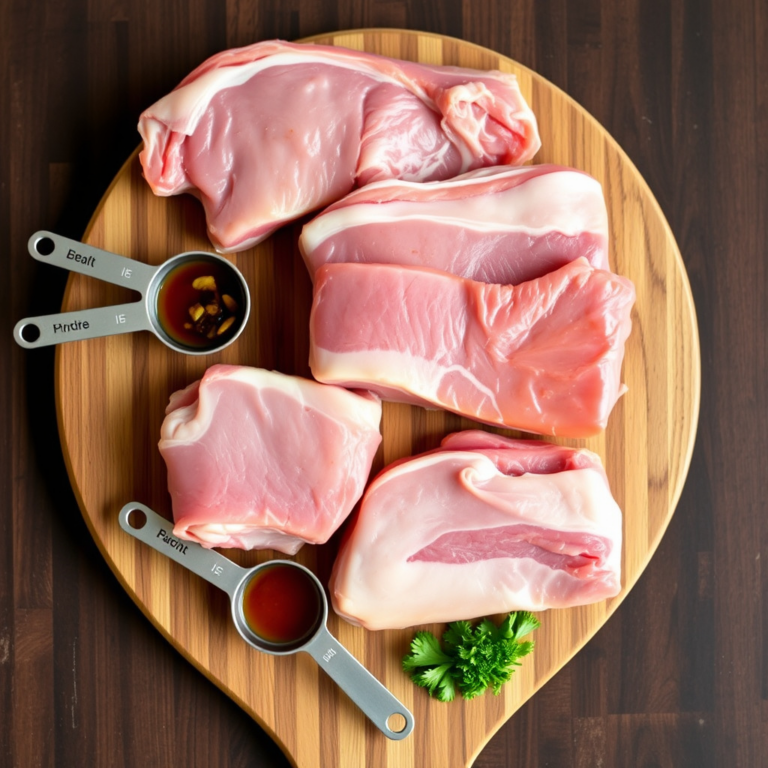
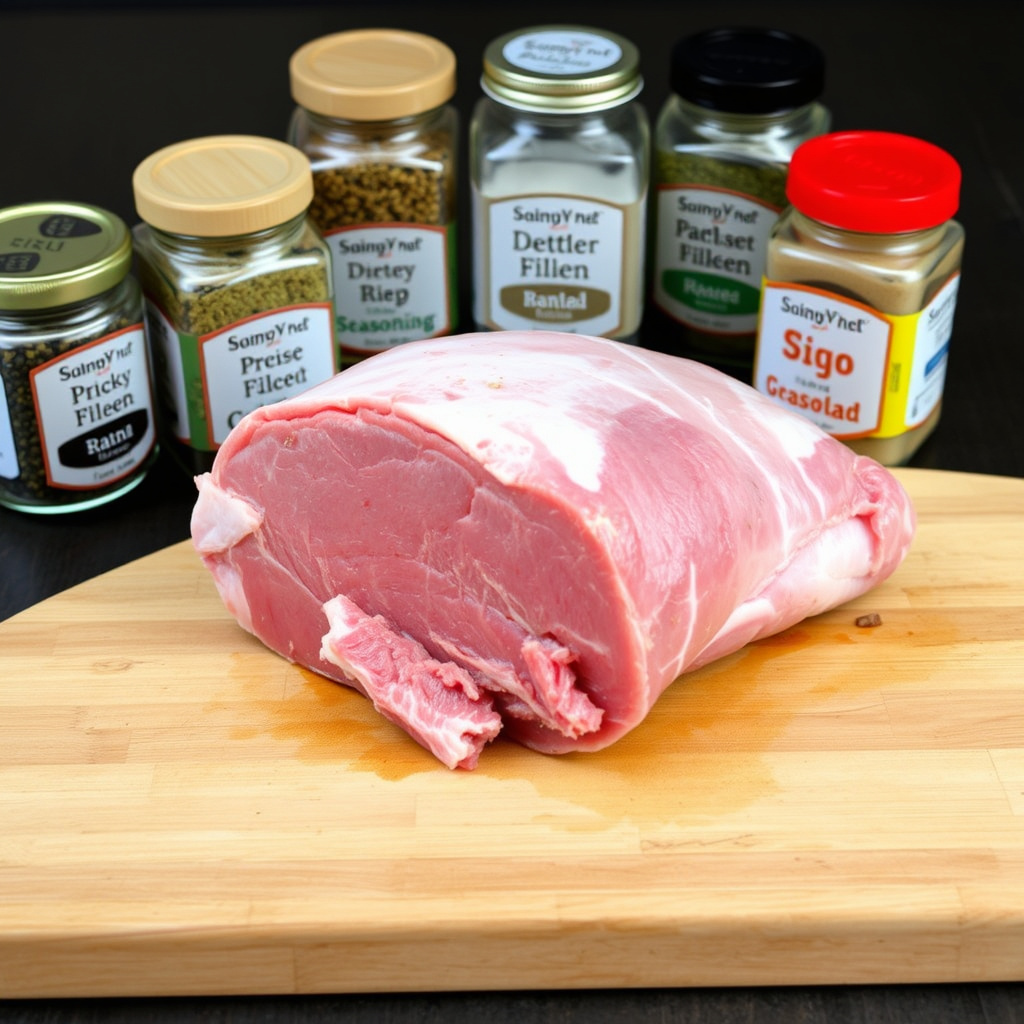
Pork shoulder, also called pork butt or Boston butt, is the preferred cut for slow cooker pulled pork because it has a good amount of fat and connective tissue. This fat breaks down during the long cooking process, keeping the meat moist and adding rich flavor.
Unlike lean cuts, pork shoulder becomes tender without drying out, which is essential for achieving that classic pulled texture where the meat easily shreds apart.
Alternative Cuts and When to Use Them
While pork shoulder is the best option, pork picnic shoulder or even pork loin can be used if preferred. Note that leaner cuts like pork loin may require less cooking time and can result in drier pulled pork.
Choosing the right cut depends on your budget and desired texture. For tender, juicy pulled pork, stick with fatty cuts; for leaner meat, adjust cooking time and moisture accordingly.
Preparing the Pork Shoulder for Slow Cooker Pulled Pork
Cleaning and Trimming the Meat
Start by rinsing the pork shoulder under cold water and patting it dry with paper towels. Trim excess silver skin and very thick fat layers, but leave a thin fat cap intact to keep the meat juicy during cooking.
Trimming helps spice rubs penetrate better and avoids overly greasy finished pork. Proper preparation affects both flavor and texture.
Applying Rubs and Marinades
Dry rubs made from brown sugar, paprika, salt, pepper, garlic powder, and chili powder add rich flavor and create a caramelized crust during cooking. Coat the meat evenly with the rub, pressing it into the surface.
Alternatively, marinating the shoulder in a vinegar-based or mustard-infused sauce for a few hours enhances tenderness. Both methods complement slow cooking, resulting in a deep, satisfying taste.
- Brown sugar for sweetness
- Paprika for color and smoky flavor
- Salt to enhance taste
- Garlic and chili powder for spice
Slow Cooker Settings and Cooking Time for Pulled Pork
Recommended Temperature and Duration
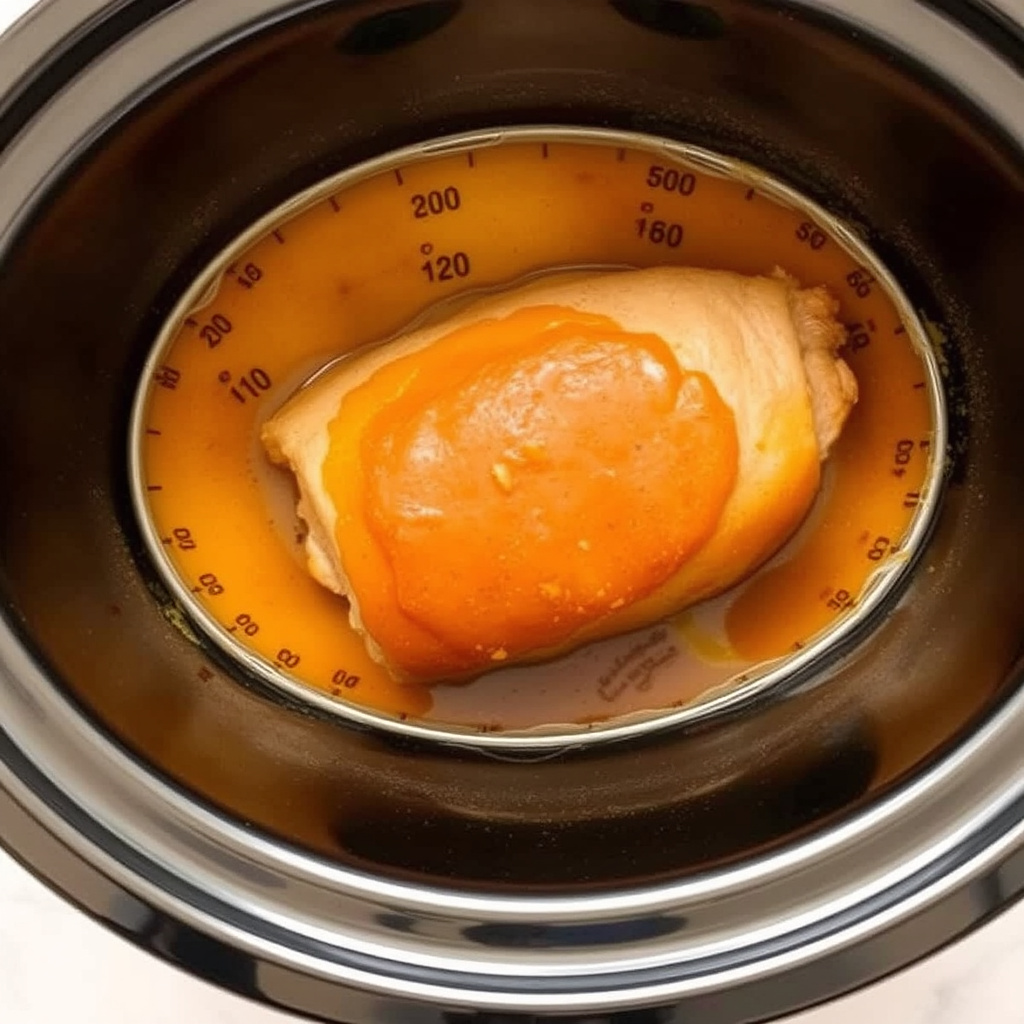
Cooking pulled pork in a slow cooker on low heat for 8 to 10 hours gives the best tenderness, while cooking on high heat takes about 4 to 6 hours. Low and slow breaks down collagen thoroughly without drying the meat.
Using a slow cooker with a reliable temperature setting helps maintain consistent heat. Avoid opening the lid frequently to keep the temperature steady.
- Low for 8-10 hours: Best for tender meat
- High for 4-6 hours: Faster, less tender
For more on this, see our related guide: How to Know When Ribs Are Done: Mastering the Perfect Cook Every Time.
Adding Liquid for Moisture and Flavor
Adding 1/2 to 1 cup of liquid such as broth, apple cider vinegar, cola, or barbecue sauce prevents the pork from drying out and infuses extra flavor. The liquid also helps create a juicy environment for slow cooking.
Choose liquids based on desired taste profile. For example, cola adds a subtle sweetness, while broth maintains savory notes. Liquids should not cover the meat fully, just provide moisture.
- Broth: savory and neutral
- Apple cider vinegar: tangy with acidity
- Cola: sweetens and tenderizes
- Barbecue sauce: rich flavor base
Shredding and Finishing Your Slow Cooker Pulled Pork
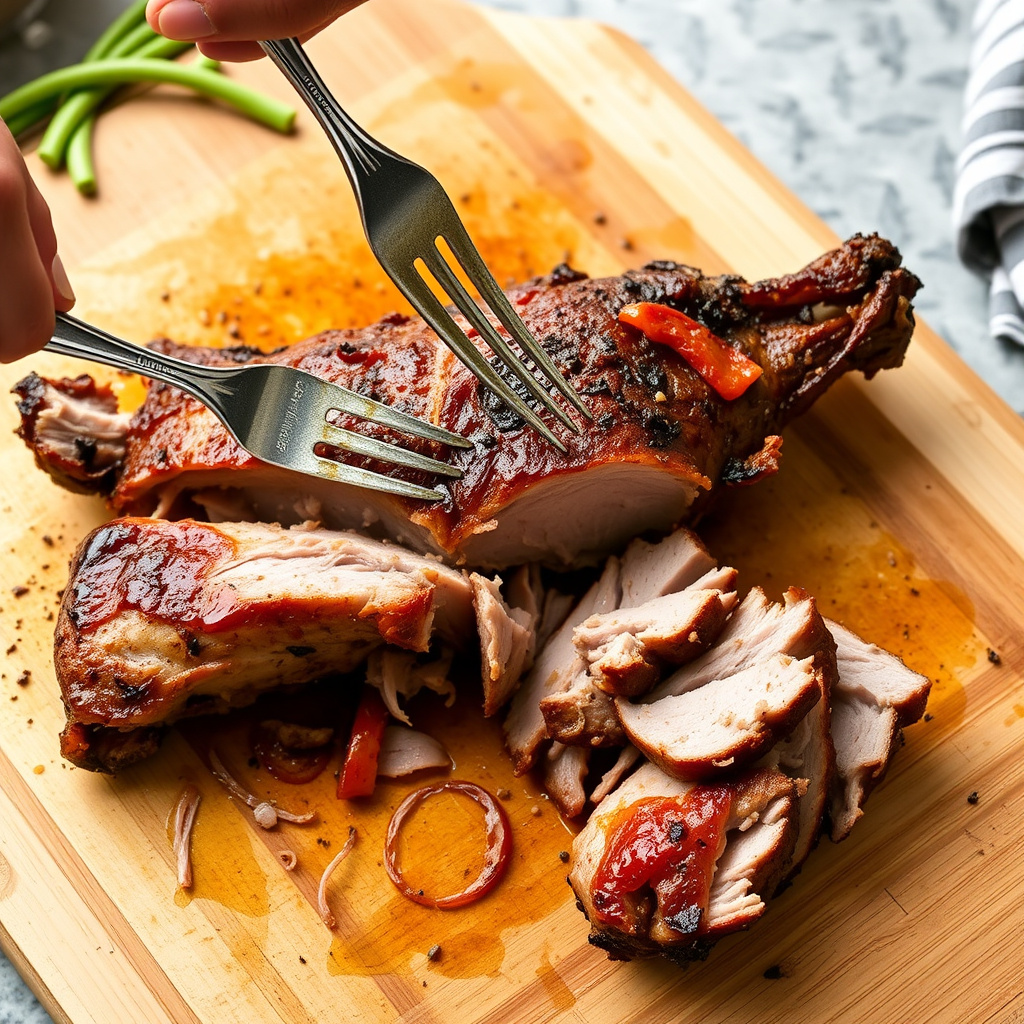
How to Properly Shred Pulled Pork
Once the pork is cooked, remove it from the slow cooker and let it rest for 10-15 minutes to redistribute juices. Use two forks to pull the meat apart into shreds along the grain. This loosens fibers for the classic pulled pork texture.
Avoid shredding too early because the meat can be hot and crumbly. Resting allows it to remain tender and juicy after shredding.
Mixing in Sauce and Serving Tips
Add your favorite barbecue sauce or cooking liquid back into the shredded pork to coat the meat evenly and boost flavor. Stir gently to combine without mashing the shreds.
Serve pulled pork in sandwich buns, tacos, or over rice with sides like coleslaw. Leftovers store well and reheat nicely.
Common Mistakes to Avoid When Making Slow Cooker Pulled Pork
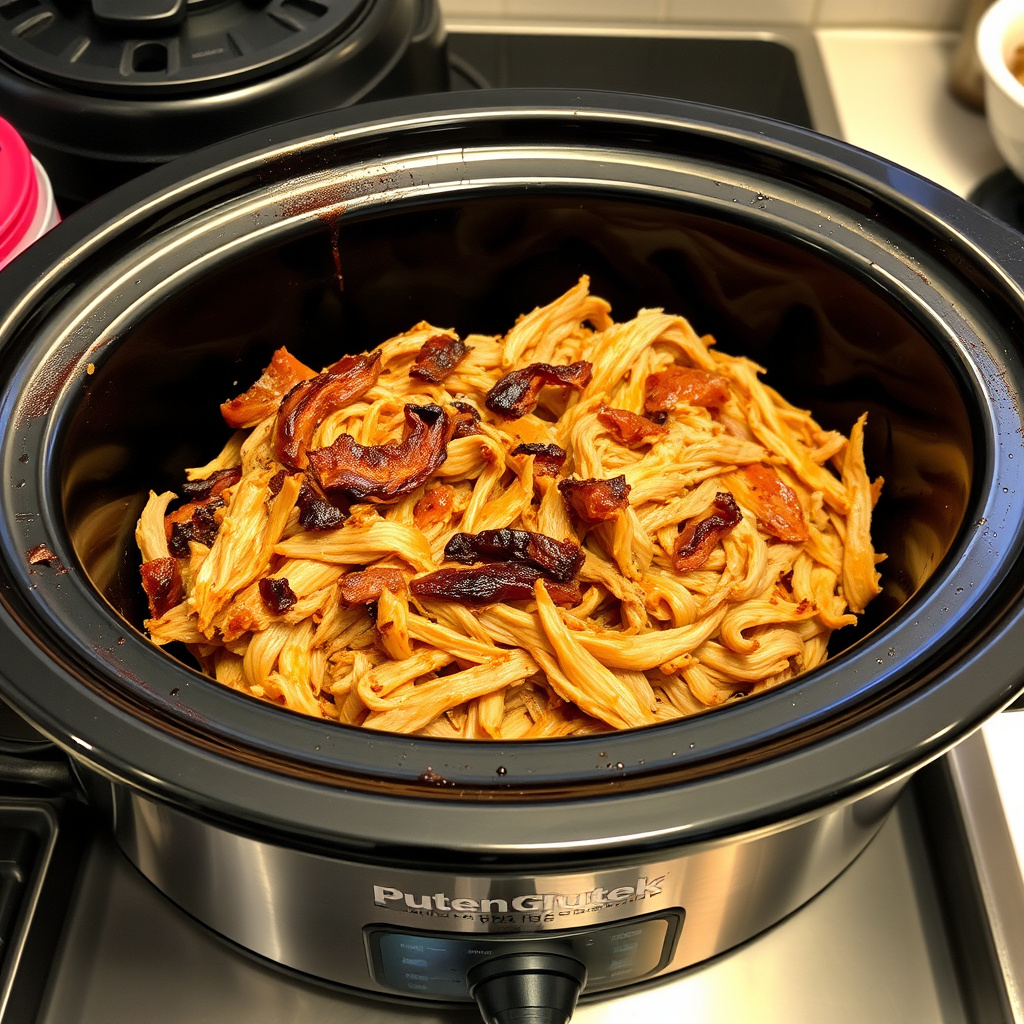
Overcooking or Undercooking the Pork
Overcooking can dry out the pork even in a slow cooker, especially if the lid is removed frequently, causing heat loss. Undercooking results in tough meat that doesn’t shred well. Using a meat thermometer to check for 195-205°F internal temperature guarantees tenderness.
Adjust the cooking time based on the size of the pork shoulder. Larger pieces need longer cooking.
For more on this, see our related guide: How to Make Pulled Pork Sandwiches: A Step-by-Step Guide.
Neglecting Proper Seasoning and Resting
Failing to season adequately or skip resting can lead to bland or dry results. Season the pork generously and allow a resting period after cooking for juices to redistribute.
Rushing straight to shredding while the meat is hot causes loss of moisture and compromises texture.
Variations and Flavor Twists on Classic Slow Cooker Pulled Pork
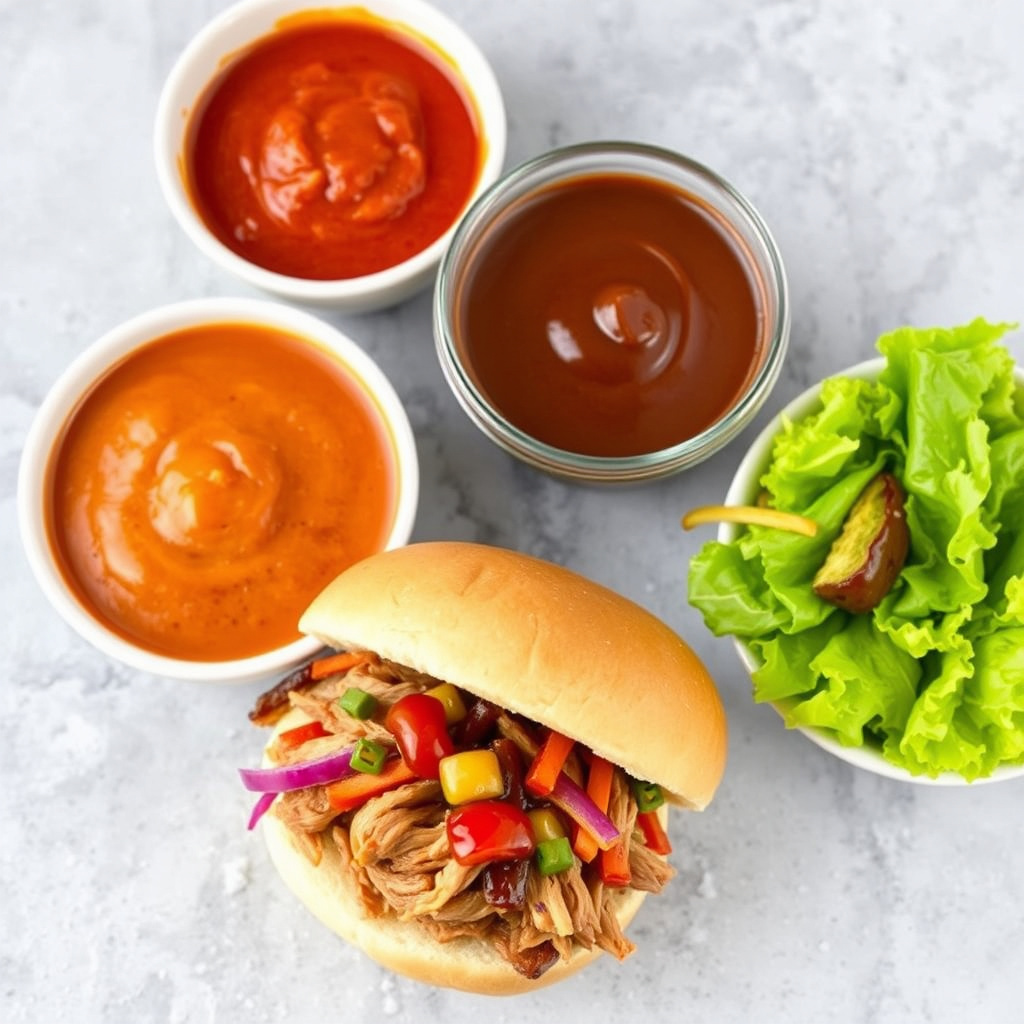
Regional Barbecue Sauce Styles
Pulled pork shines when paired with regional barbecue sauces. Carolina styles favor vinegar-based sauces, while Kansas City sauces are thick and sweet. Texas styles often include smoky and spicy notes.
Experimenting with these variations can personalize your slow cooker pulled pork to match your preferred flavor profile or occasion.
- Carolina vinegar sauce
- Kansas City sweet and tangy sauce
- Texas smoky and spicy sauce
For additional background on pulled pork and its culinary history, you can visit the pulled pork Wikipedia page. pulled pork Wikipedia page.
Adding Spices and Aromatics
Including spices like cumin, smoked paprika, or chipotle powder in your rub or slow cooking liquid adds depth. Aromatics such as onions, garlic, or jalapeños can be layered underneath the pork shoulder for more complex flavors.
These tweaks make each batch uniquely delicious and allow you to tailor seasonings to your taste.
- Cumin for earthy warmth
- Smoked paprika for smoky notes
- Garlic and onions for aroma
- Jalapeños for heat
Slow Cooker Pulled Pork Recipe Category Comparison
Here's a comparison of different pulled pork cooking approaches to consider, focusing on cut, cooking time, tenderness, and flavor.
| Category | Pork Cut | Cooking Time | Texture | Flavor Profile |
|---|---|---|---|---|
| Classic Slow Cooker | Pork Shoulder | 8-10 hours (low) | Very tender, easy to shred | Balanced savory with spice rub |
| Quick High Setting | Pork Shoulder | 4-6 hours (high) | Tender but less juicy | Balanced, less depth |
| Leaner Cut Method | Pork Loin | 4-5 hours (low) | Less tender, firmer | Milder flavor, needs sauce |
| Marinated Pulled Pork | Pork Shoulder | 8-10 hours (low) | Very tender | Tangy or sweet marinade infused |
| Regional Sauce Variation | Pork Shoulder | 8-10 hours (low) | Tender | Unique regional barbecue sauces |
Frequently Asked Questions
Can I cook pulled pork in a slow cooker without a rub or marinade?
Yes, you can cook pulled pork without a rub or marinade, but seasoning enhances flavor and texture significantly. At minimum, salt and pepper improve taste, while rubs or marinades add complexity and depth.
How do I know when the pulled pork is done?
Pulled pork is done when it reaches an internal temperature of 195-205°F and you can easily shred it with forks. The meat should be tender and moist rather than tough or dry.
Is it necessary to add liquid when slow cooking pulled pork?
Adding a small amount of liquid helps maintain moisture and infuses flavor, but it's not mandatory. Without liquid, the pork may cook drier, so it's recommended to add broth, vinegar, or sauce for best results.
Can leftover pulled pork be frozen?
Yes, leftover pulled pork freezes well in airtight containers or freezer bags for up to 3 months. Thaw in the refrigerator before reheating gently to preserve texture and juiciness.
What are good side dishes to serve with slow cooker pulled pork?
Classic sides include coleslaw, baked beans, cornbread, potato salad, and pickles. These pair well by balancing richness with fresh, tangy, or starchy accompaniments.
Key Takeaways
- Pork shoulder is the best cut for slow cooker pulled pork due to its fat content and tenderness.
- Season meat generously with rubs or marinades for deeper flavor.
- Cook on low heat for 8-10 hours to achieve the most tender results.
- Rest and shred the pork properly to retain moisture and texture.
Conclusion
Creating great pulled pork in a slow cooker comes down to selecting the right cut, applying good seasoning, and allowing sufficient cooking time on low heat. This method reliably produces tender, juicy meat that effortlessly shreds, ideal for sandwiches, tacos, or a variety of dishes. Careful attention to preparation and temperature ensures your pork turns out flavorful and satisfying every time.
For casual cooking, the classic approach using pork shoulder with a brown sugar and paprika rub cooked for 8-10 hours on low is an excellent choice. If you need a quicker meal, increasing the heat setting shortens cooking time but may sacrifice some juiciness. Flavor variations with different regional barbecue sauces or homemade spice blends bring versatility, while leaner cuts like pork loin can work if you adjust expectations and add moisture.
To start your pulled pork adventure, procure a good-quality pork shoulder, choose a seasoning style that appeals to you, and plan your cooking to fit your schedule. With simple tools like a slow cooker and basic spices, you can produce consistent results that make any gathering or weeknight dinner memorable and delicious.