Keeping chicken moist on the grill is all about controlling heat, preparation methods, and timing to prevent drying out. Grilling chicken directly over high heat often leads to tough, dry meat, but with the right approach—such as brining, marinating, and using moderate heat—juicy grilled chicken is achievable every time.
Moist grilled chicken not only tastes better but also has a more appealing texture, making your cookouts and meals much more enjoyable. Since chicken is leaner than other meats, it can easily become dry, so paying attention to moisture-retaining techniques makes a big difference.
This guide will cover methods including brining, selecting the best marinade for grilled chicken, grilling temperature management, and resting procedures. You'll also find tips on tools and grilling styles that help keep your chicken succulent and full of flavor.
Preparing Chicken to Keep It Moist
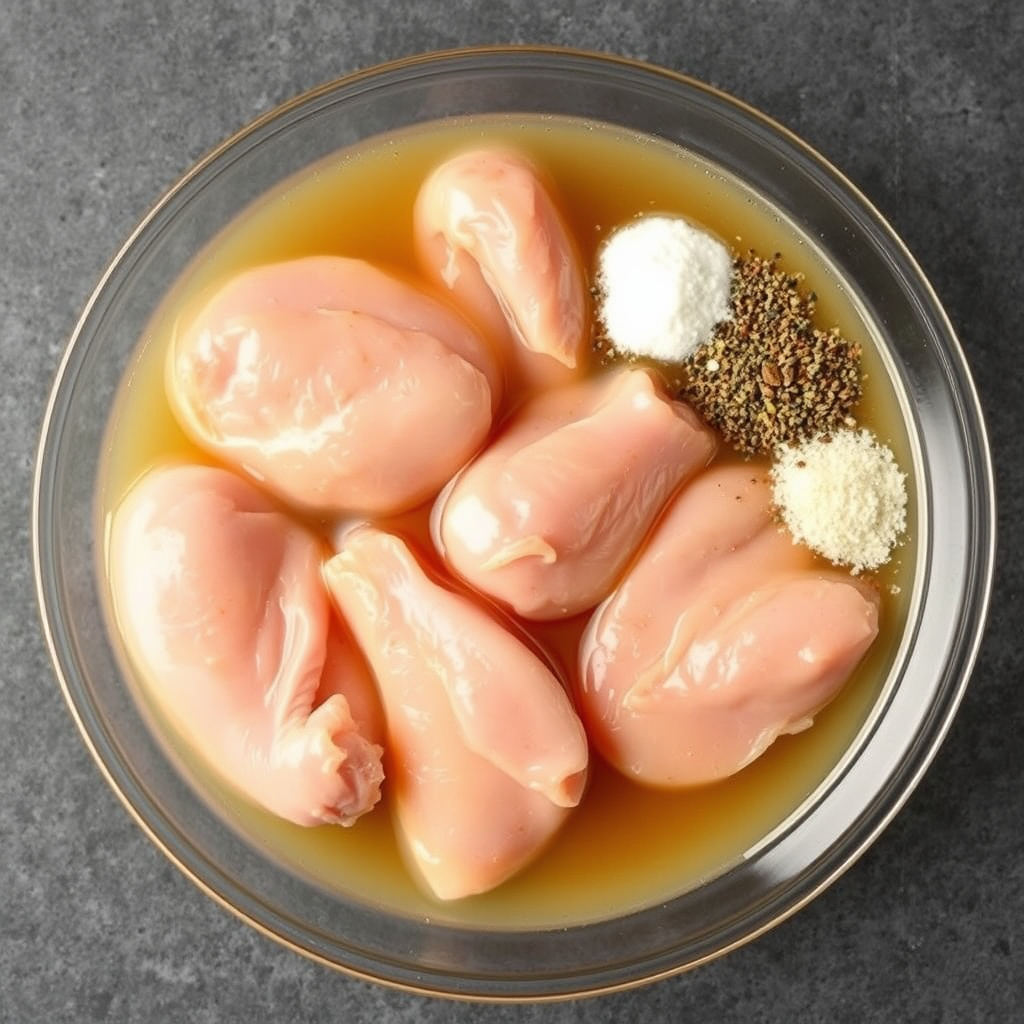
Brining Techniques for Juicy Chicken
Brining chicken before grilling enhances its moisture retention by allowing the meat to absorb a saltwater solution. This process helps the muscle fibers retain moisture during cooking, reducing the chance of dry meat. A basic brine made from water, salt, and sugar is effective when soaked for 30 minutes to several hours depending on the cut size.
Choosing the correct brine concentration is important; too salty can toughen the meat, while too weak won't improve moisture much. After brining, always pat the chicken dry to get a crispier grill exterior without losing the internal juiciness.
- Use 1/4 cup salt per quart of water
- Add sugar for flavor balance
- Brine wings and smaller cuts for 30-60 minutes
- Brine whole breasts or thighs for 2-4 hours
Selecting the Best Marinade for Grilled Chicken
Marinating infuses flavor while also adding moisture, but balancing acidity is key. Opt for marinades with moderate acid levels (like lemon juice or vinegar) combined with oil and herbs. Excess acid breaks down proteins too much, which can lead to mushy textures, while too little won’t impart enough flavor or moisture retention.
Marinades with oil help coat the chicken, locking moisture during grilling. Applying marinades for at least 30 minutes but no longer than 6 hours ensures flavor absorption without over-tenderizing the meat.
- Include oil to retain moisture
- Keep acid from strong sources moderate
- Incorporate herbs and spices for flavor
- Marinate skin-on pieces for better protection
Managing Grill Temperature for Moisture
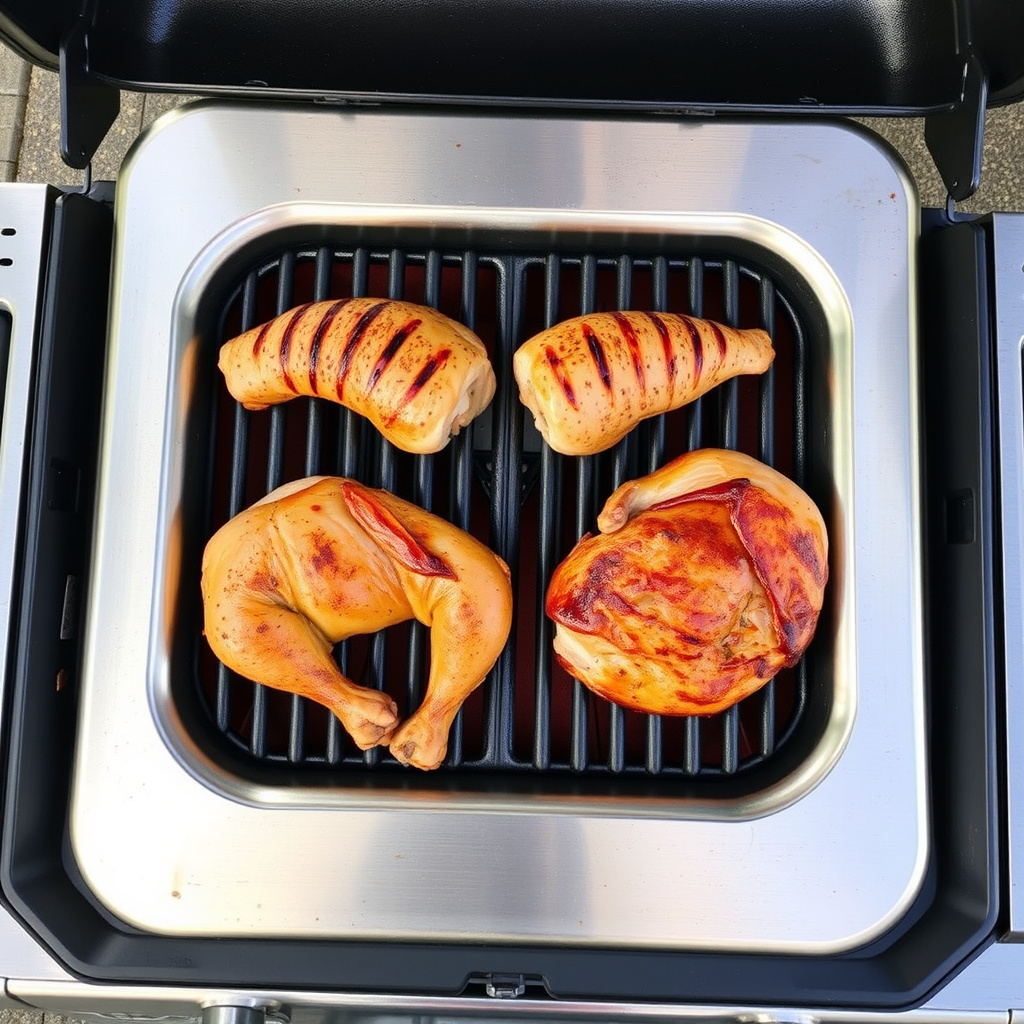
Using Direct vs. Indirect Heat
Grilling chicken directly over high heat can cause the outside to burn before the inside fully cooks, leading to dryness. Establishing two zones on your grill—a hot direct heat area and a cooler indirect heat area—lets you sear chicken before moving it to indirect heat to finish cooking more gently.
This method helps maintain juiciness by cooking the chicken evenly without overexposing it to flame. Thick cuts benefit especially from indirect heat, while thinner pieces like wings can cook fully on the direct side with shorter times.
- Use direct heat for initial searing (2-3 minutes per side)
- Move to indirect heat to finish cooking
- Keep grill temperature around 350-400°F overall
- Close the lid when cooking indirectly for steady heat
Monitoring Internal Temperature
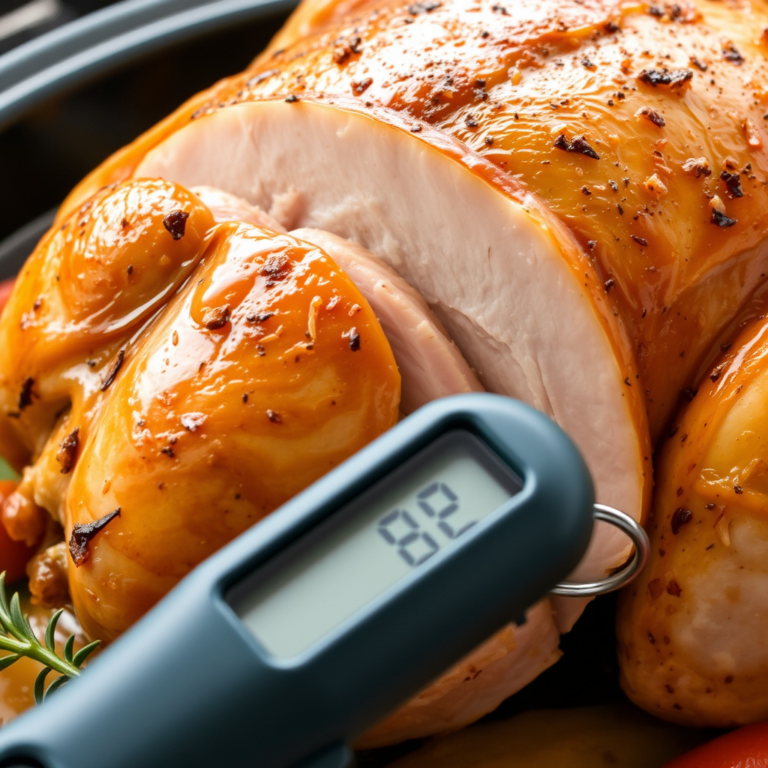
Precise temperature monitoring avoids overcooking chicken, which dries it out. Use a reliable meat thermometer to check doneness, aiming for an internal temperature of 165°F (74°C). Pull chicken from the grill just before reaching this mark, as residual heat will continue cooking it slightly after removal.
Checking temperature in the thickest part of the meat ensures no undercooked sections. Avoid repeatedly piercing the meat to retain juices during cooking.
- Use instant-read thermometers
- Check temperature 5 minutes before expected finish
- Avoid multiple temperature checks to reduce juice loss
Additional Tips to Maintain Moisture While Grilling Chicken
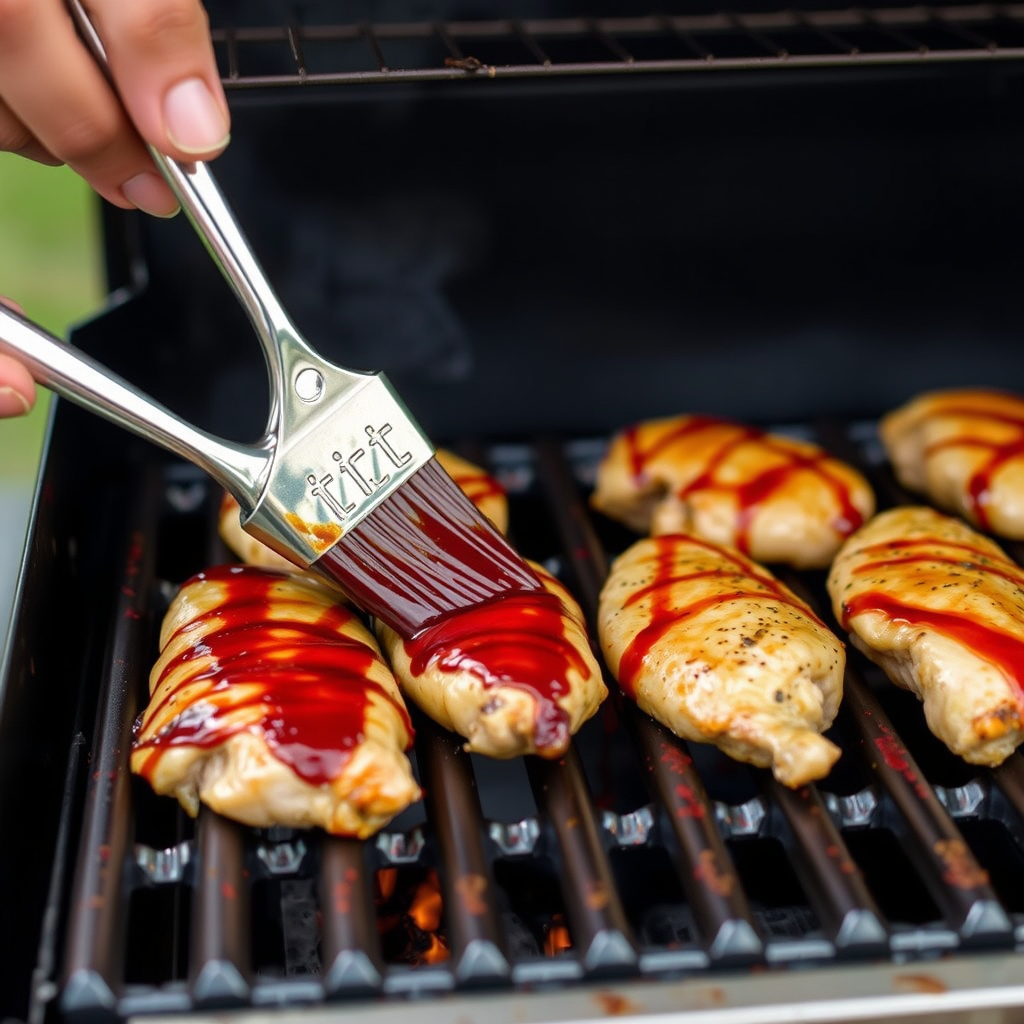
Using Basting and Glazing
Applying basting liquid such as a flavored butter or oil-based sauce during grilling adds moisture to the surface and enhances flavor. Doing so in the last few minutes prevents burning sugars or acids in the glaze, which can otherwise create bitter flavors or dryness.
Choose basting liquids that complement the marinade without overwhelming it. Basting also helps protect the meat from drying out by forming a thin moisture barrier.
- Baste frequently near the end of grilling
- Avoid sugary sauces early to prevent burning
- Use oil or butter-based basting liquids
For more on this, see our related guide: How to Get Crispy Chicken Skin on the Grill: A Step-by-Step Guide.
Resting Chicken After Grilling
Letting chicken rest off the heat for around 5 to 10 minutes before cutting allows juices to redistribute within the meat. Cutting immediately can cause all the moisture to spill out, leaving your chicken dry.
Cover the chicken loosely with foil during resting to keep warmth but avoid steaming, which would soften the grilled exterior.
- Rest chicken 5-10 minutes after grilling
- Cover loosely with foil
- Serve immediately after resting
Selecting the Right Chicken Cuts for Grilling
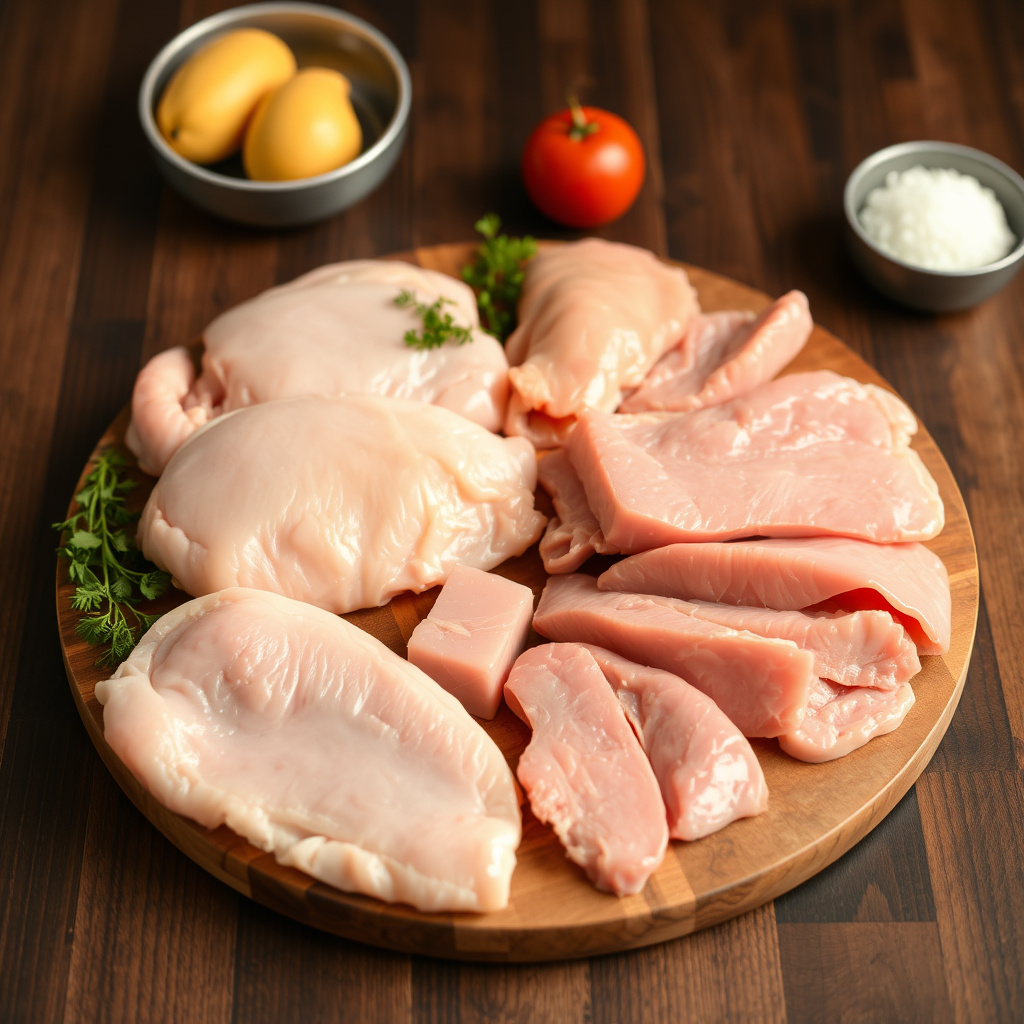
Skin-On vs. Skinless Cuts
Skin-on cuts like thighs and drumsticks tend to stay moister on the grill because the skin acts as a natural barrier to moisture loss. The crispy skin also adds texture and flavor, protecting the meat during direct grilling sessions.
Skinless breasts cook faster but dry out more easily, requiring more careful heat management or use of marinades and brining to prevent drying.
- Skin-on retains moisture better
- Skinless cooks faster but dries quicker
- Use marinade and indirect heat with skinless cuts
Bone-In vs. Boneless Chicken
Bone-in chicken cuts generally remain juicier because bones slow heat transfer, allowing the meat near them to cook more gently. This reduces drying, particularly for larger pieces like whole legs or breasts.
Boneless breasts are convenient but require closer attention to timing and temperature, as they can dry out quickly due to lack of insulation.
- Bone-in for juicier meat and slower cooking
- Boneless for quicker meal prep but higher dryness risk
Tools and Accessories That Help Keep Chicken Moist
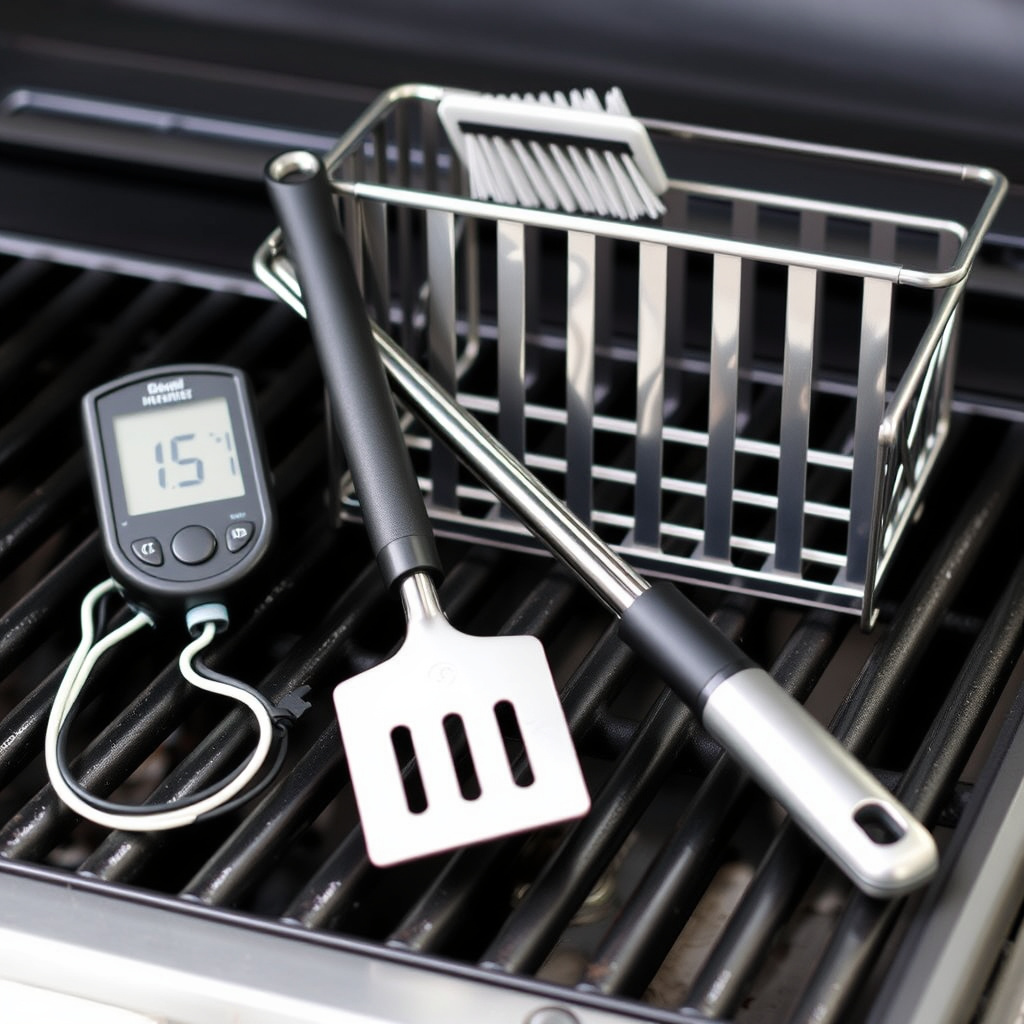
Using a Meat Thermometer
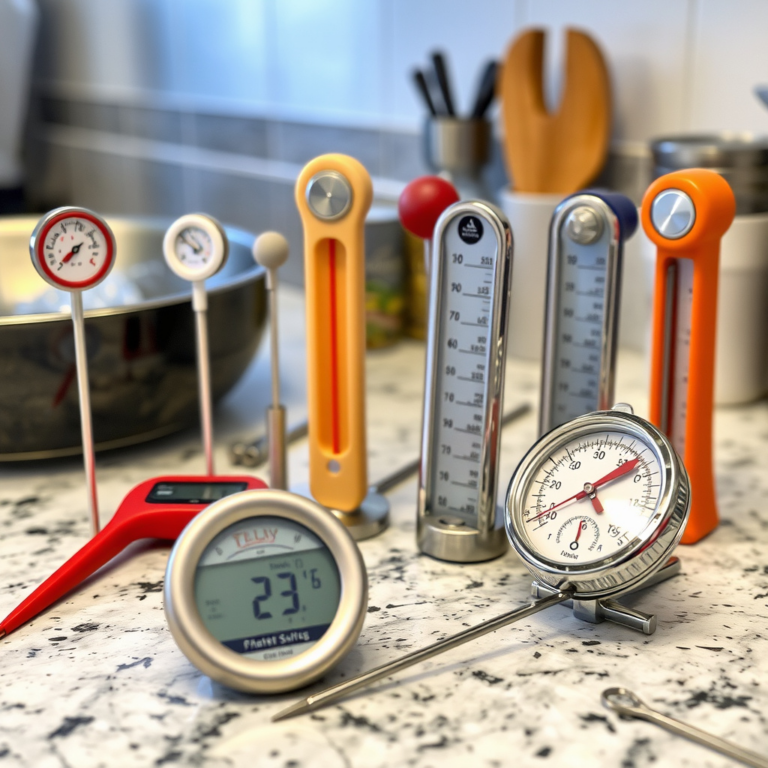
A high-quality digital meat thermometer ensures chicken is pulled off the grill at the perfect time. Real-time temperature readings prevent accidental overcooking that strips moisture.
Instant-read models are excellent for quick checks, while probe thermometers can stay in the chicken during grilling for continuous monitoring.
- Instant-read for last-minute checks
- Probe thermometer for constant monitoring
- Avoid guessing doneness to retain juiciness
For more on this, see our related guide: How Long to Marinate Chicken for Perfect Flavor and Texture.
Grill Baskets and Foil Packs
Using grill baskets or wrapping chicken in foil packs helps trap steam and moisture around the meat, reducing drying from direct flames. This method works well with delicate or marinated pieces that might stick or dry out otherwise.
Foil packs can include vegetables and aromatics to infuse additional flavor while maintaining a moist cooking environment.
- Grill baskets prevent sticking and moisture loss
- Foil packs lock in steam and flavor
- Great for small or marinated pieces
Unique Flavor Enhancements That Preserve Moisture
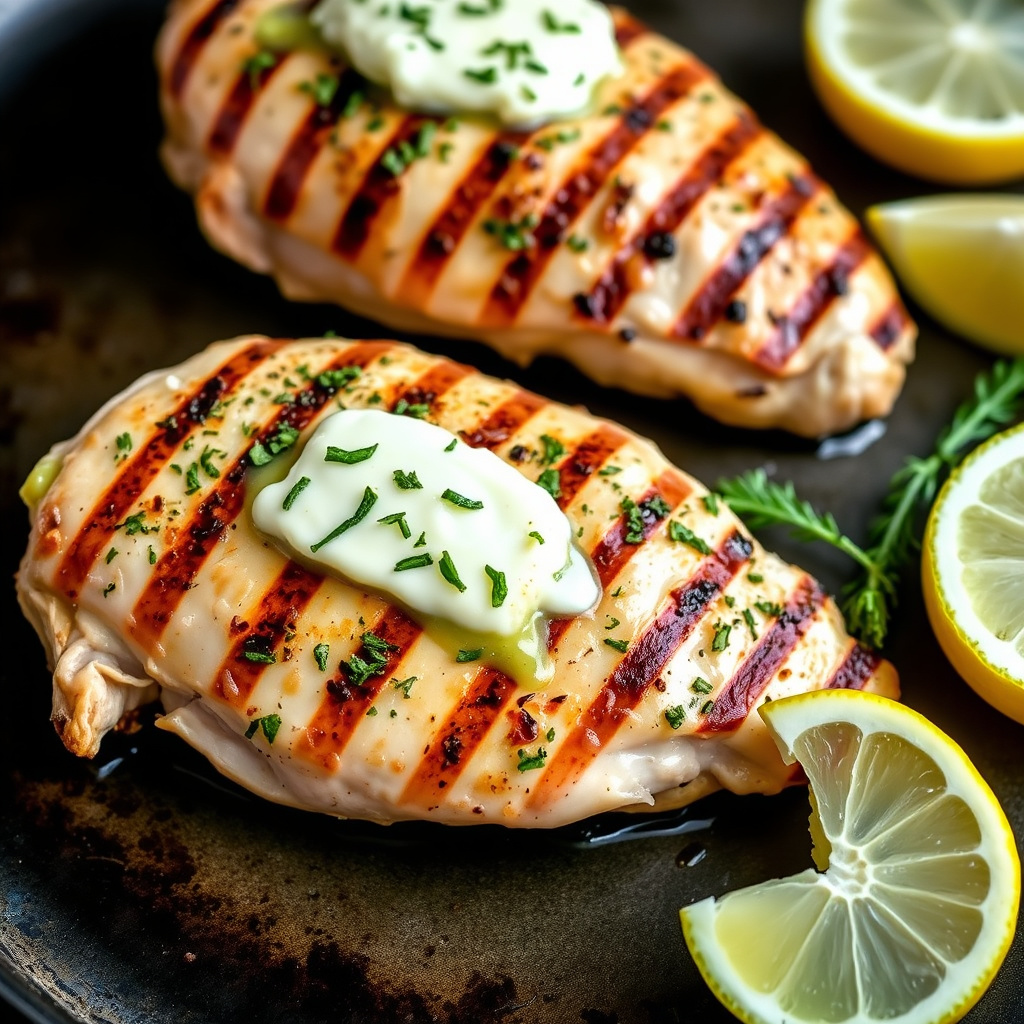
Herb Butter and Oil Finishes
Adding herb butter or flavored oil right after grilling coats the chicken with fats that lock in moisture and add richness. The warm chicken absorbs the butter slightly, resulting in a juicy, savory finish.
Butter infused with garlic, thyme, or rosemary complements the grilled flavor while helping retain internal juices during resting.
- Apply herb butter immediately after grilling
- Use garlic or rosemary for aromatic enhancement
- Helps lock moisture before serving
For additional insights into grilling chicken techniques and culinary traditions, the detailed Wikipedia article offers extensive information. grilling chicken techniques.
Citrus and Vinegar Spritzes
Spritzing chicken with a light mist of citrus juice or vinegar mixed with water during grilling adds a burst of moisture and brightness to the flavor. It prevents dryness on the surface without soaking the meat.
Use this technique sparingly, only during the last few minutes of grilling, to keep the chicken juicy and flavorful.
- Use diluted citrus juice or vinegar for spritzing
- Apply near grilling end to prevent drying
- Adds fresh flavor and surface moisture
Comparison of Popular Grilling Methods for Moist Chicken
Here’s a comparison of common grilling techniques to retain moisture in chicken, highlighting their strengths and best use cases.
| Method | Heat Level | Moisture Retention | Flavor Impact | Best Chicken Cuts |
|---|---|---|---|---|
| Direct High Heat | High | Low | Strong sear and char | Thin cuts, wings |
| Two-Zone (Direct + Indirect) | Medium-High | High | Balanced flavor and texture | Breasts, thighs, whole pieces |
| Foil Packs | Medium | Very High | Mild, infused flavors | Delicate or marinated pieces |
| Grill Basket | Medium | Moderate to High | Good flavor, less sticking | Smaller or boneless pieces |
| Slow and Low Smoking | Low | High | Smoky, tender | Bone-in thighs, drumsticks |
Frequently Asked Questions
Does marinating chicken improve moisture retention?
Marinating can help retain moisture if it contains oil and moderate acid levels. It adds flavor and creates a moisture barrier on the surface, but should be balanced to avoid breaking down the meat too much.
How long should I rest grilled chicken before cutting?
Rest chicken for about 5-10 minutes loosely covered with foil. This lets juices redistribute internally, preventing dryness when sliced.
Is it better to grill chicken with the skin on or off?
Skin-on chicken is generally moister because the skin protects the meat from drying and crisps up nicely. Skinless chicken cooks faster but requires more care to stay juicy.
What internal temperature should grilled chicken reach to be safe?
Chicken should reach an internal temperature of 165°F (74°C) to be safe to eat. Pull it slightly earlier to finish resting and stay moist.
Can I use a powdered seasoning instead of a marinade for moist chicken?
Powdered seasoning adds flavor but won’t retain moisture like marinades or brines. Combining with basting or oil-based coatings helps keep chicken juicy.
Key Takeaways
- Brining or marinating is essential for moisture retention in grilled chicken.
- Managing grill heat with direct and indirect zones prevents drying out.
- Resting chicken before slicing keeps juices inside for juicier results.
- Bone-in, skin-on cuts naturally stay moister during grilling.
Conclusion
Keeping chicken moist on the grill requires a combination of good preparation and attentive cooking techniques. Start with brining or marinating to introduce moisture, then control cooking temperature using direct and indirect heat zones so the meat cooks evenly without drying. Checking internal temperature with a meat thermometer ensures perfect doneness every time, preventing overcooking which causes moisture loss.
Choosing the right chicken cuts also plays an important role; bone-in and skin-on pieces are naturally more forgiving when it comes to moisture retention. Using basting or finishes like herb butter adds layers of flavor and locks in juices even further during resting. Optional grill accessories such as foil packs or baskets can help create a gentle cooking environment for more delicate or boneless cuts.
To enjoy consistently juicy grilled chicken, follow these techniques and make them part of your grilling routine. From selecting the best marinade for grilled chicken to properly managing heat and resting, your chicken will be far more succulent and flavorful. The next time you fire up your grill, use these strategies and savor a perfectly moist chicken every time.