Knowing exactly when a steak is done is achieved by checking its internal temperature, firmness, color, and juices. Using a meat thermometer or the touch method can help you avoid overcooking or undercooking your steak, achieving the perfect doneness level every time.
Getting steak to the right doneness matters because it affects flavor, texture, and juiciness. Different steaks and cuts respond differently to heat, and personal preference for rare, medium, or well-done means you need reliable cues beyond guesswork.
This article explains proven ways to know when steak is done, including temperature ranges, visual cues, and tactile tests. It also compares steak doneness levels and offers tips for cooking methods that influence timing and results.
Understanding Steak Doneness Levels
Common Doneness Categories
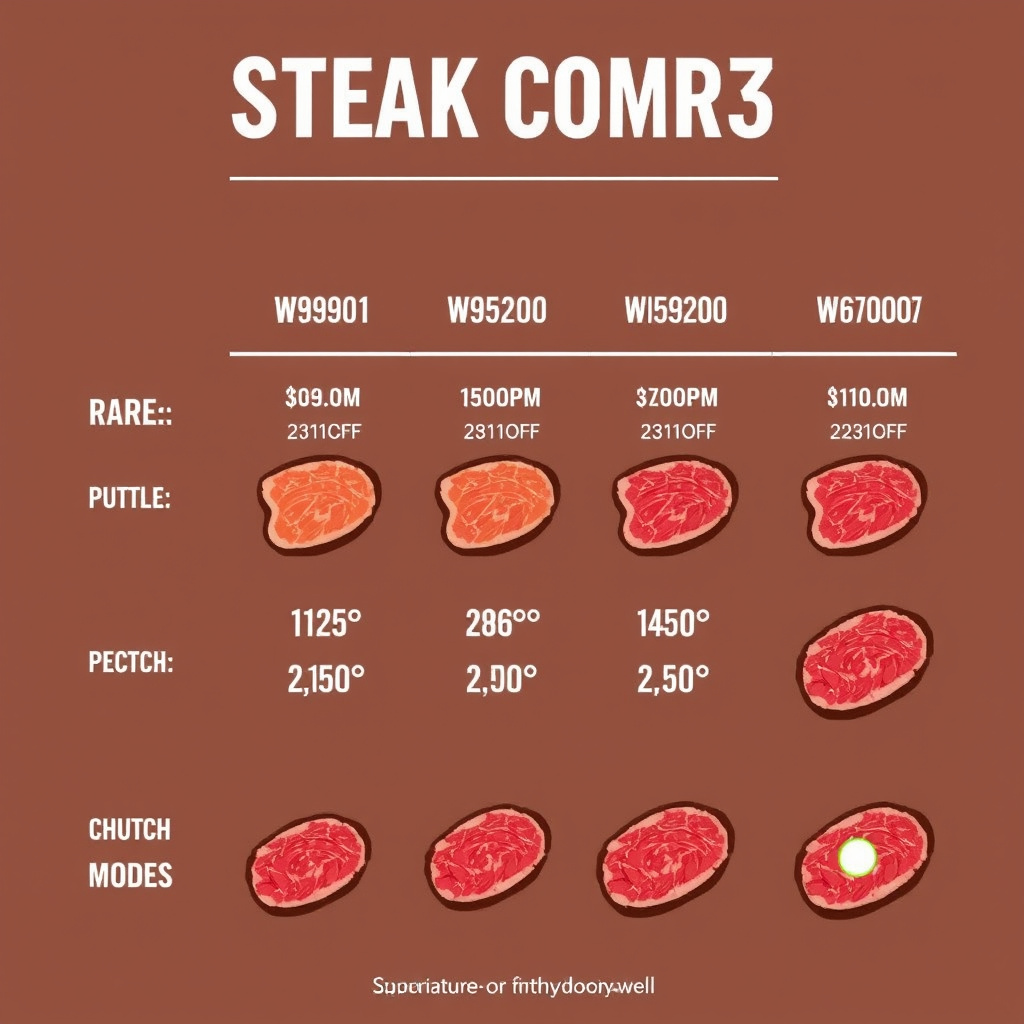
Steak doneness is typically classified into rare, medium-rare, medium, medium-well, and well-done. Each level corresponds to specific internal temperature ranges that influence texture and flavor, such as 120-130°F for rare and 160°F+ for well-done.
Knowing these categories helps you choose how to cook your steak to match your taste and ensures consistency. Medium-rare is a popular choice because it balances tenderness with a warm pink center.
- Rare: 120-130°F
- Medium-rare: 130-135°F
- Medium: 135-145°F
- Medium-well: 145-155°F
- Well-done: 155-160°F+
Why Doneness Affects Steak Quality
The degree of doneness affects moisture retention and tenderness. Under-cooked steaks may be tougher due to connective tissue, while overcooked steaks lose juices and become dry.
Temperature control during cooking influences the Maillard reaction—the browning that adds flavor. Getting the timing and heat balance right is essential for an enjoyable steak.
Using a Meat Thermometer to Know When Steak Is Done
Choosing the Right Thermometer
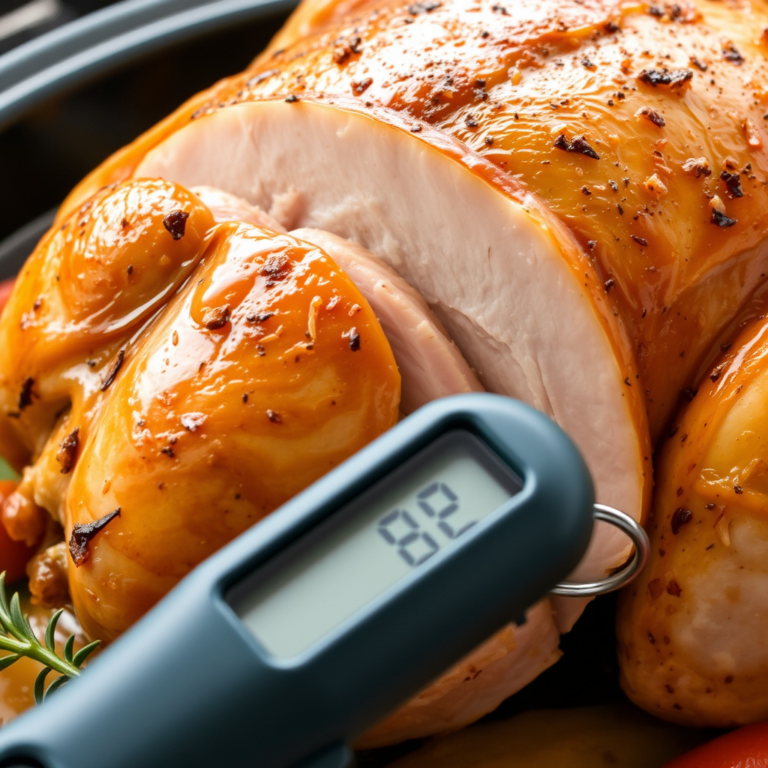
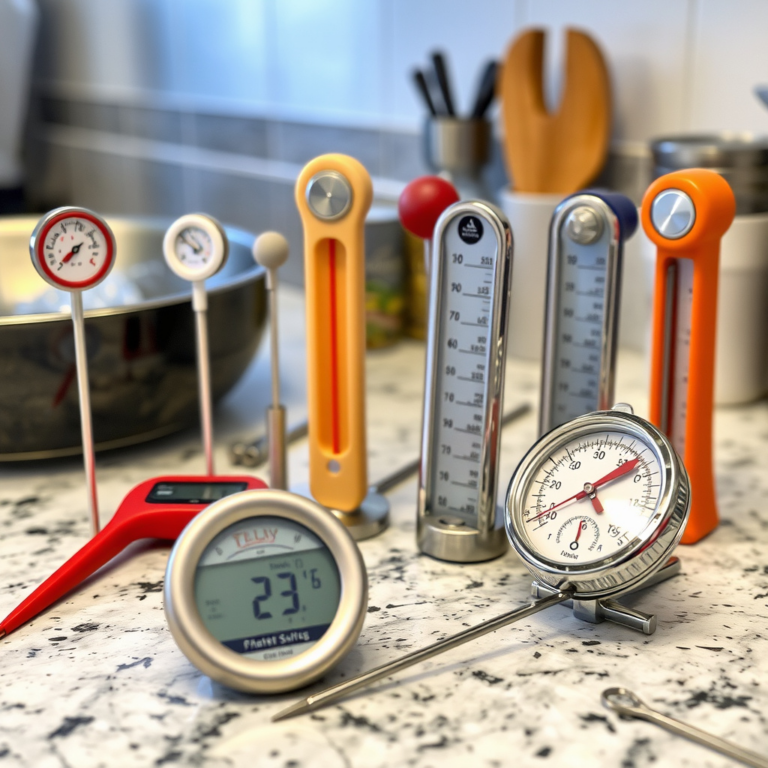
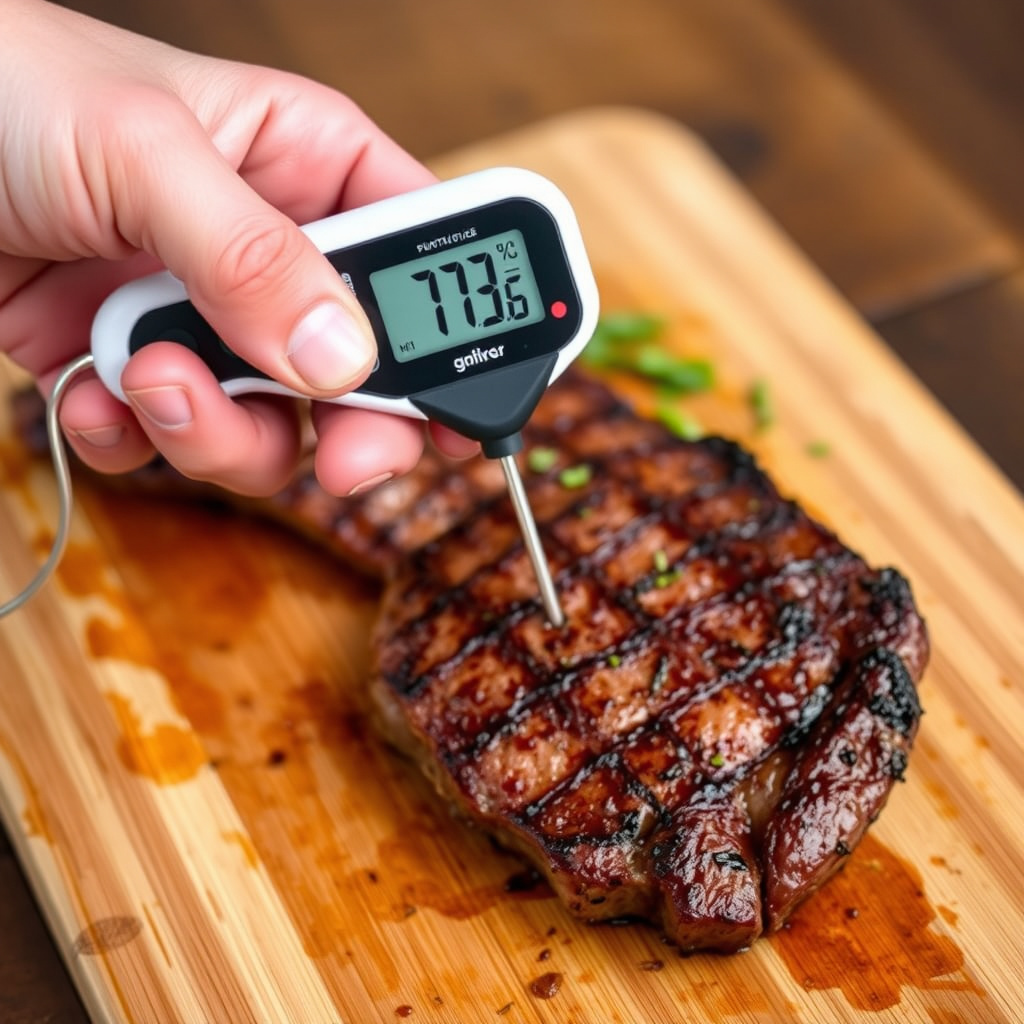
Instant-read digital thermometers are preferred for their speed and accuracy. They let you insert the probe into the thickest part of the steak to get a reliable temperature reading within seconds.
Avoid dial thermometers that take longer to respond. Accuracy is critical since a few degrees can mean the difference between rare and medium-rare.
- Instant-read digital thermometers
- Leave-in probe thermometers
- Avoid slow dial thermometers
How To Use a Thermometer Correctly
Insert the probe into the steak's center avoiding bone or fat. Check the temperature near the end of cooking, not too early, since carryover cooking will raise the temperature after removal from heat.
Pull your steak off the heat 5°F before your target temperature to rest. The final rise during resting ensures perfect doneness without overcooking.
Touch Test: Feeling Steak Doneness Without Tools
The Finger Pressure Method
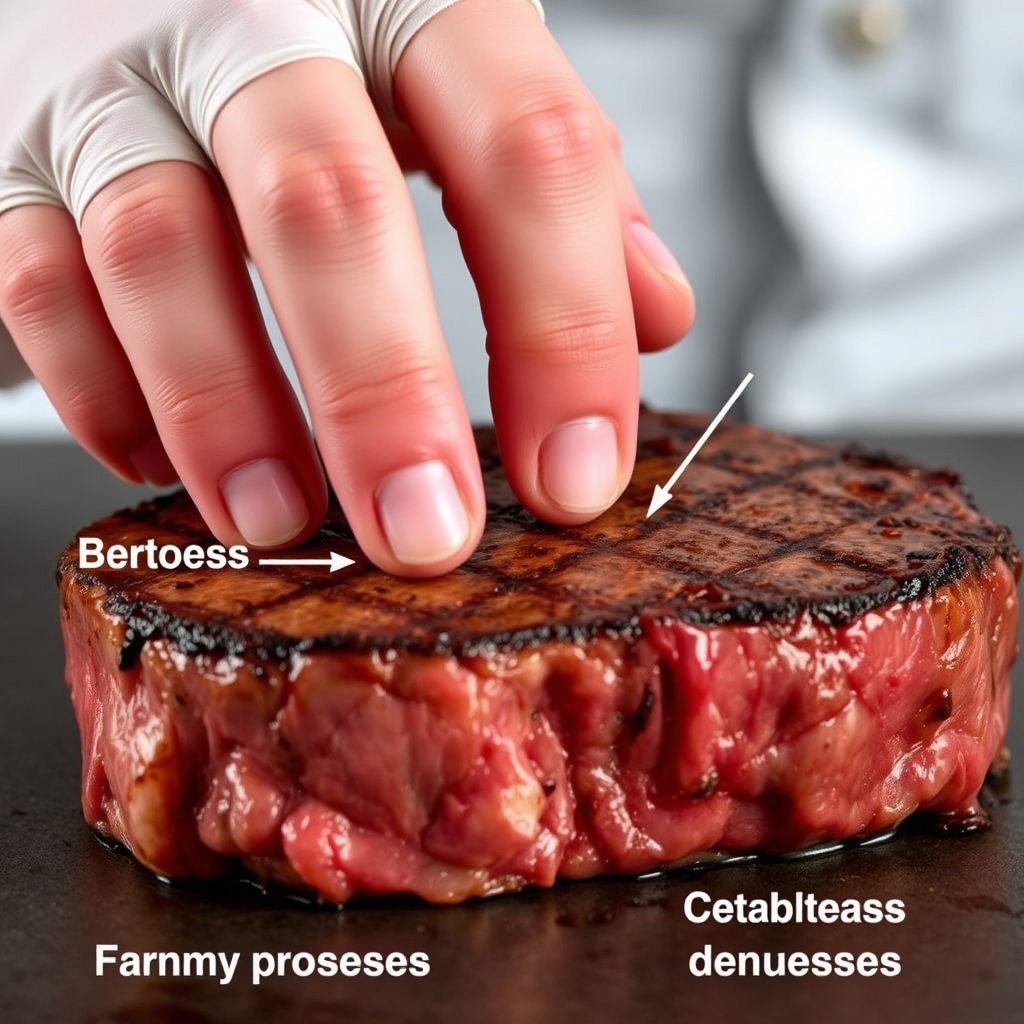
The touch test compares the firmness of the steak to the fleshy area under your thumb when touching different fingers. For example, touching your thumb to your index finger mimics rare steak firmness.
With practice, this method allows you to estimate doneness without a thermometer, helpful when cooking outdoors or without gadgets.
For more on this, see our related guide: How Long to Let Steak Rest for Perfect Juiciness and Flavor.
Limitations and Tips for Accuracy
The touch method is subjective and requires familiarity with steak texture. It works best with thicker cuts and may be less reliable for very thin steaks.
Combining touch with other cues like color and juices produces more accurate results.
- Best for thicker steaks
- Practice improves reliability
- Use with visual checks
Visual Cues to Determine Steak Doneness
Checking Steak Color and Juices
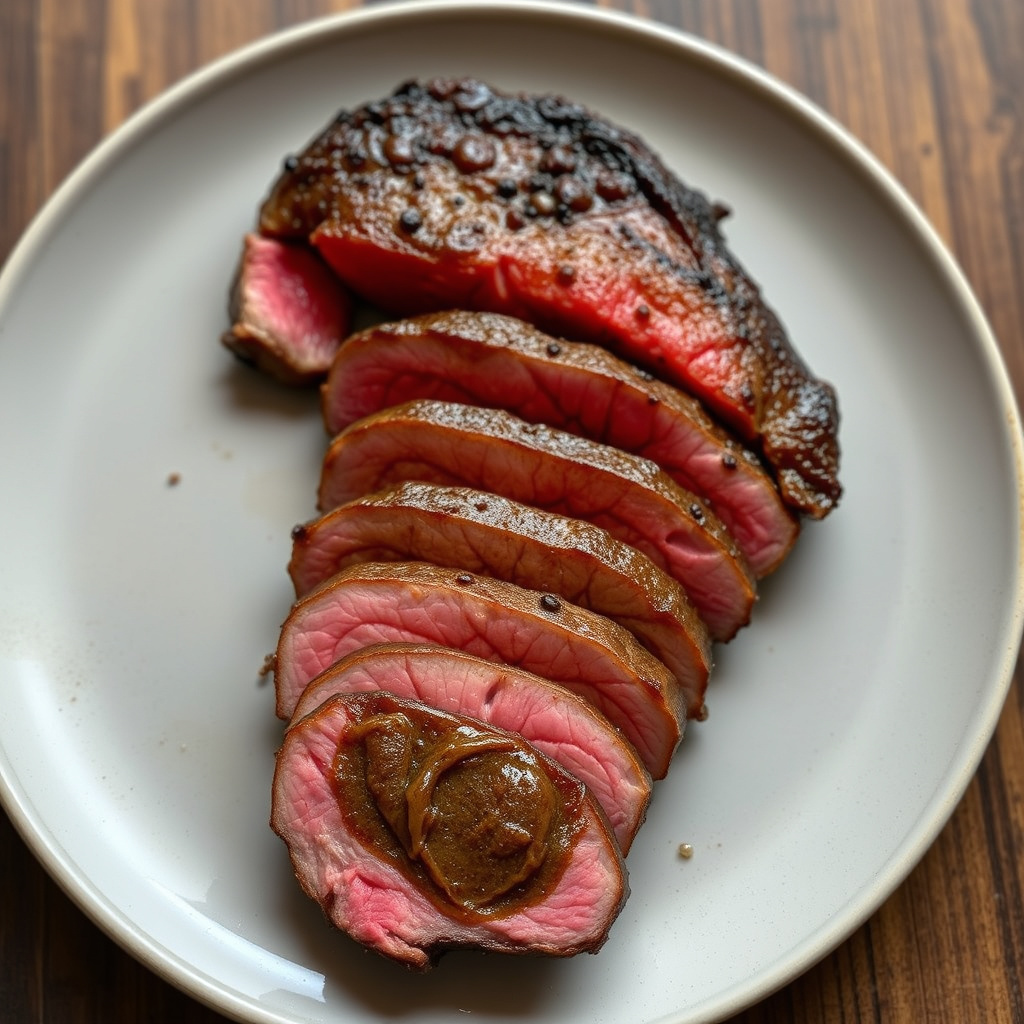
A rare steak typically shows bright red or purple inside, while medium-rare has a warm pink center. As cooking progresses, the interior turns brown with little or no pink for well-done.
Juices on the surface also indicate doneness. Clear juices suggest well-done, while red or pink juices appear with rarer steaks.
Limitations of Relying on Color Alone
Color can be misleading depending on the cut, marbling, or if the steak was aged. Sometimes external browning occurs before internal doneness is reached.
Color should be paired with temperature or touch tests to avoid guesswork and ensure food safety.
How Cooking Methods Affect Knowing When Steak Is Done

Grilling and Pan-Seared Steaks
These methods require active attention because high heat sears the outside quickly while the inside cooks slower. Monitoring cooking time and temperature is essential when using grills or skillets.
Using a thermometer or the touch method works well here, especially since searing creates a crust that can hide internal doneness cues.
For more on this, see our related guide: How to Know When Your Grill Is Hot Enough for Perfect Cooking.
Sous Vide and Slow Cooking
Sous vide provides precise temperature control by circulating water bath at your target doneness. This technique allows knowing exactly when a steak is done before finishing with a sear.
Slow cooking methods require longer times and can produce tougher textures without careful monitoring. Thermometers remain critical to avoid overcooking.
Resting Steak: The Final Step to Perfect Doneness
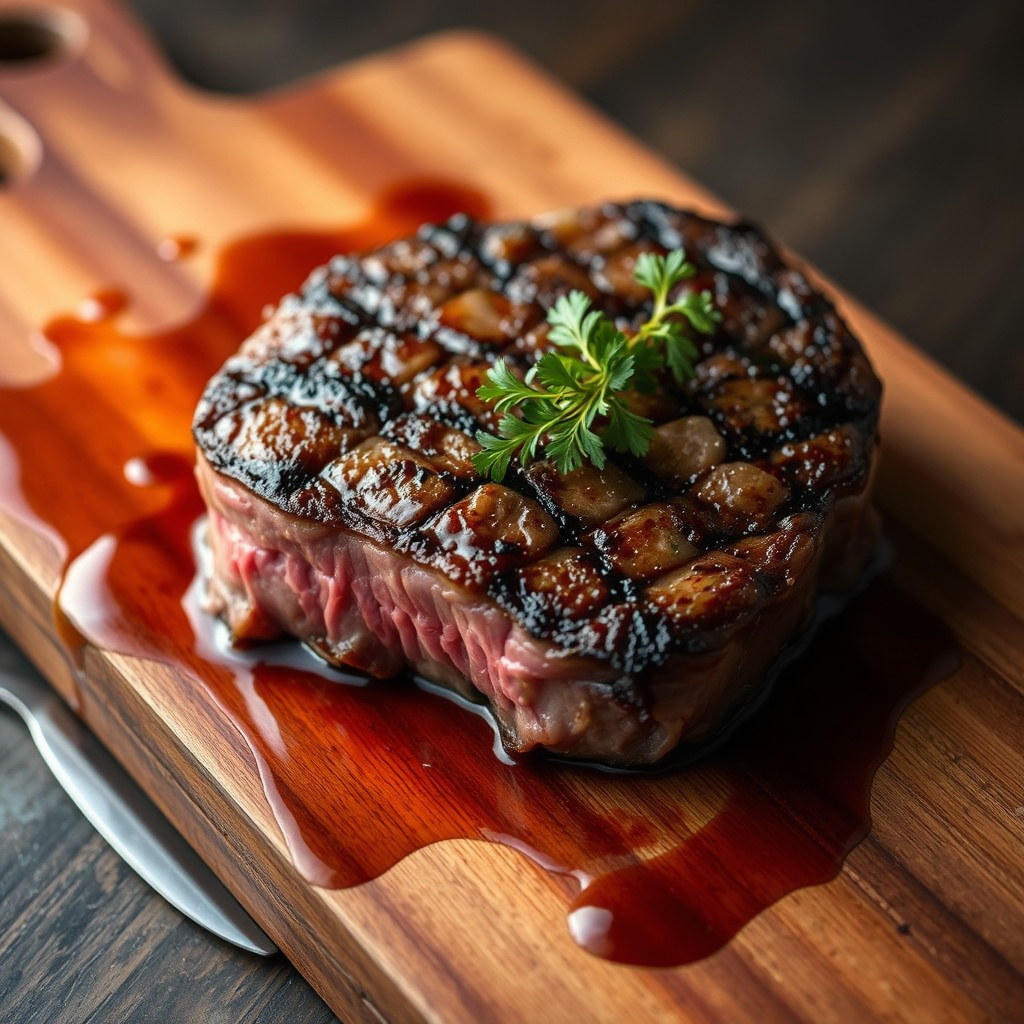
Why Resting Matters
Resting allows juices to redistribute evenly inside the steak, preventing dry spots and improving flavor and tenderness. Without resting, cutting immediately releases moisture on the plate.
The temperature continues to rise slightly during resting thanks to carryover cooking, so timing your pull off temperature is essential.
For more detailed information about steak doneness categories and cooking techniques, you can refer to this steak doneness information on Wikipedia. steak doneness information on Wikipedia.
How Long to Rest Steak Properly
Medium-thickness steaks benefit from resting 5-10 minutes loosely tented with foil. Thicker cuts need up to 15 minutes to rest adequately.
Avoid resting too long, which can cause the steak to cool excessively and affect enjoyment.
Steak Doneness Levels Comparison
This table compares common steak doneness categories by internal temperature, texture, and color characteristics.
| Doneness Level | Internal Temperature (°F) | Texture | Color Inside |
|---|---|---|---|
| Rare | 120-130 | Very soft, cool center | Bright red, cool |
| Medium-Rare | 130-135 | Soft, warm center | Warm pink, juicy |
| Medium | 135-145 | Moderately firm | Light pink center |
| Medium-Well | 145-155 | Firm | Slightly pink center |
| Well-Done | 155-160+ | Very firm, dry | Brown throughout |
Frequently Asked Questions
Is it safe to eat rare steak?
Yes, rare steak is generally safe if cooked properly on the outside, as surface bacteria are killed by searing. However, ground beef or mechanically tenderized steak requires higher cooking temperatures for safety.
Can I use the touch method for any steak cut?
The touch method works best with thicker cuts like ribeye or strip steak. Thin or uneven steaks can be harder to judge, so using a thermometer is more reliable.
How does carryover cooking affect steak doneness?
After removing from heat, the steak’s internal temperature rises about 5°F as residual heat redistributes. This means pulling the steak off slightly earlier prevents overcooking.
What’s the difference between medium and medium-well steak?
Medium steak has a warm pink center and moderate firmness, while medium-well has less pink and a firmer texture. Medium-well is closer to the threshold for being fully cooked.
Why should I rest my steak after cooking?
Resting lets juices redistribute for even moisture and flavor. Cutting too soon causes juices to run out, leading to a drier steak experience.
Key Takeaways
- Use a thermometer for precise detection of steak doneness.
- Touch and visual tests offer useful clues but are less reliable alone.
- Carryover cooking raises steak temperature after removal from heat.
- Resting steak is essential for juicy, tender results.
Conclusion
Knowing when steak is done combines understanding temperature, texture, and visual cues. Using a thermometer remains the most accurate approach, especially for those new to cooking steaks. The touch method and color inspection can complement thermometer readings once you’ve developed sensitivity to the feel and look of each doneness level. Mastering these techniques ensures you achieve flavorful, perfectly cooked steaks to match your taste preferences every time.
When deciding how to proceed, consider the steak cut and cooking method. For instance, grilling thick ribeyes benefits from thermometer use and resting, while sous vide chefs can rely on precise temperature control and finishing sear. Medium-rare remains a favorite doneness for balance of tenderness and flavor, but knowing how to detect other levels extends your range. Remember to pull steaks off heat just before target temperature to account for carryover cooking and maintain juiciness through resting.
Next time you cook steak, start with an instant-read thermometer to take the guesswork out, and experiment gradually with the touch test to build confidence. Combine visual inspection of color and juices for confirmation. With consistent practice, you’ll become comfortable discerning doneness quickly and confidently, preparing delicious steak meals that impress no matter occasion.