Letting a steak rest for the right amount of time after cooking is essential to preserving its juiciness and enhancing its flavor. The ideal resting period is generally between 5 to 10 minutes for an average-sized steak, allowing the meat fibers to reabsorb their juices before cutting.
Resting steak matters because cutting into it immediately after cooking causes the juices to spill out, leaving the meat dry and less flavorful. A proper rest lets the residual heat evenly distribute, resulting in a more tender and satisfying bite.
This article will explain why resting steak is important, how factors like steak size affect resting time, and practical tips to rest steak correctly. You'll also find comparison charts and answers to common questions to help you master the art of perfect steak resting.
Why You Should Let Your Steak Rest
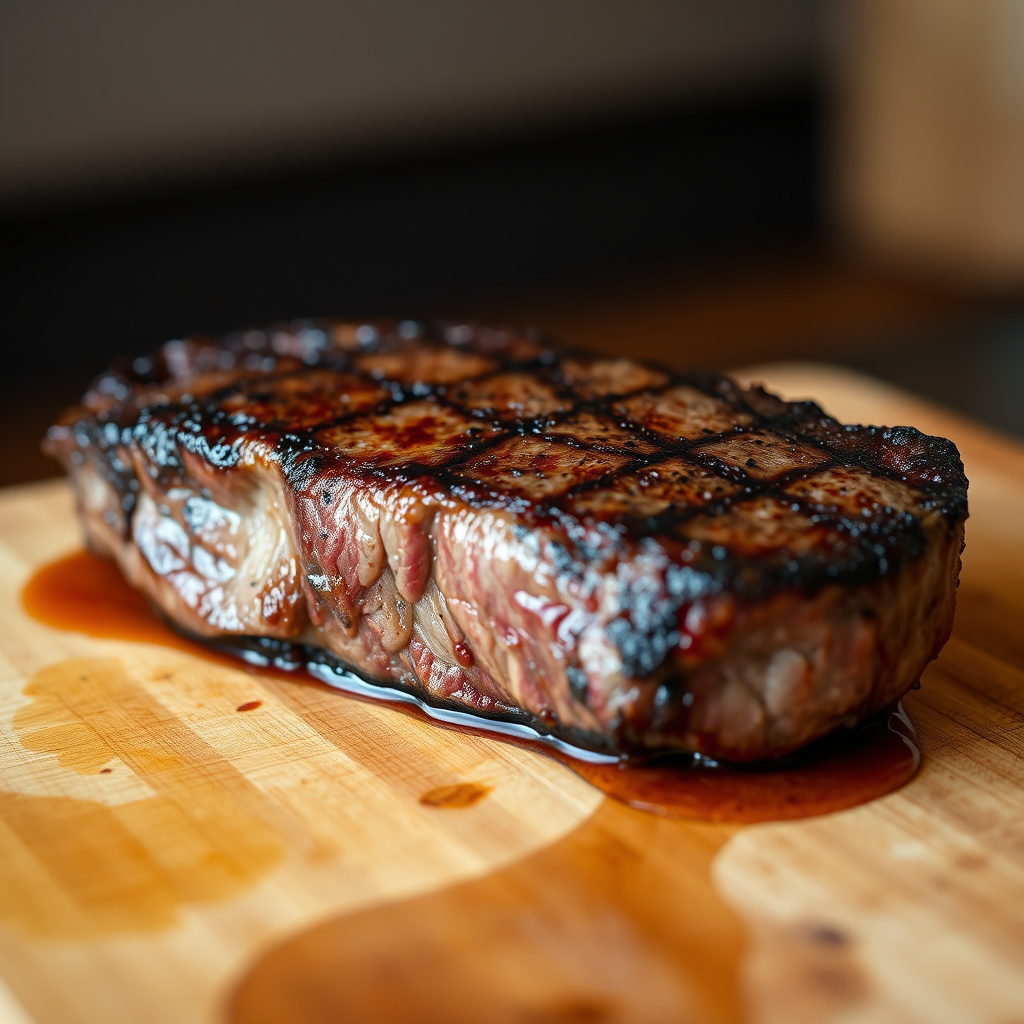
Juice Redistribution in Steak
During cooking, the heat pushes the steak's juices toward the center. Resting allows these redistributed juices to evenly move back through the meat fibers, preventing them from spilling out when sliced.
Without resting, cutting right after cooking causes immediate juice loss, making the steak dry. Even short resting periods of a few minutes improve moisture retention significantly.
Temperature Equalization
Resting helps the internal temperature stabilize and equilibrate across the steak, reducing temperature gradients between the core and edges.
This temperature balance smooths out the cooking process, often allowing the steak to finish cooking gently off heat while juices settle.
Factors Influencing How Long to Let Steak Rest
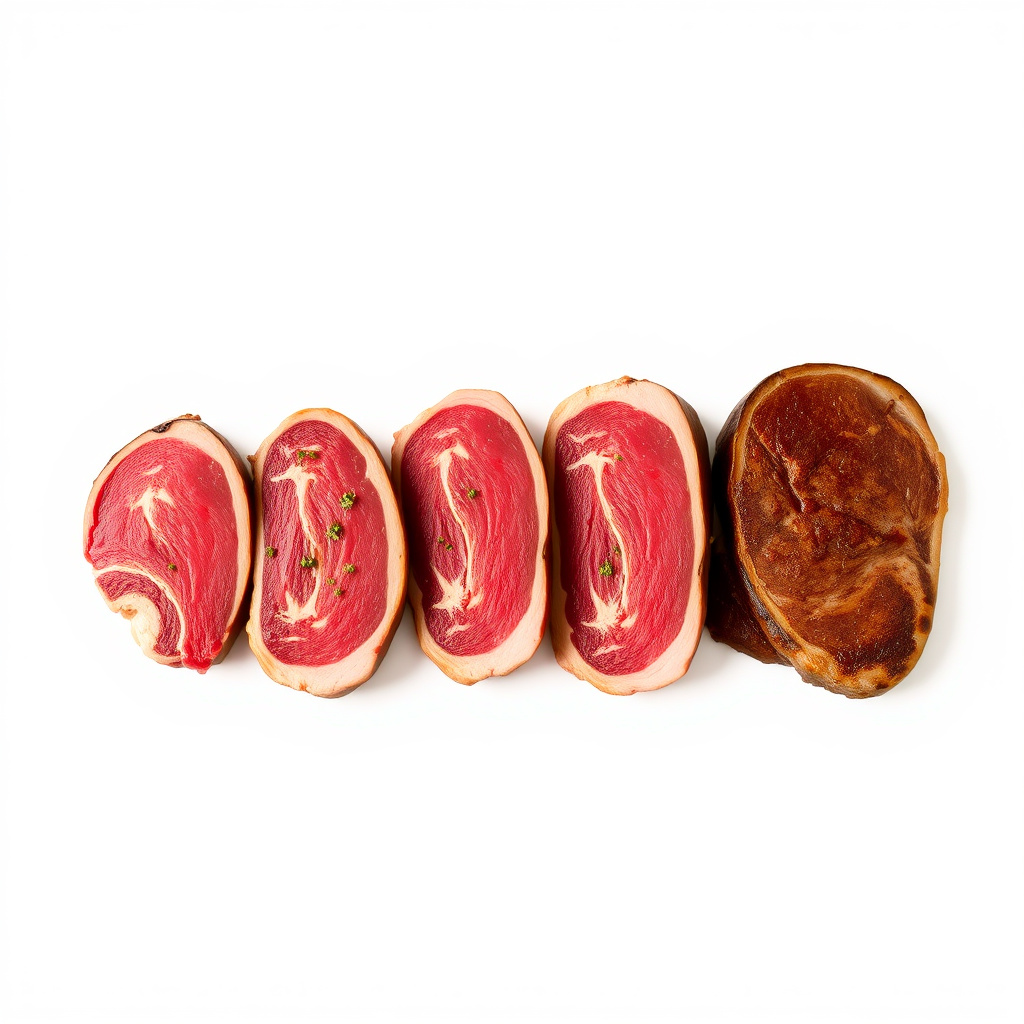
Size and Thickness of Steak
Thicker steaks require longer resting times, generally around 10 minutes or more to allow juices to redistribute properly.
Smaller, thinner steaks may only need about 5 minutes. Over-resting can cause the steak to cool excessively, so balance is key.
- Steak under 1 inch thick: 5 minutes rest
- Steak 1-2 inches thick: 7 to 10 minutes rest
- Thicker than 2 inches: 10 to 15 minutes rest
Cooking Method and Doneness Level
Steaks cooked to higher doneness (medium-well or well-done) often benefit from slightly longer resting to counteract increased juice loss from longer cooking.
Grilled or pan-seared steaks release heat quickly and may need less rest than oven-finished steaks, where heat penetrates more uniformly.
How to Properly Rest Steak
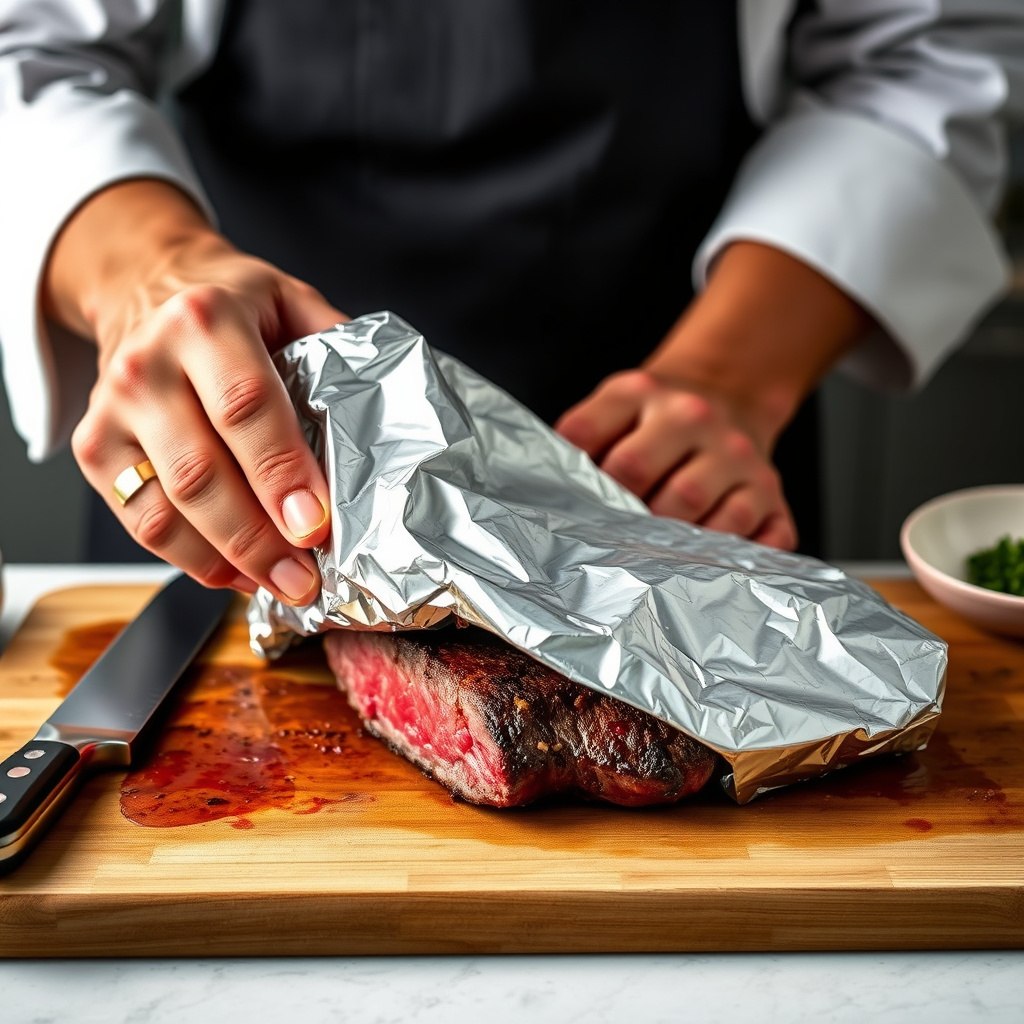
Tenting with Foil or Plate Cover
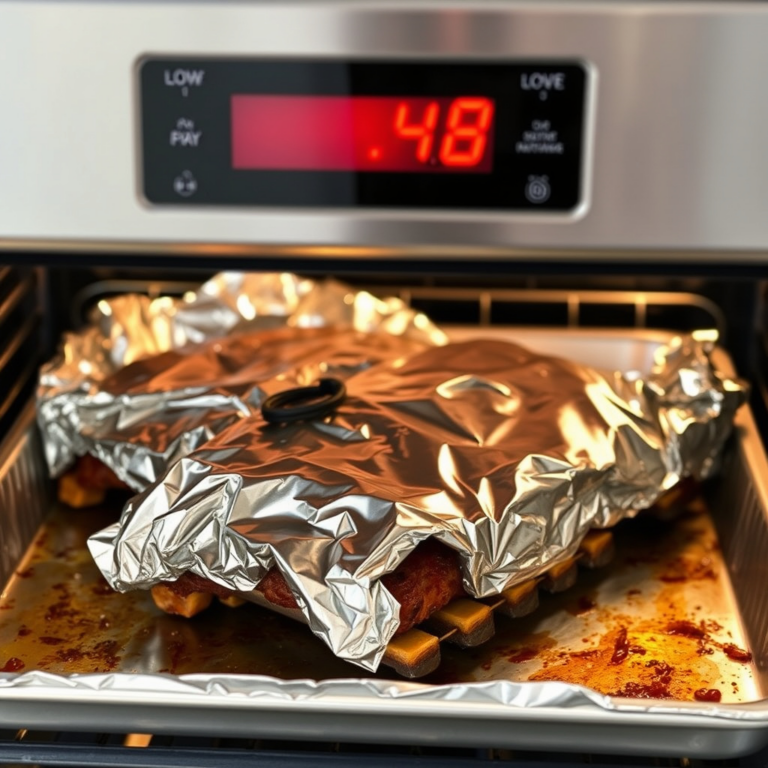
Covering steak loosely with aluminum foil helps retain heat during resting without causing steam buildup, which can soften the crust.
Alternately, placing the steak on a warm plate or covered board maintains temperature and protects against drafts.
- Avoid wrapping tight as it traps moisture and softens the crust
- Use a loose tent or cover to preserve texture
For more on this, see our related guide: How Long to Marinate Steak for Maximum Flavor and Tenderness.
Resting Location and Environment
Rest steak on a cutting board or warm plate away from cold drafts or direct heat sources to keep temperature consistent.
Ensure the resting area is clean and stable to prevent any accidents while the steak waits.
Common Mistakes When Resting Steak
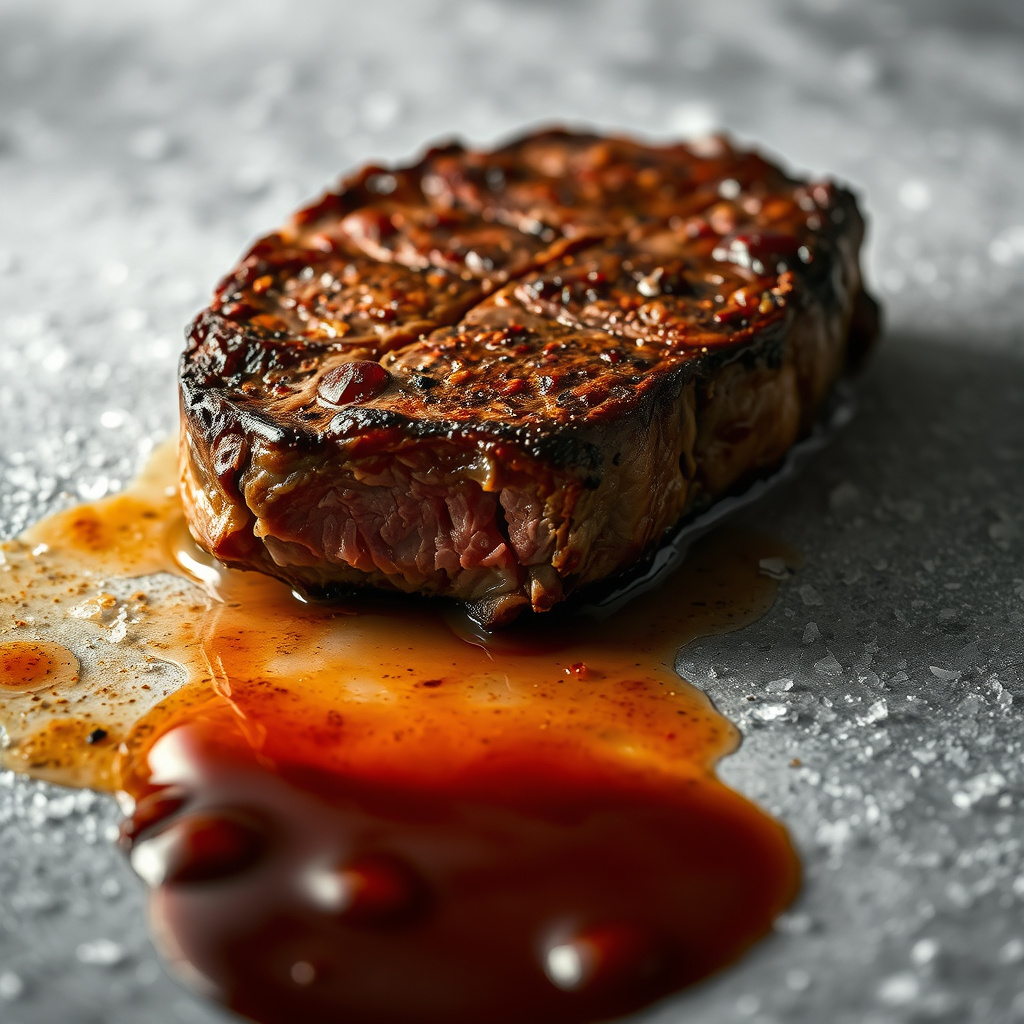
Cutting Too Soon
The most frequent mistake is slicing the steak immediately after removing from heat, causing juices to escape.
Waiting the recommended resting time prevents moisture loss and keeps the steak tender.
Over-Resting or Cooling Too Much
Leaving steak to rest for too long, especially without covering, causes it to cool down and lose optimal serving temperature.
This can make the steak less enjoyable, requiring reheating that risks drying it out.
Using Steak Resting Time Effectively in Meal Prep
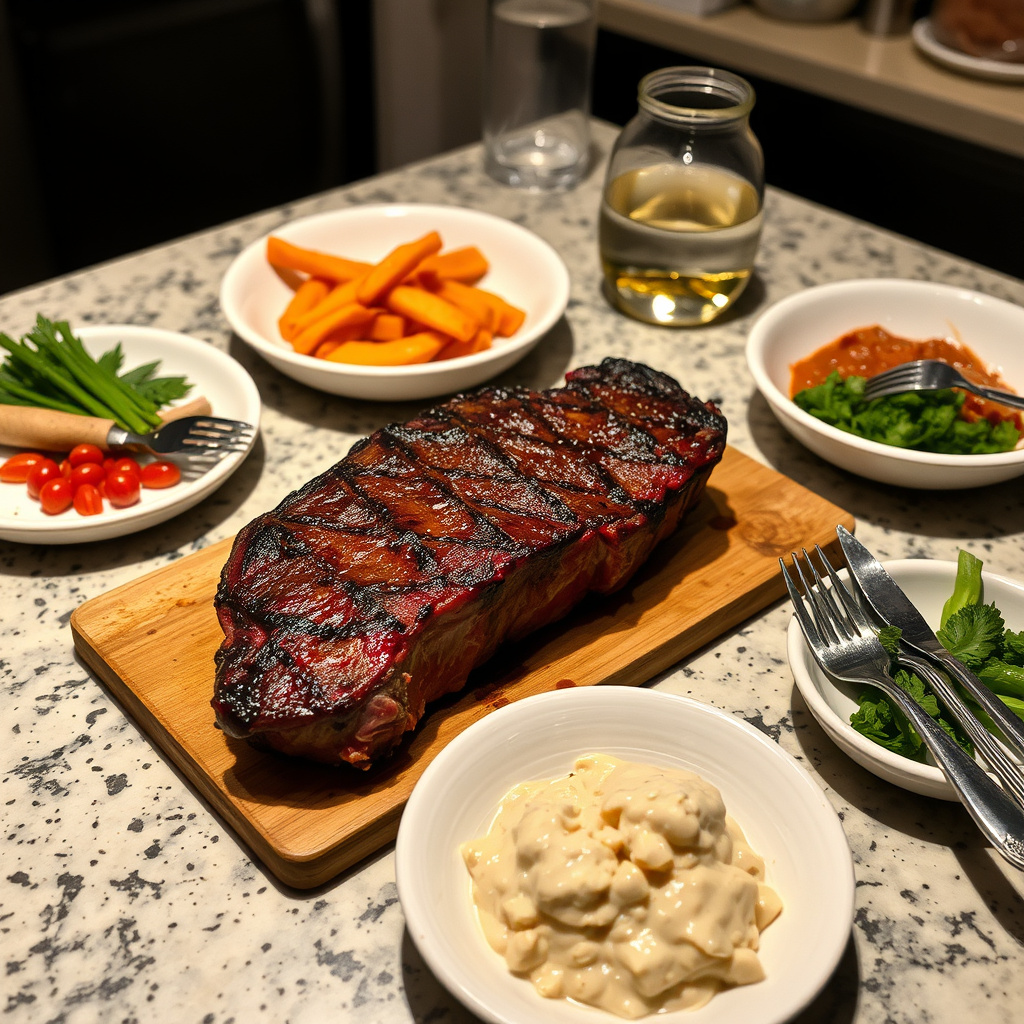
Timing Steak Rest with Side Dishes
Use the steak resting period to finish side dishes or sauces, increasing kitchen efficiency.
Setting a timer helps coordinate plating so the steak and sides come together at peak quality.
- Prepare vegetables or sauces during resting
- Use resting as a natural break in cooking sequence
For more on this, see our related guide: How to Marinate Steak for Maximum Flavor and Tenderness.
Resting Multiple Steaks or a Roast
When resting several steaks or a large roast, arrange them spaced for airflow and cover loosely as needed.
Large roasts often require up to 20 minutes of rest for juices to redistribute fully due to size.
- Rest steaks individually or in small groups
- Adjust rest time for larger cuts
Other Tips to Maximize Steak Juiciness and Flavor
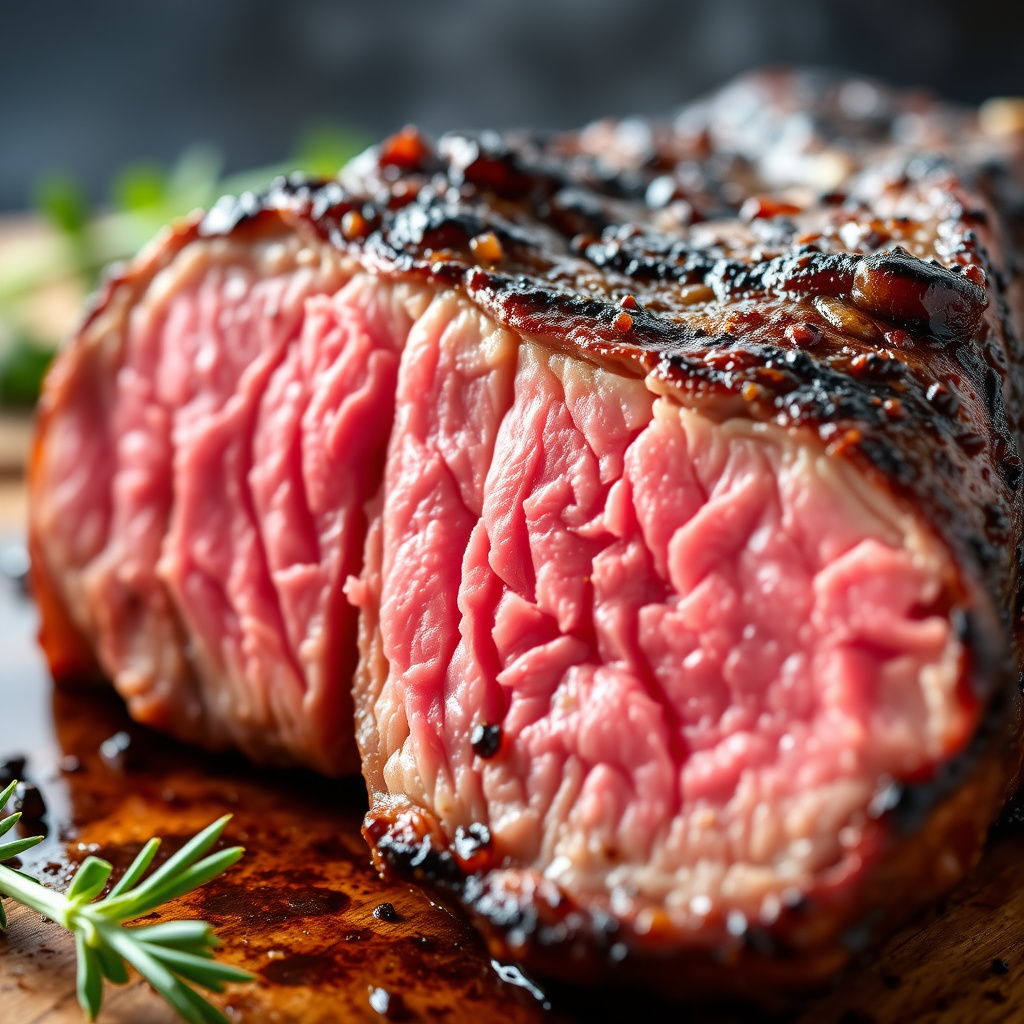
Resting and Slicing Against the Grain
After resting, slice steak against the grain to shorten muscle fibers, enhancing tenderness.
Proper slicing combined with resting ensures the fullest retention of juices and best eating texture.
For official food safety recommendations on temperature controls and resting meat, consult steak resting guidance from USDA. Steak resting guidance from USDA.
Using Meat Thermometers to Perfect Timing
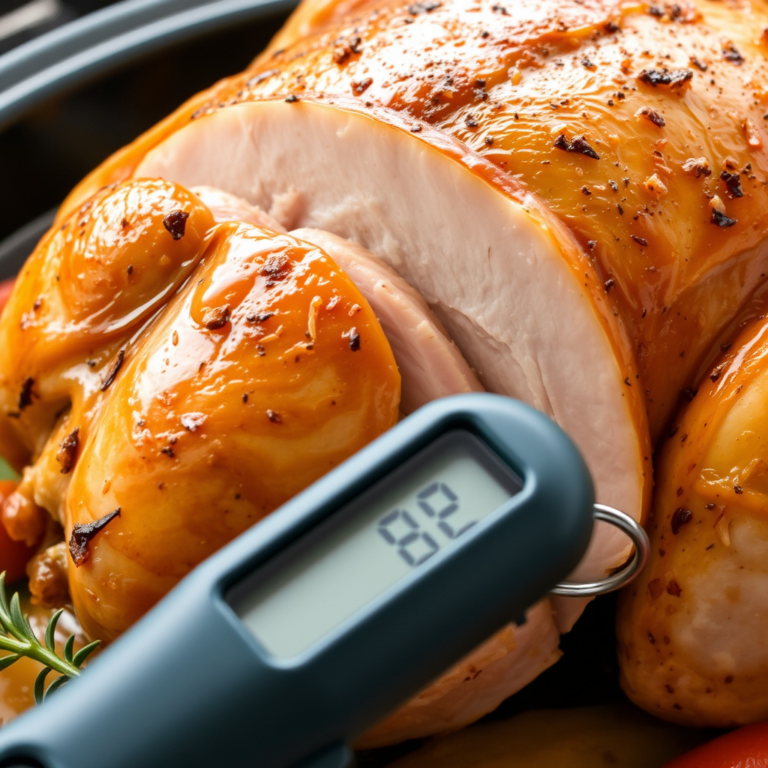
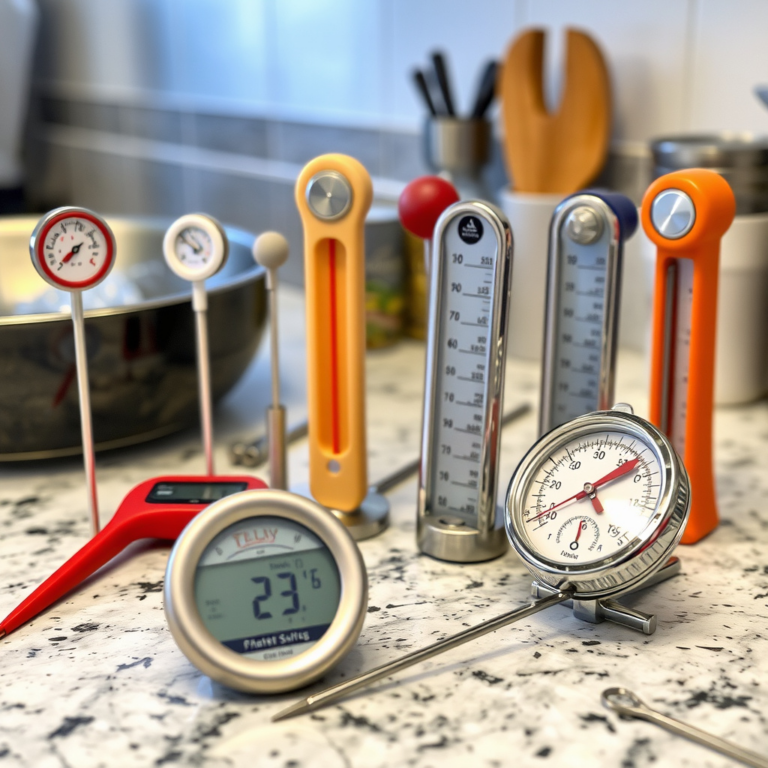
Monitoring internal temperature helps determine when a steak is close to done and ready to rest.
Pulling the steak about 5°F below target temp before resting accounts for carryover cooking during rest.
- Rare: 120-125°F pull temp
- Medium rare: 130-135°F pull temp
- Medium: 140-145°F pull temp
Steak Resting Times by Steak Thickness
This table summarizes recommended resting times based on steak thickness to help you choose the right approach.
| Steak Thickness | Resting Time | Recommended Covering | Notes |
|---|---|---|---|
| Less than 1 inch | 5 minutes | Loose foil tent or plate cover | Quick resting to prevent cooling |
| 1 to 2 inches | 7-10 minutes | Loose foil tent | Most common steak size range |
| 2 to 3 inches | 10-15 minutes | Loose foil tent or plate cover | Ideal for thick cuts like ribeye |
| Over 3 inches (roast) | 15-20 minutes | Plate cover or loose foil | Large cuts require longer rest |
Frequently Asked Questions
Why is resting steak important?
Resting steak allows the juices to redistribute evenly, preventing them from spilling out when cut and making the meat juicier and more flavorful.
Can I rest steak without covering it?
You can rest steak uncovered, but loosely covering with foil prevents heat loss and maintains the crust's texture by trapping warmth without causing steam.
Does the steak continue cooking during resting?
Yes, residual heat inside the steak causes carryover cooking, which raises its internal temperature slightly during the resting period.
How long should I rest a thick steak?
For thick steaks around 2 inches or more, resting for 10 to 15 minutes provides adequate time for juices to redistribute fully.
Is it okay to rest steak at room temperature?
Resting steak at room temperature for up to 15-20 minutes is safe and helps juices redistribute while keeping the steak warm.
Key Takeaways
- Rest steak 5-10 minutes depending on thickness to maximize juiciness.
- Use a loose foil tent or plate cover to retain heat without softening crust.
- Avoid cutting steak immediately to prevent juice loss.
- Thicker and well-done steaks generally require longer resting.
Conclusion
Determining how long to let steak rest requires balancing factors such as the cut’s thickness, cooking method, and desired doneness. Resting permits the meat’s juices, pushed toward the center during cooking, to redistribute throughout the fibers, meeting both texture and moisture needs for a satisfying bite. Skipping resting or cutting too soon leads to juice loss and dryness, while over-resting risks cooling the steak excessively. By understanding these mechanics, home cooks can consistently produce juicy, flavorful steaks with a satisfying crust and tender interior.
For thinner steaks under an inch, a five-minute rest typically restores that juicy interior, while steaks between one and two inches benefit from seven to ten minutes. Thicker, more substantial cuts, as well as roasts, can require up to twenty minutes to achieve even temperature and juice balance. Additionally, the method of cooking—whether pan-seared, grilled, or oven-finished—can slightly adjust these times. Practical tools like meat thermometers and loose foil covering are simple yet effective ways to time resting properly and maintain warmth without sacrificing crust. This practical knowledge suits all steak lovers, from casual grillers to more seasoned chefs.
Starting with your preferred cut and desired doneness, set a timer post-cooking to rest steak appropriately, use a gentle foil tent or warm plate to hold temperature, and avoid premature slicing. Use the resting interval productively by preparing side dishes or sauces for a seamless, well-timed meal. Remember, resting doesn’t just preserve juices but completes the cooking process, turning a good steak into a great one. With these clear guidelines, you can make your next steak dinner reliably delicious and juicy every time.