Burgers tend to shrink during cooking mainly due to fat and moisture loss, but you can prevent this by managing the meat's fat content, handling patties gently, and cooking at the right temperature. These steps help maintain burger size and juiciness so you get a satisfying bite rather than a small, dry patty.
Maintaining the size of your burger matters because shrinking not only makes your meal smaller, but it also dries out the meat and compromises flavor. With the right techniques, you can keep your burger plump and juicy, preserving both texture and taste.
This article will explain why burgers shrink, share proven methods to minimize shrinkage, and guide you through selecting ground beef and cooking conditions. You'll also find a comparison of different meat blends and answers to common questions about burger preparation.
Understanding Why Burgers Shrink
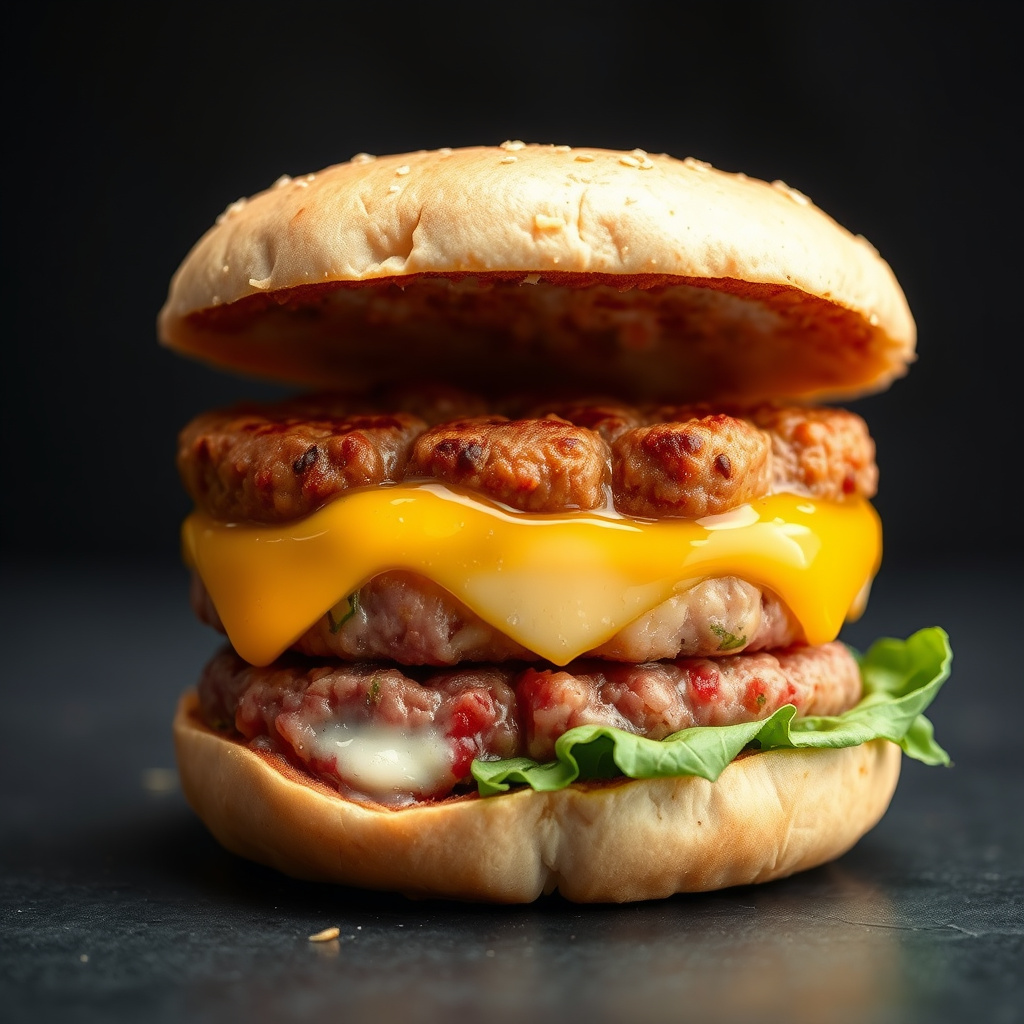
Fat Content and Shrinkage
The fat in ground beef melts as the burger cooks, causing the patty to lose volume. High-fat blends tend to shrink more since more fat liquefies and drips away during grilling or frying.
Choosing a balance between flavor and fat content can reduce shrinkage. Leaner blends hold shape better but may be less juicy, while fattier blends risk contraction but enhance taste.
- Fat melts and drips, reducing burger size
- Lean meat shrinks less but might be drier
- Higher fat content means more flavor and shrinkage
Moisture Loss in Meat
Along with fat, moisture inside the meat evaporates during cooking, causing shrinkage. Overcooking accelerates this process, drying out the patty and making it smaller.
Moisture loss is also influenced by how tightly packed the patty is; compacted meat squeezes out juices faster. Proper formation of the burger can help retain internal moisture.
- Heat expels water leading to shrinkage
- Overcooking dries meat and shrinks patty
- Loosely packed patties retain moisture better
Choosing the Best Ground Beef for Burgers
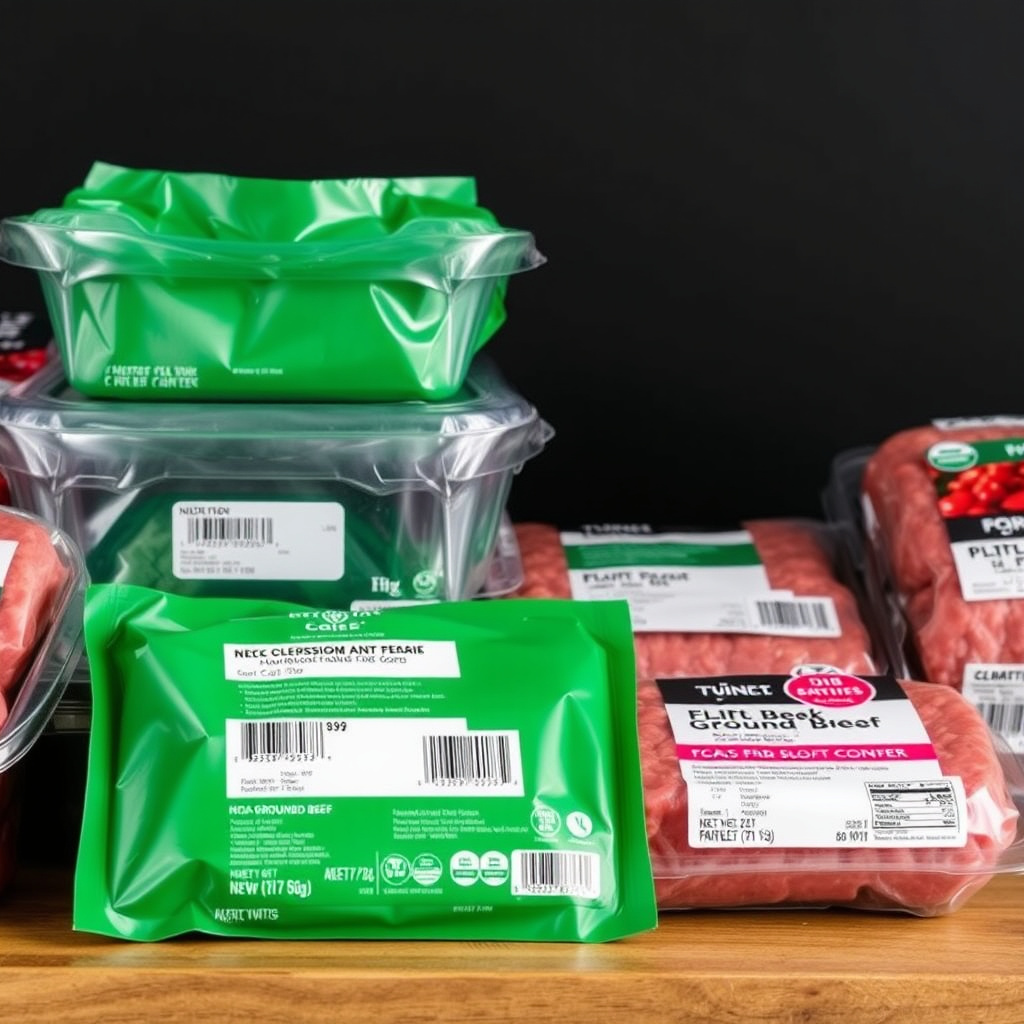
Fat Ratios and Their Impact
Ground beef labeled 80/20 is a common choice, offering enough fat for flavor and juiciness but also shrinking noticeably. Moving to 85/15 or 90/10 blends reduces fat melting, retaining more size but with less richness.
Some cooks prefer mixing lean ground beef with small amounts of higher-fat meat or adding moisture-rich ingredients to create a balance that holds burger size and flavor.
- 80/20: juicier but shrinks more
- 85/15 and 90/10: less shrinkage, less fat
- Mixing blends can optimize size and taste
For more on this, see our related guide: How to Make a Burger Patty: A Step-by-Step Guide for Juicy, Flavorful Burgers.
Freshness Matters
Using fresh ground beef generally helps the burger retain moisture better compared to previously frozen meat, which loses water during thawing. Fresh meat's natural juices contribute to size retention during cooking.
Additionally, freshly ground beef often has a better texture, which can make forming patties easier and less likely to compress excessively, which also influences shrinkage.
- Fresh ground beef holds juices better
- Freezing and thawing removes moisture
- Better texture aids gentle patty formation
Proper Patty Formation Techniques
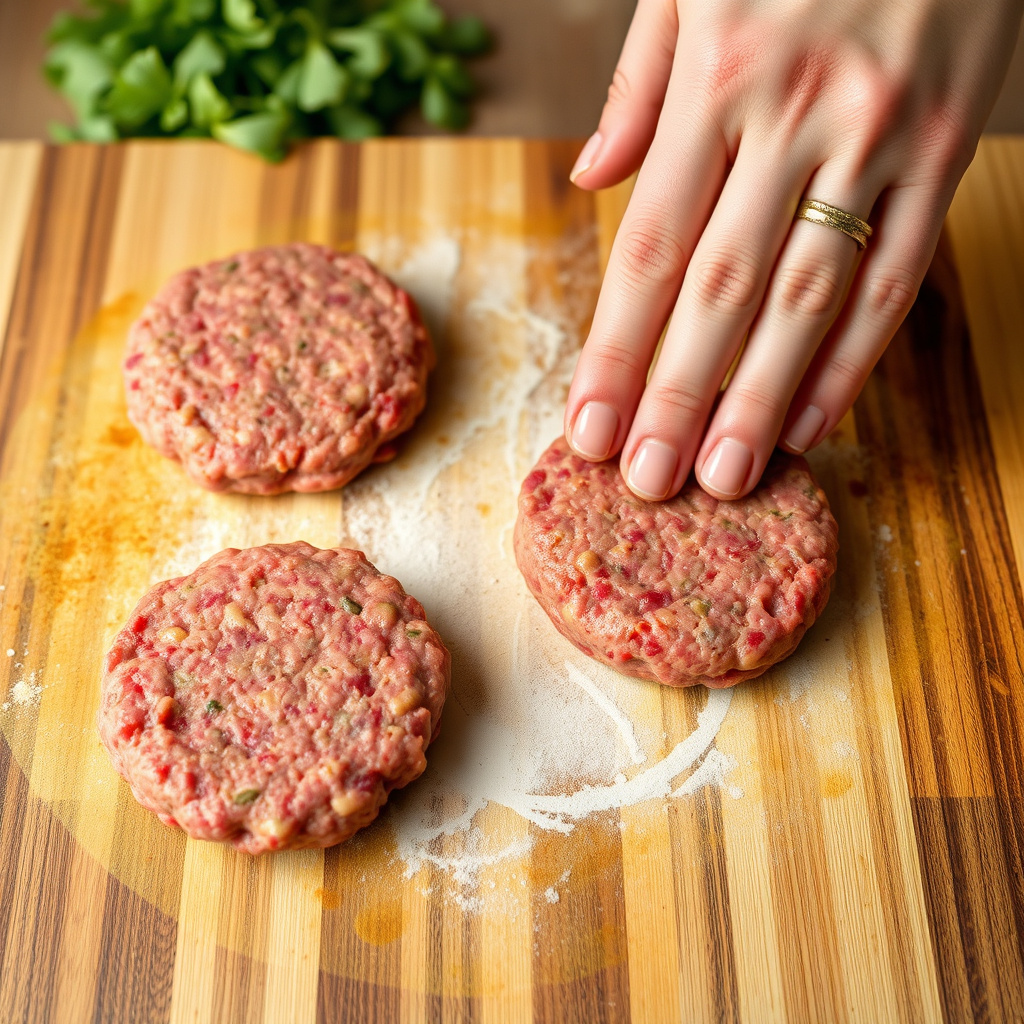
How to Shape Patties Correctly
Avoid pressing the meat too tightly when forming patties, as densely packed meat compresses fat and juices, which are forced out during cooking. Lightly shaping the patty helps moisture stay inside.
A good practice is to form patties slightly larger than your bun diameter since some shrinkage is inevitable. Making a shallow indentation in the patty center helps it cook evenly without puffing up.
- Handle meat gently, avoid compression
- Shape patties larger than bun size
- Indent center of patty to prevent bulging
Adding Binders and Moisture Retainers
Some recipes include binders such as breadcrumbs, egg, or grated vegetables to hold moisture and reduce shrinkage. These ingredients create a more cohesive patty that retains juices during cooking.
While adding binders changes texture and flavor slightly, small amounts keep the burger juicy and less prone to shrinking sharply, especially with leaner meat blends.
- Breadcrumbs absorb and retain juices
- Eggs bind ingredients without drying
- Vegetables add moisture and volume
Cooking Methods to Minimize Burger Shrinkage
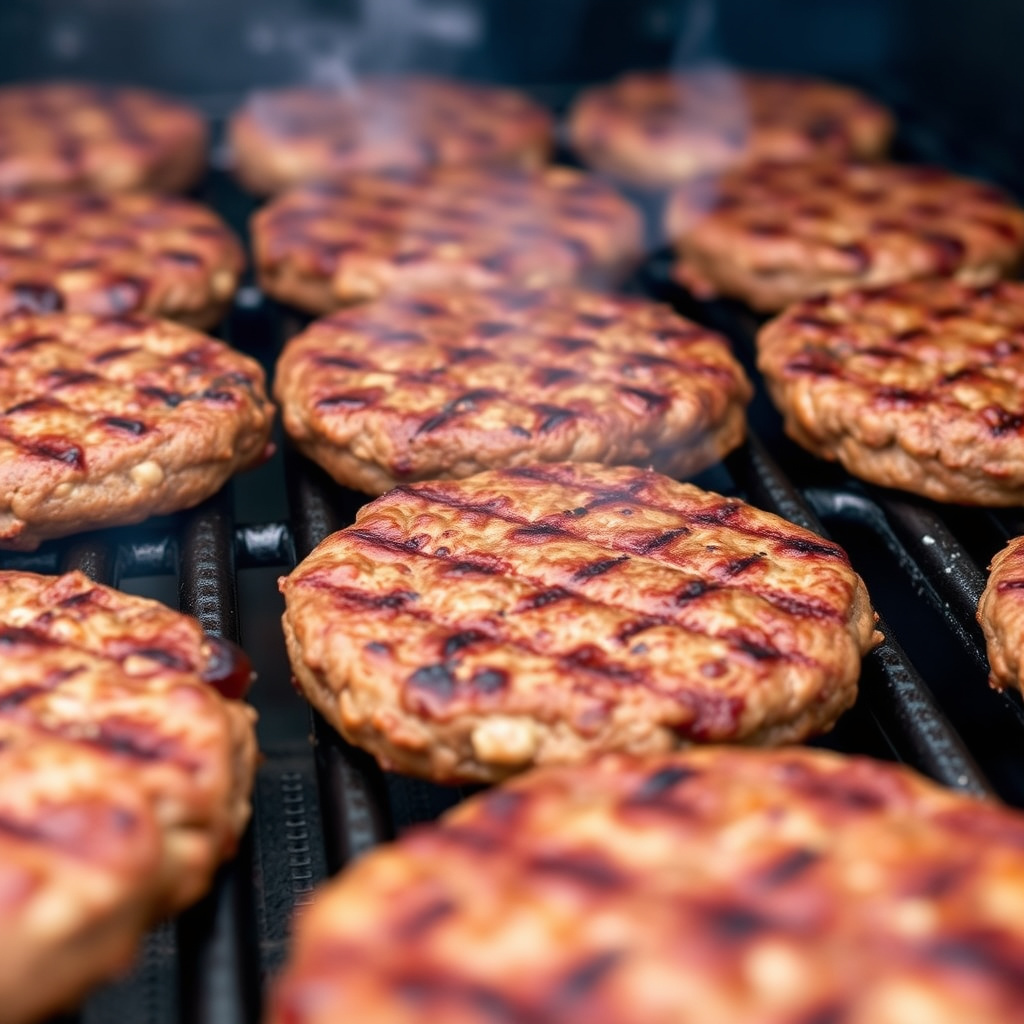
Temperature Control
Cooking burgers over high heat causes rapid fat melting and moisture loss, increasing shrinkage. Medium-high heat allows gradual cooking, helping the patty retain more juices and size.
Using a meat thermometer ensures burgers reach safe temperatures without overcooking, preserving internal moisture and texture.
- Avoid extremely high heat settings
- Cook at medium-high for even heat
- Use thermometer to prevent overcooking
Flipping and Handling During Cooking
Flipping the burger only once during cooking reduces juice loss compared to multiple flips. Pressing down on patties with spatulas squeezes out flavor and increases shrinkage.
Let the patty rest a few minutes after cooking to reabsorb juices, improving moisture retention and final appearance.
- Flip patties just once
- Avoid pressing down on burgers
- Rest burgers before serving
Additional Tips to Keep Your Burgers Juicy
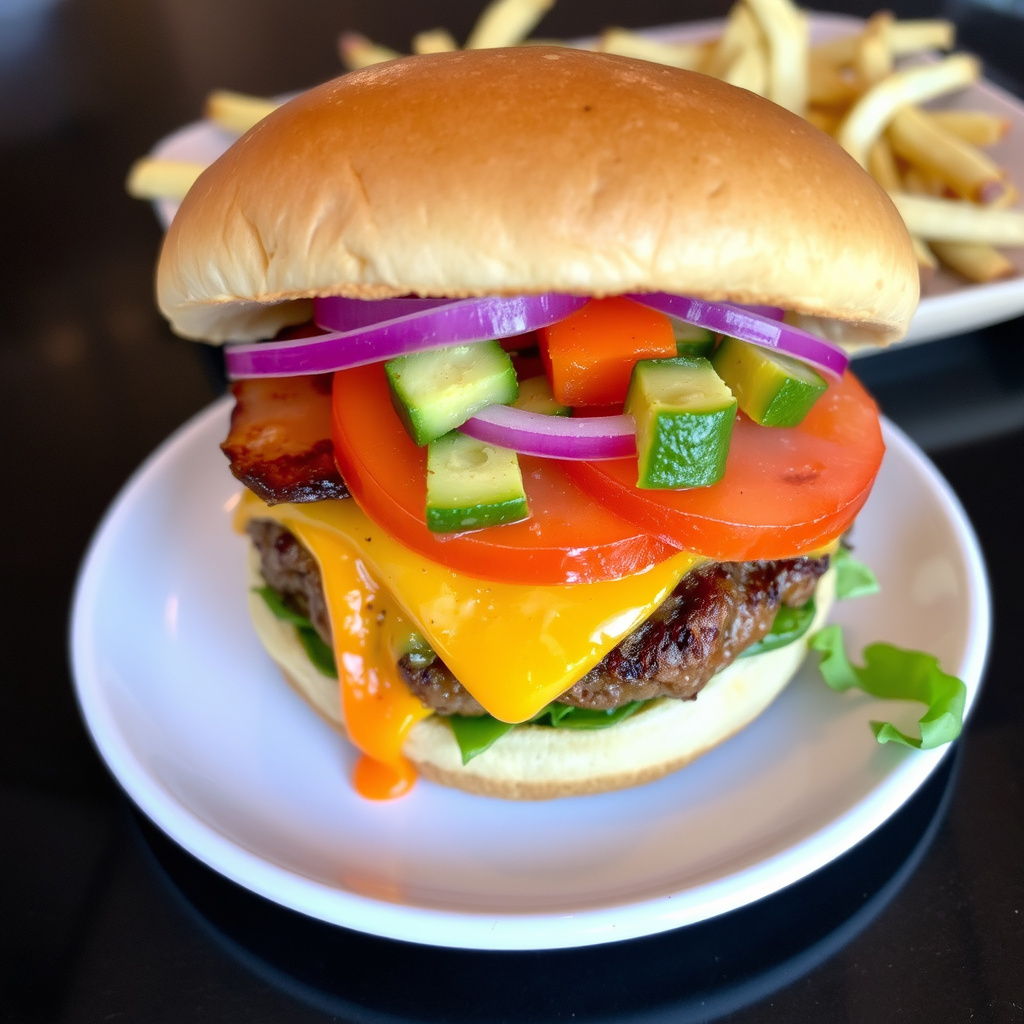
Incorporating Moisture-Rich Ingredients
Adding ingredients like diced onions, grated cheese, or even a touch of water or broth into the ground beef can boost moisture content, helping prevent shrinkage during cooking.
These additions can also enhance flavor and create a more tender burger that holds its shape better on the grill or skillet.
For more on hamburger history and varieties, see the Wikipedia article on hamburgers. Wikipedia article on hamburgers.
Using Cooking Oils and Resting Techniques
Lightly oiling the cooking surface prevents sticking and uneven cooking, which can lead to excessive shrinkage. Resting burgers under a loose foil tent after cooking helps redistribute juices internally.
These simple practices maintain moisture, resulting in a plumper, more flavorful burger experience.
Ground Beef Blend Comparison for Burger Shrinkage
Here is a comparison of common ground beef blends showing how fat content affects shrinkage, juiciness, and flavor.
| Blend | Fat Percentage | Shrinkage Level | Juiciness | Flavor |
|---|---|---|---|---|
| 80/20 | 20% | High | High | Rich |
| 85/15 | 15% | Medium | Medium | Balanced |
| 90/10 | 10% | Low | Lower | Mild |
| 95/5 | 5% | Very Low | Dryer | Lean |
Frequently Asked Questions
Why do burgers shrink so much when cooked?
Burgers shrink mainly because fat melts and moisture evaporates under heat. Overcooking accelerates this loss, making patties smaller and drier.
Does the type of ground beef affect shrinking?
Yes, higher fat content ground beef typically shrinks more as fat liquefies and drips away, while leaner meat shrinks less but may be less juicy.
How can I prevent my burger from puffing up in the center?
Creating a shallow indentation in the center of your patty before cooking helps it cook evenly and reduces bulging during grilling.
Is it better to grill or pan-fry burgers to prevent shrinking?
Both methods can work well if you control heat properly, but grilling often causes more shrinkage due to higher direct heat exposure.
Can adding ingredients like breadcrumbs really help reduce shrinkage?
Yes, small amounts of binders like breadcrumbs or egg help retain moisture in leaner patties, reducing shrinkage and improving texture.
Key Takeaways
- Fat content and moisture loss drive burger shrinkage.
- Choose the best ground beef with balanced fat to reduce shrinkage.
- Form patties gently and size them slightly larger than buns.
- Cook burgers at moderate heat and avoid pressing during cooking.
Conclusion
Preventing burger shrinkage involves managing factors such as fat content, moisture retention, and cooking technique to maintain size and juiciness. Understanding how fat melts and moisture evaporates under heat is key to choosing and preparing patties that hold together well. Mastering patty formation and heat control helps lock in flavor while minimizing size loss.
Specifically, selecting ground beef blends like 85/15 offers a reasonable compromise, reducing excessive shrinkage compared to fattier blends but keeping good juiciness. Gently shaping patties slightly larger than your buns with a center indentation helps the burger cook evenly without puffing up or squeezing out juices. Cooking over medium-high heat and flipping only once further preserves moisture. Integrating small amounts of binders or moisture-rich ingredients caters well to leaner blends for tenderness and size retention.
For anyone serious about burger quality, the next steps include experimenting with blends to match your taste and cooking preferences, applying the gentle patty shaping tips, and monitoring cooking temperatures closely. Following these guidelines consistently will yield burgers that satisfy with every bite, full of juiciness and substantial size.