To tenderize steak effectively, you can use a few reliable techniques such as mechanical tenderizing, marinating with acidic ingredients, or employing slow cooking methods. Each approach helps break down tough muscle fibers and connective tissue, making the meat softer and easier to chew.
Tender steak enhances eating pleasure since tougher cuts can often feel chewy or dry. Tenderizing steak properly not only improves texture but also allows marinades and seasonings to penetrate deeper, adding rich flavors that elevate your meal.
This article explores popular and practical methods to tenderize steak, including physical tools, ingredient-based treatments, and cooking approaches. Understanding these techniques will empower you to get the best out of any cut, whether grilling or pan-frying.
Mechanical Methods to Tenderize Steak
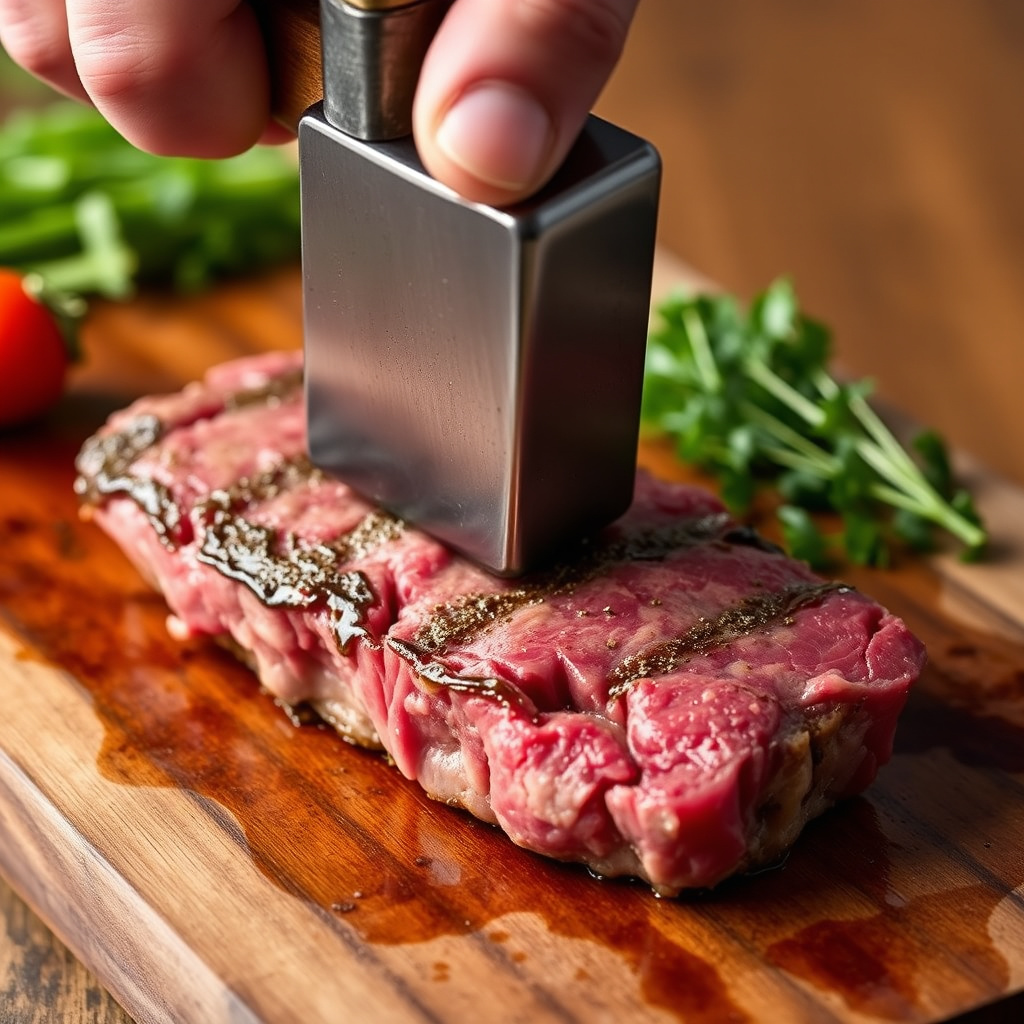
Using a Meat Mallet for Tenderizing
A meat mallet equipped with textured side surfaces is great for physically breaking down muscle fibers. Light hammering flattens thicker steaks and disrupts tough tissue, improving tenderness and even cooking.
For best results, place steak between plastic wrap before pounding to prevent tearing. Use moderate force, avoiding over-tenderizing, which can cause a mushy texture. This technique is especially common for tougher cuts like round or chuck steak.
- Use flat or textured side depending on steak hardness
- Cover steak to minimize mess
- Apply consistent, gentle taps
- Avoid excessive pounding
Scoring and Slashing the Steak Surface
Scoring involves shallow cuts across the steak surface in a crosshatch pattern, helping to break muscle strands and facilitate marinade absorption. This method won’t overly flatten the steak, preserving thickness but easing chewiness.
Slashing deeper cuts across tough areas may also physically weaken dense connective tissue near fat seams. This mechanical tenderizing is quick and preserves more juice compared to pounding.
- Make shallow, consistent cuts
- Avoid penetrating too deeply
- Enhances marinade effectiveness
Chemical Tenderizing with Marinades and Ingredients
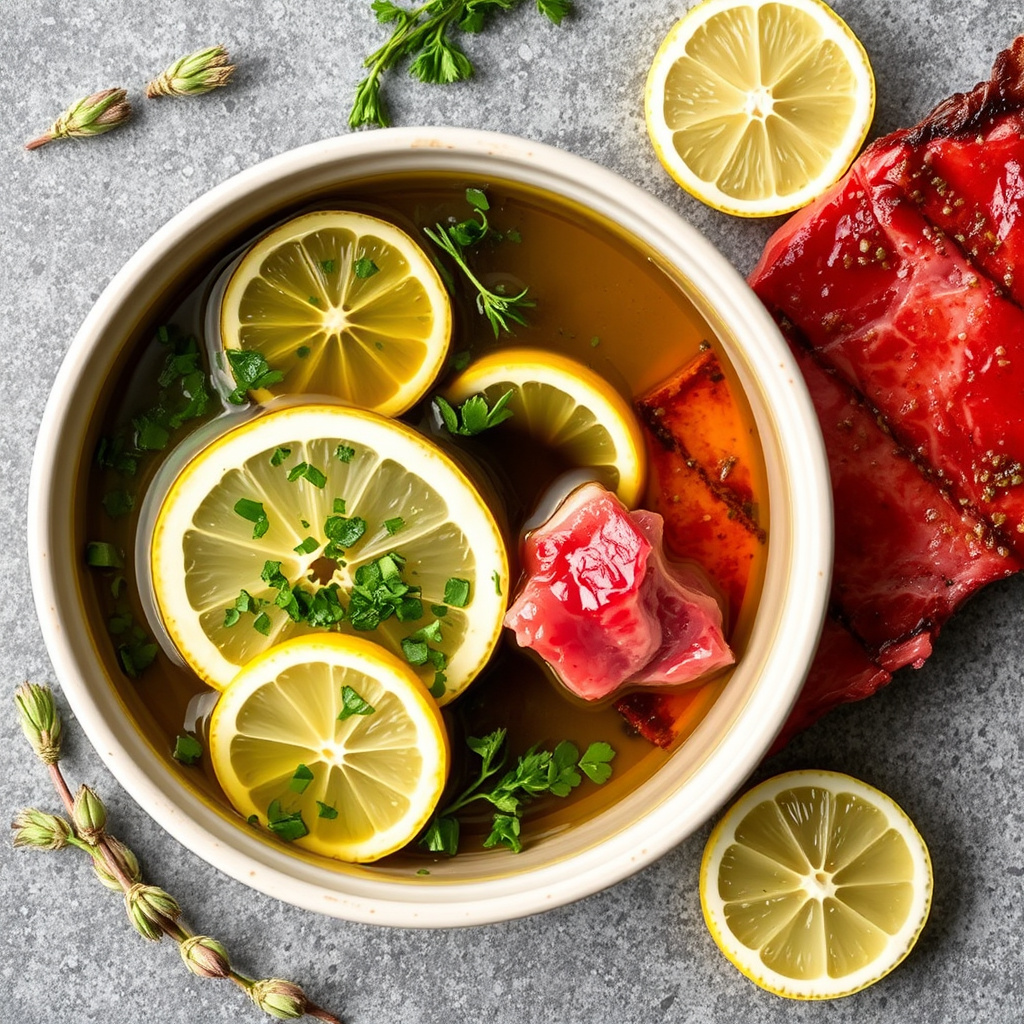
Marinating with Acidic Ingredients
Acids like lemon juice, vinegar, and yogurt help tenderize steak by chemically breaking down proteins and connective tissues. Marinating times vary by acidity level but typically range from 30 minutes to a few hours.
Proper marinating not only tenderizes steak but also infuses it with flavor. However, excessive marination can make texture mushy, so timing should be adjusted based on cut thickness and acid strength.
- Use lemon, vinegar, or buttermilk
- Marinate 30 minutes to 4 hours
- Avoid over-marinating
For more on this, see our related guide: How Long to Marinate Steak for Maximum Flavor and Tenderness.
Enzymatic Tenderizers from Natural Sources
Certain fruits like pineapple, papaya, and kiwi contain enzymes (bromelain, papain, actinidin) that break down proteins effectively. Using these in marinades or as direct pastes accelerates tenderizing.
Apply fruit-based tenderizers sparingly and monitor timing closely to prevent overly soft or mushy results. These natural enzymes are especially good for tougher, budget-friendly cuts.
- Use fresh pineapple juice or papaya paste
- Limit application to under 1 hour
- Combine with seasoning for flavor
Using Salt and Dry-Brining for Tender Steak
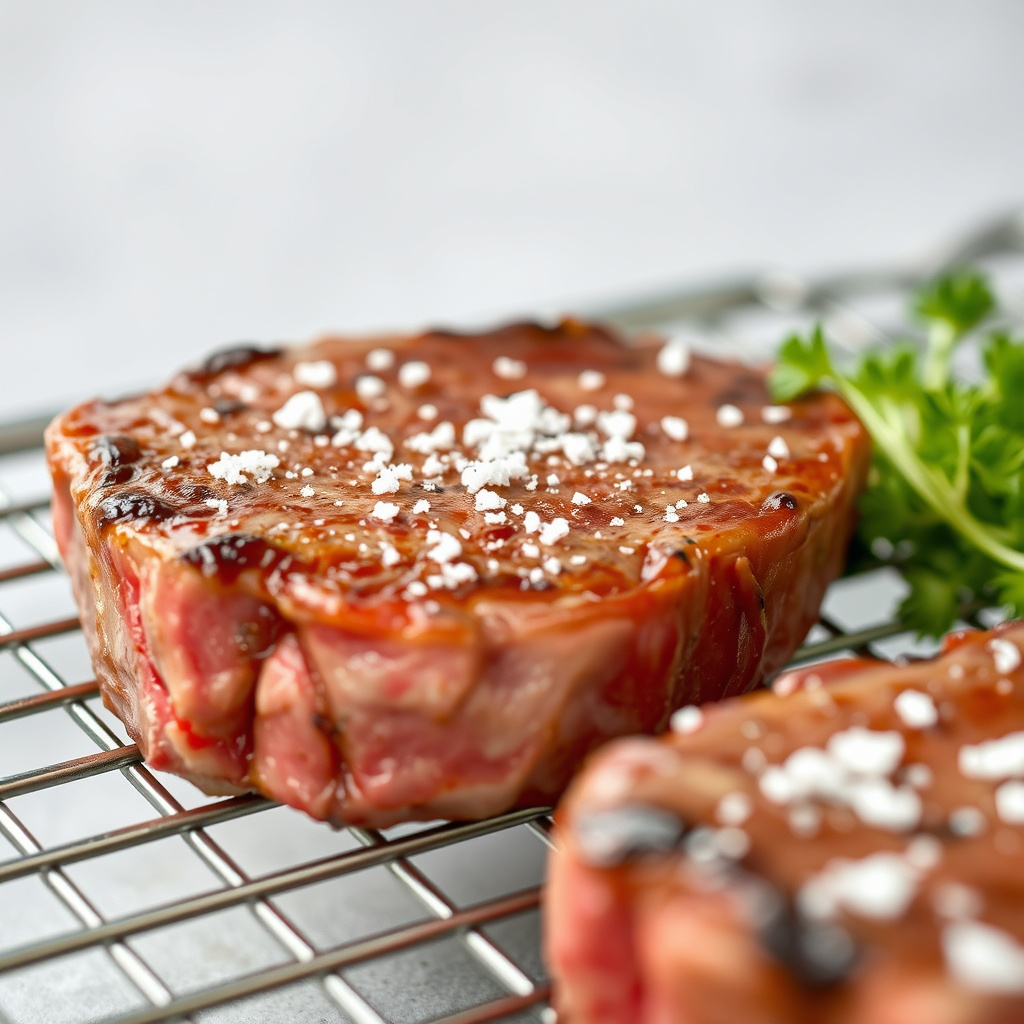
How Salt Enhances Tenderness
Salt helps draw moisture out initially, then reabsorbs it along with dissolved salt, which breaks down muscle proteins, increasing juiciness and tenderness. This process mimics mild brining without full immersion.
Salt penetrates surface layers over time, so applying salt 40 minutes to 24 hours before cooking (dry-brining) improves texture, creates a crisp crust, and enhances flavor development.
- Use kosher or sea salt for best results
- Apply evenly but not excessively
- Timing impacts final tenderness
Dry-Brining Steps for Steak
Pat the steak dry, coat generously with salt, and place on a rack inside the refrigerator uncovered. This allows air circulation while salt breaks down proteins and firms the meat surface.
After resting, rinse excess salt if preferred, then pat dry before cooking. This method improves moisture retention and breaks down toughness slowly and naturally.
- Refrigerate 1-24 hours
- Use rack to avoid pooling
- Rinse if overly salted before cooking
Cooking Techniques to Tenderize Steak
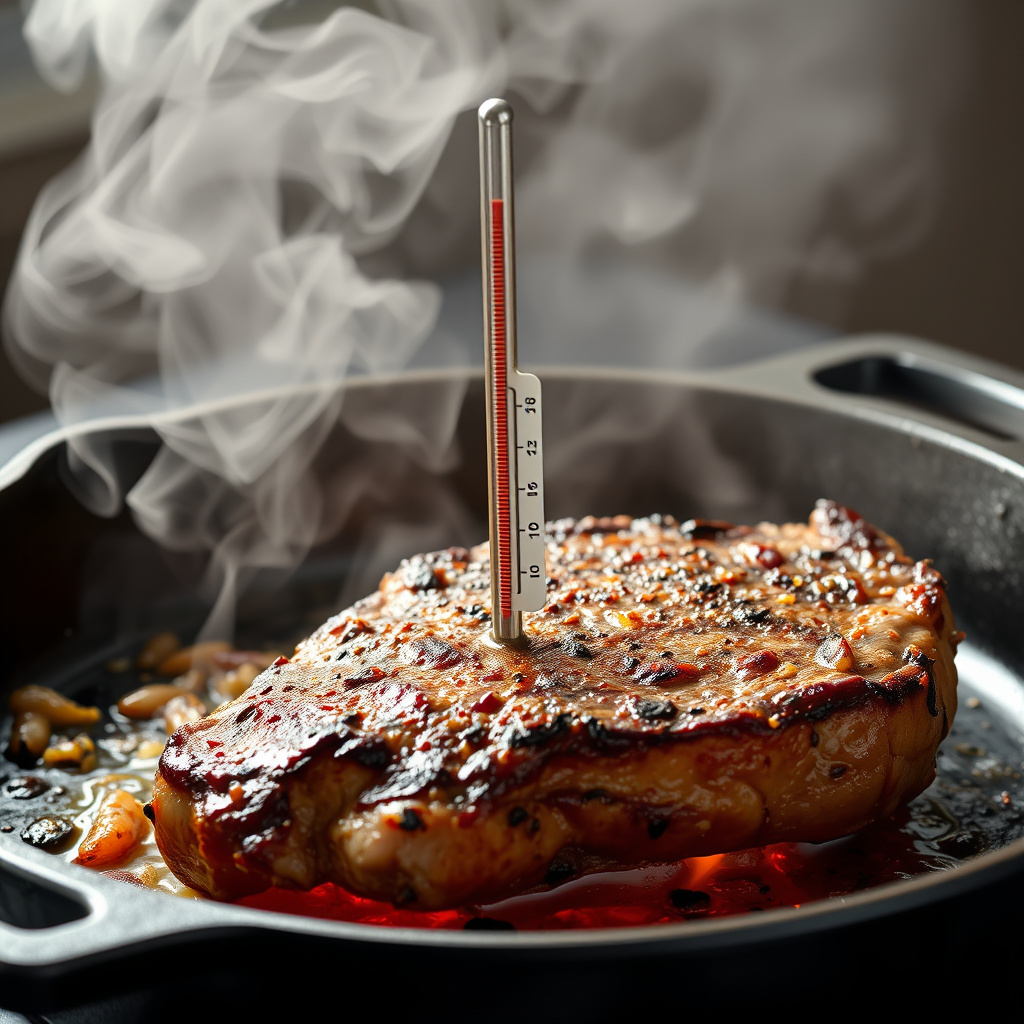
Low and Slow Cooking Methods
Slow cooking at low temperatures helps dissolve collagen and connective tissues in tough cuts, resulting in tender, flavorful steak. Methods include sous vide, slow roasting, or braising.
These techniques allow the steak to retain moisture and break down fibers without overcooking the exterior. Ideal for budget cuts or thicker steaks that benefit from longer cooking.
- Sous vide maintains precise temperature
- Slow roast at 225-275°F
- Braise with liquid for added moisture
For more on this, see our related guide: How to Marinate Steak for Maximum Flavor and Tenderness.
Resting After Cooking
Letting steak rest after cooking allows juices to redistribute evenly through the meat, reducing toughness caused by moisture loss. A general rule is to rest for 5-10 minutes depending on steak thickness.
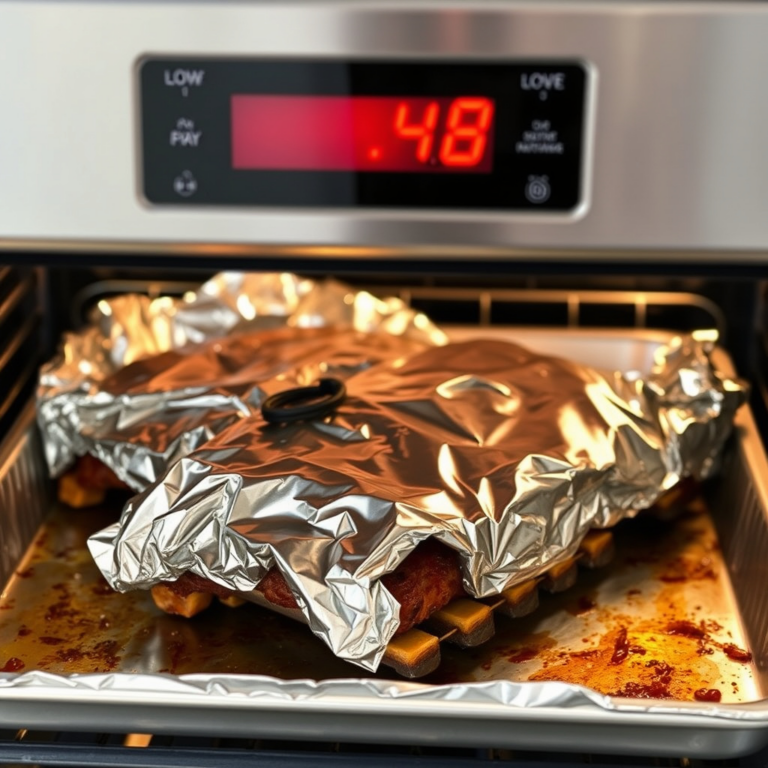
Resting wrapped loosely with foil preserves warmth while ensuring a tender bite that isn’t dry or chewy. Skipping this step can leave steak tougher and less juicy.
- Rest 5-10 minutes after cooking
- Use foil tent for heat retention
- Improves juiciness and tenderness
Selecting the Right Cut for Natural Tenderness
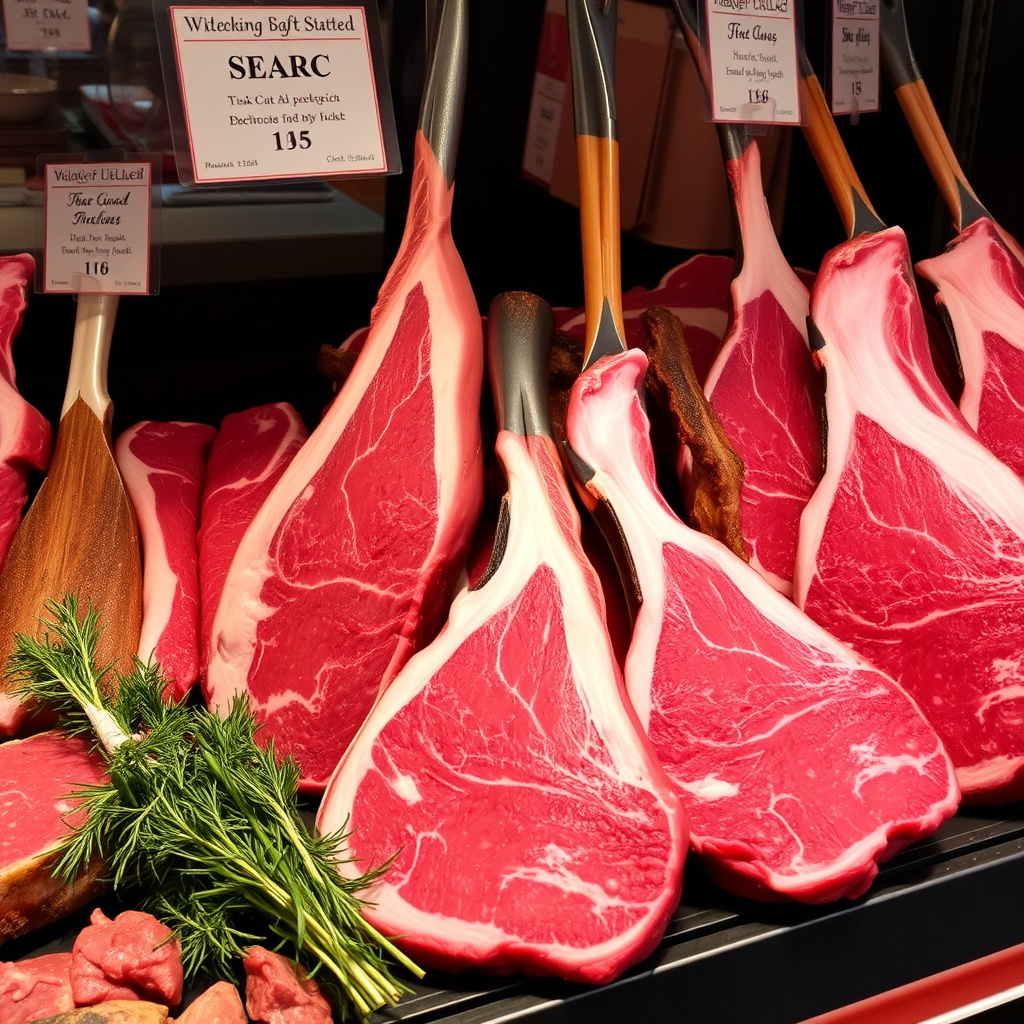
Naturally Tender Cuts for Easy Cooking
Steak cuts like ribeye, tenderloin, and striploin contain less connective tissue and muscle effort, making them naturally tender and requiring minimal tenderizing.
Choosing these cuts allows for quicker cooking methods such as grilling or pan-searing that preserve juiciness and tenderness without labor-intensive processes.
- Ribeye: marbled fat, juicy texture
- Tenderloin: very soft, lean
- Striploin: balanced fat and texture
For more detailed background on steak cuts and preparation, you can explore steak preparation techniques on Wikipedia. Steak preparation techniques.
Budget-Friendly Tougher Cuts to Tenderize
Cuts such as chuck, round, or flank are more affordable but tougher because of their muscle usage. These require tenderizing techniques like marinating, mechanical tenderizing, or slow cooking for best results.
With proper preparation, these cuts can achieve tender, flavorful outcomes comparable to higher-end steaks.
- Flank steak needs substrate tenderizing
- Chuck benefits from slow braising
- Round steak responds well to dry-brining
Comparison of Steak Tenderizing Techniques
This table summarizes how different tenderizing methods compare in terms of effort, time, flavor impact, and ideal use cases.
| Method | Tenderizing Effectiveness | Time Required | Flavor Impact | Best For |
|---|---|---|---|---|
| Mechanical (Malleting) | High | Minutes | Neutral | Tough cuts like chuck |
| Acidic Marinades | Moderate to High | 30 min to 4 hrs | Adds tanginess | Medium tough cuts |
| Enzymatic Tenderizers | High | Under 1 hour | Fruity flavor | Very tough cuts |
| Dry Brining | Moderate | 1 to 24 hrs | Enhances natural flavor | Various cuts |
| Slow Cooking | Very High | Several hours | Rich, developed | Very tough cuts |
| Choosing Tender Cuts | Natural | None | Intrinsic flavor | Premium steaks |
Frequently Asked Questions
Can lemon juice tenderize steak quickly?
Yes, lemon juice’s acidity can tenderize steak within 30 minutes to an hour by breaking down proteins, but too long can cause a mushy texture.
Is pounding steak with a mallet always recommended?
Pounding works well for thick or tough steaks but can damage delicate cuts. Use moderate force and cover the steak to avoid tearing.
Does salt alone tenderize steak?
Salt improves tenderness by breaking down proteins through dry-brining when applied in advance, but it’s less effective if added right before cooking.
Which cooking method makes steak most tender?
Slow cooking methods like sous vide or braising dissolve connective tissues thoroughly, giving very tender results especially for tougher cuts.
Can natural enzymes over-tenderize steak?
Yes, fruit enzyme tenderizers like pineapple should be used carefully and timed precisely to avoid turning steak mushy.
Key Takeaways
- Mechanical tenderizing physically breaks down muscle fibers for faster results.
- Acidic and enzymatic marinades chemically soften proteins enhancing tenderness.
- Dry-brining with salt improves moisture retention and texture over time.
- Slow cooking transforms tougher cuts into tender, juicy steak.
Conclusion
Deciding how to tenderize steak starts with understanding the cut and your cooking preferences. Natural tenderness varies widely by cut, so less tender, affordable cuts require mechanical or chemical methods for softness. Combining techniques thoughtfully—like dry-brining before slow cooking or marinating before pounding—can elevate steak texture dramatically. Consider the time you have and flavor profile desired when choosing a tenderizing approach.
For casual cooks wanting prompt results, mechanical tenderizing and acidic marinades provide straightforward solutions, especially on tougher cuts. When time allows, dry-brining builds moisture and flavor gradually, ideal for everyday steaks. Slow cooking or sous vide treatments suit dense, inexpensive cuts that benefit from long tenderization to reach a fork-tender quality. Selecting naturally tender cuts like ribeye or tenderloin avoids intensive tenderizing but costs more upfront.
Start by identifying your steak’s toughness and intended cooking method. Try dry-brining if you plan a simple grill or pan-sear, or apply a quick acidic or enzymatic marinade for layering flavors. For dense cuts, experiment with mechanical pounding or slow cooking to discover personal preferences. With these approaches, you’ll transform steaks with varying toughness into deliciously tender meals consistently.