If you have tough cuts of meat, you can make them tender by using various tenderizing methods such as physical pounding, marinating with acidic ingredients, slow-cooking, or enzymatic treatment. These approaches break down the muscle fibers and connective tissues that cause toughness, resulting in a juicier, more flavorful texture.
Tough meat often comes from well-exercised muscles or older animals, making it less ideal for quick cooking methods. By tenderizing meat properly, you can transform these less expensive cuts into delicious meals without sacrificing mouthfeel or flavor.
This article reviews different ways on how to tenderize tough meat, including mechanical, chemical, and cooking techniques. You’ll learn when and how to use these methods effectively, so your next dish turns out perfectly tender regardless of the cut you choose.
Mechanical Tenderizing Methods
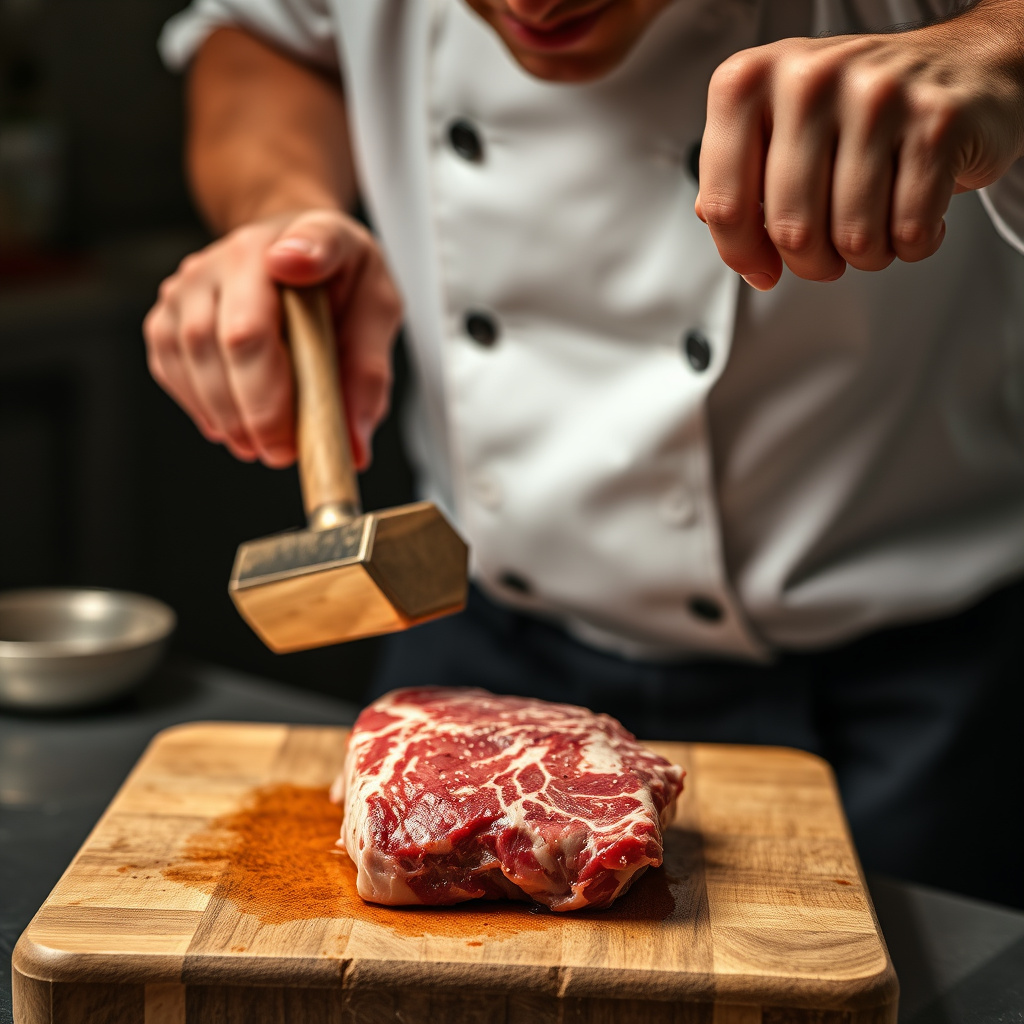
Pounding and Scoring Tough Meat
Using a meat mallet to pound tough cuts breaks down muscle fibers physically, making the meat softer to chew. Pounding flattens the meat, which also helps it cook evenly and absorb marinades more effectively. Scoring involves lightly cutting shallow lines across the surface to break the tougher outer layers while maintaining the internal texture.
For best results, cover the meat with plastic wrap to avoid mess and prevent fibers from tearing excessively. Pound with even pressure, starting in the center and working outward. Scoring is especially useful for thicker, fibrous steaks or roasts.
- Use a flat or textured side of the mallet
- Cover meat with plastic wrap before pounding
- Score shallow, parallel cuts on the surface
- Avoid over-pounding to retain structure
Tenderizing with Mechanical Tools
Mechanical tenderizers like specialized blades or needles puncture the meat to cut through connective tissue without flattening it. These tools increase surface area, allowing marinades and heat to penetrate more deeply, speeding up cooking time and improving texture.
Manual or electric tenderizers are available, and they’re especially handy for thicker cuts or tougher game meats. Careful use preserves the meat’s integrity, avoiding excessive juice loss that can happen with over-pounding.
- Blade tenderizers create small cuts into the meat
- Needle tenderizers puncture fibers to improve marinade absorption
- Use on thick or coarse cuts
- Clean tools thoroughly to avoid contamination
Chemical Tenderizing Techniques
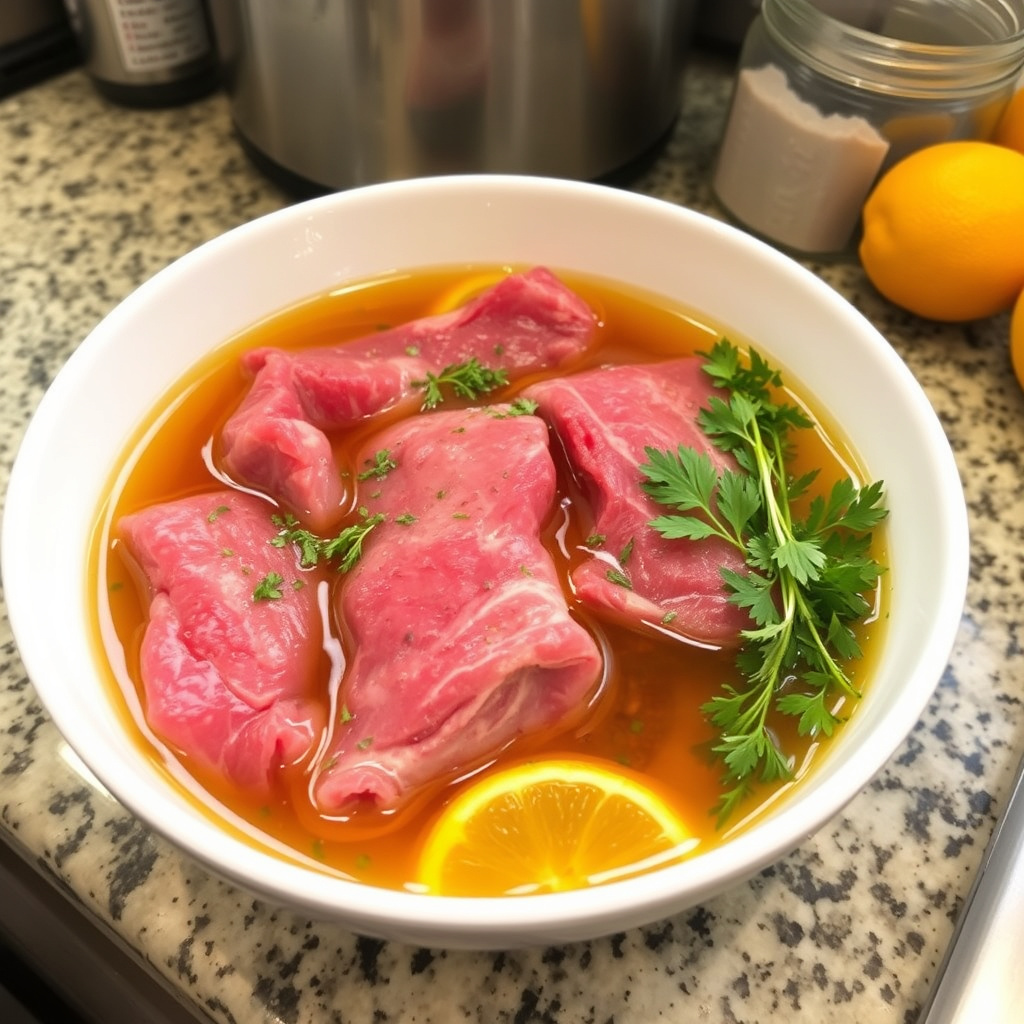
Using Acidic Marinades
Marinating meat in acidic ingredients like lemon juice, vinegar, or yogurt softens muscle fibers by breaking down proteins. This method infuses flavor while tenderizing if given enough time, usually a few hours to overnight depending on the cut.
Avoid overly long marinating times for lean meats, or the acid can cause a mushy texture. Strong acids work well for very tough cuts but balancing them with oil, herbs, and spices ensures the meat remains flavorful and moist.
- Common acids: citrus juice, vinegar, wine, yogurt
- Marinate 2-24 hours depending on meat type
- Combine acid with oil and aromatics
- Rinse meat lightly before cooking if acid flavor is too strong
For more on this, see our related guide: How to Tenderize Steak: Techniques for Perfectly Soft and Juicy Meat.
Enzymatic Tenderizers
Certain fruits like pineapple, papaya, and kiwi contain natural enzymes that break down tough proteins in meat. Applying these fruit-based tenderizers or commercial enzyme powders speeds up the tenderizing process chemically, often within 30 minutes to a few hours.
Because enzymes digest both proteins and connective tissues quickly, they must be monitored closely to avoid over-tenderizing, which leads to a mealy texture. Mixing enzyme tenderizers with other marinade ingredients enhances flavor while controlling the tenderizing effect.
- Use fresh pureed fruit or commercial enzyme powders
- Apply for 30 minutes to 2 hours
- Avoid prolonged exposure to prevent mushiness
- Combine with herbs and oil for flavor balance
Cooking Techniques for Tenderizing
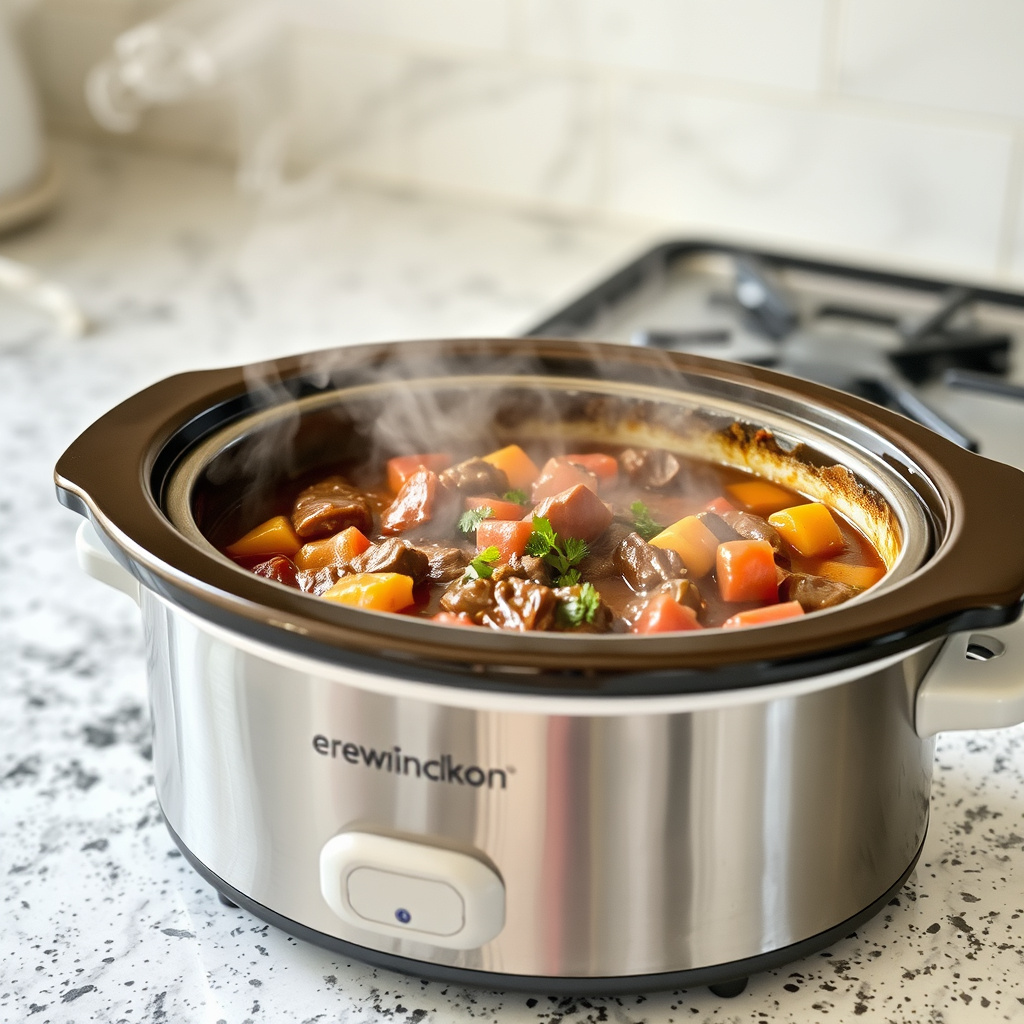
Low and Slow Cooking Methods
Slow-cooking tough meat at low temperatures over several hours softens connective tissues like collagen into gelatin, which adds moisture and tenderness. Slow cookers, braising in liquid, or sous-vide techniques excel at transforming inexpensive, tough cuts into succulent dishes.
Moist heat cooking also prevents drying out, allowing formerly chewy meats to break down gently without becoming tough. Adjust time and temperature carefully to match the cut’s thickness and toughness.
- Use temperatures below 200°F (93°C)
- Cook for several hours depending on cut size
- Add flavorful liquids like broth or wine
- Seal meat when using sous-vide for best results
Resting and Slicing for Tenderness
After cooking, allowing meat to rest grants time for juices to redistribute, increasing tenderness and juiciness. Proper slicing against the grain shortens muscle fibers, making chewing easier and improving mouthfeel even in moderately tough cuts.
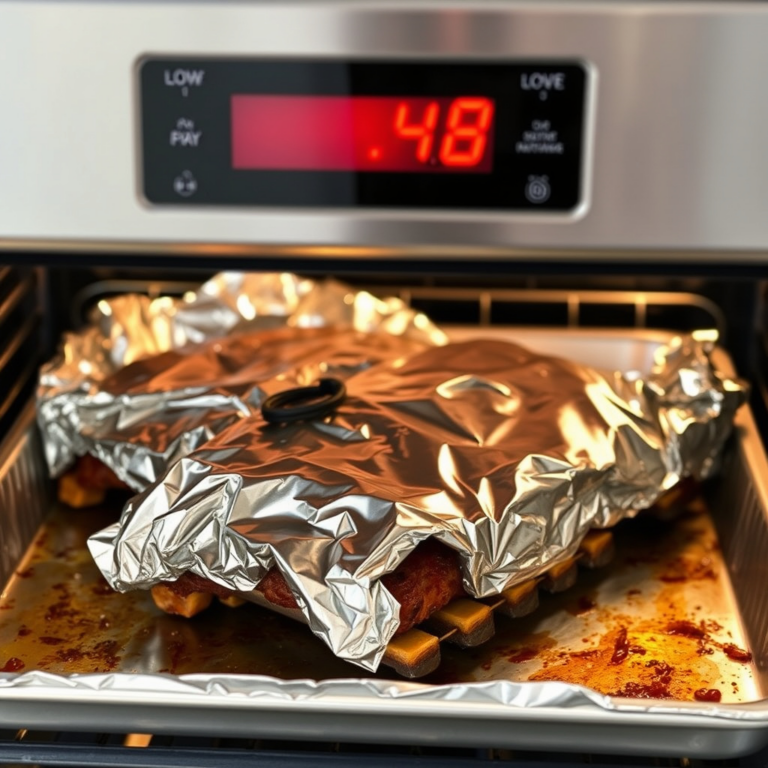
Rest meat covered loosely with foil for 5 to 15 minutes depending on size. Use a sharp knife to cut thin slices perpendicular to the direction of muscle fibers to maximize tenderness.
- Rest meat for 5-15 minutes post-cooking
- Slice across muscle grain
- Use sharp knives for clean cuts
- Avoid tearing fibers by slicing gently
Choosing the Right Cut for Tenderizing
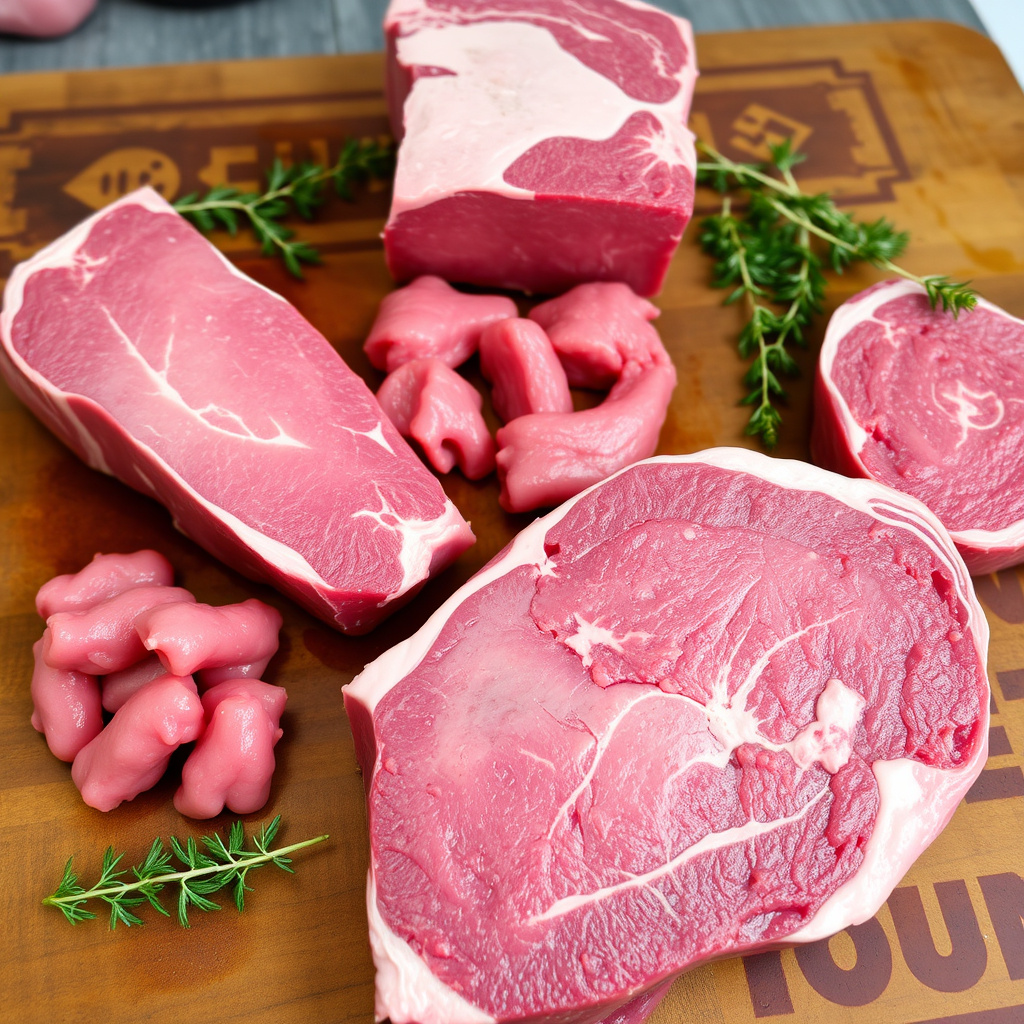
Identifying Naturally Tough Cuts
Cuts like chuck, round, brisket, and shank have more connective tissue and muscle use, making them tougher. Recognizing these cuts helps decide if you’ll need to tenderize them or choose a different cooking method designed for toughness, such as braising or stewing.
Avoid quick grilling or frying unless tenderizing first, since these methods suit tender cuts like ribeye or tenderloin better.
- Chuck and round are budget-friendly but tough
- Brisket contains collagen-rich tissue
- Shank is sinewy, requiring long cooking
- Tenderloin and ribeye are naturally tender
For more on this, see our related guide: How to Make a Steak Marinade for Tender, Flavorful Meat.
Selecting Meat for Tenderizing Techniques
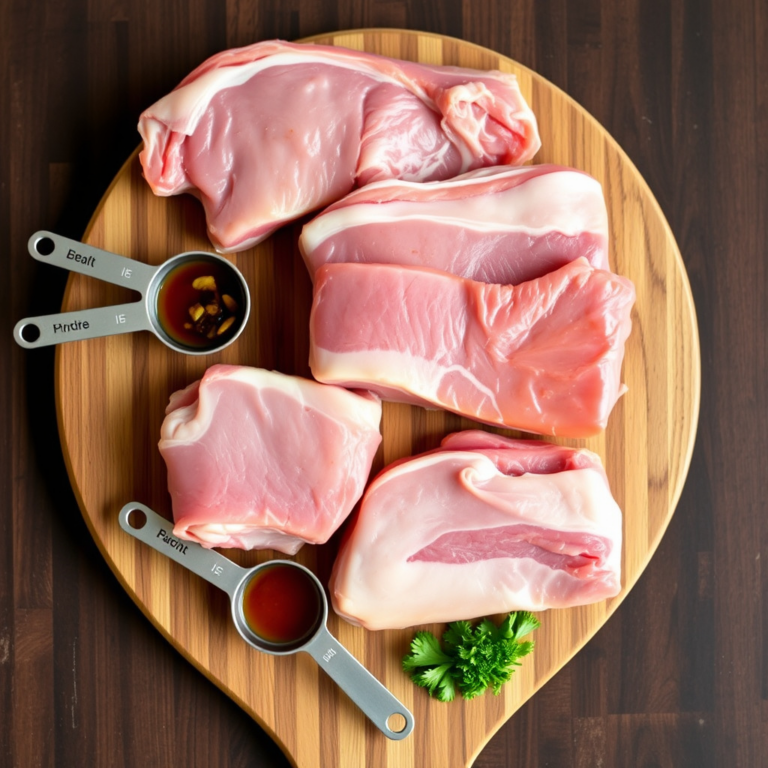
If you plan to use tenderizing methods like marinating or mechanical tenderizing, tougher cuts that benefit most include flank steak, skirt steak, or chuck steaks. Leaner or already tender cuts don’t require prolonged tenderizing and might suffer texture damage if overtreated.
For slow cooking, large roasts or stew cuts work best. Matching the tenderizing approach to the right cut preserves flavor and texture while making the meat more enjoyable.
- Flank and skirt steaks respond well to marinades
- Chuck steak tenderizes well with mechanical methods
- Choose cuts with more connective tissue for slow cooking
- Avoid over-tenderizing already tender cuts
Safety and Effectiveness of Tenderizing Methods
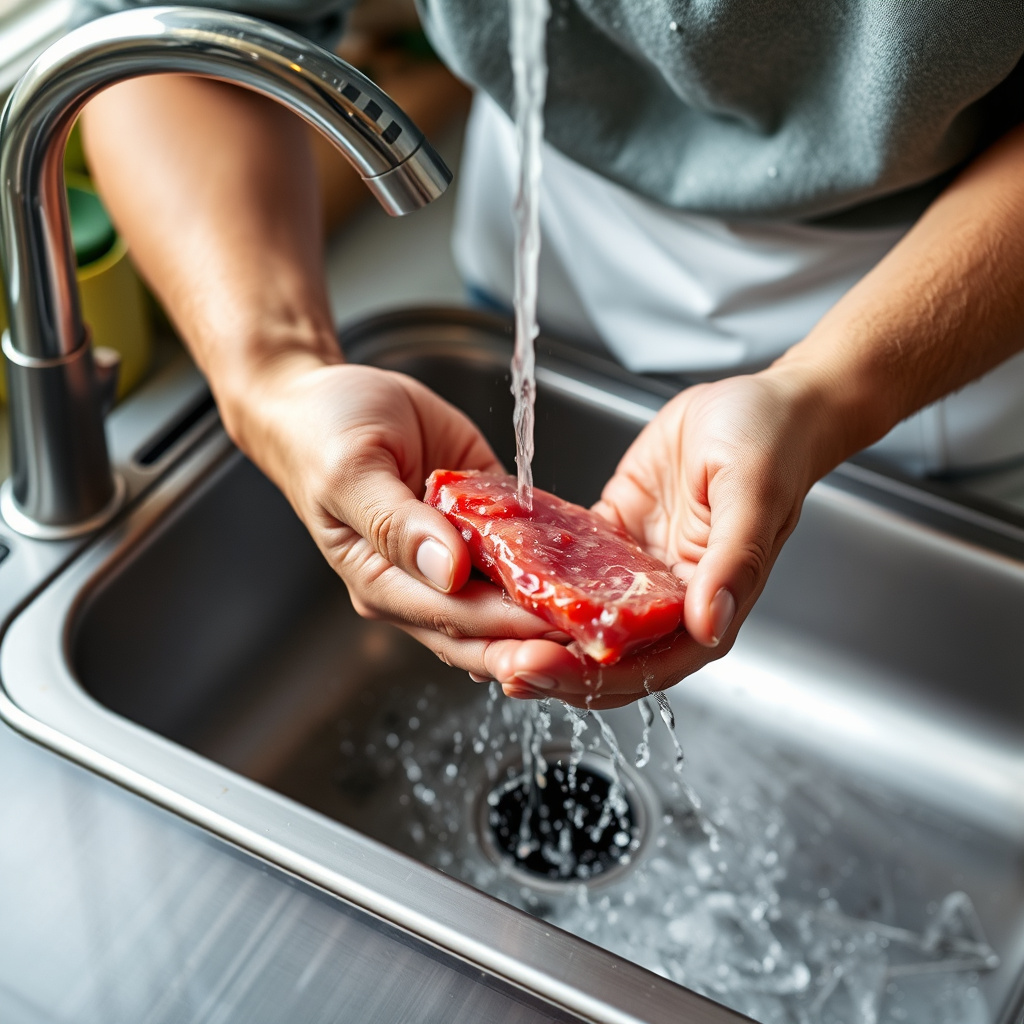
Food Safety During Tenderizing
Handling raw meat carefully and cleaning tools prevents contamination during tenderizing. Marinades should be refrigerated, and meat should not be left at room temperature for extended periods to reduce bacterial growth.
Avoid reusing marinades that touched raw meat unless brought to a boil. Proper hygiene reduces the risk of foodborne illnesses associated with raw meat processing.
- Wash hands and utensils after contact with raw meat
- Refrigerate meat during long marinades
- Do not reuse raw meat marinade unless boiled
- Use clean cutting boards designated for meat
For a technical overview of various meat tenderizing processes, you can refer to this detailed resource on meat tenderizing techniques. meat tenderizing techniques on Wikipedia.
Avoiding Over-Tenderizing
Excessive tenderizing can create unpleasant, mushy textures or cause flavor loss. Mechanical tenderizing can tear meat apart if overdone, while acid or enzyme marinades require timing attention to keep meat firm yet tender.
Testing small samples before committing to long treatments helps maintain control. Adjust technique based on the cut’s thickness, fat content, and intended cooking method to avoid over-tenderizing.
- Monitor marinating times closely
- Start with less tenderizing and increase gradually
- Use appropriate tenderizing method for the cut
- Taste test small portions
Tenderizing Methods Category Comparison
This table compares common tenderizing methods by cost, effectiveness, time required, and suitable meat cuts to help you choose the right approach.
| Method | Cost | Effectiveness | Time Required | Best for Meat Cuts |
|---|---|---|---|---|
| Pounding | Low | Moderate | 5-10 minutes | Steaks, chops |
| Mechanical Tools | Medium | High | 5-15 minutes | Thick steaks, roasts |
| Acidic Marinades | Low | High | 2-24 hours | Flank, skirt, chicken |
| Enzymatic Tenderizers | Low to Medium | Very high | 30-120 minutes | Very tough cuts, game meat |
| Slow Cooking | Medium | Very high | 3-8 hours | Chuck, brisket, shank |
| Resting & Slicing | None | Moderate | 5-15 minutes | All cuts post-cooking |
Frequently Asked Questions
Can I tenderize meat with baking soda?
Yes, baking soda raises the pH on the meat surface, which weakens protein bonds and tenderizes. Use a small amount mixed with water, coat the meat briefly (15-20 minutes), then rinse before cooking to avoid off-flavors.
Does freezing tenderize tough meat?
Freezing meat can cause some tenderizing due to ice crystals breaking muscle fibers, but the effect is minor. It’s not a reliable method if you want significantly more tender meat compared to proper tenderizing techniques.
Is marinating always necessary to tenderize meat?
Marinating helps tenderize certain tough cuts but isn’t mandatory. Mechanical tenderizing or slow cooking alone can also break down toughness effectively, depending on the cut and recipe.
How do enzymes in fruit tenderize meat?
Fruits like pineapple and papaya contain proteolytic enzymes that break down proteins in muscle fibers, softening the meat. These enzymes act quickly so marinate for a short duration to prevent mushy texture.
Can tenderizing affect meat flavor?
Tenderizing can enhance flavor by allowing marinades and seasonings to penetrate better. However, overuse of acids or enzymes might cause off-flavors or texture loss, so moderation is key.
Key Takeaways
- Mechanical and chemical methods physically and chemically break down tough meat fibers.
- Low and slow cooking transforms connective tissue into gelatin, tenderizing over time.
- Choosing the right cut guides which tenderizing method to use effectively.
- Monitoring tenderizing times helps prevent mushy textures and flavor loss.
Conclusion
Understanding how to tenderize tough meat starts with recognizing the nature of the cut you have and your cooking goals. Mechanical methods like pounding and blade tenderizers physically disrupt muscle fibers, while chemical approaches such as acidic or enzymatic marinades alter protein structures on a molecular level. Cooking techniques including slow braising coax collagen into gelatin, softening the meat through gentle heat. Each approach can be used alone or combined to convert inexpensive, tough cuts into worthwhile meals.
For quick tenderizing, pounding and mechanical tenderizers work efficiently on thinner steaks and chops, while acidic marinades add flavor but require longer times. Enzymatic treatments offer powerful softening effects but demand careful timing to avoid over-tenderization. Slow cooking excels for large, sinewy cuts—brisket, chuck, or shank—rendering them meltingly tender. Finally, resting cooked meat and slicing against the grain are simple finishing steps that improve texture noticeably for all meat types.
Approach tough meat with patience and select methods aligned with the cut's character and your cooking style. Experiment with short marinating periods or try slow cooking to discover what best suits your taste and schedule. Whatever method you choose, allowing the meat proper time to tenderize will elevate every meal into a satisfying experience.