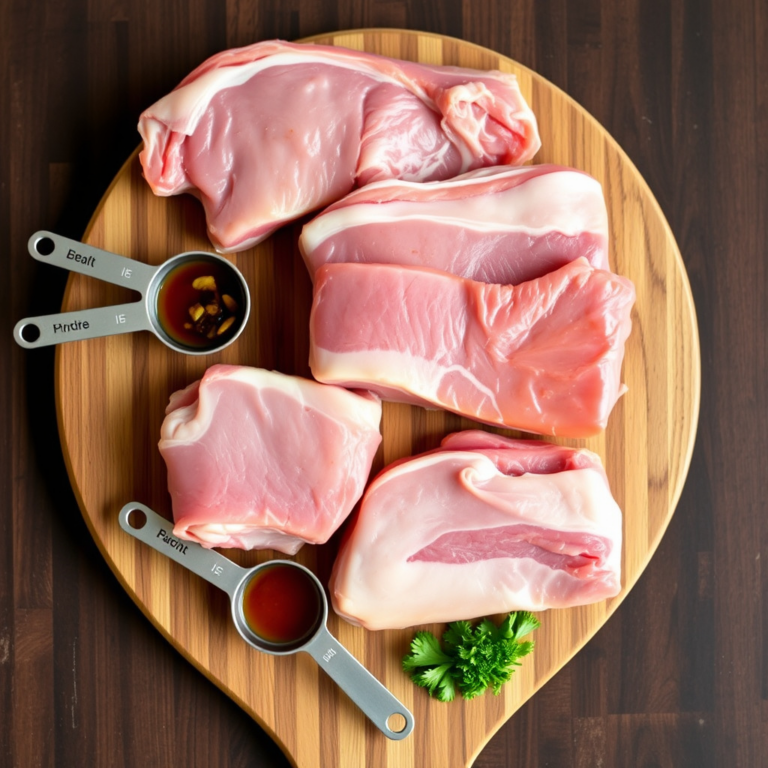
Marinating steak involves soaking it in a seasoned liquid mixture that infuses flavor and helps tenderize the meat before cooking. This method can transform even tougher cuts into juicy, savory delights by breaking down muscle fibers and adding moisture.
Marinating matters because it directly influences the steak’s taste and texture. Without marination, the steak might cook dry or remain tough, but with the right marinade, you can enhance both the juiciness and complexity of flavors, offering a more satisfying eating experience.
This article outlines the key steps to marinate steak successfully, including essential ingredients for different flavor profiles, timing, and tips on safely handling and cooking your marinated steak. You’ll also find comparisons between common marinade types and answers to frequently asked questions.
Understanding the Basics of How to Marinate Steak
What Does Marinating Do to Steak?
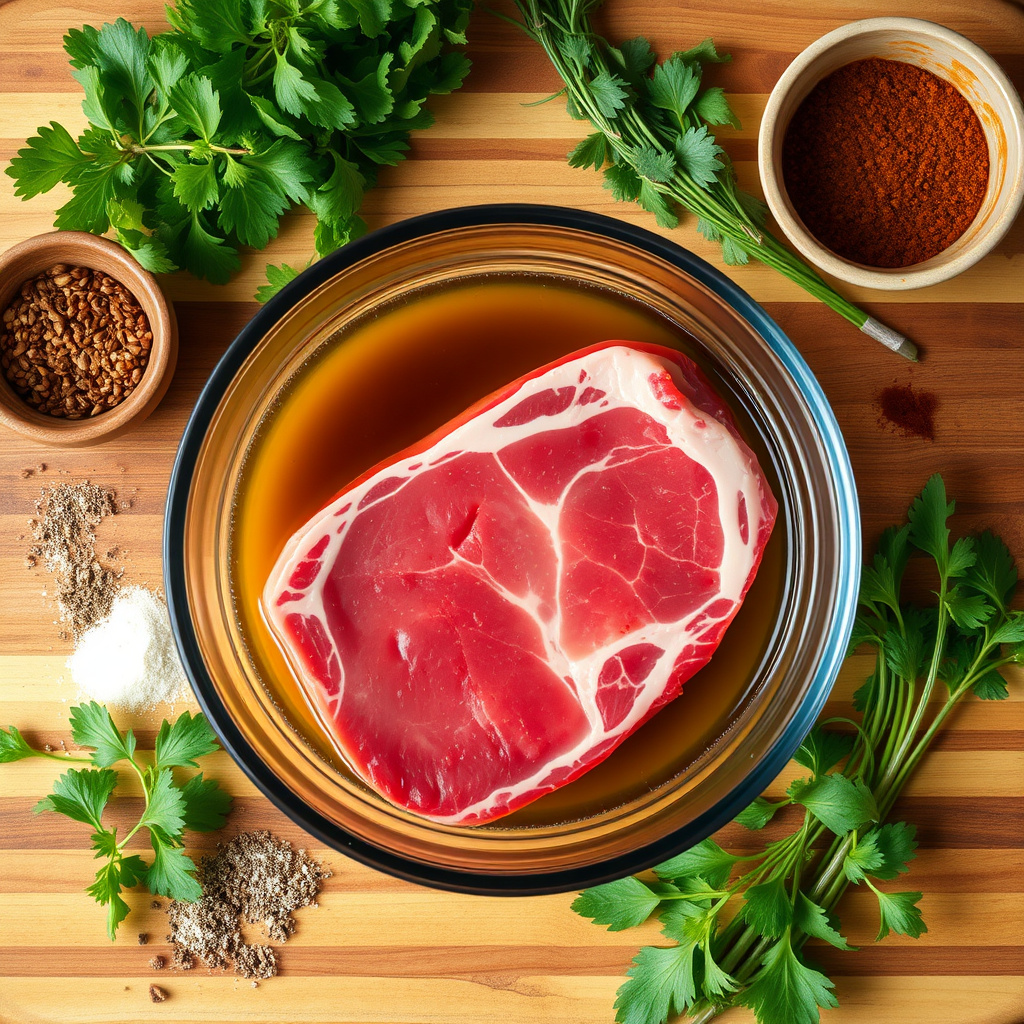
Marinating works by letting the acidic or enzymatic components of the marinade break down muscle fibers and connective tissues in the steak, making it more tender. Simultaneously, the salt and seasonings help the meat absorb flavor, creating layers of taste beneath the surface.
The type of marinade matters: acidic bases like vinegar or citrus juice initiate tenderization, while oil carries fat-soluble flavors and helps keep the meat moist during cooking.
Choosing the Right Cut for Marinating
Not all steaks benefit equally from marinating. Leaner or tougher cuts such as flank, skirt, or sirloin respond best because marination softens their fibers. Conversely, premium cuts like ribeye already have ample marbling and tender texture, so light or shorter marination is enough.
Selecting a cut depends on the desired outcome—marinating tough cuts for several hours yields flavor-packed tenderness, while delicate cuts need minimal time to avoid overpowering or mushy texture.
Ingredients That Make the Best Steak Marinade Recipes
Acidic Elements for Tenderizing
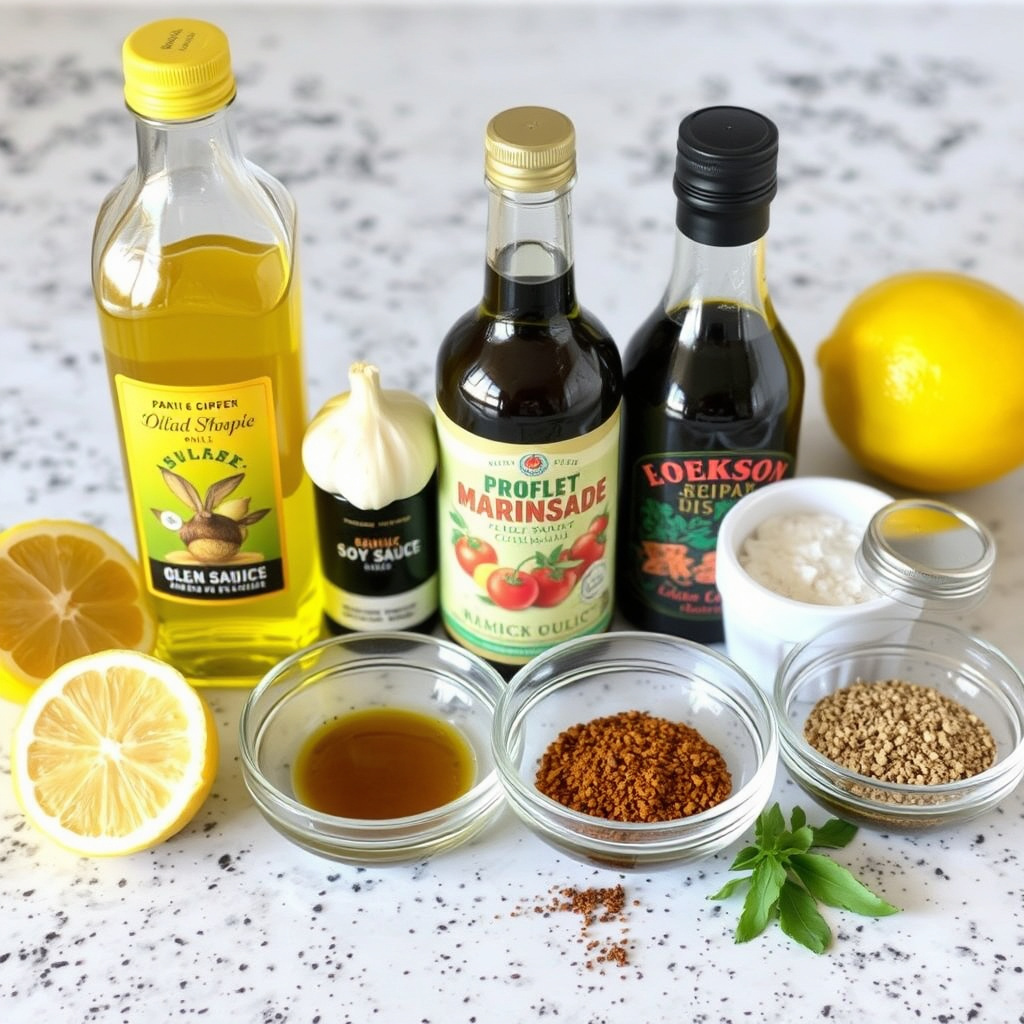
Acidic ingredients like vinegar, lemon juice, lime juice, or wine are essential in many steak marinades because they help break down tough proteins and collagen. They also add brightness that balances the meat’s richness.
However, keeping marinating time appropriate is key, as prolonged exposure to acid can lead to mushy texture. Typically, 30 minutes to 4 hours works well depending on the marinade strength and steak thickness.
- Vinegar: balsamic, red wine, apple cider
- Citrus juices: lemon, lime, orange
- Wine or beer for subtle acidity
Herbs, Spices, and Oils for Flavor
Fresh herbs like rosemary, thyme, and oregano bring aromatic notes that complement beef. Ground spices such as black pepper, paprika, cumin, or chili flakes add depth and warmth. Oils, especially olive or avocado oil, help distribute flavors evenly and prevent the steak from drying out during cooking.
Combining these ingredients creates complex layers of flavor that penetrate the meat surface and enhance the overall taste experience.
- Olive oil as a flavor carrier
- Garlic or onion for pungency
- Salt for seasoning and moisture retention
Timing and Methods for Marinating Steak
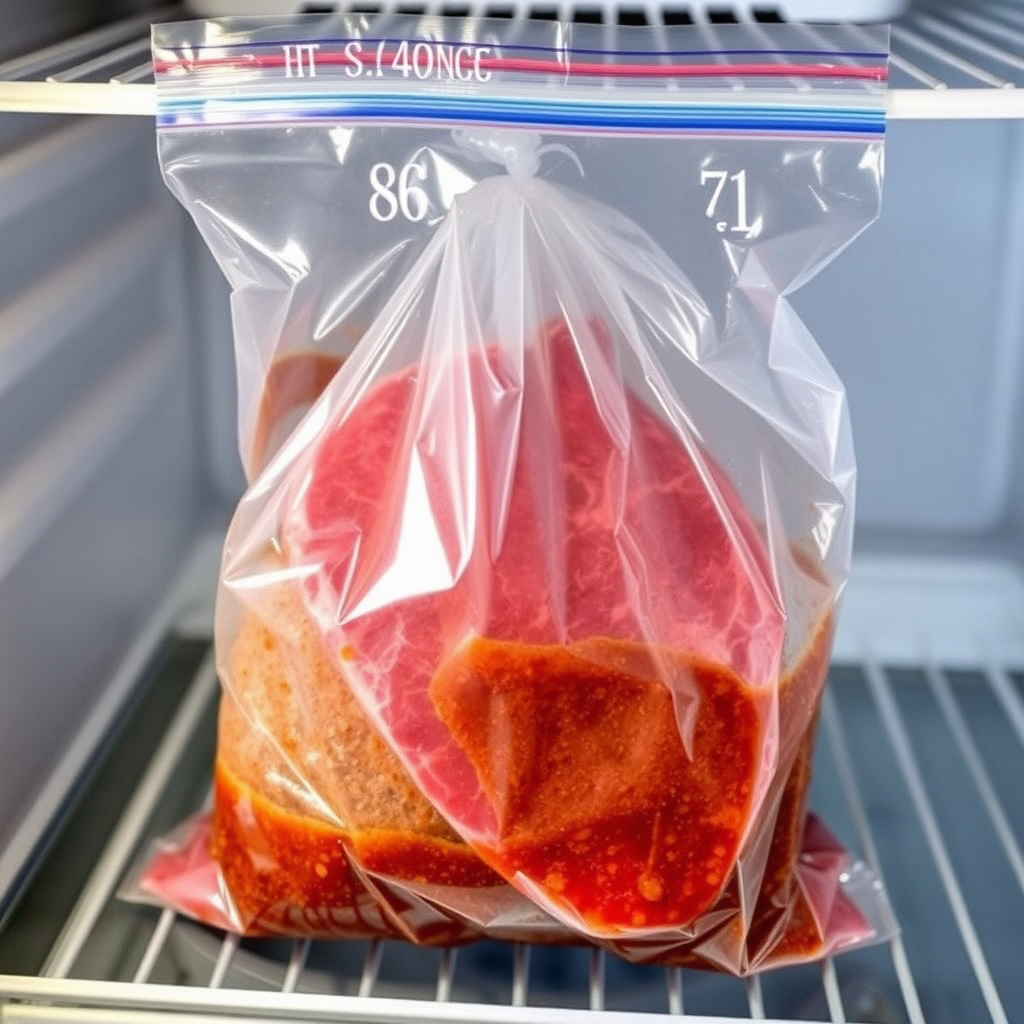
How Long to Marinate
Marinating time depends on the cut and marinade composition. Tougher cuts may marinate 2 to 24 hours to develop tenderness and flavor. Meanwhile, tender cuts usually need 30 minutes to 2 hours to avoid overwhelming the meat’s natural taste.
Leaving steak too long in an acidic marinade risks breaking down tissue excessively, resulting in a mushy texture rather than a firm, juicy bite.
- Flank steak: 6-12 hours
- Ribeye: 30 minutes to 2 hours
- Sirloin: 2-6 hours
For more on this, see our related guide: How to Make a Steak Marinade for Tender, Flavorful Meat.
Marinating Techniques
To marinate steak evenly, place it in a resealable plastic bag or non-reactive container with the marinade and turn periodically to coat all surfaces. Most chefs recommend refrigerating during marination to maintain food safety and consistent flavor infusion.
Avoid metal containers as acidic marinades can react with them. Also, discard leftover marinade that has contacted raw meat or boil it if using as a sauce to kill bacteria.
Cooking Your Marinated Steak for Best Results
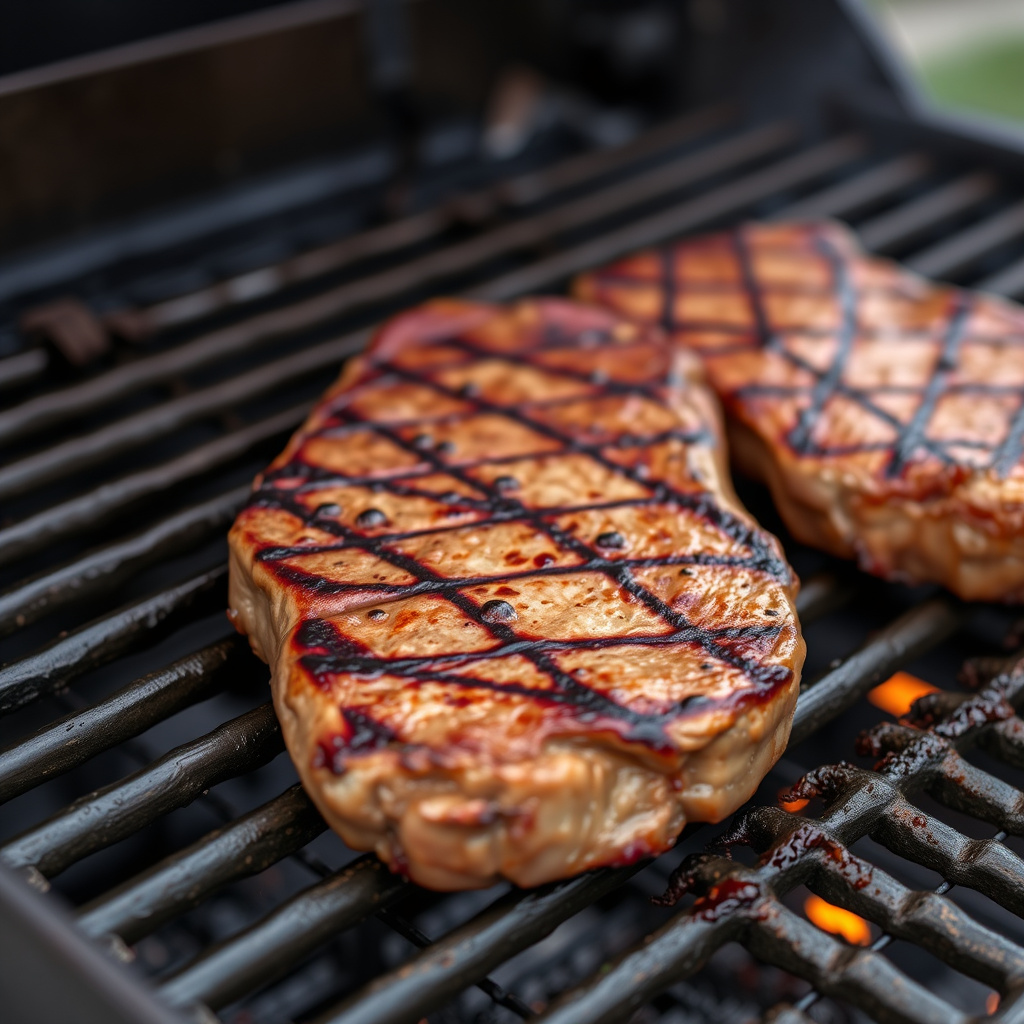
Preparing Steak After Marinating
Remove excess marinade by shaking off or gently blotting with paper towels. This prevents flare-ups on the grill or spattering in the pan due to excess moisture or sugars in the marinade.
Bring the steak to room temperature before cooking for even heat distribution, which helps achieve better browning and consistent doneness.
Preferred Cooking Methods
Grilling or pan-searing are popular choices for marinated steak as they impart smoky or caramelized flavors that complement the marinade. Use high heat to quickly sear the surface while locking juices inside.
Avoid overcooking since marinated steaks can dry out faster due to the tenderizing effect. Aim for medium-rare to medium for optimal juiciness.
- Use cast iron or grill grates for searing
- Let steak rest 5-10 minutes after cooking
Common Mistakes When Marinating Steak and How to Avoid Them
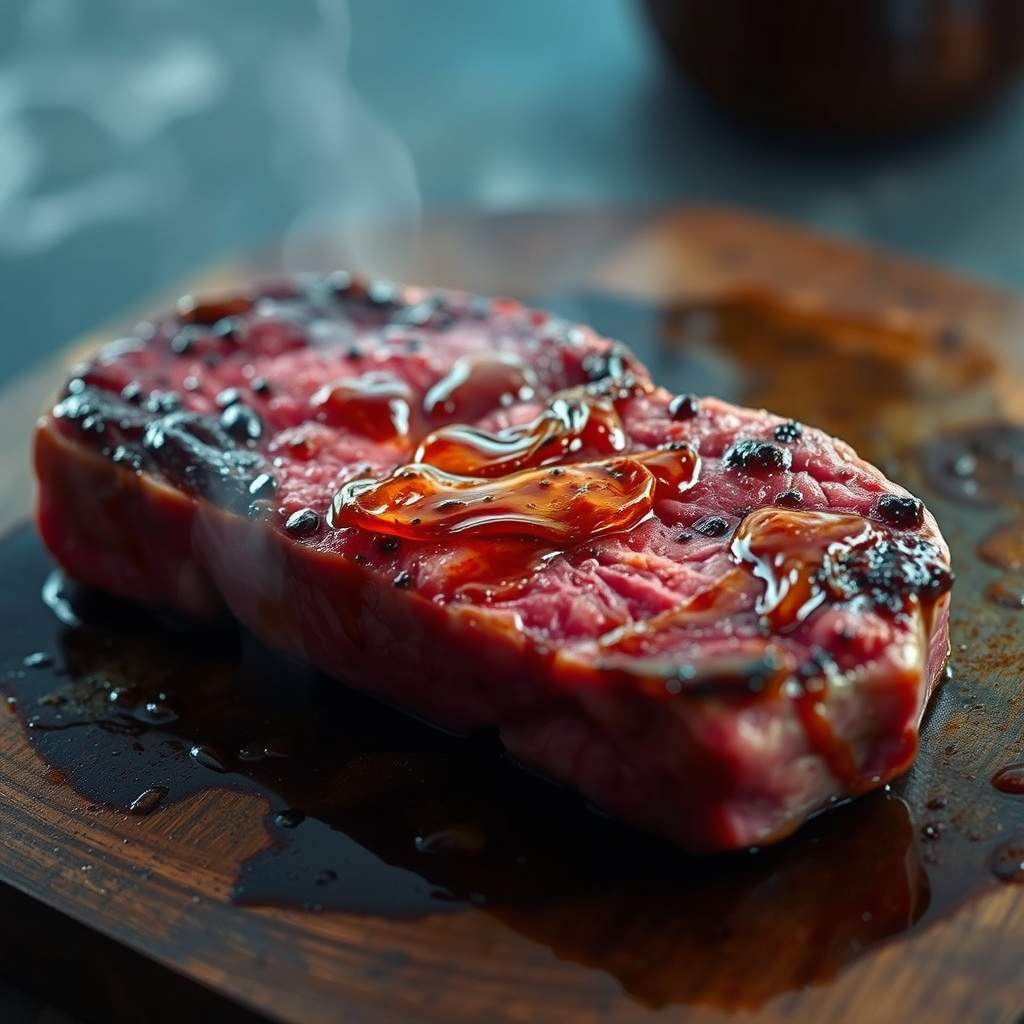
Over-marinating and Texture Issues
Leaving steak too long in a strong acidic marinade can make the surface mushy and unpleasantly soft. This happens when the acid breaks down too much muscle tissue, losing the desirable steak texture.
To prevent this, time your marination carefully and adjust acid concentration depending on cut thickness and type.
- Limit marination to recommended times
- Dilute strong acids with oil or water if needed
For more on this, see our related guide: Can You Grill Frozen Steak? A Practical Guide to Perfect Results.
Poor Food Safety Practices
Using metal containers or leaving steak at room temperature for extended marination invites bacteria growth or metallic flavors. Also, using leftover marinade directly as a sauce without cooking risks contamination from raw meat juices.
Always marinate in sealed plastic or glass containers refrigerated and boil marinade if repurposing as sauce.
- Use BPA-free plastic bags or glass bowls
- Discard or boil marinade after use
Creative Marinade Variations for Different Flavor Profiles
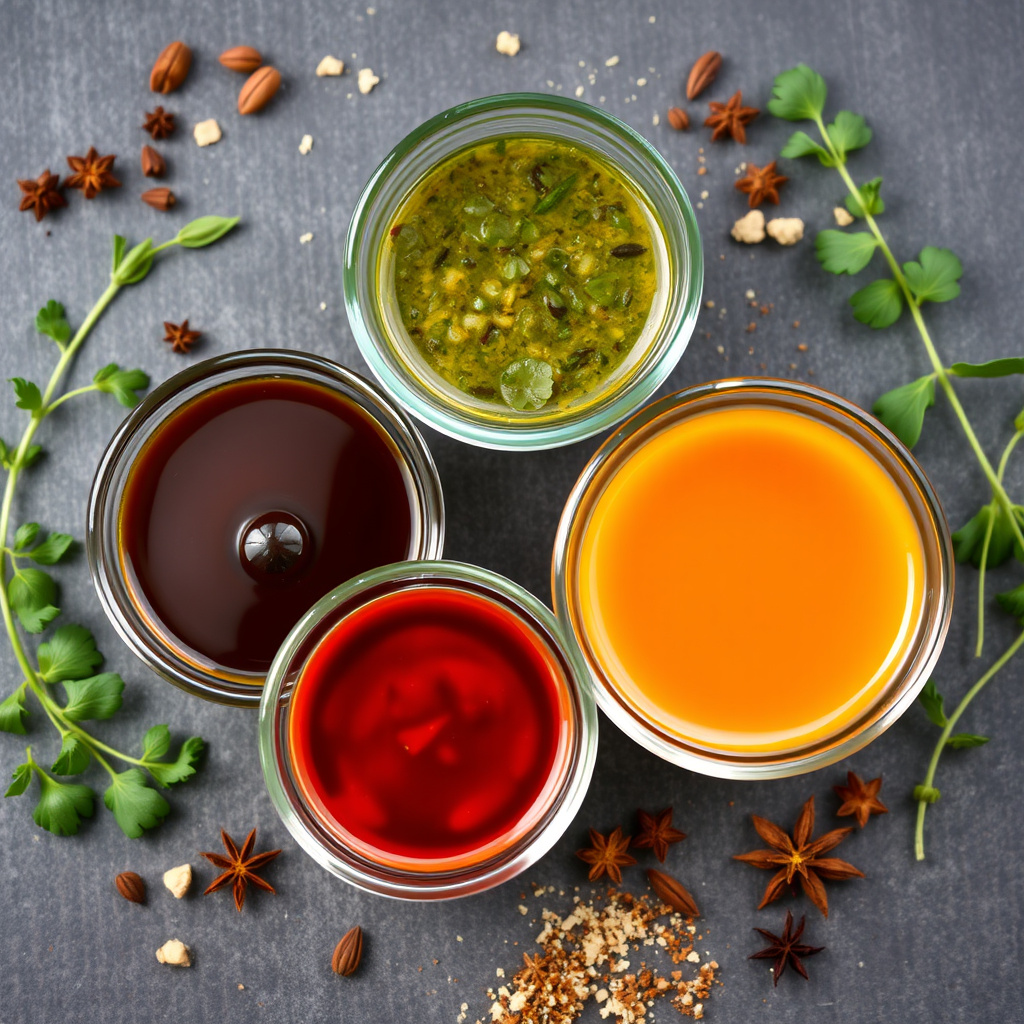
Asian-Inspired Marinades
Combining soy sauce, ginger, garlic, brown sugar, and sesame oil creates a rich umami-packed marinade. This blend tenderizes while delivering a sweet-salty depth that pairs well with grilled flank or sirloin.
Adding chili paste or rice vinegar can enhance spice and tanginess, adjusting for personal taste.
- Soy sauce base
- Fresh ginger and garlic
- Brown sugar or honey
For more details about different steak preparation methods, see this comprehensive guide to steak preparation techniques on Wikipedia. steak preparation techniques on Wikipedia.
Herb and Wine Marinades
Using red or white wine with garlic, rosemary, thyme, and olive oil produces a fragrant marinade that tenderizes while imparting fruity, herbal notes. This combination works beautifully with ribeye or filet mignon.
Marinate for 2 to 6 hours to balance flavor depth without losing texture.
- Choice of wine depends on desired aroma
- Fresh herbs for vibrant flavor
Comparison of Popular Steak Marinade Types
Here’s a quick overview of common marinade categories highlighting their tenderizing effect, flavor profile, and ideal marination times.
| Marinade Type | Tenderizing Power | Flavor Profile | Recommended Marination Time |
|---|---|---|---|
| Acid-Based (Citrus, Vinegar) | High | Tangy, Bright | 30 minutes to 4 hours |
| Oil-Based (Herbs, Spices) | Low | Rich, Aromatic | 2 to 6 hours |
| Soy-Based (Asian-style) | Medium | Umami, Sweet-Salty | 1 to 8 hours |
| Wine-Based (Herb blends) | Medium | Fruity, Herbal | 2 to 6 hours |
| Enzyme-Based (Pineapple, Papaya) | Very High | Fruity, Sweet | 15 to 60 minutes |
Frequently Asked Questions
Can I marinate steak overnight?
Marinating steak overnight is suitable for tougher cuts but not tender ones. For delicate steaks, extended marination can cause undesirable mushiness and overpower the natural flavor.
Should I salt my steak before or after marinating?
It’s best to include salt in your marinade, allowing it to season and tenderize simultaneously. If salting separately, do it after marinating to avoid drawing out moisture prematurely.
Is it safe to reuse marinade as a sauce?
Only if you boil the marinade thoroughly before using it as a sauce. Raw steak juices can contain harmful bacteria, so cooking the marinade eliminates the risk.
What’s the best way to marinate steak without a container?
Using a resealable plastic bag is effective, as it allows even coating and minimizes marinade waste. Ensure the bag is tightly sealed and placed in the refrigerator during marination.
Can I marinate frozen steak?
Marinating frozen steak isn’t very effective because the marinade cannot penetrate solid ice. It’s better to thaw the steak first to allow proper absorption and tenderization.
Key Takeaways
- Marinating enhances both flavor and tenderness especially for tougher steak cuts.
- Use acidic ingredients for tenderizing but control marinating time to avoid mushy texture.
- Herbs, spices, and oils add depth and balance to marinade flavor.
- Proper marinating and cooking techniques are essential for best steak results.
Conclusion
Understanding how to marinate steak effectively boils down to choosing the right marinade components and timing tailored to the specific cut of beef. Recognizing the role of acids, oils, and seasonings helps enhance flavor while softening muscle fibers without compromising texture. By carefully balancing these factors, you ensure the steak emerges moist, flavorful, and tender every time it hits the grill or pan.
If you favor robust flavor and added tenderness in lean cuts like flank or sirloin, longer marinades featuring vinegar or citrus bases combined with herbs work best. For marbled steaks such as ribeye or filet mignon, shorter marinating times using oil-based or wine-herb blends preserve natural juiciness and delicate flavor profiles. Asian-style soy marinades offer a sweet-salty umami boost ideal for various grilling occasions.
Start by selecting a marinade recipe that aligns with your taste preferences and the steak cut you have. Reserve adequate time to marinate in the refrigerator using food-safe containers, then cook promptly with attention to heat and timing. Following these straightforward steps guarantees enjoyable, tender steak meals worthy of any occasion or cookout.