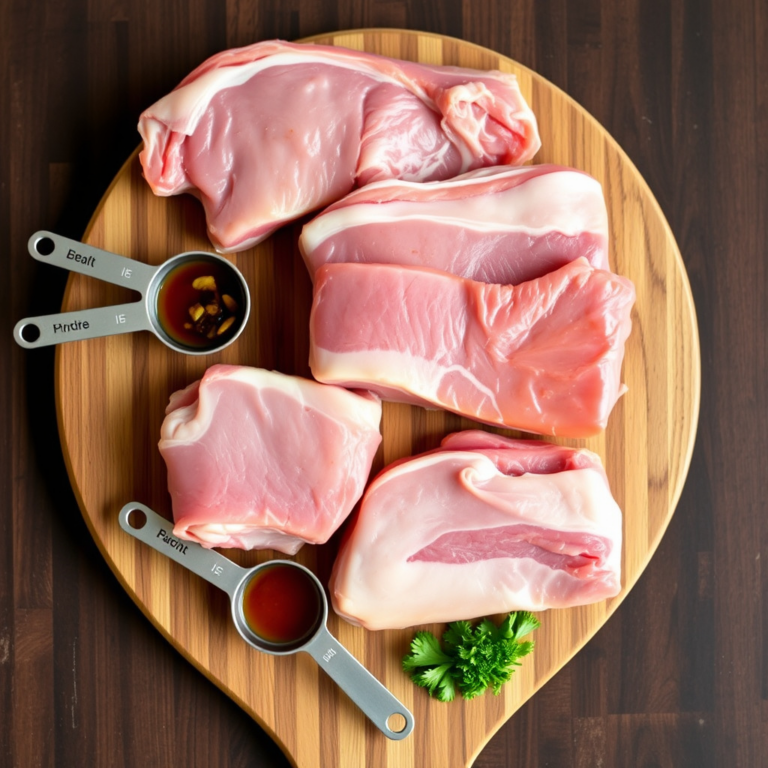
The ideal time to marinate steak depends primarily on the cut and the marinade ingredients, ranging anywhere from 30 minutes to 24 hours. For quick flavor infusion, thinner or tender cuts like flank steak need about 30 minutes to 2 hours, while thicker or tougher cuts such as chuck or skirt steak benefit from 6 to 24 hours. Marinating longer than recommended can cause meat to become mushy, especially with acidic marinades.
Marinating steaks not only adds deeper flavor but also helps to tenderize tougher muscle fibers when using ingredients like vinegar, citrus, or enzymes. It matters because the right marinating time transforms an otherwise ordinary steak into a juicy, rich meal without compromising texture. Too little time and the flavors don’t penetrate; too long and the steak’s texture suffers.
This guide will break down how long to marinate steak based on cut types and marinade components, how to adjust timings for different flavor goals, and tips on safe marinating practices. You’ll also find recommendations on the best marinade for steak to match your timing preferences.
Understanding Steak Cuts and Marinating Time
Tender Cuts and Their Shorter Marinating Needs
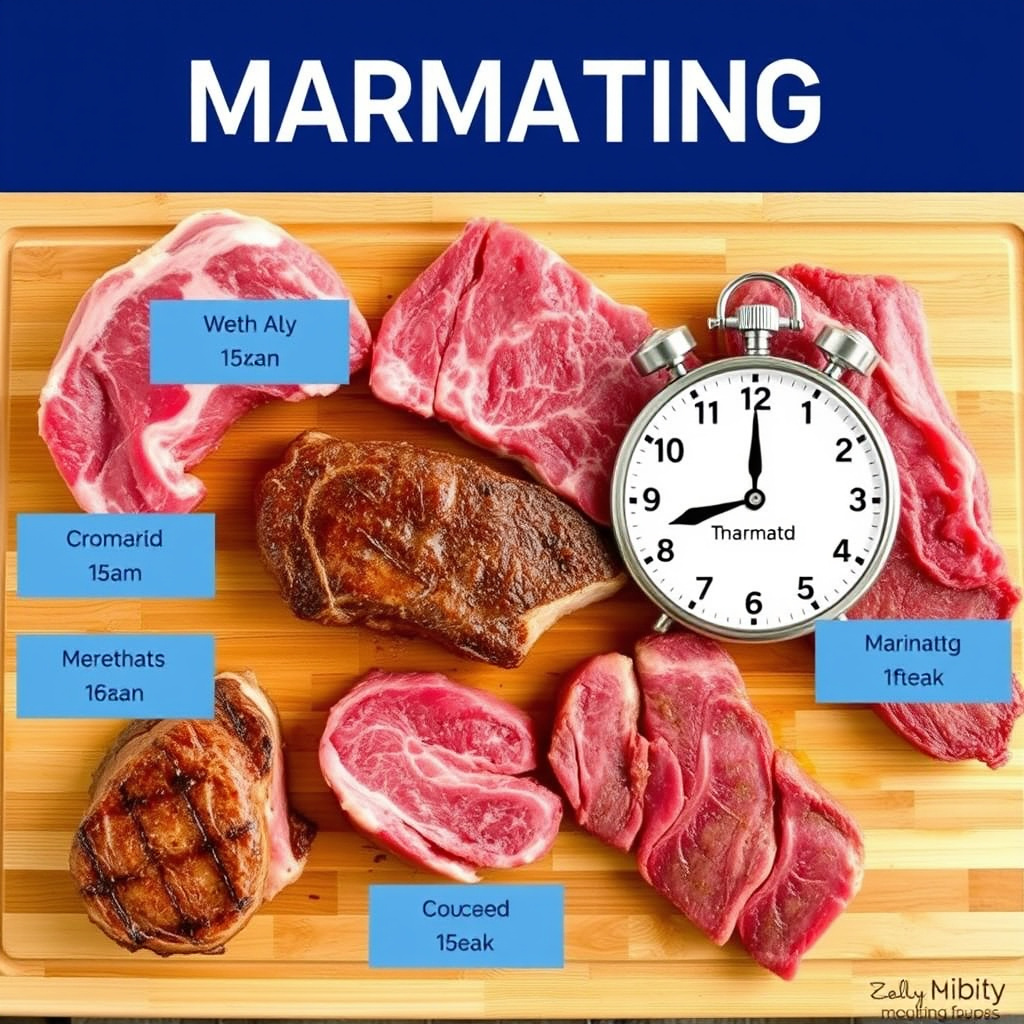
Tender cuts like filet mignon, ribeye, and strip steak have less connective tissue, so they require shorter marinating times to avoid breakdown of texture. These steaks benefit from 30 minutes to 2 hours in mildly acidic marinades as longer exposure can turn the meat mushy.
Because these cuts are naturally flavorful and tender, the marinade primarily serves to enhance taste rather than tenderize. Using overly aggressive marinades or extended marinating can overpower or damage the delicate texture.
- Filet mignon: 30 minutes to 1 hour
- Ribeye: 1 to 2 hours
- Strip steak: 1 to 2 hours
Tougher Cuts That Need Longer Marinating
Cuts like flank steak, skirt steak, and chuck are tougher with dense connective tissues, benefiting from longer marinating times between 6 and 24 hours. Acidic ingredients break down muscle fibers to enhance tenderness over time.
Proper marinating allows these cuts to absorb flavor and soften. It's important to keep the meat refrigerated during this time and never exceed 24 hours to maintain meat integrity.
- Flank: 6 to 12 hours
- Skirt: 8 to 24 hours
- Chuck: around 12 hours
Types of Marinades and Their Impact on Timing
Acid-Based Marinades and Their Effect on Texture
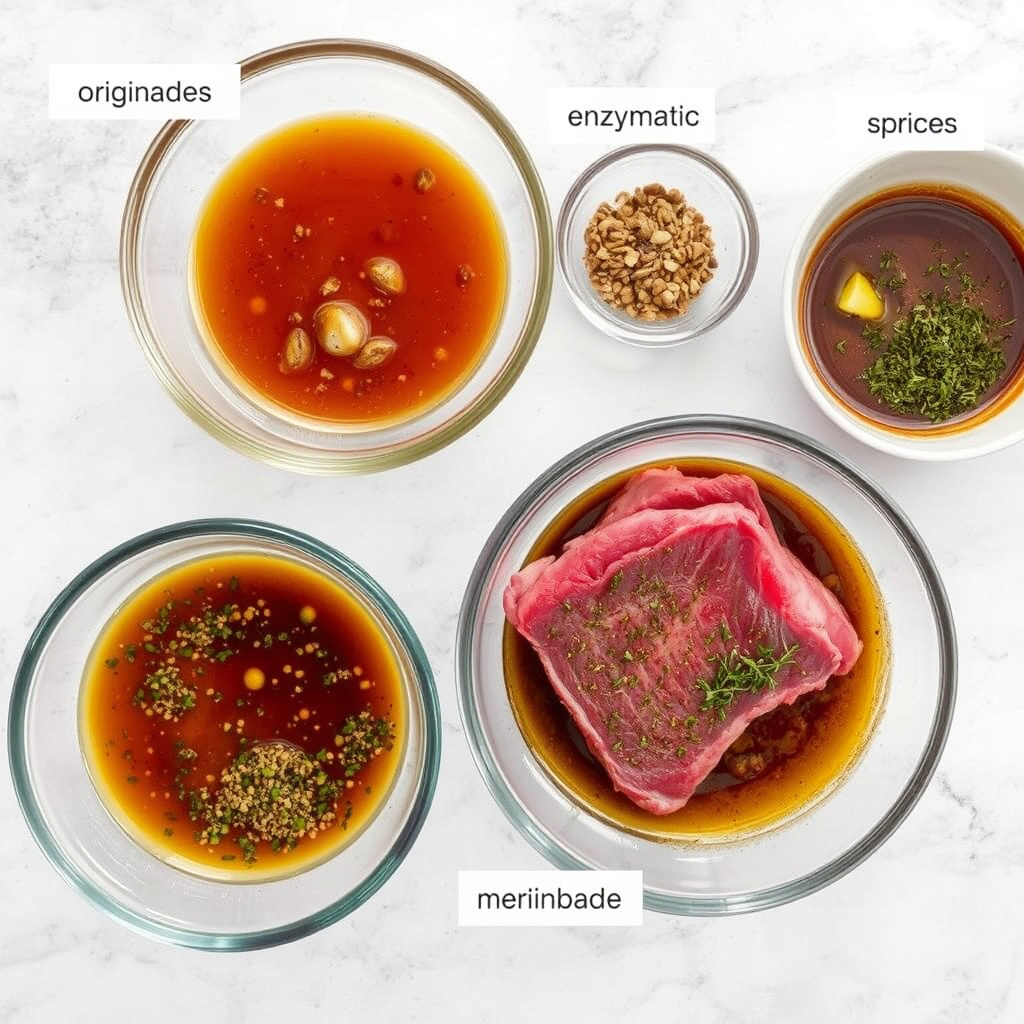
Acidic marinades containing vinegar, citrus juice, or wine tenderize by breaking down protein fibers, which affects how long to marinate steak. These marinades work quickly and should be timed carefully to prevent over-softening.
Generally, acid-based marinades are best limited to under 6 hours, especially on tender cuts. Tougher cuts can handle up to 24 hours with milder acid concentrations.
- Use less acid for longer marinating
- Avoid marinating tender cuts more than 2 hours
- Refrigerate during marinating
Enzyme-Based and Oil-Based Marinades
Enzymatic marinades use ingredients like pineapple or papaya to tenderize the steak by enzymatic reactions. These work faster than acids and require as little as 30 minutes to a couple hours.
Oil-based marinades primarily add flavor and moisture, offering more flexibility in marinating time without risking texture damage. These can be used from 1 hour up to overnight depending on flavor intensity desired.
- Pineapple juice: 30-60 minutes
- Papaya-based: 30-90 minutes
- Oil-only: 1 to 24 hours
Safe Practices for Marinating Steak
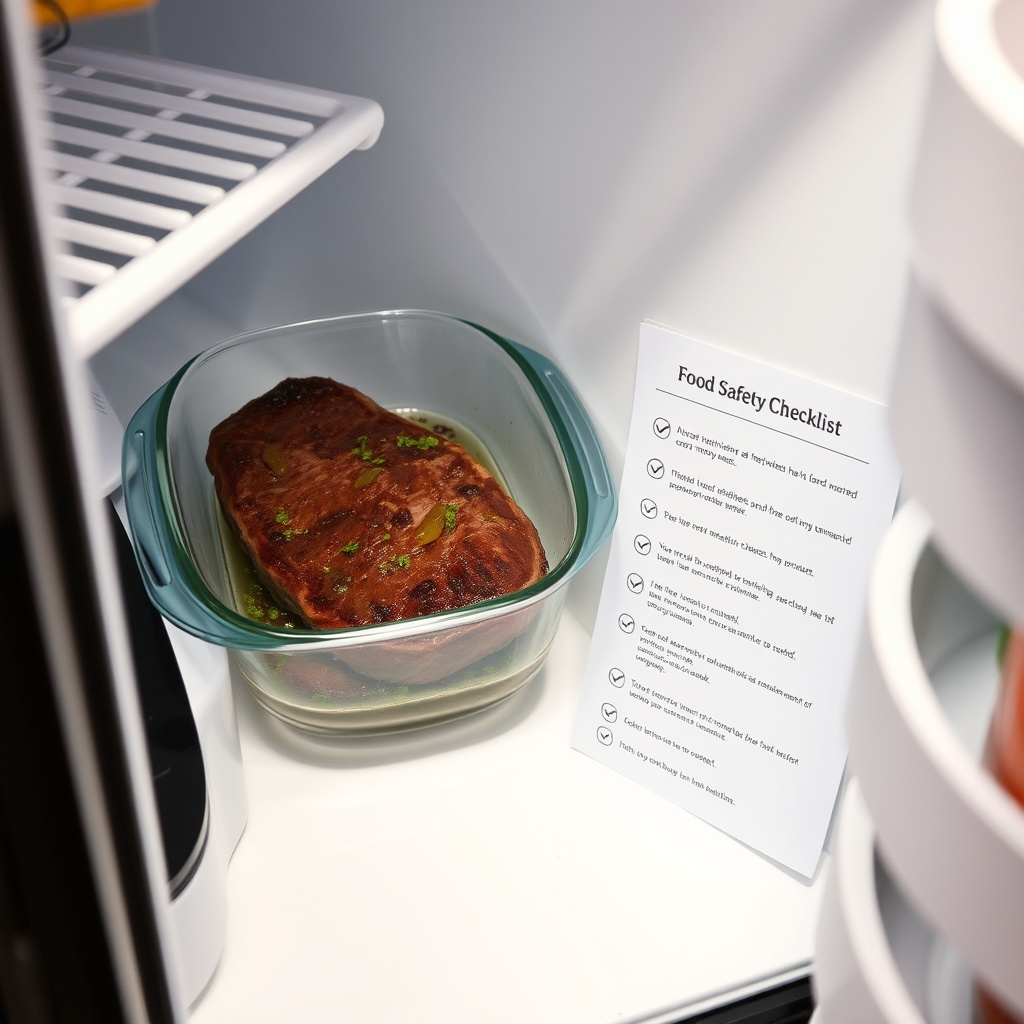
Refrigeration and Food Safety
Always marinate steak in the refrigerator to prevent harmful bacterial growth. Leaving meat out at room temperature during marinating can cause spoilage and foodborne illness risks.
Use a covered, non-reactive container such as glass or stainless steel to hold your marinating steak. Avoid using metal containers that can react with acidic ingredients. Refrigerate for the full marinating duration and discard leftover marinade that contacted raw meat.
- Marinate below 40°F (4°C)
- Use covered glass or plastic containers
- Discard used marinade or boil before reusing
For more on this, see our related guide: How to Marinate Steak for Maximum Flavor and Tenderness.
Timing and Equipment Considerations
Use a timer to track marinating duration precisely to avoid over-marinating especially with acidic or enzymatic marinades. Using resealable plastic bags can speed up flavor absorption by keeping the marinade in close contact with the steak surface.
Turn or massage the steak periodically during marinating to distribute flavors evenly. Keep marinated steak covered tightly to maintain moisture and prevent odors from transferring to other foods in the fridge.
- Use resealable bags for even coating
- Turn steak halfway through marinating
- Set timers to avoid over-marinating
Adjusting Marinating Time for Desired Flavor Intensity
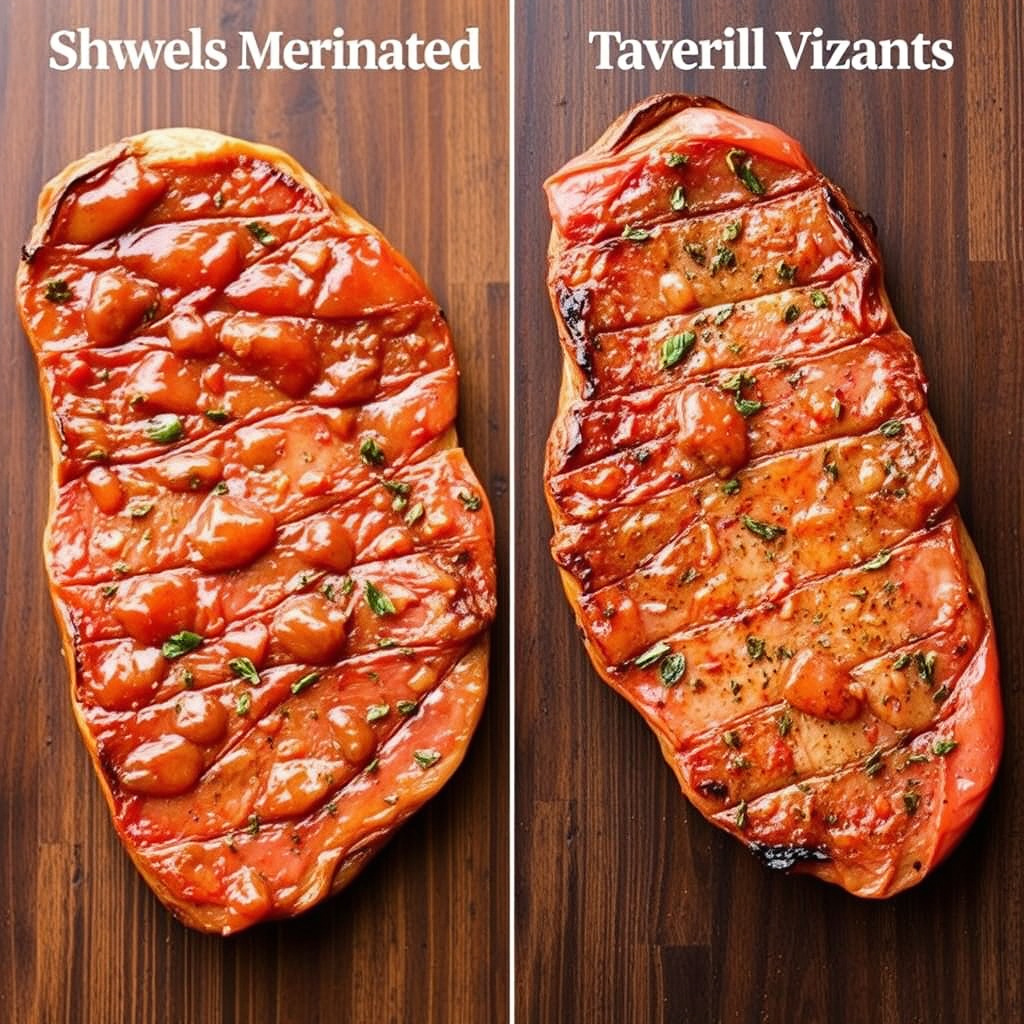
Short Marinating for Subtle Flavor
Brief marinating periods of 30 minutes to 2 hours generally infuse a subtle hint of flavor suitable for tender cuts or delicate marinades. This method emphasizes the steak’s natural taste while adding background notes of herbs, garlic, or mild acids.
Short marinating suits quick weeknight meals or when using strong marinades that tend to overpower if left too long. Adjust seasoning levels to complement rather than mask the steak’s characteristics.
- Ideal for ribeye or filet mignon
- Pair with herb and oil marinades
- Avoid strong acids for short times
Long Marinating for Deep Flavor and Tenderness
Extended marinating over 6 hours up to 24 hours works well with tougher cuts needing tenderization and robust flavor. These long times allow marinades to penetrate deeply for rich complexity.
Long marinating should use balanced acids and oils to prevent texture breakdown and maintain juiciness. Adjust salt quantities carefully as prolonged salt exposure can draw out moisture excessively.
- Best for flank, skirt, and chuck cuts
- Balance acidic and oil ingredients
- Refrigerate and monitor timing closely
Using the Best Marinade for Steak
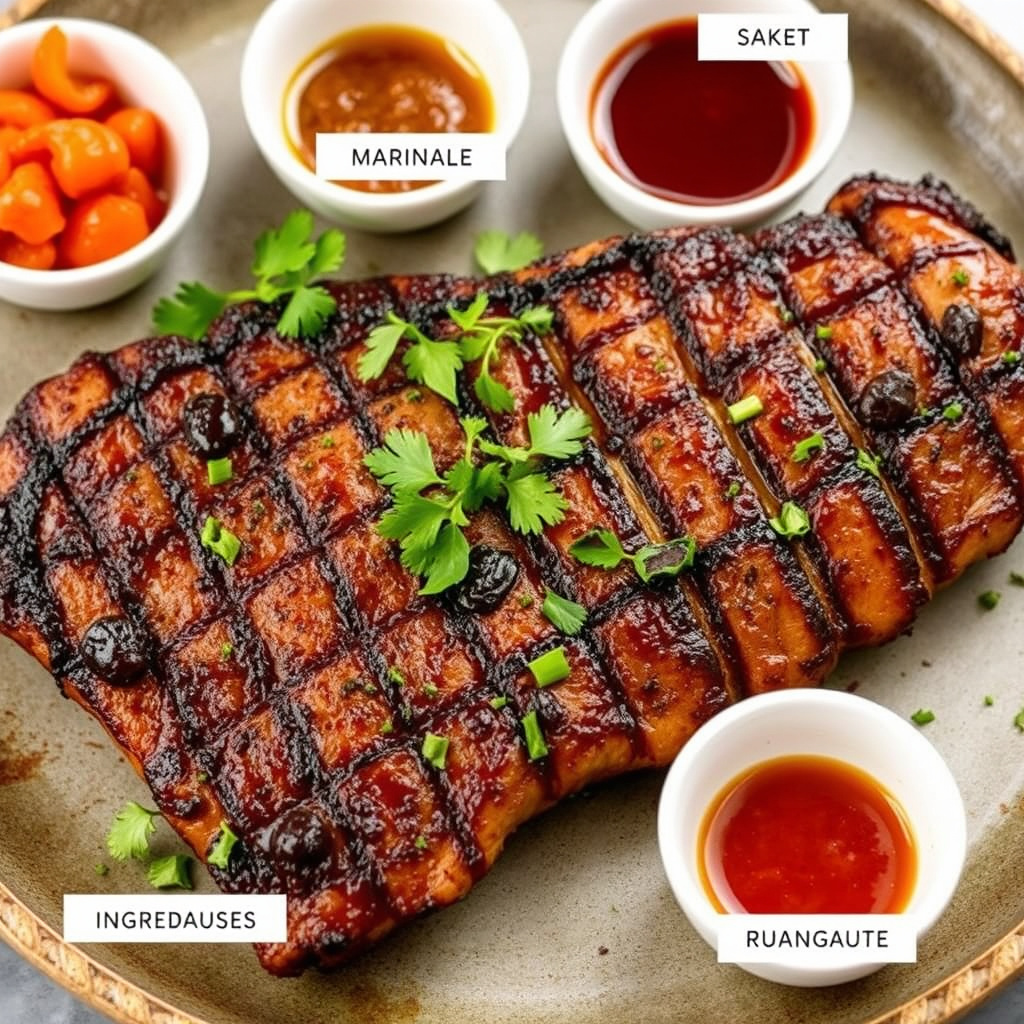
Classic Marinades That Work Well
A good marinade combines acid, oil, and seasonings tailored to the steak type and marinating time. For example, a mix of olive oil, balsamic vinegar, garlic, and herbs balances flavor and tenderizing effects for medium marinating times.
Soy sauce-based marinades add umami and saltiness ideal for longer marinating with tougher cuts. Experimenting with ingredient ratios can help pinpoint your preferred taste intensity.
- Olive oil and vinegar base
- Soy sauce and ginger combinations
- Herbs like rosemary, thyme, and garlic
For more on this, see our related guide: How to Make a Steak Marinade for Tender, Flavorful Meat.
Customizing Marinades by Marinating Time
Short marinating benefits from lighter, less acidic marinades emphasizing fresh herb and spice notes to avoid dominating the steak. Longer marinating times allow inclusion of stronger acids and salt quantities for deeper flavor development.
Adjust sweetness by adding honey or brown sugar cautiously in long marinades to balance sourness. Tweak salt and acid levels based on the cut’s natural toughness and your timing commitment.
- Use mild acid for under 2 hours
- Add soy or Worcestershire for 6+ hours
- Control sugar levels for flavor balance
After Marinating: Cooking and Serving Tips
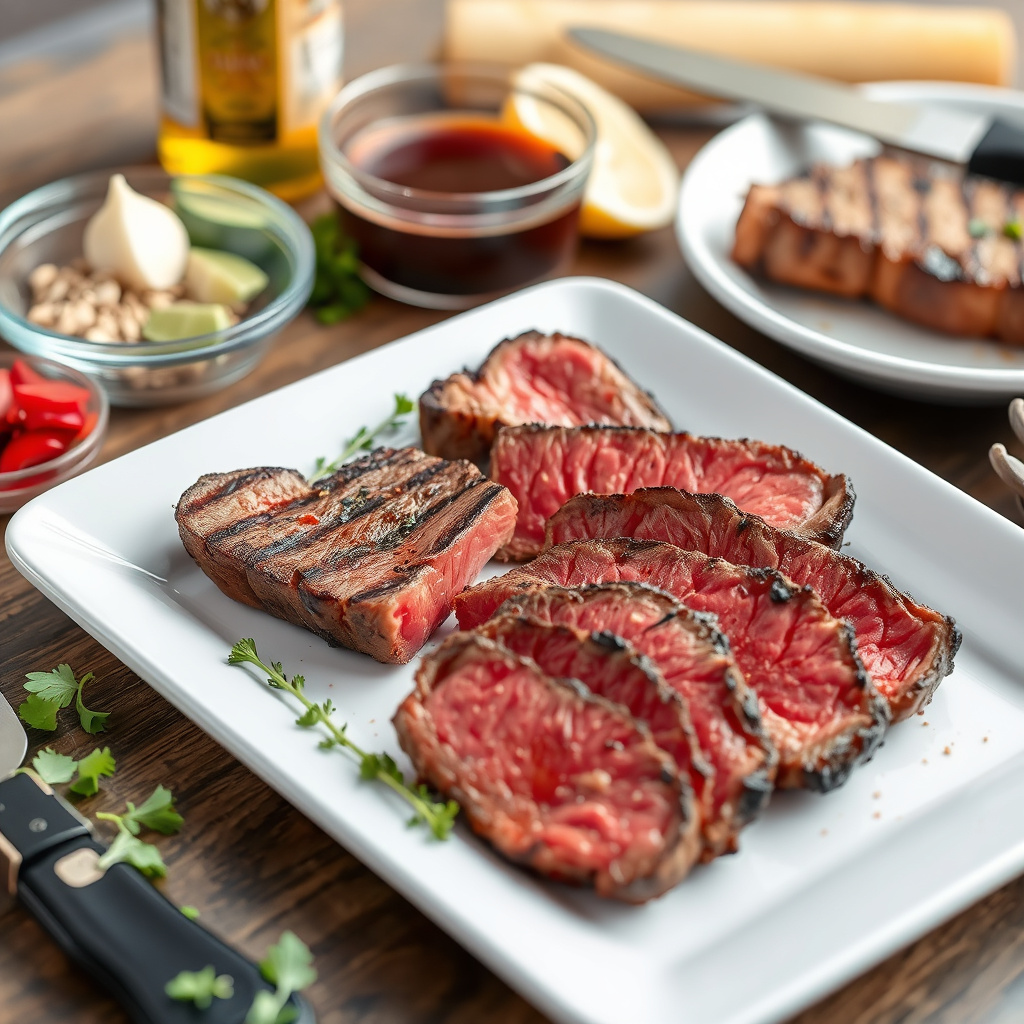
Preparing Steak After Marinating
Remove steak from the marinade and pat dry with paper towels to ensure proper searing and caramelization. Excess marinade can cause flare-ups on the grill which might burn the meat or add bitter flavors.
Let marinated steak rest at room temperature briefly before cooking to even out internal temperature. Use a clean plate or tray for cooking to avoid cross-contamination from raw marinade juices.
- Pat dry before cooking
- Rest steak 15-20 minutes
- Discard or boil leftover marinade
For official advice on safe food handling and marinating best practices, refer to this USDA resource on Steak marinade guidelines. Steak marinade guidelines.
Serving Suggestions to Complement Marinated Steak
Serve marinated steak with sides that complement its flavor profile such as grilled vegetables, roasted potatoes, or fresh salads. Garnish with fresh herbs to brighten the rich taste.
Pair with appropriate sauces like chimichurri or garlic butter for added richness without overpowering the marinade’s flavors. Presentation matters in highlighting the marinating effort.
- Grilled asparagus or peppers
- Roasted garlic mashed potatoes
- Fresh herb garnish
Marinating Time by Steak Cut Category
This table compares average marinating durations across popular steak cuts for optimal flavor and tenderness.
| Steak Cut | Typical Marinating Time | Recommended Marinade Type | Texture Benefit |
|---|---|---|---|
| Filet mignon | 30 minutes to 1 hour | Light acidic or oil-based | Enhances flavor without softening |
| Ribeye | 1 to 2 hours | Mild acid with herbs | Flavor boost, preserves juiciness |
| Strip steak | 1 to 2 hours | Balanced acid and oil | Tenderization and flavor enhancement |
| Flank steak | 6 to 12 hours | Robust acid-based | Breaks down toughness effectively |
| Skirt steak | 8 to 24 hours | Enzymatic or soy-based | Softens fibers, deep flavor |
| Chuck steak | Around 12 hours | Acidic with oil and spices | Tenderizes dense muscle fibers |
Frequently Asked Questions
Can I marinate steak overnight safely?
Yes, marinating steak overnight in the refrigerator is safe and effective for tougher cuts. Keep the steak covered in a non-reactive container below 40°F to prevent spoilage.
What happens if I marinate steak too long?
Marinating steak too long, especially with acidic marinades, can cause the meat to become mushy and unappetizing by breaking down proteins excessively.
Do I need to marinate steak if it’s already tender?
Tender cuts don’t require long marinating for texture but can benefit from short marinating to enhance flavor with herbs and mild acids.
Can I reuse marinade as a sauce?
Reusing raw marinade as a sauce is unsafe unless boiled thoroughly to eliminate bacteria, preventing foodborne illness.
Does marinating add calories to steak?
Marinades add minimal calories unless they contain sugar or oil. Most flavor enhancements come from herbs and spices, which are low in calories.
Key Takeaways
- Marinating time depends on steak cut and marinade type, ranging from 30 minutes to 24 hours.
- Tender cuts need shorter marinating to avoid texture damage; tougher cuts benefit from longer times.
- Acidic and enzymatic marinades tenderize quickly; oil-based marinades primarily add flavor.
- Safe refrigeration and timing practices prevent spoilage and enhance flavor absorption.
Conclusion
Determining how long to marinate steak depends heavily on the cut’s natural tenderness and the marinade's composition. General guidelines help avoid common pitfalls like over-marinating tender cuts or under-seasoning tougher ones. By matching marinating time to the steak and flavor goals, you ensure a satisfying balance of taste and texture without wasting time or ingredients.
For those wanting quick flavor boosts on prime cuts like ribeye or filet mignon, short marinating periods of 30 minutes to 2 hours with mild acidic or herb-oil marinades are effective. Tougher cuts like flank or skirt steaks benefit from longer marinating, typically 6 to 24 hours, often with more robust acid or enzyme-based recipes that break down muscle fibers efficiently while infusing deeper flavor.
As a practical next step, consider your chosen cut, your schedule, and the marinade type to plan marinating accordingly. Use airtight containers in the refrigerator, avoid over-marinating, and prepare to sear the steak immediately after for delicious results. Remember, precise timing tailored to steak type can transform your cooking experience.