Brisket bark is the flavorful, crispy crust that forms on the outside of smoked brisket, bringing intense texture and deep smoky flavor to the meat. To create a perfect brisket bark, you need the right combination of seasoning, smoking technique, and temperature control. The key is applying a good rub and allowing a steady smoke for several hours to develop the dry, crusty exterior.
This bark matters because it locks in juiciness and adds a rich, savory contrast to the tender inside of the brisket. It’s the part BBQ enthusiasts often praise and look forward to, elevating a standard smoked brisket into a true delicacy. Its formation depends on protein, fat, smoke interaction, and seasoning all coming together during low-and-slow cooking.
In this article, you’ll find detailed steps on selecting and applying the best rub, optimal smoking methods, and temperature tips to make brisket bark consistently. We’ll also cover common pitfalls and how to fix them, so you can impress friends and family with your BBQ skills.
Preparing the Meat for Brisket Bark
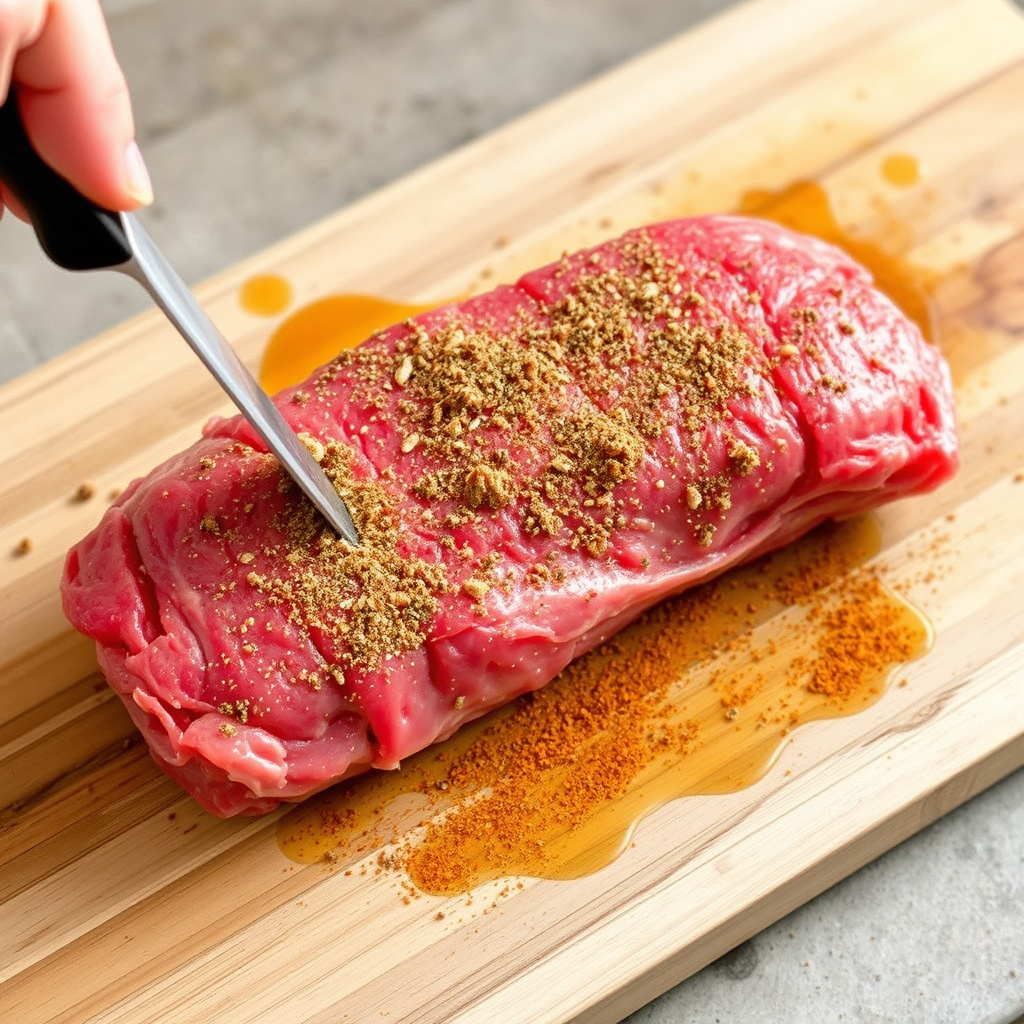
Choosing the Right Brisket Cut
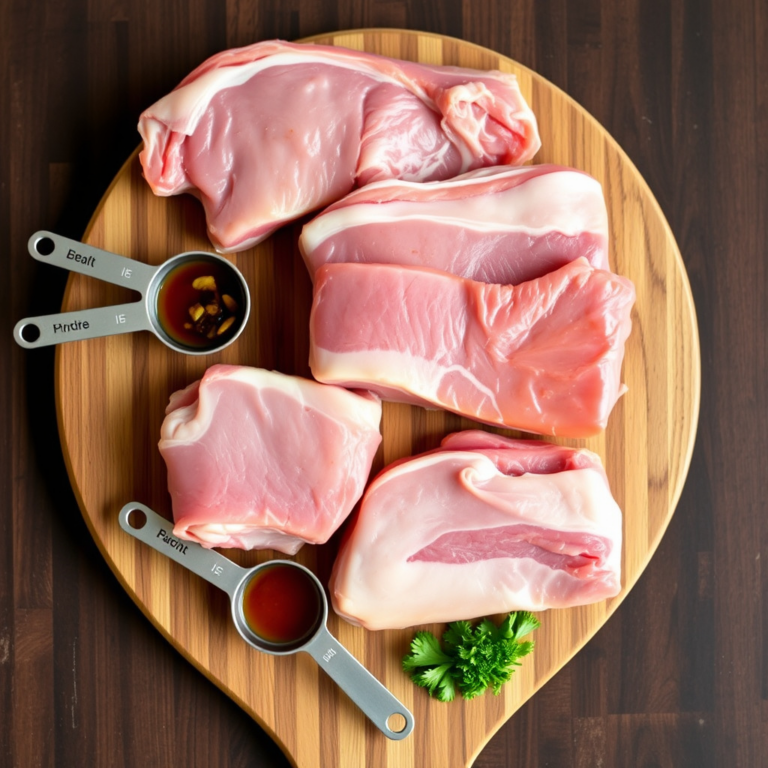
Selecting the right brisket is essential for a good bark. Look for a whole packer brisket with a good fat cap and marbling. The fat content helps the bark form by rendering slowly and mixing with seasoning during smoking.
Ask your butcher for a brisket between 10 to 15 pounds and trim excess fat to about a quarter-inch. Removing too much fat can prevent bark from forming properly, but excessive fat can slow smoke penetration.
Applying the Best Brisket Rub for Bark
Using a good brisket rub contributes heavily to bark development. The rub should balance salt, sugar, and spices to create a caramelized crust when smoked. Coarse salt and black pepper are BBQ staples, while the sugar aids in crust color and texture.
Apply the rub generously and massage it into the meat’s surface evenly. Letting the meat rest for at least an hour allows the rub to absorb and initiates the bark formation during early smoking.
- Kosher salt
- Coarse black pepper
- Paprika
- Brown sugar or white sugar
- Garlic powder
- Onion powder
Smoking Techniques for Brisket Bark
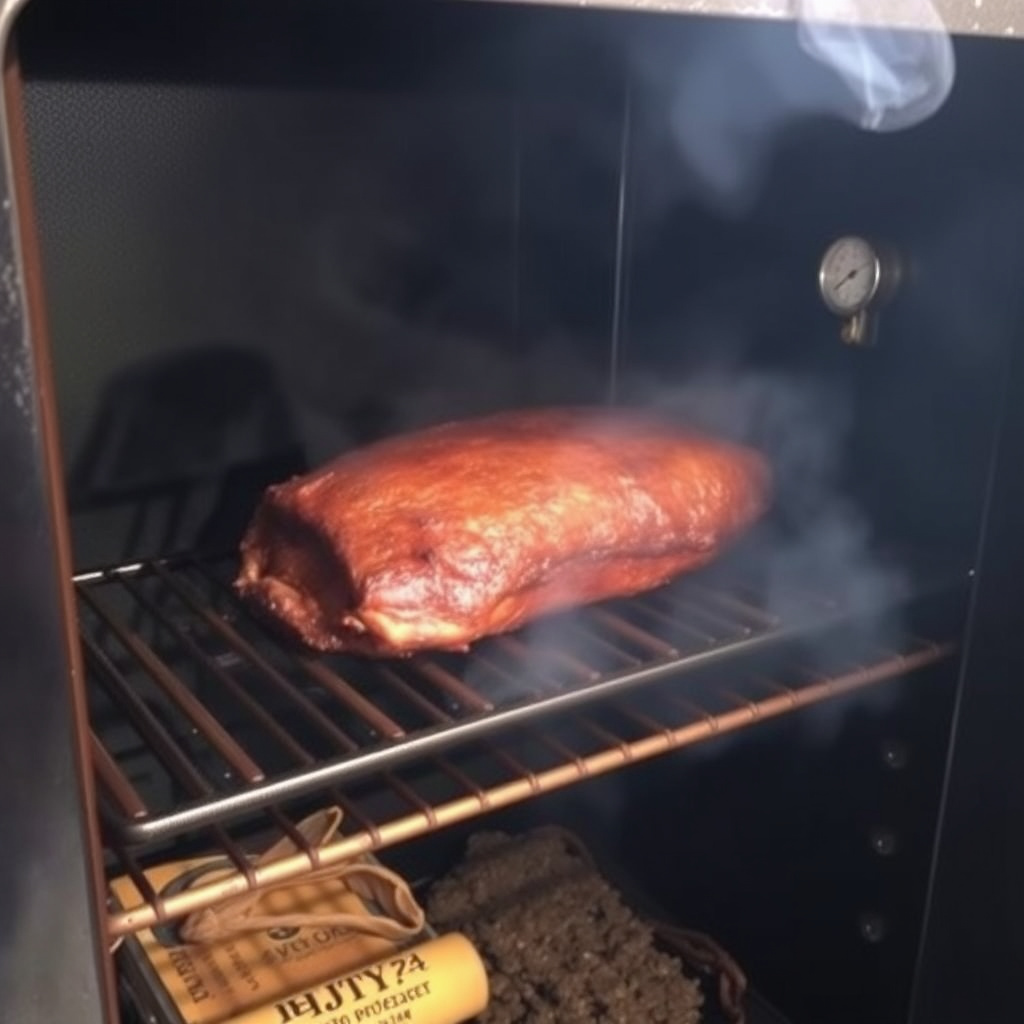
Low and Slow Smoking Temperature
Maintain the smoker temperature between 225°F and 250°F to develop brisket bark properly. At these temperatures, the fat renders and melds with the rub, and the smoke particles react with the meat surface to create the crust.
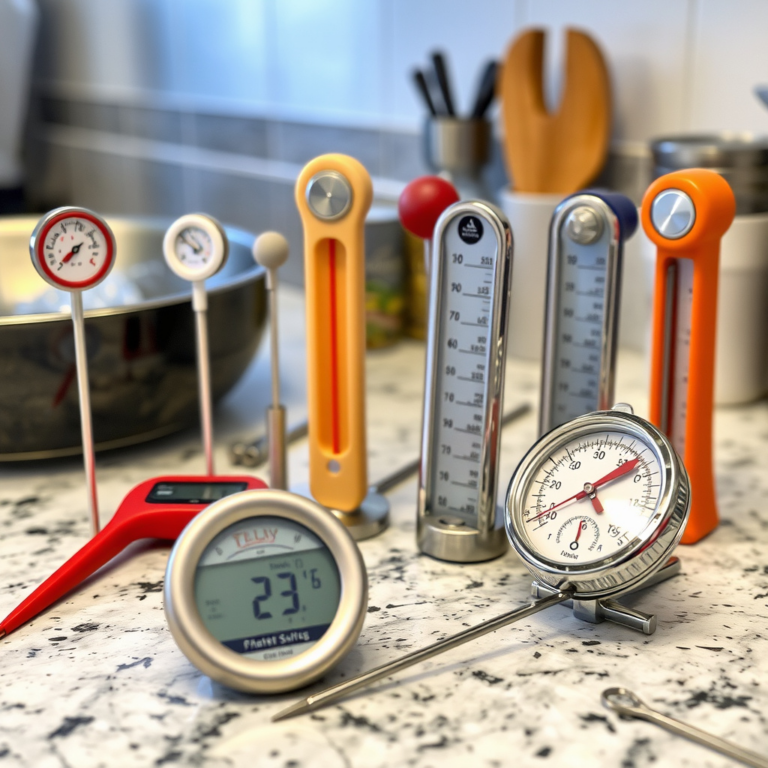
Avoid temperature spikes or cooking too fast; it can cause the bark to burn prematurely or not form at all. Using a reliable smoker thermometer helps keep a consistent low-and-slow cooking environment.
For more on this, see our related guide: How to Make Burnt Ends: A Step-by-Step Guide to Perfect BBQ Flavors.
Using Proper Wood Smoke for Flavor
The type of wood used for smoking impacts the bark flavor and color. Woods like oak, hickory, and post oak are traditional for Texas-style brisket bark, creating a deep smoky character without overpowering the meat.
Avoid resinous woods that cause bitter flavors. Adding wood chunks instead of chips prolongs smoke duration and steady smoke flow, which supports an even bark formation.
- Oak
- Hickory
- Post oak
Moisture and Airflow Management
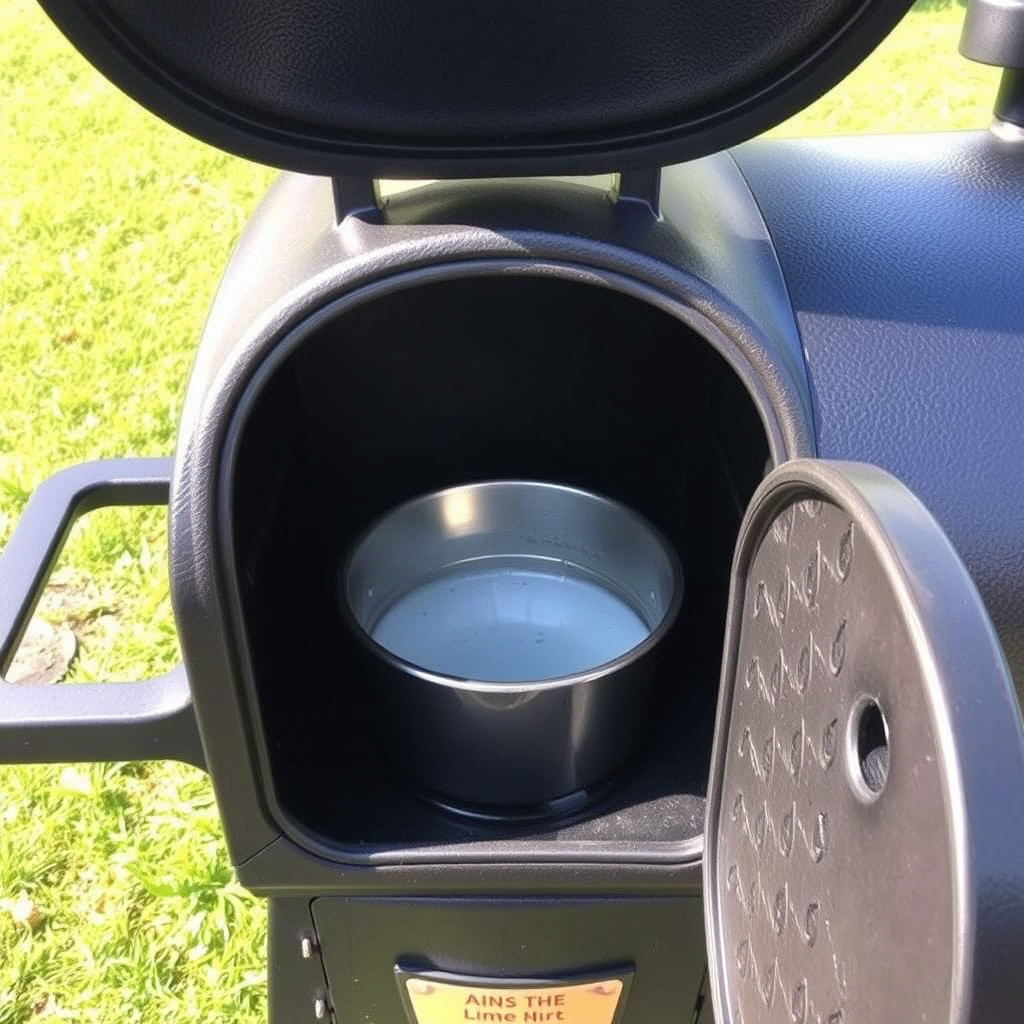
Controlling Steam and Humidity
Placing a water pan inside the smoker helps maintain moisture, but avoid excess humidity that softens the bark. The goal is dry heat with gentle moisture to keep the brisket tender while letting the rub form a crust.
Managing vents to balance smoke entry and airflow also prevents excess moisture buildup on the surface, which can inhibit bark development.
Enhancing Bark with Spritzing Techniques
Some BBQ pitmasters spritz the brisket with a mixture of apple cider vinegar and water or beef broth during smoking. This adds flavor and helps the bark set by providing brief moistening followed by drying, which encourages bark thickening.
Spritz lightly every 45 minutes to 1 hour after the first 2-3 hours of smoking for best results.
- Spritz with vinegar and water
- Spritz with beef broth
Troubleshooting Common Bark Issues
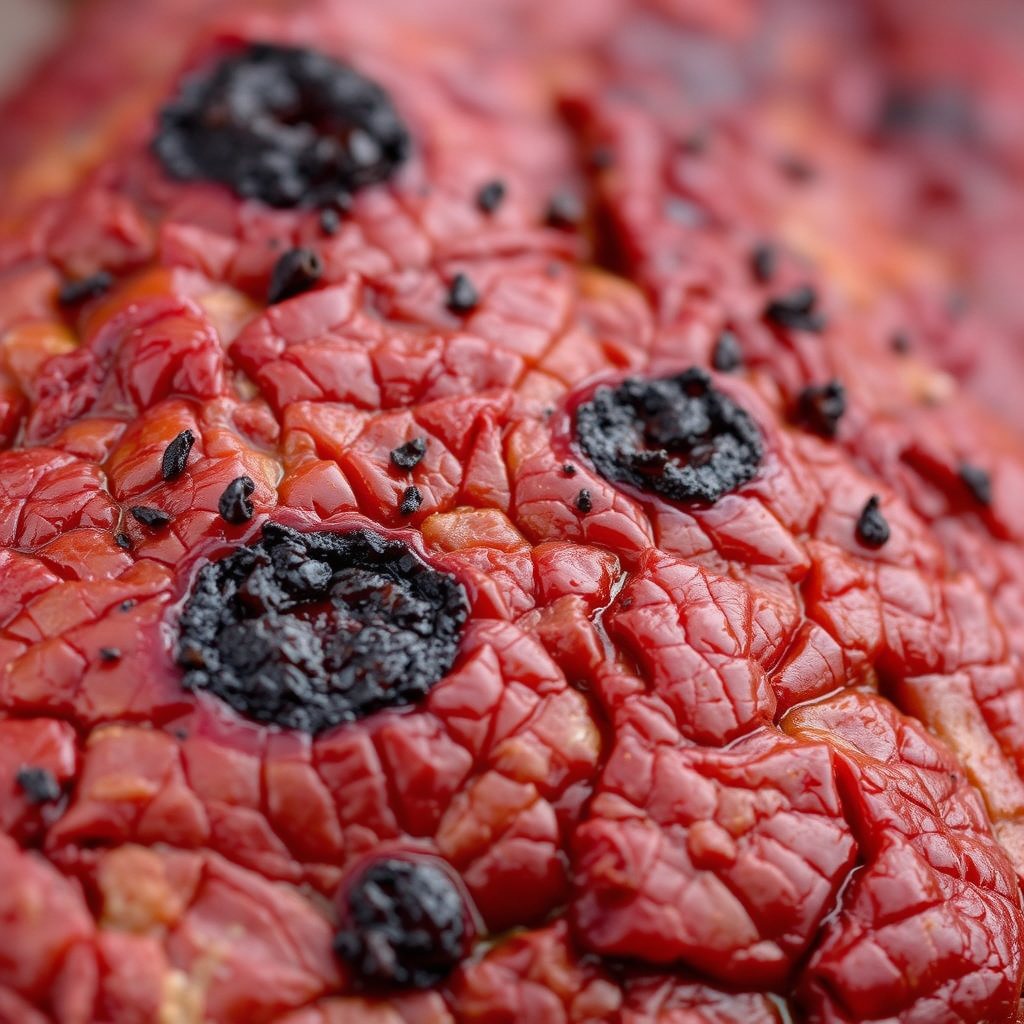
Why Bark Can Be Too Soft or Missing
A soft or nonexistent bark often results from too much surface moisture or cooking at too low a temperature. If the brisket steams from excess water or the rub washes off, the bark won’t develop.
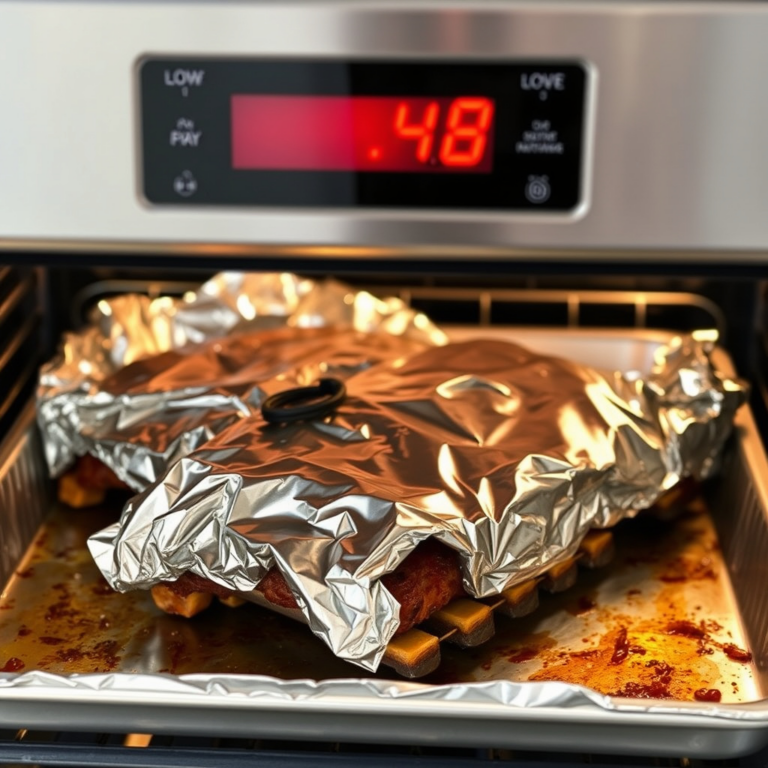
Ensure the rub adheres firmly before smoking and keep humidity low in the smoker. Also, avoid wrapping the brisket too early as it steams the crust.
For more on this, see our related guide: How to Make a Dry Rub for Ribs: A Simple and Flavorful Guide.
Dealing with Overly Hard or Burnt Bark
If bark becomes blackened or bitter, the smoker temperature was likely too high, or sugar in the rub burned. Burning happens quickly once sugars caramelize past their ideal point.
Lower temperatures and reducing sugar in the rub can prevent this. If the bark burns, trim affected crust areas before slicing.
Serving and Storing Brisket with Bark
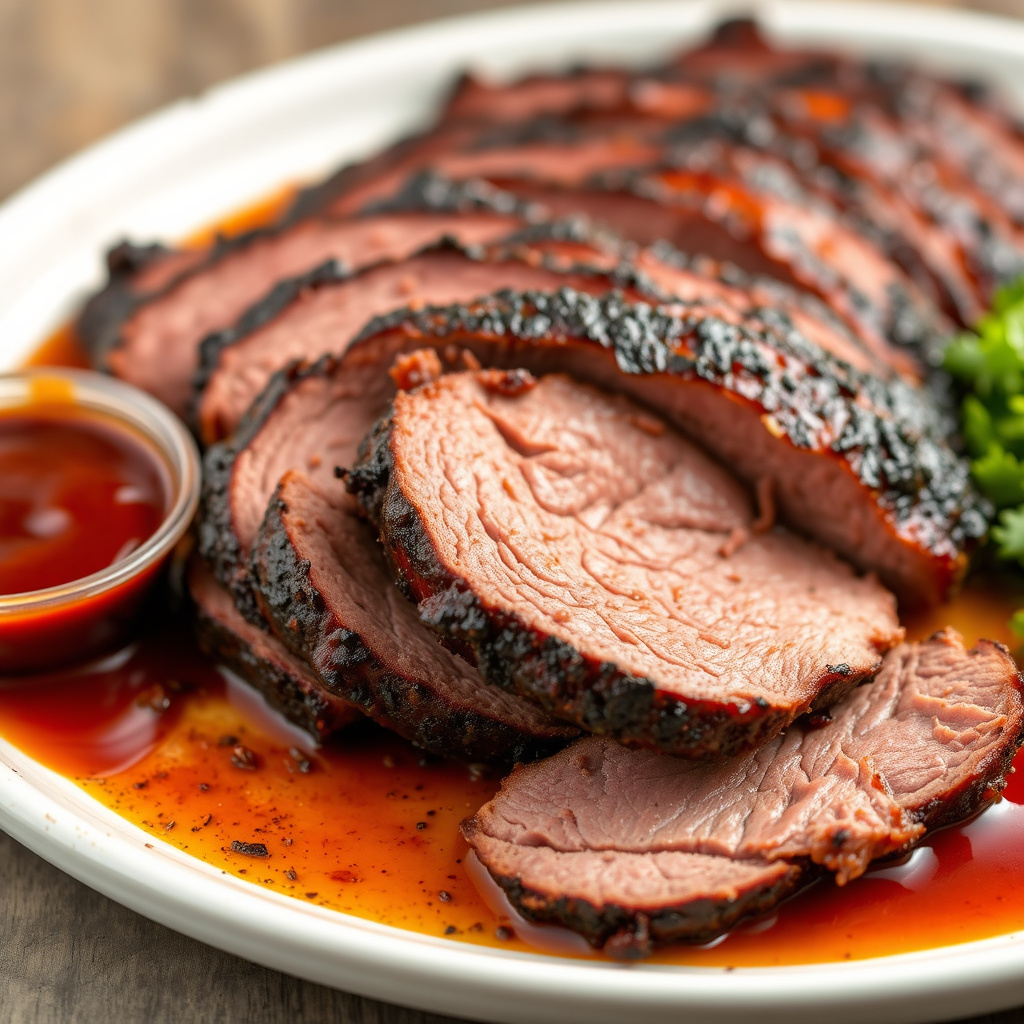
Slicing to Preserve the Bark
Slice brisket against the grain to ensure tenderness while preserving the bark on each slice. Cutting too thin can flake apart the bark, while thick slices maintain its prized texture.
Use a sharp slicing knife and slice gently to avoid pulling off the crust.
For a detailed overview of smoking methods that influence brisket bark, see this explanation on brisket smoking techniques. brisket smoking techniques.
Storing Leftover Brisket with Bark
When storing brisket, wrap it loosely with foil rather than plastic wrap to avoid condensing moisture that softens the bark. Refrigerate brisket within two hours of serving.
To reheat, use a low oven or smoker to revive the bark’s texture while warming meat evenly.
- Wrap loosely in foil
- Reheat slowly in oven or smoker
Brisket Bark Category Comparison
Here’s a comparison of popular brisket rub types to help identify which creates the best bark based on flavor, ease of use, and smoke compatibility.
| Rub Type | Flavor Profile | Ease of Application | Best Smoke Woods |
|---|---|---|---|
| Classic Texas Rub | Simple salt and pepper with a hint of paprika | Very easy | Oak, Post Oak |
| Sweet and Spicy Rub | Brown sugar with chili and garlic | Moderate | Hickory, Mesquite |
| Herb-Infused Rub | Blended dried herbs with salt and pepper | Moderate | Oak, Pecan |
| No-Sugar Rub | Salt, pepper, and spices, sugar-free | Easy | Hickory, Alder |
Frequently Asked Questions
How long does it take for brisket bark to form?
Brisket bark typically starts to form after the first 2 to 3 hours of smoking and continues developing until the end of the cook, usually around 10 to 14 hours total.
Can I make brisket bark without a smoker?
While a smoker is ideal for bark, using a charcoal grill with indirect heat and wood chunks can produce a similar effect by maintaining low temperatures and smoke exposure.
Does wrapping brisket affect the bark?
Wrapping brisket too early traps moisture and softens the bark; it’s best to wrap only during the final phase of cooking to retain bark texture.
What is the difference between bark and burnt crust?
Bark is a flavorful, crispy crust formed by proper smoking and seasoning, while a burnt crust is blackened, bitter, and results from excessive heat or burning sugar.
Which wood smoke flavor best complements brisket bark?
Mild hardwoods like oak and post oak complement the bark without overpowering the meat, creating balanced smoky flavor.
Key Takeaways
- Apply a well-balanced wet rub generously for the best bark.
- Maintain low and steady smoker temperature between 225°F and 250°F.
- Control moisture and airflow to let the bark form a crisp crust.
- Avoid wrapping brisket too early to prevent bark softening.
Conclusion
Creating perfect brisket bark revolves around a careful balance of seasoning, smoking temperature, and moisture control. The process starts with choosing a well-marbled brisket and applying a rub that promotes caramelization and crust formation. Low-and-slow smoking allows the rub to meld with rendered fat and smoke particles, forming the sought-after flavorful bark. Monitoring your smoker’s temperature and airflow ensures the exterior dries properly without burning, preserving both taste and texture. The bark is not just decorative—it locks in juices and provides a crunchy, savory contrast that elevates the overall eating experience.
For those aiming for classic bark flavor, a simple Texas-style rub with coarse salt and black pepper, paired with oak or post oak wood smoke, is a reliable approach. If you prefer sweeter or spicier notes, rubs with brown sugar and chili can enhance the crust without risking burning when cooked carefully. Wrapping the brisket only during the finishing phase maintains bark integrity, while spritzing can subtly boost moisture and flavor development. Whether using a dedicated smoker or a charcoal grill setup, patience and consistent technique remain the best ingredients for excellent bark.
Starting your brisket with an evenly applied brisket rub and maintaining smoking conditions around 225°F to 250°F sets the stage for ideal bark formation. Monitor the meat throughout the smoke, spritzing sparingly if desired, and resist the urge to wrap too soon. Once cooked, slice against the grain to keep the bark intact, and store brisket wrapped loosely to preserve crust texture. By following these guidelines, you’ll serve brisket with bark that impresses with every bite, adding a perfect smoky crunch to your BBQ meals.