Burnt ends are flavorful, smoky, and tender morsels of beef brisket that get caramelized on the outside, creating a rich, crispy crust that's beloved in BBQ circles. To make burnt ends, you start with a brisket point or whole brisket, smoke it slowly at a low temperature until tender, then cut the point into cubes and cook those cubes further with BBQ sauce to develop that iconic caramelized exterior and juicy interior.
These smoky treats are prized for their distinct texture—a combination of tenderness on the inside with a charred, slightly crispy outside. Making them requires patience and attention to smoking time, temperature, and the right balance of seasoning and sauce, but the reward is a bite-sized BBQ experience packed with flavor.
This guide will walk you through selecting the right brisket cut, prepping and seasoning, smoking techniques, finishing the burnt ends in the smoker or oven, and tips for serving. Whether you're a BBQ enthusiast or a home cook looking for a delicious project, this article has all the steps to help you get that perfect batch of burnt ends.
Choosing and Preparing the Brisket for Burnt Ends
Selecting the Ideal Brisket Cut
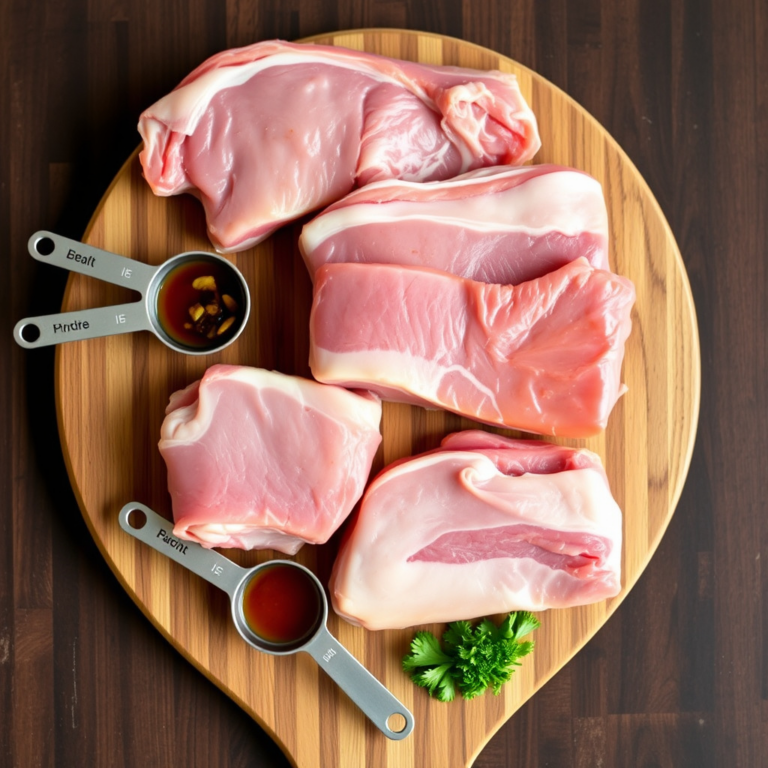
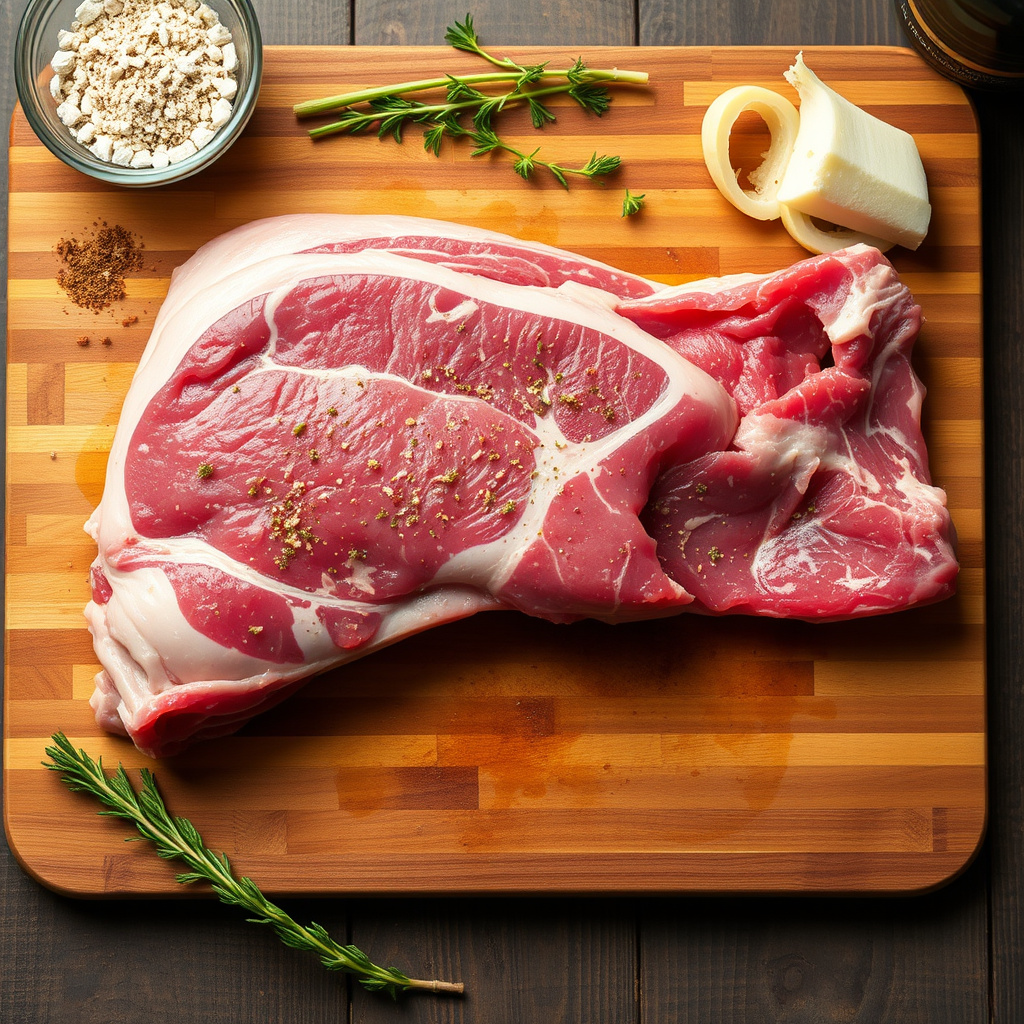
Burnt ends originate from the brisket point, also known as the deckle or fat cap side of the brisket. This section is higher in fat, which helps keep the meat juicy during long smoking sessions. Choosing a whole packer brisket lets you separate the point from the flat yourself if desired, but buying just the point can save effort.
Look for a brisket with good marbling, flexible texture, and a substantial fat cap. The fat renders slowly and bastes the meat internally, which contributes to the signature tenderness and flavor of burnt ends.
Trimming and Seasoning Before Smoking
Trim away any silver skin and hard chunks of fat that won’t render well, but leave a thin layer of fat on the point to protect the meat during smoking. A minimal trim helps maintain moisture without overly fatty bites.
For seasoning, a simple dry rub with coarse salt, black pepper, garlic powder, and smoked paprika works exceptionally well. Apply generously and let the brisket rest at room temperature for 30-60 minutes before placing it in the smoker, allowing the rub to adhere and penetrate.
Smoking Techniques for Perfect Burnt Ends
Setting Up and Managing Your Smoker
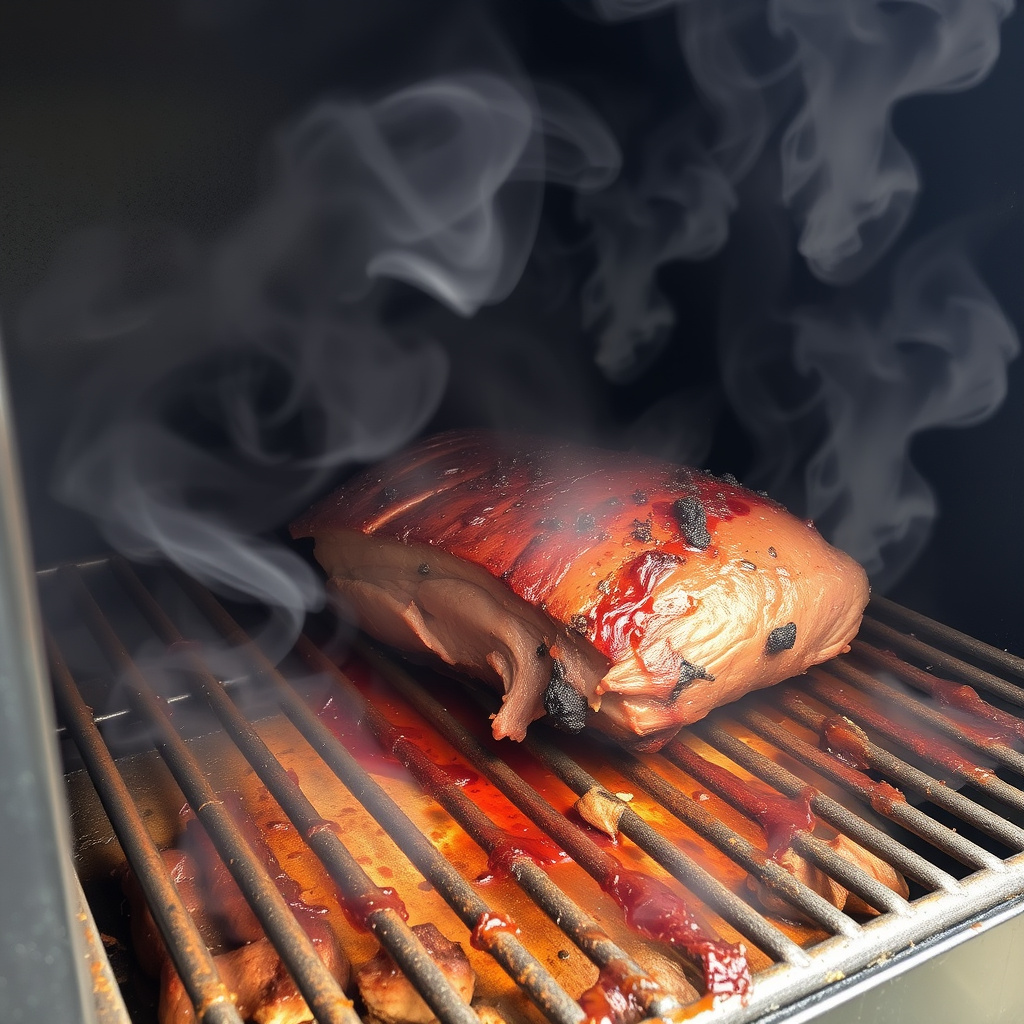
The key to good burnt ends is low and slow cooking between 225°F and 250°F. This allows the fat to render slowly and connective tissues to break down, making the meat tender. Use hardwoods like oak, hickory, or pecan to impart classic BBQ smoke flavors.
Maintain steady temperature control by adjusting vents and adding small amounts of charcoal or wood chunks as needed. Consistent smoke and heat distribution are critical for an even smoke ring and that sought-after bark on the brisket’s exterior.
For more on this, see our related guide: How to Make Mac and Cheese on the Grill: A Step-by-Step Guide.
When to Separate and Wrap the Brisket Point
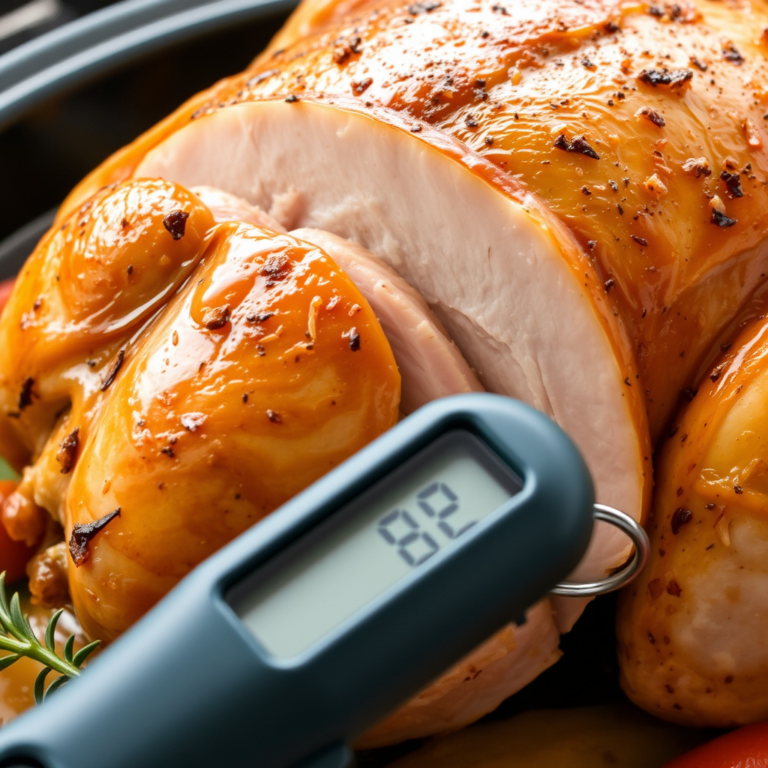
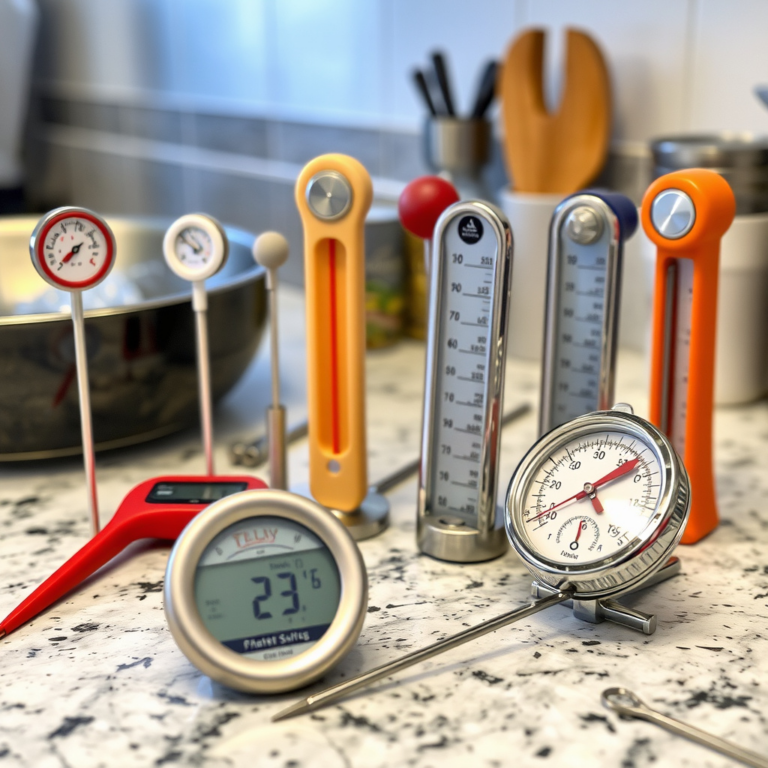
When the internal temperature of the brisket point reaches approximately 165°F, it’s time to separate it from the flat. This temp signals sufficient smoke infusion but before the meat stalls and dries out.
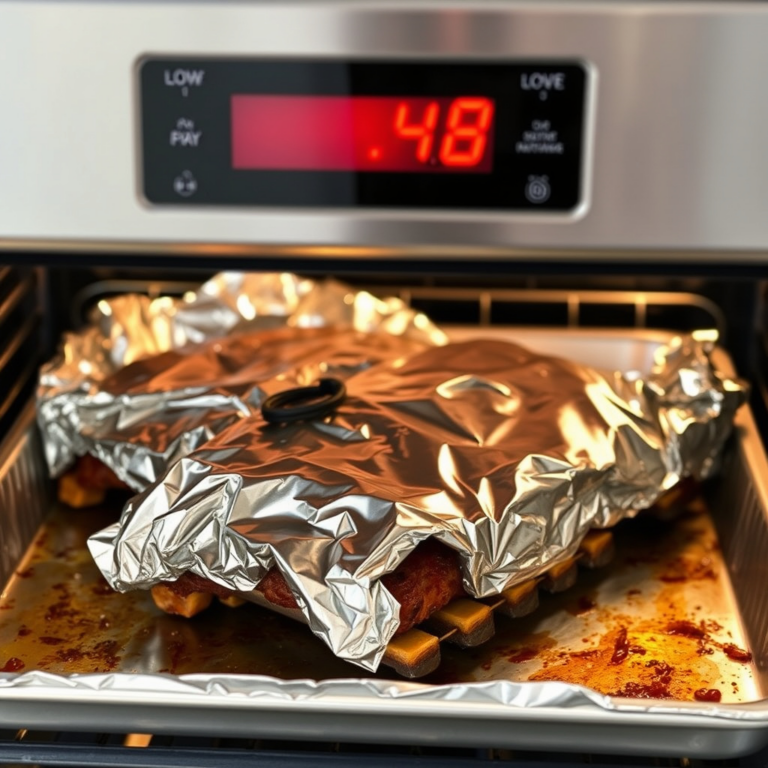
Wrap the point in butcher paper or foil to retain moisture, then return it to the smoker until it hits around 195-205°F. Wrapping helps the burnt ends stay tender while the bark sets up. At this stage, you’re preparing the meat for the final caramelizing step.
Cutting, Saucing, and Finishing Your Burnt Ends
Cubing the Brisket Point for Burnt Ends
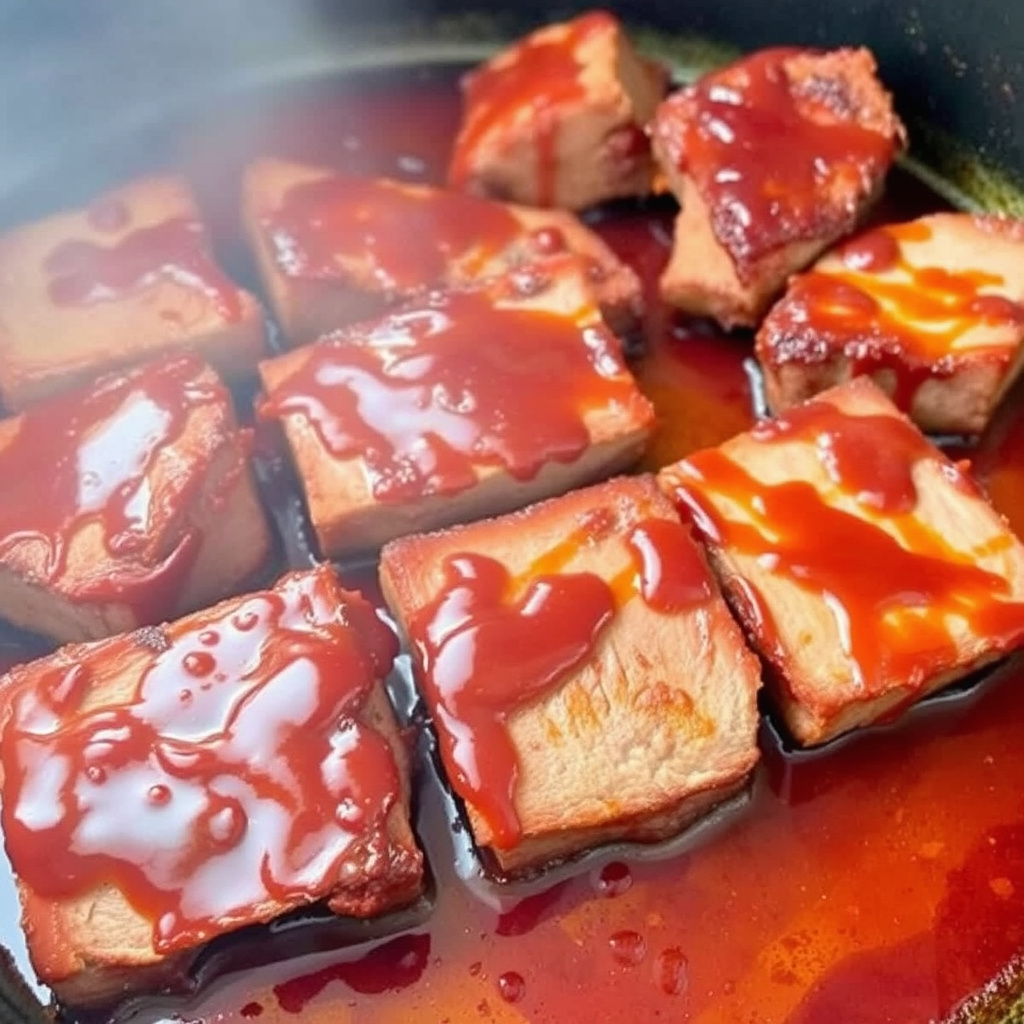
After the point brisket has reached the desired tenderness, remove it from the smoker and let it rest briefly to cool down slightly. Then, cut the meat into 1-inch cubes, carefully keeping any good bark intact on the edges.
Cubing maximizes surface area for sauce absorption and caramelization during the last cooking phase, dramatically enhancing flavor and texture.
Applying BBQ Sauce and Final Cooking
Place the cubed brisket into a foil pan or baking dish and toss generously with your favorite BBQ sauce. Use enough to coat but avoid drowning the pieces to retain some crispness.
Return the sauced cubes to the smoker or a 275°F oven for an additional 45 minutes to an hour, giving the sauce time to thicken, caramelize, and develop the signature sweet and tangy crust that defines great burnt ends.
Serving and Storing Burnt Ends
Serving Suggestions and Pairings
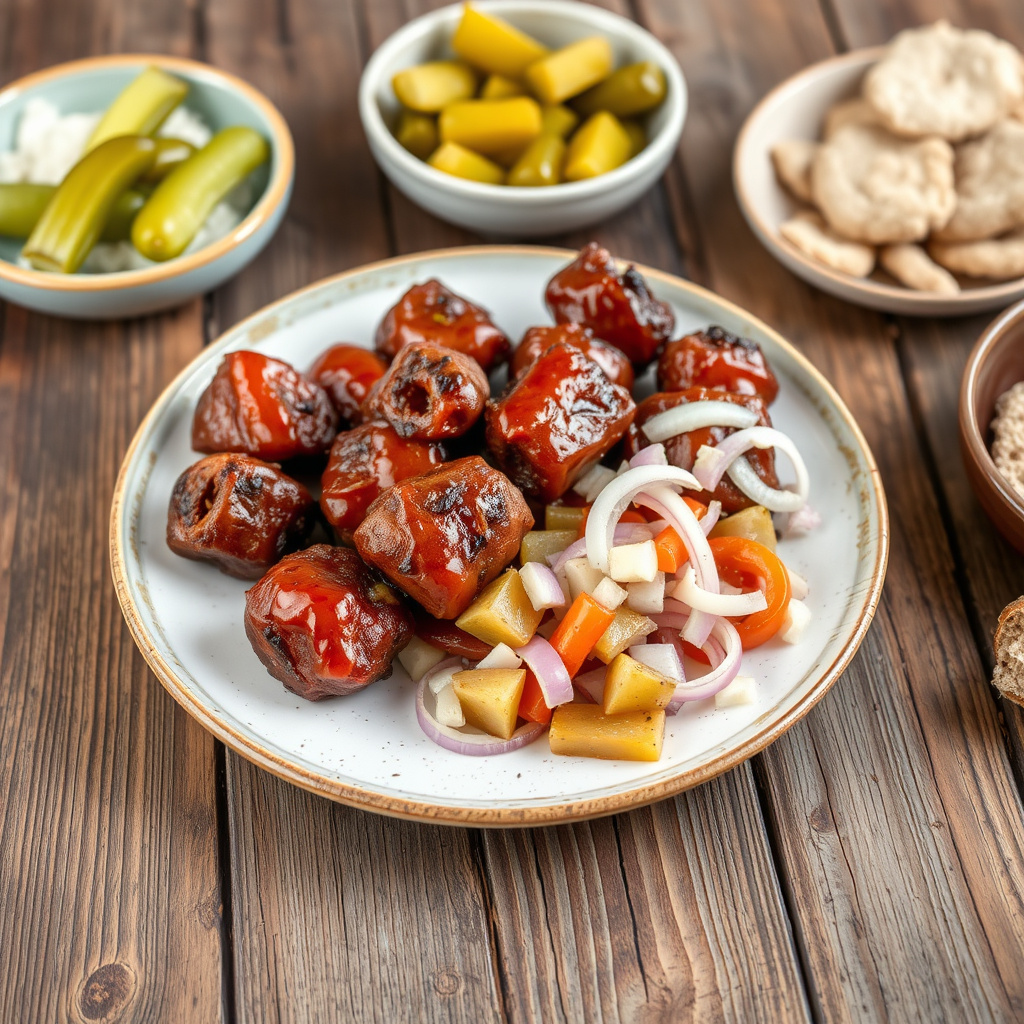
Burnt ends shine as a smoky, flavorful dish on their own or served with traditional BBQ sides like coleslaw, baked beans, or potato salad. Their rich texture pairs well with vinegary or tangy condiments that cut through the fat.
For BBQ enthusiasts hosting gatherings, burnt ends can also be served as sliders or added to sandwiches, offering bite-sized indulgence that guests always appreciate.
For more on this, see our related guide: How Often Should You Clean a Grill for Best Performance and Safety.
Proper Storage for Leftovers
Burnt ends store well and can be refrigerated in an airtight container for up to 4 days. Reheat gently in the oven or skillet to preserve moisture and crust.
You can also freeze burnt ends in portioned bags for up to three months. Thaw in the fridge overnight, then reheat using the same gentle methods to retain flavor and texture.
Common Challenges and Tips for Success with Burnt Ends
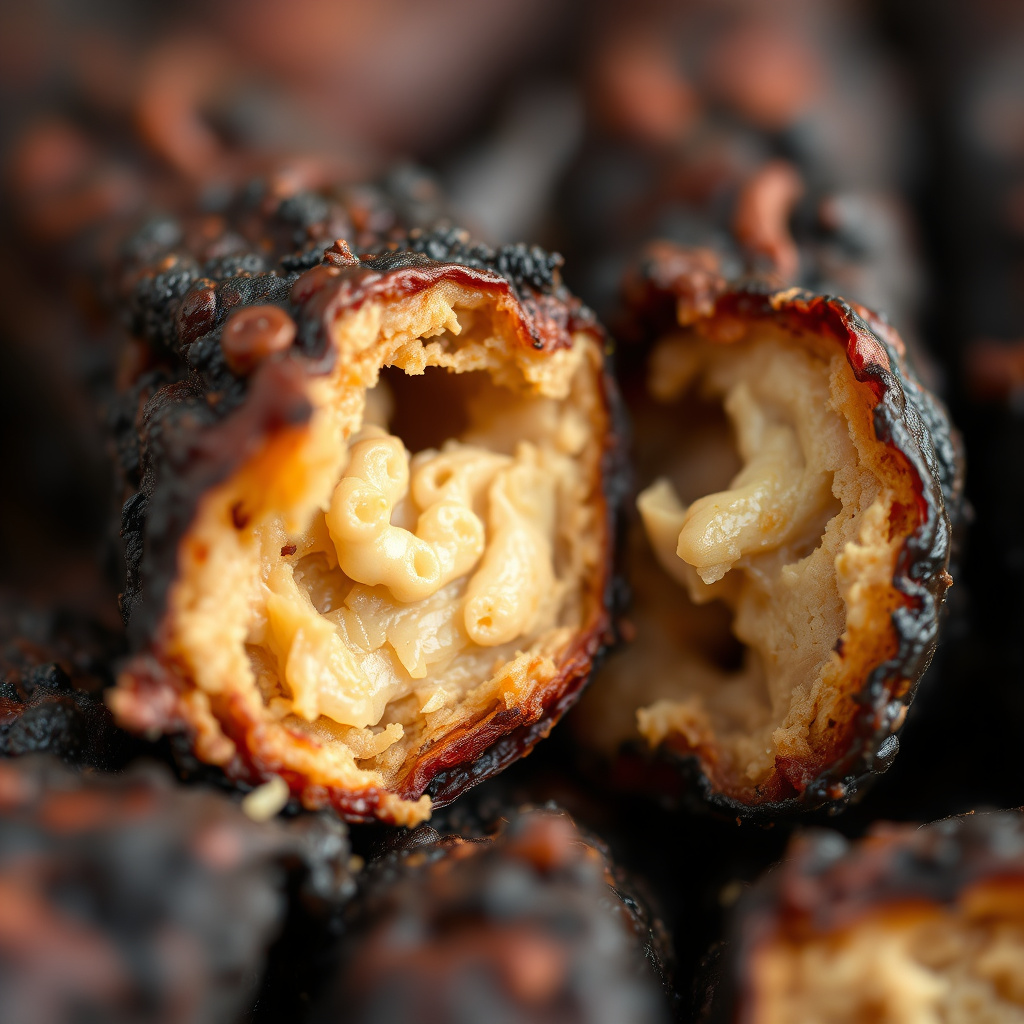
Avoiding Dry or Tough Burnt Ends
Overcooking or smoking at too high a temperature can dry out the burnt ends. Maintaining low heat and using the wrapping technique when the point hits 165°F helps keep moisture locked into the meat.
Patience is key—rushing the cooking process results in toughness rather than the tender, succulent bites you want from your burnt ends.
For more details about the origins and variations of burnt ends, you can refer to the Burnt ends on Wikipedia. Burnt ends on Wikipedia.
Achieving a Perfect Bark and Caramelization
The bark forms from a combination of seasoning, smoke, and caramelizing sugars in your BBQ sauce. Use a rub with coarse salts and spices and apply a final saucing step before finishing in the smoker or oven.
Avoid adding liquid-based sauces too early, as this can inhibit bark formation. Add sauce during the last cooking stage and monitor closely to prevent burning.
Burnt Ends Cooking Methods Comparison
Here’s a quick comparison of common cooking methods for burnt ends considering time, texture, and flavor.
| Method | Average Time | Texture Outcome | Flavor Profile |
|---|---|---|---|
| Smoking Low and Slow | 8-12 hours | Tender inside, firm bark | Deep smoky, rich |
| Oven Finish After Smoking | 9-13 hours | Tender with caramelized crust | Balanced smoky and sweet |
| Wrapped Smoking Only | 7-10 hours | Very tender, less bark | Mild smoke, juicy |
| Direct Oven Cooking | 4-5 hours | Less tender, soft exterior | Milder, less smoky |
Frequently Asked Questions
What cut of brisket is best for burnt ends?
The brisket point is best for burnt ends due to its higher fat content and marbling that renders down during slow cooking, resulting in tender, flavorful pieces.
Can I make burnt ends without a smoker?
Yes, you can cook burnt ends in a conventional oven by replicating slow cooking and adding smoke flavor with liquid smoke or smoked spices.
How long should I cook burnt ends in the final saucing step?
Typically, 45 minutes to an hour at around 275°F is sufficient for the sauce to caramelize and develop a sticky, flavorful crust.
Is it necessary to wrap the brisket during smoking?
Wrapping at around 165°F helps retain moisture and forces the meat through the stall, producing juicier burnt ends and reducing overall cooking time.
What kind of wood is best for smoking burnt ends?
Hardwoods like oak, hickory, mesquite, or pecan provide classic BBQ smoke flavor that complements the richness of burnt ends.
Key Takeaways
- Start with a well-marbled brisket point for the best burnt ends
- Smoke low and slow between 225-250°F for tender results
- Wrap at 165°F to preserve moisture during the cooking stall
- Finish cubed burnt ends with BBQ sauce for caramelized crust
Conclusion
Making burnt ends is a rewarding process that turns an affordable cut of meat into a savory, tender delicacy. The successful preparation hinges on understanding the brisket’s structure and employing low-temperature smoking, patience during the stall by wrapping, and a precise final saucing with extra cooking to develop the characteristic caramelized exterior. By following these outlined guidelines, you can reliably produce burnt ends that boast a contrasting texture of a well-formed bark with juicy interior chunks that BBQ fans admire.
Deciding between different approaches depends on your equipment, available time, and flavor preferences. Smoking low and slow using a whole brisket point provides the classic experience, whereas finishing in the oven after smoking helps if smoker availability is limited. Remember to separate the point at 165°F and cube it before saucing and the final cooking. Using the best brisket burnt ends recipe as a foundation ensures that your efforts lead to an authentic taste adored by many.
For those trying this at home, start with thoroughly trimmed brisket point, apply a simple rub, and be patient during the smoke. Monitor temperatures carefully, wrap to push through the stall, then cube and sauce before the final cook. This stepwise, careful approach guarantees success. Once you taste your homemade burnt ends, the time investment and attention will be clear in every delicious bite.