Marinating chicken involves soaking it in a seasoned liquid to infuse flavor and improve tenderness before cooking. The key is combining acids, oils, and seasonings and letting the chicken rest long enough to absorb them without over-marinating, which can harm texture.
Marinating matters because it tailors the final taste of your chicken while controlling moisture loss during cooking. Whether grilling, baking, or frying, a well-chosen marinade balances boldness and subtlety, making each bite juicy and flavorful.
This article covers how to choose marinade ingredients based on chicken cuts, explains timing and safety guidelines, explores various marinating techniques, and suggests some of the best chicken marinade recipes for flavorful results.
Choosing Ingredients for Your Chicken Marinade
Understanding Acidic Components
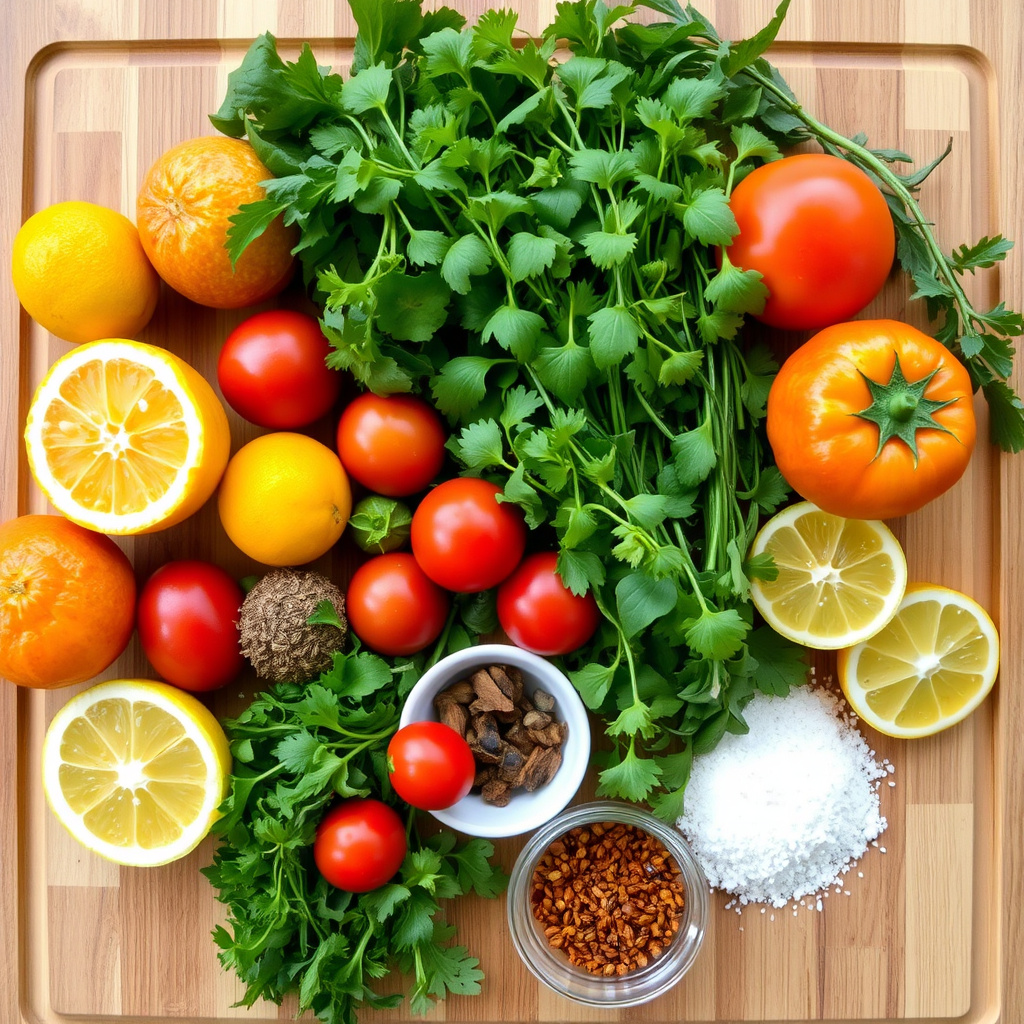
Acids like lemon juice, vinegar, or yogurt break down muscle fibers, tenderizing chicken and enhancing its ability to absorb flavors. Selecting the right acid depends on how strong you want the marinade’s punch to be, as too much acid can create a mushy texture.
Milder acids like buttermilk or wine provide tenderizing effects without overwhelming the taste, making them suitable for longer marinating times. Stronger acids often require shorter contact times to avoid damaging the meat.
- Lemon or lime juice
- Apple cider vinegar
- Yogurt or buttermilk
- Wine or beer
Balancing Oils and Seasonings
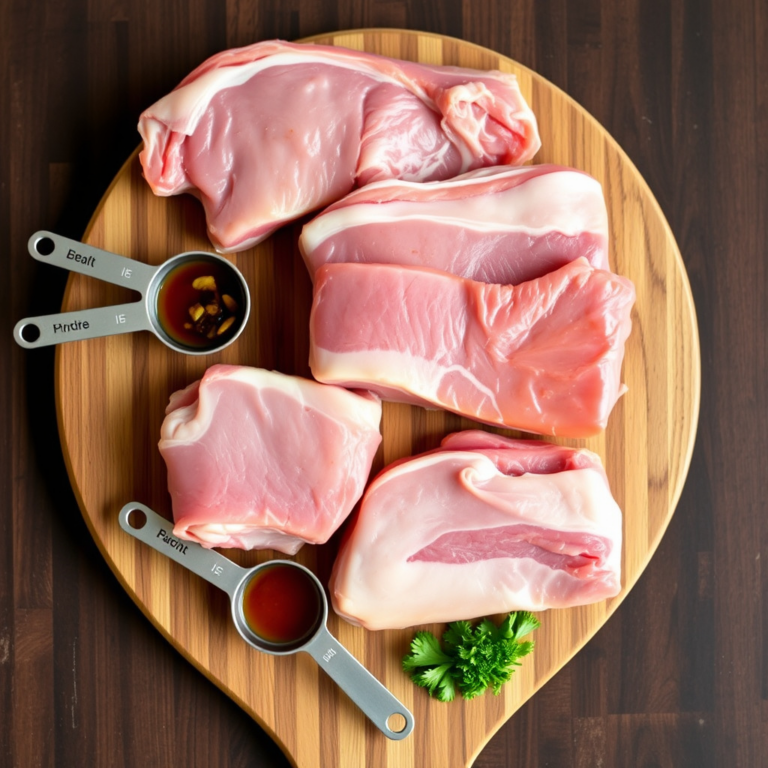
Oils help distribute fat-soluble flavors evenly and keep the chicken moist during cooking. Olive oil and sesame oil also add their own aroma and richness, complementing herbs, spices, and aromatics.
Seasonings such as garlic, ginger, rosemary, and chili flakes build flavor layers. Salt is essential to enhance taste and aid moisture retention. Sweet elements like honey or maple syrup add caramelization potential and balance acidity.
- Olive oil, sesame oil, or vegetable oil
- Fresh or dried herbs (e.g., thyme, rosemary)
- Garlic, ginger, chili flakes
- Salt, pepper, honey, soy sauce
Timing and Techniques for Marinating Chicken
How Long to Marinate Chicken
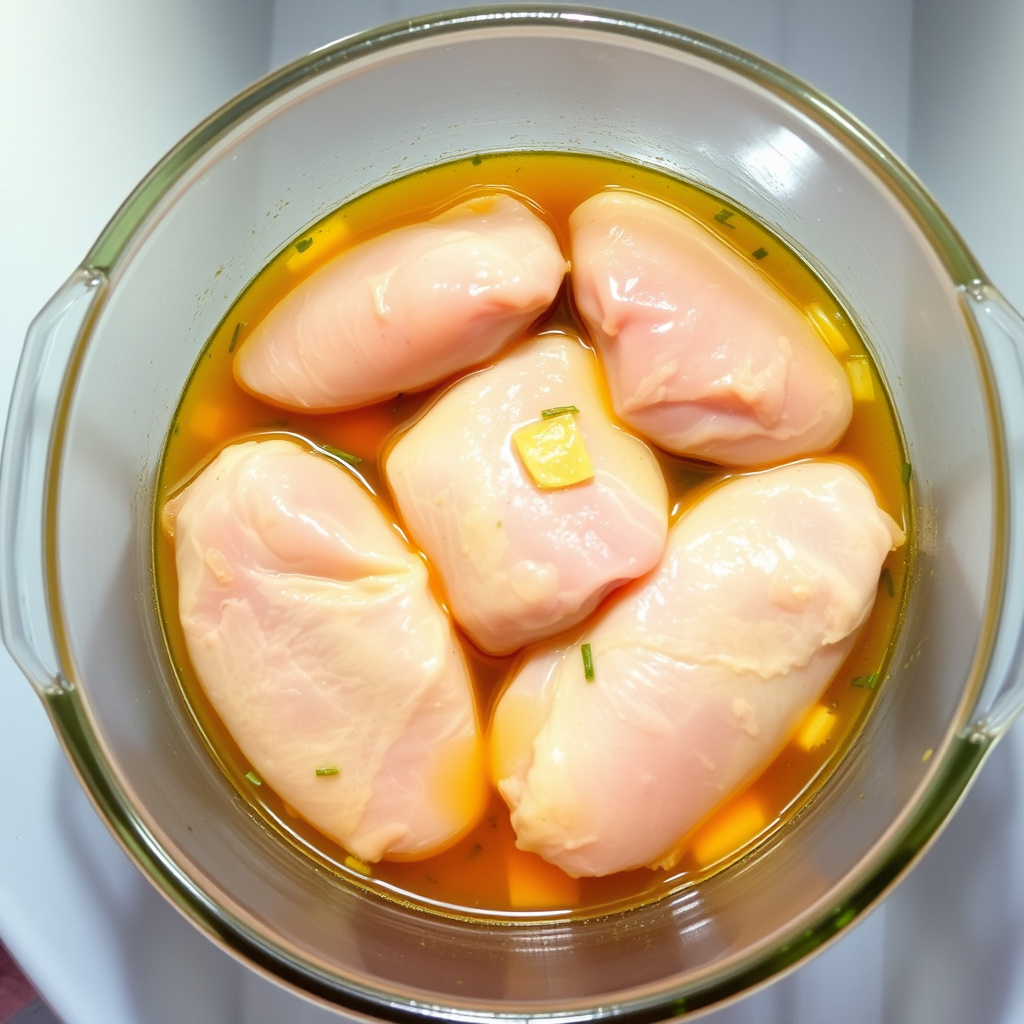
Smaller cuts like wings or thin breasts need only 30 minutes to 2 hours to absorb flavors effectively. Larger pieces or whole chickens often benefit from 4 to 12 hours, but avoid going over 24 hours to prevent textural changes from excessive acid exposure.
For quick meals, even 15 minutes with a high-acid marinade can impart some flavor, though longer times produce deeper taste and tenderness.
- 30 minutes to 2 hours for small pieces
- 4 to 12 hours for larger cuts
- Do not exceed 24 hours
- Refrigerate during marinating
Methods to Marinate Safely and Effectively
Using a sealed plastic bag or airtight container ensures even coating and prevents contamination. Massage the marinade into the meat for better flavor penetration. Always marinate chicken in the refrigerator to inhibit bacterial growth.
Discard any leftover marinade that has contacted raw chicken or boil it first before using as a sauce to avoid foodborne illness.
- Use plastic bags or airtight containers
- Massage marinade into the meat
- Keep refrigerated while marinating
- Avoid reusing raw marinade directly
Popular Chicken Marinade Styles
Mediterranean Marinades
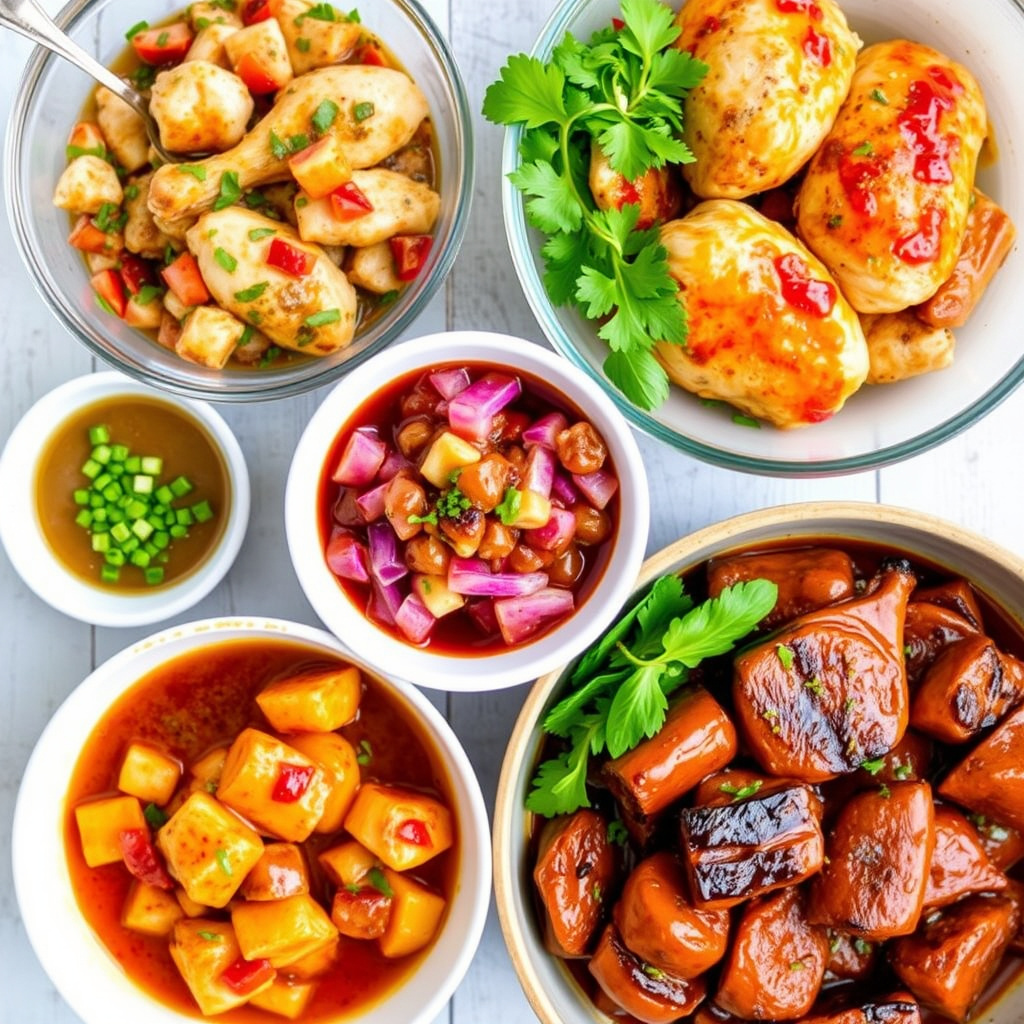
Often centered around olive oil, lemon, garlic, and herbs like oregano and thyme, Mediterranean marinades provide bright, fresh flavors ideal for grilling or roasting. They enhance the chicken without overpowering its natural taste.
Adding ingredients like yogurt or mustard offers creaminess and depth. These marinades pair well with side dishes like roasted vegetables or fresh salads.
For more on this, see our related guide: How to Make a Chicken Marinade That Boosts Flavor and Tenderness.
Asian-Inspired Marinades
Combining soy sauce, ginger, garlic, sesame oil, and a hint of sweetness from honey or brown sugar, Asian-style marinades deliver umami-rich, savory flavors. Variations include adding chili for heat or rice vinegar for tanginess.
These marinades suit stir-frying, grilling, or baking, and complement rice or noodle dishes perfectly.
Adjusting Marinades for Different Chicken Cuts
Marinating Chicken Breasts
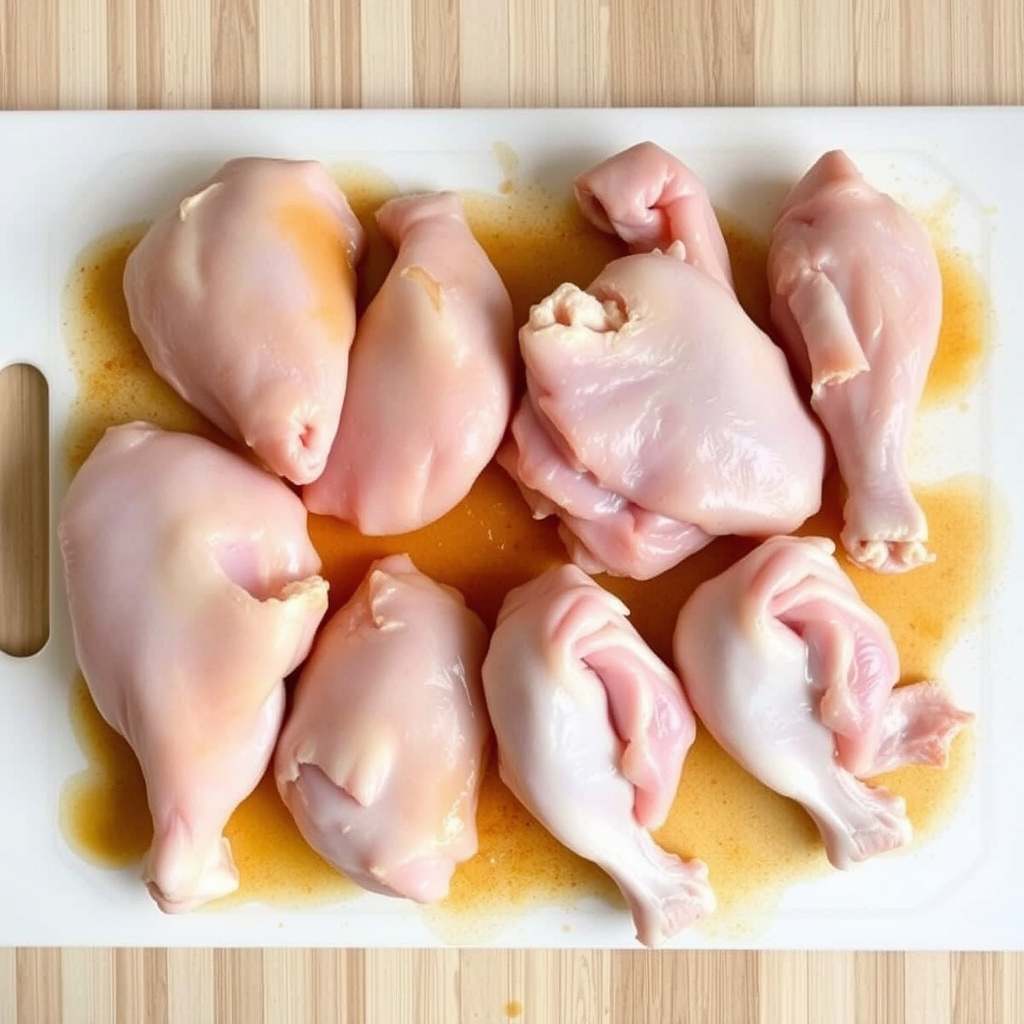
Chicken breasts are lean and can dry out if marinated too long or cooked incorrectly. Use gentler marinades with moderate acid and sufficient oil for moisture retention. Keep marinating times shorter to avoid a mushy texture.
Thin breasts may benefit from a quick marinade of 30 minutes to 1 hour, while thicker breasts can go up to 3 hours for better flavor infusion.
Marinating Dark Meat Cuts
Thighs and drumsticks contain more fat and connective tissue, so they withstand longer marinating times and stronger acids that tenderize these tougher parts. Longer marinating enhances juiciness and flavor penetration.
Aim for 4 to 12 hours of marinating with vibrant spices and herbs for robust results ideal for grilling or slow roasting.
Common Mistakes to Avoid When Marinating Chicken

Avoid Over-marinating
Leaving chicken marinated for too long, especially in acidic mixtures, can cause the texture to become mushy due to protein breakdown beyond the desired level. This ruins the bite and mouthfeel.
Timing depends on marinade composition, but anywhere past 24 hours usually harms texture.
For more on this, see our related guide: Can You Grill Frozen Chicken? A Safe and Delicious Guide.
Prevent Cross-Contamination
Reusing marinade that touched raw chicken without boiling creates serious health risks. Always discard leftover marinade or bring it to a full boil before using it as a basting sauce.
Also, avoid marinating at room temperature to keep bacterial growth in check; always use refrigeration.
Cooking Techniques After Marinating Chicken
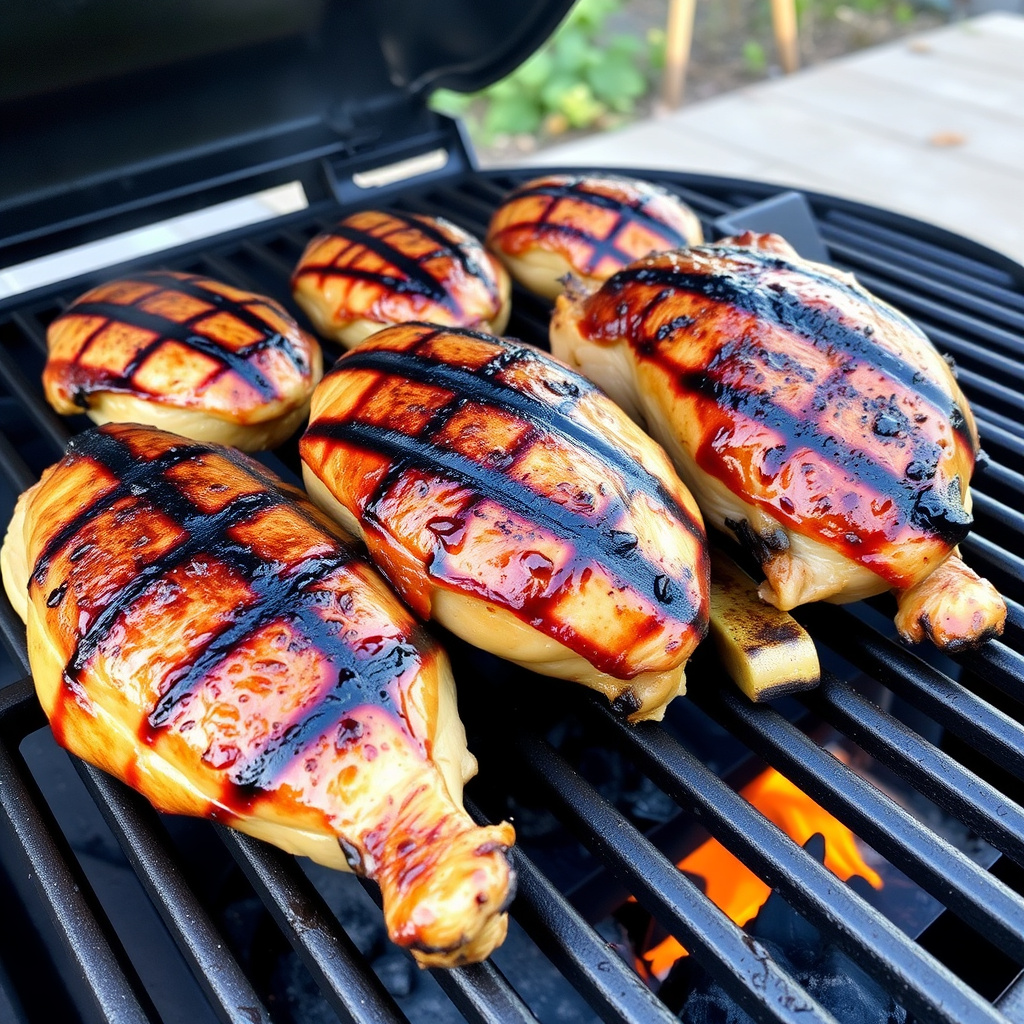
Grilling and Broiling
Marinated chicken chars beautifully on a grill, locking in flavors from the marinade and creating a satisfying smoky crust. Broiling in the oven offers a similar high-heat method to caramelize sugars in the marinade for added taste.
Proper preheating and moderate turning prevent burning and drying out the meat.
For an in-depth overview of marination techniques, you can explore this detailed Wikipedia article. Marination techniques on Wikipedia.
Baking and Pan-Searing
Baking marinated chicken in the oven evenly cooks the meat while preserving moisture. Pan-searing provides a caramelized exterior quickly, ideal for thinner cuts or when time is short.
Both methods benefit from resting the chicken after cooking to redistribute juices for maximum tenderness.
Chicken Marinade Types Comparison
Here’s a comparison of popular chicken marinade types, focusing on flavor profile, ideal cuts, and marinating time.
| Marinade Type | Flavor Profile | Best for Chicken Cuts | Marinating Time | Key Ingredients |
|---|---|---|---|---|
| Mediterranean | Bright, herbal, fresh | Breasts, thighs | 30 min – 3 hours | Olive oil, lemon, garlic, oregano |
| Asian | Savory, umami, slightly sweet | All cuts | 1 – 12 hours | Soy sauce, ginger, sesame oil, honey |
| Barbecue | Sweet, smoky, spicy | Thighs, drumsticks | 2 – 8 hours | Tomato paste, vinegar, brown sugar, paprika |
| Buttermilk | Tangy, creamy, mild | Breasts, wings | 4 – 12 hours | Buttermilk, garlic, salt, pepper |
| Citrus-based | Tangy, fresh, zesty | Breasts, wings | 30 min – 2 hours | Lime/lemon juice, cilantro, chili |
Frequently Asked Questions
Can I marinate chicken overnight?
Marinating chicken overnight can enhance flavor and tenderness, but avoid exceeding 24 hours to prevent mushy texture, especially with acidic marinades.
Is it safe to marinate chicken at room temperature?
No, marinate chicken in the refrigerator to prevent harmful bacterial growth and foodborne illness.
Can I reuse chicken marinade as a sauce?
Only if the marinade is boiled thoroughly after contacting raw chicken. Otherwise, discard it to avoid contamination.
How do acids affect marinating time?
Stronger acids like lemon juice need shorter marinating times (30 min to 2 hours) to tenderize without toughening the meat.
What’s the best marinade for grilling chicken breasts?
A Mediterranean-style marinade with olive oil, lemon, and herbs works well for juicy grilled chicken breasts.
Key Takeaways
- Marinate chicken using a balance of acid, oil, and seasonings for flavor and tenderness.
- Adjust marinating time based on chicken cut and marinade strength to avoid mushiness.
- Always marinate chicken in the refrigerator and discard or cook leftover marinade safely.
- Choose marinade styles that complement your cooking method and desired flavor profile.
Conclusion
Knowing how to marinate chicken well combines understanding the role of ingredients and timing. The marinade's acidity tenderizes while oils and spices add moisture and flavor layers. Selecting the right balance prevents over-tenderizing or drying out, making the chicken juicy and appetizing whatever the cooking method.
If you plan to prepare chicken breasts quickly, a Mediterranean marinade with olive oil and lemon is ideal. For richer, dark meat like thighs, Asian-inspired recipes with soy sauce and ginger invite complex flavors over longer marinating periods. Experimenting with barbecue or buttermilk marinades can suit grilling or baking preferences effectively.
The next step is to try your chosen marinade based on the chicken cut you have, monitor the marinating time carefully, and cook it with a method that showcases the flavors best. Using these principles transforms simple chicken into dishes full of taste and texture, elevating everyday meals into flavorful experiences.