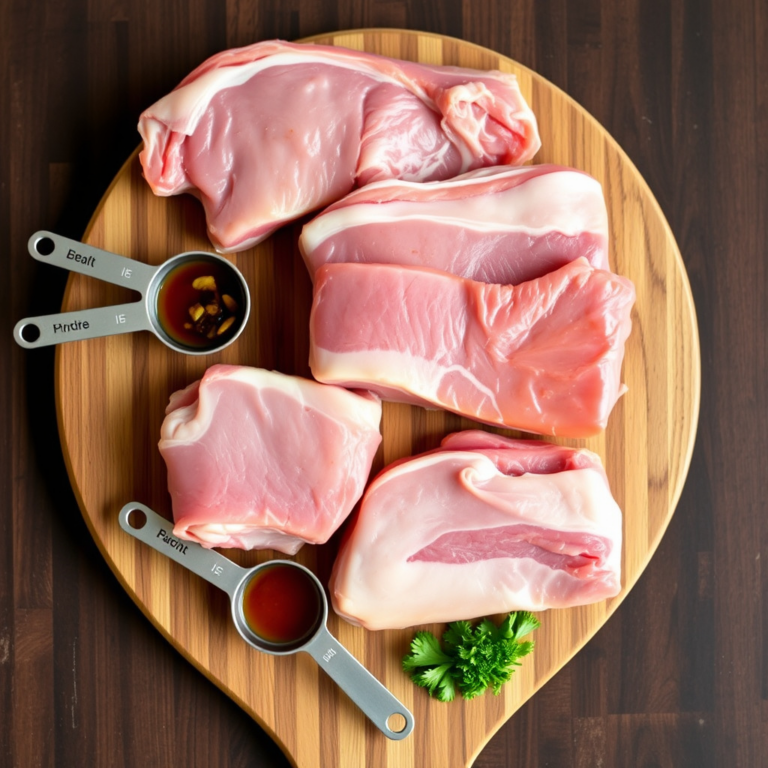
Making a steak marinade is straightforward and can transform a tough, flavorless cut into a juicy, flavorful meal. The key is combining acids, oils, herbs, and seasonings to both tenderize the meat and infuse it with taste before cooking. A good marinade needs to balance these elements so the steak absorbs maximum flavor without becoming mushy.
Marinades play a vital role in enhancing steaks especially those from tougher sections like flank or skirt steak. Acids such as vinegar, citrus juice, or wine break down muscle fibers, while oils help distribute fat-soluble flavors. Seasonings and herbs add complexity to each bite, while the marinating time influences the depth of penetration. Understanding these components helps craft a marinade tailored to your taste and steak cut.
This article will explain the essential ingredients for an effective steak marinade, practical preparation steps, tips for marinating duration and temperatures, as well as popular variations and common mistakes to avoid. By the end, you’ll be ready to create delicious marinades that elevate any steak dinner.
Key Ingredients for a Steak Marinade
Acids and Oils
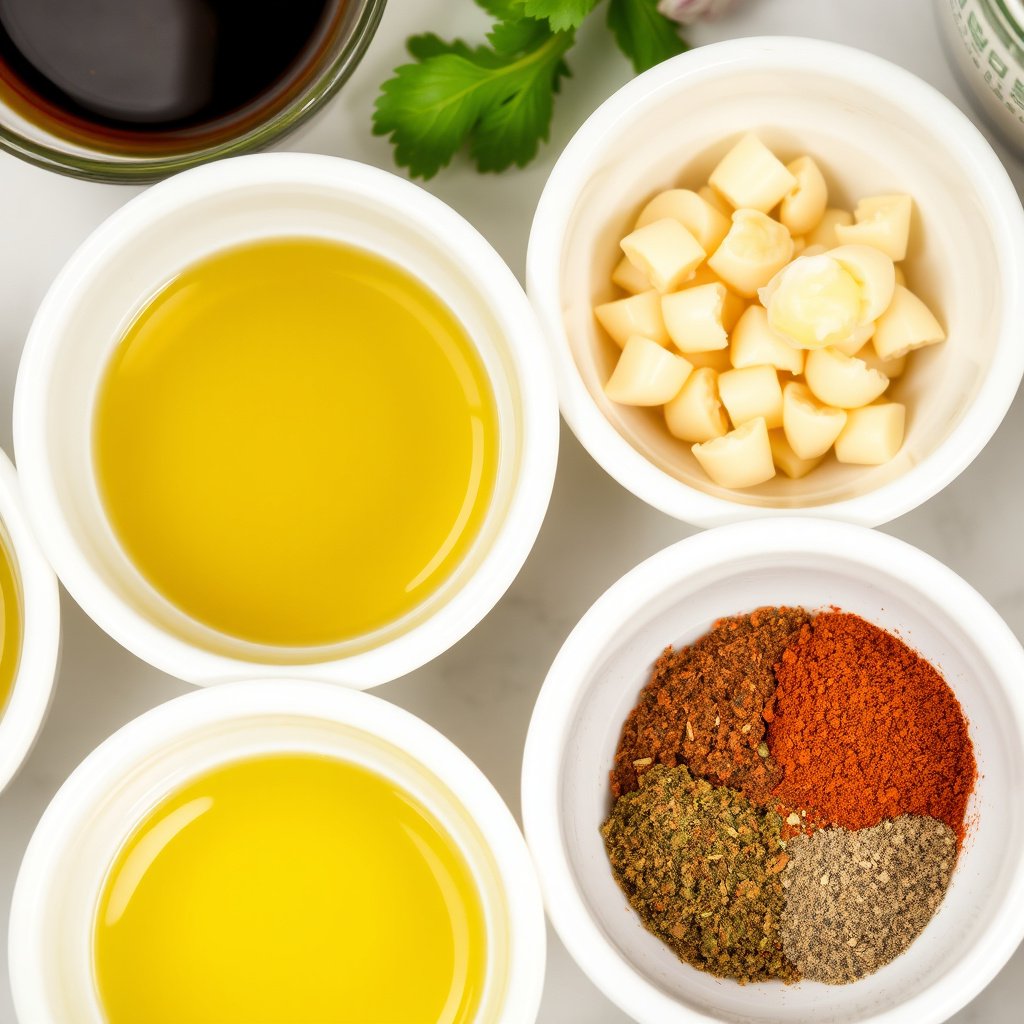
Acids like lemon juice, vinegar, or wine are essential in steak marinades because they tenderize the meat by breaking down proteins. Using the right amount prevents the steak from becoming mushy while allowing it to soak up robust flavors.
Oils such as olive oil or vegetable oil help distribute fat-soluble flavor compounds across the steak evenly. They also maintain moisture during cooking, creating a juicy texture and improving the sear on the surface.
- Common acids: lemon juice, balsamic vinegar, red wine vinegar
- Popular oils: extra virgin olive oil, canola oil, sesame oil
Herbs, Spices, and Seasonings
Fresh or dried herbs like rosemary, thyme, and oregano add aromatic elements that complement the rich flavor of steak. Spices such as black pepper, paprika, and cumin introduce complexity and depth.
Salt or salty liquids like soy sauce or Worcestershire sauce enhance natural flavors and assist in seasoning the meat uniformly during the marinade process.
- Flavor enhancers: garlic, onion powder, chili flakes
- Salt sources: sea salt, kosher salt, soy sauce
Preparing and Applying the Marinade
Combining Ingredients Properly
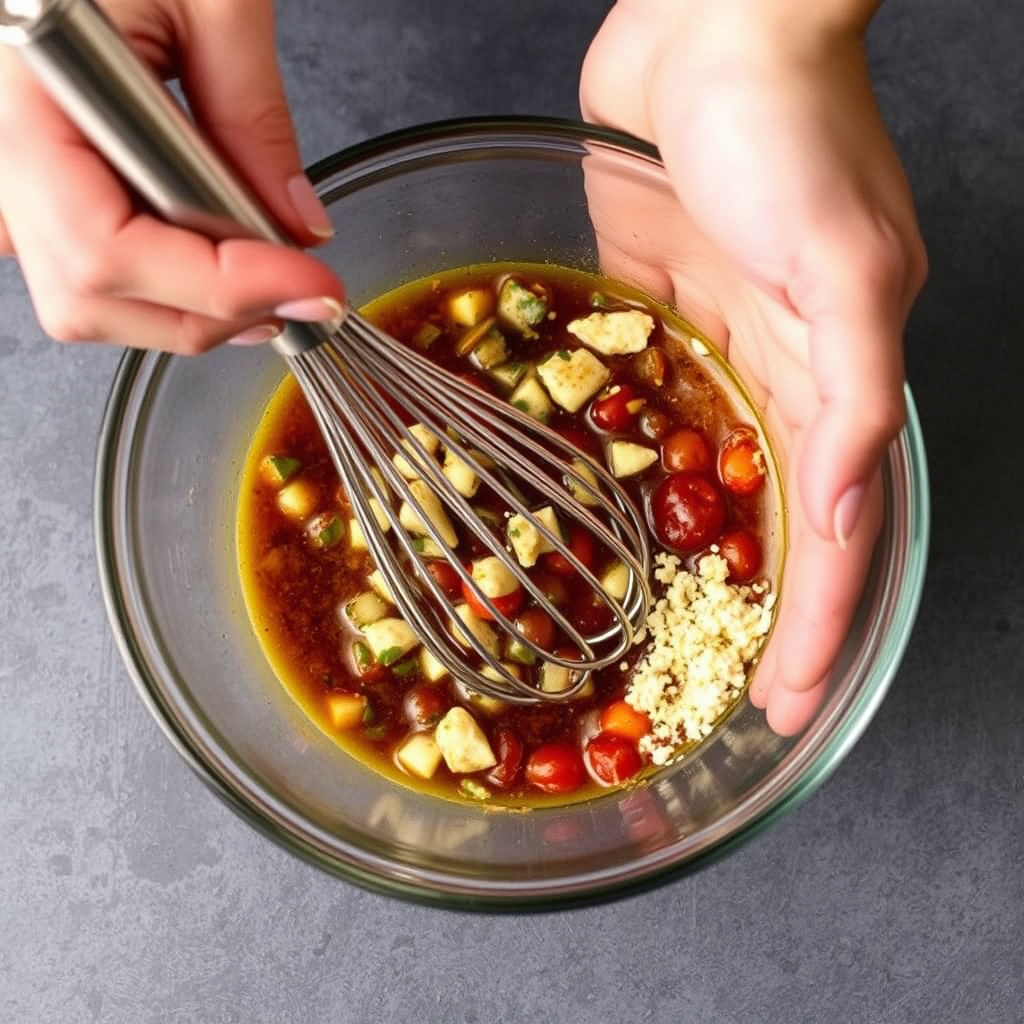
Combine acids, oils, herbs, spices, and seasonings in a clean bowl or resealable plastic bag. Whisk or shake to blend ingredients evenly; this ensures all components work together to maximize flavor absorption in the steak.
Avoid adding too much acid at once to keep from breaking down the steak's texture excessively. A typical ratio is about 3 parts oil to 1 part acid, adjusted to taste and the type of steak used.
- Use fresh herbs rather than dried when possible for brighter notes
- Balance acidic and oily ingredients for tender but firm meat
For more on this, see our related guide: How to Make Grill Marks Like a Pro on Your Food.
Application Techniques
Place steaks in a shallow dish or zip-lock bag and pour the marinade over them, ensuring each piece is fully coated. Seal tight to prevent leaks and evenly distribute flavors when turned occasionally.
Refrigerate during marinating to keep the meat safe and let flavors develop gradually. Avoid marinating at room temperature to prevent bacterial growth.
- Turn steaks every few hours for uniform marination
- Use non-reactive containers like glass or food-safe plastic
Choosing the Right Marinating Times and Conditions

Optimal Marinating Duration
Different cuts and thicknesses of steak require varying marinating times. Thin cuts like skirt or flank steak absorb flavors in 30 minutes to 2 hours, while thicker cuts benefit from longer marination of 4 to 24 hours.
Over-marinating, especially for highly acidic recipes, can negatively affect the steak’s texture, making it mushy or mealy. Experiment within recommended times to find your preferred balance of flavor and tenderness.
- Thin steaks: 30 min to 2 hours
- Thicker steaks: 4 to 24 hours
Storage and Food Safety
Always marinate steaks in the refrigerator to inhibit bacterial growth during the process. Avoid leaving meat out at room temperature as acids alone won’t prevent spoilage.
Properly seal the container to stop cross-contamination and ambient odors from affecting the steak’s flavor. Discard leftover marinade that has contacted raw meat or boil it if you plan to use it as a sauce after cooking.
- Keep marinade-covered steak refrigerated at or below 40°F (4°C)
- Never reuse marinades without cooking thoroughly
Popular Variations of Steak Marinades
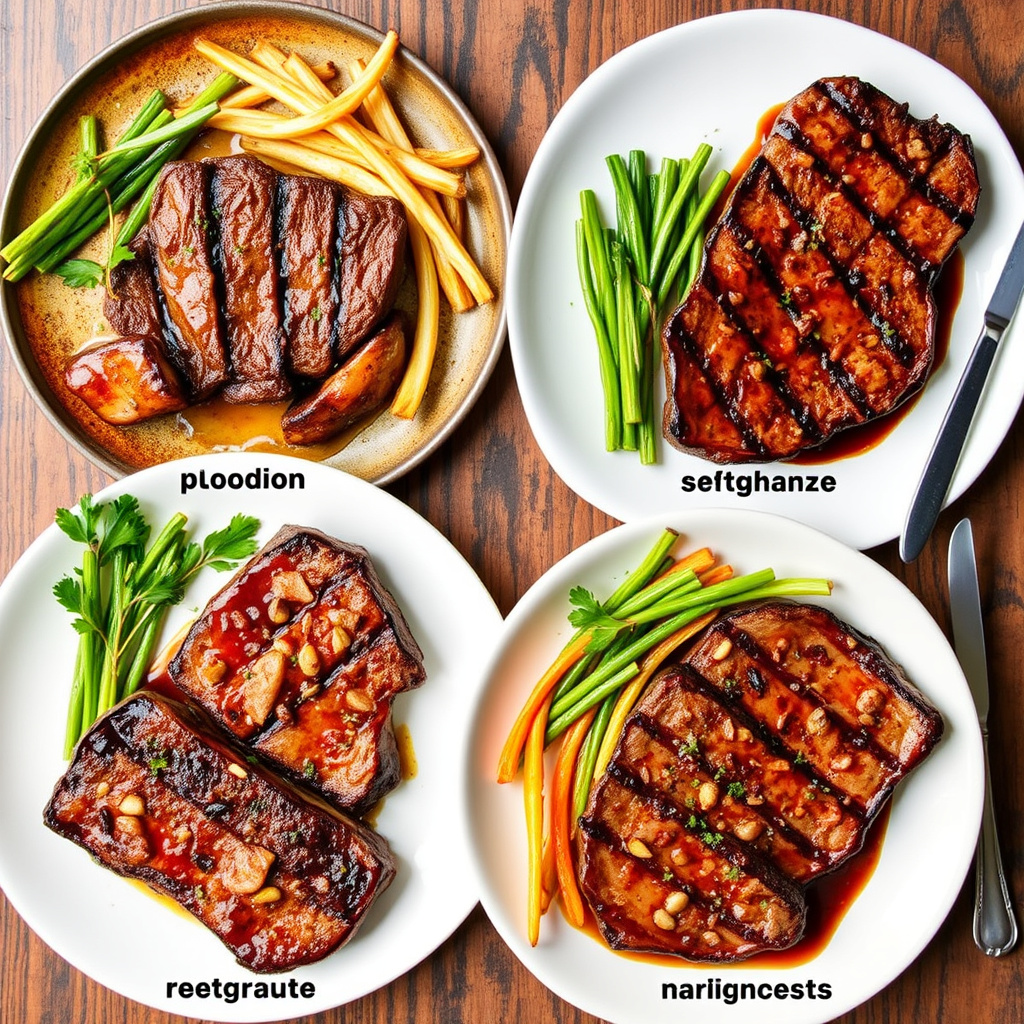
Classic American and Herb Marinades
A traditional American steak marinade incorporates Worcestershire sauce, soy sauce, garlic, and herbs like thyme or rosemary. It balances umami with fragrant herbal notes perfect for grilling or pan-searing.
These marinades often complement beef’s natural flavors without overpowering, offering a versatile flavored steak that pairs well with many side dishes.
- Worcestershire sauce base
- Fresh rosemary and garlic
For more on this, see our related guide: How to Grill Steak on a Charcoal Grill: A Step-by-Step Guide.
Asian-Inspired Steak Marinades
Soy sauce, sesame oil, ginger, and garlic create an Asian-style marinade that adds sweet and savory highlights. These ingredients tenderize the meat gently while introducing bold tastes.
Such marinades suit flank or skirt steaks especially well for stir-fries or barbecue, combining balance between saltiness, sweetness, and spice.
- Soy sauce and sesame oil main components
- Fresh ginger and garlic for pungency
Common Mistakes to Avoid When Making Steak Marinades
Using Too Much Acid
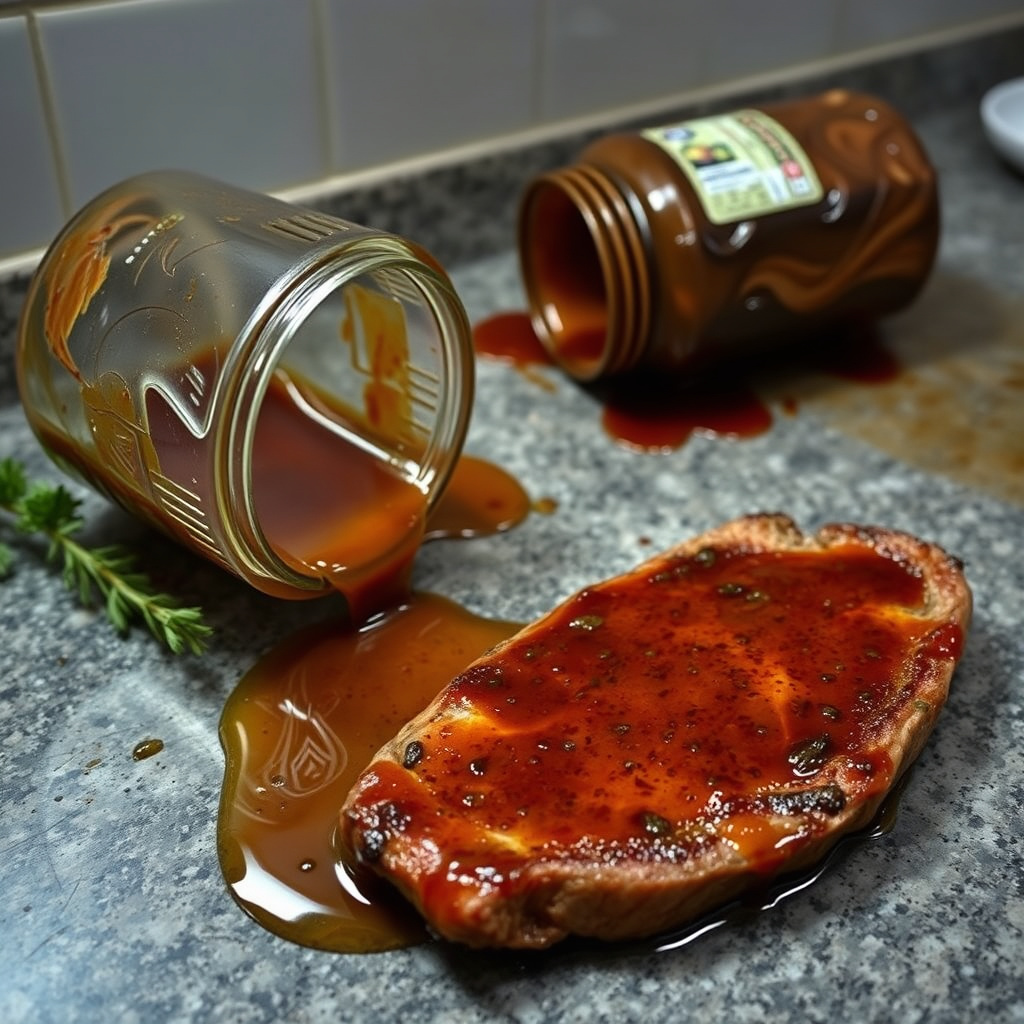
Adding excessive acid can start cooking the meat prematurely or break down its surface proteins too aggressively, leading to mushy texture and unpleasant mouthfeel. Stick to balanced ratios and recommended marinating times.
If the steak feels slimy or over-softened after marinating, it likely spent too long in a highly acidic mixture.
- Limit acidic ingredients to avoid texture damage
- Shorten marinating time for delicate cuts
For more details on the science behind marinating, you can explore this article on steak marinade techniques. steak marinade techniques.
Neglecting Food Safety
Leaving marinated steak out of refrigeration or using uncovered containers increases risk of bacterial contamination. Improper handling can ruin flavor and cause health hazards.
Always keep meat chilled and sealed until cooking, and never reuse raw marinade without boiling thoroughly.
- Marinate in refrigerator only
- Discard or cook leftover marinade used on raw meat
Steak Marinade Types Comparison
Here's a table comparing common steak marinade types based on flavor profile, tenderizing effect, and recommended marinating time.
| Marinade Type | Flavor Profile | Tenderizing Strength | Suggested Marinating Time |
|---|---|---|---|
| Classic American | Savory, herbal, umami | Moderate | 2-6 hours |
| Asian-Inspired | Sweet, salty, aromatic | Light to moderate | 1-4 hours |
| Citrus-Based | Tart, fresh, bright | Strong | 30 minutes to 2 hours |
| Balsamic Vinegar | Sweet, tangy, complex | Moderate | 1-3 hours |
| Dry Herb Rub (no acid) | Earthy, spicy | None | No marination; apply before cooking |
Frequently Asked Questions
Can I marinate a steak overnight?
Yes, marinating a steak overnight can deepen flavors and tenderize thicker or tougher cuts. However, limit acidic ingredients to prevent the steak from becoming mushy or overly soft.
Is it necessary to add oil to a steak marinade?
While not strictly required, oil helps evenly distribute flavors and retain moisture during cooking, enhancing juiciness and promoting a nice sear on the steak surface.
Should I discard marinade after marinating steak?
You should discard any marinade that has contacted raw steak to avoid contamination unless it is boiled thoroughly before reuse as a sauce.
Can I use the same marinade for other meats?
Many steak marinades work well for other red meats like lamb or game. Adjust marinating time based on meat toughness and flavor compatibility.
How long should I marinate a thin flank steak?
For thin flank steak, 30 minutes to 2 hours is enough to impart flavor and tenderize without compromising texture.
Key Takeaways
- Balance acids and oils in the marinade to tenderize and flavor steak effectively
- Marinate steaks in the refrigerator and avoid over-marinating to maintain texture
- Use fresh herbs and seasonings suited to your preferred flavor profile
- Discard raw marinade after use or boil it if you want to serve it as sauce
Conclusion
Making a steak marinade requires balancing the right mix of acidic components, oils, and seasonings to tenderize the meat and infuse it with flavor without turning it mushy. One should consider the steak cut, thickness, and cooking method to customize the marinade and marinating time. Careful preparation and food safety practices during marination also ensure the steak’s quality and taste remain top-notch.
If you want an all-round flavorful experience, classic American marinades with Worcestershire and herbs suit most steaks and grilling styles. Asian-inspired blends with soy sauce and ginger bring bright, savory notes to flank or skirt steaks, while citrus-based marinades are excellent for quick tenderizing of thinner cuts. Dry herb rubs offer flavor without acidity for those avoiding acids. Matching marinade type and duration to your steak’s needs is the best approach to achieve delicious results.
To start, pick a marinade recipe with balanced acid and oil ratios, combine fresh seasonings, and marinate your steak in the refrigerator for a recommended period based on its cut. With practice, tweaking ingredients will help find your perfect steak flavor. This simple method of marinating enhances tenderness and brings out the full taste potential of your steak dinners.