Making baked beans for BBQ involves slow-cooking beans with savory ingredients like molasses, brown sugar, and smoky bacon to create a thick, flavorful side dish that complements grilled meats beautifully. This recipe starts with pre-cooked beans and adds a rich, tangy sauce you can prepare on the stove or in the oven, resulting in beans that are sweet, smoky, and hearty.
Baked beans are a staple at barbecues because they offer a comforting texture and bold taste that pairs perfectly with smoky ribs, burgers, or chicken. Mastering the balance of savory, sweet, and smoky flavors is key to elevating this classic dish. Making them at home also lets you customize sweetness and spice levels to match your preferences or dietary needs.
In this guide, you’ll find step-by-step instructions for making baked beans for BBQ, tips on choosing the right beans and ingredients, variations to suit different tastes, and recommendations for serving. Whether you grill them alongside your meat or serve from the stove, these beans will be a crowd-pleaser.
Selecting and Preparing the Beans for Your Baked Beans Recipe
Choosing the Right Beans
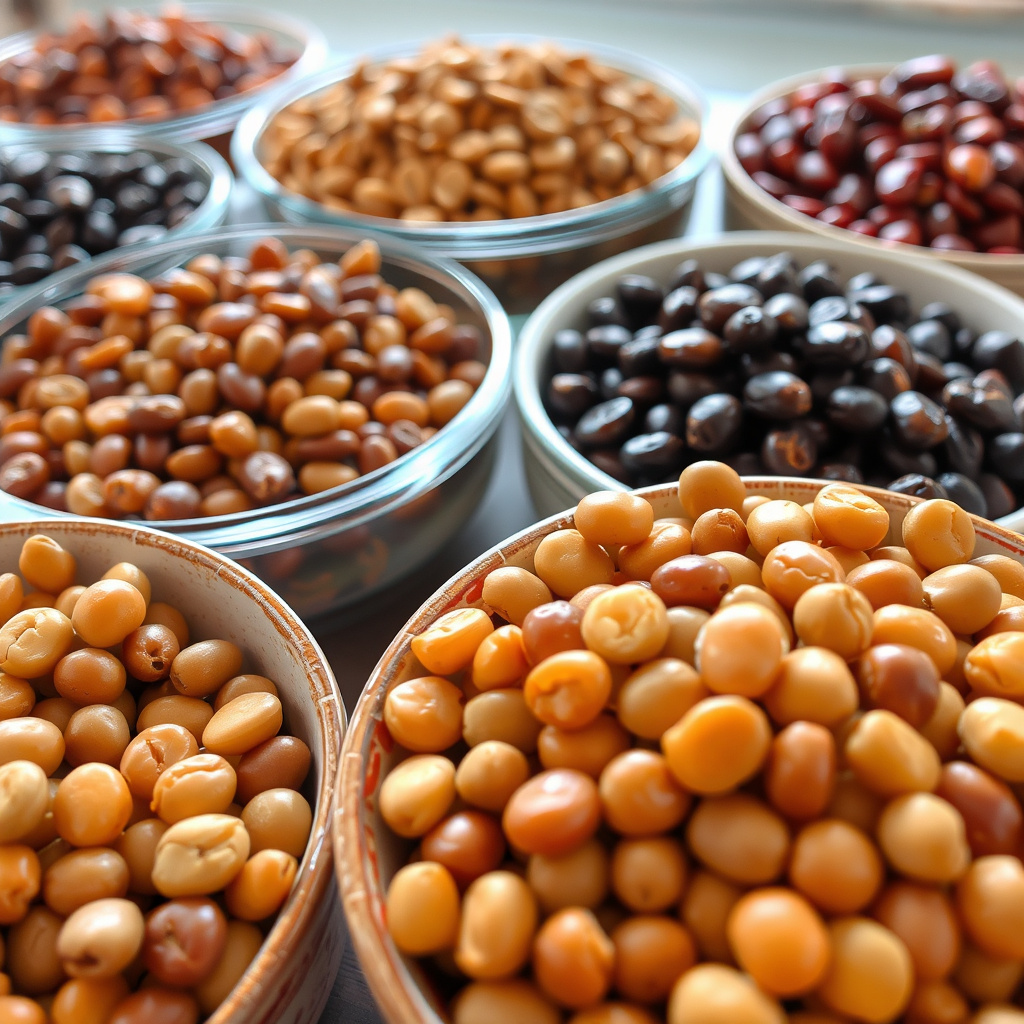
For baked beans at BBQs, navy beans are traditional due to their creamy texture and ability to absorb flavors well. Alternatively, pinto or cannellini beans offer slightly different textures and flavors but work just as well. Using dried beans requires soaking overnight and longer cooking times, whereas canned beans provide convenience without sacrificing too much flavor.
If using dried beans, ensure they are fresh and free from shriveled or broken beans. Rinse them thoroughly before soaking to remove dust and impurities. Soaked beans can then be boiled or pressure-cooked until tender but still intact, which is ideal for baked beans that will continue cooking in sauce.
- Navy beans: traditional choice, creamy texture
- Pinto beans: earthier flavor, slightly softer
- Cannellini beans: mild and firm
- Use canned beans for convenience
Pre-cooking and Preparing Beans
If you start with dried beans, after soaking, simmer them in fresh water with a pinch of salt until they are tender but still hold their shape. Avoid overcooking, which causes beans to break and creates a mushy texture. Drain beans well before mixing them into the sauce.
Canned beans should be rinsed to reduce excess sodium and starch. Pat them dry to prevent watery baked beans. This preparation step ensures the sauce will thicken properly and coat the beans evenly.
Crafting the Sauce for Baked Beans at BBQ
Key Ingredients for Flavor
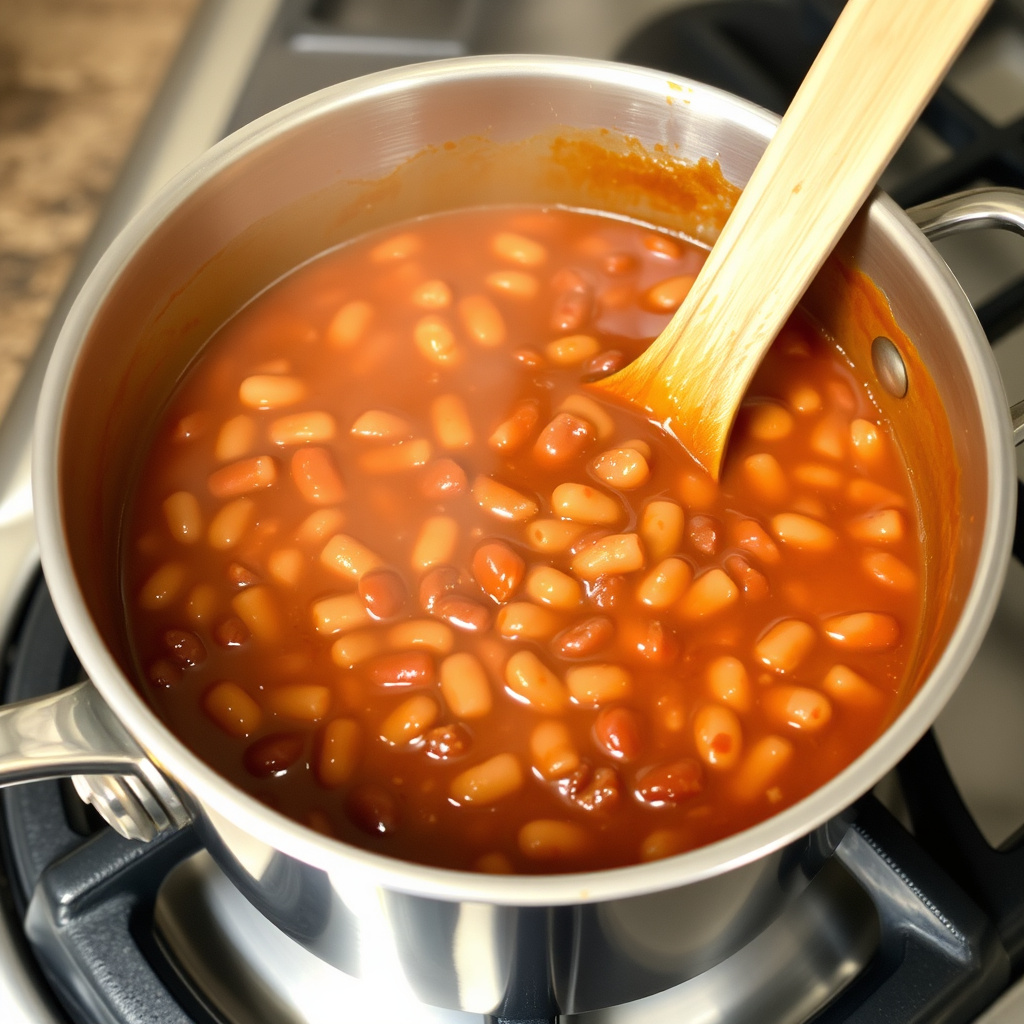
The sauce typically combines sweet, tangy, and smoky elements. Brown sugar or molasses provide caramelized sweetness, while mustard and Worcestershire sauce add depth and tang. Tomato paste or ketchup acts as a base, giving the sauce body and subtle acidity. Aromatics like onion and garlic enhance savory notes.
Smoked paprika or liquid smoke gives the signature BBQ flavor without overpowering the beans. Balancing sweetness with a bit of acidity and spice defines this sauce’s character. Experimenting with ingredient ratios allows you to tailor the sauce to your liking.
- Brown sugar or molasses for sweetness
- Yellow mustard for tang
- Worcestershire sauce for depth
- Tomato paste or ketchup for richness
- Smoked paprika or liquid smoke for smoky flavor
For more on this, see our related guide: How to Make Homemade BBQ Sauce from Scratch: A Step-by-Step Guide.
Preparing the Sauce
Begin by sautéing finely chopped onions and garlic in a bit of oil until translucent. Then, add the wet ingredients like tomato paste, mustard, and Worcestershire sauce along with sugar and spices. Simmer the mixture to meld flavors and thicken slightly before folding in the beans.
This preparation ensures that the sauce is flavorful and coats the beans nicely without being too runny or overly sweet. Adjust seasoning as needed during cooking to balance the overall taste.
Adding Meat and Flavor Enhancers for BBQ Baked Beans
Including Bacon or Other Meats
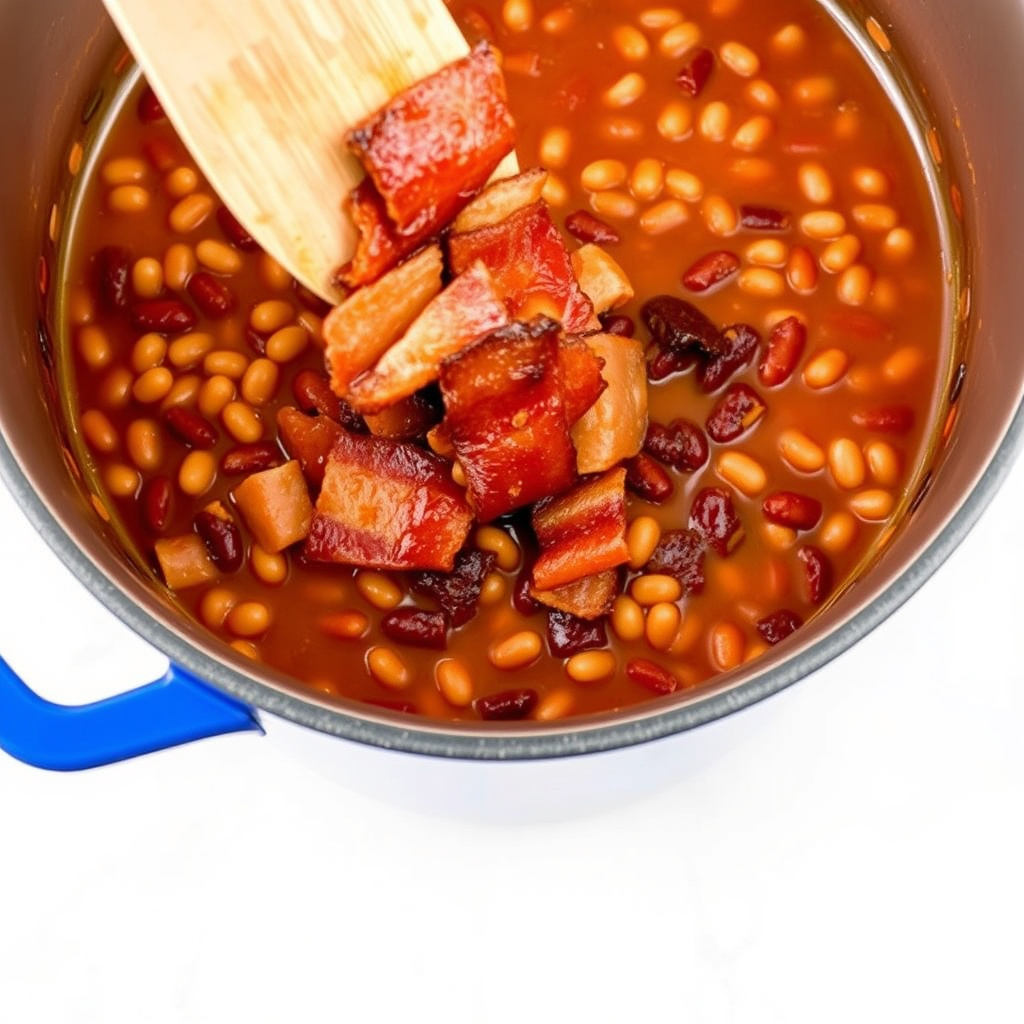
Bacon is a classic addition, providing rich smokiness and savory depth. Cook diced bacon until crisp before adding it to the beans and sauce. Alternatively, smoked sausage, ham hock, or leftover pulled pork can also impart hearty flavor and texture.
The fat rendered from these meats integrates into the sauce, enriching both taste and mouthfeel. If cooking for vegetarians, consider using smoked paprika and liquid smoke as meat substitutes.
- Crisp cooked bacon for smoky richness
- Smoked sausage or ham hock alternatives
- Pulled pork for additional texture and flavor
- Use smoked spices for vegetarian versions
Other Flavor Enhancers
Adding a splash of apple cider vinegar brightens and balances the sweetness of the sauce. Some recipes include chopped green chilies or cayenne pepper for a subtle kick. Fresh herbs like thyme or bay leaves impart aromatic complexity when baked along with the beans.
Finishing with a bit of black pepper and adjusting salt levels after baking ensures the flavor profile suits your taste perfectly.
Cooking Methods for Baked Beans at BBQ
Oven Baking Method
Traditional baked beans are cooked low and slow in the oven to develop thick sauce and deep flavor. Transfer the bean mixture to a covered casserole dish or Dutch oven and bake at around 300°F (150°C) for 2 to 3 hours, stirring occasionally. The long bake lets flavors meld and thickens the sauce.
Covering the dish traps moisture to keep beans tender but uncovered time towards the end can help caramelize the top for extra texture. Use an oven-safe dish for best results.
- Preheat oven to about 300°F (150°C)
- Bake covered for 2-3 hours
- Stir occasionally for even cooking
- Uncover near end for caramelization
For more on this, see our related guide: How to Make BBQ Sauce: A Step-by-Step Guide for Flavorful Results.
Grill and Slow Cooker Options
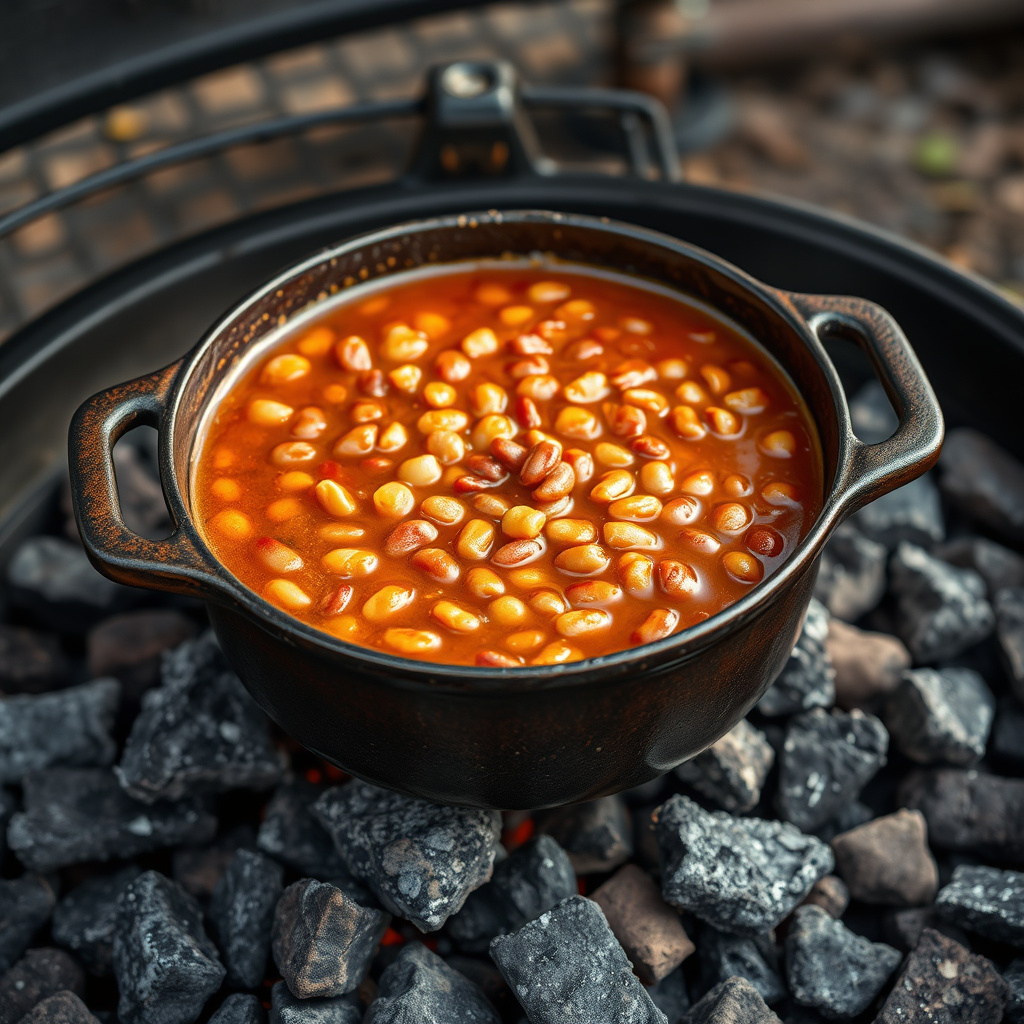
Cooking baked beans on the grill in a cast-iron pot adds natural smoky flavor from the charcoal or wood. Maintain indirect heat and cook with the lid closed for 2-3 hours, managing temperature carefully to avoid burning.
Alternatively, a slow cooker provides a convenient approach. Combine ingredients and cook on low for 6-8 hours or high for 3-4 hours, stirring occasionally. Both methods yield tender beans with rich flavor suited for BBQ gatherings.
- Use indirect heat on grill with lid closed
- Cook in cast-iron pot for authentic flavor
- Slow cook on low for 6-8 hours or high 3-4 hours
- Stir occasionally to prevent sticking
Serving and Storing Your Baked Beans for BBQ
Serving Suggestions
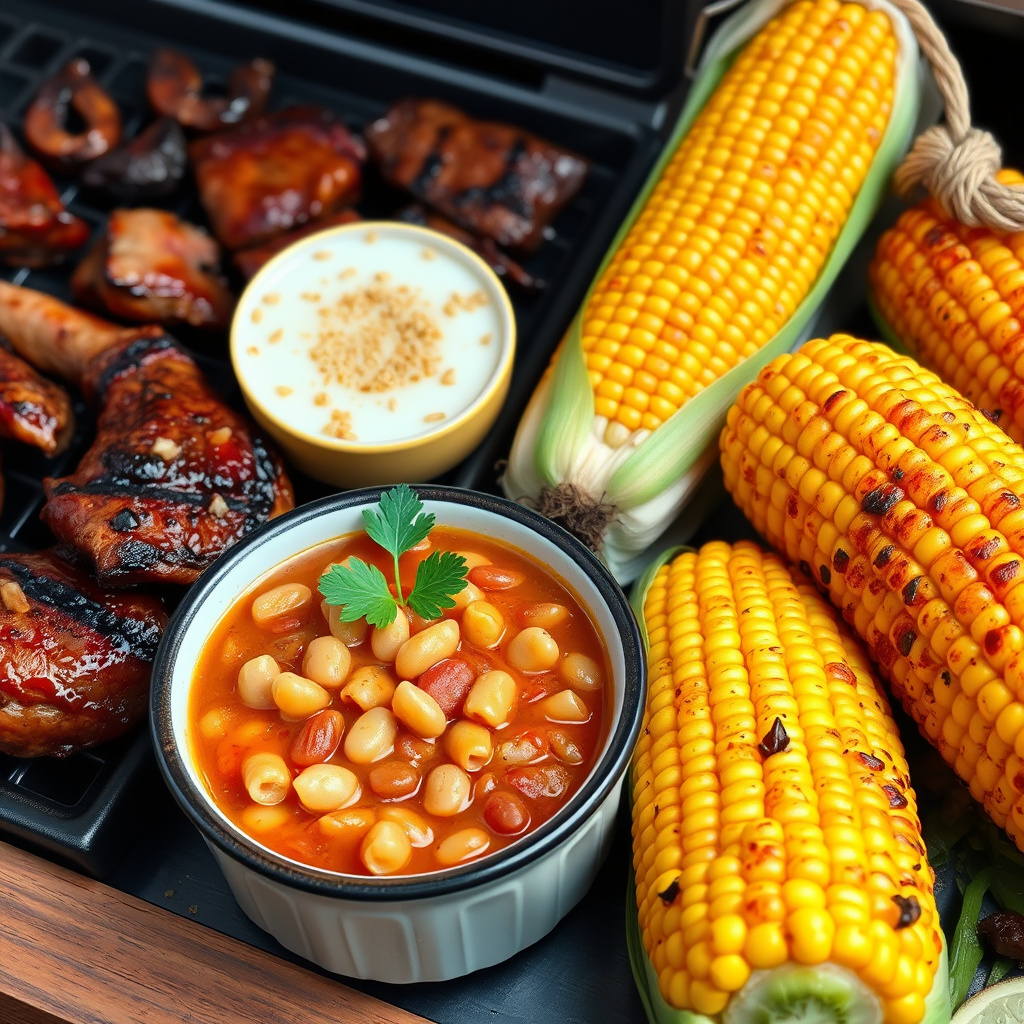
Baked beans are a fantastic side for smoked ribs, grilled burgers, hot dogs, or chicken at your BBQ. Garnish with chopped fresh herbs like parsley or green onions for a fresh pop of color and flavor. Serving warm helps maximize the comforting appeal.
You can also use baked beans as a filling for BBQ sandwiches or a topping for baked potatoes, extending their versatility beyond the traditional side dish.
For more background on baked beans, including their history and traditional cooking methods, see this detailed overview. baked beans history and preparation.
Storage Tips and Reheating
Store leftovers in an airtight container in the refrigerator for up to four days. The beans continue to thicken and develop flavor when refrigerated. Reheat gently on the stovetop or microwave, adding a splash of water or broth if the sauce becomes too thick.
Baked beans freeze well in sealed containers for up to three months. Thaw overnight in the refrigerator before reheating to maintain the best texture and flavor.
- Refrigerate up to 4 days in airtight container
- Freeze for up to 3 months with proper sealing
- Reheat gently and add moisture if thick
- Thaw overnight for best results
Baked Beans for BBQ Cooking Method Comparison
Here’s an overview comparing common cooking methods for baked beans tailored to BBQs, highlighting key differences to help you choose.
| Cooking Method | Time Required | Flavor Impact | Convenience | Texture |
|---|---|---|---|---|
| Oven Baking | 2-3 hours | Rich, deep, and caramelized | Moderate – requires stove/oven use | Creamy with slight crust if uncovered |
| Grill Cooking | 2-3 hours | Smoky, grilled flavor | Lower – uses BBQ grill indirectly | Tender with a subtle smoky crust |
| Slow Cooker | 3-8 hours | Mild, evenly cooked | High – set and forget | Soft, uniform texture |
| Stovetop Simmering | 1-2 hours | Less caramelized, more saucy | High – active attention needed | Softer, less thick sauce |
Frequently Asked Questions
Can I use canned beans for baked beans at BBQ?
Yes, canned beans are a great shortcut for baked beans at BBQ. Rinse them to reduce sodium and prevent a watery sauce, then mix into your sauce and cook to meld flavors.
How do I get smoked flavor into baked beans without meat?
Use smoked paprika, liquid smoke, or smoked salt to add smoky flavor to vegetarian baked beans without using meat products.
What sweeteners work best in baked beans sauce?
Brown sugar and molasses are traditional sweeteners that provide rich, caramel-like depth to baked beans sauce. Maple syrup can be used for a different sweetness profile.
Can baked beans be made ahead for a BBQ?
Absolutely. Baked beans can be prepared a day ahead, refrigerated overnight to deepen flavor, and reheated just before serving at your BBQ.
How thick should the sauce be for baked beans?
The sauce should be thick enough to coat the beans without being runny. It often thickens during baking or simmering but can be adjusted with slow cooking or by adding tomato paste.
Key Takeaways
- Navy beans are preferred for creamy-textured baked beans at BBQs.
- Balanced sauce with molasses, mustard, and smoked spices defines authentic flavor.
- Adding bacon or smoked meats enriches the dish with depth and smokiness.
- Cooking method—oven, grill, or slow cooker—affects texture and convenience.
Conclusion
When deciding how to make baked beans for BBQ, think about which method fits your available time and equipment, as well as your preferred flavor and texture. Oven baking offers classic caramelized richness, while grilling adds a distinctive smoky note. Slow cookers provide ease, especially when juggling other cooking tasks. The choice of beans and the richness of the sauce also greatly impact the final dish’s success.
For those aiming for tradition, oven-baked beans with navy beans, molasses, and bacon deliver the quintessential BBQ side. Vegetarians and lighter preferences can try versions with smoked paprika and no meat, still capturing the essence of BBQ flavor. Grill cooking in a cast-iron pot imparts lovely smoky nuances that pair perfectly with barbecued meats. Slow cookers suit busy cooks who want to set and forget while still achieving tender, flavorful beans.
To start, choose your preferred cooking method and gather quality ingredients such as navy beans and molasses. Prep your beans carefully and customize the sauce to your taste. Baked beans can be made ahead and stored easily, making them a reliable crowd-pleaser at any BBQ. Trying different variations will help you perfect your personal recipe for this beloved dish.