Smoked baked beans combine the rich, savory flavors of slow cooking with an irresistible smoky aroma created by using wood smoke or smoked ingredients. To make smoked baked beans, start by soaking dry beans, then cook them gently with a combination of smoked meats or smoked spices, sweeteners like brown sugar or molasses, and a tomato-based sauce, finishing either in a smoker or oven for a tender, deeply flavored result.
This dish stands out because it balances sweetness, smokiness, and tang to create a comforting side that's perfect for barbecues, potlucks, or hearty family meals. The smoking process adds layers of flavor that regular baked beans can’t match, making the dish both versatile and satisfying.
In this guide, you’ll find detailed instructions on preparing the beans, selecting the right smoked ingredients, and cooking techniques whether using a traditional smoker, grill, or your oven. Additionally, you’ll learn tips for seasoning, texture adjustments, and variations to suit your taste preferences.
Choosing and Preparing the Beans for Smoked Baked Beans
Selecting the Best Beans
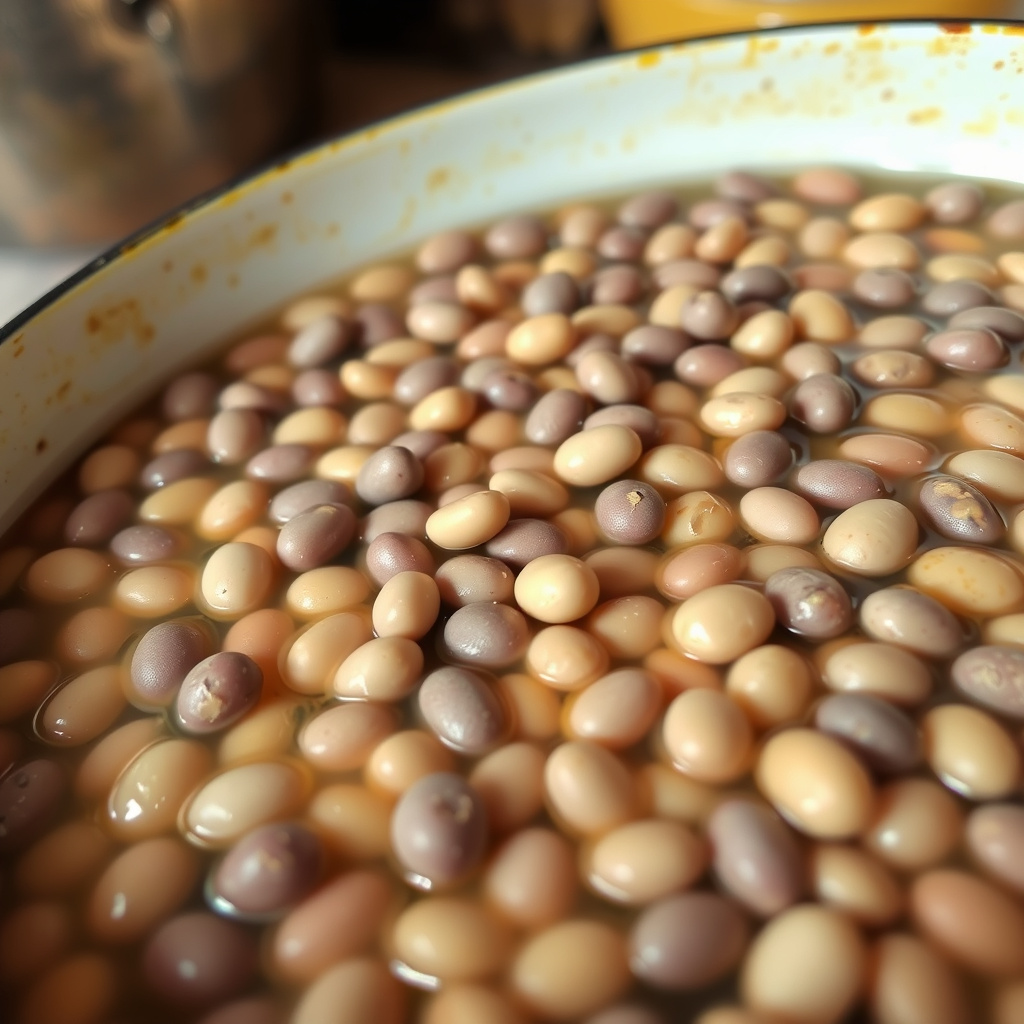
Navy beans are the classic choice for baked beans because they absorb flavors well and become creamy when cooked. Other good options include pinto beans and great northern beans, which offer a slightly firmer texture. Avoid canned beans for this recipe, as soaking and slow cooking dried beans produce superior flavor and texture.
Raw, dried beans require soaking for at least 6–8 hours or overnight to reduce cooking time and improve digestibility. Quick-soak methods can be used, but soaked beans develop a better texture and absorb smoky seasoning more effectively.
- Navy beans – tender and mild
- Pinto beans – earthier flavor
- Great northern beans – firm and hearty
- Avoid canned beans for best results
Preparing Beans Before Smoking
After soaking, rinse beans thoroughly and cook them partially on the stovetop until they are nearly tender but still hold shape. This pre-cooking step helps control the final texture and prevents them from becoming mushy during smoking or baking.
Season the cooking water with bay leaves, garlic, and onion to infuse base flavor. Avoid adding salt until beans are soft, as salt can toughen their skins during early cooking.
- Rinse soaked beans thoroughly
- Simmer with aromatics until almost tender
- Add salt only toward the end of cooking
Incorporating Smoke Flavor Into Baked Beans
Using Smoked Meats for Depth
Traditional smoked baked beans often include smoked pork, such as bacon, ham hocks, or smoked sausage. These add both smoke aroma and richness. Start by rendering bacon or frying sausage to develop a flavorful base fat that blends with the beans and sauce.
If you prefer a meatless option, smoked paprika and liquid smoke are alternatives. However, real smoked meat imparts a complexity that synthetic flavors can’t fully replicate.
- Smoked bacon or ham hocks add richness
- Rendering fat adds savory depth
- Smoked sausage for a hearty option
- Smoked paprika or liquid smoke for vegetarian beans
For more on this, see our related guide: How to Make Baked Beans for BBQ: A Flavorful and Easy Recipe.
Smoking the Beans vs. Using Smoked Ingredients
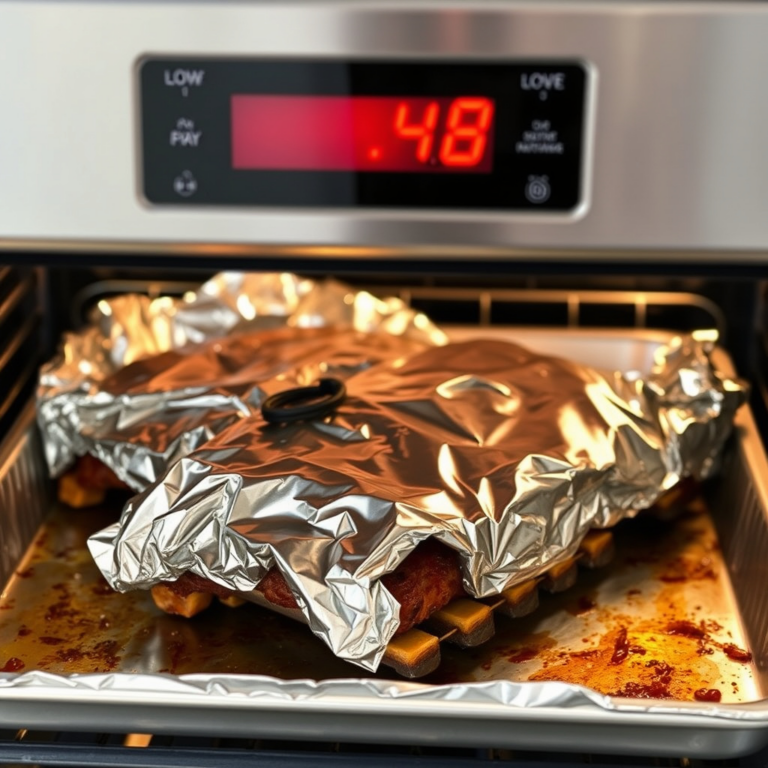
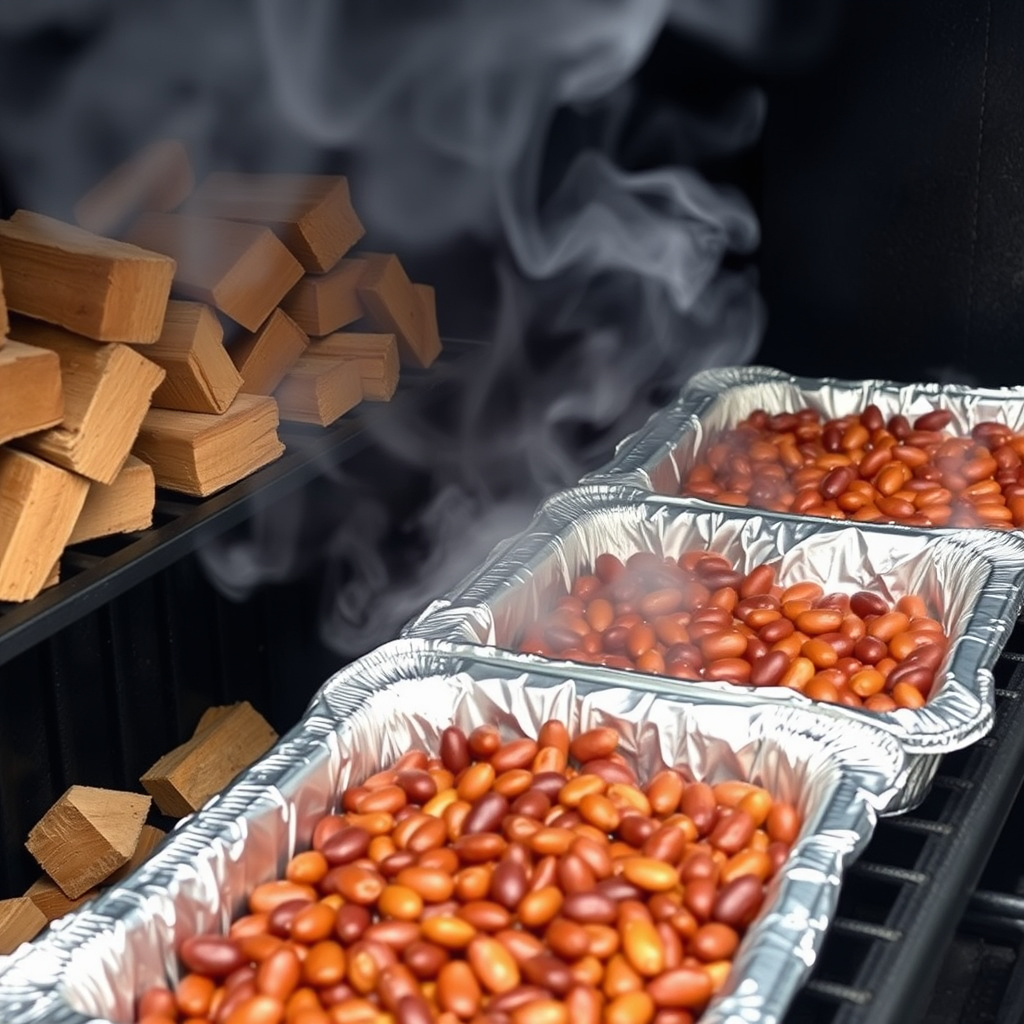
You can smoke the beans directly on a grill or smoker using indirect heat and soaking wood chips to produce smoke. This allows the beans to absorb subtle smoke flavor while baking, especially if they are placed in a covered dish or foil pan.
Alternatively, bake the beans in the oven after combining with smoked ingredients and spices to infuse flavor. While this method won’t have as intense a smoke profile, it’s more accessible and still yields delicious results.
- Smoking beans directly for pronounced flavor
- Using indirect heat to avoid drying
- Oven baking with smoked ingredients for ease
Crafting the Perfect Sauce for Smoked Baked Beans

Core Ingredients of a Smoky Bean Sauce
The sauce typically combines tomato paste or ketchup for acidity and body, molasses or brown sugar for sweetness, and mustard for tang and a slight bite. Vinegar such as apple cider vinegar adds brightness to balance the sweetness and fat.
Season with black pepper, smoked paprika, and Worcestershire sauce to complement the smoky meats and beans. Adjust sweetness and acidity gradually to tailor the flavor to your preference.
- Tomato paste or ketchup for base
- Molasses or brown sugar for sweetness
- Mustard for tang
- Apple cider vinegar to balance flavors
- Smoked paprika and black pepper for spice
Balancing Sweetness and Smoke
Taste testing throughout the cooking process is key. Start with modest amounts of sweetener, as the natural sweetness in beans and smoked meats can add depth. Overly sweet baked beans risk losing the smoky character.
If using liquid smoke, add sparingly to avoid overpowering the sauce. The goal is a balanced interplay of aromas where smoke enhances but doesn’t dominate the flavor profile.
- Add sweeteners gradually
- Use liquid smoke carefully
- Taste often during cooking
Techniques for Cooking Smoked Baked Beans
Smoking and Baking Methods
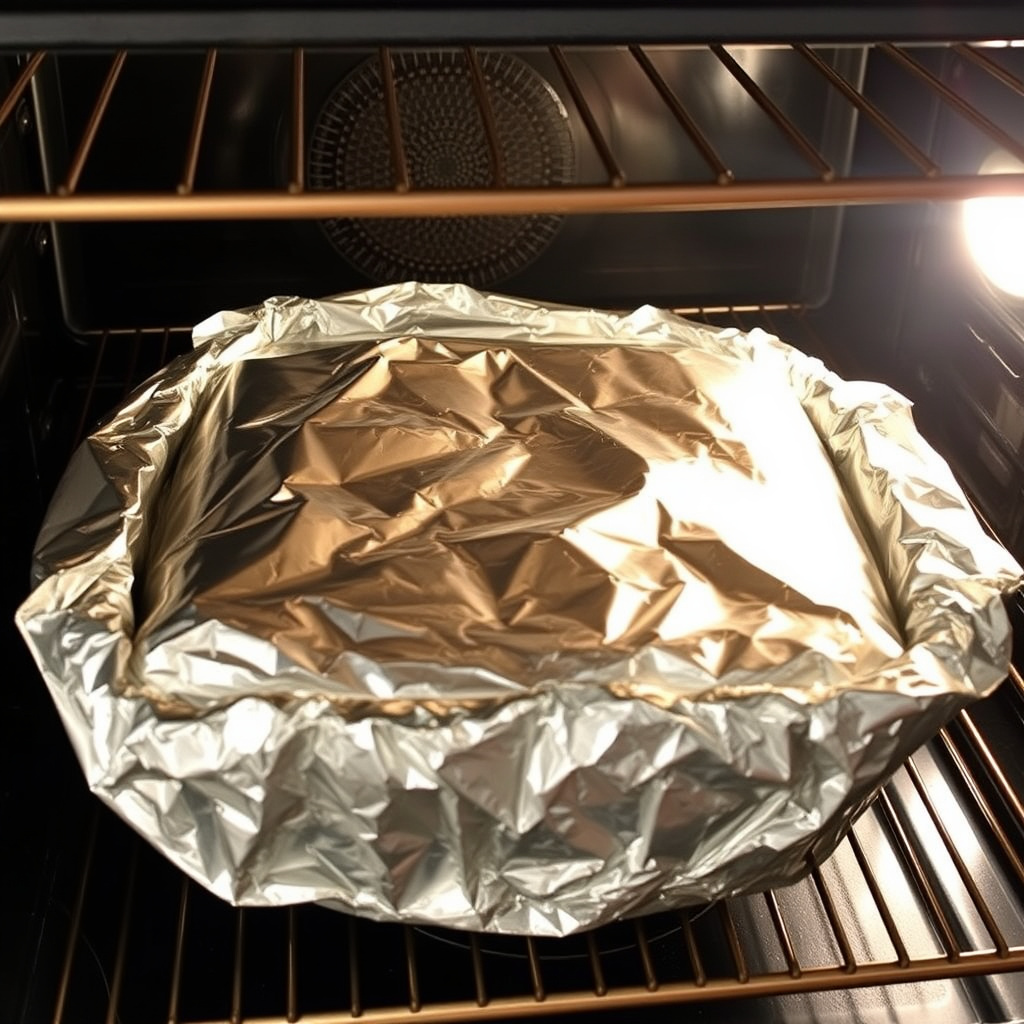
Slow baking the beans covered in the oven at around 275–300°F allows flavors to meld and beans to soften without drying. If you have a smoker, placing beans in a foil pan inside the smoker for 2-3 hours infuses authentic smoke flavor while simmering gently.
Keep an eye on moisture and stir occasionally to prevent sticking. Add small amounts of water or broth if sauce thickens too much before beans reach desired tenderness.
- Slow bake at 275–300°F covered
- Smoke for 2-3 hours if possible
- Stir periodically to prevent drying
- Add moisture as needed
For more on this, see our related guide: How to Make Homemade BBQ Sauce from Scratch: A Step-by-Step Guide.
Storing and Reheating Smoked Baked Beans
Smoked baked beans taste even better the next day after resting, as flavors deepen. Cool completely before refrigerating in an airtight container for up to 5 days or freeze for longer storage.
Reheat slowly on the stovetop over low heat, adding a splash of water or broth to loosen sauce. Avoid high heat to prevent splitting or burning.
- Refrigerate airtight up to 5 days
- Freeze for longer storage
- Gentle reheating on stovetop
- Add liquid when reheating
Variations and Tips for Smoked Baked Beans
Vegetarian and Vegan Options
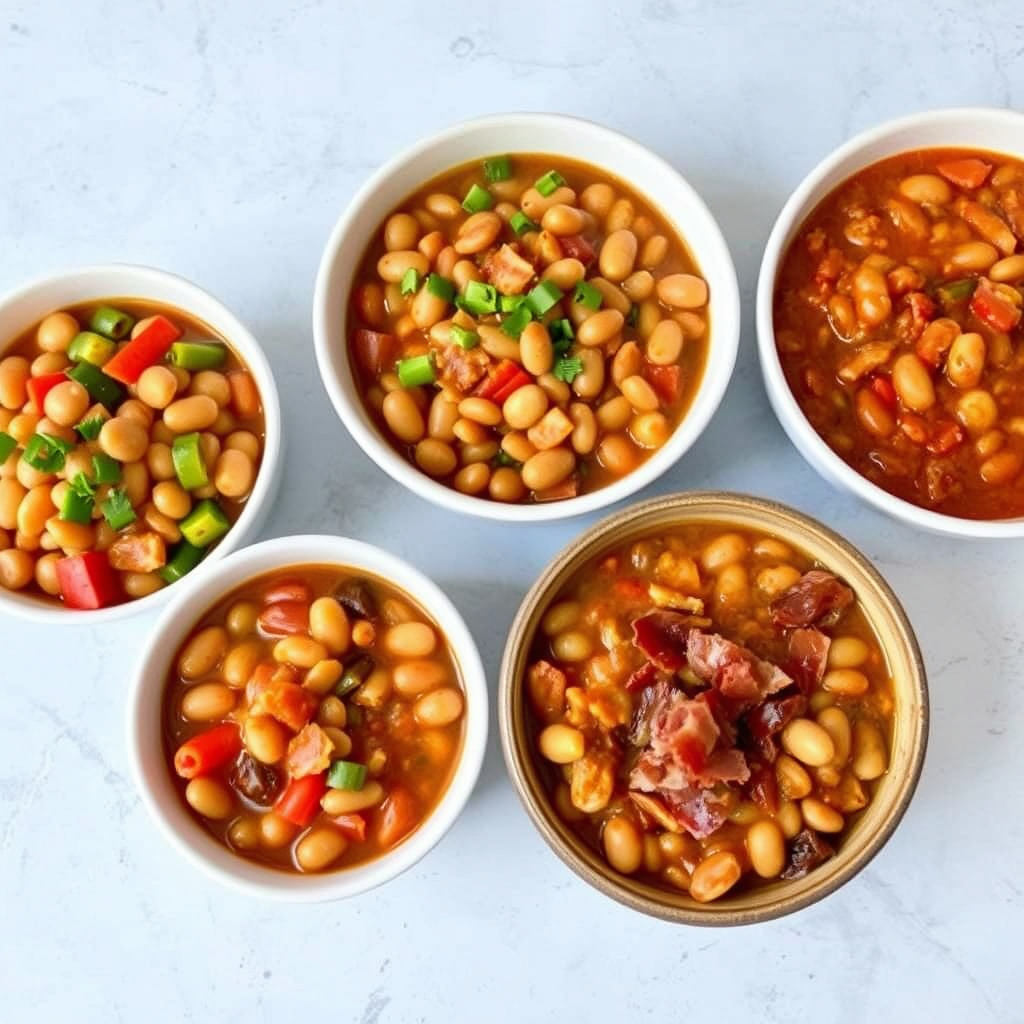
Skip smoked meats and substitute smoked paprika, liquid smoke, or smoked salt to recreate smoky notes. Use maple syrup or molasses for sweetness and vegetable broth instead of meat stock. Adding sautéed mushrooms can provide umami depth.
Ensure all sauces and seasonings are vegan-friendly, especially Worcestershire sauce, which often contains anchovies.
- Use smoked paprika or liquid smoke
- Maple syrup for sweetener
- Vegetable broth base
- Umami from mushrooms or soy sauce
For more history and variations of baked beans, see the comprehensive Baked bean Wikipedia article. Baked bean Wikipedia article.
Adding Spice and Texture
For a spicier version, add cayenne, chipotle powder, or hot sauce. Finely diced peppers or jalapeños can introduce heat and texture contrast. Some recipes incorporate crunchy additions like chopped onions or bell peppers added late in cooking.
Experimenting with different wood chips like hickory, apple, or mesquite also alters the smoke profile, allowing customization based on personal taste.
- Cayenne or chipotle for heat
- Diced peppers for texture
- Onions or bell peppers added late
- Different wood chips affect smoke flavor
Smoked Baked Beans Cooking Methods Comparison
Here’s a comparison of common cooking approaches for smoked baked beans, highlighting flavor intensity, ease, and equipment needs.
| Method | Smoke Flavor Intensity | Equipment Required | Time Required |
|---|---|---|---|
| Oven Baking with Smoked Ingredients | Medium | Oven only | 3-4 hours |
| Smoking in a Smoker | High | Smoker or grill with wood chips | 4-5 hours |
| Slow Cooker with Liquid Smoke | Low to Medium | Slow cooker | 6-8 hours |
| Stovetop Simmering with Smoked Meats | Medium | Pot on stove | 2-3 hours |
Frequently Asked Questions
Can I use canned beans to make smoked baked beans?
While canned beans can save time, they don’t absorb smoky flavors as well and may become mushy when cooked further. For best results, use soaked dried beans and cook them slowly.
What type of wood is best for smoking baked beans?
Fruitwoods like apple or cherry provide mild, sweet smoke flavors that complement baked beans, while hickory and mesquite offer stronger, more assertive smokiness. Choose based on your flavor preference.
How do I make smoked baked beans vegetarian?
Substitute smoked meats with smoked paprika, liquid smoke, or smoked salt and use vegetable broth. Adding mushrooms enhances savory depth without meat.
How long should smoked baked beans be cooked?
Typically, after pre-cooking the beans, smoking or baking takes 2 to 5 hours at low heat, depending on the method, ensuring beans are tender and flavors meld properly.
Can I prepare smoked baked beans ahead of time?
Yes, smoked baked beans often taste better the next day. Store them in the fridge and gently reheat on the stovetop with a splash of liquid before serving.
Key Takeaways
- Use dried, soaked beans for best texture and flavor absorption
- Smoked meats or smoked spices are essential for authentic smoke flavor
- Slow cooking and gradual flavor adjustments create balanced sauce
- Smoking beans directly intensifies smoky flavor but oven methods work well too
Conclusion
Making smoked baked beans involves combining simple ingredients with techniques that develop deep, layered flavors. Prioritizing good-quality dried beans, incorporating authentic smoked meats or spices, and slow cooking or smoking the beans are the core decisions shaping the final dish. Investing time and attention in these steps ensures tender beans with a smoky, sweet, tangy sauce that impresses at any meal.
For dedicated smokers, placing beans in a smoker offers the richest smoke profile, while oven-baked methods using smoked bacon or smoked paprika deliver excellent flavor with more accessible equipment. Vegetarian versions using smoked salt and mushrooms provide full-bodied taste without meat. Adjust sweeteners and spices according to your preference to maintain a balanced, harmonious dish.
If you want to try smoked baked beans, start with the recipe you feel most comfortable with—whether that’s oven baking with smoked ingredients or using a smoker—and refine your technique over time. The rewarding, hearty results make this a standout dish that complements many meals, especially during outdoor gatherings and BBQs.