Making juicy burgers starts with selecting the right meat blend, handling it gently, and cooking it properly to avoid drying out the patty. Using beef with a higher fat content, like an 80/20 ratio, combined with minimal mixing and careful cooking temperatures will result in a flavorful, moist burger.
A juicy burger isn’t just about taste; texture and moisture retention significantly impact the eating experience. Overworking the meat or cooking it at too high a temperature often causes it to dry out. Understanding how fat and heat interact in burger preparation helps keep patties tender and flavorful.
This article will explore key factors such as choosing the right ground beef, forming patties, seasoning techniques, cooking methods, and finishing touches like resting and topping to help you master how to make juicy burgers consistently.
Choosing the Right Meat for Juicy Burgers
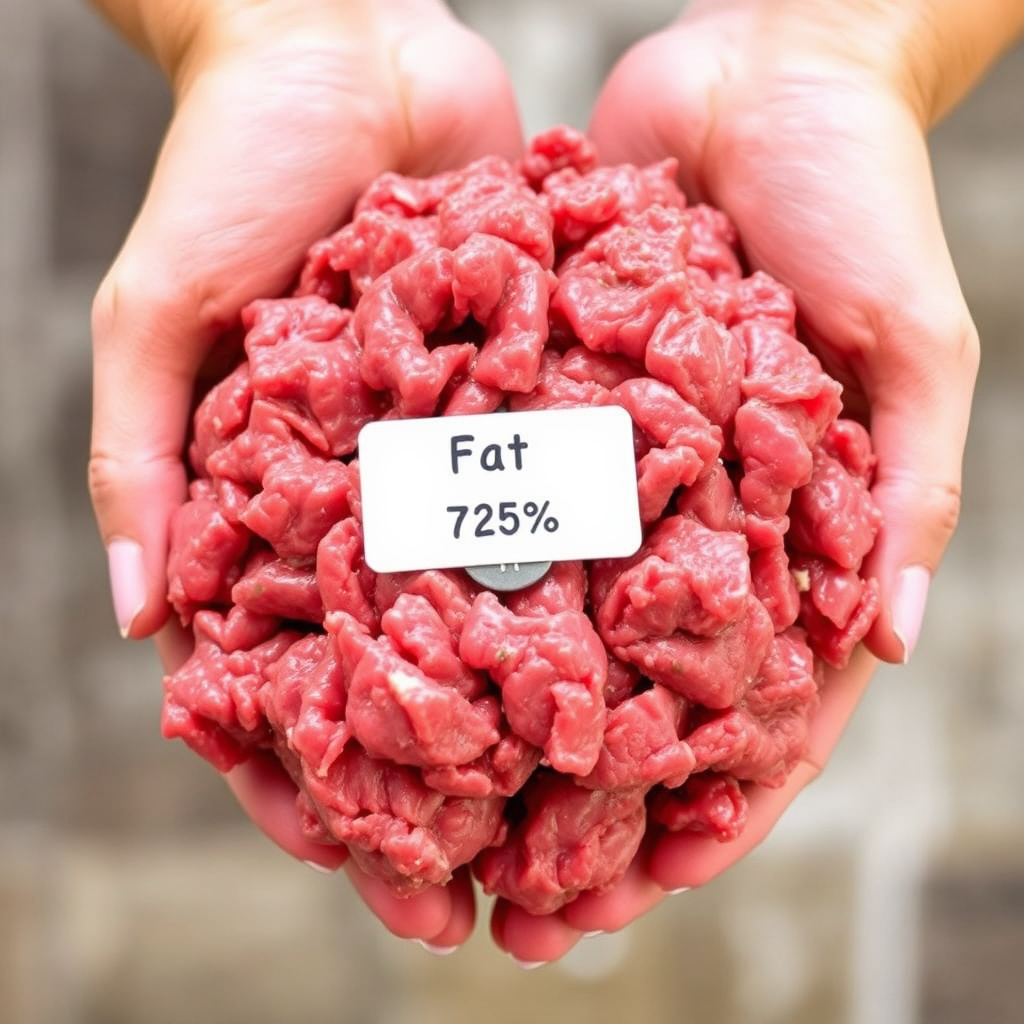
Selecting the ideal meat blend
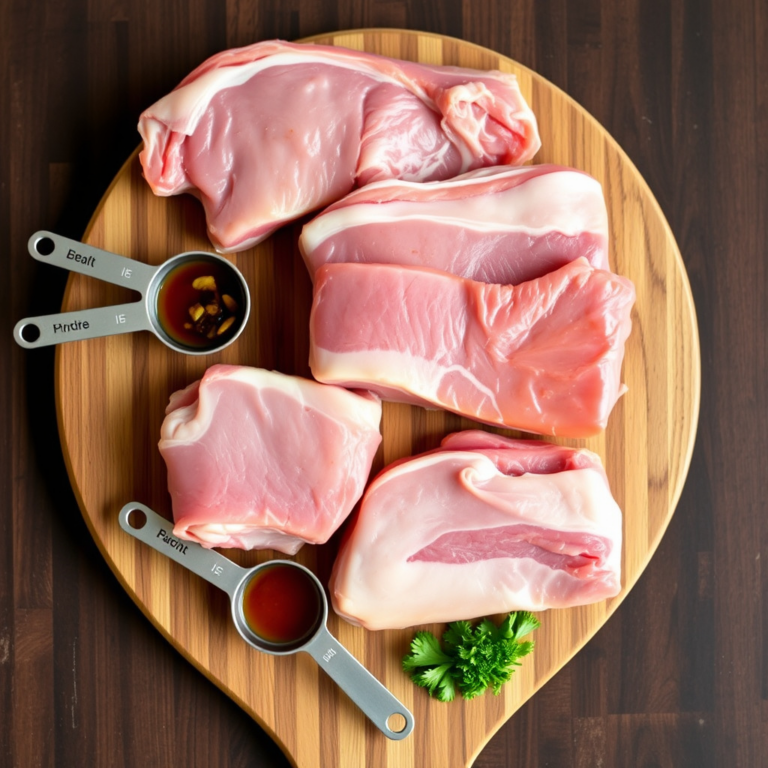
For juicy burgers, the fat content of the meat is critical. A blend with about 20% fat (typically 80/20 ground beef) provides enough moisture and flavor while maintaining a good texture. Leaner meat tends to dry out quickly, resulting in dry patties.
While some use blends with chuck and brisket or short rib to enhance flavor, sticking to fresh ground beef with the right fat ratio is a reliable starting point for juicy burgers.
- 80/20 ground chuck for juiciness
- Avoid too lean meats (like 90/10)
- Optional: blend in brisket or short rib for richness
Freshness and quality considerations
Freshly ground beef tends to retain moisture better than pre-packaged varieties that may have been exposed to air for extended periods. Buying from a trusted butcher or grinding at home ensures better texture and juiciness.
Look for meat with a bright red color and minimal liquid pooling to guarantee freshness, which impacts final burger quality.
Techniques for Forming Burger Patties
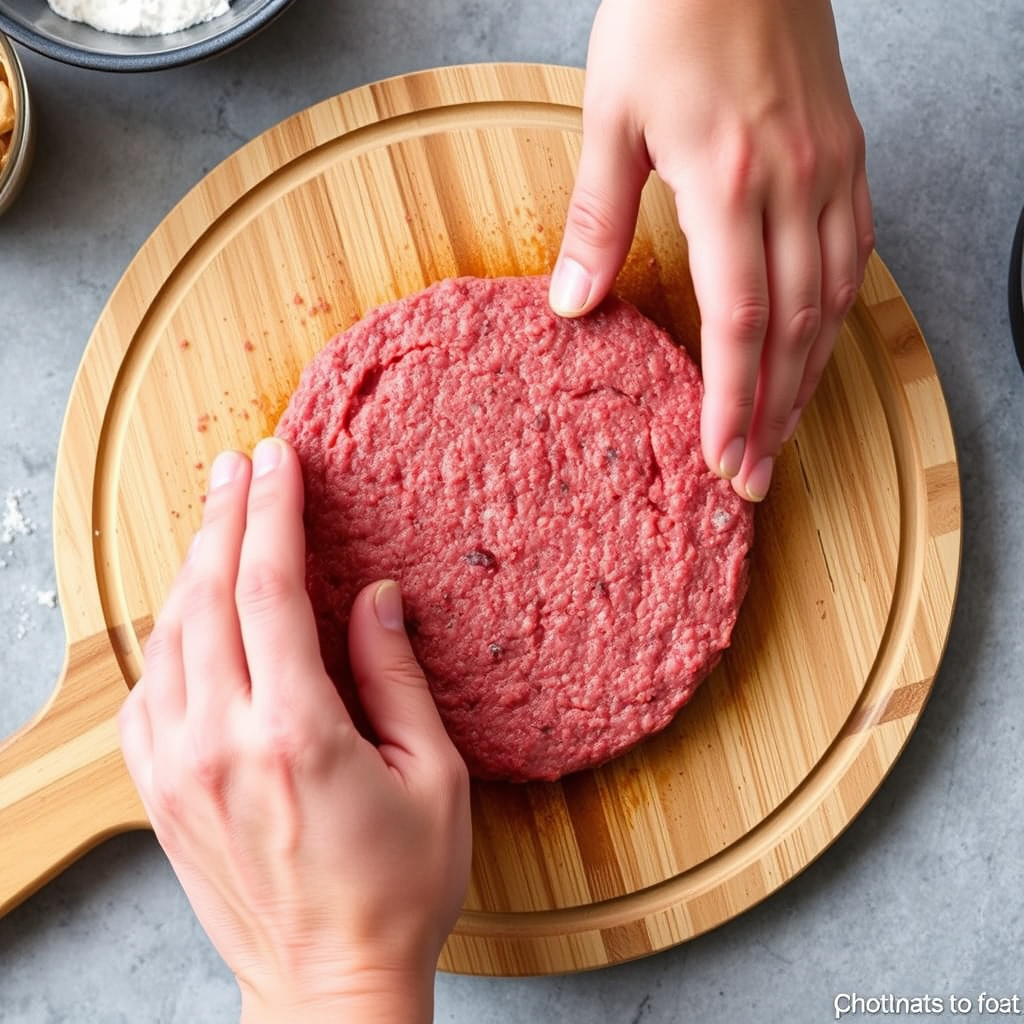
Handling meat to keep it tender
When forming patties, avoid over-mixing or compacting the ground beef too much. Gently shape the meat into patties just large enough to cover the bun, keeping the patty slightly thicker in the center to prevent puffing up during cooking.
Pressing a shallow indentation in the center helps the burger cook evenly and prevents it from doming while retaining moisture.
- Gently shape without compressing
- Make patties about ¾ inch thick
- Create a center dimple to prevent puffing
For more on this, see our related guide: How to Make Smash Burgers: A Step-by-Step Guide for Juicy Perfection.
Seasoning at the right time
Salt draws out moisture, so seasoning right before cooking rather than during patty formation helps retain juiciness. You can season both sides with salt and pepper immediately before placing on the heat.
Avoid mixing salt into the meat, which can toughen the texture. Instead, sprinkle seasoning evenly on the formed patties.
Cooking Methods for Maximum Juiciness
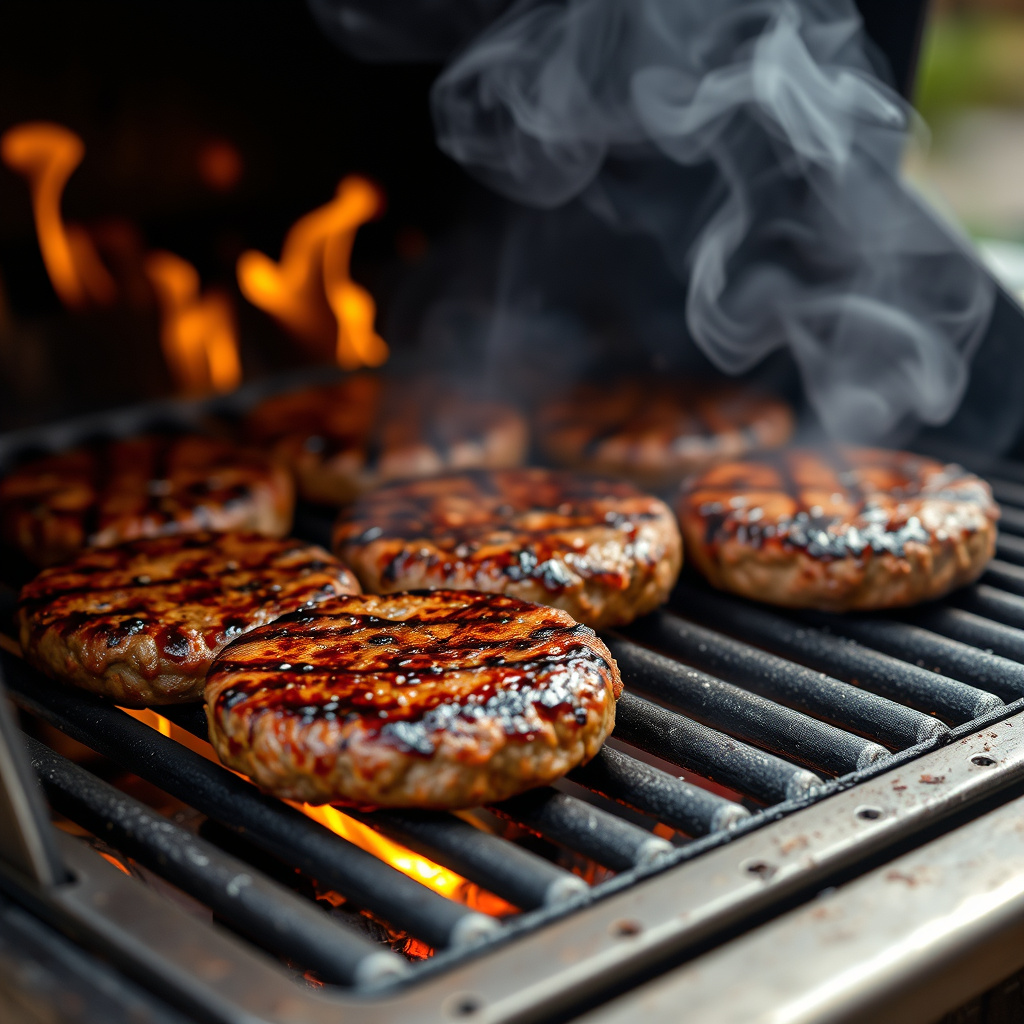
Grilling versus pan-searing
Grilling imparts smoky flavor but requires close attention to prevent overcooking. Pan-searing in a heavy skillet can produce a flavorful crust and consistent heat, locking moisture inside the burger.
Both methods require medium-high heat to sear quickly without drying the patty, preserving juiciness.
- Grill on medium-high heat for char and flavor
- Pan-sear with a cast-iron skillet for crust
- Avoid pressing patties down during cooking
Monitoring internal temperature
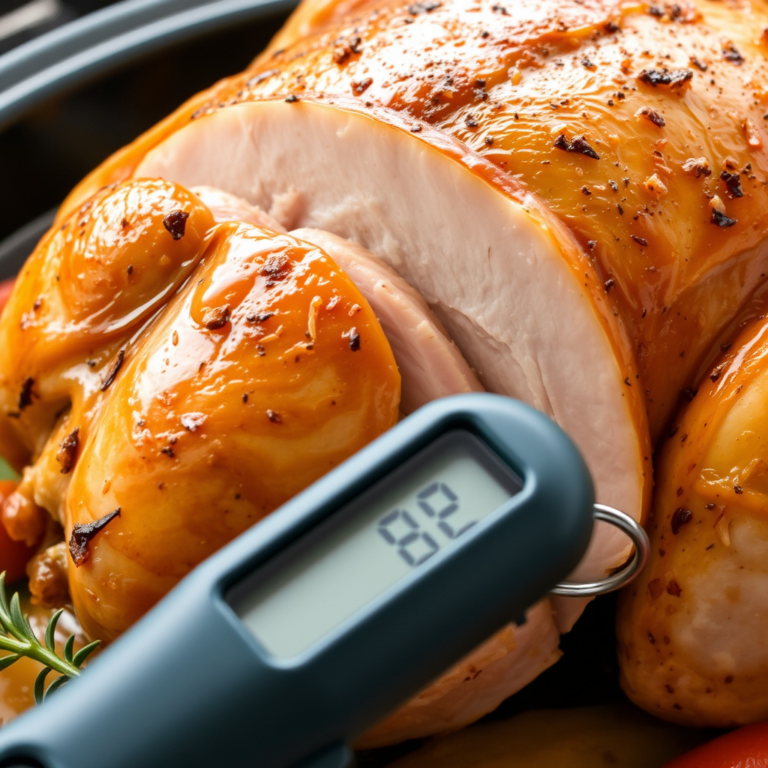
Using a meat thermometer to check doneness prevents overcooking. For juicy burgers, aim for medium-rare to medium doneness (130°F to 140°F internal temperature).
Cooking beyond medium risks drying out the meat as fat renders away and moisture escapes.
- Aim for 130-140°F for juiciness
- Rest burgers briefly after cooking
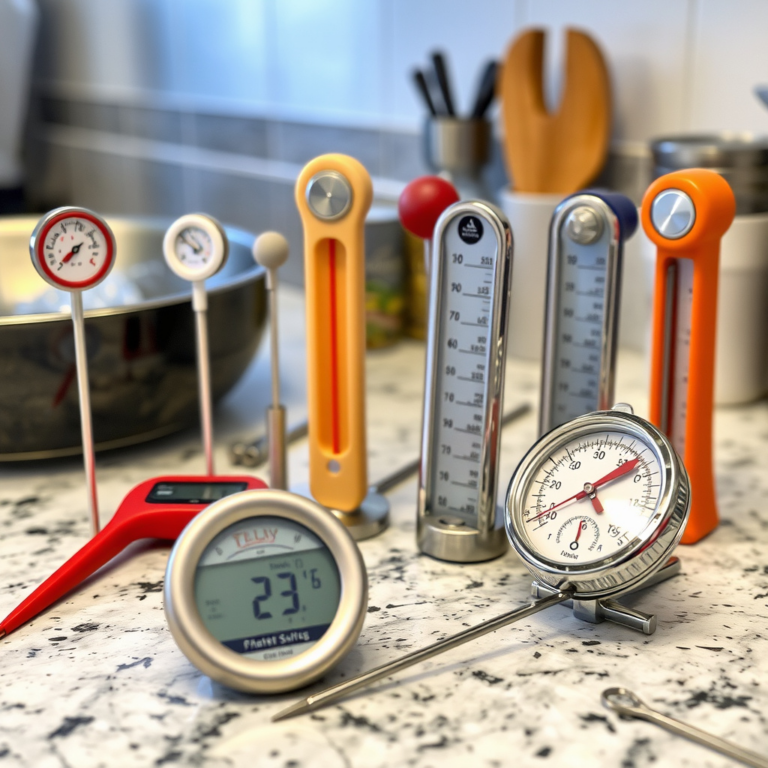
- Use instant-read thermometer for accuracy
Resting and Assembling Juicy Burgers
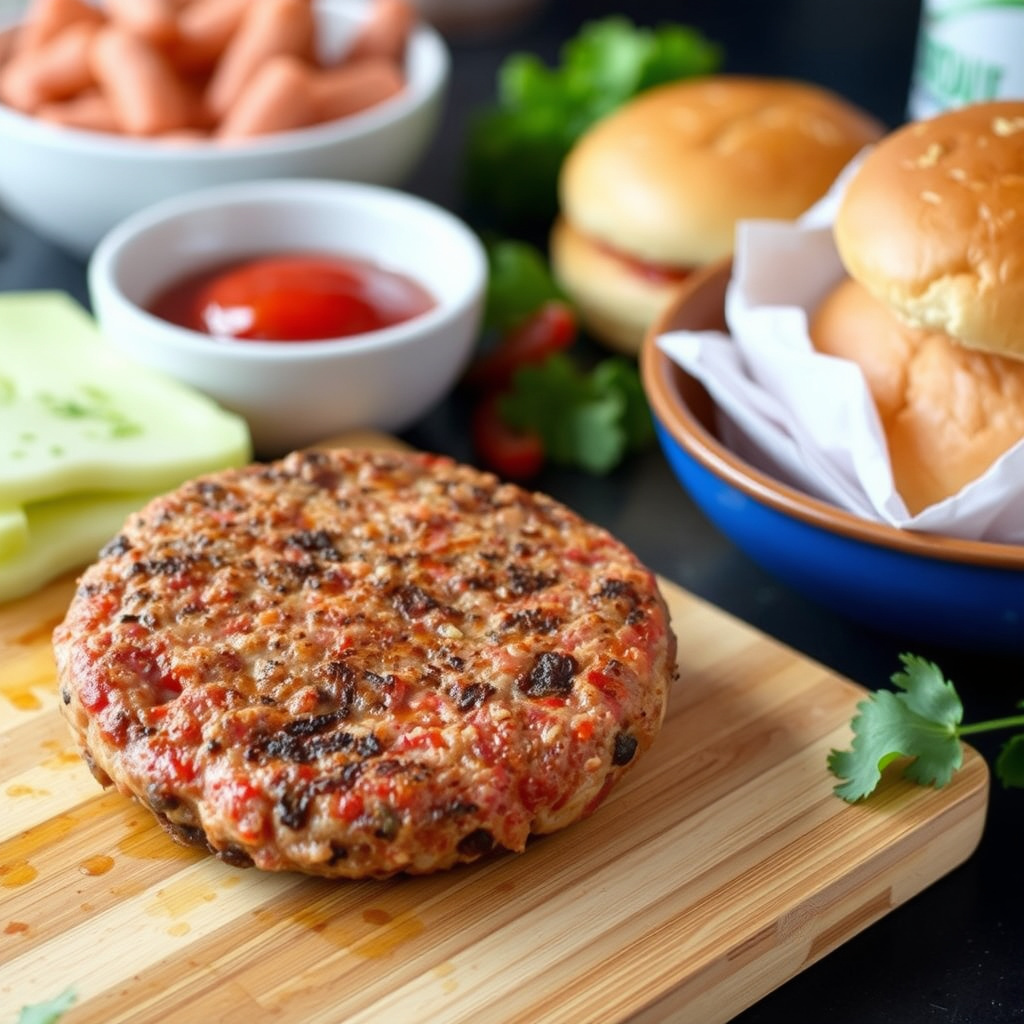
Letting burgers rest
Allowing burgers to rest for 3-5 minutes after cooking lets the juices redistribute throughout the patty. Cutting into the burger too soon can cause the flavorful juices to spill out, resulting in a drier bite.
Cover loosely with foil if necessary to keep warm while resting.
For more on this, see our related guide: How to Make a Burger Patty: A Step-by-Step Guide for Juicy, Flavorful Burgers.
Choosing toppings that complement juiciness
Moist toppings like ripe tomato, lettuce, pickles, and melted cheese add layers of flavor without overwhelming the burger. Avoid overly dry or crunchy toppings that compete with the patty’s tenderness.
Condiments like mayonnaise or sauces can also enhance mouthfeel and mimic juiciness.
- Ripe tomato slices
- Fresh lettuce leaves
- Melted cheese varieties
- Creamy condiments
Additional Tips to Enhance Burger Juiciness
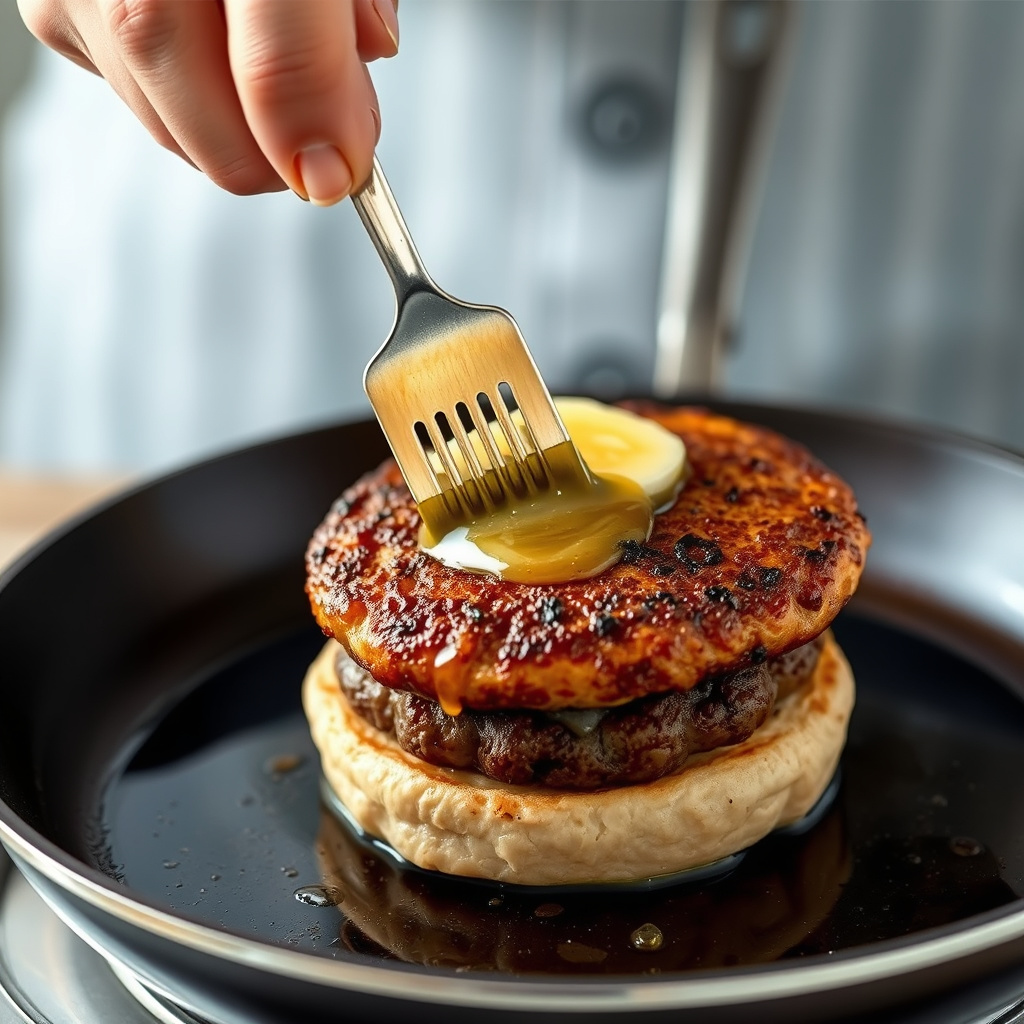
Using fat and moisture boosters
Incorporating small amounts of grated onion, bacon fat, or a bit of butter into ground beef can increase moisture and flavor. These natural fats help the burger stay juicy on the grill or pan.
Some cooks also mix in Worcestershire sauce or a splash of beef broth to keep the patties flavorful.
- Grated onion for moisture
- Butter or bacon fat inclusion
- Worcestershire sauce splash
For more details on ground beef types and fat content, consult the ground beef Wikipedia article. ground beef Wikipedia article.
Avoiding common juiciness mistakes
Pressing down burgers while cooking squeezes out juices that keep the meat moist. Flipping too many times also disrupts searing.
Cold patties should be brought closer to room temperature before cooking to ensure even doneness and juiciness retention.
- No pressing patties on the grill
- Flip only once
- Warm patties before cooking
Burger Cooking Methods Comparison
Here’s a quick comparison of popular burger cooking methods to see how they affect juiciness, flavor, and ease.
| Cooking Method | Flavor Impact | Juiciness Retention | Ease of Use |
|---|---|---|---|
| Grilling | Smoky, charred | High if monitored | Moderate – requires attention |
| Pan-Searing | Rich crust, buttery | Very high | Easy to control heat |
| Broiling | Even browning | Medium | Simple but less control |
| Sous Vide + Sear | Precise doneness | Highest juiciness | Requires equipment |
| Air Frying | Crispy outside | Medium | Convenient but less traditional |
Frequently Asked Questions
What fat content is best for juicy burgers?
An 80/20 ground beef blend, meaning 80% lean meat and 20% fat, is ideal for juicy burgers because the fat melts during cooking, keeping the patty moist and flavorful.
Should I mix seasoning into ground beef for burgers?
It’s better to season burgers on the surface just before cooking. Mixing salt into the meat can draw out moisture prematurely, leading to a dryer texture.
How do I prevent burgers from drying out on the grill?
Cook burgers over medium-high heat without pressing them, flip only once, and remove them at an internal temperature of 130-140°F to keep them juicy.
Is it important to let burgers rest after cooking?
Yes, resting burgers for a few minutes after cooking allows the juices to redistribute throughout the patty, making them more tender and juicy when eaten.
Can adding other ingredients improve burger juiciness?
Adding moisture and fat boosters like grated onion, butter, or a splash of Worcestershire sauce can increase juiciness and enhance flavor without altering texture significantly.
Key Takeaways
- Choose 80/20 ground beef for the best juiciness.
- Handle meat gently and season just before cooking.
- Cook to medium doneness with a reliable thermometer.
- Rest the burgers before assembling for maximum moisture.
Conclusion
Understanding how to make juicy burgers combines science and art. Selecting the right meat with sufficient fat, practicing gentle handling, and applying careful seasoning create the foundation. Cooking methods like grilling or pan-searing demand attention to temperature and timing to retain moisture while building flavor. Each step influences texture and juiciness, so mastering them together ensures a memorable burger experience.
For straightforward juicy burgers, using a fresh 80/20 ground chuck blend, lightly forming patties with a center dimple, and seasoning just before placing them on a moderate heat grill or cast-iron skillet works reliably. For advanced cooks, sous vide followed by a quick sear maximizes juiciness through precise temperature control. Lastly, simple practices like resting and choosing complementary toppings help preserve moisture and enhance eating pleasure across all burger styles.
Next time you plan a burger meal, remember that every detail, from meat selection to cooking technique, impacts juiciness. Start by sourcing quality ground beef, formed gently and cooked to medium, then adapt seasoning and cooking methods based on your preferences. With practice, making juicy burgers will become intuitive, turning every burger into a rich, flavorful delight.