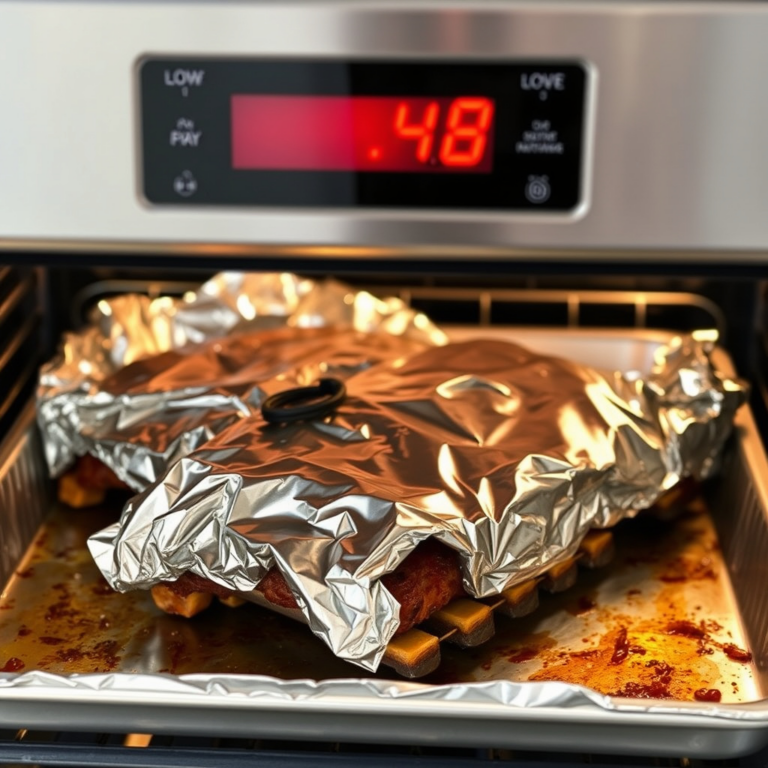
Making homemade BBQ sauce from scratch is surprisingly straightforward and rewards your cooking with vibrant, customizable flavors. By combining basic pantry ingredients like tomatoes, vinegar, sweeteners, and spices, you can create a sauce perfectly tailored to your taste preferences without relying on store-bought options.
Crafting your own BBQ sauce matters because commercial versions often contain preservatives, added sugars, and artificial flavors that might not suit your dietary needs. Homemade sauce also allows you to adjust the texture, heat, and sweetness levels to complement any type of grilled meat, vegetables, or sandwiches.
This article will guide you through essential techniques, ingredient choices, and variations for making BBQ sauce from scratch. You'll find detailed explanations on flavor balancing, cooking methods, storage tips, and a clear recipe to get you started on sauce-making at home.
Understanding the Core Ingredients in Homemade BBQ Sauce
Tomato Base and Its Variations
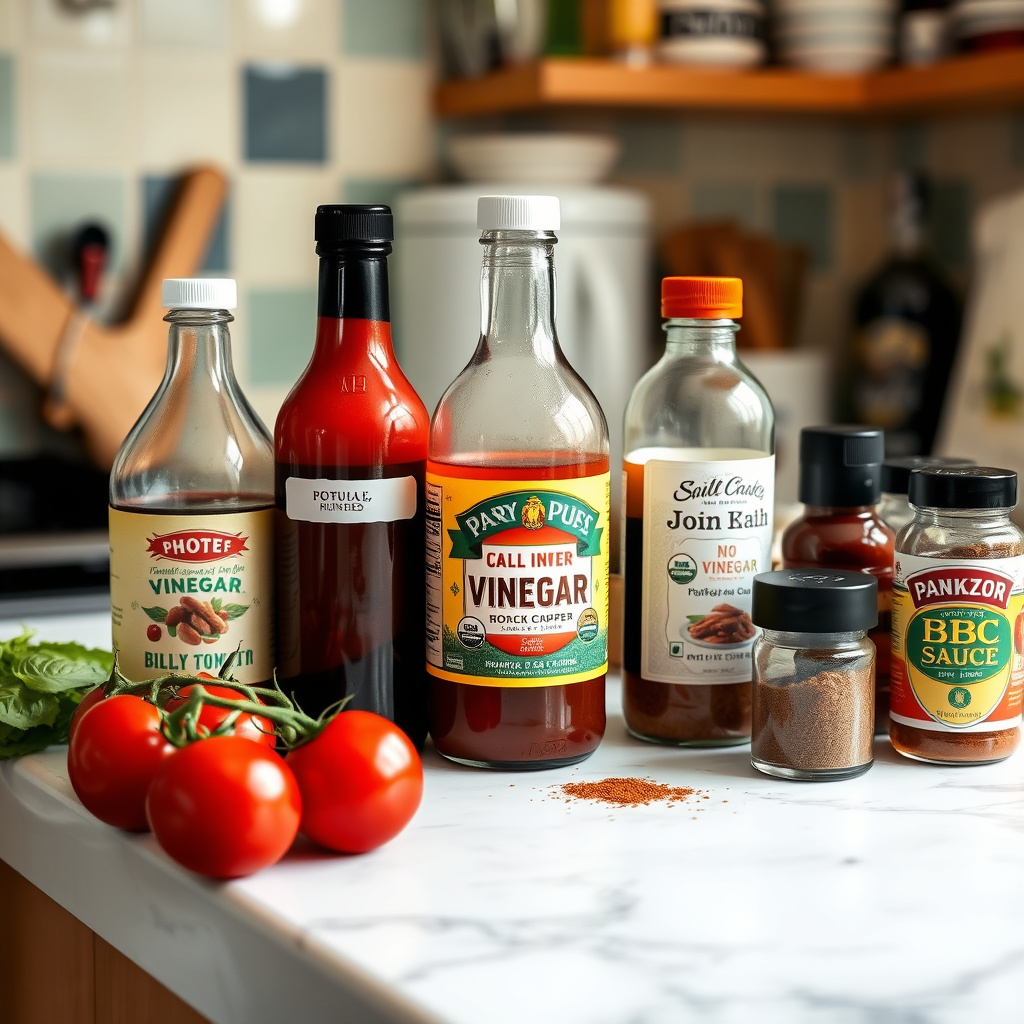
Tomatoes serve as the foundation of most BBQ sauces, providing body, color, and natural acidity. Common forms include ketchup, tomato paste, canned tomatoes, or fresh pureed tomatoes. Choosing the right base impacts the sauce's thickness and flavor intensity.
Ketchup offers convenience and sweetness but can limit customization. Tomato paste creates a thicker sauce that allows flavors to concentrate, while fresh tomatoes deliver a lighter, fresher character, which may require longer cooking to reduce water content.
Sweeteners and Their Flavor Profiles
Sweeteners balance the acidity and spice in BBQ sauce. Typical choices include brown sugar, molasses, honey, maple syrup, or even fruit preserves. Each adds a unique flavor note; molasses provides a rich, slightly bitter depth, while honey brings floral sweetness.
Adjusting sweetener amounts allows controlling the sauce's overall sweetness and texture. Combining multiple sweeteners can introduce complexity, such as mixing brown sugar with molasses, enhancing both caramel notes and moisture retention.
Incorporating Vinegar and Acidity Elements in BBQ Sauce

Types of Vinegar and Their Effects
Vinegar is crucial for adding brightness and a tangy punch to BBQ sauce, balancing sweetness and fat from the meat. Popular vinegars include apple cider, white distilled, balsamic, and red wine vinegar, each with distinct flavor profiles.
Apple cider vinegar is mild and fruity, commonly used in traditional American BBQ sauces. White distilled vinegar offers sharper acidity but less complexity. Balsamic vinegar adds sweetness and depth, better suited for richer sauces needing more body.
Balancing Acidity with Other Ingredients
Besides vinegar, elements like lemon juice or mustard can contribute acidity or sharpness. Proper balance avoids overpowering your sauce with sour notes. Taste as you cook and add acid in increments to fine-tune.
Incorporating acidity helps tenderize meats during cooking and enhances the overall flavor profile, making BBQ sauces that are lively without excessive harshness.
Spices and Flavor Enhancers for Customized BBQ Sauce

Common Spices and Their Roles
Key spices such as smoked paprika, garlic powder, onion powder, chili powder, and black pepper build the savory backbone of BBQ sauce. Smoked paprika adds subtle smokiness, while chili powder introduces warmth and complexity.
Garlic and onion powders offer umami depth, enhancing the sauce's overall richness. Adjusting spice types and quantities allows tailoring heat levels and flavor complexity to your preference.
- Smoked paprika for smokiness
- Chili powder for heat
- Garlic and onion powders for umami
- Black pepper for warmth
For more on this, see our related guide: How to Make BBQ Sauce: A Step-by-Step Guide for Flavorful Results.
Adding Heat and Unique Flavor Notes
For heat, cayenne pepper, hot sauce, or chipotle peppers can be added depending on how spicy you want the sauce. Chipotle peppers also contribute a smoky flavor, aligning well with BBQ profiles.
Additional enhancers like Worcestershire sauce or liquid smoke provide deeper savory notes, while mustard imparts a subtle tang and texture variation. Integrating these ingredients allows personalized sauces ranging from sweet and mild to bold and spicy.
Cooking Techniques for Rich, Layered BBQ Sauce
Simmering and Reduction Methods
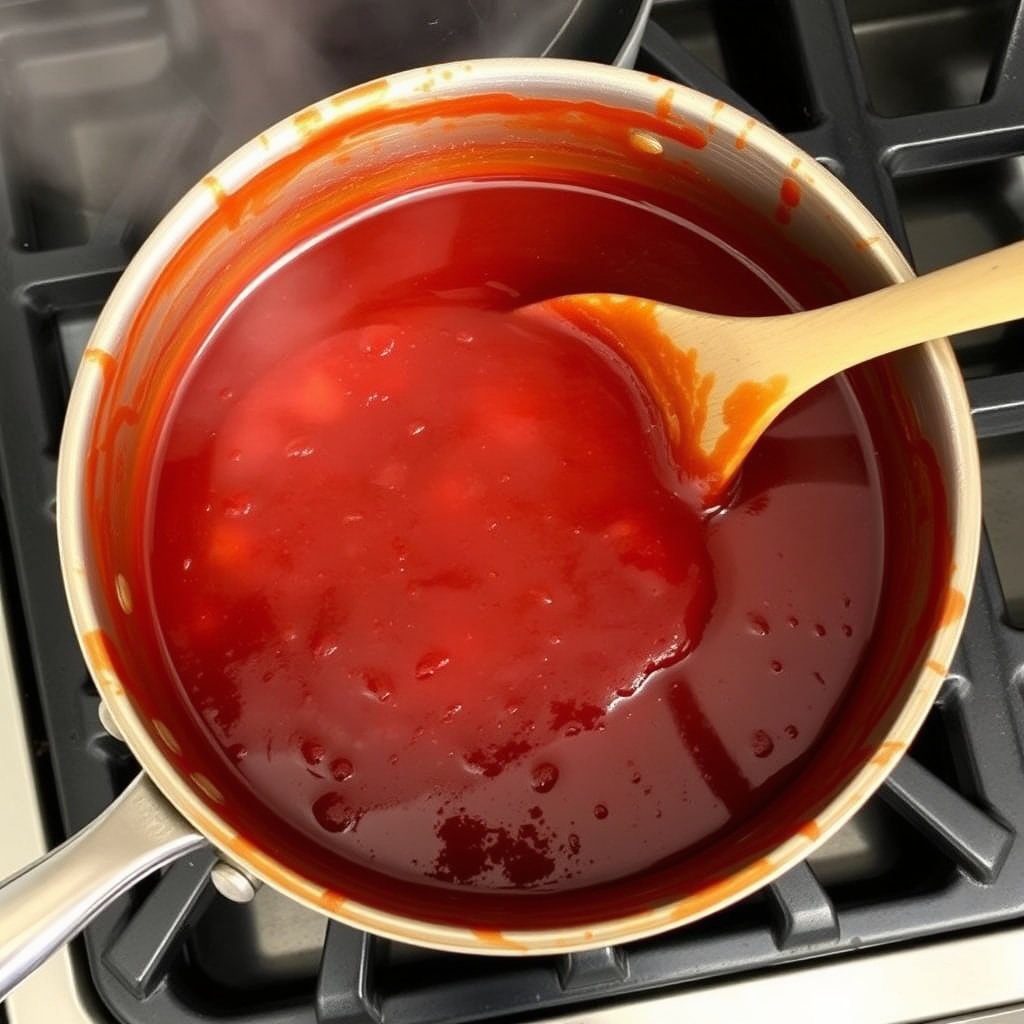
Simmering the sauce gently over low to medium heat develops flavors by marrying ingredients and reducing excess liquid. This thickens the sauce, concentrating sweetness and acidity for a well-balanced finish.
Frequent stirring prevents burning and ensures even cooking. The sauce typically needs 20-30 minutes of simmer time, but adjustments depend on your desired consistency and ingredient moisture.
Blending and Texture Adjustments
After cooking, blending the sauce using a hand blender or food processor can create a smoother texture, ideal for dipping or glazing. Alternatively, leaving it chunky adds rustic character suited for certain BBQ styles.
Adding water, stock, or tomato juice incrementally can adjust thickness post-cooking if the sauce is too thick, while a little oil or butter can enrich mouthfeel and shine.
Storing, Using, and Adapting Your Homemade BBQ Sauce
Proper Storage and Shelf Life
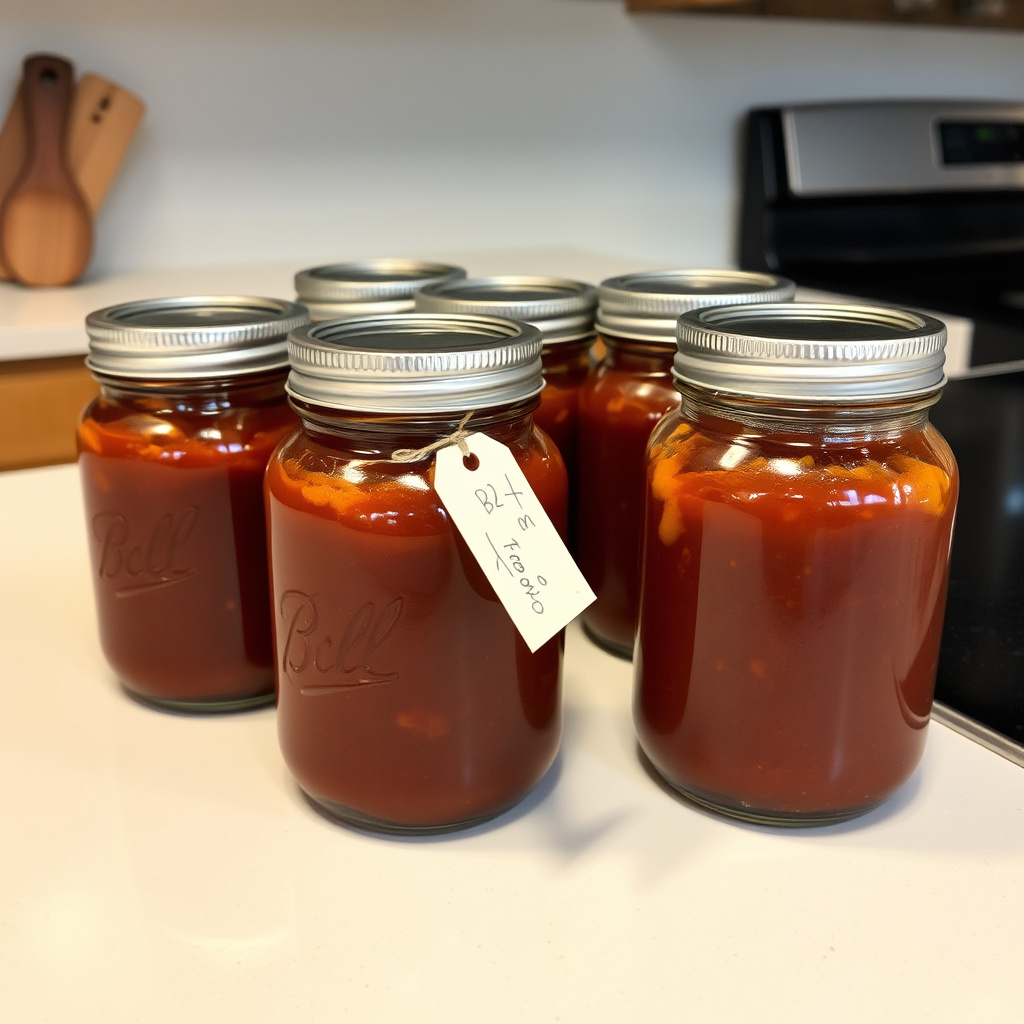
Store homemade BBQ sauce in sterilized glass jars or airtight containers in the refrigerator. It generally remains fresh for 2-3 weeks. For longer storage, freezing in portions works well without sacrificing flavor or texture.
Always use clean utensils to avoid contamination. Labeling jars with preparation date helps track freshness and avoid accidental spoilage.
Using BBQ Sauce in Recipes and Serving Suggestions
Homemade BBQ sauce is versatile: use it as a marinade, basting glaze during grilling, dipping sauce, or sandwich spread. Its flavor can also enhance slow-cooked dishes, baked beans, and roasted vegetables.
Experiment with additional spices or ingredients to create regional sauce styles—sweet and tangy Kansas City-style, vinegar-forward Carolina sauce, or mustard-based South Carolina variants.
Troubleshooting Common BBQ Sauce Challenges

Fixing Sauce That’s Too Sweet or Too Tart
If your sauce is overly sweet, balance acidity by adding a small amount of vinegar or lemon juice gradually. For sauces too tart, introduce sweeteners like brown sugar or honey in controlled amounts to soften the sharpness.
Taste frequently during adjustments to prevent swinging the flavor too far in the opposite direction and remember that chilling the sauce can mellow flavors over time.
For a deeper understanding of barbecue sauce history and varieties, consult this comprehensive Wikipedia article. Barbecue sauce details on Wikipedia.
Adjusting Thickness and Consistency Issues
A sauce that’s too thin can be simmered longer to reduce water content, intensifying flavors and thickening texture. Incorporating tomato paste or cornstarch slurry can also thicken quickly without extended cooking.
If too thick, stir in small quantities of water, stock, or vinegar to loosen the sauce, checking texture gradually. Avoid excessive thinning to maintain rich mouthfeel and cling to grilled foods.
Homemade BBQ Sauce Styles Category Comparison
This table compares popular BBQ sauce styles to help you identify which flavor profile suits your homemade sauce preferences.
| Style | Primary Base | Flavor Profile | Typical Region | Sweetness Level | Spice Level |
|---|---|---|---|---|---|
| Kansas City | Tomato/Ketchup | Sweet, smoky, thick | Midwest USA | High | Mild to medium |
| Memphis | Tomato | Balanced sweet and tangy | Tennessee USA | Medium | Mild |
| Carolina Vinegar | Vinegar | Tangy, acidic with spice | Eastern North Carolina | Low | Medium to hot |
| South Carolina Mustard | Mustard | Tangy, mustard-forward | South Carolina | Medium | Mild |
| Texas | Tomato and stock | Bold, smoky with heat | Texas USA | Low to medium | Medium to hot |
Frequently Asked Questions
Can I make BBQ sauce without tomato products?
Yes, some BBQ sauces use vinegar, mustard, or fruit bases instead of tomatoes. These variations create tangier or different flavor profiles, especially common in certain regional styles like Carolina mustard sauces.
How long does homemade BBQ sauce last in the fridge?
When stored in an airtight container and refrigerated, homemade BBQ sauce typically stays good for 2 to 3 weeks. Always check for signs of spoilage before use.
Is it possible to make BBQ sauce vegan?
Yes, most BBQ sauces are naturally vegan, especially if you avoid honey and use plant-based sweeteners like maple syrup or brown sugar, ensuring no animal-derived ingredients.
Can I batch cook and freeze homemade BBQ sauce?
Absolutely. Freezing BBQ sauce in airtight containers or freezer bags preserves flavor and texture for up to 3 months, convenient for future use without waste.
How do I add smokiness to BBQ sauce without a smoker?
You can use smoked paprika, liquid smoke, or chipotle peppers to impart smoky flavor without using a smoker. These ingredients add authentic smokiness during cooking.
Key Takeaways
- Homemade BBQ sauce combines tomatoes, vinegar, sweeteners, and spices tailored to taste.
- Balancing acidity and sweetness shapes the final flavor profile.
- Simmering and blending techniques affect texture and consistency.
- Storage practices impact shelf life and sauce quality.
Conclusion
Creating homemade BBQ sauce from scratch offers a satisfying way to elevate your grilling experience with a sauce you control entirely. By understanding the varying roles of tomatoes, vinegars, sweeteners, and spices, you can tailor your sauce to perfectly complement different meats and dishes, crafting flavor layers that commercial options often lack. The process involves simple ingredient combinations and cooking methods that bring depth and balance to every batch prepared.
For those seeking distinctive outcomes, experimenting with styles such as the sweet and smoky Kansas City sauce or the vinegar-forward Carolina style provides clear pathways to diverse flavor profiles. Adjusting sweetness and heat levels lets you accommodate personal preferences, whether you desire a milder glaze or a bold, spicy kick. Focus on using fresh pantry staples and applying reduction or blending techniques to achieve the precise texture and mouthfeel desired.
Starting with the provided basic recipe and guidelines, you can confidently create sauces that enhance any barbecue meal. Storage tips ensure your efforts remain fresh, and troubleshooting advice will keep you prepared for minor adjustments. For enthusiasts ready to explore beyond the standard, varying base ingredients and spices allows you to craft uniquely memorable sauces that embody your culinary signature.