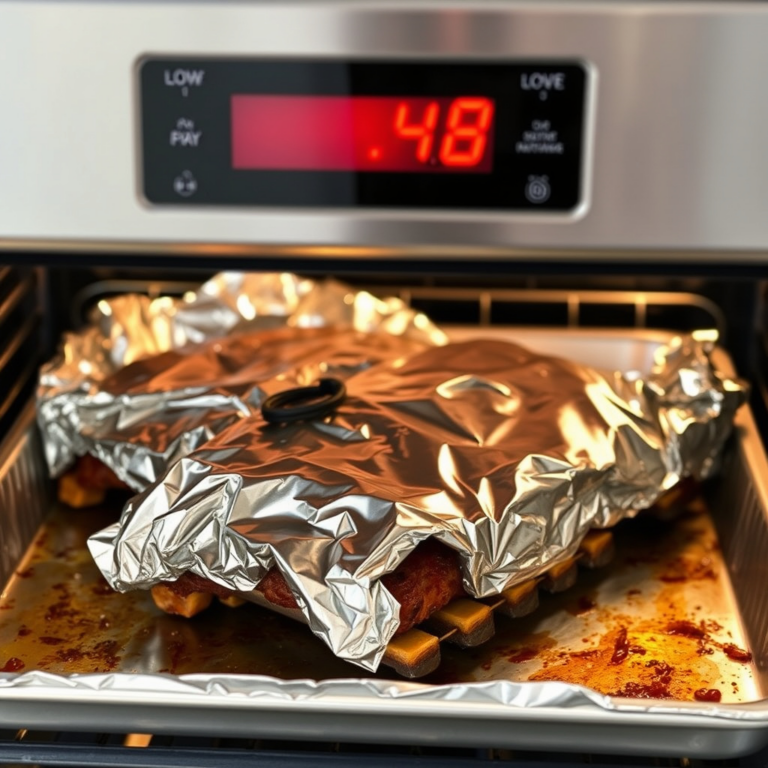
Making BBQ sauce at home is straightforward and rewarding, allowing you to control the flavor balance between sweet, tangy, smoky, and spicy. By combining basic pantry ingredients like ketchup, vinegar, brown sugar, and spices, you can craft a BBQ sauce customized to your taste preferences without relying on store-bought versions.
A good BBQ sauce enhances grilled meats, vegetables, and sandwiches, elevating meals beyond the ordinary. Its versatility spans from classic tomato-based sauces to vinegar-heavy or mustard-infused varieties found in different regional styles. Being able to make your own sauce lets you adjust sweetness, heat, and acidity to suit what you’re serving, whether ribs, chicken, or plant-based dishes.
This guide covers the essential ingredients, cooking techniques, and flavor variations for making BBQ sauce at home. It also offers tips on thickening, storing, and pairing your sauce for maximum enjoyment, along with comparisons of common sauce types so you can pick the right style for your next cookout.
Ingredients Needed to Make BBQ Sauce
Basic Ingredients
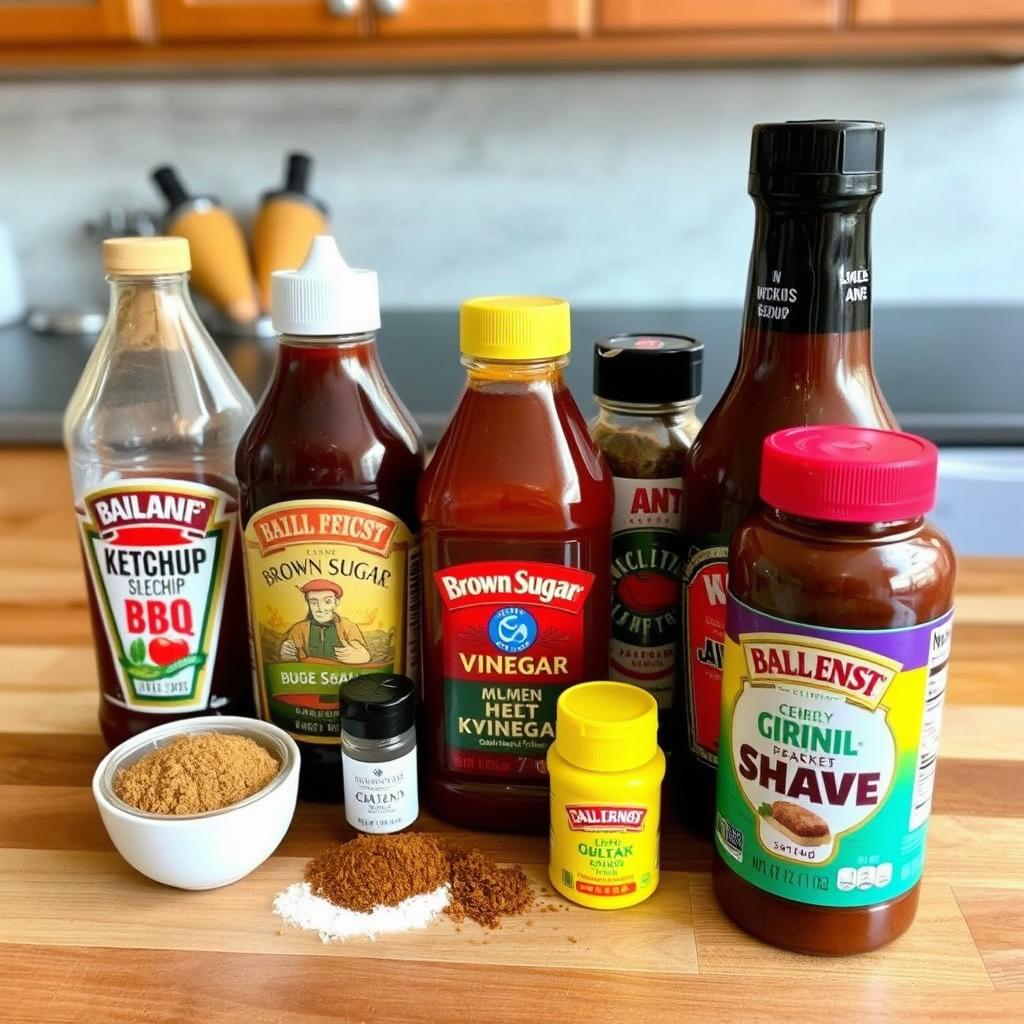
The foundation of most BBQ sauces includes tomato ketchup or tomato paste, which provides the body and sweetness. White or apple cider vinegar adds acidity balancing the sauce’s richness. Brown sugar or molasses contributes caramelized sweetness that deepens the flavor profile.
Additional seasonings such as garlic powder, onion powder, smoked paprika, black pepper, and cayenne pepper bring complexity and a hint of spice. Mustard and Worcestershire sauce are optional but common additions that introduce tang and umami, respectively.
- Tomato ketchup or tomato paste
- Vinegar (apple cider or white)
- Brown sugar or molasses
- Garlic powder, onion powder, smoked paprika
- Black pepper and cayenne pepper
- Mustard and Worcestershire sauce
Ingredient Variations and Substitutions
For a vinegar-forward sauce, increase apple cider vinegar and reduce tomato content. Mustard-based sauces, typical in South Carolina, swap tomato for yellow mustard, creating a tangy alternative. You can also experiment with honey or maple syrup instead of sugar for different sweetness notes.
If you prefer a smoky flavor without a smoker, liquid smoke can be added sparingly. For heat, use hot sauce or chili powder to customize the level of spice. These substitutions let you tailor the BBQ sauce to regional tastes or personal preferences without altering the basic method.
- Increase vinegar for tangier sauce
- Use yellow mustard for mustard-based sauce
- Replace sugar with honey or maple syrup
- Add liquid smoke for smoky flavor
- Use hot sauce or chili powder to adjust heat
Step-by-Step Method to Prepare BBQ Sauce
Combining and Cooking Ingredients
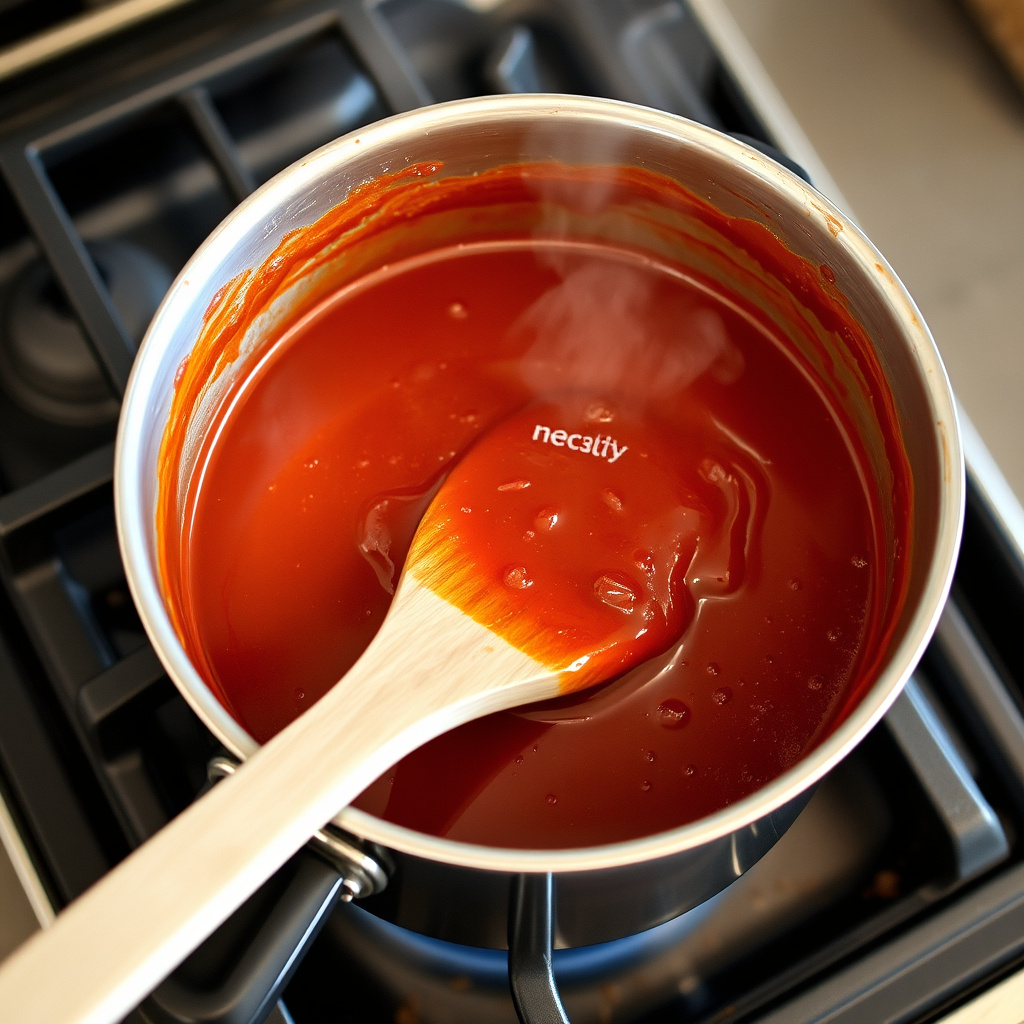
Begin by mixing the tomato base, vinegar, and sweetener in a saucepan over medium heat. Stir until the sugar dissolves completely. Adding the basic spices early helps release their flavors into the sauce as it heats.
Bring the mixture to a low simmer, reduce heat, and stir occasionally. Simmering allows the flavors to meld and the sauce to thicken slightly. Avoid boiling, which can alter texture and flavor negatively.
- Combine tomato base, vinegar, and sweetener
- Add spices and stir well
- Simmer gently, stirring occasionally
- Avoid rapid boiling
For more on this, see our related guide: Are Pellet Grills Better Than Gas? A Clear Comparison for BBQ Enthusiasts.
Adjusting Consistency and Flavor
If the sauce is too thin, continue simmering to reduce moisture. For more sweetness, add sugar or honey incrementally. Increase acidity with small amounts of vinegar added gradually until satisfied. Taste frequently and adjust seasoning last to avoid overpowering flavors.
To add depth, consider incorporating Worcestershire sauce or a dash of hot sauce at the end. Remove from heat once the sauce reaches the desired thickness and a balanced flavor that complements your dish.
- Simmer to thicken if needed
- Add sweeteners gradually
- Adjust acidity with vinegar carefully
- Finish with Worcestershire or hot sauce
Popular Regional BBQ Sauce Styles
Tomato-Based and Vinegar-Based Sauces
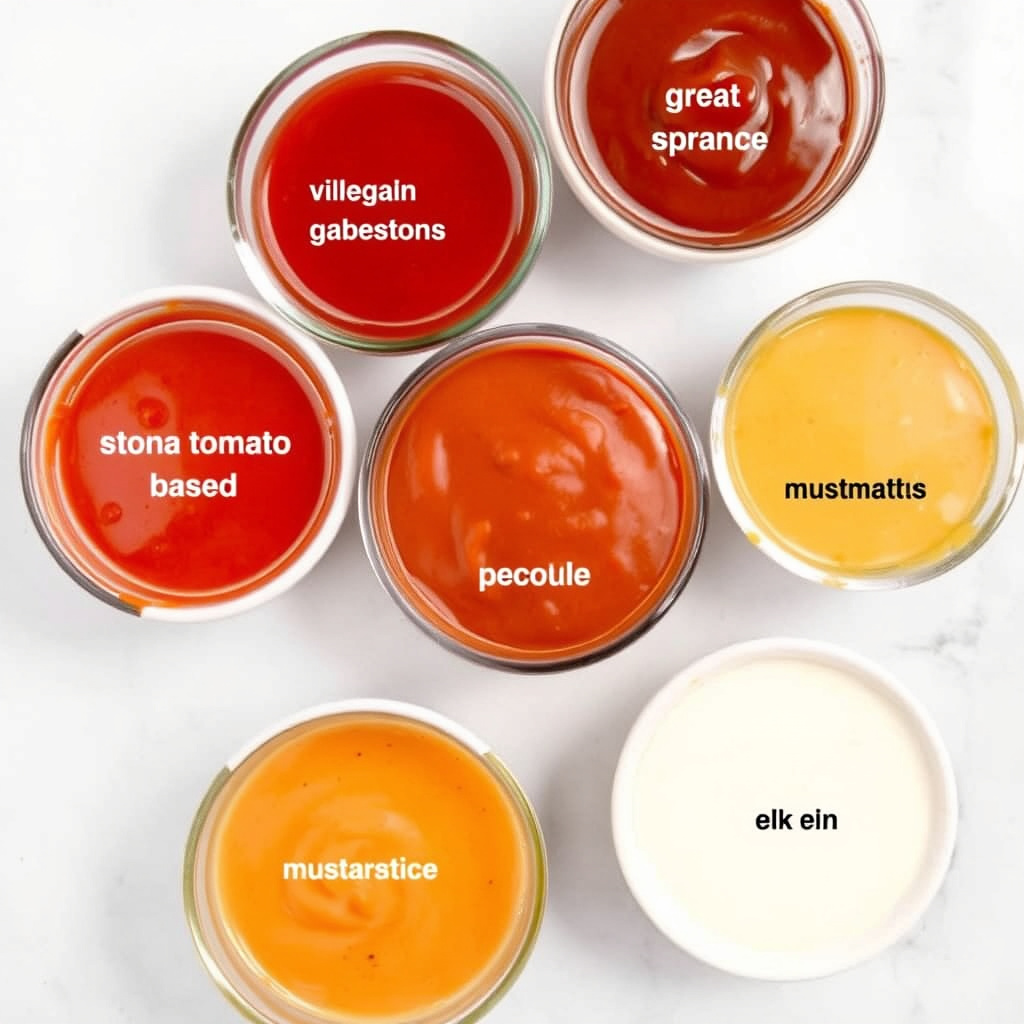
Tomato-based BBQ sauces, prevalent in Kansas City, feature a balance of sweet and smoky notes with ketchup as the key ingredient. These sauces tend to be thicker and richer, enhancing smoked or grilled meats beautifully.
In contrast, North Carolina styles lean heavily on vinegar and pepper for a tangier sauce with thinner consistency, designed to cut through the fattiness of pork barbecue.
Mustard-Based and White Sauces
South Carolina’s mustard-based sauces mix yellow mustard with vinegar and spices, offering a sharp and tangy profile that's less sweet than tomato-based versions. This type pairs well with pork and poultry.
Alabama’s white sauce, made from mayonnaise, vinegar, and black pepper, is a unique accompaniment primarily for grilled chicken, providing a creamy and tangy contrast.
Storing and Using Homemade BBQ Sauce
Proper Storage Tips
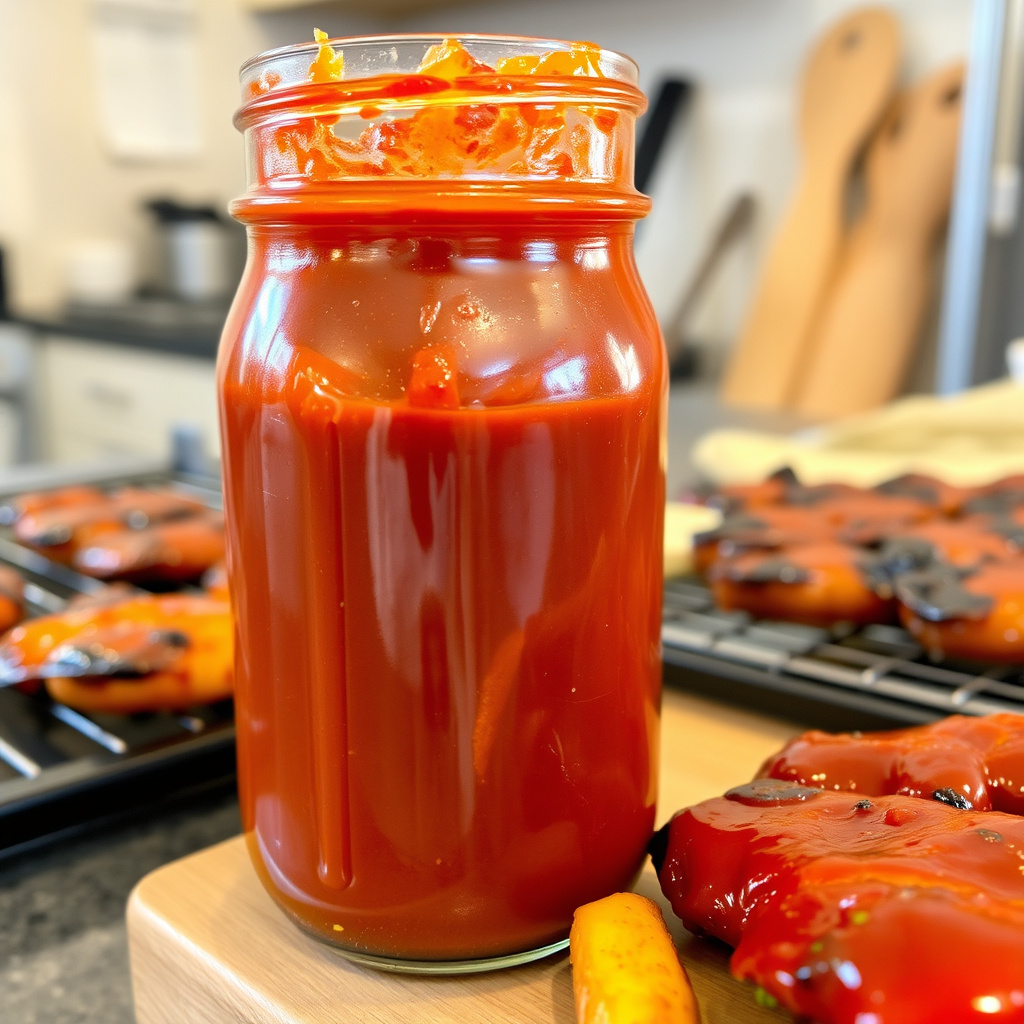
Homemade BBQ sauce should be transferred to clean, airtight containers after cooling. Refrigeration slows spoilage and preserves flavor and texture for up to two weeks. For longer storage, freezing in portioned containers is effective though texture may slightly change.
Label your sauce containers with the date to track freshness. Avoid contaminating the sauce by using clean utensils each time you dip or pour.
- Use airtight containers
- Refrigerate promptly
- Freeze for extended storage
- Use clean utensils to prevent contamination
For more on this, see our related guide: How to Grill a Whole Chicken Perfectly Every Time.
Ways to Use BBQ Sauce
Besides traditional brushing on ribs or chicken during grilling, BBQ sauce works as a marinade or finishing glaze. It also makes a flavorful dip for fries, onion rings, or vegetables. Experimenting with homemade barbecue sauce recipes allows you to complement a variety of dishes.
You can mix it into baked beans or use it as a sandwich spread to add smoky tang. Its versatility extends beyond barbecue to any meal that benefits from a sweet, spicy, or acidic kick.
Making Your BBQ Sauce Unique
Adding Fresh Ingredients
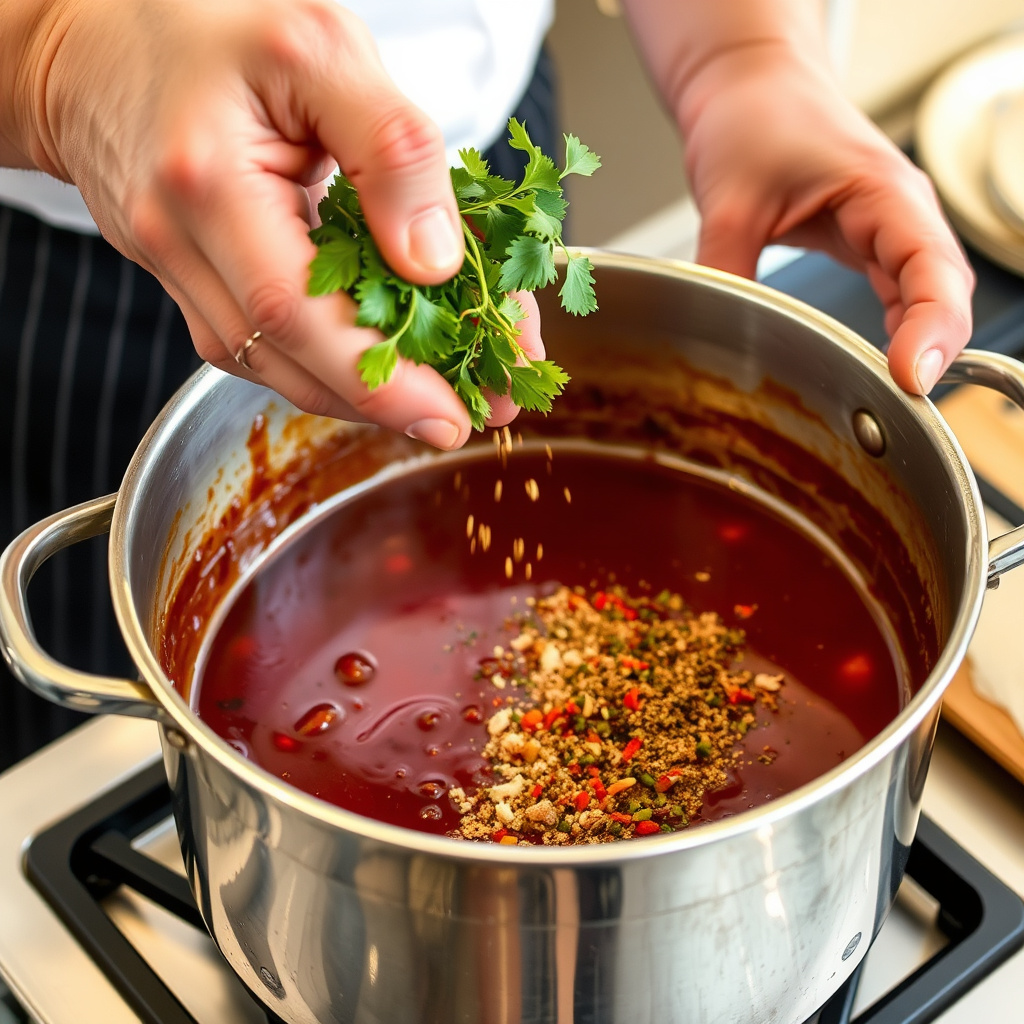
Incorporate fresh garlic, chopped onions, or grated ginger while simmering to boost natural flavors. Fresh herbs like thyme or rosemary can add aromatic complexity when added near the end of cooking.
For fruity notes, consider adding apple juice, pineapple, or peach preserves during the simmering stage to complement smokiness with sweetness.
- Use fresh garlic, onions, or ginger
- Add herbs like thyme or rosemary
- Incorporate fruit juices or preserves
For more detailed history and variations of barbecue sauce, you can visit the BBQ sauce overview on Wikipedia. BBQ sauce overview on Wikipedia.
Spice and Heat Customization
Adjust the spice profile with chipotle peppers, smoked paprika, or chili flakes to create a smoky heat dimension. For sharper heat, fresh jalapeños or habaneros minced finely can be stirred into the sauce after cooking.
Balancing heat with sweetness and acidity is key to a successful customized sauce. Experiment with small batches to find the right combination that suits your palate.
- Add chipotle or smoked paprika for smoky heat
- Use fresh chili peppers for sharper spice
- Balance heat with sweet and sour elements
Comparison of Common BBQ Sauce Types
This table highlights differences among popular BBQ sauce styles to help you choose the right one for your cooking needs.
| Type | Base Ingredient | Flavor Profile | Typical Region | Best For |
|---|---|---|---|---|
| Kansas City Style | Tomato ketchup | Sweet, smoky, thick | Midwest USA | Ribs, pulled pork |
| North Carolina Style | Vinegar | Tangy, peppery, thin | Southeast USA | Pork shoulder |
| South Carolina Style | Mustard | Tangy, sharp, medium-thick | South Carolina | Pork, chicken |
| Alabama White Sauce | Mayonnaise | Creamy, tangy, spicy | Alabama | Grilled chicken |
| Texas Style | Tomato and beef stock | Spicy, smoky, bold | Texas | Beef brisket |
Frequently Asked Questions
Can I make BBQ sauce without ketchup?
Yes. You can substitute ketchup with tomato paste and add vinegar, sweeteners, and spices to recreate a similar base or try mustard or vinegar-forward sauces without tomato at all.
How long does homemade BBQ sauce last in the refrigerator?
Typically, homemade BBQ sauce stays fresh for up to two weeks refrigerated in an airtight container. Always check for signs of spoilage before use.
Is it necessary to cook BBQ sauce?
Cooking helps blend flavors and thicken the sauce, but some BBQ sauces can be mixed and used without cooking, depending on the recipe and intended use.
What gives BBQ sauce its smoky flavor?
Smoky flavor can come from smoked paprika, liquid smoke, or smoked ingredients. Natural smoking during grilling also imparts this character.
Can I freeze homemade BBQ sauce?
Yes, freezing is a practical way to store BBQ sauce long-term. Use airtight containers or freezer bags to prevent freezer burn and maintain quality.
Key Takeaways
- Basic BBQ sauce combines tomato base, vinegar, sweeteners, and spices.
- Simmering blends flavors and adjusts consistency perfectly.
- Regional sauce styles vary widely in base and flavor balance.
- Customizing sauces with fresh ingredients and spices enhances uniqueness.
Conclusion
Creating your own BBQ sauce is both an art and a science. Start with a simple combination of tomato, vinegar, sugar, and spices, then adjust the proportions to suit tastes and dishes. Consider the balance of sweetness, acidity, heat, and smokiness as you fine-tune your sauce. This hands-on approach allows you to produce a sauce that complements your meal while reflecting your flavor preferences.
For classic American barbecue, the Kansas City style offers a thick, sweet, and smoky tomato base ideal for ribs and pulled pork, whereas North Carolina's vinegar-heavy sauce provides a thinner, tangier option tailored to pork shoulder. Mustard-based sauces from South Carolina and creamy white Alabama sauces introduce unique regional twists that work beautifully with poultry and pork. Experimenting with these different styles using homemade barbecue sauce recipes can broaden your grilling repertoire.
Next time you fire up the grill, try making your own BBQ sauce tailored to the food you’re serving. Store extras in the refrigerator and tweak flavors over time. Whether you prefer a bold, smoky sauce or a bright, tangy glaze, the ability to craft BBQ sauce yourself adds a personal touch to every cookout.