Converting a grill into a smoker is a practical way to add smoky flavor to your barbecue without buying a separate smoker. By controlling heat and adding wood chips for smoke, you can transform most charcoal or gas grills into effective smokers within minutes.
This process matters because dedicated smokers can be bulky and expensive, but with a few adjustments, your grill can handle low-and-slow cooking. Smoking meat adds complex flavors and tenderizes tougher cuts, making homemade smoked dishes possible year-round.
In this article, you'll find methods to modify different types of grills for smoking, tips on heat management and wood selection, and guidance on maintaining consistent smoke levels. We'll also compare tools and approaches to help you create delicious smoked meals using your grill.
Understanding the Basics of Smoking with a Grill
How Smoking Differs from Grilling
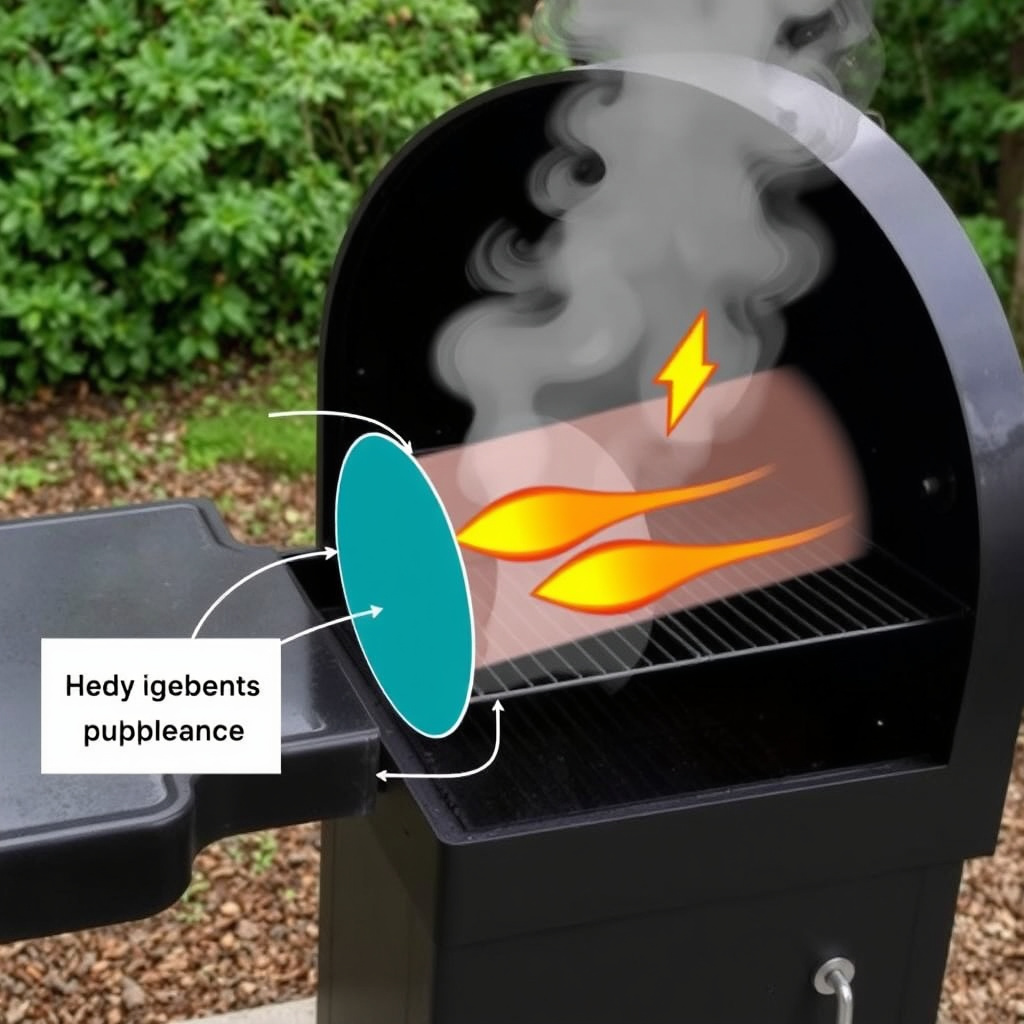
Smoking cooks food at low temperatures over several hours using indirect heat and wood smoke. Unlike grilling, which uses direct high heat for quick cooking, smoking requires maintaining steady heat and continuous smoke to infuse flavor.
This slow cooking breaks down connective tissues in meat, making it tender while adding that signature smoky taste. Achieving this with a grill involves creating an indirect heat zone and managing airflow carefully.
Why Convert a Grill into a Smoker
Many grills are versatile enough to double as smokers, offering a cost-effective solution for backyard smoking. It eliminates the need for additional equipment and maximizes the utility of your existing grill.
Besides saving money, a converted grill takes up less space and simplifies cleanup, particularly if you already know how to operate your grill’s temperature controls.
Step-by-Step Methods to Convert a Charcoal Grill into a Smoker
Setting Up for Indirect Heat
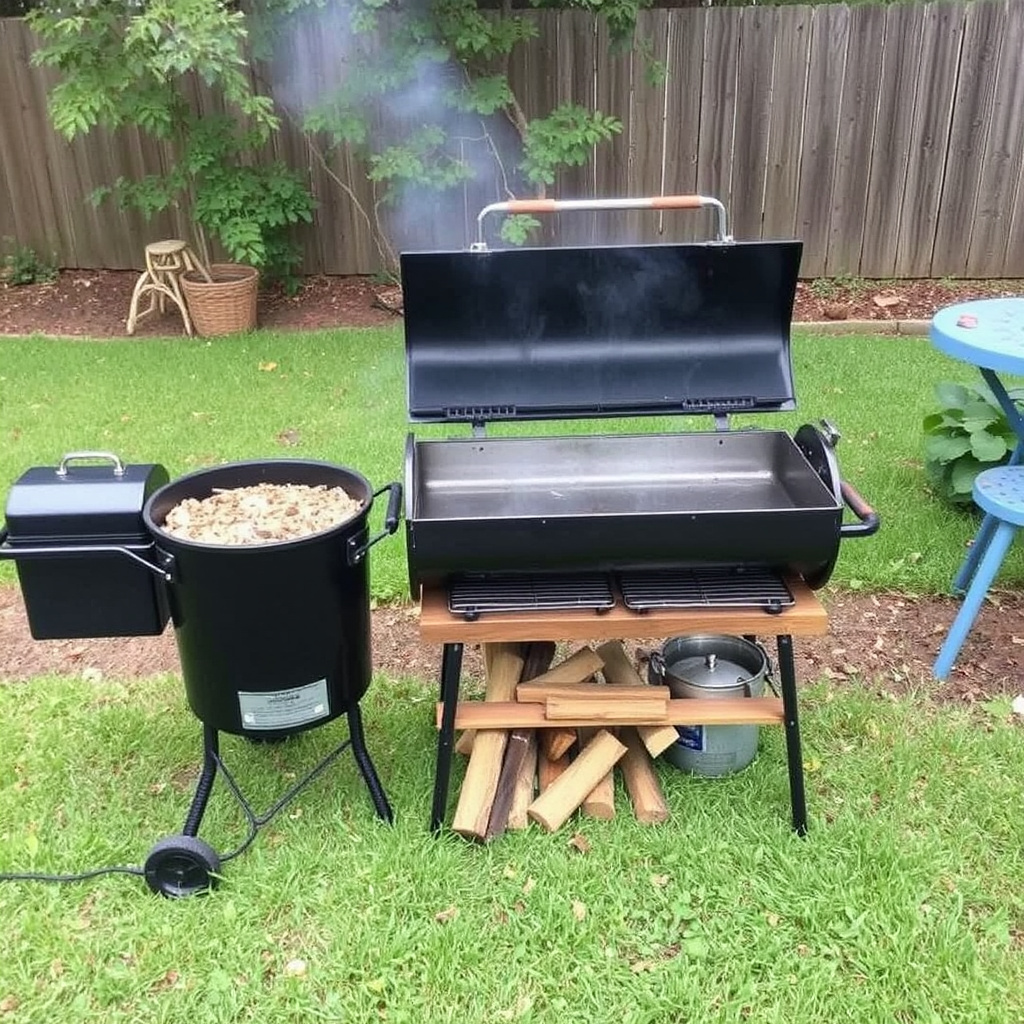
Start by arranging coals on one side of the grill to create a heat source away from the cooking area. This indirect heat allows your food to cook gently while absorbing smoke without exposure to direct flames.
Use a two-zone fire setup where one side holds the coals and the other side acts as the food zone. This helps maintain stable temperatures necessary for smoking.
- Pile coals at one side to about 1-2 inches depth
- Leave the other side empty for food placement
- Use a drip pan under the food side to catch drippings and add moisture
Adding Wood Chips for Smoke
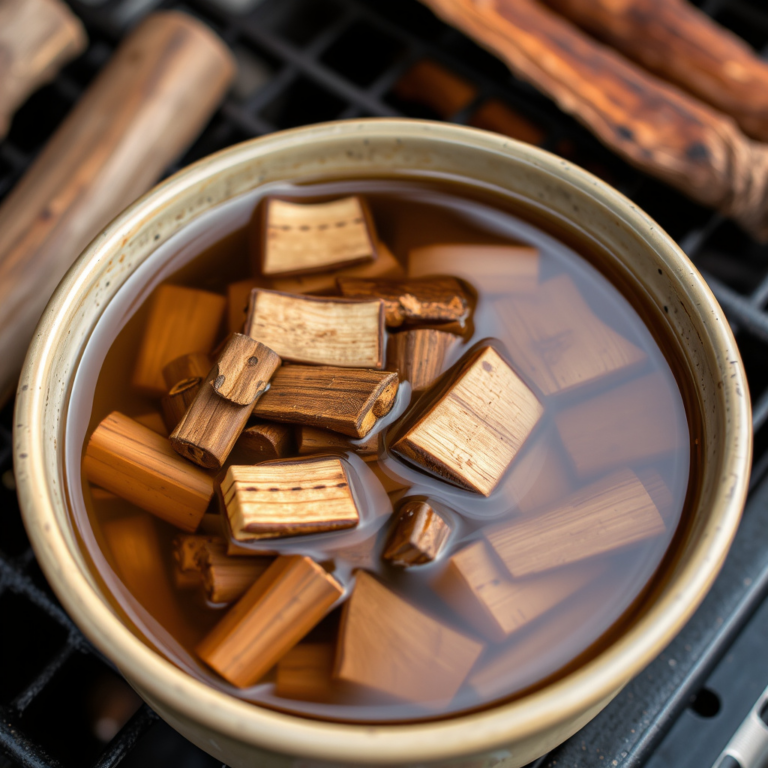
Soak hardwood chips like hickory or applewood for 30 minutes, then drain them. Place these chips directly on hot coals or inside a smoker box to produce smoke over time.
Regularly replenish wood chips every 30-60 minutes to sustain continuous smoke flow during the long cooking process.
- Use hardwood chips for best smoke flavor
- Avoid resinous softwoods that produce unpleasant odors
- Use a water pan to regulate moisture and temperature
Converting a Gas Grill into a Smoker
Creating Indirect Cooking Zones on Gas Grills
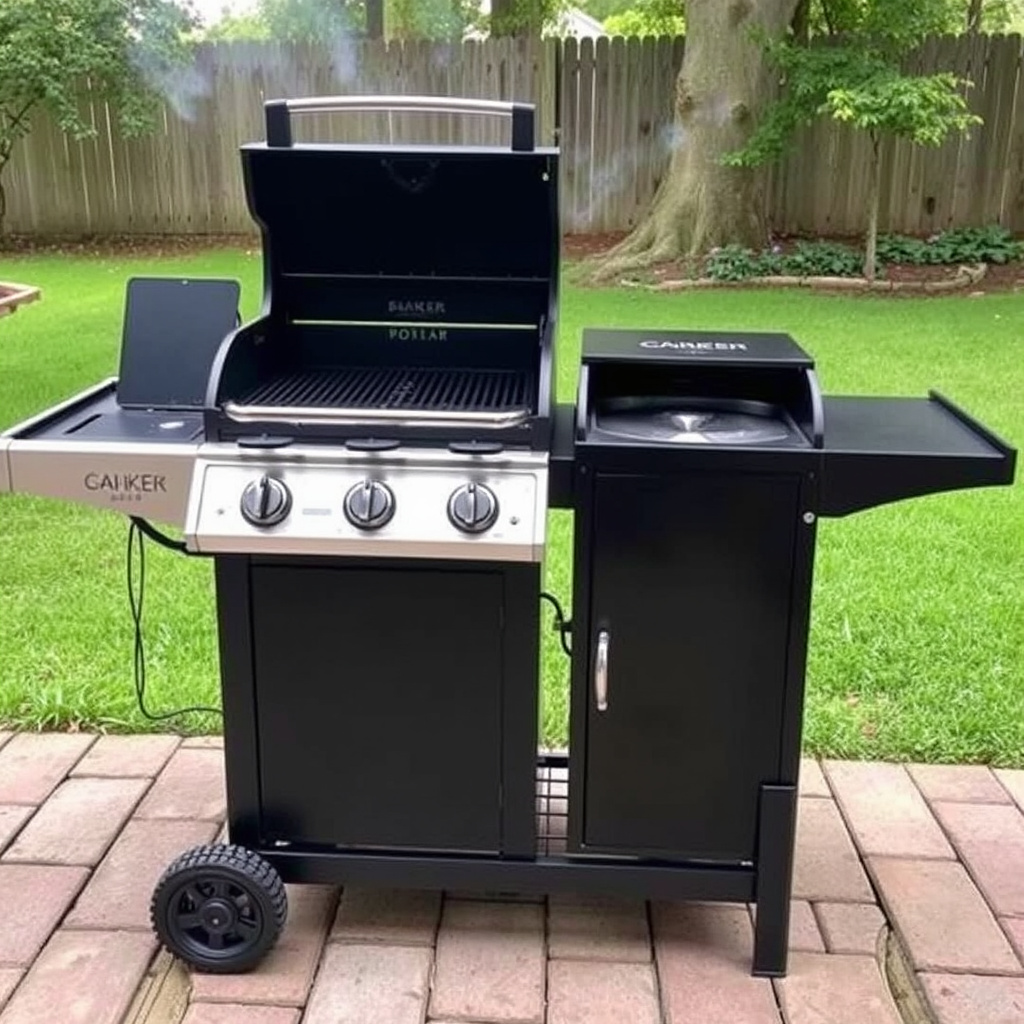
Turn on one or two burners on one side of the grill to medium-low heat and keep the other side off. Place the food on the unlit side to avoid direct flames, creating indirect heat ideal for smoking.
This setup mimics smoker conditions by allowing the food to cook slowly and absorb smoke without burning from direct heat.
- Use the grill’s built-in temperature controls to stabilize heat
- Keep the lid closed as much as possible to maintain smoke concentration
For more on this, see our related guide: How Do Infrared Grills Work: A Complete Guide to Infrared Grilling Technology.
Using Smoker Boxes and Wood Chips on Gas Grills
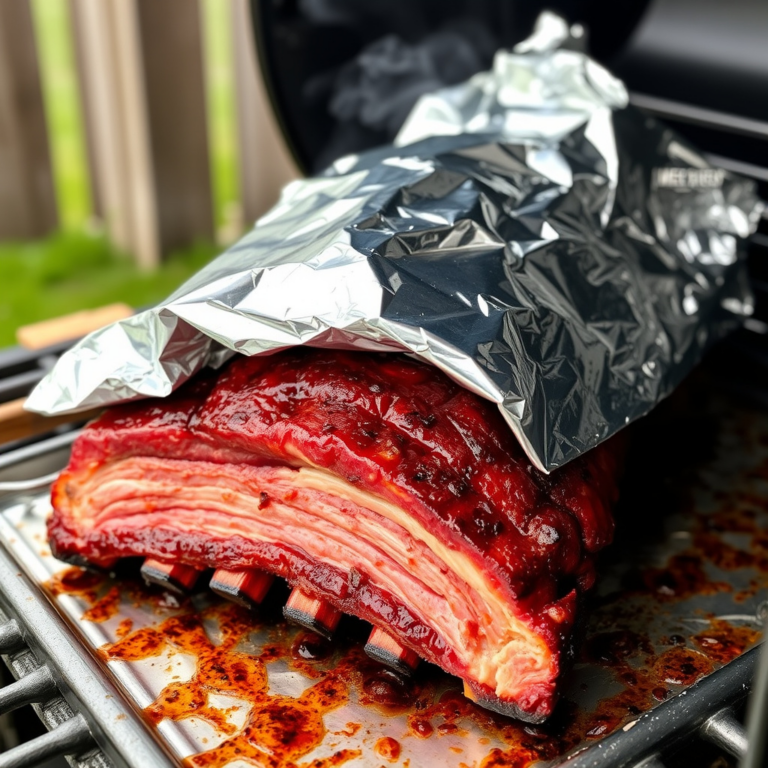
A smoker box or foil pouch filled with soaked wood chips can be placed directly over the lit burners in a gas grill. As the fire heats the box or pouch, it produces smoke that circulates around the food.
Choosing the right wood chips enhances flavor; mesquite or cherry woods are excellent choices depending on your desired taste profile.
- Fill the smoker box loosely with wood chips
- Avoid overloading the box or pouch to prevent flare-ups
Temperature and Smoke Control Techniques
Maintaining Steady Low Temperature
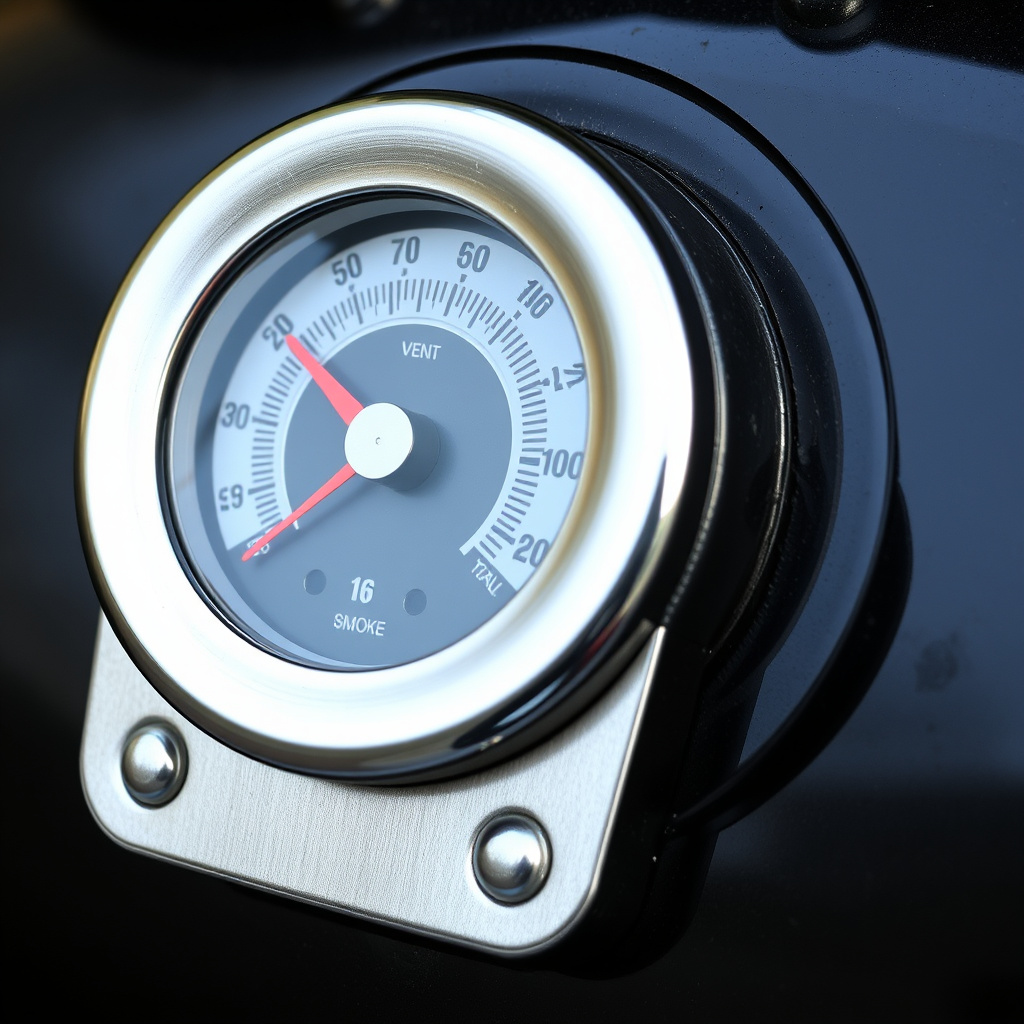
Aim to keep your grill’s temperature between 225°F and 275°F. Use adjustable vents and burner controls to fine-tune airflow, which regulates heat and smoke density.
Opening vents increases oxygen flow and heat, while closing them reduces temperature. Position your grill away from wind to avoid temperature fluctuations.
- Monitor temperature with a reliable grill thermometer
- Adjust air vents gradually rather than abruptly
Managing Smoke Levels for Flavor Balance
Too much smoke can make food bitter, while too little fails to develop flavor. Introduce fresh wood chips intermittently rather than all at once to sustain a thin, blue smoke.
Visually inspect smoke color: white, wispy smoke indicates clean burning, while thick gray smoke suggests incomplete combustion and poor flavor.
- Add wood chips in small batches every 30-45 minutes
- Avoid heavy smoke clouds; aim for steady, thin smoke
Choosing the Right Wood Chips for Smoking
Popular Wood Types and Their Flavor Profiles
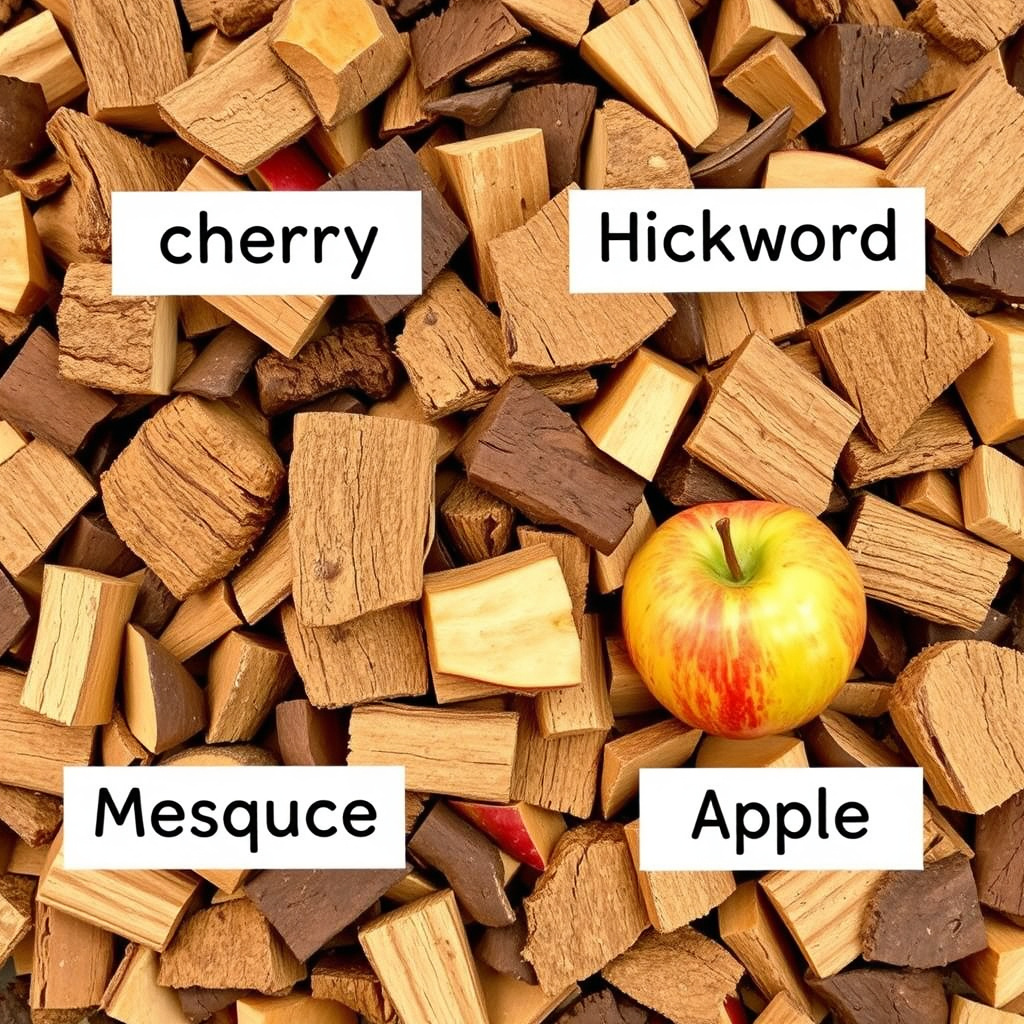
Hickory provides a strong, bacon-like smoke ideal for pork and beef, while apple wood produces mild, fruity smoke that suits poultry and fish. Mesquite burns hot and fast, lending bold flavors especially popular in southwestern cuisine.
Selecting wood depends on the meat type and flavor intensity desired. Experimenting with blends can create unique smoking profiles.
- Hickory: robust and smoky
- Apple: sweet and mild
- Mesquite: intense and earthy
- Cherry: subtle and fruity
For more on this, see our related guide: How to Choose a Gas Grill: A Practical Guide for Every Backyard Cook.
Preparation and Storage of Wood Chips
Always soak wood chips for about 30 minutes before smoking to delay burning and create steady smoke. Store chips in airtight containers away from moisture to maintain quality.
Avoid using resinous woods like pine, which produce unpleasant flavors and excessive creosote, compromising food taste and safety.
- Soak chips in water or apple juice for flavor variation
- Keep wood chips dry until use
- Discard chips that have mold or an off smell
Additional Tips and Tools for Successful Grill Smoking
Using Water Pans to Regulate Temperature and Moisture
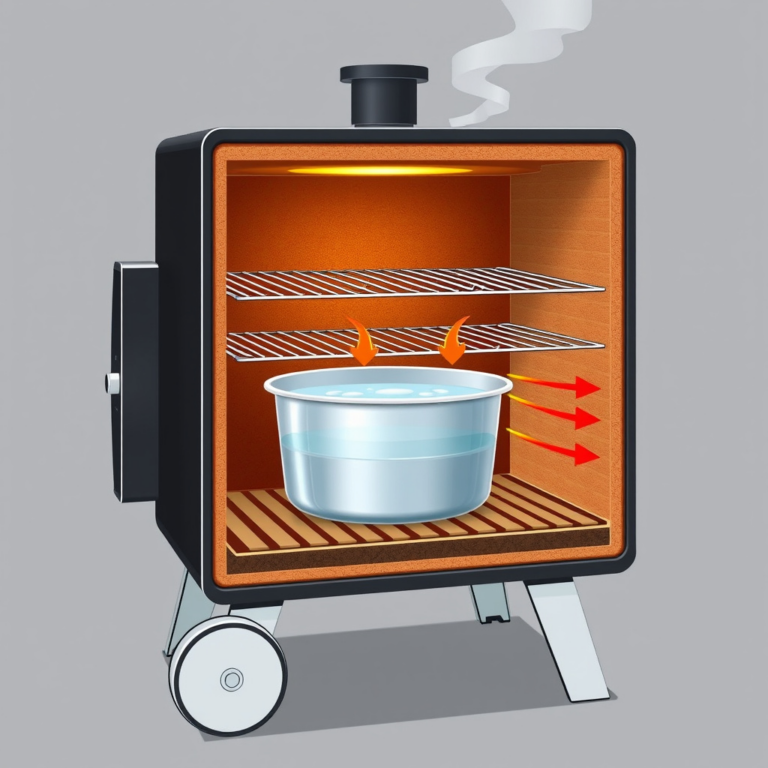
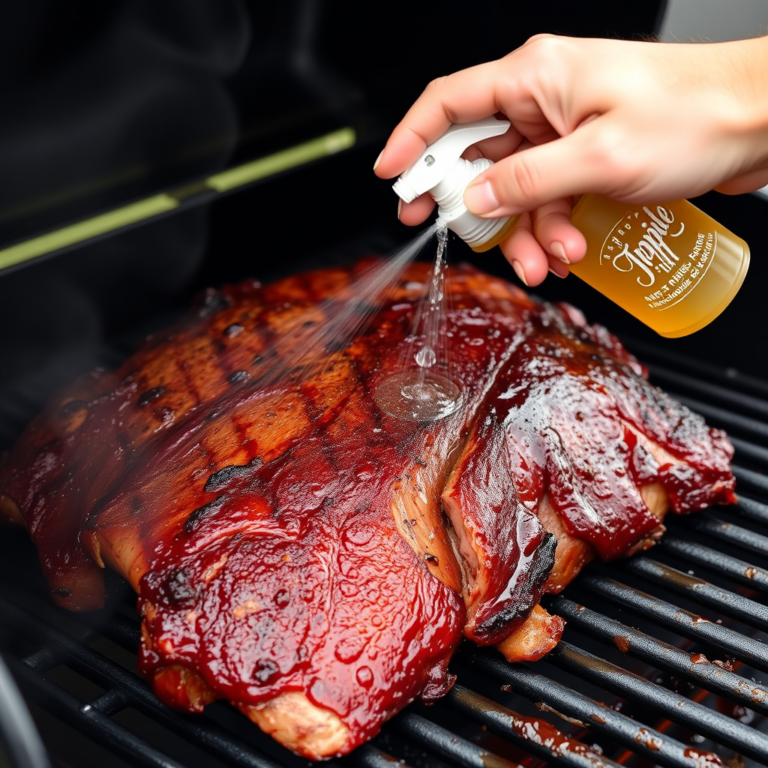
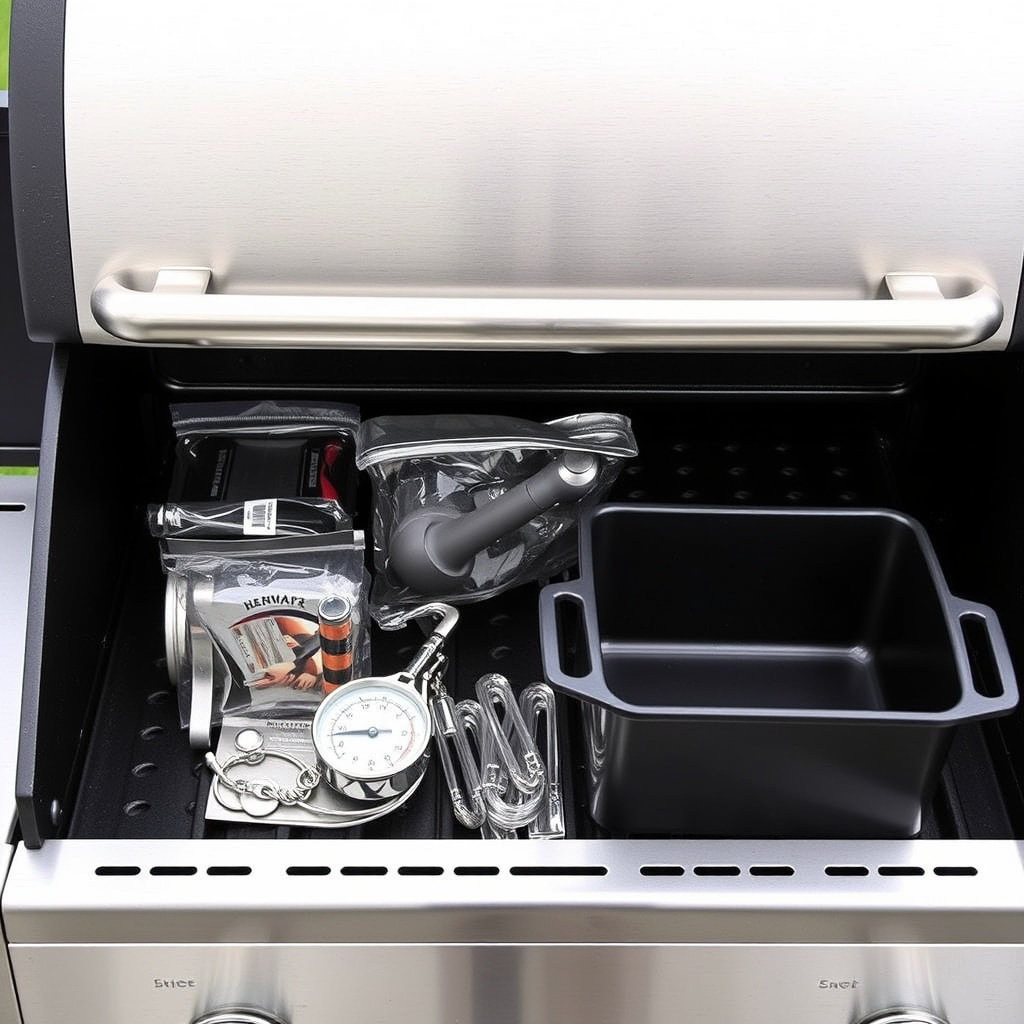
Placing a pan of water inside the grill helps stabilize temperatures by absorbing and radiating heat evenly. It also adds humidity to the smoking environment, preventing dry, tough meat surfaces.
Make sure the pan is filled before smoking starts and refill as needed during long cooks.
- Use a shallow metal pan for best heat conduction
- Monitor water level regularly during smoking session
For an in-depth explanation of smoking basics and related cooking methods, see this resource on grilling and smoking techniques. grilling and smoking techniques.
Recommended Thermometers and Accessories
A dual-probe digital thermometer allows you to monitor both grill and meat temperatures accurately. Wireless models add convenience by letting you check readings remotely.
Other useful tools include heat-resistant gloves, chimney starters for charcoal, and drip pans to catch fat drippings and reduce flare-ups.
- Instant-read meat thermometer for doneness checks
- Smoker box or foil pouch for wood chips
- Chimney starter for quick charcoal ignition
Grill Types Suited for Conversion to Smokers
Below is a comparison of common grill categories that can be converted into smokers, highlighting key features affecting smoking suitability.
| Grill Type | Ease of Conversion | Temperature Control | Best For |
|---|---|---|---|
| Charcoal Kettle Grill | High | Manual vents; good heat retention | Traditional smoky flavor, versatile cuts |
| Gas Grill | Medium | Precise burner controls | Convenience and consistent temperature |
| Pellet Grill | Low (already a smoker) | Digital control | Long smoking sessions, automated feeding |
| Kamado Grill | Medium-High | Excellent heat retention; manual vents | Long smoke times, charcoal flavor |
| Electric Grill | Low | Limited smoking ability | Occasional light smoke flavor |
Frequently Asked Questions
Can I convert any grill into a smoker?
Most charcoal and gas grills can be converted into smokers by configuring for indirect heat and adding wood chips. However, electric grills usually lack proper airflow and temperature control for effective smoking.
How long does it take to smoke meat on a converted grill?
Smoking times vary by meat type and size but typically range from 2 to 8 hours at low temperatures between 225°F and 275°F.
What wood chips are best for smoking chicken?
Mild fruitwoods like apple or cherry provide delicate, sweet smoke flavors ideal for poultry without overpowering its natural taste.
Do I need to soak wood chips before smoking?
Yes, soaking wood chips for 20-30 minutes helps prevent them from burning up too quickly, producing longer-lasting smoke.
How do I keep my grill temperature steady while smoking?
Control airflow through vents gradually, avoid opening the lid frequently, and use water pans to stabilize heat and moisture inside the grill.
Key Takeaways
- Setting up indirect heat zones is essential for smoking with a grill
- Using soaked hardwood chips creates flavorful, steady smoke
- Managing temperature and airflow controls the quality of smoking
- Both charcoal and gas grills can be converted into effective smokers
Conclusion
When deciding how to convert a grill into a smoker, focus on creating an indirect heat environment and incorporating wood chips for smoke production. Understanding the differences between grills and controlling temperature precisely are key to replicating classic smoked flavors on your existing equipment.
Charcoal grill conversions offer a traditional approach with excellent smoke flavor, while gas grills provide convenience and easier temperature adjustments. For those interested in simpler operation, kamado-style grills and pellet smokers offer integrated options but may require initial investment. Selecting the right wood chips tailored to your meat choice will further enhance outcomes.
Starting with these methods, you can experiment and tailor your setup to fit your culinary preferences. Begin by modifying your grill with indirect heat zones and a smoker box, monitor temperatures closely, and add wood chips cautiously for balanced smoke. This practical approach lets you enjoy homemade smoked barbecue without additional purchases.