Smoking with a charcoal grill involves indirect heat cooking combined with wood smoke to infuse food with rich flavor. To start smoking on a charcoal grill, arrange lit charcoal to one side for indirect heat, add soaked wood chips for smoke, and control vent airflow to maintain low temperatures around 225-275°F for hours.
Mastering this method allows you to convert a common charcoal grill into a versatile smoker, bringing deep smoky flavors to meats, vegetables, and even cheese. The slow cooking process tenderizes tougher cuts by breaking down collagen while the wood smoke adds distinct aroma and taste.
This article will guide you through charcoal preparation, temperature management, wood chip selection, and smoking techniques to help you smoke successfully with a charcoal grill. We’ll cover common setups, troubleshooting tips, and recommended accessories to enhance your smoking experience.
Setting Up Your Charcoal Grill for Smoking
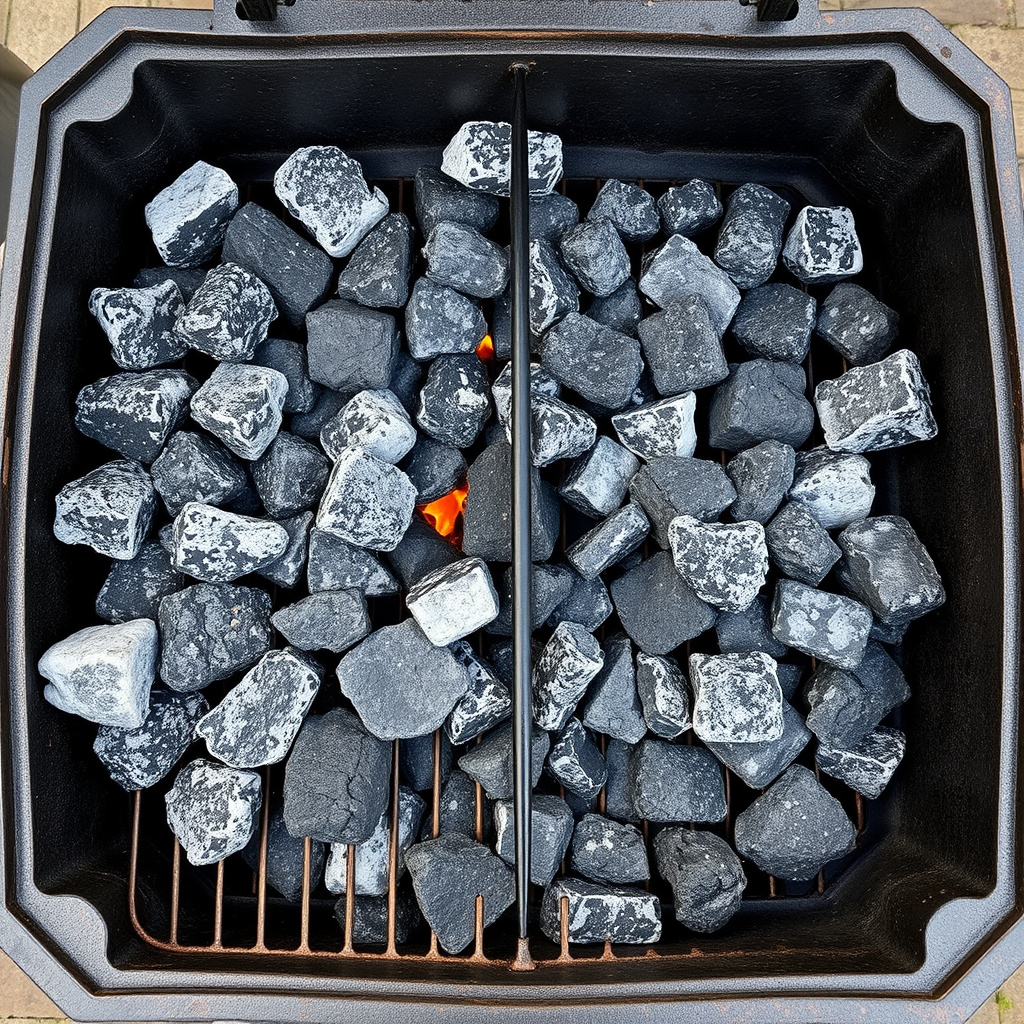
Preparing the Charcoal for Indirect Heat
Start by lighting charcoal briquettes or lump charcoal using a chimney starter for even ignition. Once the coals are glowing and covered lightly with gray ash, pour them into one side of your grill to create two zones: a hot direct heat side and an unlit indirect heat side.
This setup prevents your food from cooking too fast or burning, allowing slower smoking at stable lower temperatures. Use a heat-resistant glove and tongs to move briquettes when they are ready to avoid flare-ups.
- Use lump charcoal for faster heat adjustment
- Arrange coals in a single pile for consistent indirect heat zone
- Keep about 25-30 briquettes lit for several hours of smoking
Controlling Temperature with Air Vents
Grill temperature is managed primarily by adjusting the grill’s bottom and top vents. Opening the vents increases oxygen flow, raising temperature, while partially closing them lowers airflow and cools the grill.
Monitor your temperatures with a reliable dial or digital grill thermometer placed on the grill grate near your food. Try to keep it between 225°F and 275°F, the ideal range for smoking most meats.
- Start with vents fully open to get coals hot
- Close top vent partially to slow combustion
- Adjust bottom vent gradually for fine temperature control
Selecting and Using Wood Chips for Smoke Flavor
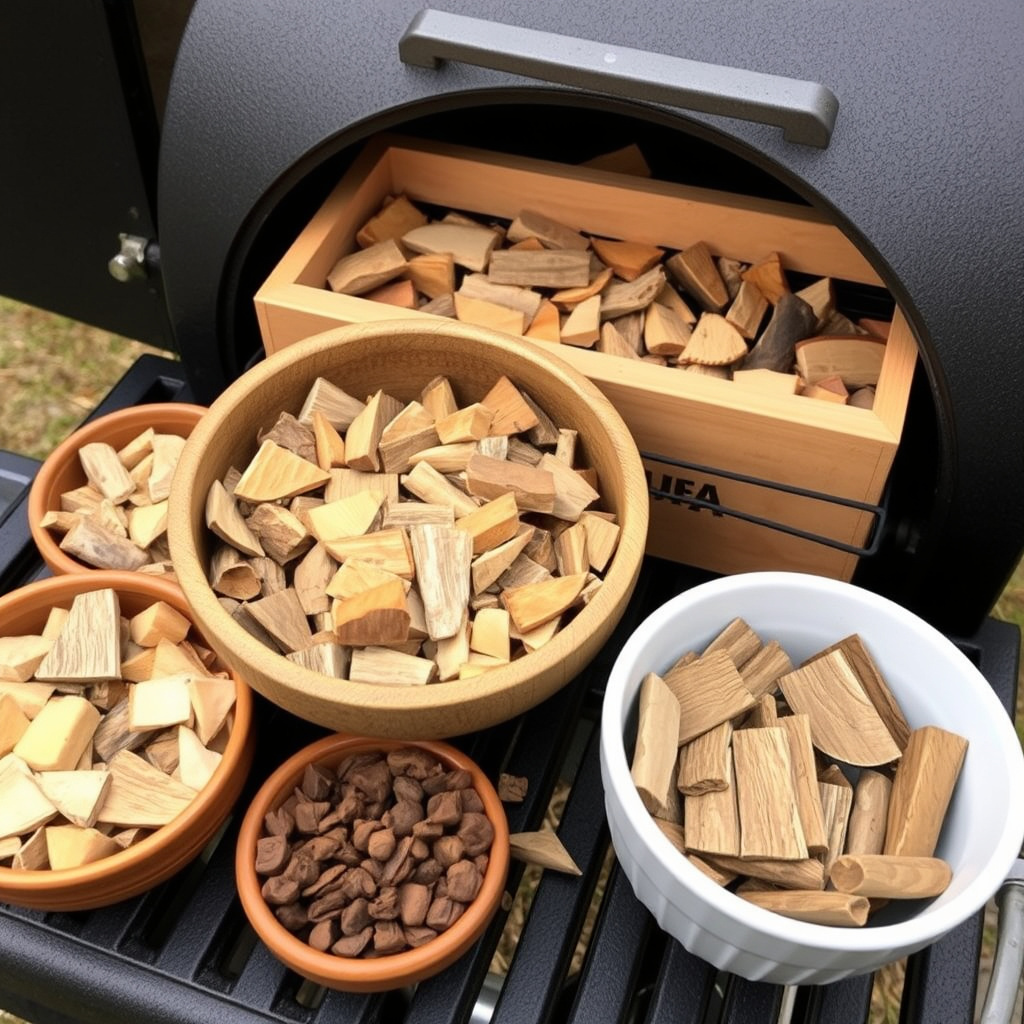
Choosing the Best Wood Chips for Smoking
The type of wood chips you use will heavily influence the aroma and flavor of your smoked food. Common options include hickory for a strong bacon-like smoke, apple for a sweet fruity touch, mesquite for intense, bold flavor, and cherry for balanced mildness.
Mixing woods can create unique flavor profiles, but consider the food type to avoid overpowering delicate tastes. Woods from resinous trees (like pine) should never be used as they produce unpleasant soot.
- Hickory: robust, traditional smoky flavor
- Apple: mild, slightly sweet and fruity smoke
- Mesquite: powerful, best for red meats
- Cherry: mild, often blended with other woods
Preparing and Adding Wood Chips to Your Grill
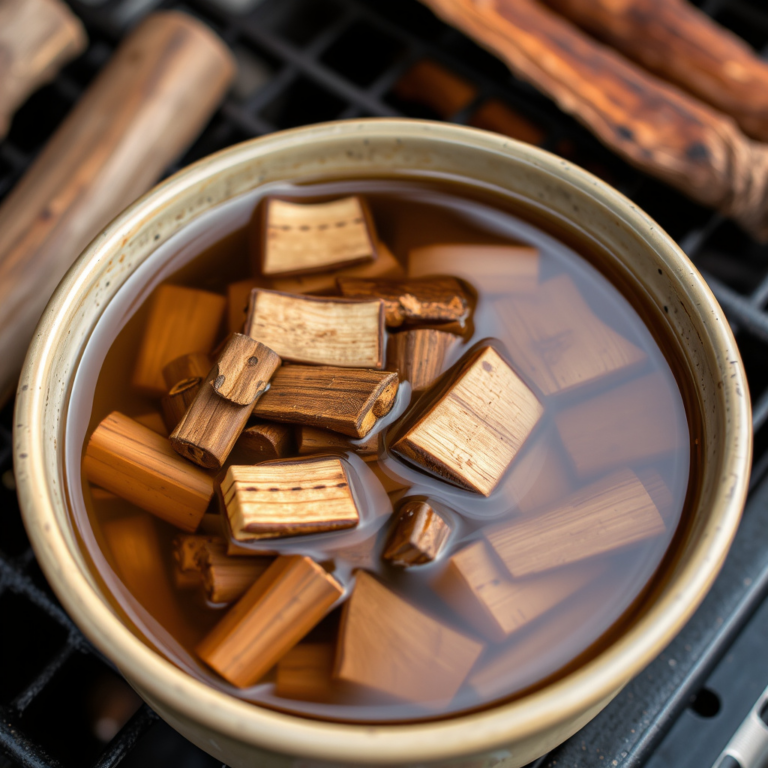
Before adding wood chips, soak them in water, apple juice, or beer for 30 minutes to an hour to prevent quick burning and create longer-lasting smoke. Drain the chips before placing them on hot coals or into a smoker box.
Scatter the soaked chips directly over the glowing charcoal or in a metal smoker box positioned above the coals. Replace chips every hour or so to maintain steady smoke production during longer cooking sessions.
- Soak wood chips to slow burn rate
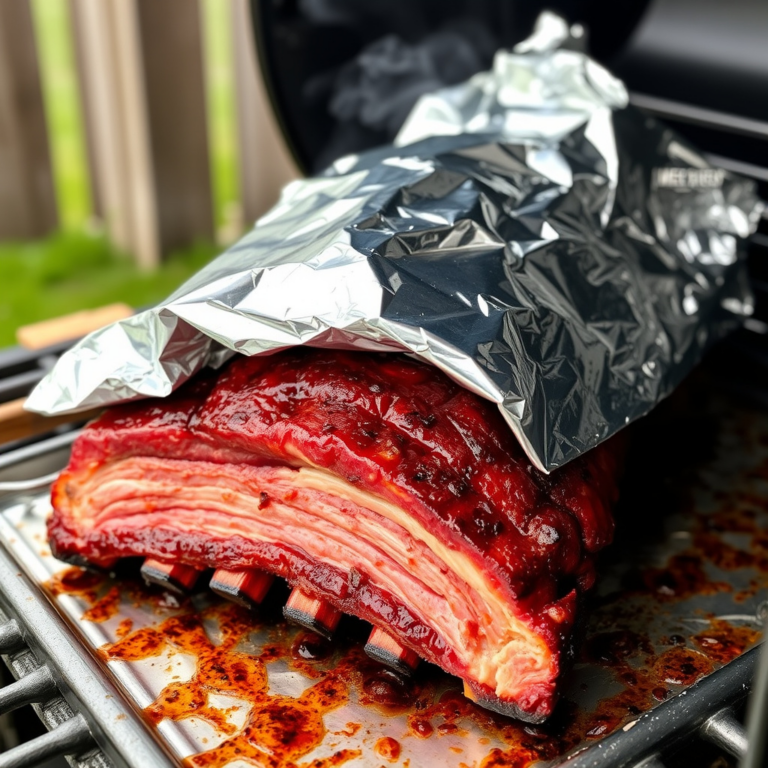
- Use metal smoker box or foil pouch with holes
- Add chips gradually to maintain consistent smoke
Managing Smoke and Heat for Consistent Cooking
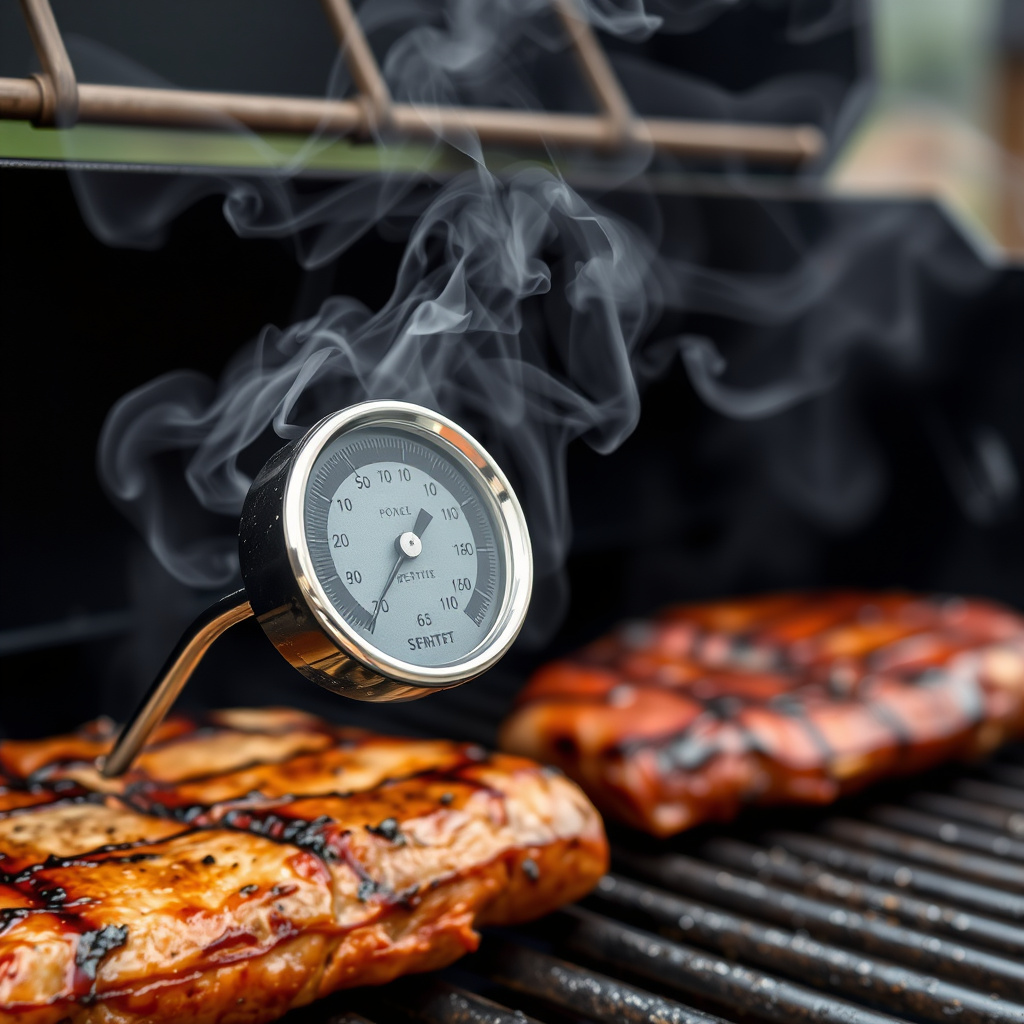
Maintaining a Stable Smoking Temperature
Once the fire is established, maintaining a low, steady temperature is essential. Avoid opening the grill lid frequently, as this causes temperature drops and smoke loss. Use vents to tweak airflow, compensating for changing conditions like wind or coal burn-down.
Add small quantities of charcoal at intervals to keep the heat steady during longer smokes, but avoid overfilling as excess heat can disrupt the low-temperature cooking process.
- Monitor temperature every 30 minutes
- Add charcoal gradually to sustain heat
- Keep lid closed except for quick checks
For more on this, see our related guide: How to Smoke Meat on a Charcoal Grill: A Step-by-Step Guide.
Creating and Controlling Smoke Levels
Ideal smoke isn’t dense billows but a thin, bluish stream. If smoke is thick and white, adjust vents to increase oxygen and promote cleaner combustion. Excess smoke often imparts bitter flavors.
Experiment with smoking time and wood chip quantities for your preferred smoky intensity. Longer smokes may require intermittent chip additions and longer cooking time for flavor buildup.
- Aim for thin, steady smoke
- Avoid overloading wood chips at once
- Vent adjustments fine-tune smoke density
Preparing Food and Timing for Smoking Success
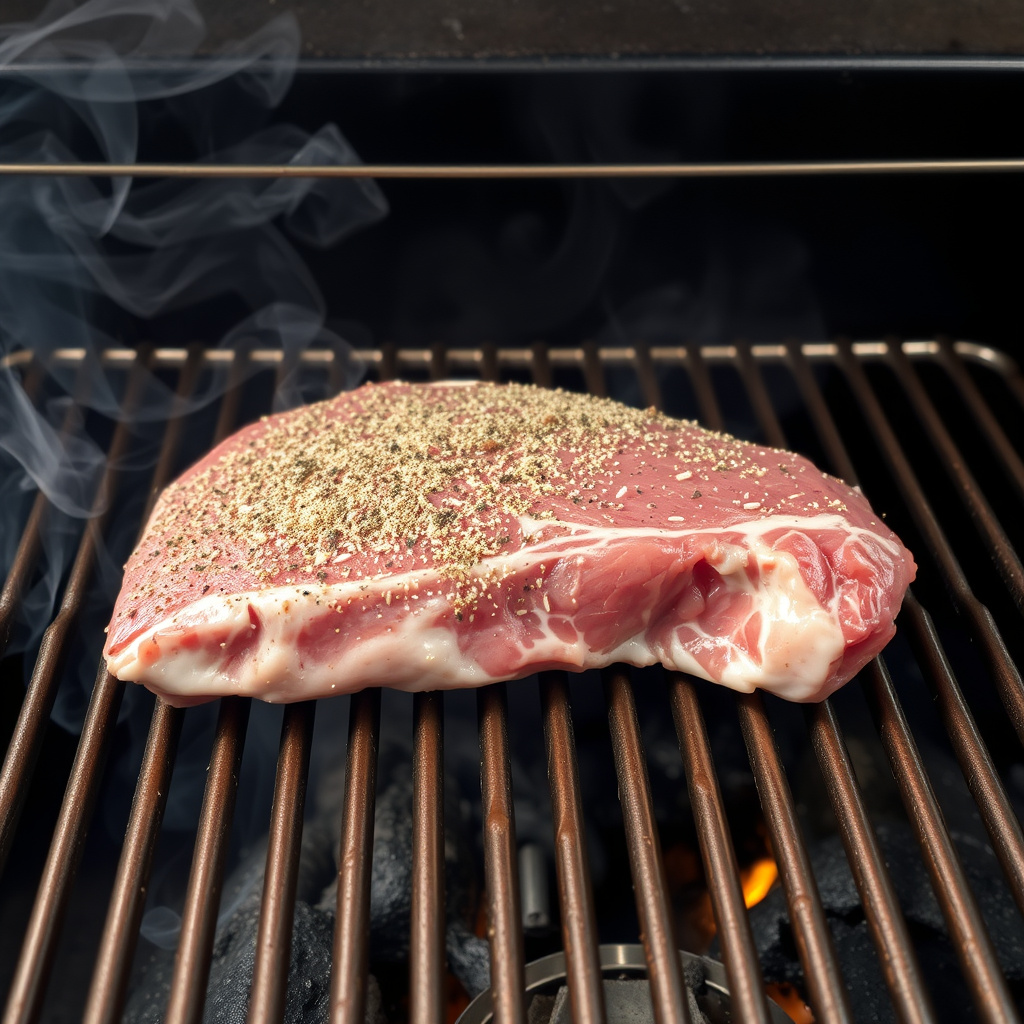
Seasoning and Preparing Meats for the Smoker
For smoking, meats benefit from a dry rub or marinade that complements smoke flavors but doesn’t overpower them. Pat meats dry before seasoning to help the rub adhere better and promote crust formation.
Bring meats to room temperature before placing on the grill to encourage even cooking. Larger cuts like brisket or ribs require consistent low heat and longer times, while smaller cuts cook faster and need close temperature watching.
- Use dry rubs with salt, spices, and herbs
- Avoid sugary sauces early to prevent burning
- Rest meat after seasoning and before grilling
Estimated Cooking Times and Testing Doneness
Smoking times vary widely depending on meat type and size: brisket can take 8-12 hours, pork ribs 4-6 hours, and chicken about 2-3 hours. Maintain grill temperature and avoid rushing to allow connective tissue breakdown and smoke penetration.
Use a reliable meat thermometer inserted into the thickest part to check internal temperatures: 195-205°F for brisket, 190-203°F for ribs, and 165°F for poultry are good benchmarks for doneness and tenderness.
- Plan for slow cooking times
- Use probe thermometer for accuracy
- Rest meat post-smoking to redistribute juices
Common Challenges and Troubleshooting
Handling Temperature Fluctuations
Rapid temperature swings are often caused by improper vent adjustments, too much charcoal added at once, or opening the lid too frequently. Keep vents partially open and add small charcoal amounts gradually.
Windy or cold weather increases heat loss; consider using a windbreak or insulating your grill to stabilize cooking conditions.
- Avoid sudden large charcoal additions
- Check vent settings carefully
- Use environmental shields if needed
For more on this, see our related guide: How Do Electric Grills Work? A Clear Guide to Their Operation.
Dealing with Excessive or Little Smoke
If smoke is thick and acrid, it usually means incomplete combustion or too many wet or green wood chips. Dry your wood chips well and increase vent airflow.
If you see little to no smoke, check that wood chips are placed on glowing coals and add more chips if necessary while ensuring enough moisture for slow burning.
- Use properly dried and soaked wood chips
- Adjust vents to regulate oxygen
- Place chips correctly above heat source
Essential Accessories for Charcoal Smoking
Tools for Efficient Charcoal Management
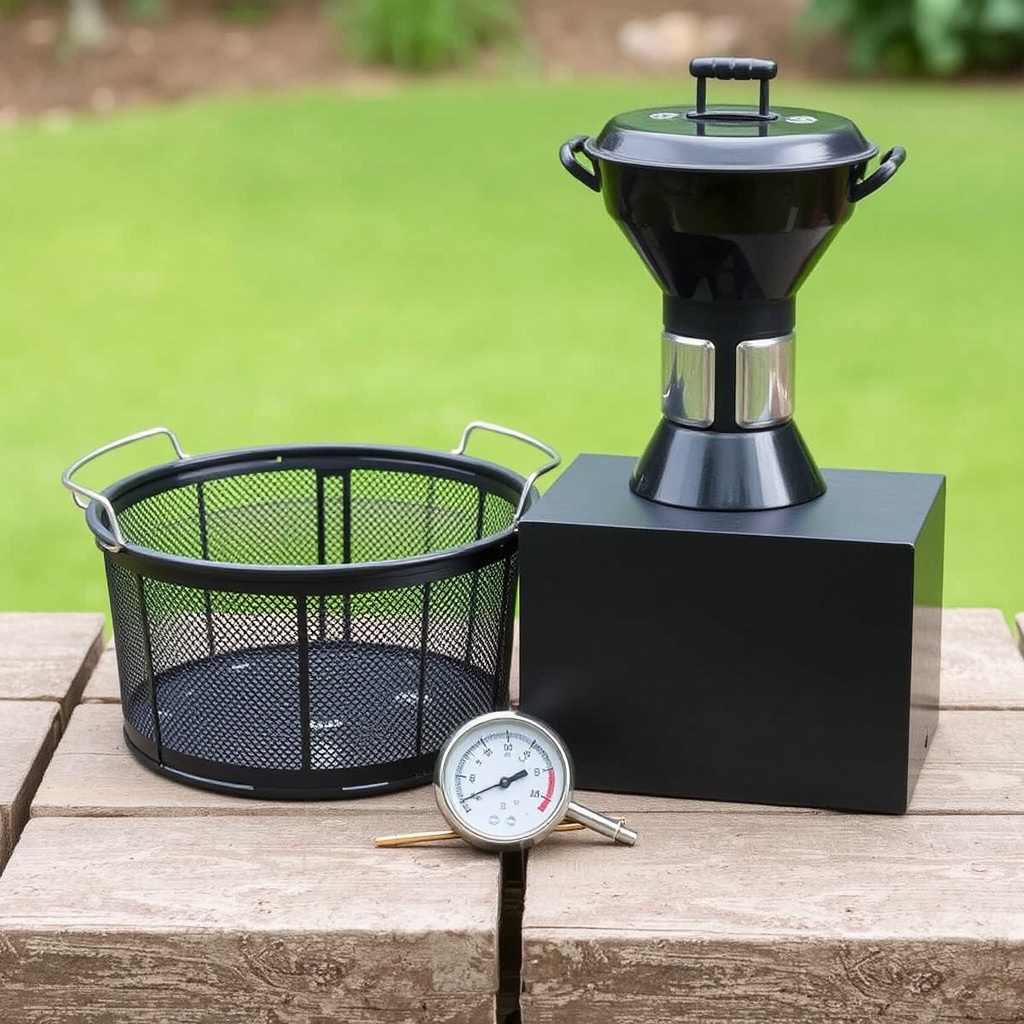
A chimney starter provides quick and even charcoal ignition without lighter fluid, preserving flavor integrity. Charcoal baskets or dividers help contain heat zones and simplify adding fuel during long cooks.
Heat-resistant gloves and long-handled tongs protect you when managing hot coals. Having a sturdy grill grate thermometer or wireless probe thermometer ensures accurate temperature tracking.
- Chimney starter for clean charcoal lighting
- Charcoal basket for organized fire layout
- Protective gloves and tongs
For a broader understanding of smoking as a cooking technique, refer to the Smoking (food) Wikipedia article. Smoking (food) Wikipedia article.
Enhancing Smoke Flavor and Convenience
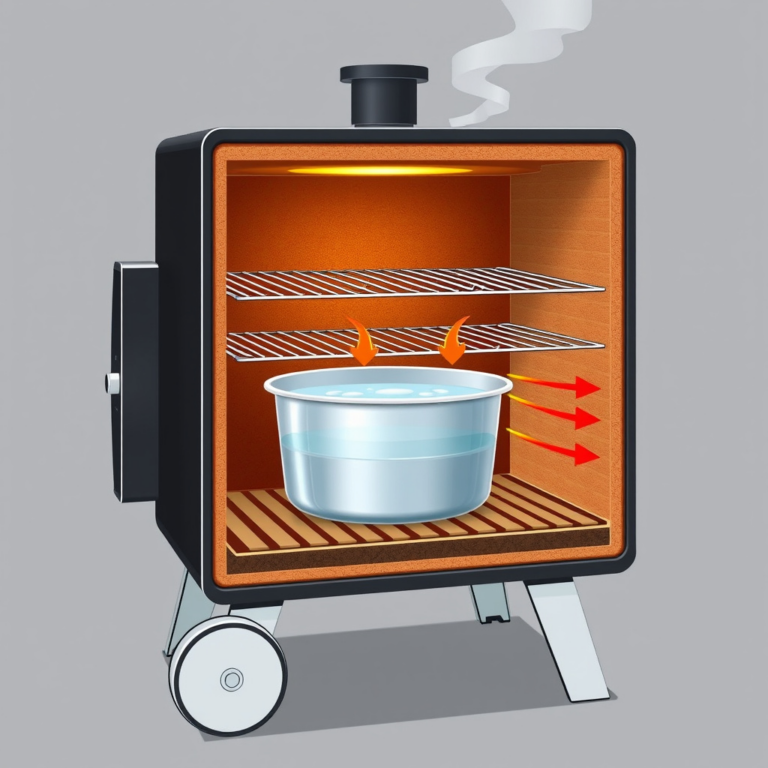
A metal smoker box or perforated foil pouch maintains steady wood chip smoke without direct burning. Water pans placed in the indirect zone add humidity, helping heat stabilization and moistening the meat surface for better smoke absorption.
Consider a windbreak or grill cover for consistent temperature in variable weather. Quality grill brushes keep grates clean, preventing flare-ups and unwanted residues.
- Smoker box or foil pouch for wood chips
- Water pan to maintain grill humidity
- Windbreak or cover to control environment
Charcoal Grill Smoking Methods Comparison
Here is a comparison of popular charcoal grilling setups for smoking, outlining pros, cons, and ideal uses for each method.
| Method | Setup Complexity | Temperature Control | Smoke Flavor Intensity | Best For |
|---|---|---|---|---|
| Two-Zone Setup | Moderate | Good with vent adjustments | Medium to High | Versatile cuts, beginners |
| Snake Method | High | Stable for long cooks | High | Brisket, ribs, long smokes |
| Minion Method | Moderate | Consistent low temp | Medium | Pork shoulder, chicken |
| Using Smoker Box | Simple | Depends on coals/vents | High | Quick smoking sessions |
| Foil Pouch Chips | Easy | Limited control | Low to Medium | Short smokes, subtle flavor |
Frequently Asked Questions
Can I use any charcoal for smoking?
Natural lump charcoal or high-quality briquettes without additives are best for smoking because they burn cleanly and maintain steady heat. Avoid briquettes with fillers or chemicals that can alter flavor.
How often should I add wood chips during smoking?
Add wood chips every 45 minutes to an hour, depending on their burn rate and intensity of smoke desired. Soaked chips burn slower but still need replenishing to keep smoke steady.
Is it necessary to soak wood chips before using them?
Soaking wood chips reduces the speed at which they burn, producing more consistent smoke instead of quick bursts. However, some pitmasters prefer dry chips for more immediate smoking effects.
What temperature range is ideal for smoking on a charcoal grill?
The ideal smoking temperature on a charcoal grill is between 225°F and 275°F. This range allows slow cooking, tenderizing meat while infusing smoke flavor.
How do I know when my smoked meat is done?
Use a meat thermometer to check internal temperature: about 195-205°F for brisket and ribs, and 165°F for poultry. Also, check for tenderness by feel or the probe test for larger cuts.
Key Takeaways
- Use a two-zone charcoal setup for indirect smoking.
- Control temperature and smoke with vents and wood chip placement.
- Choose wood chips that complement your food type and soak before use.
- Be patient; smoking is low and slow cooking for best flavor.
Conclusion
Approaching charcoal grill smoking with attention to fire management, airflow control, and smoke quality unlocks the potential for richly flavored, tender dishes. Thoughtful setup of your charcoal grill for indirect heat, plus selecting the right wood chips, creates conditions that convert your grill into an efficient smoker. Monitoring temperature steadily and adjusting vents makes all the difference for consistent results.
For beginners, the two-zone method offers flexibility and easier control for smoking various cuts like pork ribs and chicken. The snake and minion methods suit longer cooks such as brisket and pork shoulder needing stable temperatures over many hours. Choosing wood chip types like apple or hickory gives you flavor options to match the food. Accessories such as chimney starters and smoker boxes add convenience and improve your smoking process.
Start by practicing with smaller cuts and controlled sessions to build your confidence. Experiment with smoke flavors and temperatures at your grill’s best settings. With time and patience, smoking with a charcoal grill will become a rewarding skill that adds complexity and depth to your backyard cooking.