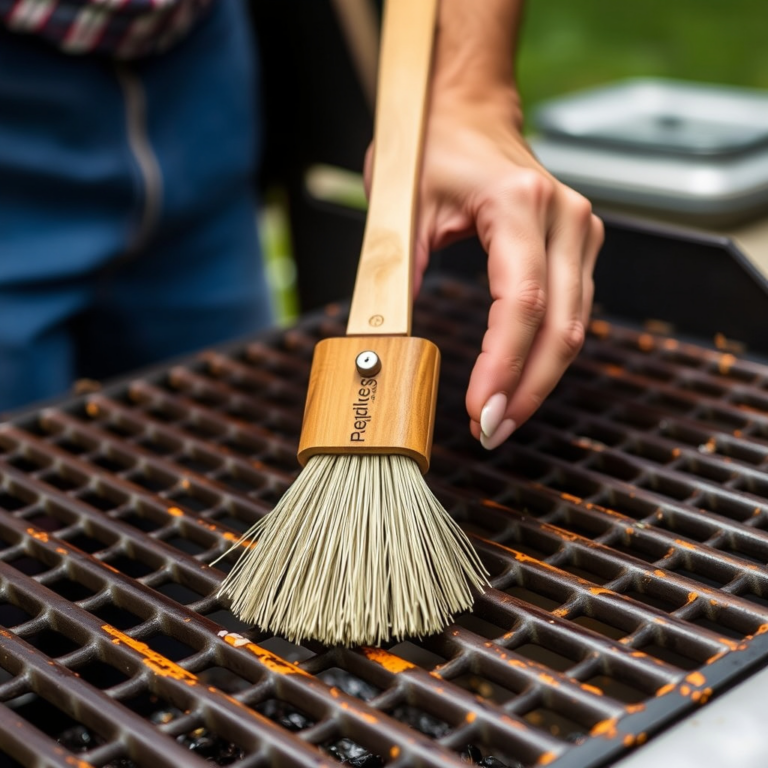
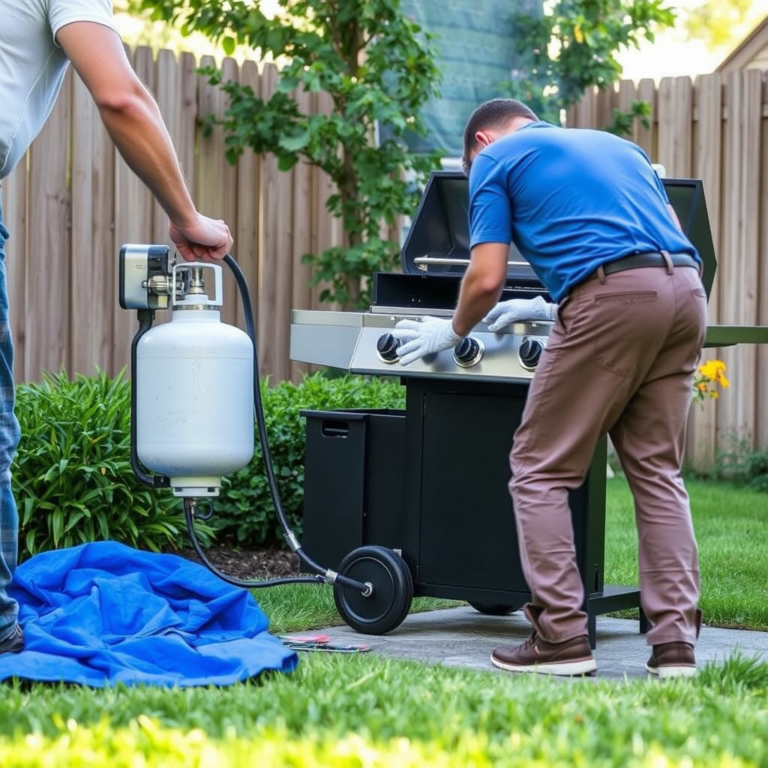
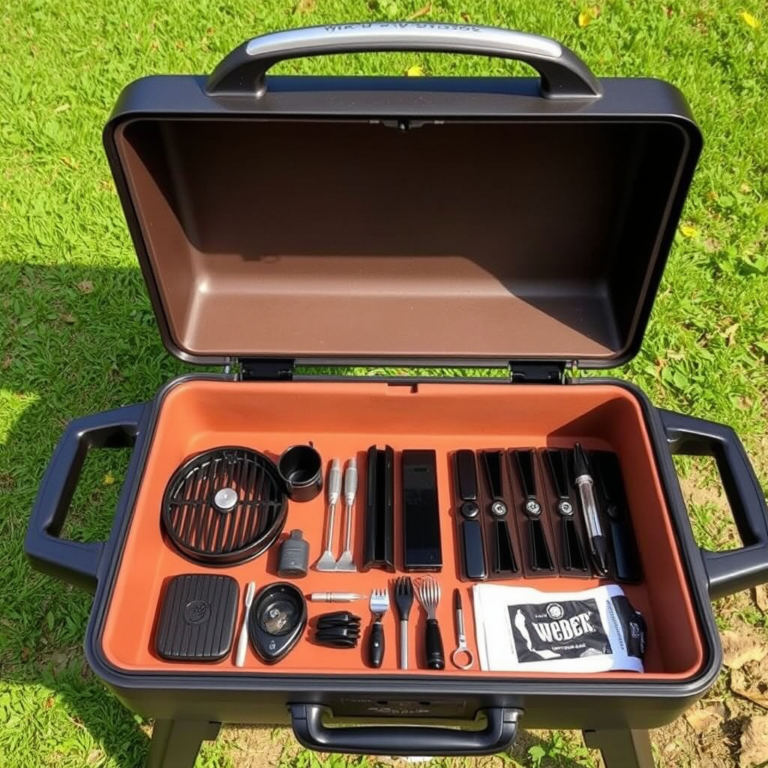
Cleaning grill burners is essential to maintain a safe and efficient cooking experience. Start by disconnecting the gas supply and removing the burners according to your grill’s manual. Use a wire brush or a soft brush to remove any debris or rust build-up on the burners. After brushing, rinse with warm soapy water and clear any clogged holes with a thin wire or toothpick. Dry thoroughly before reinstalling.
Grill burners are the heart of your gas grill, and neglected burners can cause uneven heating or dangerous flare-ups. Regular cleaning ensures that your burner holes remain clear, helping the gas flow smoothly and your grill flame stays steady. This also prolongs the lifespan of your burners and reduces the risk of potential fire hazards caused by grease build-up.
This guide will cover why grill burner cleaning matters, tools and techniques you need, step-by-step cleaning methods suited for different burner types, and tips on maintaining your grill burners in great condition between cleanings.
Why Cleaning Grill Burners Matters
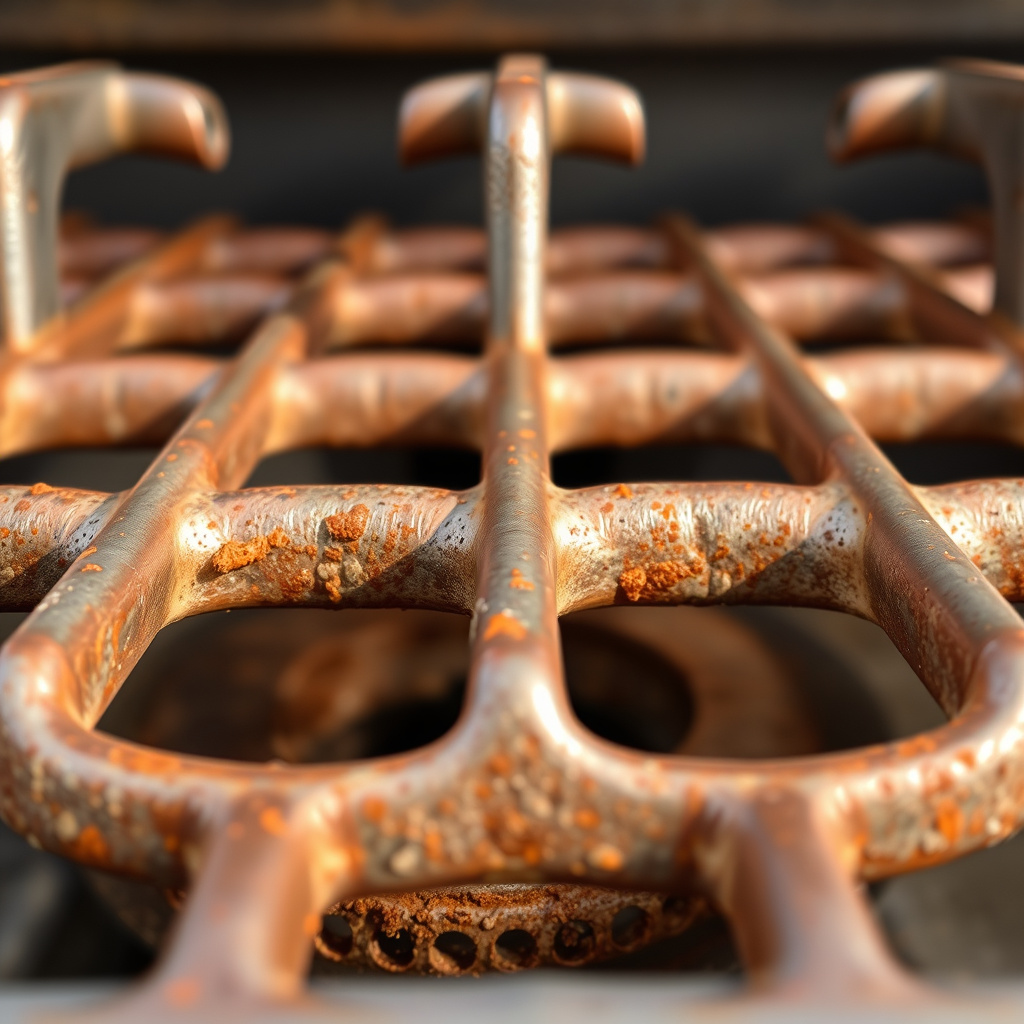
Effects of Dirty Burners on Cooking Performance
Clogged or greasy burners can cause uneven heat distribution across your grill’s cooking surface. This leads to hot spots that may char food in one area while leaving another undercooked.
Additionally, grease and debris build-up can block gas flow, causing weak or inconsistent flames which impact cooking efficiency. Dirty burners also increase the risk of flare-ups, posing safety hazards.
Safety Reasons for Regular Burner Cleaning
Accumulated grease and food debris on burners can ignite unexpectedly, creating dangerous flare-ups and fire hazards around your grill.
Cleaning burners lowers the chance of flare-ups by removing combustible materials and residual gases trapped in clogged burner holes.
Tools and Supplies Needed to Clean Grill Burners
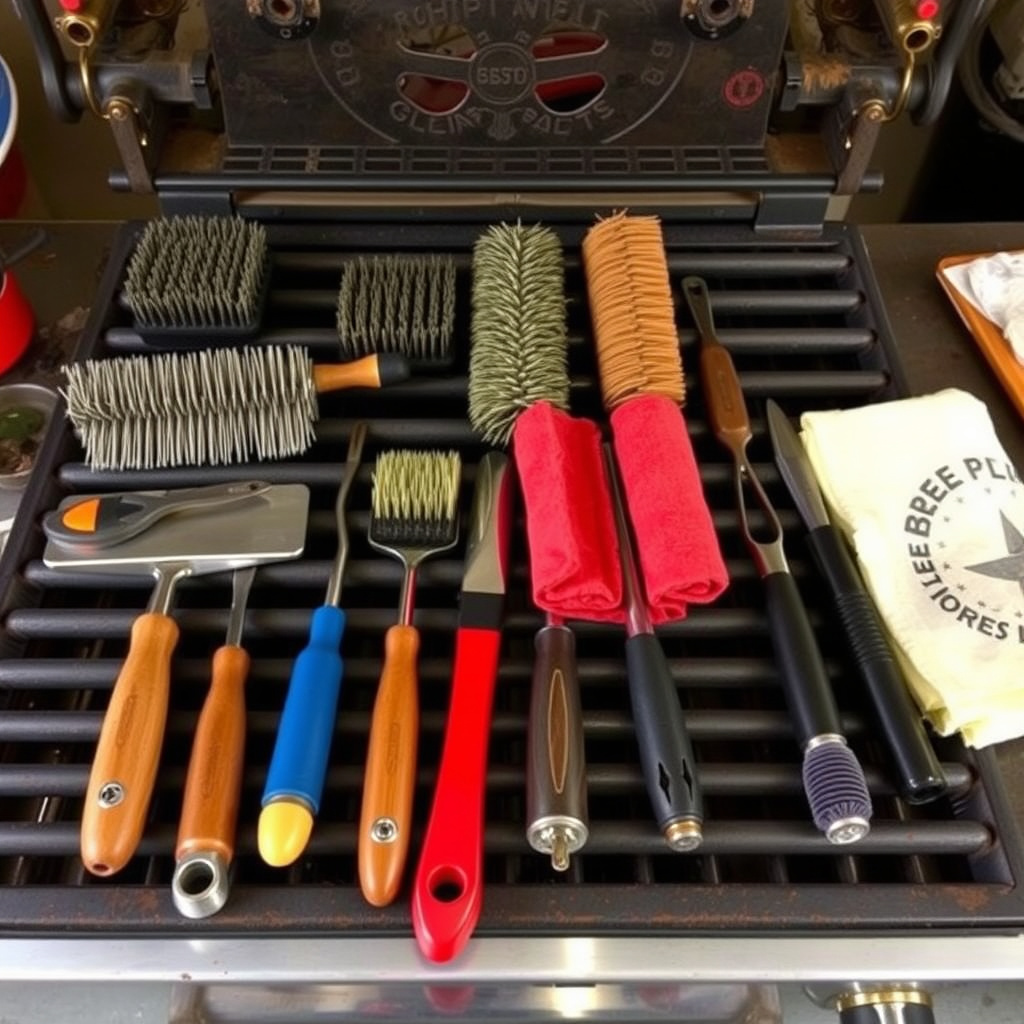
Essential Cleaning Tools
A wire brush designed for grills helps remove stuck-on grease and rust from burner surfaces without damaging the metal. Toothbrushes can clean smaller areas and crevices.
You will also need warm, soapy water, a bucket, a nylon scrubbing pad for delicate surfaces, and a thin wire or toothpick to clear clogged burner holes.
- Wire brush for metal surfaces
- Old toothbrush for detailed cleaning
- Nylon scrubbing pad
- Thin wire or toothpick for clogs
- Warm soapy water
- Clean cloths or towels
Additional Safety and Maintenance Items
Wearing gloves protects your hands from grease and sharp edges during cleaning. Always work in a well-ventilated area to avoid inhaling fumes from cleaning agents.
Have a grill manual nearby for specific burner removal instructions. After cleaning, apply a light coat of anti-rust spray or oil suitable for high temperatures to prevent corrosion.
- Protective gloves
- Grill manual
- Anti-rust spray or high-temp oil
Step-by-Step Guide to Cleaning Grill Burners
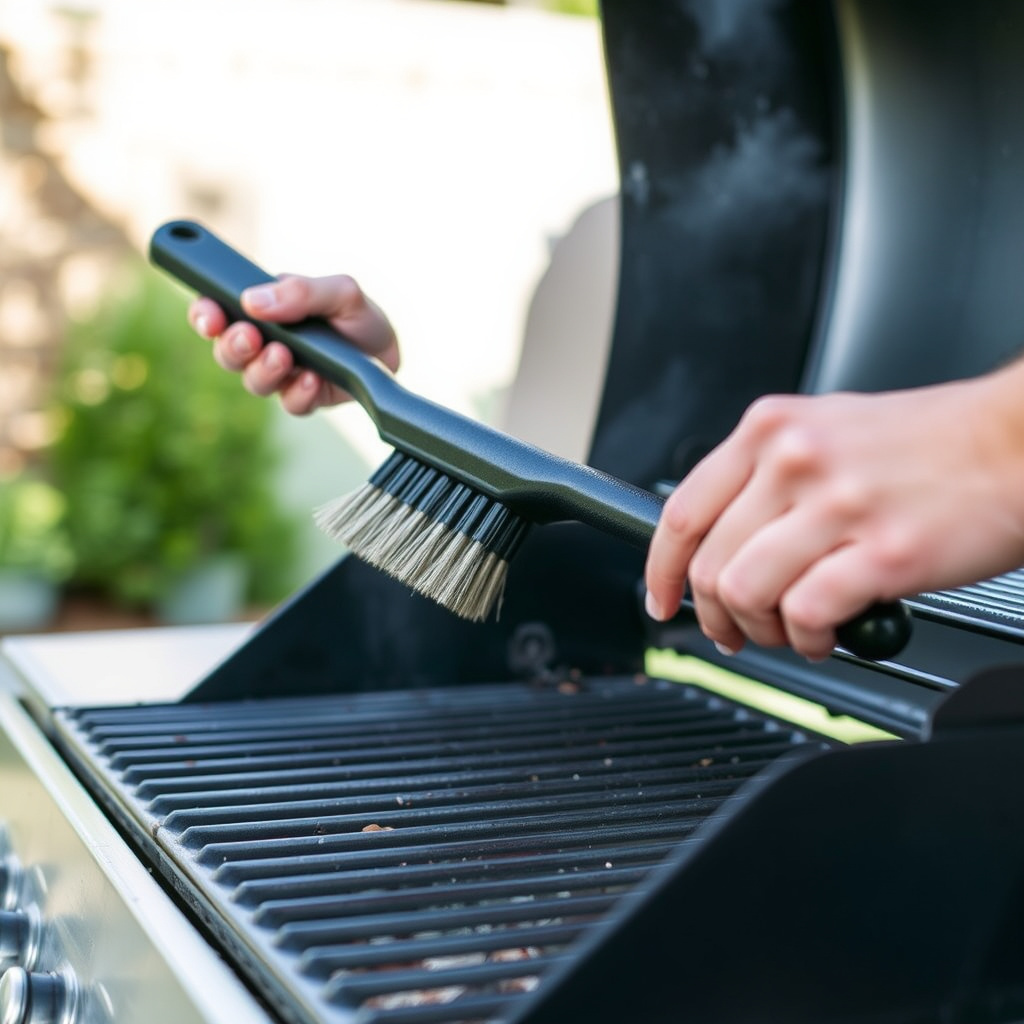
Removing Burners Safely
First, ensure the grill is turned off and completely cooled. Disconnect the gas supply by closing the propane valve or gas line.
Refer to your grill’s manual to locate the screws or clips holding burners in place and carefully remove them. Take care not to damage attached gas tubes or sensors.
For more on this, see our related guide: How to Clean a Weber Grill for Better Flavor and Longevity.
Cleaning and Clearing Burner Holes
Use a wire brush to scrub the outside and top of each burner, focusing on rust patches and greasy deposits. For stubborn spots, soak the burners in warm soapy water for 20-30 minutes before scrubbing.
Inspect each individual gas outlet hole. If clogged, carefully push a thin wire or toothpick through to clear blockages. Rinse thoroughly and dry completely to avoid rust.
Cleaning Different Types of Grill Burners
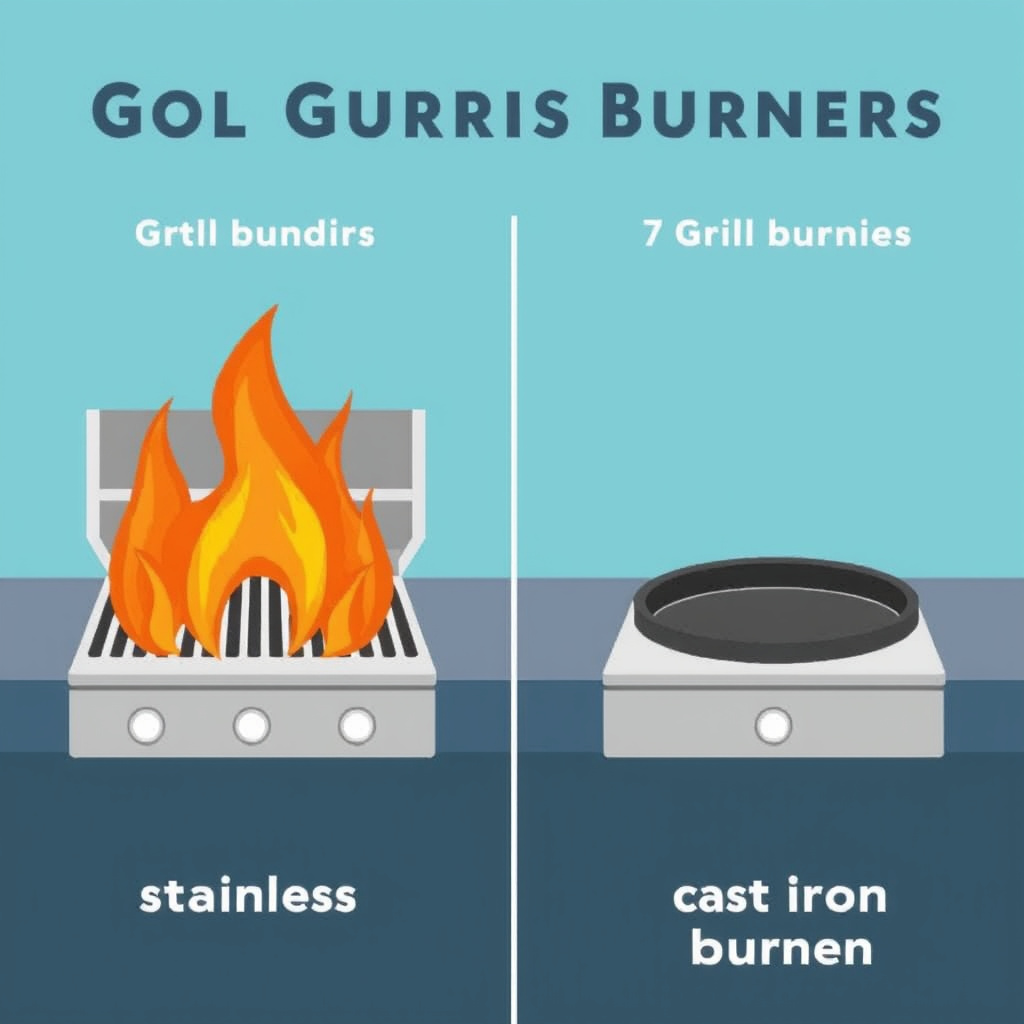
Cleaning Stainless Steel Burners
Stainless steel burners resist corrosion but still require regular scrubbing with a non-abrasive brush and mild detergent to remove grease and food residue.
Avoid harsh wire brushes on stainless steel, which can scratch the surface and invite rust spots. Light sanding or specialized stainless steel cleaner helps with stubborn discoloration.
Cleaning Cast Iron Burners
Cast iron burners tend to rust if not properly cleaned and dried after use. Wire brushing is effective, along with routine seasoning by applying a thin coat of cooking oil.
After cleaning, dry cast iron thoroughly and store burners in dry conditions to prevent rust formation. Use rust remover if corrosion appears.
Maintaining Your Grill Burners Between Cleanings
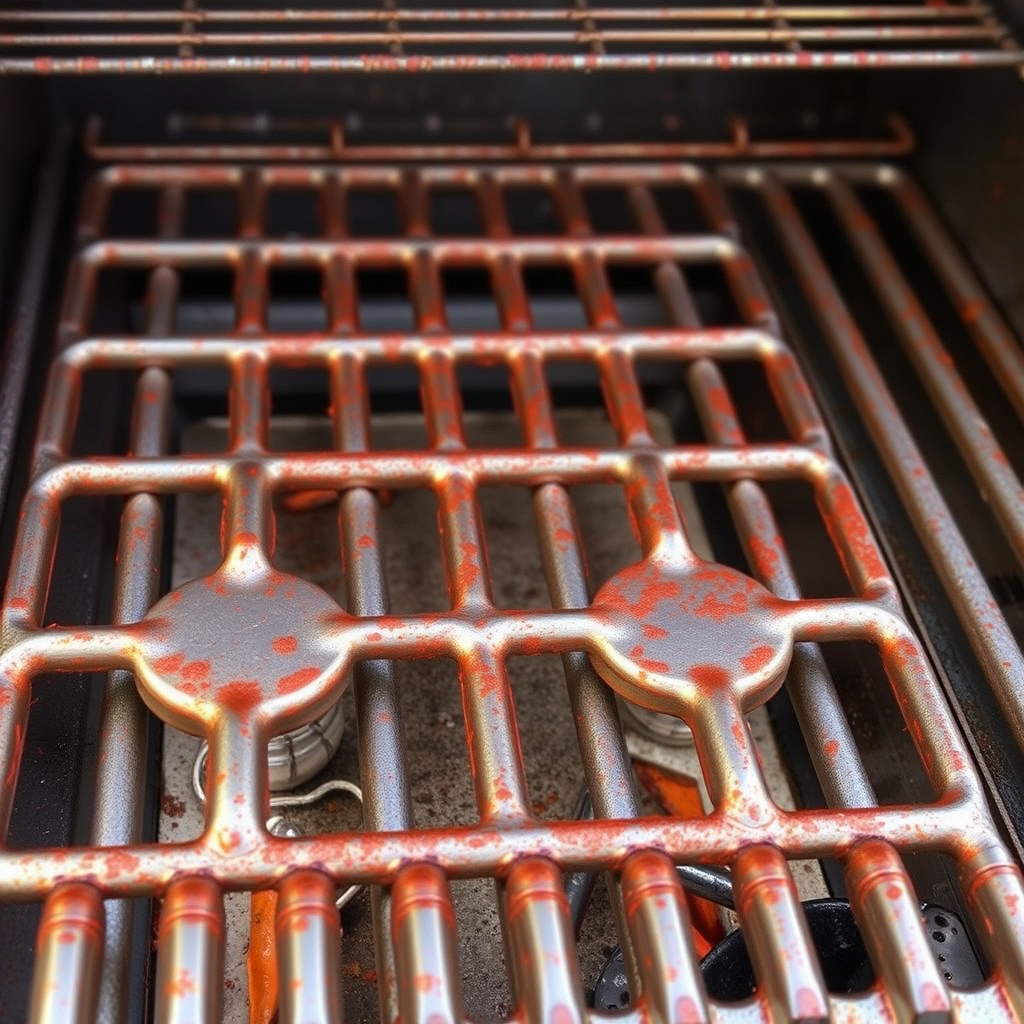
Regular Visual Inspections
Inspect burners for signs of rust, debris, or clogging each time you clean the grill surface. Early detection helps keep flame consistency steady and cooking safe.
Look for corrosion or cracks and replace any damaged burners to avoid gas leaks or uneven heat while grilling.
For more on this, see our related guide: How to Clean a Gas Grill for Safe and Efficient Cooking.
Protective Steps to Reduce Build-Up
Applying a thin coat of cooking oil or anti-rust spray prevents moisture buildup on metal surfaces, reducing corrosion and sticking residues.
Cover your grill after every use with a waterproof grill cover to protect burners from rain, dust, and debris accumulation between cooking sessions.
Troubleshooting Common Burner Problems
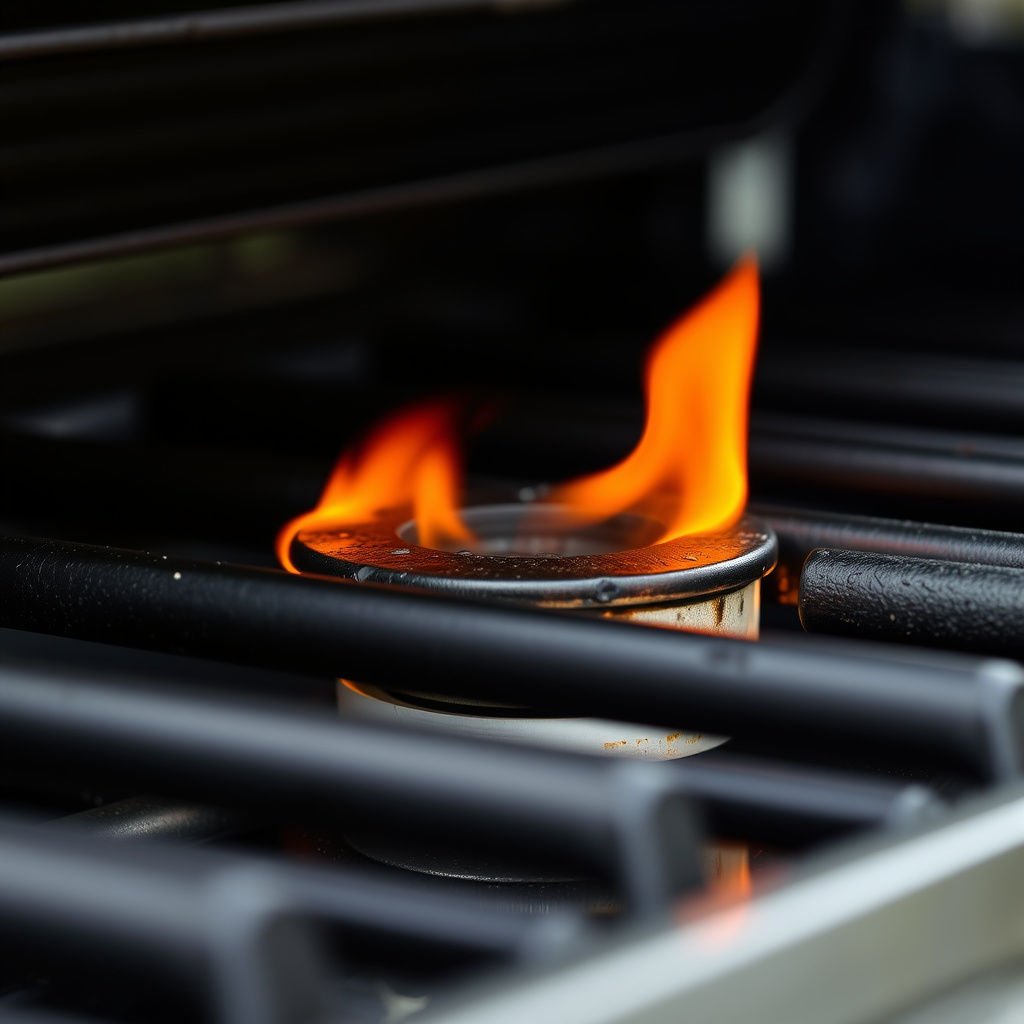
Addressing Weak or Uneven Flames
Weak or uneven flames often indicate blocked burner holes or gas flow issues. Cleaning clogged holes thoroughly usually restores even flame distribution.
If the problem persists, check for damaged burners or gas line obstructions and replace faulty parts accordingly.
For more technical details on grill burner types and gas grills, see this resource on grilling burners explained. Grilling burners explained.
Preventing Burner Rust and Corrosion
Burner rust reduces lifespan and performance. Keep burners dry after cleaning and season cast iron burners to build a protective coating.
Store the grill in a covered area and regularly apply rust blockers compatible with grill components to slow corrosion.
Types of Grill Burners Comparison
This table compares common grill burner types based on material, durability, maintenance, and heat retention to help you choose the right one.
| Burner Type | Material | Durability | Maintenance Level | Heat Retention |
|---|---|---|---|---|
| Standard Steel | Steel | Moderate | Medium – needs occasional cleaning | Moderate |
| Stainless Steel | Stainless Steel | High | Low – resists rust and corrosion | Good |
| Cast Iron | Cast Iron | High | High – requires seasoning and drying | Excellent |
| Ceramic Burner | Ceramic Coated Metal | Moderate | Medium – careful cleaning needed | Excellent |
| Porcelain-Coated | Steel with Porcelain | Moderate | Medium – avoid chipping | Good |
Frequently Asked Questions
How often should I clean my grill burners?
Grill burners should be cleaned at least once a grilling season and after periods of heavy use to maintain performance and safety.
Can I use a wire brush on all types of grill burners?
Wire brushes work well on steel and cast iron burners but should be used gently on stainless steel or porcelain-coated burners to avoid damage.
What is the best way to clear clogged burner holes?
Use a thin wire, toothpick, or a small brush to gently clear any debris blocking the gas outlet holes for proper flame flow.
Is it safe to clean grill burners with water?
Yes, but dry burners completely before reinstalling to prevent rust and ensure safe functioning.
Can I leave my grill outside during rain?
It's best to use a grill cover to protect burners and other components from moisture damage when left outside.
Key Takeaways
- Regular cleaning keeps grill burners safe and efficient for cooking.
- Use proper tools like wire brushes and thin wires to clean burners.
- Different burner materials require tailored cleaning and maintenance.
- Protect burners with drying, seasoning, and covering after cleaning.
Conclusion
Properly cleaning grill burners is key to maintaining an enjoyable and safe grilling experience. By removing grease, rust, and clogs, you keep flames consistent and reduce fire hazards. The main decision points when cleaning involve choosing effective tools, following safe removal and cleaning processes, and knowing the specific needs of your burner type. Attention to detail guarantees burners last longer and grill performance stays reliable.
If you have stainless steel burners, focus on gentle cleaning with non-abrasive brushes to protect the finish. Cast iron burners benefit from thorough drying and application of cooking oil to prevent rust. Standard steel burners require moderate cleaning and rust prevention efforts. Incorporate grill maintenance tips such as checking burners regularly and protecting with covers for best results throughout the year.
After reading this guide on how to clean grill burners, start by gathering the right cleaning tools and reviewing your grill manual. Schedule regular burner cleanings, especially before and after peak grilling seasons, to maintain your grill’s efficiency and safety. With consistent care, you’ll enjoy better cooking results and extended grill life.