
Cleaning a Weber grill begins with removing the grates and scrubbing them with a wire brush to eliminate food debris and grease. Next, empty the ash catcher or grease tray, followed by cleaning the interior using warm, soapy water and a scraper to clear burnt residues. Finally, rinse and dry all parts thoroughly before reassembling for a clean, safe grilling experience.
Maintaining a clean Weber grill matters not just for hygiene but also for enhancing the flavor of your food and ensuring the grill operates efficiently. Leftover grease and charred bits can cause flare-ups and uneven heating, which spoil your meals and shorten the grill’s lifespan. Regular cleaning also helps avoid rust and keeps your grill looking its best.
This guide covers essential cleaning tools, step-by-step methods for cleaning the grates, burners, and exterior, and tips on advanced maintenance. Whether you’re preparing for the season or winding down, these practical steps will help keep your Weber grill in prime condition.
Essential Tools for Cleaning Your Weber Grill
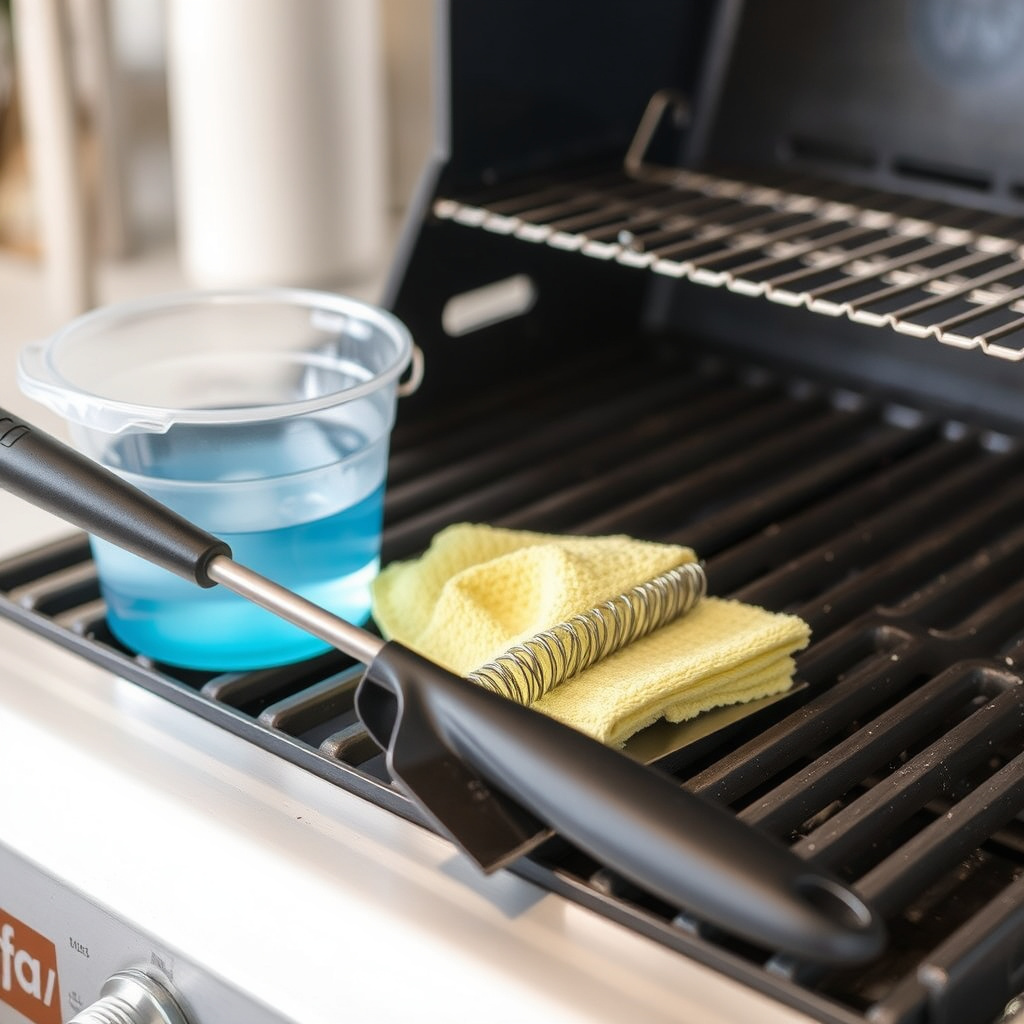
Choosing the Right Brushes and Scrapers
Selecting a sturdy wire brush designed for grilling is critical for effective cleaning without damaging the grate. Stainless steel bristles are best for porcelain enamel grills, while brass bristles work well for other materials. A metal scraper helps break down cooked-on residue more easily.
Using the right tools reduces the effort needed and prevents wear on your grill’s surfaces, contributing to longer-lasting performance.
- Stainless steel wire brush
- Metal scraper
- Soft-bristle brush for delicate parts
Cleaning Solutions and Protective Gear
Mild dish soap mixed with warm water is typically sufficient for most cleaning tasks. Avoid harsh chemical cleaners that can damage the grill's finish or leave residues harmful to food. Additionally, wearing heat-resistant gloves will protect your hands while scrubbing hot surfaces.
Having a bucket of soapy water handy makes rinsing and wiping efficient, and microfiber cloths are ideal for drying without scratching.
- Mild dish soap
- Heat-resistant gloves
- Microfiber cloths
Step-by-Step Cleaning of Weber Grill Grates
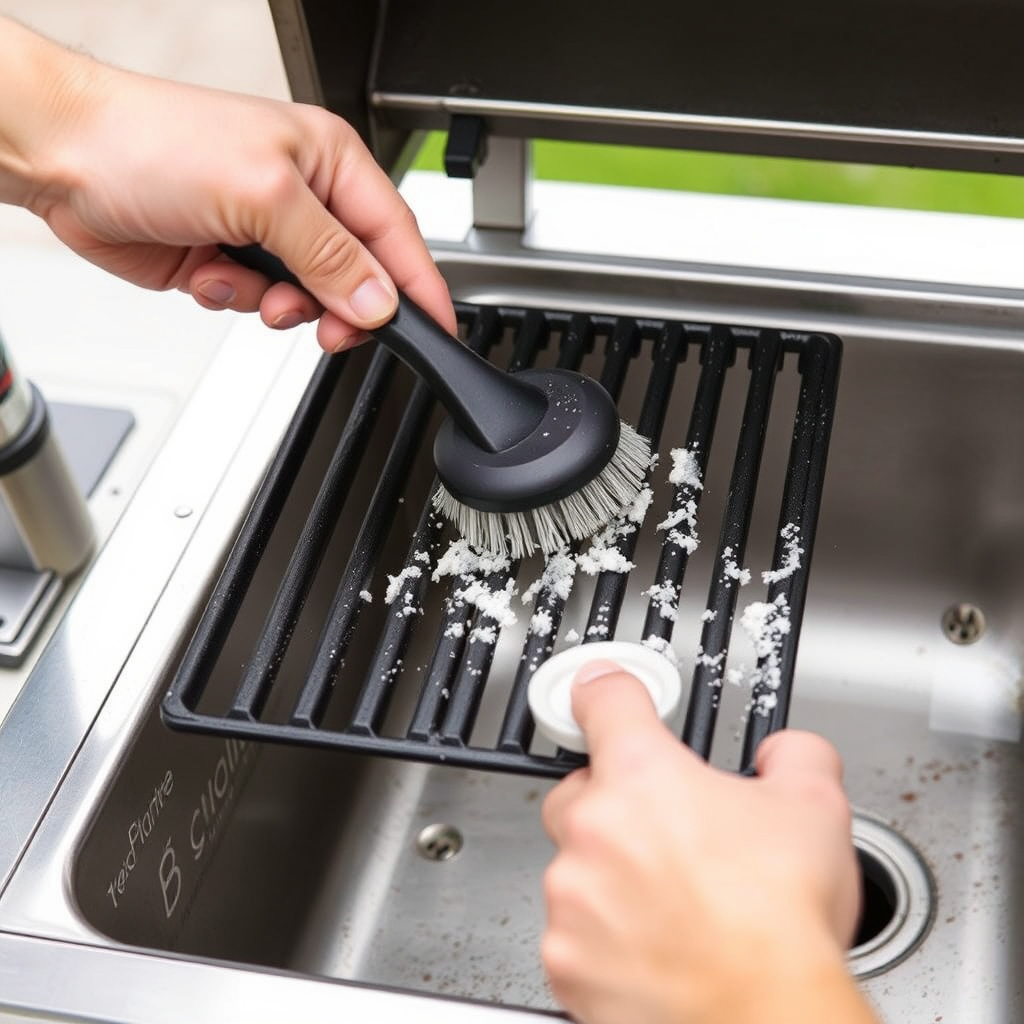
Removing and Soaking the Grates
Start by carefully lifting the grates off the grill and placing them in a large basin filled with hot, soapy water. Letting them soak loosens stubborn grease and food particles, making scrubbing more effective.
Soaking should last at least 15-20 minutes to soften residue, especially after heavy use or cooking sticky sauces.
- Remove grates after grill has cooled
- Use large basin or bathtub for soaking
Scrubbing and Rinsing
After soaking, use the wire brush and scraper to meticulously scrub each grate surface, focusing on corners and grooves. Rinse thoroughly with clean water to remove soap and loosened debris, then dry completely with a cloth to avoid rust.
Regular scrubbing after each use helps maintain clean grates, reducing the buildup of grime that requires intensive cleaning sessions.
Cleaning the Burners and Interior Components
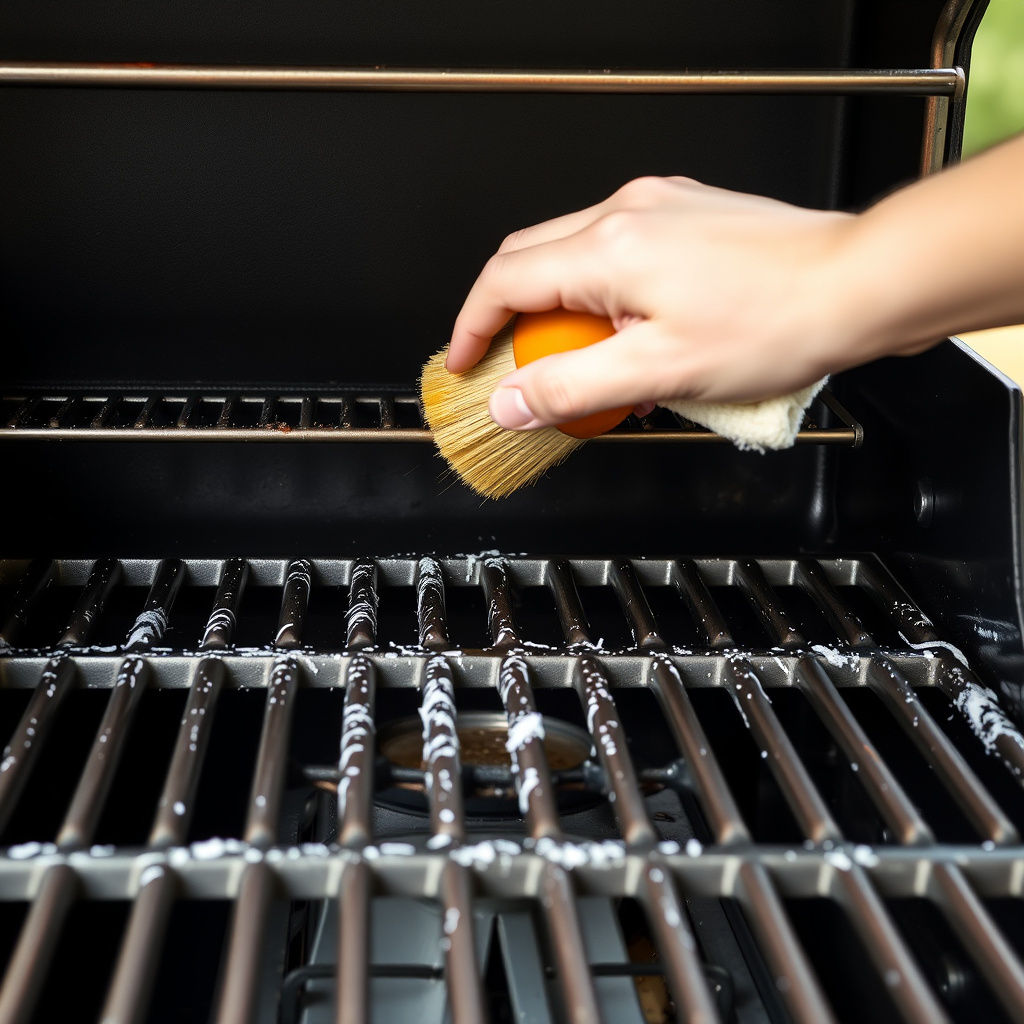
Removing and Inspecting Burners
Detach burners following Weber's instructions to check for blockages or damage. Use a soft wire brush or cloth to gently clean burner ports and tubes without bending them. Clear clogged holes using a toothpick or compressed air for consistent flame output.
Routine burner maintenance prevents uneven heating and flame outages, improving grilling performance.
- Disconnect gas first for safety
- Check for rust or cracks
Cleaning the Grill Interior
Scrape off accumulated grease and ash from the bottom and walls of the grill with a metal scraper. Use warm soapy water and a cloth to wipe interior surfaces, then rinse and dry fully to prevent rust.
Keeping the interior clean minimizes flare-ups and smoke buildup, leading to better food quality and safer grilling.
Maintaining the Exterior of Your Weber Grill
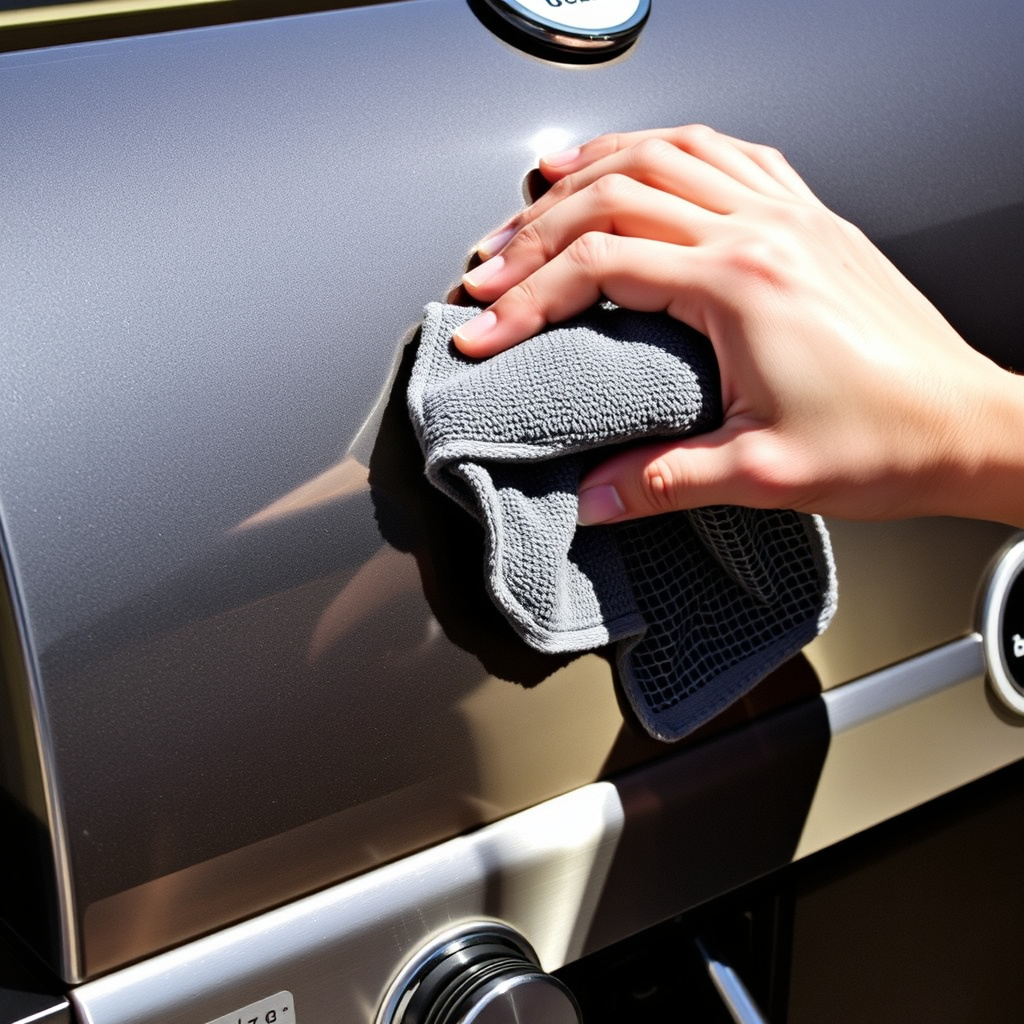
Cleaning Stainless Steel and Painted Surfaces
Use a soft cloth dipped in warm soapy water to gently clean stainless steel or painted exteriors. Avoid abrasive pads to prevent scratches. For tough stains, a stainless steel cleaner designed for grills can restore shine without damaging coatings.
Keeping the exterior clean not only enhances appearance but also extends the lifespan of paint and metal.
- Use non-abrasive cloths
- Apply grill-specific stainless steel cleaner for shine
Protecting Against Weather and Rust
Invest in a weatherproof grill cover to guard against rain, sun, and dust. After cleaning, wiping down metal parts with a light coat of vegetable oil can prevent rust formation between uses, especially during off-season storage.
Proper protection reduces maintenance needs and preserves your Weber grill's value.
- Use fitted grill cover
- Oil metal surfaces lightly
Best Practices for Ongoing Weber Grill Care
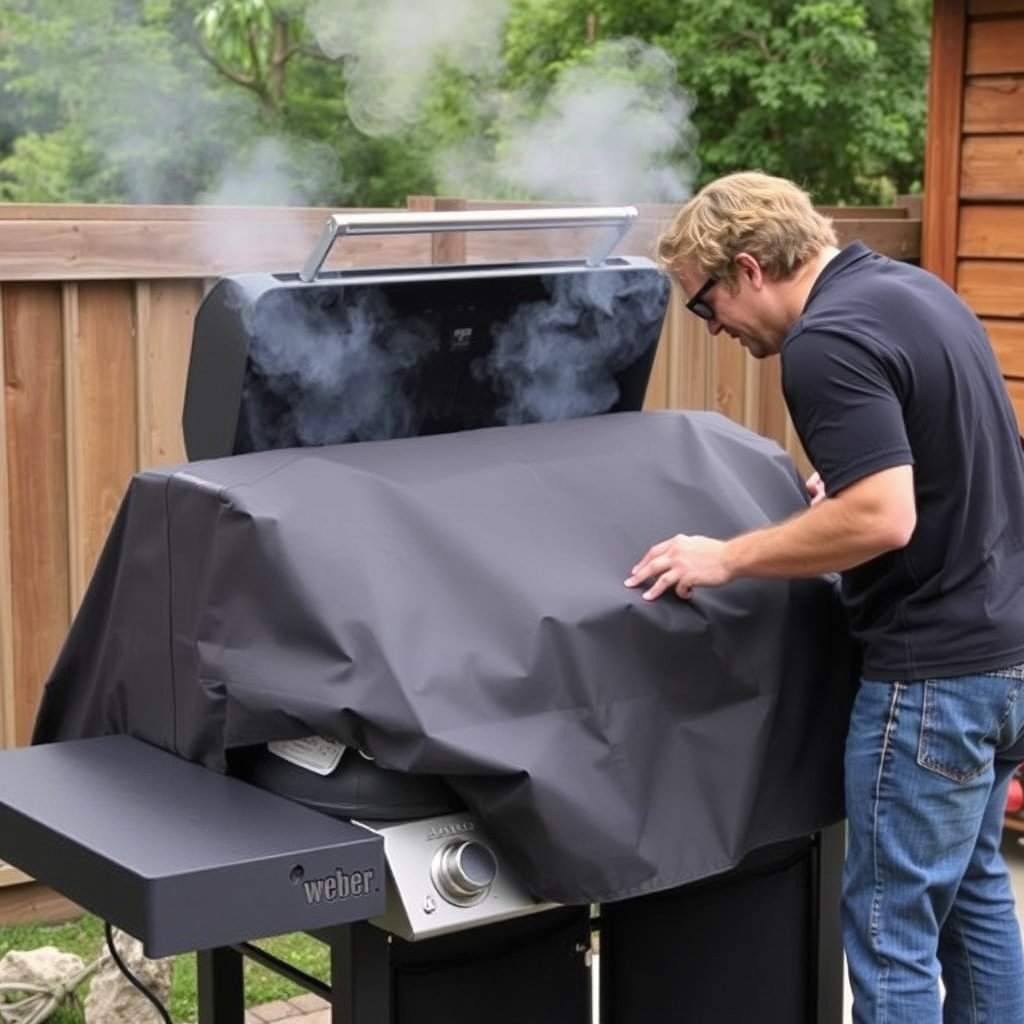
Routine Cleaning After Each Use
Brush the grates right after cooking while still warm to remove fresh food particles. Empty grease catchers regularly to prevent buildup. Wiping down the exterior after use maintains cleanliness and prevents dirt accumulation.
Consistent small cleanings reduce the need for deep cleans and keep your grill ready for your next cookout.
- Brush grates after every use
- Empty grease tray routinely
For additional details on Weber grills and maintenance recommendations, the Weber-Stephen Products article provides useful manufacturer insights. Weber grill maintenance tips.
Seasonal Deep Cleaning and Inspections
At least once per grilling season, perform a comprehensive cleaning of burners, grates, interior, and exterior surfaces. Inspect for signs of wear, corrosion, or gas leaks, and replace any faulty parts promptly to maintain safety and performance.
Seasonal deep cleans ensure the grill stays reliable and preserves your investment.
- Inspect and replace worn parts
- Clean all components thoroughly
Comparison of Weber Grill Cleaning Methods
Here's a quick overview comparing various cleaning approaches to help you pick the best routine for your Weber grill.
| Cleaning Method | Effort Level | Cost | Effectiveness | Recommended Frequency |
|---|---|---|---|---|
| Basic Brushing | Low | Minimal | Good for light residue | After Every Use |
| Soaking and Scrubbing | Medium | Low | Removes stubborn grease | Monthly |
| Full Disassembly and Deep Clean | High | Moderate | Thorough maintenance | Seasonally |
| Chemical Cleaners | Medium | Moderate | Effective but risky for finish | Occasionally with care |
| Professional Grill Cleaning | Very Low | High | Expert result, no effort | Annually |
Frequently Asked Questions
How often should I clean my Weber grill grates?
It's best to brush your grill grates after every use to remove food residue and prevent buildup. A deeper cleaning with soaking and scrubbing is recommended monthly, depending on usage.
Can I use soap to clean my Weber grill?
Yes, mild dish soap mixed with warm water is safe for cleaning most parts of your Weber grill, including grates and the interior. Avoid harsh chemicals that could damage finishes.
Is it necessary to clean the burners regularly?
Cleaning burners regularly prevents blockages that cause uneven flames or flameouts. Inspect and brush the burners seasonally or whenever you notice heating inconsistencies.
How do I prevent rust on my Weber grill?
Dry all grill parts thoroughly after cleaning and consider applying a light layer of vegetable oil to metal surfaces. Using a weatherproof cover when the grill is not in use also helps prevent rust.
Can I clean my Weber grill while it is still warm?
Light brushing of the grates while still warm is effective and easier for removing food residue. However, avoid handling other parts until the grill has cooled to prevent injury.
Key Takeaways
- Use wire brushes and mild soap for effective and safe grilling surface cleaning.
- Regular brushing after use prevents buildup and flare-ups.
- Deep clean burners and interior seasonally for consistent grill function.
- Protect your grill's exterior with proper cleaning and covers to avoid rust.
Conclusion
Deciding how to clean a Weber grill involves balancing convenience and thoroughness to maintain peak performance and food quality. Establishing a routine with immediate post-use brushing minimizes charcoal and grease residue buildup, while occasional deep cleanings targeting grates, burners, and the grill interior keep it operating smoothly. Selecting the right brushes and cleaning solutions protects your grill’s materials and enhances durability. Inspecting and caring for each component helps prevent uneven heating, flare-ups, and rust, resulting in better grilling experiences and a longer-lasting Weber grill.
For frequent users who cook multiple times weekly, integrating basic brushing after each session combined with a monthly soak-and-scrub regimen ensures grates stay free of grime. Seasonally, committing time to remove burners and perform a comprehensive clean improves gas flow and flame consistency, which is vital to achieving delicious, evenly cooked meals. For occasional grillers, less frequent but thorough seasonal deep cleanings may suffice, while always remembering to brush grates right after cooking to avoid residue buildup. Your maintenance plan should match your grilling frequency and environment to keep your Weber in top shape.
To start, gather the essential grill cleaning tools like a good wire brush, scraper, and gentle soap, then create a cleaning schedule suited to your usage habits. After each cookout, spend a few minutes brushing the grates, empting grease trays, and wiping down surfaces. Plan a monthly or seasonal appointment for deeper cleaning and inspection, paying attention to burners and potential rust spots. This simple commitment extends the life of your grill and ensures every meal tastes clean and fresh. For further detailed information, consult Weber’s official cleaning guidelines or trusted grilling resources.



