
Cleaning a gas grill involves several straightforward steps: preheat the grill to burn off residue, scrub grates with a wire brush, empty and clean the drip tray, and wipe down the exterior surfaces. These steps maintain grill performance and ensure food safety.
Regular cleaning matters because leftover grease and food debris can cause flare-ups and affect the flavor of your meals. It also prolongs the life of your grill by preventing rust and mechanical issues.
This article covers the cleaning process in detail, including how and when to clean the burners and grates, the importance of deep-cleaning parts, choosing cleaning tools, and tips for ongoing grill maintenance.
Preparing Your Gas Grill for Cleaning
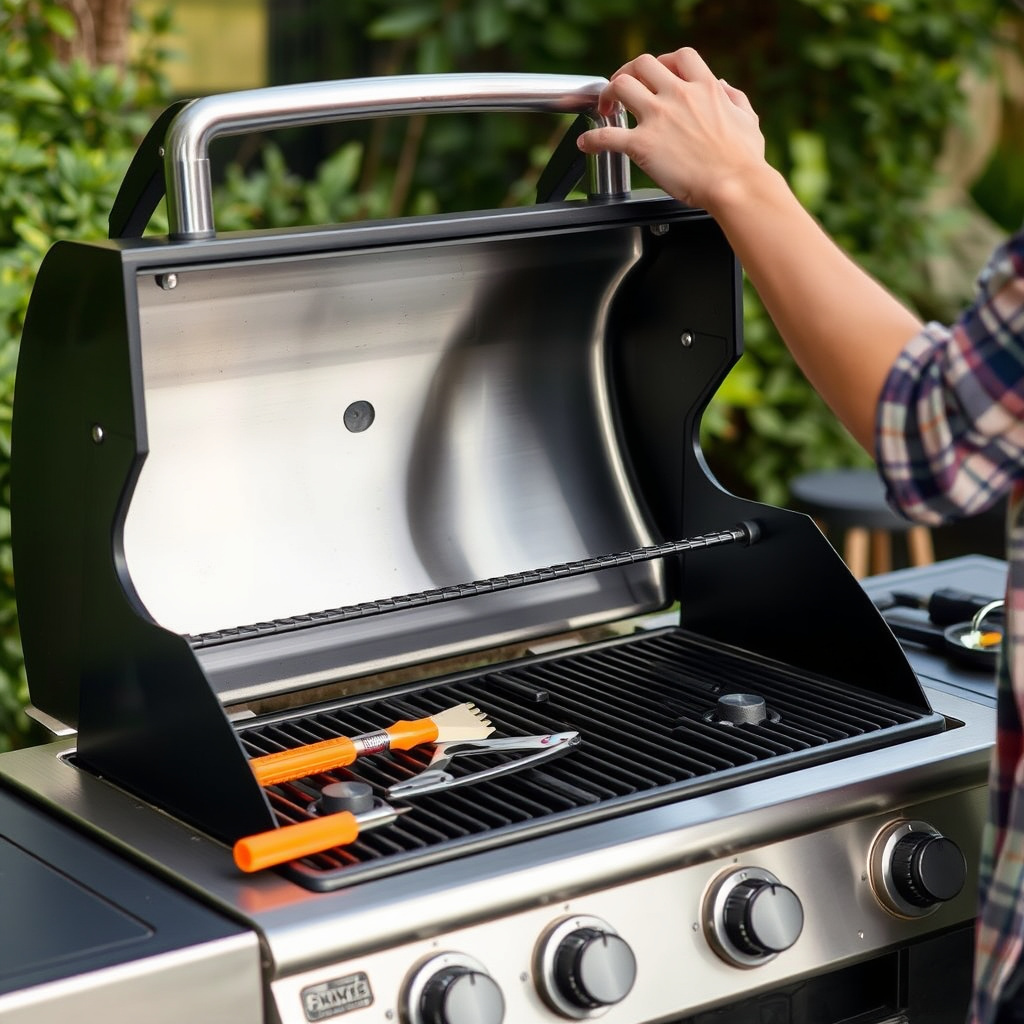
Preheating and Safety Precautions
Start by turning the grill on high for 10 to 15 minutes to burn off excess grease and food particles. This preheating step helps loosen debris, making it easier to clean later.
Always ensure the gas supply is off before beginning any detailed cleaning tasks. Use gloves to protect your hands from sharp edges or any chemical cleaners you may use.
Gathering Essential Cleaning Tools
Equip yourself with a stiff wire brush or a grill scraper, warm soapy water, a sponge or cloth, and a putty knife or plastic scraper for heavy buildup. These tools will handle most areas of a gas grill effectively.
Avoid using wire brushes with bristles that can break off and contaminate food. Instead, choose ones designed specifically for grills or opt for nylon brushes for safer cleaning.
- Wire brush or grill scraper
- Warm soapy water
- Putty knife or plastic scraper
- Protective gloves
- Cleaning cloth or sponge
Cleaning the Grill Grates Effectively
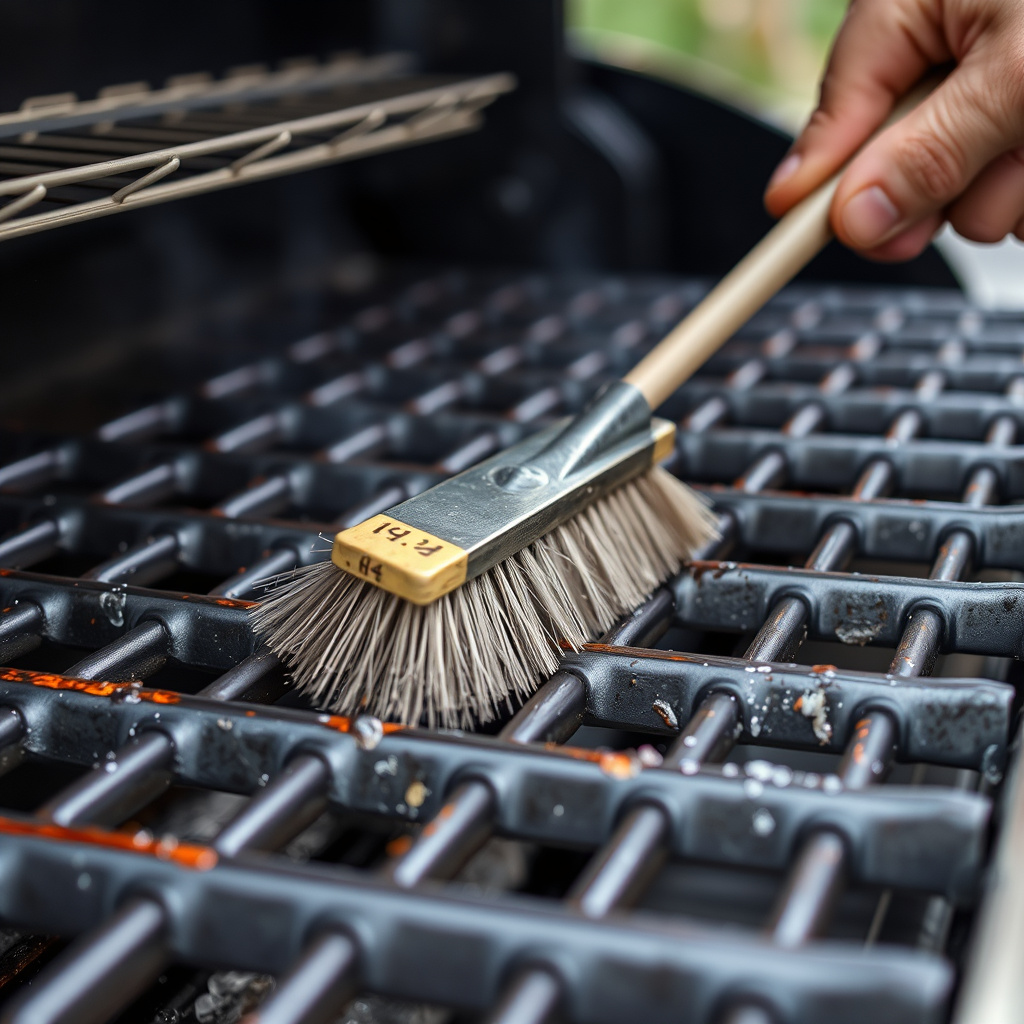
Removing Food Residue from Grates
After preheating, turn off the grill and use a wire brush to scrub each grate thoroughly, targeting areas with stuck-on food and grease. For stubborn spots, soak the grates in warm soapy water before scrubbing again.
Regular cleaning of the grates prevents flavor contamination and maintains even heat distribution, which is essential for cooking food properly.
- Preheat grill before cleaning
- Use brush to loosen residue
- Soak grates for tough buildup
For more on this, see our related guide: How to Clean Grill Grates for a Safer, Tastier Barbecue.
Deep Cleaning Removable Grates
Periodically, remove the grates completely and wash them with warm water and dish soap. Use a non-abrasive scrubber if necessary, then rinse and dry thoroughly before replacing.
This deep clean helps remove grease trapped in corners that brushing alone misses, reducing the risk of flare-ups and extending your grill’s lifespan.
Maintaining Burners and Internal Parts
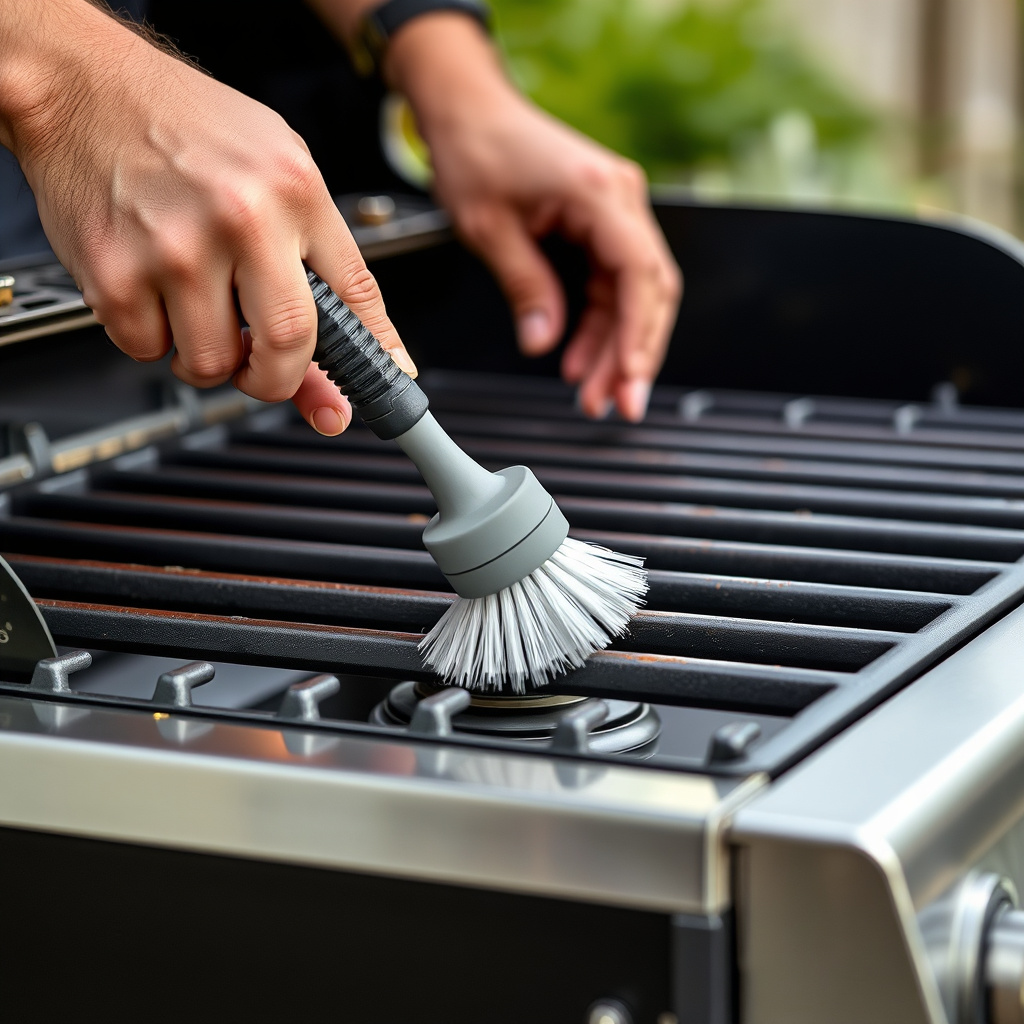
Cleaning Burners and Checking for Blockages
Turn off the gas and remove the burners to inspect for grease or debris blocking the burner holes. Use a soft brush or pipe cleaner to clear blockages, ensuring even flame distribution.
Clear burner tubes contribute to proper heat output and prevent uneven cooking or gas leaks. Regular inspection is vital, especially before the grilling season starts.
- Turn off and disconnect gas supply first
- Remove and clean burner tubes
- Use pipe cleaners for blocked holes
Cleaning the Heat Shields and Flavorizer Bars
Heat shields or flavorizer bars sit above burners to protect them from grease. Clean these by scraping off built-up grease and wiping them down during grill maintenance.
Keeping these parts clean avoids grease fires and maximizes the flavor-enhancing effects they provide when fat drips onto hot surfaces.
Handling the Grease Tray and Exterior Surfaces
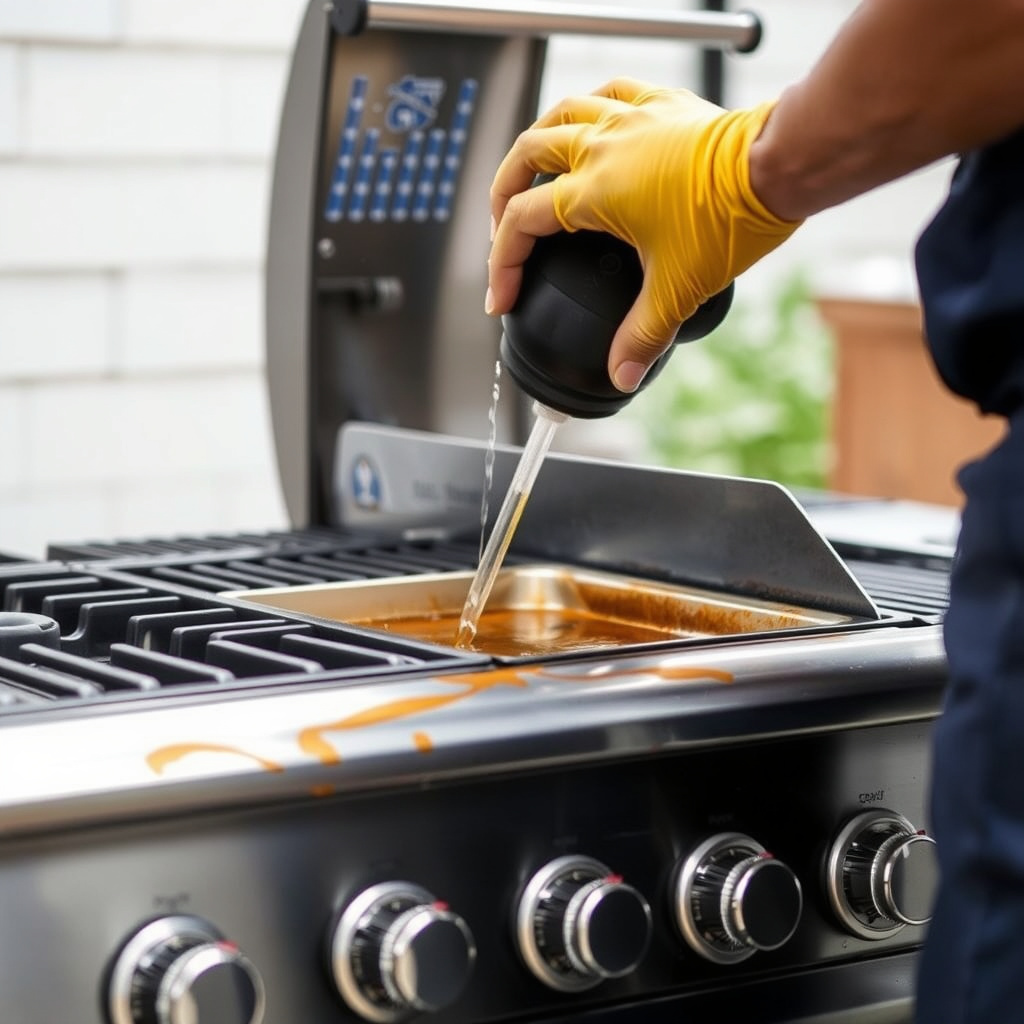
Emptying and Cleaning the Grease Tray
Regularly empty the grease tray to prevent overflow and potential fires. Dispose of the grease safely and clean the tray with warm soapy water to remove residue.
A clean grease tray helps maintain safe grilling conditions and minimizes unpleasant odors that come from greasy buildup.
- Empty tray after each use
- Clean with warm water and soap
- Dispose of grease properly
For more on this, see our related guide: How to Clean a Grill: Effective Methods for Sparkling Results.
Wiping Down the Grill Exterior
Use a damp cloth and mild detergent to clean the outside of the grill, wiping away splatters, dust, and dirt. Stainless steel surfaces benefit from dedicated cleaners that restore shine and protect against rust.
Exterior upkeep not only keeps the grill looking good but also guards against corrosion and weather damage.
Establishing a Routine for Grill Cleaning
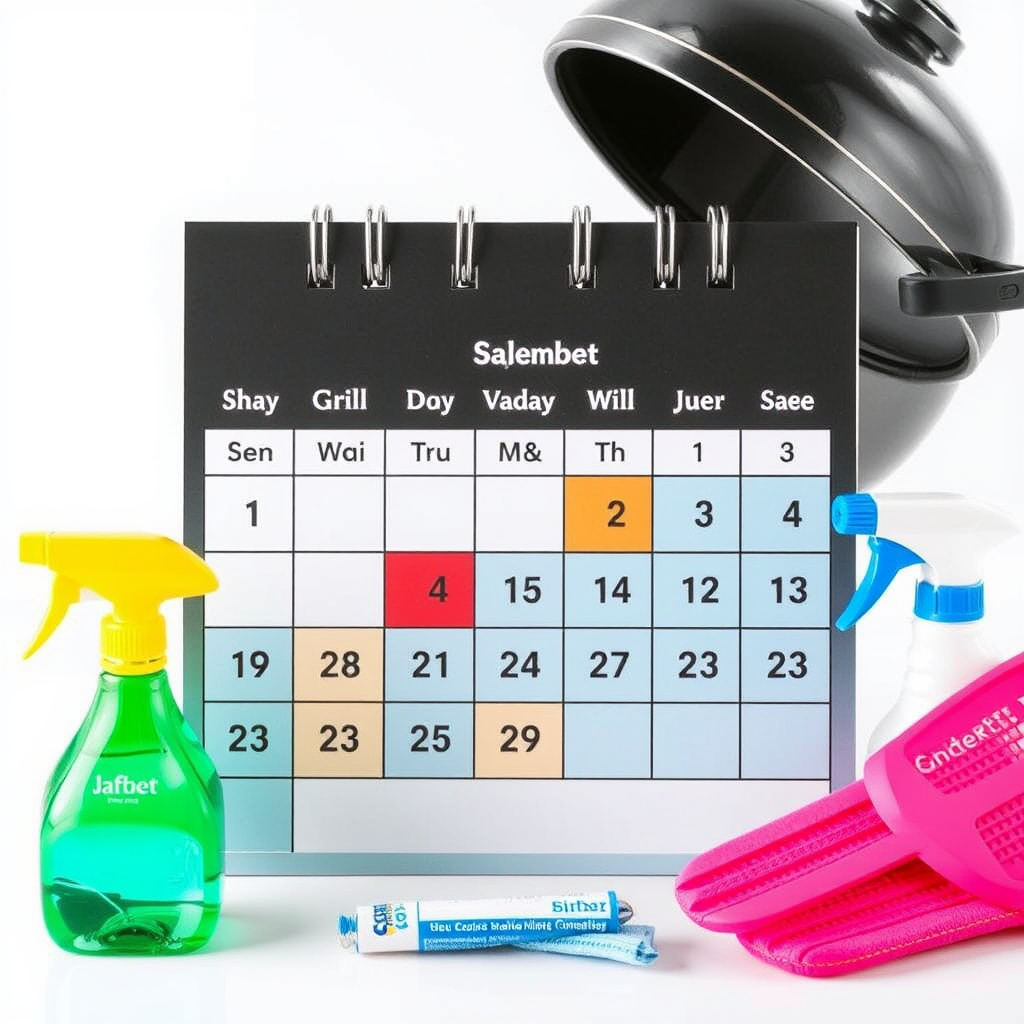
Daily and After-Use Cleaning Tips
After each grilling session, brush the grates while still warm and empty the drip tray. Wipe surfaces to prevent buildup and tackle stains early for easier maintenance.
A simple post-use routine reduces time spent on deep cleaning and keeps your gas grill ready for the next cookout.
- Brush grates after cooking
- Empty grease tray regularly
- Wipe down grill surfaces
For more detailed information on gas grill maintenance and safety, check out this helpful overview on Wikipedia. gas grill maintenance tips on Wikipedia.
Seasonal and Deep Cleaning Checks
At least once per season, perform a thorough cleaning including burners, heat shields, and interior. Check hoses for cracks and connections for leaks to maintain safety.
Seasonal cleaning enhances grill longevity and ensures peak performance through frequent and comprehensive maintenance.
- Inspect and clean burners deeply
- Replace worn or damaged parts
- Check gas connections
Gas Grill Cleaning Method Comparison
Here's a quick comparison of different cleaning methods to help you choose the best approach for maintaining your gas grill.
| Method | Effectiveness | Time Required | Tools Needed | Best For |
|---|---|---|---|---|
| Wire Brush Scrubbing | High | 10-15 minutes | Wire brush, gloves | Daily residue removal |
| Soaking Grates | Very High | 30-60 minutes | Warm soapy water, basin | Deep cleaning heavy buildup |
| Chemical Cleaners | Medium | 10-20 minutes | Spray cleaner, cloth | Exterior and stubborn stains |
| Steam Cleaning | High | 20-30 minutes | Steam cleaner | Sanitizing and degreasing |
| Pressure Washing | Very High | 5-10 minutes | Pressure washer | Extreme buildup (outdoor grills only) |
Frequently Asked Questions
How often should I clean my gas grill?
Brushing the grates after each use and emptying the grease tray regularly is best. A deep clean of burners and internal parts should be done seasonally or after heavy use.
Can I use soap and water on my grill grates?
Yes, mild soap and warm water are fine for washing removable grates during deep cleaning. Avoid harsh detergents or abrasive tools that could damage the finish.
How do I prevent flare-ups caused by grease buildup?
Regularly clean the grease tray and heat shields, and remove food residue from grates to prevent grease accumulation, which can cause flare-ups during cooking.
Is it safe to use a wire brush on all gas grill grates?
Wire brushes can be safe if the bristles are intact and intended for grill use. However, to avoid bristle detachment and ingestion, consider nylon brushes or bristle-free scrapers.
What should I do if I smell gas when cleaning the grill?
Immediately turn off the gas supply, check hoses and connections for leaks, and avoid lighting the grill until the issue is resolved by a professional if needed.
Key Takeaways
- Preheat the grill before cleaning to loosen residue.
- Regularly clean grates, burners, and grease trays for safety.
- Use appropriate tools like wire or nylon brushes and mild soap.
- Establish a consistent cleaning routine after each use and seasonally.
Conclusion
Choosing how to clean a gas grill requires balancing how often you grill with the level of dirt buildup. A straightforward routine involving preheating, scrubbing grates, and emptying grease trays after every use minimizes food contamination and fire risks. Periodic deep cleaning, including burners and internal parts, ensures your grill heats consistently and lasts longer. Understanding your grill’s design and materials helps tailor cleaning practices without damaging components.
If you grill frequently, wire brush scrubbing combined with soaking grates is the most effective method for maintaining a clean cooking surface. For occasional grillers, a thorough wipe down of exterior surfaces and grease removal before and after use may suffice. Seasonal checks focusing on burners and connections improve safety and performance regardless of usage level. Integrating these habits avoids greasy flare-ups while enhancing flavor and mechanical reliability.
Begin by gathering safe, grill-specific cleaning tools and plan simple post-use maintenance steps like brushing grates and emptying trays. Schedule a quarterly thorough cleaning to inspect burners and clean deeply. When in doubt about safety issues like gas leaks, consult a professional. With this approach, your gas grill will stay clean, functional, and ready to deliver consistently enjoyable meals.



