
Moving a heavy grill requires careful planning, the right tools, and a bit of muscle to avoid damage and injury. To move your grill safely, start by disconnecting all fuel and power sources, clearing the area, and enlisting help if needed. Use sturdy dollies, lifting straps, or furniture sliders to make the process easier and protect the grill's components.
Knowing how to move a heavy grill safely not only prevents damage to your equipment but also keeps you and others safe during the process. Many grills are bulky and awkwardly shaped, making them tricky to handle without the right techniques. Proper preparation and the correct tools reduce the risk of scratches, dents, and accidents.
This article will guide you through essential steps for preparing your grill for moving, the best tools and accessories to simplify the task, and practical tips for maneuvering heavy grills across various surfaces. We'll also compare different methods and provide advice on storage and maintenance after moving.
Preparing Your Grill for the Move
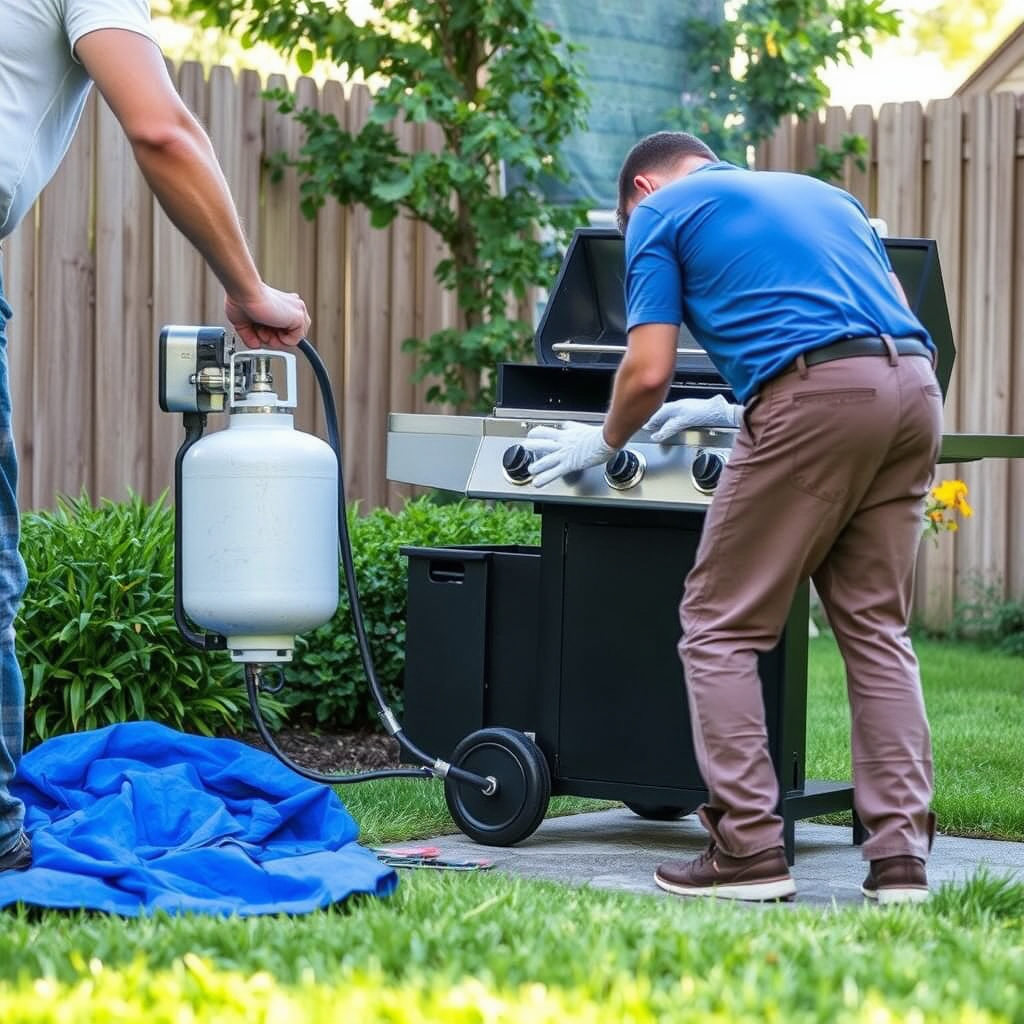
Disconnecting and Securing Components
Before moving your grill, disconnect any propane tanks, electrical cords, or attachments. Removing the fuel source is critical for safety and compliance with local regulations. Make sure the grill is completely cooled down to avoid burns or fire hazards during transport.
Secure loose parts like grates, warming racks, and thermometers by removing or tying them down. This prevents rattling and damage during movement, ensuring the grill arrives intact and functional.
- Turn off and remove propane tanks
- Unplug electrical connections
- Remove or secure grill removable parts
Cleaning and Inspecting the Grill
A clean grill is easier to move and less likely to spill grease or debris. Use a grill brush or mild detergent to clean cooking surfaces and interior trays. Inspect wheels, handles, and locking mechanisms for damage before moving to avoid unexpected problems.
Removing grease buildup decreases fire risk if you're transporting the grill by vehicle. Plus, cleaning afterward makes setting it up in a new location much simpler.
- Scrub cook surfaces and trays
- Check wheels and handles for stability
- Empty grease traps and drip pans
Tools and Equipment to Move a Heavy Grill
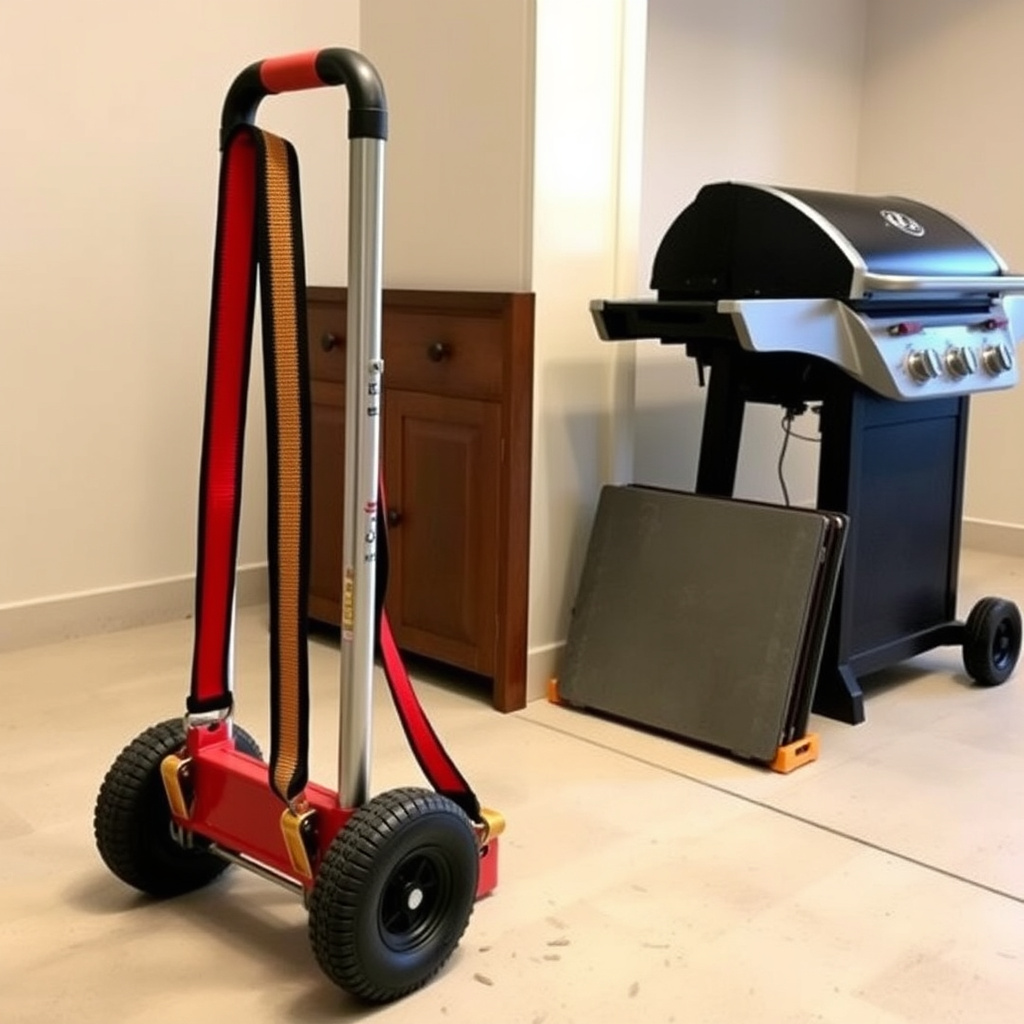
Using a Moving Dolly or Hand Truck
A sturdy moving dolly allows you to lift and roll your heavy grill with less effort. Position the grill securely on the dolly, using straps to keep it in place. This method reduces back strain and helps navigate uneven surfaces like patios or driveways.
Dollies with large wheels navigate rough terrain more easily. Always check the weight capacity of the dolly to match your grill’s size, and ask a helper to assist with balance during lifting and transport.
- Choose dolly with adequate weight rating
- Use straps to secure the grill on dolly
- Enlist help for lifting and maneuvering
For more on this, see our related guide: How to Assemble a Weber Grill: Step-by-Step Guide for a Perfect Setup.
Furniture Sliders and Lifting Straps
Furniture sliders placed under the grill's legs can help glide it across smooth surfaces like hardwood or tile without damage. Lifting straps provide improved grip and better leverage for lifting heavy grills with a team.
These tools reduce the risk of scraping floors and help distribute the grill's weight across your arms and shoulders evenly. They are especially useful for short-distance moves or indoors transport.
- Place sliders under grill legs on smooth floors
- Use lifting straps for better grip and leverage
- Coordinate with team for safe lifting
Techniques for Moving Heavy Grills Across Different Surfaces
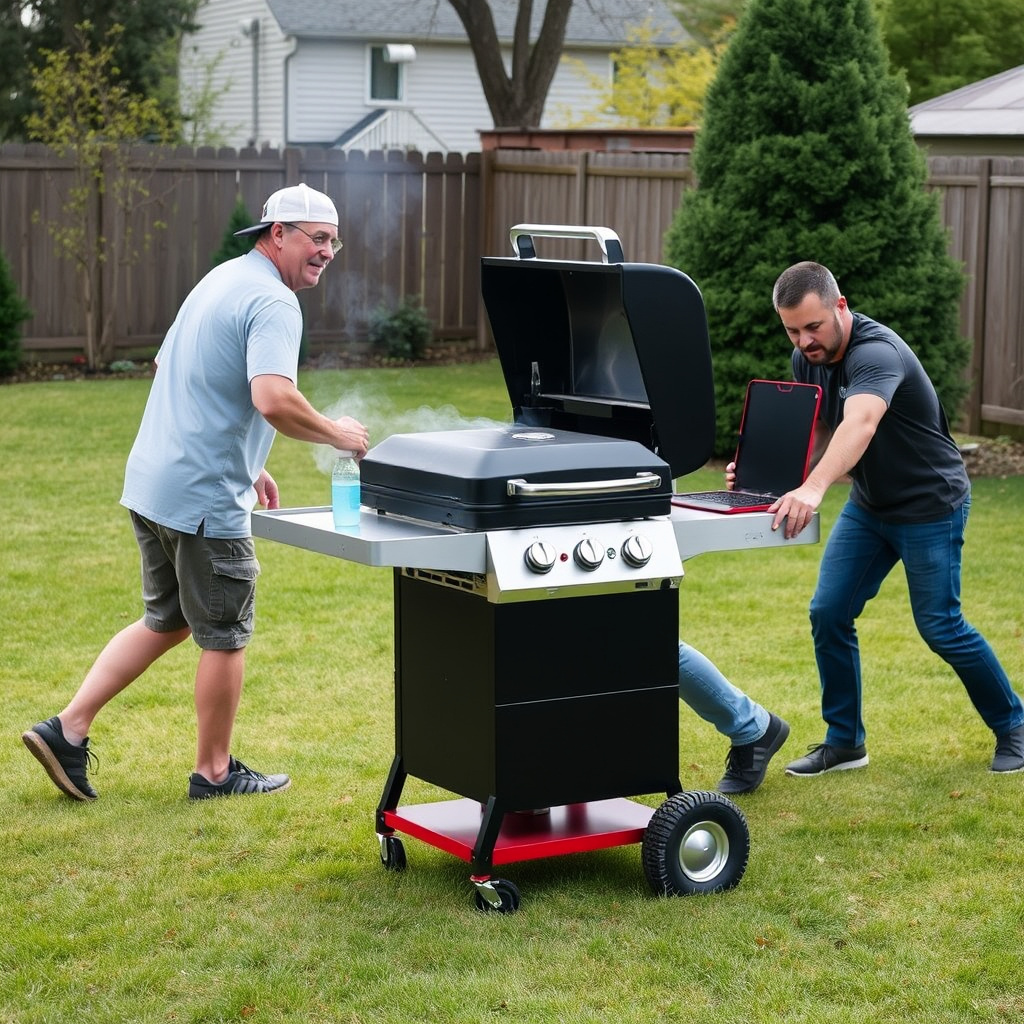
Moving Across Hard Surfaces
When moving on concrete, asphalt, or decking, use a dolly or wheels if possible. Hard surfaces provide solid traction and minimize bumping. Take care to avoid bumps or cracks that might destabilize the grill during transport.
Slow, steady movements and clear communication with helpers help prevent accidents. If using a hand truck, always push rather than pull to maintain control.
Navigating Grass, Gravel, or Uneven Terrain
Moving a grill across uneven terrain like grass or gravel may require extra strength and special equipment. Wide, pneumatic wheels on dollies handle soft ground better, and additional help may be necessary to maintain balance.
Alternatively, lifting the grill partially with lifting straps while walking carefully can avoid getting stuck or causing damage to the grill’s wheels and base.
Safety Precautions While Moving Heavy Grills
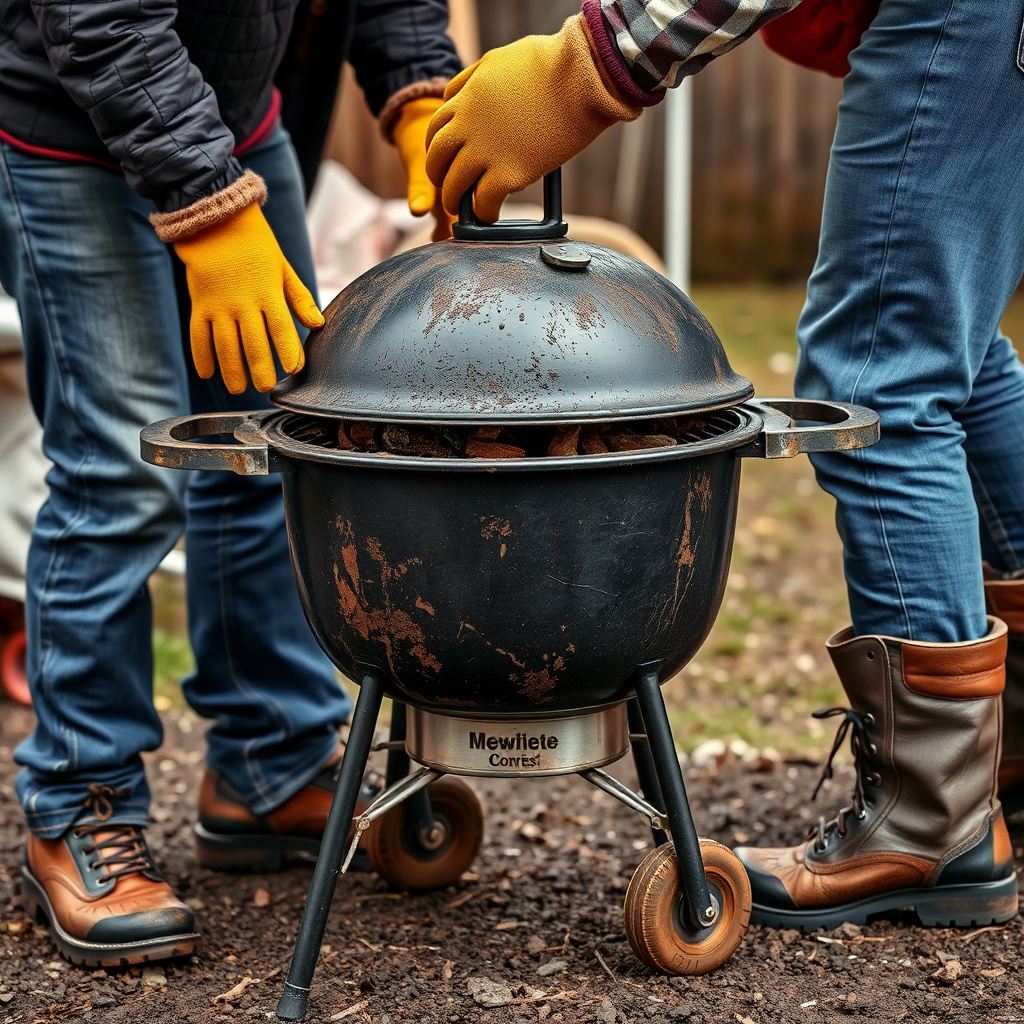
Protective Gear and Lifting Techniques
Wear gloves to improve grip and protect hands from sharp edges or hot spots. Use proper lifting techniques by bending your knees and keeping your back straight to avoid injury. Lifting with a partner reduces the risk of strain or dropping the grill.
Avoid twisting your body while carrying heavy objects like grills. Instead, move your feet to turn and always communicate clearly with helpers to coordinate movements.
- Wear gloves and closed-toe footwear
- Bend knees, keep back straight when lifting
- Lift with a team whenever possible
For more on this, see our related guide: How to Replace Grill Grates: A Practical Step-by-Step Guide.
Handling Fuel and Electrical Components
Never move a grill while connected to a gas supply or power source. Check the fuel connections after reassembling in the new location. Make sure propane tanks are upright and secured during transport to avoid leaks or accidents.
Follow local safety regulations about transporting fuels and electrical appliances. Always check the grill’s manufacturer guidelines on moving and storage related to fuel components.
- Disconnect propane tanks and electrical cords before moving
- Secure propane tanks upright during transport
- Inspect connections before use at new location
Storing and Setting Up Your Grill After Moving
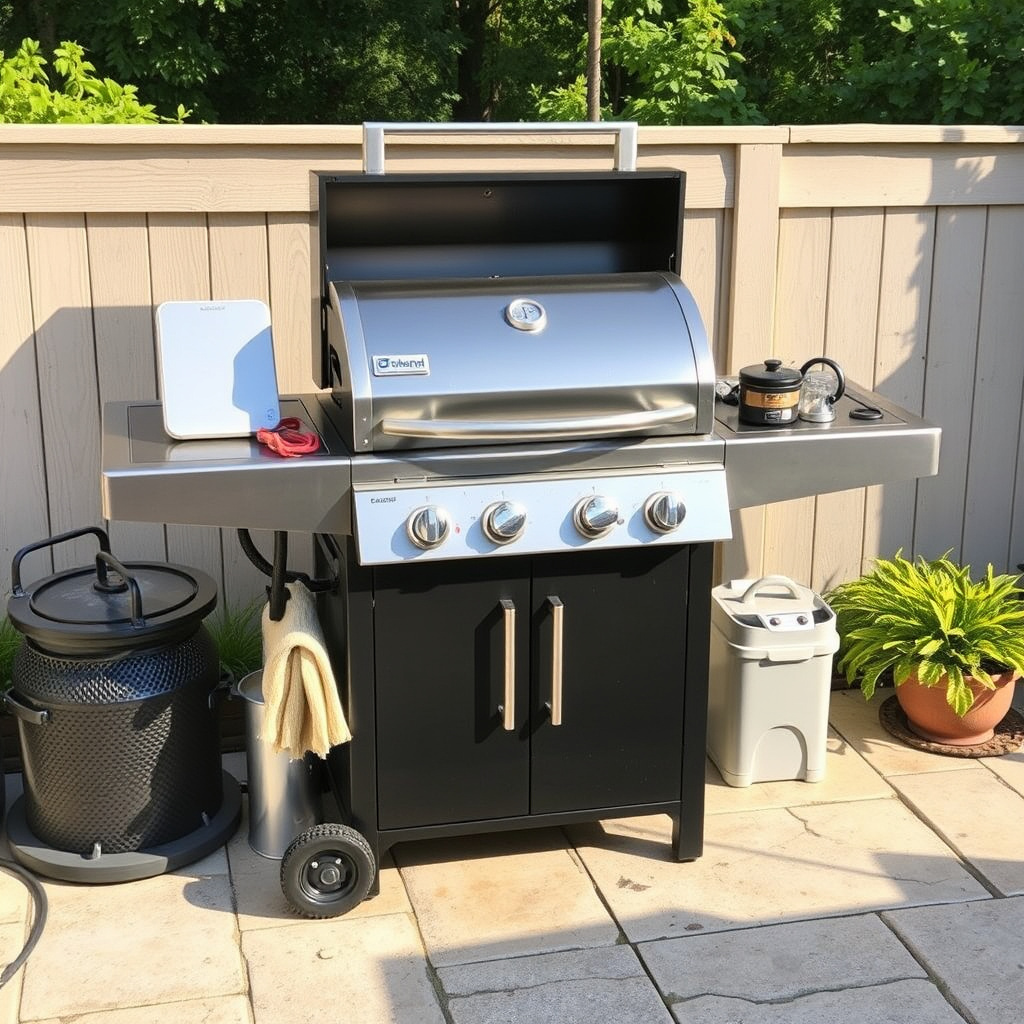
Inspecting and Cleaning Before Use
After moving your heavy grill, inspect it thoroughly for any damage, loose parts, or dirt. Clean the grill surfaces and grease traps before reigniting to maintain safety and hygiene.
Check for any issues in gas lines, wheels, and thermometers. Address minor repairs promptly to avoid larger problems during grilling sessions.
- Inspect for dents or loose parts
- Clean cooking grates and grease traps
- Test gas lines and electrical connections
For detailed grill safety tips and guidelines on fuel handling, refer to this authoritative consumer safety resource. grill safety tips.
Choosing the Best Spot and Securing the Grill
Select a flat, stable surface for setting up your grill, away from flammable materials and foot traffic. Use wheel locks or additional stabilizers to prevent movement during use.
Consider weather protection such as covers or sheltered areas to prolong the grill’s lifespan and keep it ready for use.
- Place grill on level, stable ground
- Use wheel locks or brackets to secure grill
- Protect with grill covers if stored outdoors
Comparing Methods for Moving Heavy Grills
This table compares popular methods and equipment to help you decide how best to move your heavy grill.
| Method | Ease of Use | Cost | Best For | Limitations |
|---|---|---|---|---|
| Moving Dolly | High | Moderate | Long distances on hard surfaces | Needs enough storage space |
| Furniture Sliders | Medium | Low | Short moves on smooth floors | Not for heavy or rough terrain |
| Lifting Straps | Medium | Low | Team lifts over variable terrain | Requires multiple helpers |
| Manual Carrying | Low | Free | Very short moves or tight spots | High injury risk, not ideal for very heavy grills |
| Professional Moving Service | Very High | High | Large, expensive grills or long-distance travel | Costly, less DIY control |
Frequently Asked Questions
Can I move my grill with the propane tank still attached?
No, always disconnect the propane tank before moving a grill to prevent leaks, fire hazards, and to meet safety guidelines. Transport the tank separately in an upright position.
What if my grill has no wheels?
If your grill lacks wheels, use furniture sliders or a moving dolly to reduce friction when sliding it across hard floors. For uneven terrain, consider lifting straps and team assistance.
How do I prevent damage to wooden decks when moving a grill?
Use furniture sliders or place a protective board under the grill's legs to avoid scratches or gouges. Move slowly and carefully to minimize pressure on the deck surface.
Is it safe to move an electric grill?
Yes, but always unplug and secure cords before moving. Protect electrical components from moisture and avoid rough handling to prevent damage.
How many people do I need to move a heavy grill safely?
It depends on the grill's weight, but usually two or more people are needed to lift and maneuver it safely. Enlist help to reduce injury risk.
Key Takeaways
- Always disconnect fuel and power before moving your grill.
- Use the right tools like dollies, sliders, or lifting straps for easier moves.
- Wear protective gear and follow safe lifting practices.
- Inspect and clean the grill after moving before use.
Conclusion
Deciding how to move a heavy grill effectively comes down to evaluating your grill's size, weight, and the terrain you need to navigate. Prioritize safety by disconnecting fuel sources and clearing the path before lifting. Choosing the proper tools like a moving dolly or lifting straps can ease the process and reduce injury risk, especially when involving multiple helpers.
For short distances on smooth surfaces, furniture sliders and careful manual carrying might suffice, while dollies are best for hard ground and longer moves. If you're moving across uneven or grass-covered areas, wide-wheeled dollies or team lifts with straps will keep your grill stable and prevent damage. Professional movers may be a worthwhile option for very heavy or valuable grills, especially for long-distance transport.
After relocating your grill, thoroughly inspect and clean it before use, and secure it on a flat, safe surface to prolong its lifespan. Start by gathering the necessary equipment based on your situation, and recruit a helper or two for added safety. By following these steps, moving your heavy grill will be manageable and secure without any unwanted surprises.



