Cleaning a grill with vinegar is an effective and affordable way to remove grease, food residue, and rust without harsh chemicals. Simply using white vinegar—either full strength or diluted—can help break down stubborn grime and sanitize grill grates for safer cooking.
This method matters because traditional grill cleaners often contain strong chemicals that can leave residues and odors, whereas vinegar is food-safe, environmentally friendly, and readily available. Using vinegar also helps prolong the life of your grill by preventing corrosion and buildup that can degrade metal surfaces.
In this guide, we'll cover the best vinegar types for grill cleaning, step-by-step cleaning techniques for both gas and charcoal grills, tips for tough grime and rust, and safety advice to help you maintain your grill efficiently using vinegar and other natural cleaning solutions.
Choosing the Right Vinegar for Grill Cleaning
Why White Distilled Vinegar is Preferred
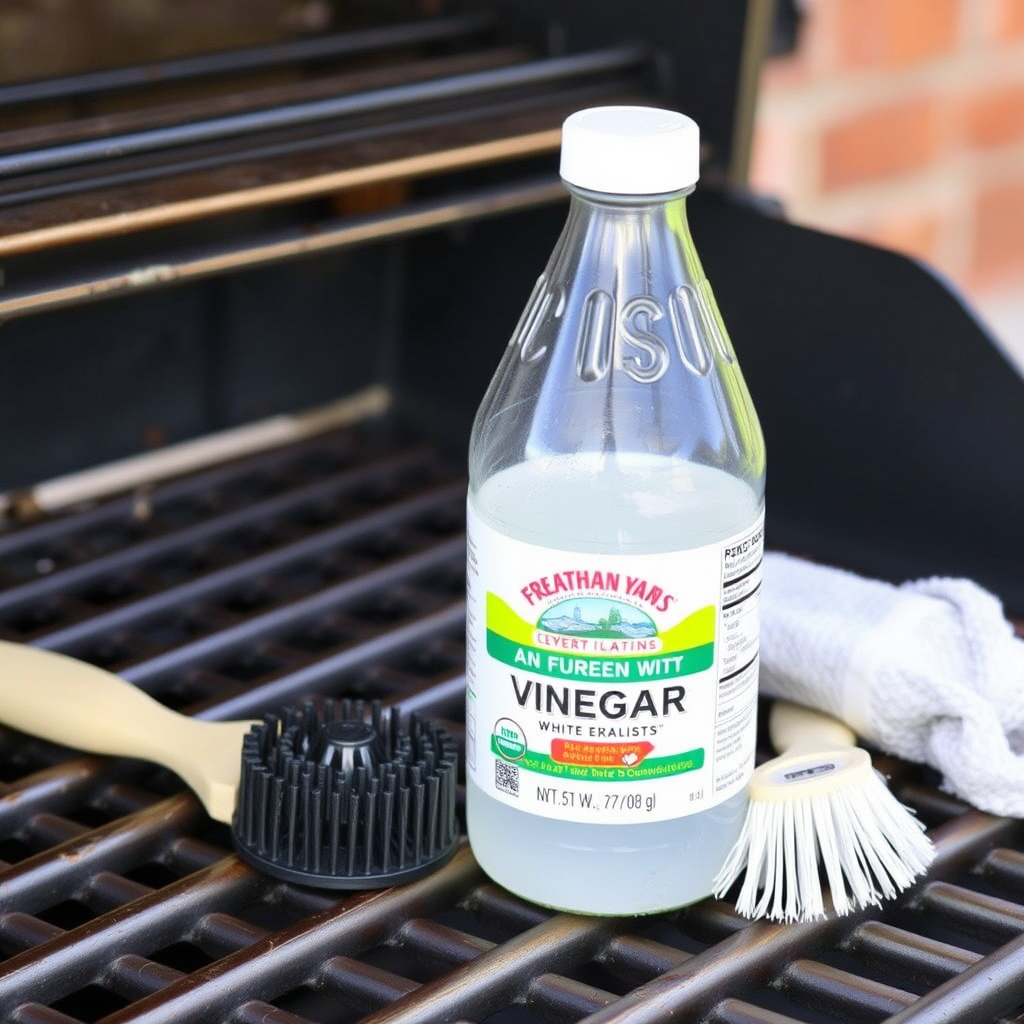
White distilled vinegar is the best choice for cleaning grills due to its high acidity, which helps dissolve grease and mineral deposits without leaving stains or odors. It is also colorless, so it won't discolor your grill grates or surfaces.
Its affordability and availability make it highly practical for routine grill maintenance. Additionally, its food-safe nature means you don't have to worry about toxic residues when cooking after cleaning.
- 30-40% acetic acid concentration for effective cleaning
- Non-toxic and food-safe
- Does not damage metal grill parts
Avoiding Other Vinegar Types and Alternatives
While apple cider vinegar and balsamic vinegar are popular for culinary uses, they are not ideal for cleaning grills. Their lower acidity and organic residues can leave sticky films or cause discoloration.
Other natural cleaners like lemon juice or baking soda can be used in combination with vinegar but are less effective alone compared to white distilled vinegar.
Preparing Your Grill for Vinegar Cleaning
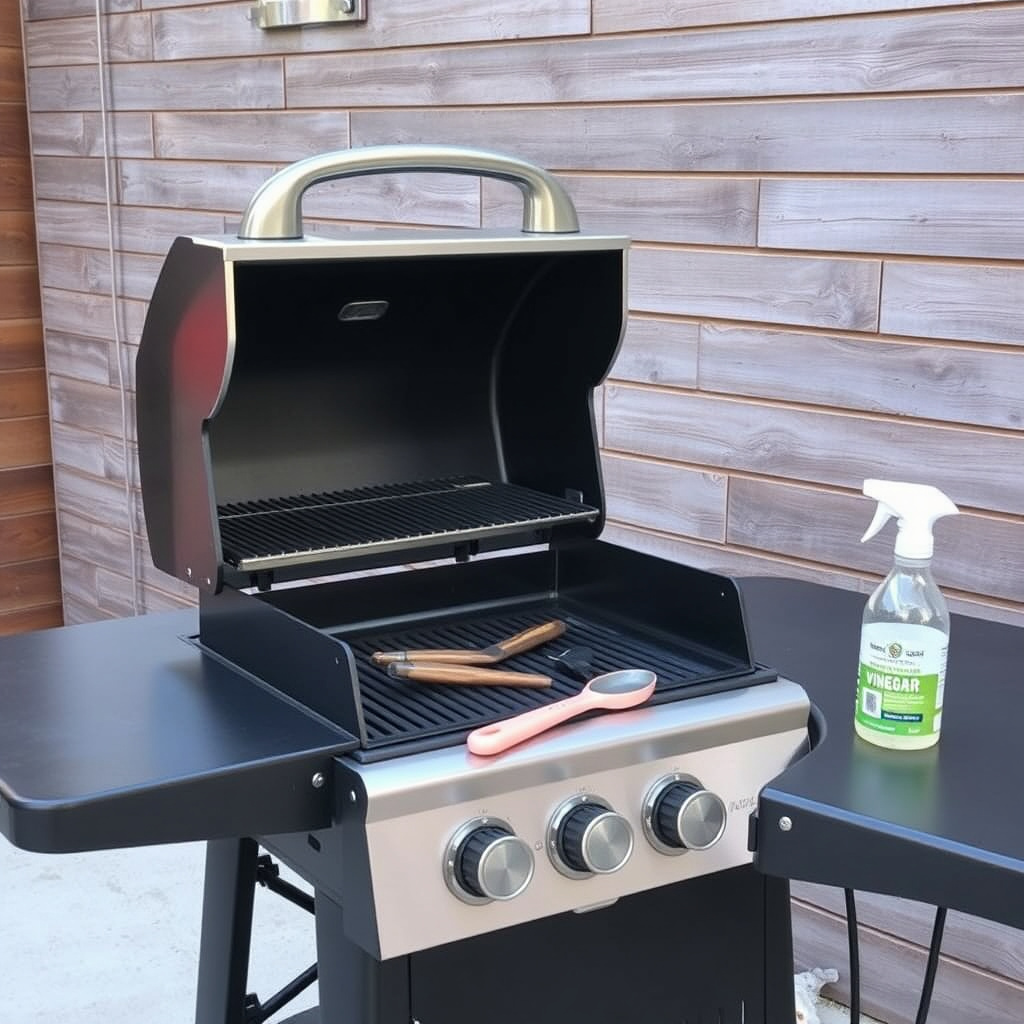
Removing Grill Parts and Residue
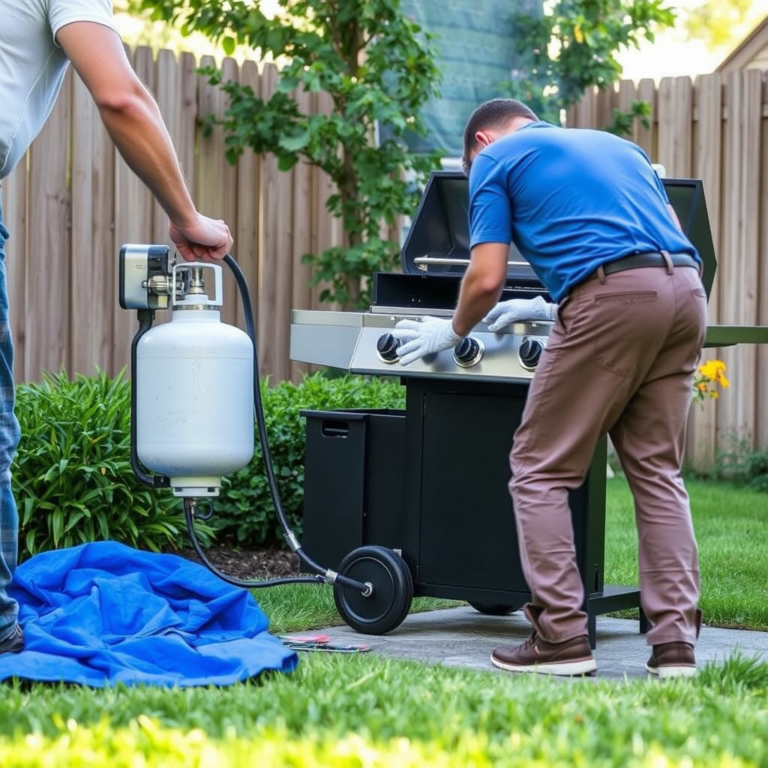
Start by turning off the grill and disconnecting gas if applicable. Remove grates, drip pans, and any detachable components to allow thorough soaking and scrubbing.
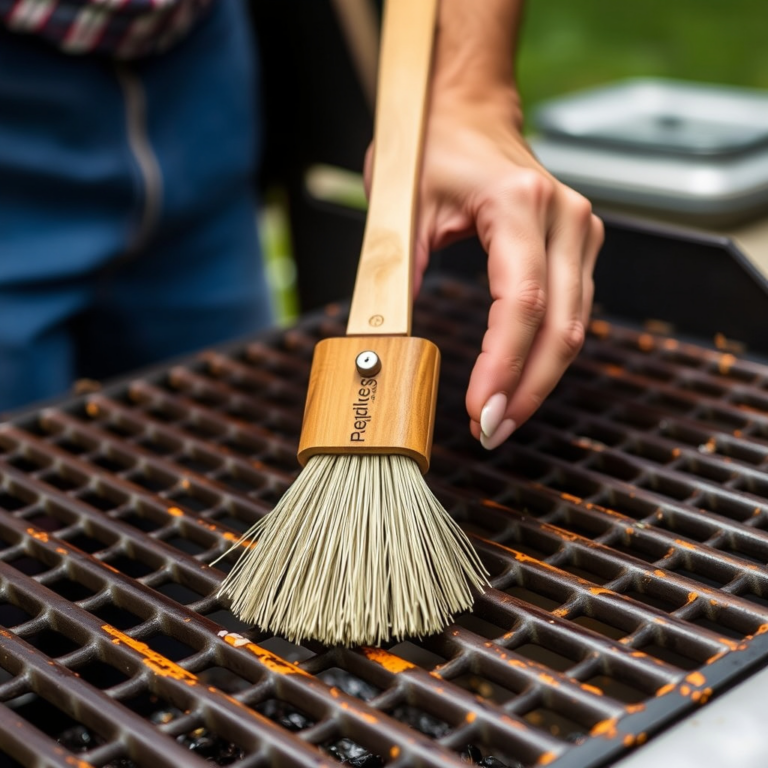
Use a stiff wire brush or scraper to manually clear away loose debris and burnt-on food before applying vinegar for deeper cleaning.
- Disconnect gas lines for safety on gas grills
- Remove grates and trays for soaking
- Use a scraper to remove loose residue
Safety Measures Before Cleaning
Ensure the grill is completely cool to prevent accidents or injury when handling metal parts and cleaning liquids.
Wear gloves and eye protection to avoid irritation from vinegar splashes, especially when spraying or scrubbing vigorously.
- Wait until grill cools down fully
- Wear protective gloves
- Work in a well-ventilated outdoor area
Step-by-Step Guide to Clean a Grill with Vinegar
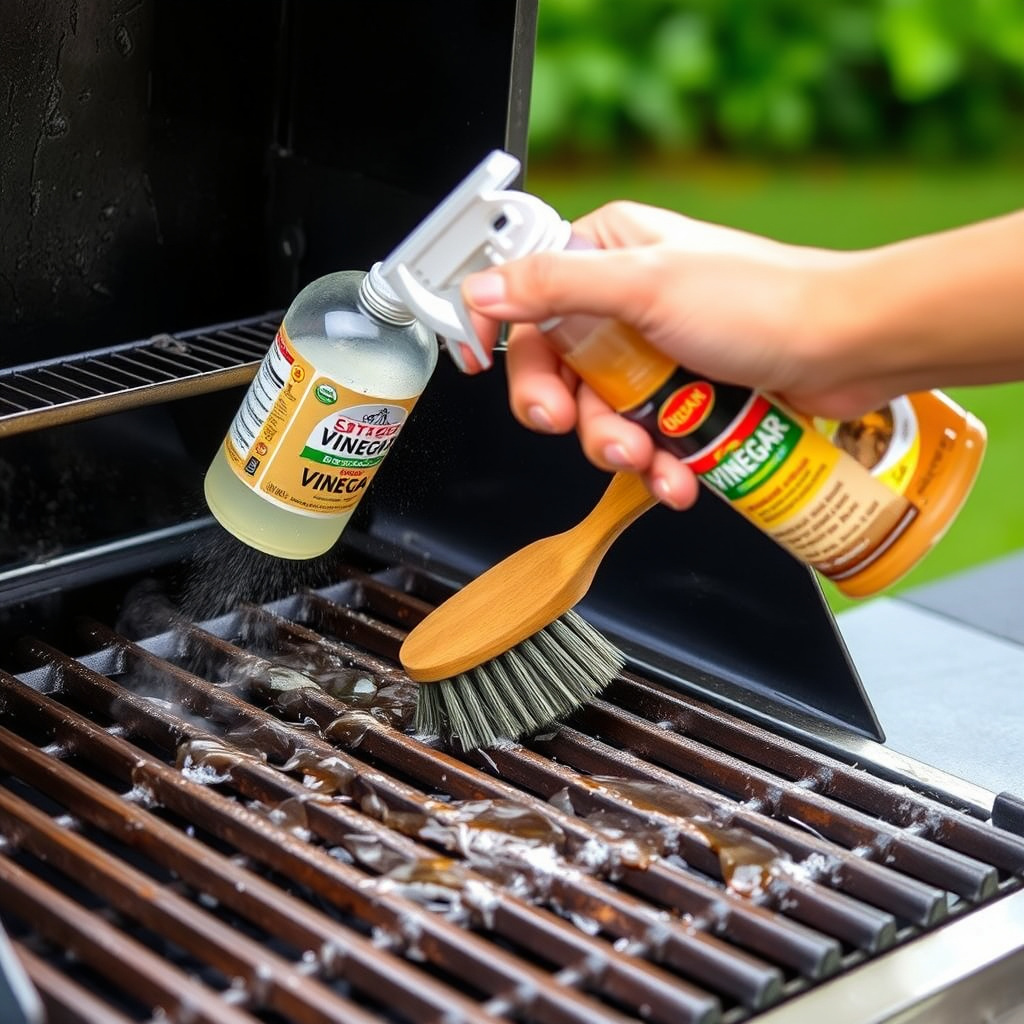
Applying Vinegar and Soaking
Fill a spray bottle with undiluted white vinegar and generously spray the grill grates and surfaces, focusing on greasy and burnt spots. For removable grates, place them in a shallow container filled with vinegar and let them soak for 30 minutes to an hour.
Soaking loosens the buildup, making it easier to scrub and wash away grime without damaging the metal.
- Use undiluted vinegar for stubborn grease
- Soak removable parts when possible
- Allow 30-60 minutes soaking time
For more on this, see our related guide: How to Clean a Grill with an Onion: A Natural and Effective Method.
Scrubbing and Rinsing
After soaking, use a stiff wire brush or non-abrasive scrubber to clean the grates vigorously. For attached grates, spray vinegar and scrub repeatedly until residue is removed.
Rinse all parts thoroughly with warm water to remove vinegar and loosened grime. Dry completely to prevent rust.
- Use wire or nylon brush based on grill material
- Rinse thoroughly with warm water
- Dry parts fully to avoid corrosion
Handling Tough Grime and Rust with Vinegar
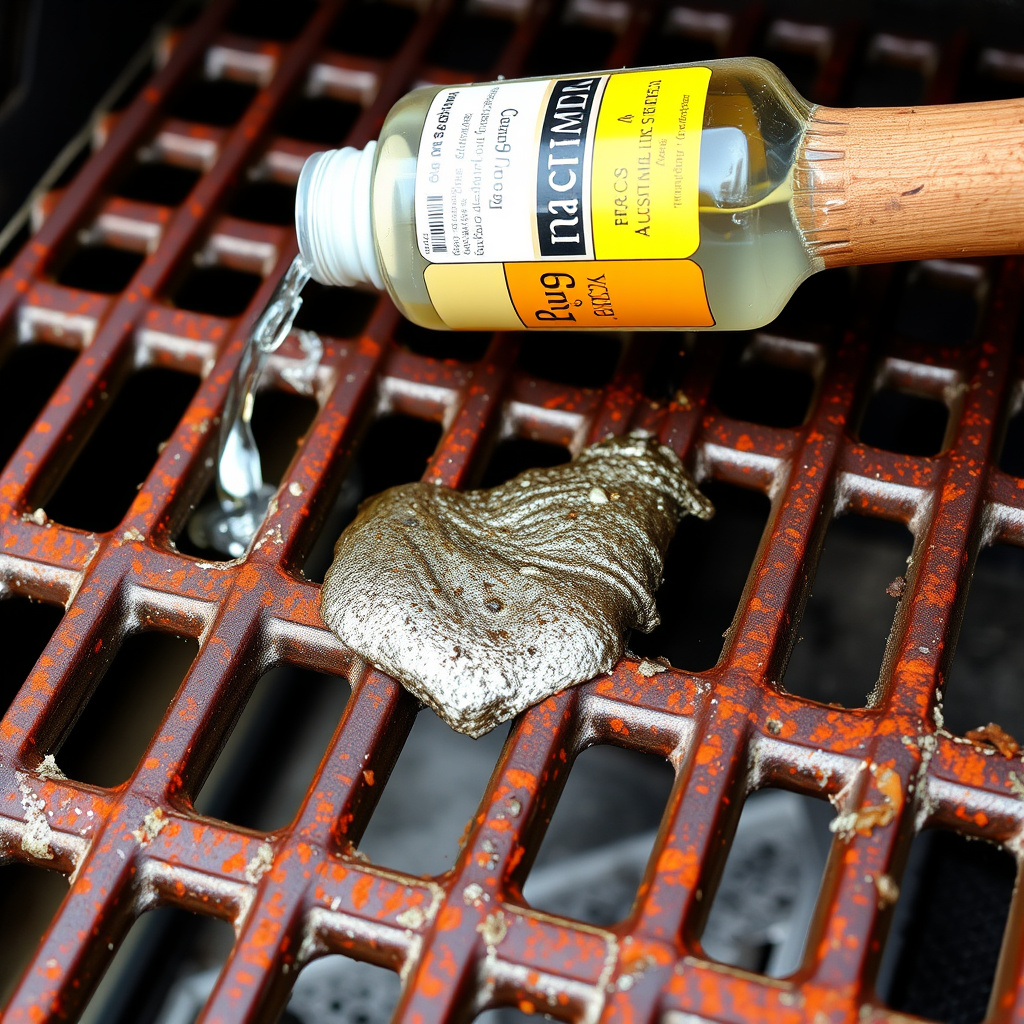
Removing Grease Buildup
For hardened grease, combine vinegar with baking soda to create a fizzing paste that breaks down stubborn grime more effectively. Apply this paste, let it sit for 15-20 minutes, then scrub off.
This natural abrasive action disintegrates thick grease safely without harsh chemicals.
Treating Grill Rust Spots
Vinegar is mildly acidic and can also help dissolve rust on grill parts. Apply vinegar directly on rusted areas and scrub with steel wool or a wire brush after a 10-15 minute soak.
For persistent rust, repeat the process or consider lightly sanding before applying vinegar again.
- Apply vinegar on rusted spots
- Scrub with steel wool after soaking
- Repeat if necessary for heavy rust
Maintaining Your Grill After Cleaning

Seasoning Grates to Prevent Rust
After cleaning and drying, lightly coat cast iron or steel grates with cooking oil to create a protective layer that resists rust and food sticking.
Apply oil using a paper towel and heat the grill for 15 minutes to bond the oil, extending the life of your cleaned grates.
- Use high smoke point oils like canola or vegetable
- Heat grill for 10-15 minutes after oil application
For more on this, see our related guide: How to Clean a Rusty Grill Quickly and Effectively.
Routine Vinegar Cleaning for Grill Longevity
Incorporate vinegar spray cleanings after every few uses to minimize buildup and maintain sanitation. This simple step reduces the need for heavy-duty cleaning sessions.
Keeping your grill clean with a safe natural cleaner like vinegar helps preserve flavor integrity and equipment condition over time.
- Spray vinegar after grill cools down post-cooking
- Wipe off residue regularly
- Soak grates monthly for deeper care
Additional Tips Using Vinegar and Other Natural Cleaners
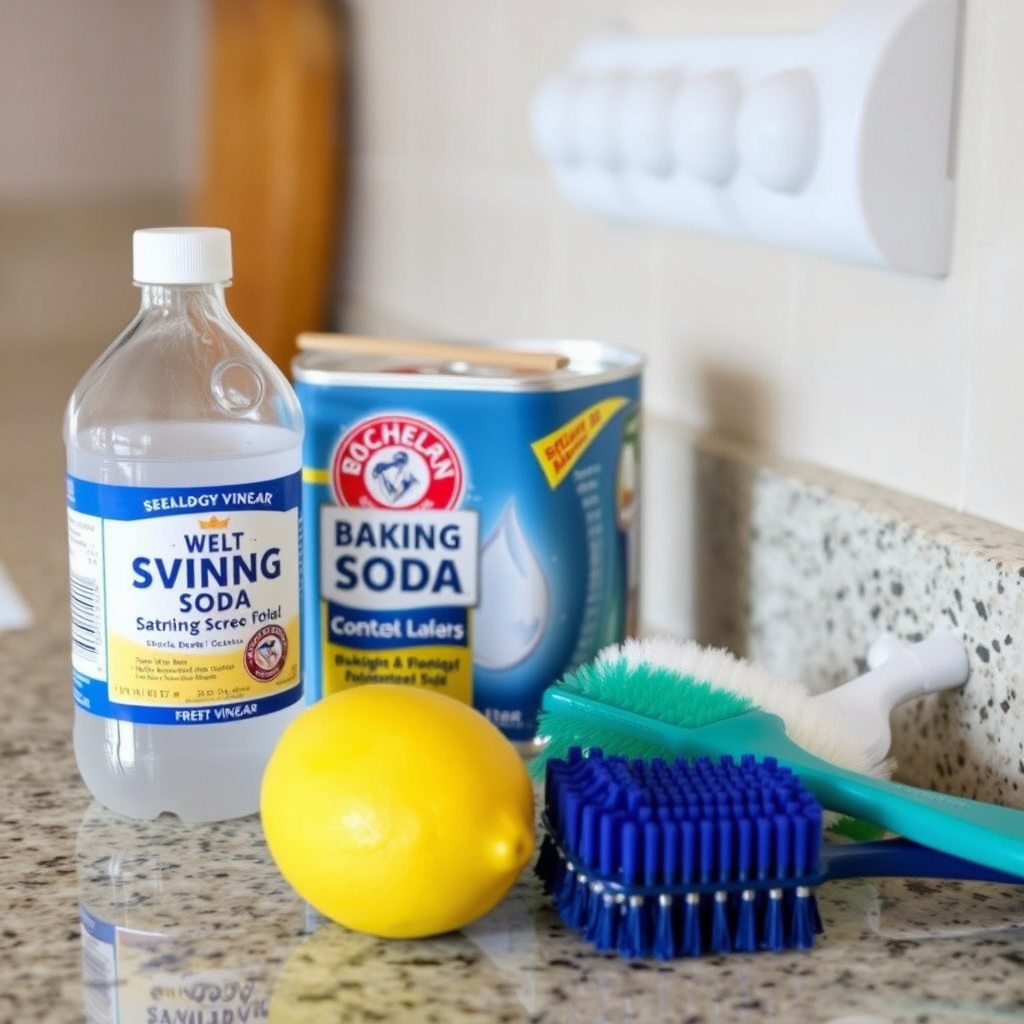
Combining Vinegar with Baking Soda
The chemical reaction between vinegar and baking soda creates bubbling action that lifts grime effectively. Use this combination as a paste or spray for deep cleaning.
This mixture is ideal for removing tough residue without damaging your grill’s finish.
- Mix into paste for stubborn grime
- Apply and wait 15-20 minutes before scrubbing
For more insights on grill upkeep, you can check out grill cleaning techniques on Wikipedia. grill cleaning techniques on Wikipedia.
Using Lemon Juice and Salt for Stains
Lemon juice’s natural acidity paired with coarse salt can scrub away minor stains and discoloration on grill surfaces.
This option complements vinegar cleaning when you want a fresh scent and mild abrasive action.
- Apply lemon juice and sprinkle salt
- Scrub gently and rinse well
Comparison of Natural Grill Cleaning Methods
Here's a comparison of popular natural grill cleaning methods based on effectiveness, safety, and ease of use.
| Method | Effectiveness on Grease | Safety for Cooking Surfaces | Ease of Use | Cost |
|---|---|---|---|---|
| White Vinegar | High | Food-safe, no residue | Easy, requires soaking | Very Low |
| Baking Soda Paste | Medium-High | Safe, non-toxic | Moderate effort | Low |
| Lemon Juice with Salt | Medium | Natural, safe | Requires scrubbing | Low |
| Commercial Grill Cleaner | Very High | Varies, may contain chemicals | Easy | Medium-High |
| Steam Cleaning | High | Safe, no chemicals | Requires special tool | High |
Frequently Asked Questions
Can I use vinegar on all grill types?
Yes, white vinegar is safe for most grill types including stainless steel, cast iron, and porcelain-coated grates, but avoid using it on aluminum parts to prevent corrosion.
How often should I clean my grill with vinegar?
Cleaning with vinegar every few uses is ideal to prevent grease buildup and maintain cleanliness without harming your grill.
Is vinegar effective against rust on grills?
Vinegar's acidity can help dissolve minor rust spots, especially when combined with scrubbing, but heavy rust may require additional treatment.
Do I need to rinse vinegar off after cleaning the grill?
Yes, rinsing with warm water removes vinegar residues and loosened grime. Always dry parts fully after rinsing to prevent rust.
Can vinegar affect the taste of food cooked afterwards?
If rinsed and dried properly, vinegar leaves no flavor residue on the grill, so it won't affect your food's taste.
Key Takeaways
- White distilled vinegar is a safe, effective grill cleaner.
- Pre-soaking and scrubbing are key steps for best results.
- Vinegar also helps remove rust and prevent corrosion.
- Regular vinegar cleaning extends grill life and hygiene.
Conclusion
Choosing how to maintain your grill involves balancing ease, effectiveness, and safety. Cleaning a grill with vinegar offers a straightforward, non-toxic solution that dissolves grease and grime without harsh chemicals. By understanding the best vinegar types to use and following correct application steps, you can protect both your grill’s material and your food’s flavor.
If you grill frequently or prefer natural cleaning methods, using white vinegar regularly is highly beneficial. For general maintenance, vinegar alone is excellent, but tougher grime and rust may call for baking soda combinations or additional scrubbing. Those with heavy-duty gas or cast iron grills will appreciate soaking and brushing guidelines covered here to keep their equipment in peak shape.
Start your next grill cleaning session by gathering white vinegar, a spray bottle, and brushes, then apply the soaking-and-scrubbing approach described. Consistent care using vinegar will make barbecues more enjoyable and your grill last longer, letting you focus on tasty meals rather than laborious cleanups.