
Cleaning a George Foreman grill is straightforward and essential for maintaining its cooking efficiency and longevity. You start by unplugging the grill and allowing it to cool down slightly, then carefully wipe the non-stick plates with a damp cloth or sponge, using warm soapy water to remove grease and food residues without damaging the coating. For detachable plates, removing and soaking them in warm water before scrubbing gently helps achieve a thorough clean. Avoid abrasive materials that might scratch the non-stick surface.
Keeping your George Foreman grill clean is important because leftover grease and food scraps can cause unpleasant odors, smoke during cooking, and even negatively affect the flavor of your meals. Additionally, regular cleaning helps prevent the build-up of harmful bacteria, ensuring that your grilled foods are safe and healthy to consume.
This article will guide you through the best strategies and tools to clean both removable and fixed-plate George Foreman grills, tips for maintaining the non-stick surface, and safe cleaning practices. We will also compare cleaning methods and touch on common mistakes to avoid to keep your grill in top shape.
Understanding Your George Foreman Grill’s Cleaning Needs
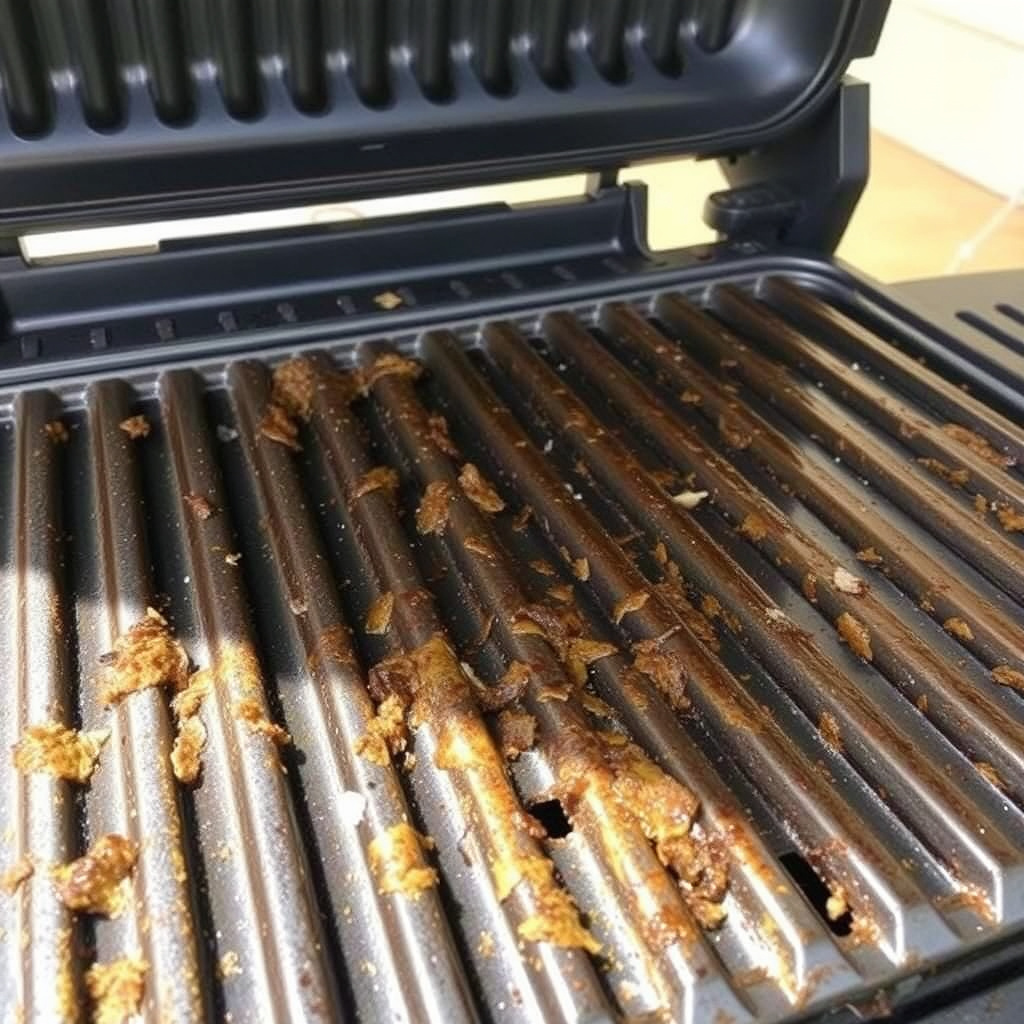
Types of George Foreman Grills and Their Surfaces
George Foreman grills come in various models with either fixed or removable non-stick plates. Fixed plates require careful cleaning to avoid moisture near electrical components, while removable plates can be washed separately for more convenience and thoroughness.
Knowing your grill type helps choose suitable cleaning methods. Detachable plates allow easier access and deeper cleaning, while fixed plates often need wipe-downs with minimal water exposure.
- Fixed non-removable plates need careful wiping
- Removable plates can be soaked and scrubbed
- Non-stick coating demands gentle cleaning tools
Common Residues and Challenges in Grill Cleaning
Grease and burnt-on food are the main residues found on George Foreman grills. These often settle into the grooves and ridges, making the cleaning process slightly challenging without proper technique.
Carbonized bits can be stubborn, and harsh scrubbing risks damaging the non-stick surface. Understanding these challenges helps in selecting tools and procedures that preserve the grill’s integrity.
Cleaning Methods for George Foreman Grills
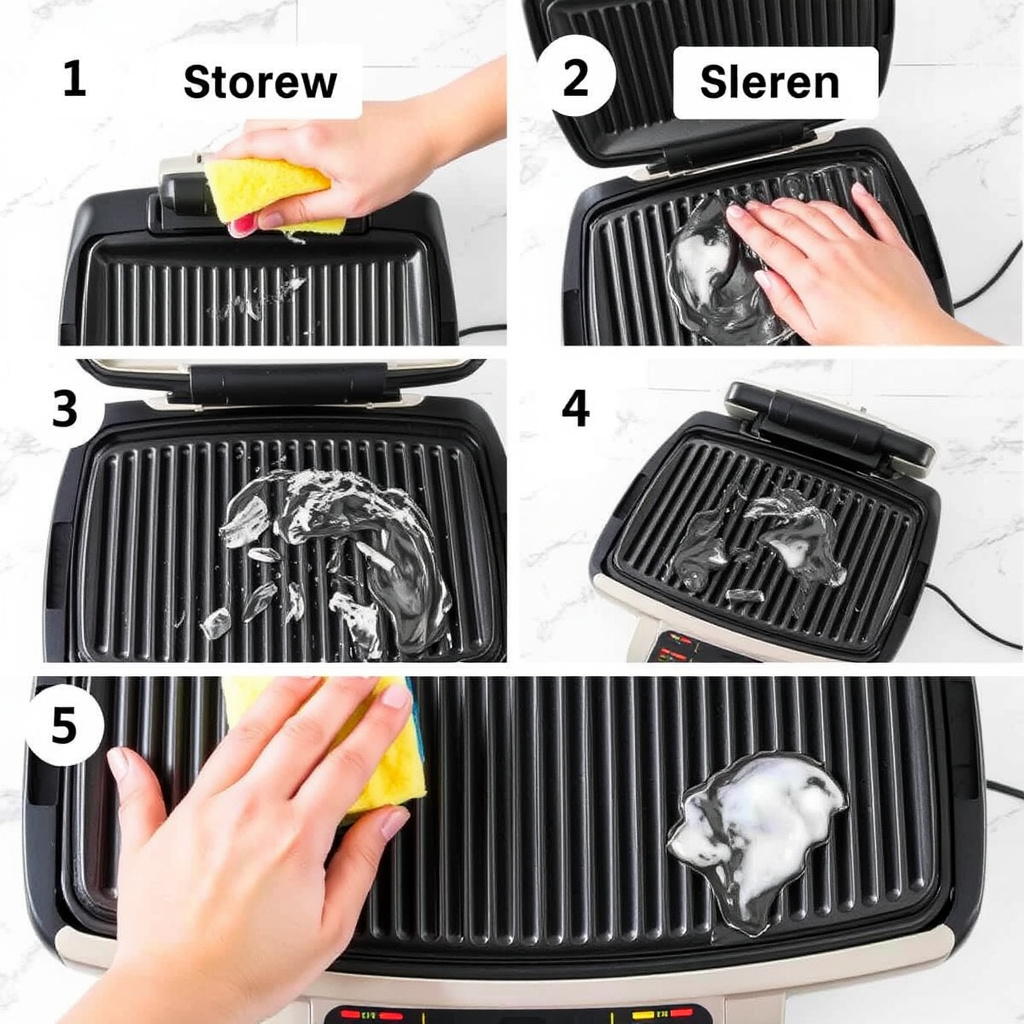
Manual Cleaning with Soapy Water and Cloth
After unplugging and cooling the grill, wiping the plates gently with a cloth dipped in warm, soapy water quickly removes fresh grease and crumbs. Avoid excessive water to protect electrical parts on fixed-plate models.
Rinse the cloth frequently and dry the plates with a clean towel after cleaning. This method is ideal for daily maintenance and light residue removal.
- Use mild dish soap and warm water
- Avoid abrasive scrubbers to protect coating
- Dry plates thoroughly after cleaning
Deep Cleaning Detachable Plates
For grills with removable plates, soak the plates in warm soapy water for 10-15 minutes to loosen grease and stuck particles. A soft brush or sponge can then scrub off residue without scratching the surface.
After cleaning, rinse with clean water and dry before reattaching the plates. Deep cleaning once a week can keep the grill fresh and fully operational.
- Soak plates for easier grease removal
- Use non-metallic brushes or sponges
- Dry plates completely before use
Using Alternative Cleaning Tools and Products
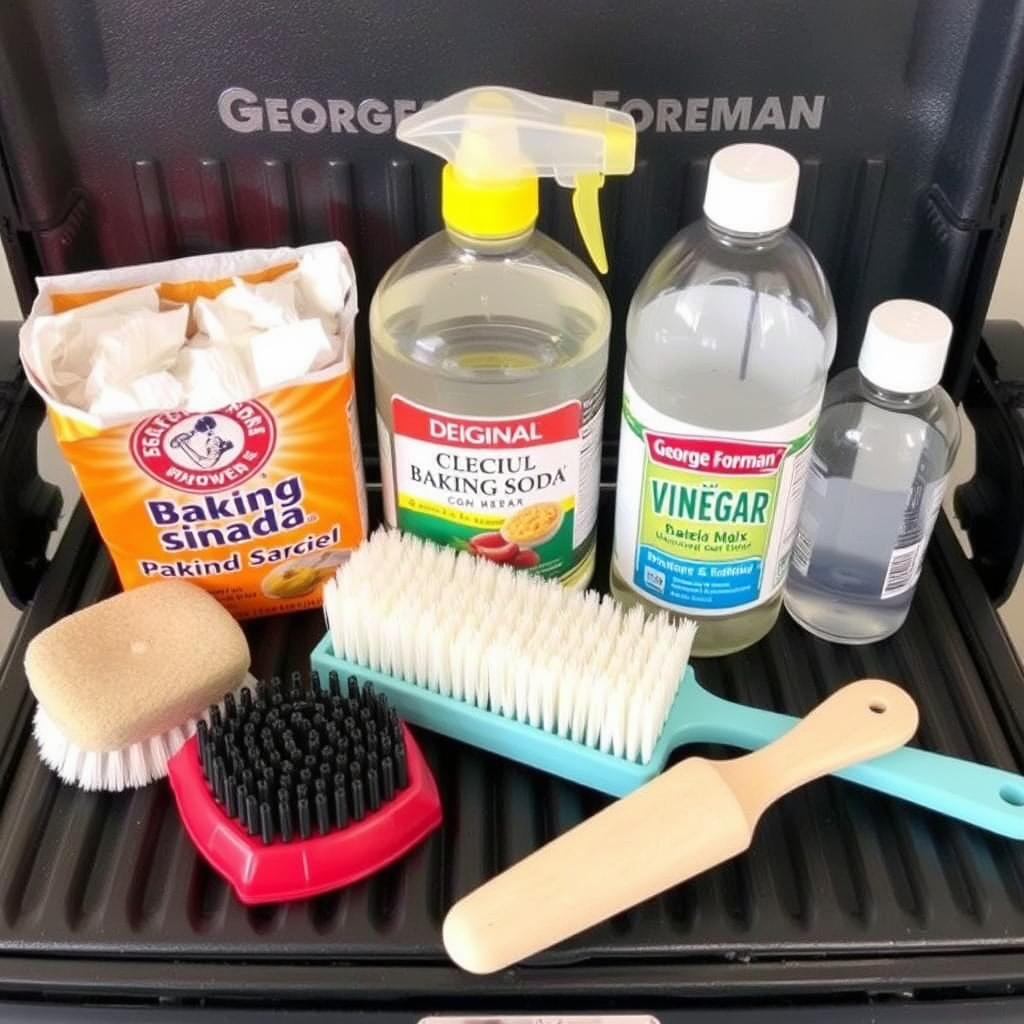
Natural Cleaners: Baking Soda and Vinegar
Baking soda and vinegar can effectively tackle tough grease without harmful chemicals. A paste of baking soda and water applied to plates, left briefly, then scrubbed gently helps lift stubborn grime.
Vinegar, diluted with water, acts as a mild disinfectant and deodorizer when wiped on plates. These options are great for cleaning the grill naturally and maintaining its non-stick surface.
- Prepare baking soda paste for tough spots
- Use vinegar solution as a non-toxic wipe
- Avoid overuse to prevent residue buildup
Commercial Grill Cleaners and Their Use
Certain commercial electric grill cleaners are formulated to dissolve grease safely on non-stick surfaces. Always confirm compatibility with George Foreman grills to avoid damaging the coating.
Apply cleaners as per instructions, use a soft cloth or sponge, then rinse well. These products might be useful for heavy-duty cleaning but are generally not needed for routine maintenance.
- Select grill cleaners safe for non-stick coatings
- Follow product instructions carefully
- Rinse thoroughly after cleaning
Maintenance Tips to Keep Your Grill Clean Longer
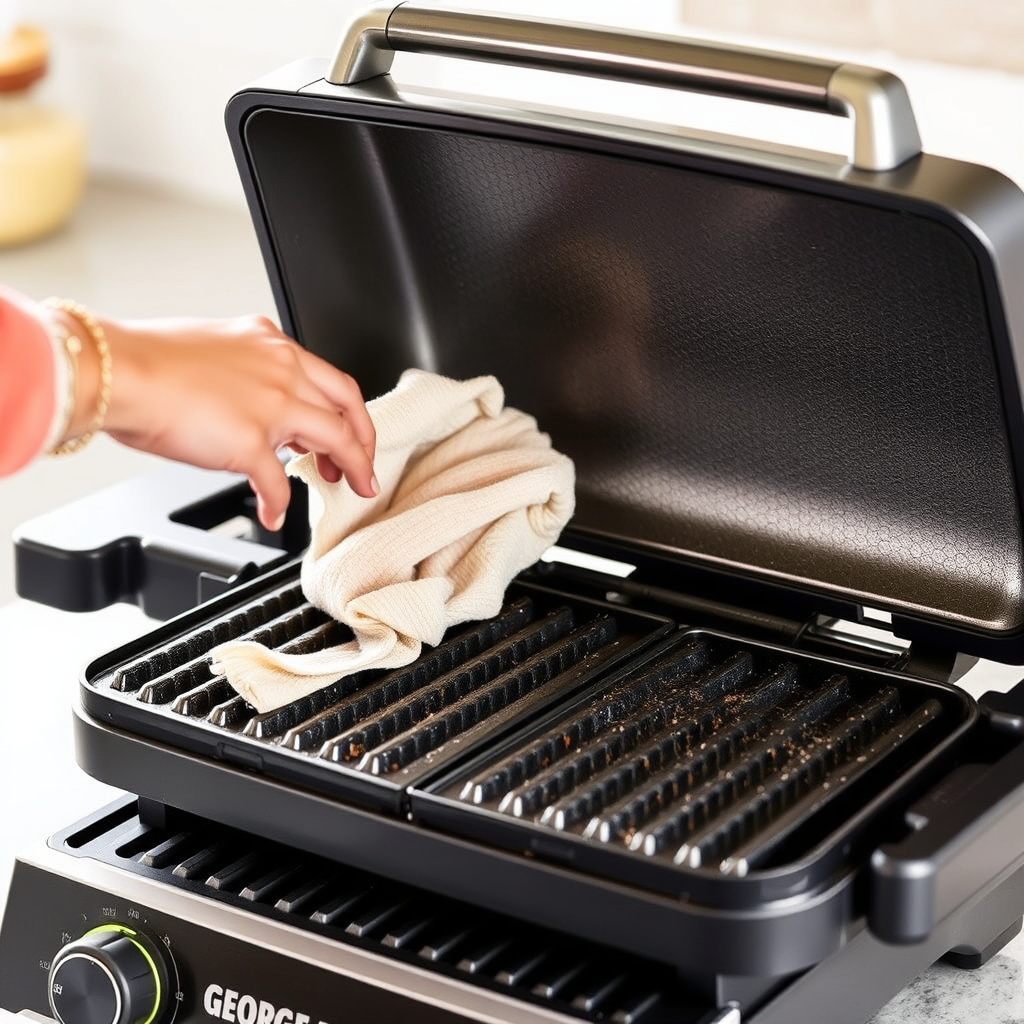
Pre-Cooking Preparations to Reduce Mess
Lightly oiling the plates with a heat-resistant spray or brush before cooking can minimize food sticking and grease build-up, making post-cooking cleaning easier.
Trimming excess fats from meats also reduces grease splatter, preserving the grill’s cleanliness and reducing smoke generation during use.
- Apply a small amount of oil pre-cooking
- Trim fatty portions from meat
- Use drip trays to catch excess grease
Regular Cleaning Schedule Recommendations
Wiping the grill after every use and performing a deep clean weekly for detachable plates ensures longevity and hygiene. Avoid delayed cleaning as hardened grease becomes tough to remove.
Inspect the grill for signs of wear or damage regularly to maintain safe operation.
- Wipe plates after every use
- Deep clean removable plates weekly
- Inspect electrical cord and surfaces monthly
Common Mistakes to Avoid When Cleaning Your George Foreman Grill
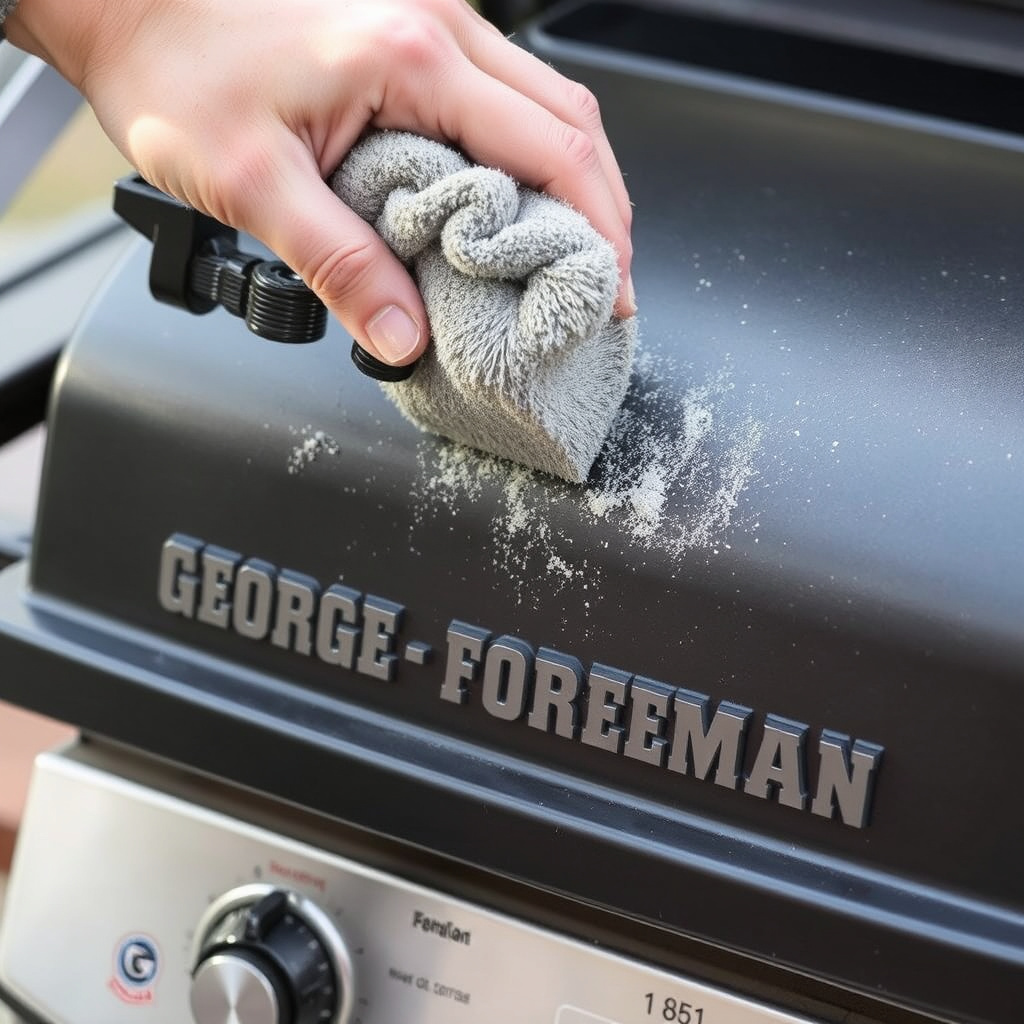
Using Abrasive Tools That Damage Non-Stick Surfaces
Scrubbing with steel wool, metal brushes, or harsh scouring pads scrapes off the delicate non-stick coating, reducing the grill’s effectiveness and lifespan.
Always use soft brushes or non-abrasive sponges to protect the surface, even if grease or residue seems stubborn.
- Avoid steel wool or metal brushes
- Use soft, non-scratch sponges
- Be patient when cleaning tough spots
Excessive Water Exposure on Fixed-Plate Models
Fixed-plate George Foreman grills contain electrical components that can be damaged by water seepage. Pouring water directly or rinsing the grill is unsafe and shortening your grill’s lifespan.
Stick to damp cloth wiping and avoid soaking the main unit to keep your grill safe and functional.
- Do not immerse fixed electrical units
- Avoid rinsing with water directly
- Use minimal moisture during cleaning
Drying and Storing Your George Foreman Grill After Cleaning
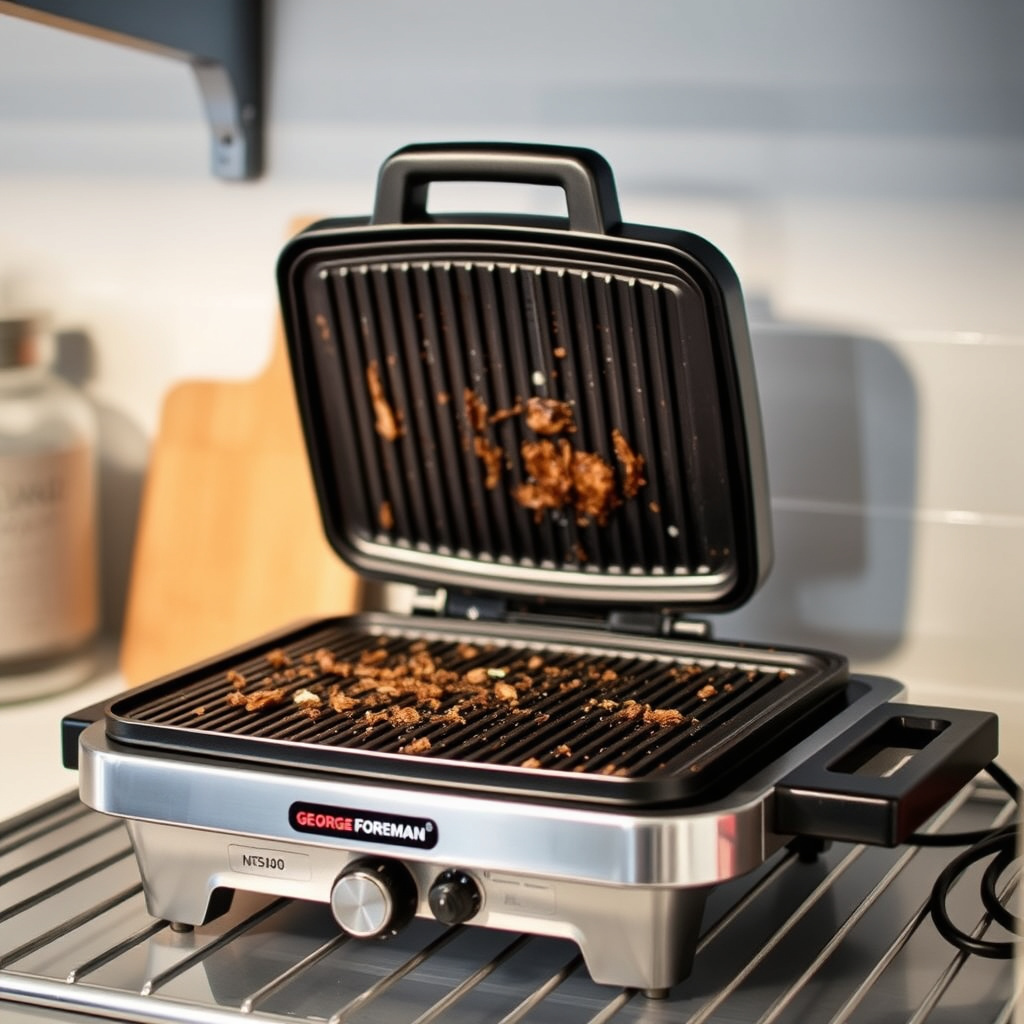
Effective Drying Techniques
After cleaning, use a dry microfiber cloth to remove any remaining moisture on plates and other parts. Allow detachable plates to air dry fully before reassembling to avoid mold or rust.
Proper drying ensures the grill is ready for next use without unwanted smells or bacterial growth.
- Wipe down with dry cloth thoroughly
- Air dry removable parts completely
- Avoid storing the grill while damp
For more detailed information about the George Foreman grill and its features, consult these official cleaning tips. George Foreman grill cleaning tips.
Safe Storage Practices
Store your George Foreman grill in a cool, dry place with the lid closed or locked. For models with removable plates, store plates separately if possible to prevent moisture trapping.
Keeping the grill dust-free and dry will preserve its condition and prevent damage during periods of disuse.
- Keep grill in a dry, ventilated space
- Close lid or lock clamp if available
- Store removable parts separately if damp
George Foreman Grill Cleaning Methods Comparison
Here we compare common cleaning methods for George Foreman grills based on ease, effectiveness, and safety for the non-stick surface.
| Method | Ease of Use | Effectiveness | Surface Safety | Recommended For |
|---|---|---|---|---|
| Manual wiping with soapy cloth | High | Moderate | Excellent | Daily maintenance and light residues |
| Soaking and scrubbing removable plates | Moderate | High | Excellent | Weekly deep cleaning |
| Natural cleaners (baking soda/vinegar) | Moderate | High | Good | Tough grease and non-toxic preference |
| Commercial grill cleaners | Low | High | Variable | Heavy-duty grease, occasional use |
| Using abrasive tools | High | High | Poor | Not recommended |
Frequently Asked Questions
Can I put my George Foreman grill plates in the dishwasher?
Many George Foreman grills have dishwasher-safe removable plates; check your model’s instructions. Using a dishwasher can save time, but hand washing extends the non-stick coating’s life.
How often should I clean my George Foreman grill?
It's best to wipe the grill after every use and perform a deeper cleaning with removable plates weekly to prevent grease buildup and maintain hygiene.
What should I do if food is stuck on the grill plates?
Soak removable plates in warm soapy water to loosen food, then scrub gently with a soft sponge. For fixed plates, use a damp cloth with a mild cleaner and avoid abrasive scrubbing.
Is it safe to use vinegar on my George Foreman grill?
Yes, diluted vinegar is safe and effective for cleaning and deodorizing George Foreman grills, provided it is wiped off thoroughly and not left to soak on electrical parts.
Can I use metal utensils on the grill without scratching it?
Metal utensils can scratch the non-stick surface of your grill. It’s better to use wooden or silicone tools to preserve the coating and prolong your grill's life.
Key Takeaways
- Unplug and cool the grill before cleaning to avoid damage.
- Use gentle cloths and mild soap for regular cleaning.
- Removable plates allow easier deep cleaning via soaking.
- Avoid abrasive tools and excessive water on fixed plates.
Conclusion
Maintaining a clean George Foreman grill balances careful technique with regular attention. By understanding your grill’s specific design—fixed or removable plates—you can adopt cleaning methods that protect the non-stick surface and avoid water damage. Routine wiping after cooking paired with periodic deep cleaning ensures your grill remains efficient and hygienic for delicious meals.
For those using grills with removable plates, soaking and scrubbing weekly with mild soap is effective. For fixed plate models, gentle wiping and natural cleaners like baking soda or vinegar minimize residue. Avoiding abrasive scrubbers, excessive water, and metal utensils preserves the non-stick coating and prolongs grill life. Choosing the right cleaning approach depends on your model and cooking frequency.
Practically, start by always unplugging your grill before cleaning and never soak fixed plates. Incorporate a quick wipe into your cooking routine, and once a week dedicate time to deeper cleaning if plates are removable. Keeping your George Foreman grill tidy not only improves meal quality but also saves you from costly repairs or replacements down the road.



