
Removing rust from a grill requires the right approach to protect its surface and ensure safe cooking conditions. To clean a rusty grill, start by brushing off loose rust with a wire brush, then soak or scrub with a rust remover or natural alternatives like vinegar and baking soda, followed by thorough rinsing and drying. This restores your grill’s surface and prepares it for seasoning.
Cleaning rust is important because rust buildup not only damages the grill’s metal but can also affect food flavor and safety. Rust can harbor bacteria and make the cooking surface uneven. Keeping your grill free of rust extends its lifespan and provides consistent heat distribution for better grilling results. Regular maintenance reduces rust formation and preserves your investment.
This article covers practical methods for cleaning rusty grills, from manual scraping and natural solutions to chemical rust removers. We'll explore how to protect your grill's finish afterward and compare popular rust removal products. If you want your grill looking and performing like new, these detailed steps will guide you through every part of the process.
Understanding Rust on Your Grill
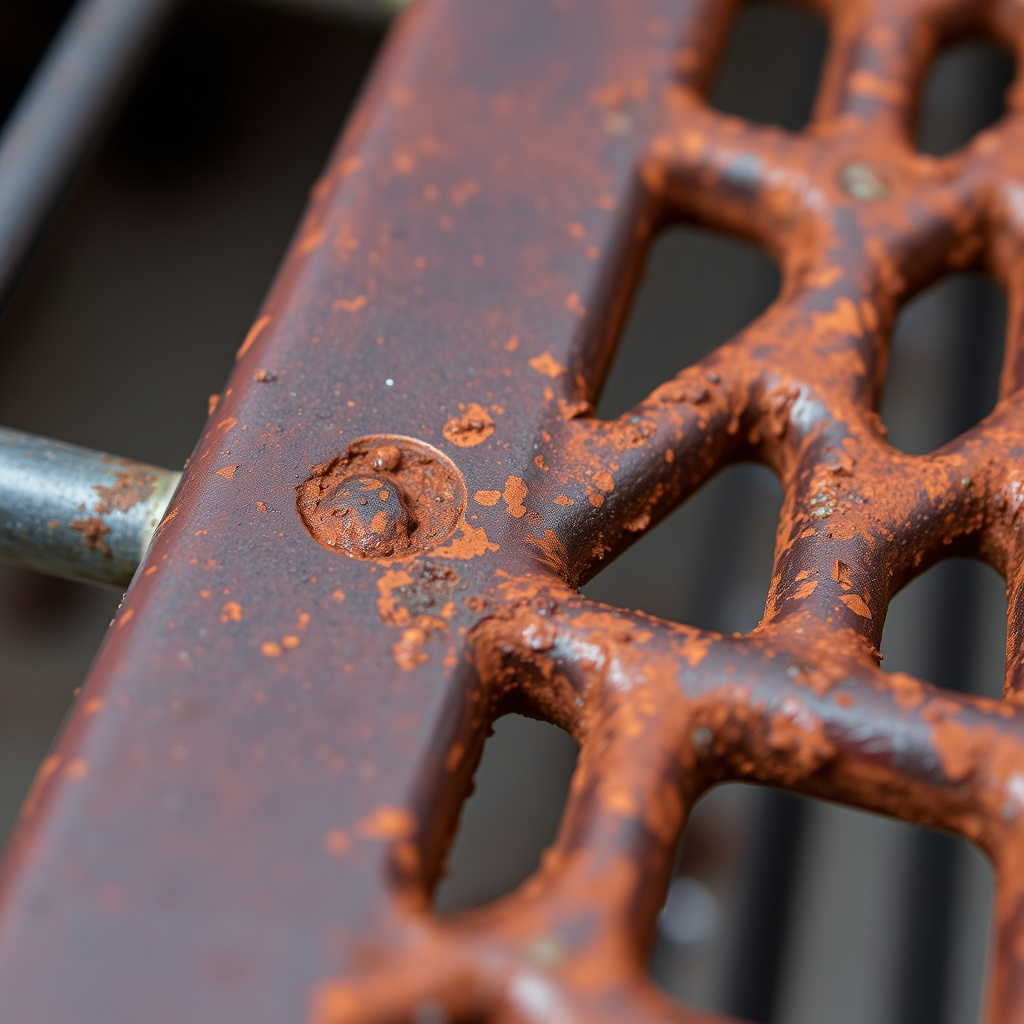
How Rust Forms on Grill Surfaces
Rust forms on grills primarily when moisture and oxygen react with iron or steel components, creating iron oxide. Exposure to rain, humidity, and food residues contribute to this chemical process. Without protective coatings or regular cleaning, grills develop unsightly and damaging rust patches.
Grills made from cast iron or steel are especially vulnerable since they lack stainless steel’s corrosion resistance. Extended outdoor storage without cover increases exposure to elements, accelerating rust. Understanding rust formation highlights the need for proper cleaning and preventative measures.
Types of Grill Materials and Rust Resistance
Grills come in various materials: cast iron, stainless steel, porcelain-coated steel, and aluminum. Cast iron grills rust easily but retain heat well; stainless steel resists rust but can discolor. Porcelain-coated steel offers rust protection but can chip and expose metal underneath.
Knowing the material guides how aggressive your cleaning method can be. Porcelain coatings generally need gentle care to avoid chipping, while cast iron can tolerate thorough scrubbing and seasoning. This knowledge reduces damage risk during rust removal.
Manual Cleaning Techniques for a Rusty Grill
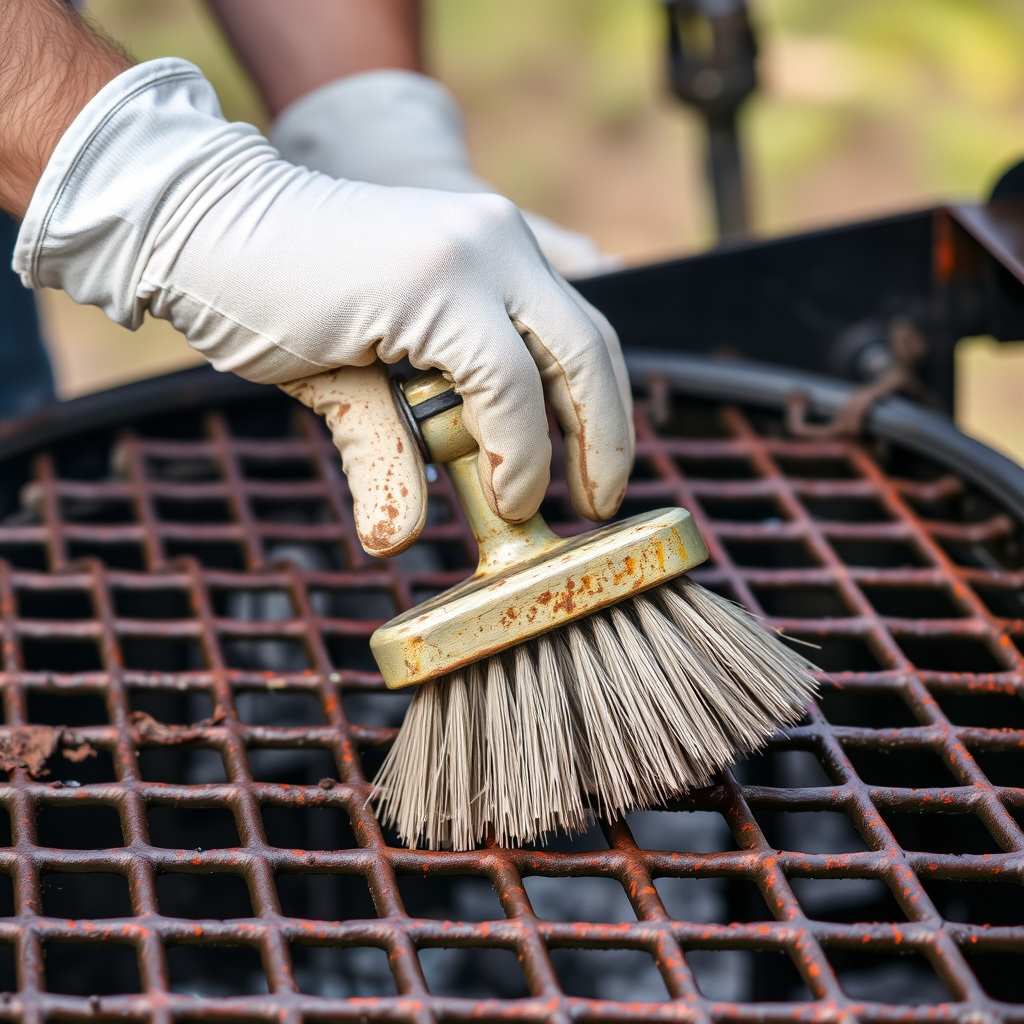
Using Wire Brushes and Abrasive Tools
Wire brushes are the most common tool for removing loose rust on grill grates and surfaces. Scrubbing with firm pressure breaks down flaky rust layers and reveals cleaner metal beneath. Use steel or brass bristles depending on grill material to avoid damage.
For stubborn spots, abrasive pads or sandpaper can smooth remaining patches. Be cautious with abrasive tools on delicate coatings to prevent scratching or peeling. Regular brushing after each use can minimize rust buildup.
- Choose wire brush size matching grill grate dimensions
- Wear gloves to protect hands from bristles
- Scrub in one direction for consistent results
Soaking and Scrubbing with Household Ingredients
Natural household ingredients like white vinegar and baking soda act as mild rust removers. Soaking grill parts in vinegar for several hours loosens rust particles, making scrubbing easier. Baking soda paste applied with a brush adds gentle abrasion and neutralizes odors.
These non-toxic methods are affordable and environmentally friendly. After soaking, scrub thoroughly and rinse with water to remove residues. This technique suits grills with light to moderate rust without harsh chemicals.
- Fill a container with white vinegar for soaking detachable parts
- Create a baking soda paste with water for surface application
- Rinse and dry completely after treatment
Chemical Rust Removers and Their Application
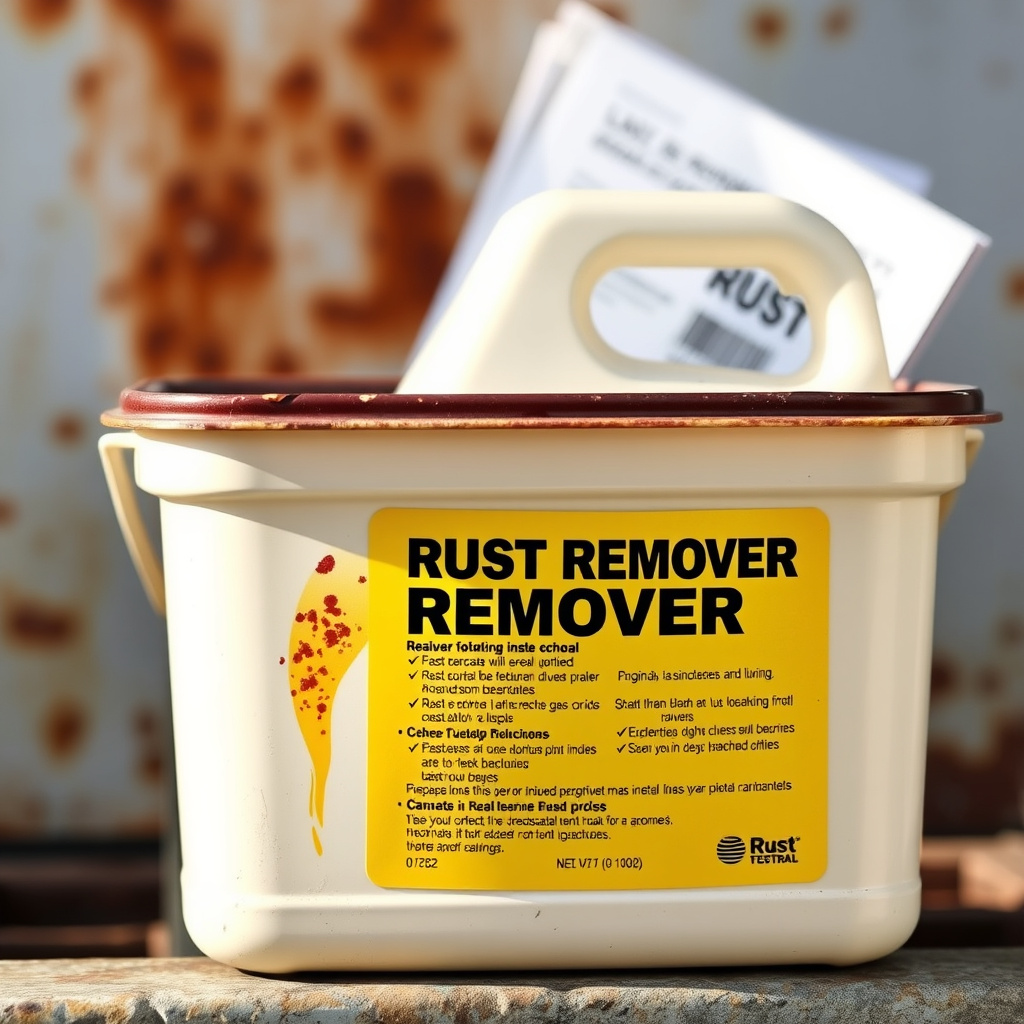
Choosing the Best Rust Remover for Grills
Commercial rust removers contain acids or chelating agents designed to dissolve rust quickly. Products vary from phosphoric acid-based gels to rust converters that turn rust into a protective layer. Selecting one compatible with grill metal ensures effective cleaning without damage.
Look for removers labeled safe for cooking surfaces or metal grills. Some require protective equipment during application and thorough rinsing to eliminate chemical residues. Reading product reviews can help identify best rust remover for grills options that balance power with safety.
- Read safety and usage instructions carefully
- Test on a small inconspicuous area first
- Use in well-ventilated areas with gloves
For more on this, see our related guide: How to Clean Grill Grates for a Safer, Tastier Barbecue.
Step-by-Step Guide to Using Chemical Removers
Apply the rust remover evenly on the affected areas, following product directions for thickness and exposure time. Some removers need to sit for 10-30 minutes, while others require repeated applications.
After the reaction period, scrub with a brush to lift loosened rust, then rinse thoroughly with water. Dry the grill immediately to prevent new rust formation. Repeat if necessary, but avoid excessive chemical exposure that may weaken materials.
Protecting and Maintaining Your Grill After Rust Removal
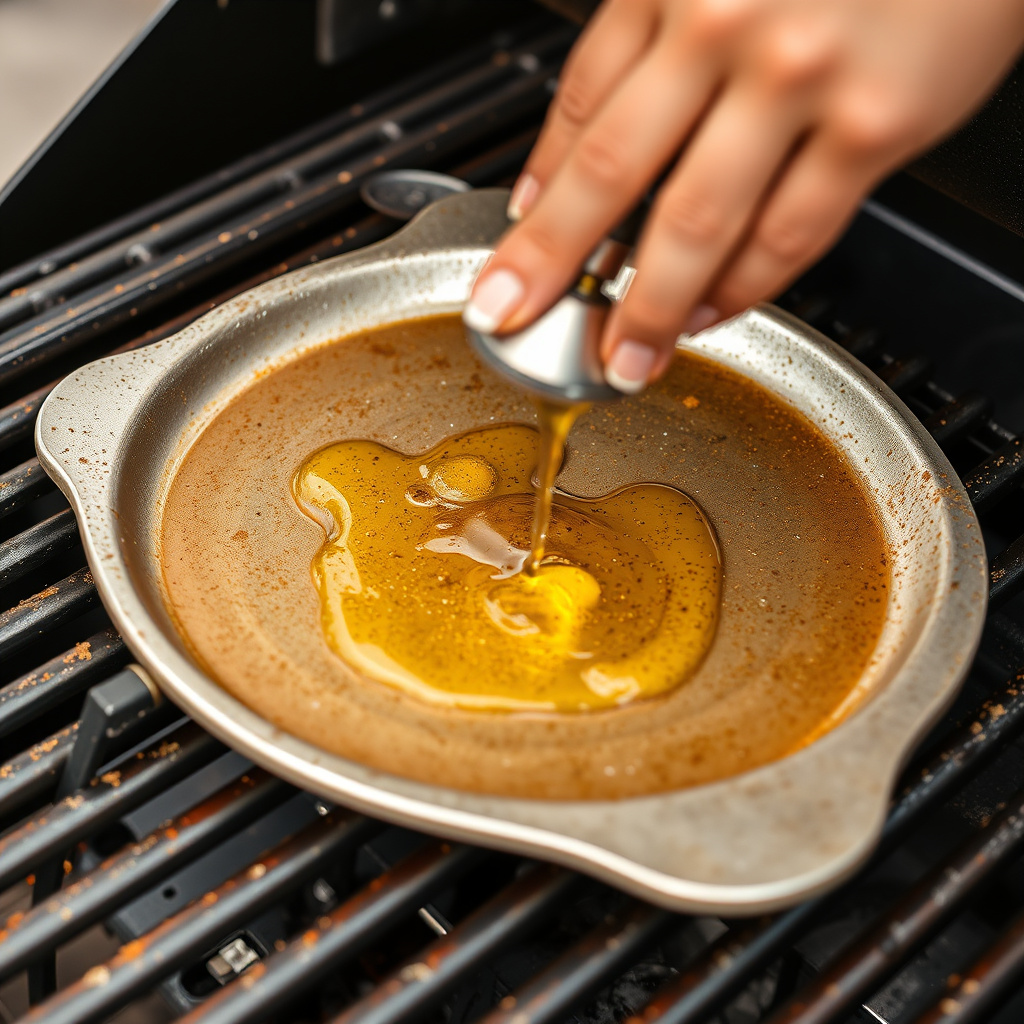
Seasoning Cast Iron Grill Grates
Seasoning cast iron grates after rust removal creates a natural, rust-resistant coating. Apply a thin layer of cooking oil and heat the grill to polymerize the oil into a hardened surface. This protects metal from moisture and food acids while enhancing non-stick properties.
Repeat seasoning periodically, especially after thorough cleaning or scraping. Proper seasoning can extend your grill's life and improve heat retention for better grilling performance.
- Clean and dry grates completely before seasoning
- Use flaxseed, vegetable, or canola oil
- Heat grill to around 400°F for an hour during seasoning
Routine Maintenance Tips to Prevent Rust
Keep your grill dry by covering it when not in use and wiping off moisture after cooking sessions. Wash grates regularly to remove food residue that can trap moisture and encourage rust formation. Check for chips or scratches on coated surfaces and touch them up if necessary.
Using a grill brush after every cook and performing seasonal deep cleans preserve the metal finish and reduce rust risk. Small maintenance habits protect your investment and save time on heavy restoration.
- Cover grill with a waterproof grill cover
- Store grill outdoors under shelter or move inside if possible
- Apply protective sprays or oils after cleaning
Tools and Safety Gear for Rust Removal
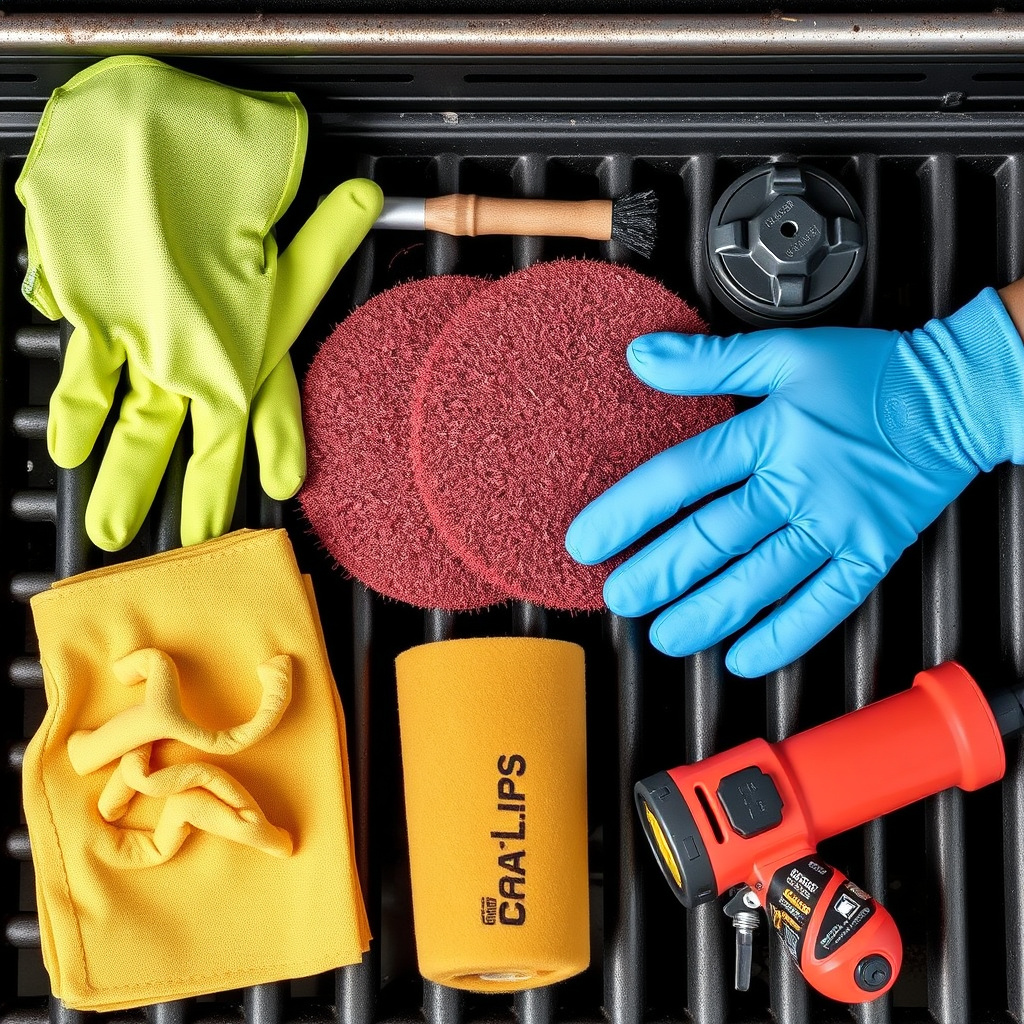
Essential Cleaning Tools
Key tools for cleaning a rusty grill include wire brushes of varying stiffness, steel wool, and abrasive pads. Sandpaper of medium grit is useful for smoothing spots. Containers for soaking parts and spray bottles for applying vinegar also help with manual cleaning.
Choosing quality brushes with ergonomic handles reduces hand fatigue during scrubbing. Using the right tools tailored to your grill material improves cleaning efficiency and reduces risk of accidental damage.
- Wire brush with durable bristles
- Sandpaper (120-220 grit)
- Non-metallic scrubbers for porcelain
- Spray bottles for natural solutions
Personal Protective Equipment for Safe Cleaning
Rust removal can expose you to metal particles, harsh chemicals, and sharp edges. Gloves protect hands from cuts and irritants, while eye protection prevents debris from entering eyes during scrubbing. Masks are advised when using chemical rust removers to avoid inhaling fumes.
Ensuring safety prevents injuries and long-term health effects. Always handle tools and chemicals in well-ventilated areas and follow manufacturer guidance on protective gear needed for specific products.
- Durable work gloves
- Safety goggles
- Face mask or respirator with chemical filters
- Protective clothing to cover arms
Restoring and Refinishing Your Grill After Cleaning
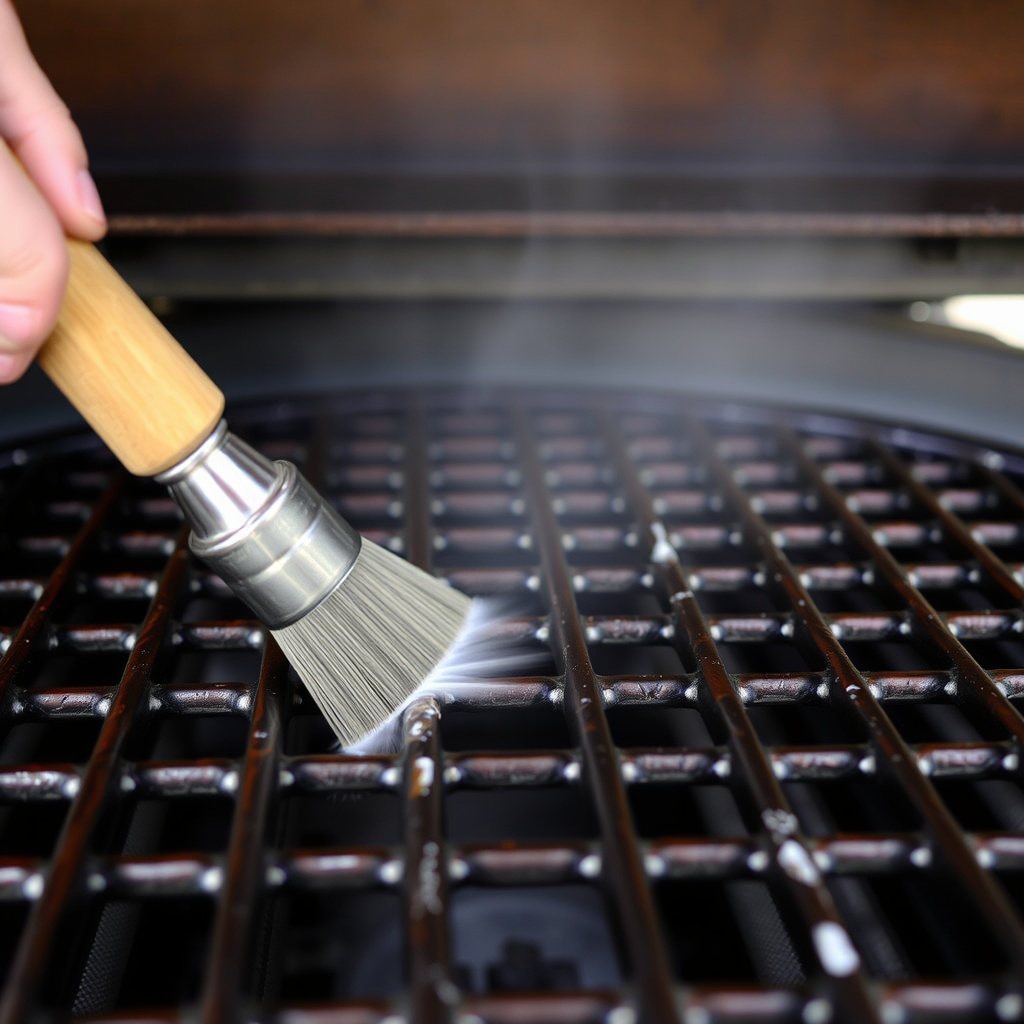
Applying Grill Paint and Rust Inhibitors
For grills with extensive rust damage or exposed metal, applying high-temperature grill paint helps restore appearance and add a protective layer against moisture. Rust inhibitors create a barrier that slows future corrosion. These products must withstand heat cycles and food exposure.
Prior to application, ensure the grill is fully cleaned, dried, and free from grease. Follow instructions on curing times and layering. This step prolongs structural integrity and cosmetic appeal.
- Use only paint rated for grills or grills parts
- Apply multiple thin coats for durability
- Allow proper drying between coats
For more scientific background on rust and corrosion processes, the rust article on Wikipedia offers detailed explanations. rust article on Wikipedia.
Replacing Severely Damaged Grill Components
When rust has compromised grills parts beyond repair—such as warped grates or flaking metal—it’s often safer to replace those components rather than continue cleaning. Replacement parts improve safety and grilling quality.
Many manufacturers sell compatible grates and panels separately. Matching materials and dimensions ensures proper fit and performance. Regular inspections help identify when replacement is necessary before serious problems arise.
Comparison of Rust Removal Methods for Grills
This table contrasts various rust removal methods for grills, focusing on effectiveness, safety, cost, and effort to help you choose the best approach.
| Method | Effectiveness | Safety | Cost | Effort Level |
|---|---|---|---|---|
| Wire Brush & Manual Scrubbing | Moderate | High safety with gloves | Low | Moderate |
| Vinegar and Baking Soda | Moderate | Very safe, natural | Very low | Moderate |
| Chemical Rust Removers | High | Requires PPE, ventilation | Medium to high | Low to moderate |
| Sandpaper & Abrasives | Moderate | Safe with care | Low | Moderate |
| Rust Converting Paints | Good for prevention | Safe after drying | Medium | Low |
Frequently Asked Questions
Can I use bleach to remove rust from my grill?
Using bleach is not recommended for rust removal on grills. It doesn’t effectively dissolve rust and can damage metal surfaces further, potentially causing pitting or corrosion.
How often should I clean my grill to prevent rust?
Clean your grill after every use by brushing off food debris and wiping down surfaces. A deep clean and seasoning every few months help prevent rust buildup.
Is it safe to cook on a rusty grill after cleaning?
Once rust is fully removed and the grill is cleaned, rinsed, and seasoned properly, it is safe to cook on. Residual rust particles are harmful, so thorough cleaning is essential.
Can I prevent rust by covering my grill?
Yes, using a waterproof cover keeps moisture off your grill, reducing rust formation. Combined with proper cleaning and drying, covers extend grill lifespan.
Are there any natural rust removers besides vinegar and baking soda?
Lemon juice and salt mixtures can also remove rust naturally. The acid combined with abrasive salt particles helps break down rust without harsh chemicals.
Key Takeaways
- Scrubbing with a wire brush removes superficial rust effectively.
- Natural rust removers like vinegar and baking soda are safe and affordable.
- Chemical rust removers offer faster results but require caution and PPE.
- Seasoning and maintenance prevent rust recurrence and protect your grill.
Conclusion
Cleaning a rusty grill involves understanding the material and rust extent, followed by choosing an appropriate method balancing effectiveness and protecting the metal surface. Manual scrubbing combined with natural solutions works well for light to moderate rust, while chemical removers handle tougher buildup. Preparing your grill by drying and seasoning afterward prevents new rust from forming and maintains cooking quality. Regular inspection and maintenance minimize costly repairs and extend your grill’s life significantly.
If your grill’s rust is mostly on cast iron parts, a wire brush plus vinegar soak along with thorough seasoning afterward is a practical routine. For stainless steel grills, gentle cleaning and rust inhibitors help preserve finish. Chemical rust removers deliver speedy solutions for stubborn rust areas but need careful handling. Applying high-temperature paint or replacing badly corroded components restores both functionality and appearance for longer-term use. Tailoring your approach to the grill type and rust severity ensures the best results.
Before starting your rust cleaning project, gather suitable tools such as wire brushes, gloves, and eye protection, and decide on a rust removal method that fits your comfort with chemical use and time availability. Follow all safety instructions and allow adequate drying time before use. By taking these steps, your rusty grill can become a reliable and enjoyable tool for delicious backyard meals season after season.



