
Cleaning grill grates involves removing food residue, grease, and carbon buildup to ensure better cooking and prevent flare-ups. The simplest way is to scrape the grates thoroughly with a grill brush after preheating the grill, then rinse with warm soapy water and dry completely.
Keeping grill grates clean matters because leftover grime harbors bacteria, causes sticking, and affects food flavor. Proper cleaning also helps prolong the lifespan of your grill by preventing rust and corrosion, making your barbecues safer and more enjoyable.
This article covers practical techniques for cleaning grill grates, including tools to use, various cleaning methods like using natural or commercial cleaners, and tips for maintaining grill grates between uses.
Preparing Your Grill Grates for Cleaning
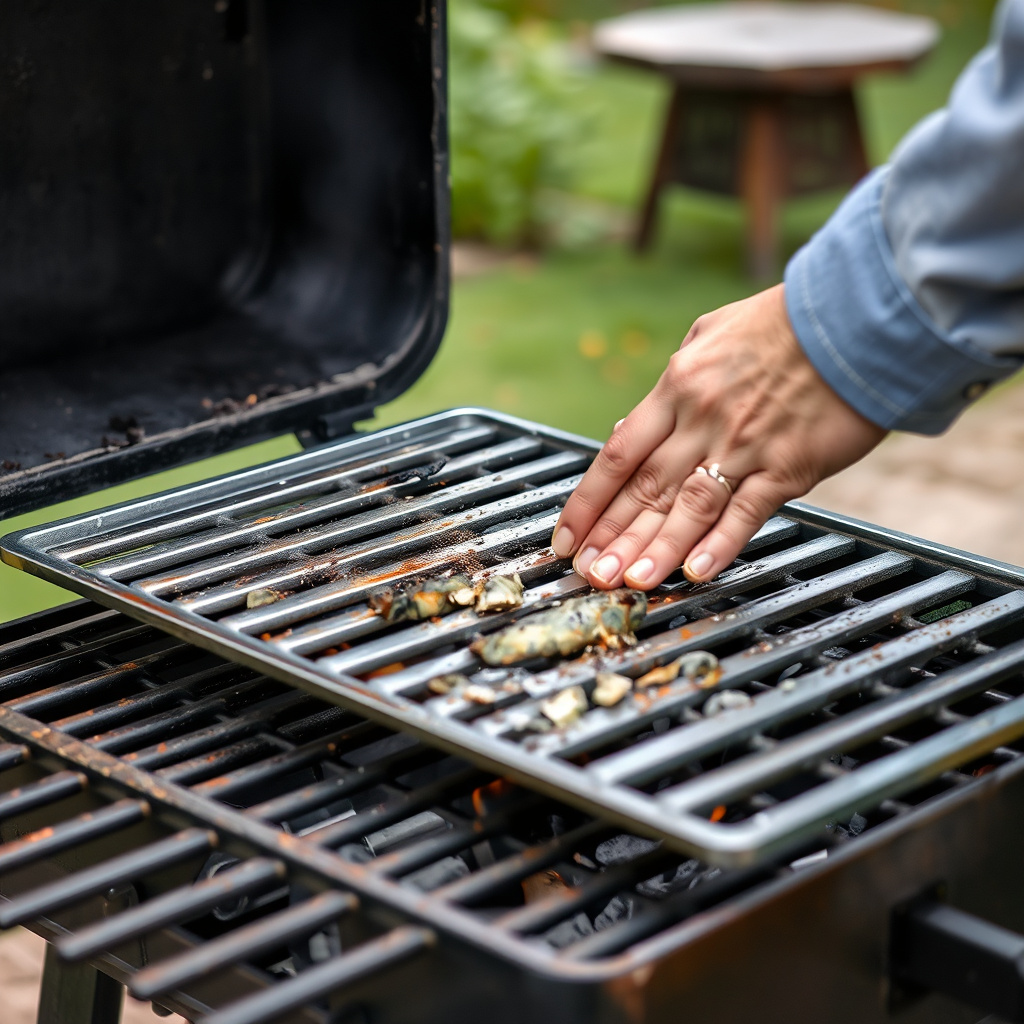
Removing Grates Safely
Before cleaning, ensure the grill is completely cool to avoid burns. Carefully lift the grates to avoid bending or damaging them, especially if they are made of cast iron, which is more fragile than stainless steel.
If your grill grates are very dirty, detaching them allows for a more thorough soak or scrubbing session without damaging other grill parts.
Pre-Heating the Grill for Easier Scraping
Turning the grill on for 10-15 minutes heats the grates and softens stuck-on food particles, making removal with a brush much easier.
This method is especially effective right after cooking, using residual heat to loosen debris, reducing cleaning effort.
- Use medium-high heat for about 15 minutes
- Wear heat-resistant gloves to avoid burns
- Turn off the grill before scrubbing to avoid flare-ups
Manual Cleaning Methods for Grill Grates
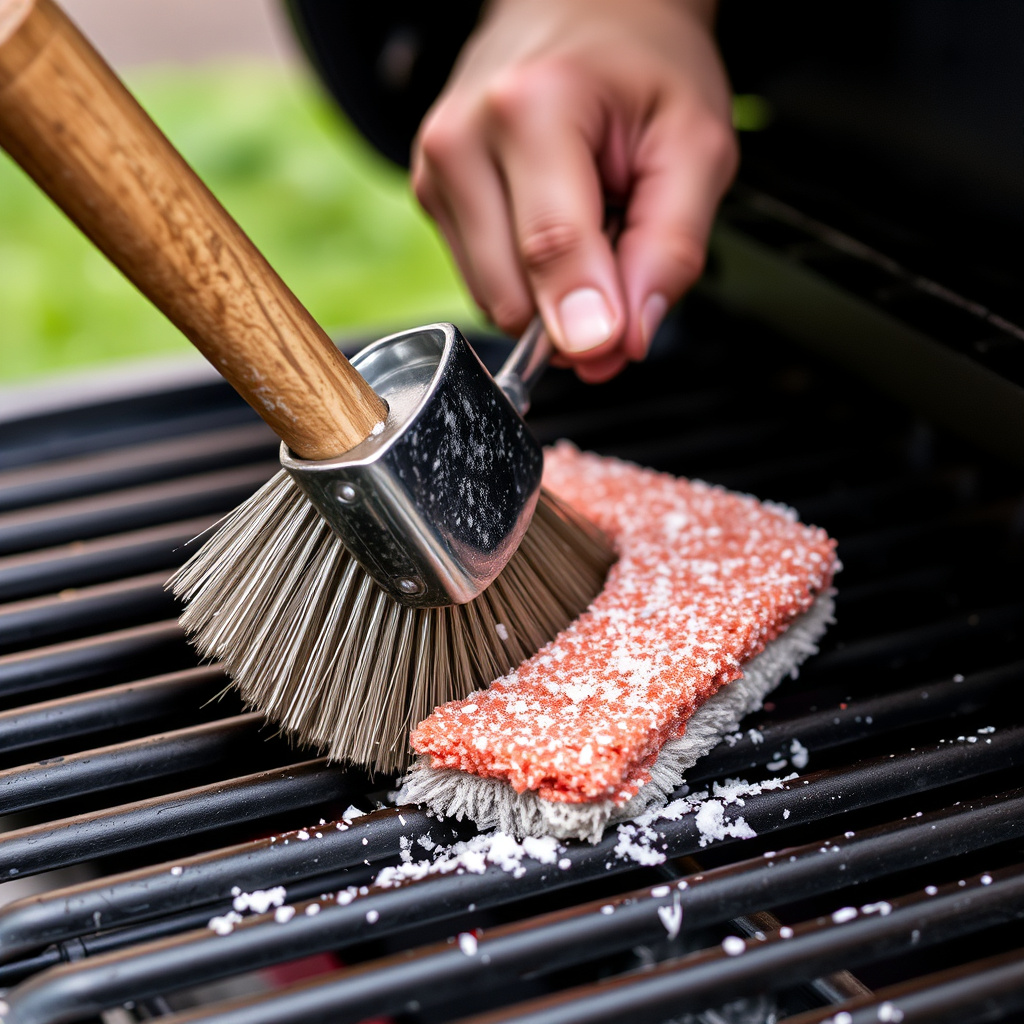
Using Grill Brushes and Scrapers
A sturdy grill brush with stainless steel or brass bristles is ideal for scraping off food residue and burnt grease. Brushes with a scraper edge help tackle harder carbon buildup.
Replace worn brushes regularly to avoid bristles breaking off and sticking to grates or food, which can be hazardous.
- Scrub grates longitudinally to cover grooves
- Avoid excessive force that may damage coatings
- Use brushes specifically designed for your grate material
Applying Household Cleaners
Soaking grill grates in warm soapy water loosens grease and baked-on food. For tougher grime, a paste made from baking soda and water acts as a mild abrasive without harmful chemicals.
Avoid harsh chemical cleaners that may leave unsafe residues; instead, rinse thoroughly after washing.
- Use dish soap mixed with hot water
- Baking soda paste for stubborn areas
- Rinse completely to avoid flavor contamination
Advanced Techniques: Heat and Natural Cleaners
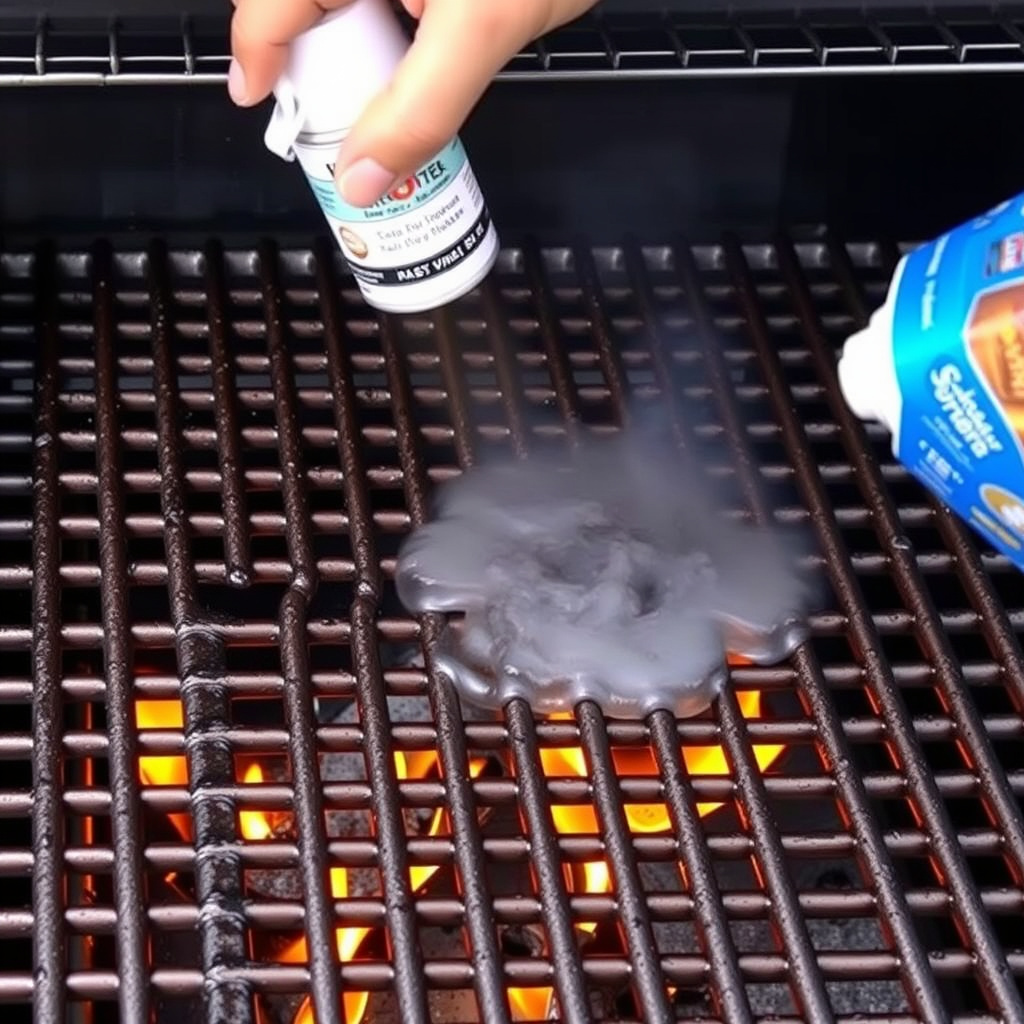
Using Vinegar and Water Solutions
Mixing equal parts white vinegar and water in a spray bottle allows for easy application on grates. Vinegar’s acidity breaks down grease and grime effectively.
Spray the solution, let it sit for 20 minutes, then scrub with a brush or sponge before rinsing thoroughly.
- Vinegar acts as a non-toxic degreaser
- Safe for most grate materials
- Avoid prolonged exposure on cast iron without seasoning afterward
For more on this, see our related guide: How to Clean a Grill: Effective Methods for Sparkling Results.
Burn-Off Method for Charcoal and Gas Grills
Heating the grill on high for 15 minutes after cooking burns off grease and food particles, turning them to ash that can be brushed off easily.
This natural method works best for light cleaning and as part of routine maintenance.
- Run grill on high for 10-15 minutes
- Use a wire brush immediately after burn-off
- Wear heat-resistant gloves
Maintaining Grill Grates Between Uses
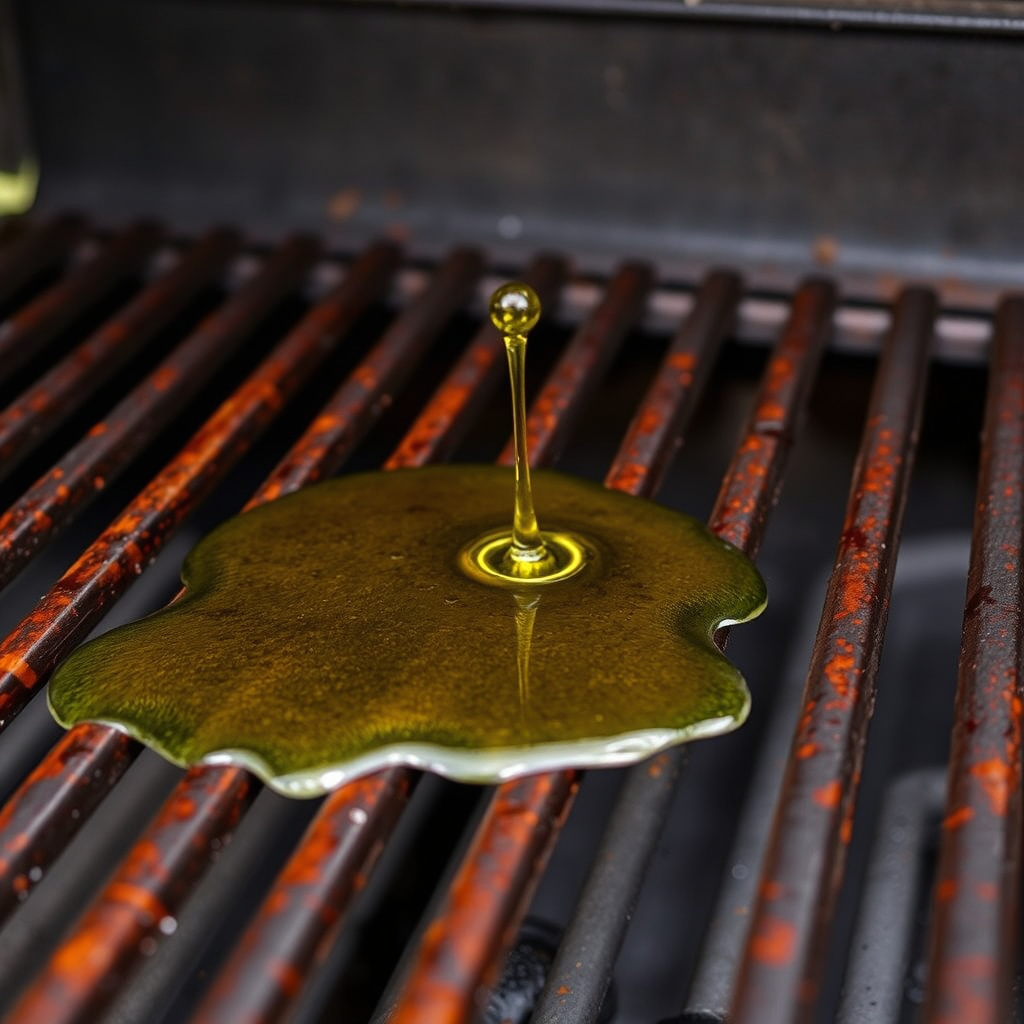
Seasoning Cast Iron Grates
Cast iron grill grates can rust easily if not properly maintained. After cleaning, apply a thin layer of vegetable oil and heat the grill to create a protective non-stick seasoning.
Regular seasoning prevents rust and extends the grate’s lifespan while improving cooking performance.
- Apply oil using a cloth or paper towel
- Heat grates on medium-high heat for 15 minutes
- Repeat after each thorough cleaning
Covering and Storing Your Grill
Using a grill cover keeps grates protected from rain, dust, and debris, which reduces rust formation. For longer storage, consider removing grates and storing them indoors.
Proper storage maintains your grill’s condition and reduces the frequency of deep cleaning required.
- Use waterproof grill covers
- Store grates in a dry, ventilated place
- Clean grates before storage
Tools and Accessories for Effective Grill Grate Cleaning
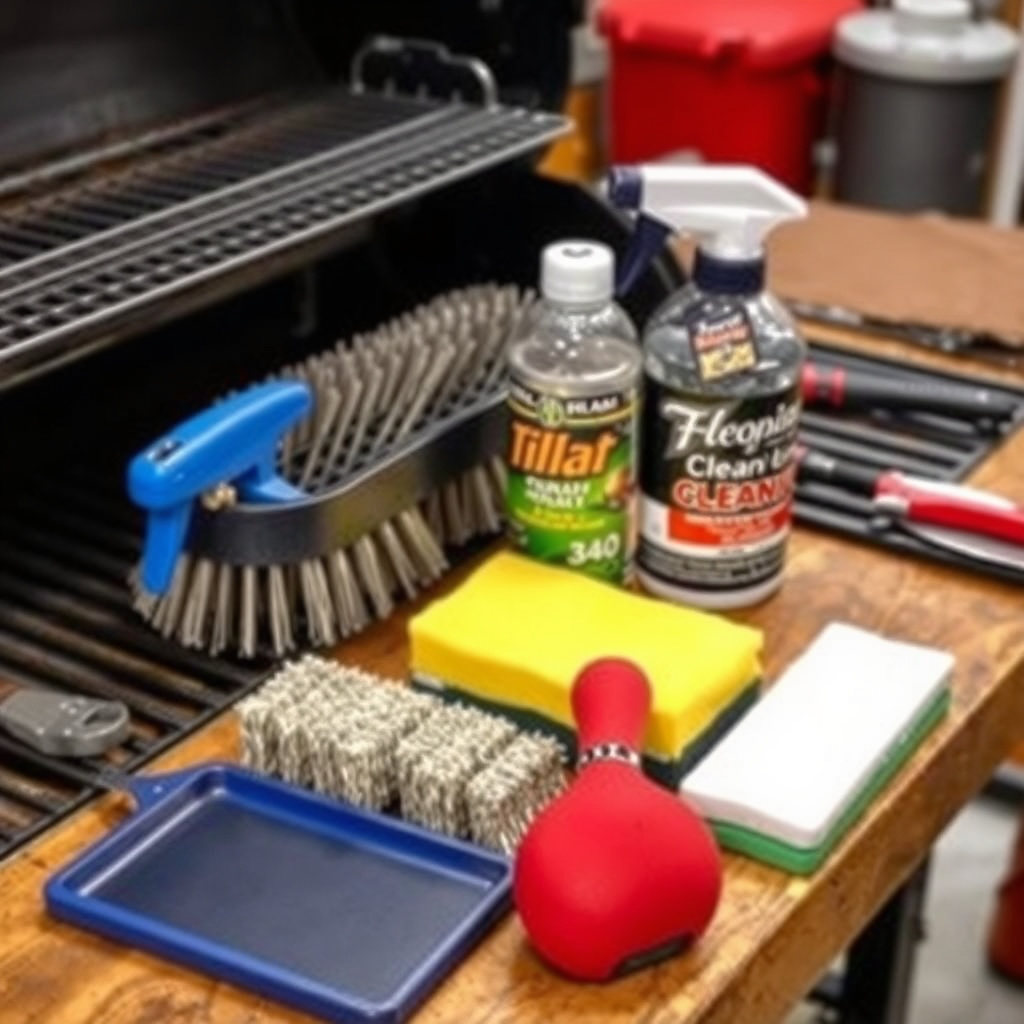
Choosing the Right Grill Brush
A grill brush with firm, non-shedding bristles made of stainless steel is best for durability and safety. Brushes come with different handle lengths and scraper designs to meet varying cleaning needs.
Selecting the right brush based on your grate type helps clean efficiently without damage.
- Look for brushes with secure bristle attachment
- Consider long handles for safety
- Avoid brushes with brittle or rusty bristles
Using Cleaning Sprays and Alternatives
Commercial grill cleaners are widely available but often contain harsh chemicals. Natural alternatives like vinegar or lemon juice sprays are safer and eco-friendly, but may require more effort.
Choose sprays that match your comfort level with chemical use and follow product instructions carefully for best results.
- Select cleaners safe for your grill type
- Test on a small area first
- Rinse thoroughly after use
How to Handle Difficult Grill Grate Stains
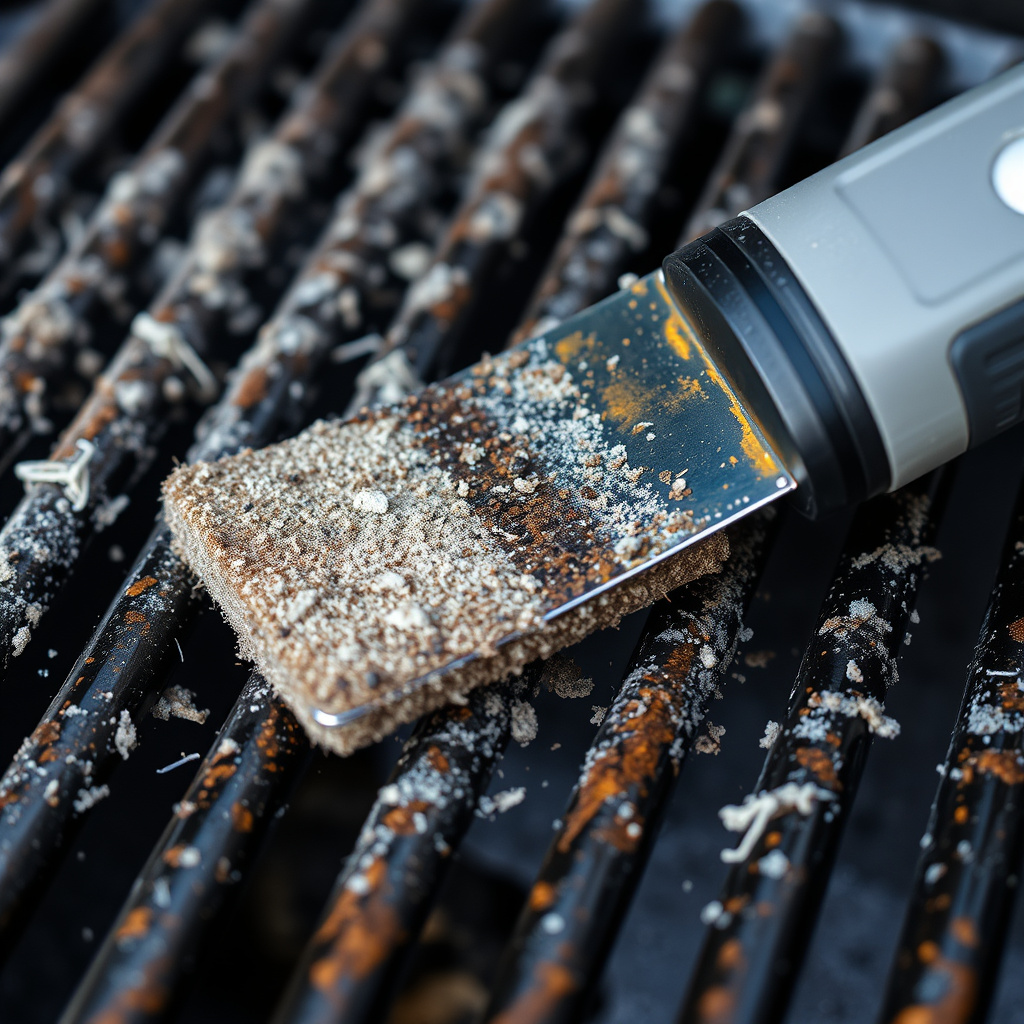
Removing Carbon Buildup and Rust
For carbonized residue, steel wool or a wire brush combined with a baking soda paste can effectively break down stubborn patches. Rust can be treated with fine-grit sandpaper gently applied to affected areas.
After removing rust, reseason cast iron grates to prevent recurrence, and ensure all particles are wiped away before cooking.
- Use mild abrasives cautiously
- Avoid damaging grate surfaces
- Oil and heat after treatment to protect metal
For additional safety advice and detailed grill grate maintenance tips, visit the USDA Food Safety and Inspection Service page. grill grate maintenance tips.
Dealing with Grease Fires and Residue
Grease fires leave sticky, baked-on residue on grates that requires careful removal. Cooling the grill then soaking grates overnight in a degreasing solution helps loosen the buildup.
After soaking, scrub thoroughly, rinse well, and dry to prevent flare-ups and flavor contamination.
- Use degreasers designed for grills
- Avoid using water on hot grates
- Follow safety guidelines during cleaning
Comparison of Grill Grate Cleaning Methods
Here’s a comparison of common grill grate cleaning methods highlighting effectiveness, ease, and safety for different grill types.
| Method | Effectiveness | Safety | Ease of Use | Best For |
|---|---|---|---|---|
| Wire Brush Scraping | High | Moderate – watch for loose bristles | Easy | Routine cleaning of stainless steel grates |
| Soaking in Soapy Water | Moderate | High | Moderate | Cast iron and porcelain-coated grates |
| Vinegar Spray | Moderate | High | Easy | Eco-friendly cleaning for all grates |
| Burn-Off Technique | Low to Moderate | High | Very Easy | Quick maintenance after cooking |
| Baking Soda Paste | High on stubborn stains | High | Moderate | Removing carbonized residue |
| Commercial Cleaners | Variable | Varies by product | Easy | Heavy-duty cleaning for gas grills |
Frequently Asked Questions
How often should I clean my grill grates?
After each use, a quick scrape and burn-off helps maintain cleanliness. Deep cleaning with soaking or scrubbing should be done every few months or more often if you grill frequently.
Can I use a wire brush on cast iron grill grates?
You can use a wire brush carefully on cast iron grates, but avoid overly aggressive scrubbing or wire bristles that may chip seasoning. After cleaning, reapply oil to protect the surface.
Is it safe to use chemical cleaners on grill grates?
Some chemical cleaners are safe if used according to instructions and rinsed thoroughly. However, many prefer natural methods like vinegar due to concerns about residue affecting food taste or safety.
How do I prevent rust on my grill grates?
Keep grates clean and dry, apply a light coat of cooking oil after use, and store the grill covered or indoors during bad weather to minimize rust formation.
What is the best way to remove tough burnt-on grime?
Use a combination of soaking in warm soapy water, then scrubbing with a baking soda paste or a grill brush. For extreme buildup, steel wool can help but use it with care to avoid damaging grates.
Key Takeaways
- Preheating the grill loosens residue for easier cleaning
- Wire brushes and baking soda paste effectively remove grime
- Seasoning cast iron grates after cleaning prevents rust
- Natural cleaners like vinegar offer a safe, eco-friendly option
Conclusion
Deciding how to clean grill grates comes down to the type of material you have and how heavily soiled they are. Stainless steel and porcelain-coated grates tolerate scrubbing and chemical cleaners better, while cast iron requires gentler handling and regular seasoning. Combining scraping, soaking, and natural cleaning agents provides a thorough approach that balances efficiency and grate care.
For routine maintenance, quick high-heat burn-offs and scraping with a sturdy wire brush suffice to keep your grill ready for the next cookout. When more persistent buildup accumulates, soaking grates in warm soapy water and using baking soda or vinegar solutions breaks down stubborn residue safely. Cast iron grates benefit from seasoning after cleaning to enhance their durability. Commercial cleaners can be reserved for heavy-duty cleaning but require thorough rinsing to avoid chemical flavors transferring to food.
To maintain the best grilling experience, establish a regular cleaning routine following cooking sessions and protect your grill with covers when not in use. Investing in a quality wire brush and choosing natural cleaning options helps prolong grate lifespan while keeping food safe and flavorful. Start with the suggested methods here to enjoy cleaner grill grates and better barbecues all season long.



